Motor Grader Models — Browse All Makes & Manufacturers
Explore the full lineup of motor grader models from leading global manufacturers. Compare specifications, read model reviews, and find verified listings – all in one reference hub.

Browse by manufacturer
50+ global manufacturers. Pick a manufacturer to see its full model lineup across all categories.





Popular motor grader models
Most viewed and most listed on JumboBee this month.
Popular motor grader listings
Most viewed and most listed on JumboBee this month.
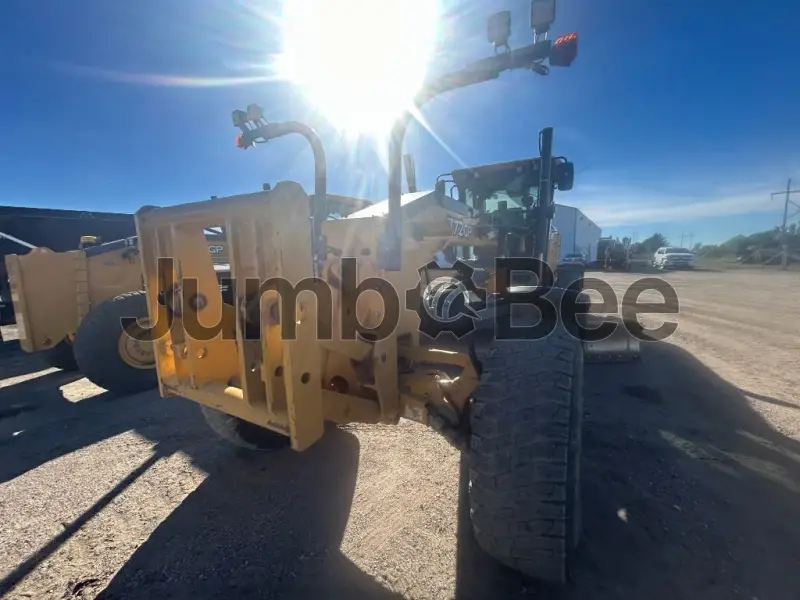
$137,000
275 hp
17502 kg
John Deere PowerTech PSS 9.0L
8214 hours
Minot, United States
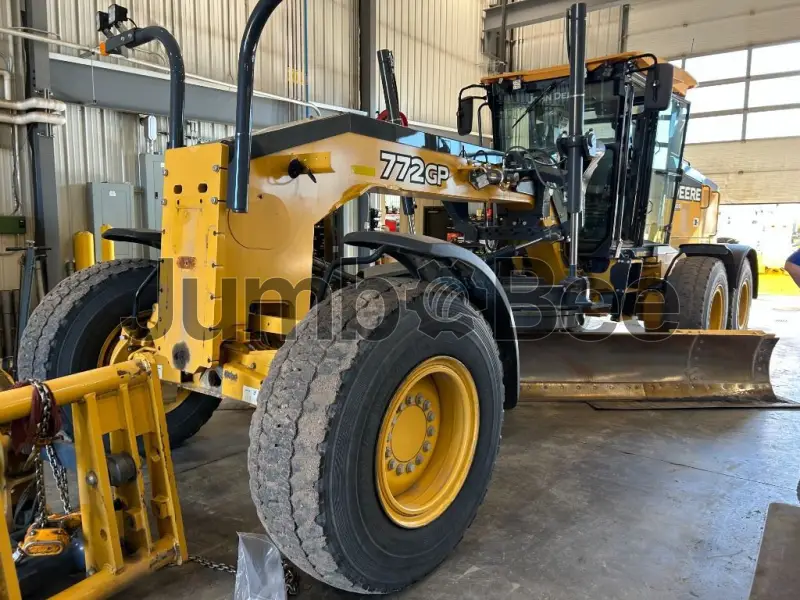
$225,500
3180 mm
5 deg
22453 kg
3093 hours
Sioux Falls, United States
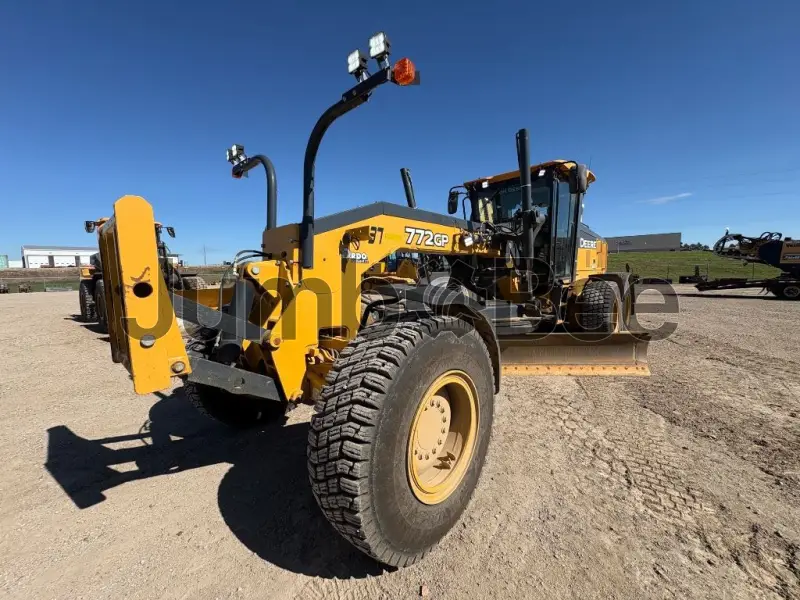
$128,500
John Deere PowerTech PSS 9.0L
275 hp
6
9149 hours
Williston, United States
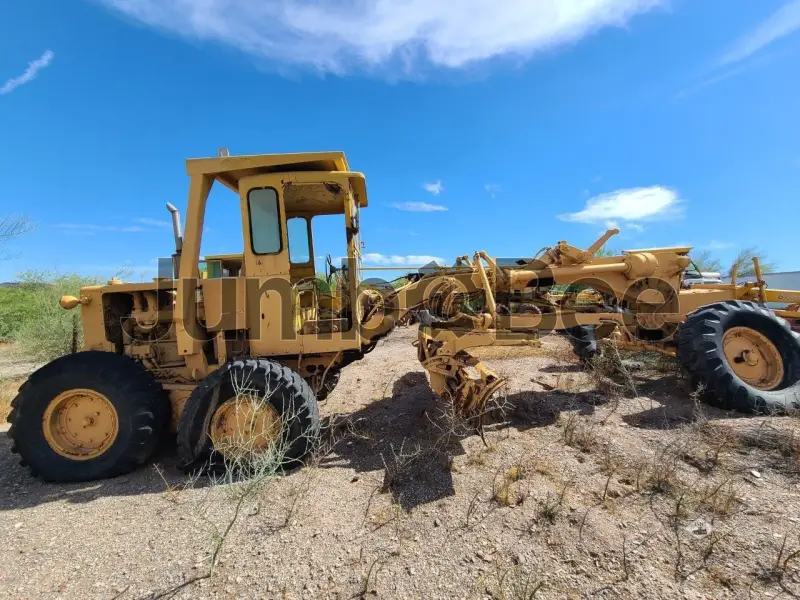
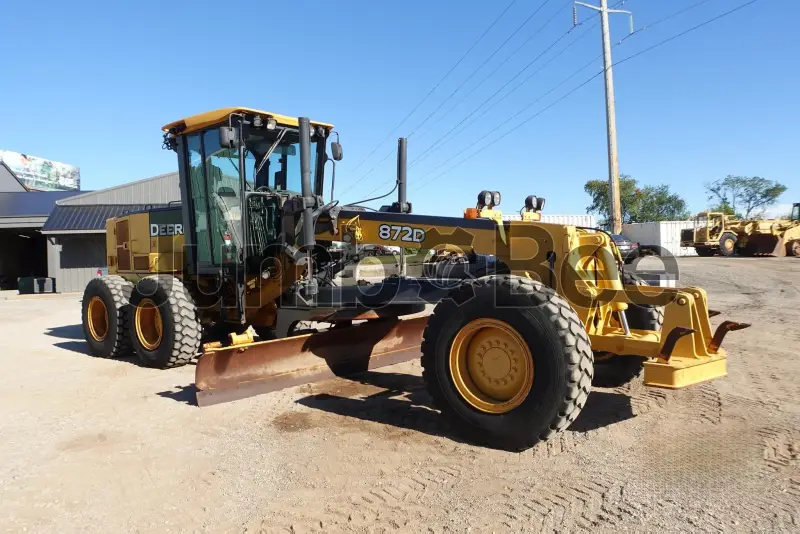
$59,750
49 L
245 hp
Variable-displacement piston
Peoria, United States
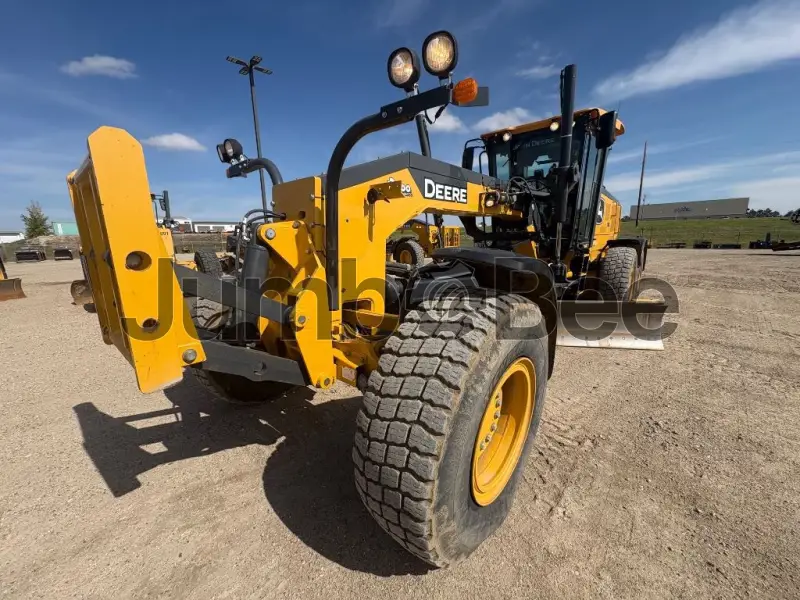
$205,500
416 L
18961 kPa
2570 mm
6232 hours
Williston, United States
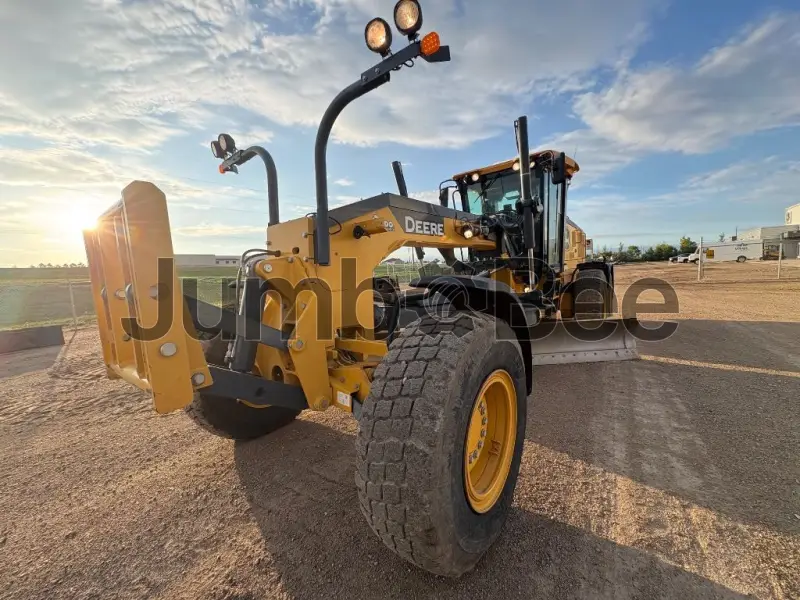
$212,500
275 hp
2570 mm
6160 mm
6128 hours
Williston, United States
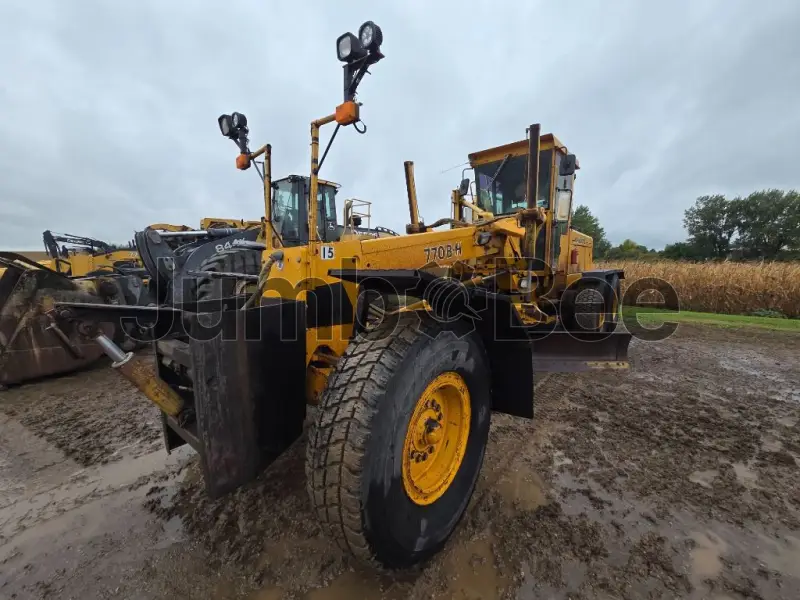
$30,000
10251 kg
5 deg
7 cu(m)
18686 hours
Marshall, United States
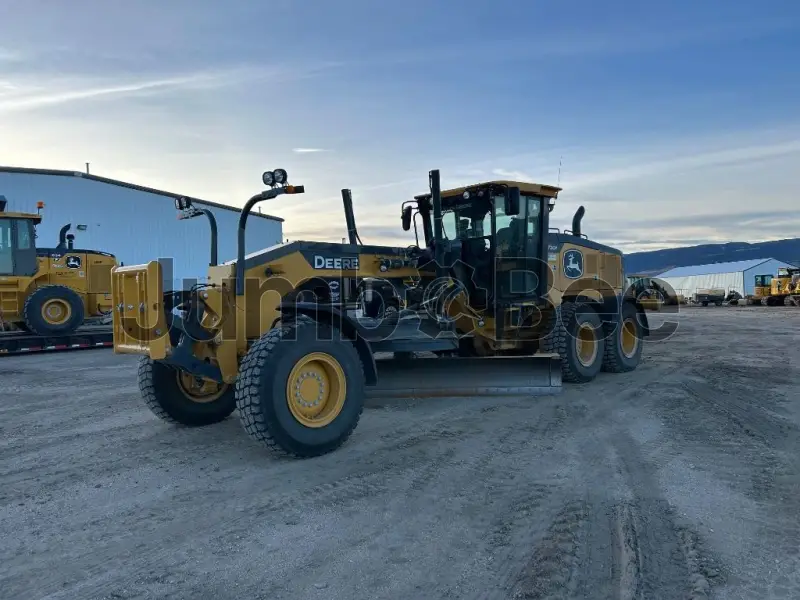
$375,000
275 hp
3660 mm
275 hp
2154 hours
Mills, United States
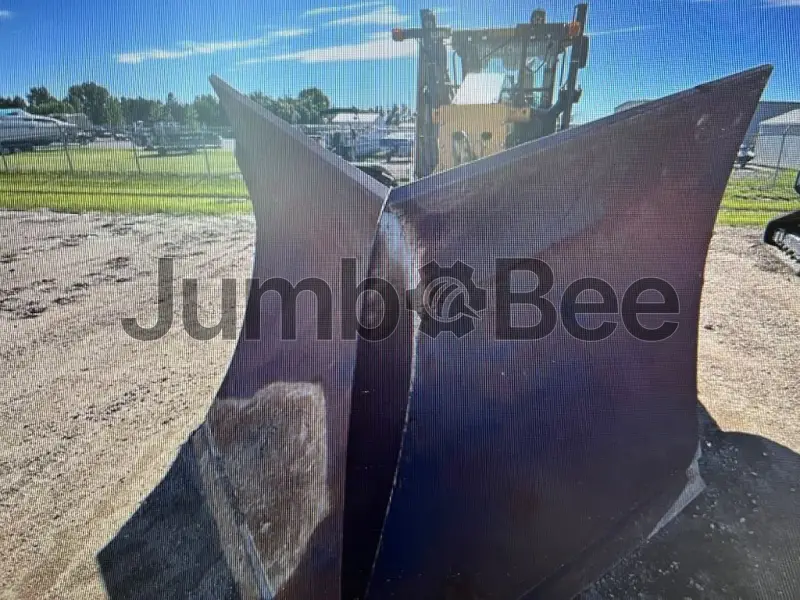
$75,000
18500 kg
32 deg
Closed-center, pressure-compensated load-sensing (PCLS), variable-displacement piston pump
10744 hours
Minot, United States
Featured motor grader manufacturers
Explore motor grader manufacturers in our model database. Jump to a letter or scroll the full list.
114 motor graders listed right now on JumboBee
Ready to buy? Browse active listings from verified sellers worldwide — filter by manufacturer, year, hours, location, and price. Shipping and compliance support included.
110
John Deere listings
4
Caterpillar listings
Heavy equipment insights from JumboBee
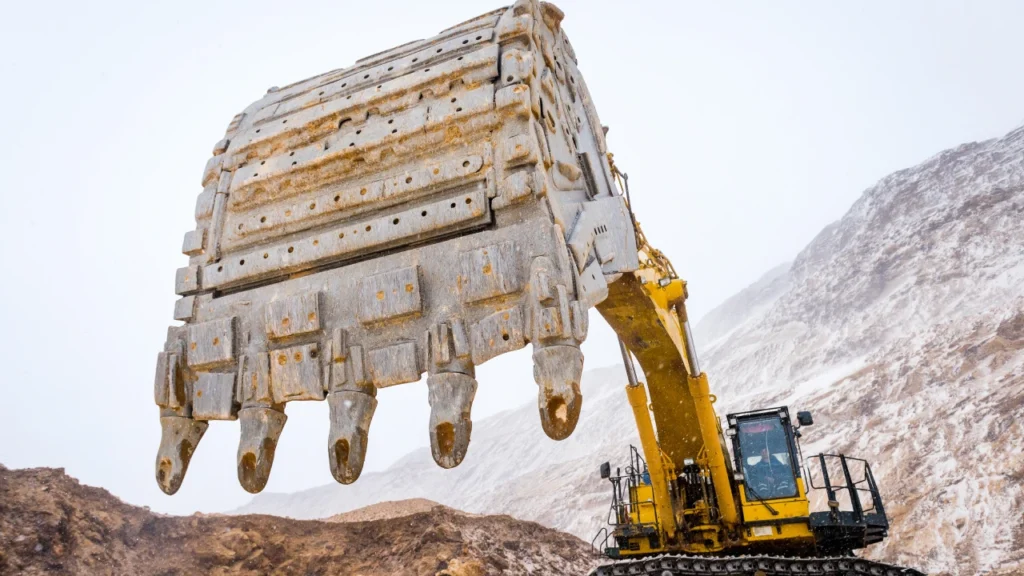
October 5, 2026
How to Choose the Right Excavator Bucket: Types, Sizes, and Contractor Buying Guide
This guide covers excavator bucket types, capacities, compatibility, and how to choose the right bucket for your jobsite.
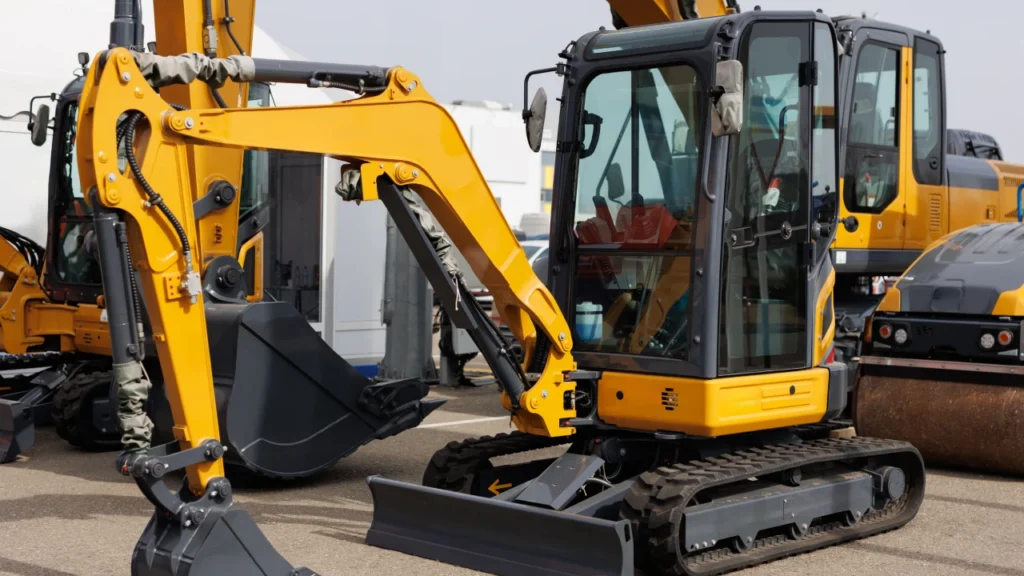
September 28, 2026
Mini Excavator Buying Guide 2026: Best Models, Sizes and How to Choose
This guide breaks down everything you need to know about compact earthmoving equipment.
September 21, 2026
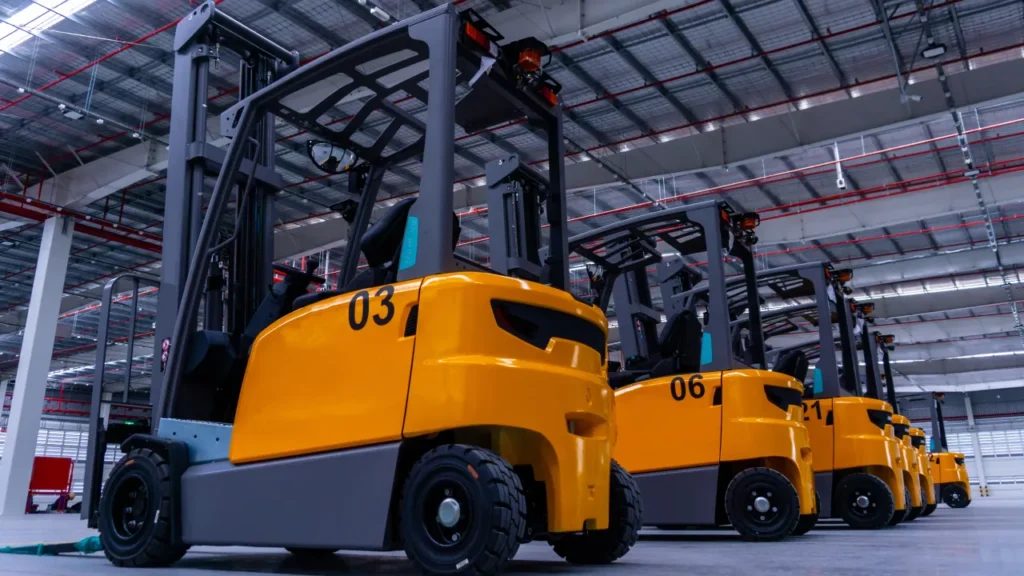
Types of Forklifts: Complete Guide to Classes, Uses, and Applications
This guide covers official forklift classes, physical machine variations, and load capacities.
August 25, 2026
Repair, Rebuild or Replace Heavy Equipment: 2026 Cost-Based Decision Guide
This guide provides a mathematical approach to help you decide what to do with your aging machinery in 2026.

July 31, 2026
How to Inspect Used Heavy Equipment Remotely: Practical Checklist for International Buyers
This article provides a practical, step-by-step guide for evaluating machinery without physical access.

July 10, 2026
New vs Used Heavy Equipment in 2026: Cost, Risk, ROI & When Each Option Wins
This guide explores new vs. used machinery investments, from costs and risks to financing and ROI.
Got Questions?
Our FAQ section covers everything from shipping and listing to buying with confidence.
How can I search for a specific motor grader model?
Type the model name, series, or manufacturer directly into the search bar at the top of the page. You can also browse from the motor grader category page and apply filters for manufacturer and year to narrow results to machines that match your requirements.
Do I need to create an account to browse motor grader listings?
No. All listings and model specification pages are open to browse without registering. An account is only required when you want to contact a seller, save a listing, or access additional buyer tools.
What blade width do I need for my application?
Motor grader blade width – also called moldboard width – determines how much material the machine moves in a single pass. Standard blade widths range from 12 to 14 feet on mid-size machines, with large production graders running blades from 14 to 24 feet. Road maintenance graders typically operate with 12 to 14-foot blades suited to working within road shoulders and ditches. Large mine site and haul road graders require wider blades to maintain production across the road widths that heavy haulage operations require. A blade that is too narrow for the application creates multiple-pass inefficiency; a blade that is too wide for the site reduces maneuverability and creates shoulder encroachment issues.
What is an articulated frame and why does it matter on a motor grader?
All modern motor graders use an articulated frame that allows the rear power unit to pivot relative to the front blade frame, dramatically improving the machine's ability to maintain blade angle while navigating curves and working on cross slopes. The articulation joint is one of the highest-wear structural points on a motor grader and should be inspected carefully on any used machine for play, wear in the pivot pins and bushings, and the condition of the hydraulic cylinders that control the articulation angle. Excessive articulation joint play affects grading accuracy directly – a grader that cannot hold its blade angle precisely across a pass delivers uneven surface results regardless of the operator's skill.
What should I look for in a motor grader's circle drive system?
The circle – the large ring gear that rotates the moldboard – is one of the most mechanically unique and critical components on a motor grader. The circle drive motor, ring gear teeth, and circle shoes that support the circle on the drawbar are all wear items that accumulate fatigue across the machine's working life. Worn circle gear teeth create backlash in the blade angle control that makes precise grading difficult. Worn circle shoes allow the circle to move vertically under cutting load, reducing blade pressure consistency. A thorough inspection of the circle drive system, including listening for gear noise during rotation and checking for vertical movement under load, is essential on any used motor grader.
What transmission options do motor graders offer?
Motor graders are available with powershift and direct drive transmission options depending on manufacturer and model. Powershift transmissions with eight or more forward speeds allow the operator to maintain optimal blade speed across varying material conditions without stopping – a significant productivity advantage in production road building and maintenance work where constant speed changes would otherwise be necessary. Direct drive transmissions are simpler and less expensive to maintain but require the operator to stop and manually change gears when conditions change. Most commercial motor graders in the mid-to-large class use powershift transmissions; direct drive is more common on smaller machines used in less demanding applications.
How does GPS grade control affect the value of a used motor grader?
GPS grade control systems – from suppliers including Trimble, Topcon, and Leica – automatically control blade height and cross-slope to match a digital design surface, dramatically reducing the number of passes required to achieve specification grade on a large site. A motor grader fitted with a current-generation GPS grade control system commands a meaningful premium over a comparable machine without it, reflecting the productivity and labor cost advantages the technology delivers on controlled grading projects. Buyers evaluating used graders with GPS systems fitted should verify software currency, calibration status, and subscription validity, as an out-of-date or uncalibrated system requires investment to restore to full function.