 Buying
 Selling
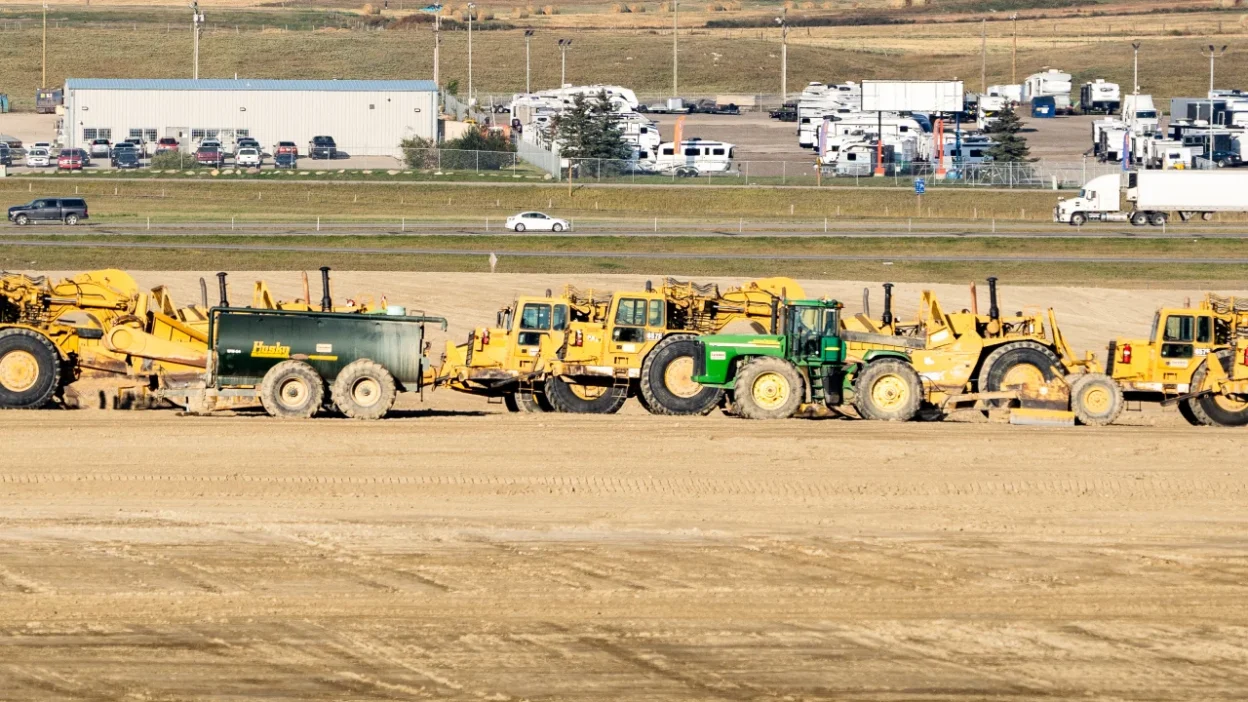
Canada runs a big fleet for a country of about 41.5 million people. Prairie grain farms work high-horsepower tractors and class 9 combines across fields measured in sections. Alberta’s oil sands and mining operations cycle large excavators and articulated trucks on fixed replacement schedules. British Columbia logging contractors run feller bunchers and forwarders through hard terrain. All of that iron eventually comes off the books.
That turnover is what makes the Canada heavy equipment market worth watching from outside North America. Farm cash receipts hit $102.2 billion in 2025, up 4.7% on the year, according to Statistics Canada – and the machinery behind that figure gets replaced on schedule, not when it dies.
Buyers in Latin America, Eastern Europe, the Middle East and Africa come here for North American brands with real parts support, machines maintained to commercial standards, and late-model depth their home markets lack. This guide covers what sells, where it sits, how prices move, and what to check before you buy used equipment from Canada.
Why International Buyers Source Equipment from Canada
Access to North American Brands and Inventory
Canadian fleets run the same brands as US fleets: John Deere, Case IH, New Holland, Caterpillar, Komatsu, Volvo and Hitachi. Parts catalogues, service manuals and aftermarket components match what your local shop stocks. For a buyer in Chile or Kazakhstan, that decides whether the machine is serviceable in year four.
Strong Agricultural and Construction Markets
Three provinces cleared $20 billion in farm cash receipts in 2025: Alberta at $24.5 billion, Ontario at $24.1 billion, Saskatchewan at $21.1 billion. Construction adds a second replacement cycle on top. Sectors that size produce a steady supply of traded-in and surplus machines, not occasional one-off sales.
Well-Maintained Equipment and Service Culture
Cold does not forgive neglect. A machine left outside at −30 °C with old oil and water in the fuel will not start in February, so owners here keep service intervals tight and store equipment indoors where they can. Dealer records tend to be complete, because warranty and resale depend on them.
Competitive Pricing Compared to Some Global Markets
Prices here are quoted in Canadian dollars, so when the loonie is weak, buyers paying in USD or EUR get a discount. The US and Canadian markets are closely linked, so that discount narrows as American buyers move in. The effect is strongest on farm machinery, where Prairie supply is deep and demand is seasonal, so sellers cannot hold out for a better domestic bid.
Large Dealer and Auction Ecosystem
Canada has a dense dealer network and an established unreserved auction circuit, with the Prairie provinces serving the farm trade. Both channels list hours, specifications and condition detail as a matter of course, so Canadian equipment for sale tends to arrive with a paper trail rather than a phone number and a photo.
Most Popular Heavy Equipment Categories in Canada
Farm Equipment
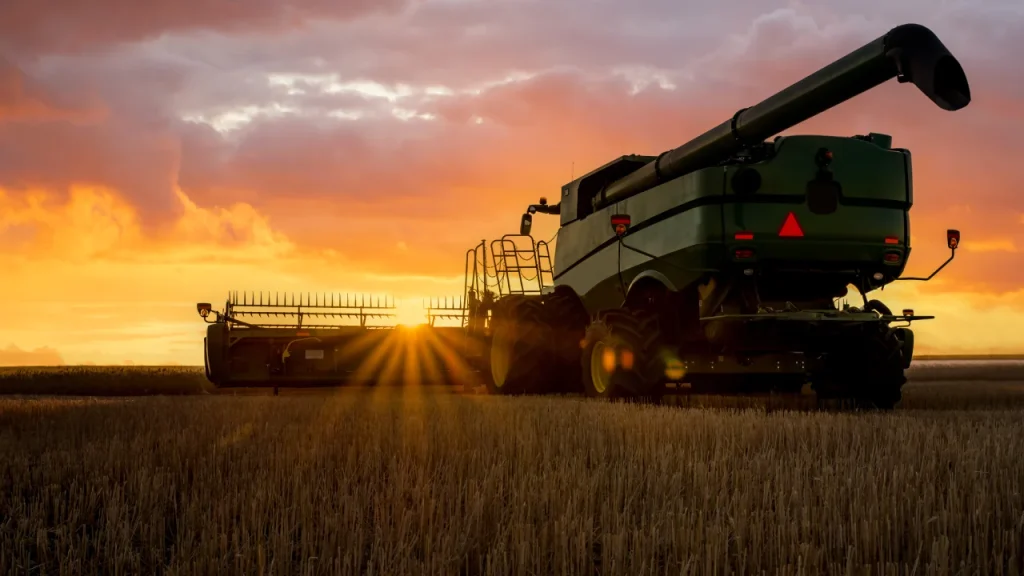
Tractors, combines, air seeders and high-clearance sprayers dominate the Canadian farm equipment market. Prairie operations run 400–600 hp articulated tractors and class 8–9 combines, and larger farms turn them over on trade programmes rather than running them to the end of their life. That cycle is the main source of used tractors Canada sends into export markets.
Construction Equipment
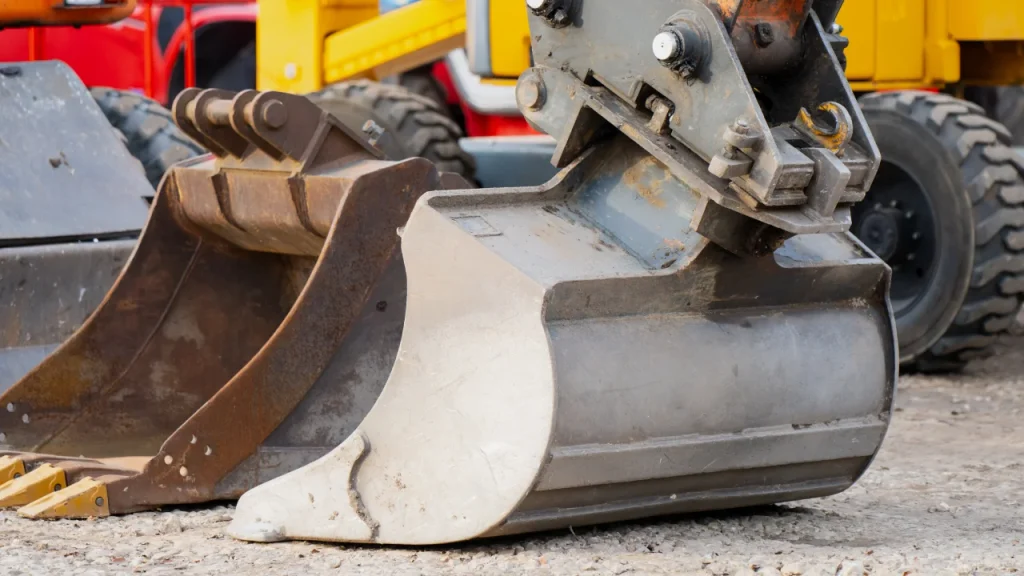
Excavators in the 20–50 tonne range, wheel loaders, skid steers and dozers make up the bulk of the Canada construction equipment market. Municipal and highway work keeps mid-size units moving; residential sites keep compact machines busy year-round.
Forestry Equipment
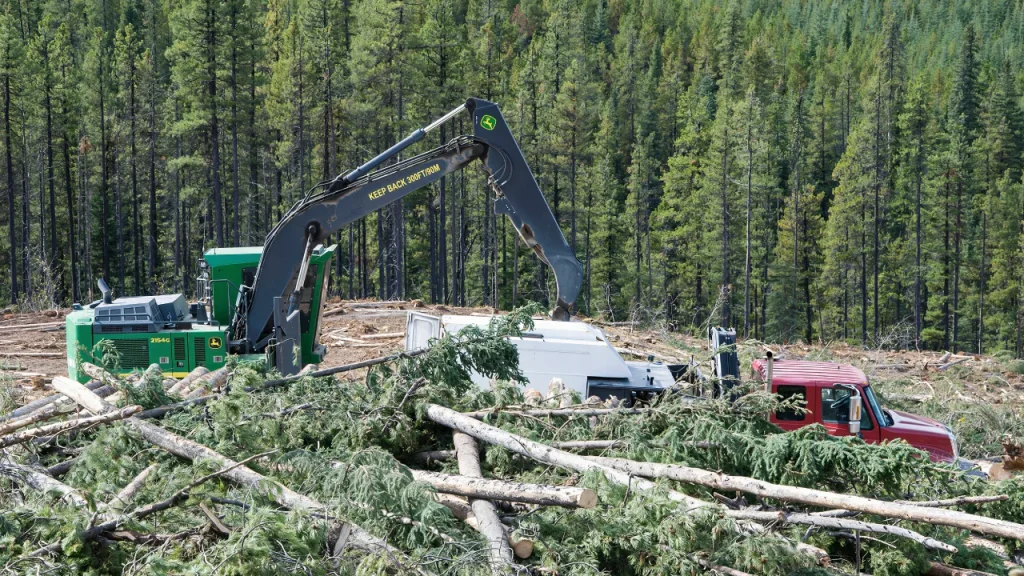
Feller bunchers, harvesters, forwarders, skidders and delimbers here are specified for steep, wet, cold ground. Canada harvested 114.9 million cubic metres of industrial roundwood in 2023 across nearly 670,000 hectares, according to Natural Resources Canada. Western fleets run mostly full-tree systems (feller bunchers and skidders), while Eastern Canada runs more cut-to-length harvesters and forwarders. Both reach the market in configurations buyers in Chile and Eastern Europe want.
Mining and Industrial Equipment
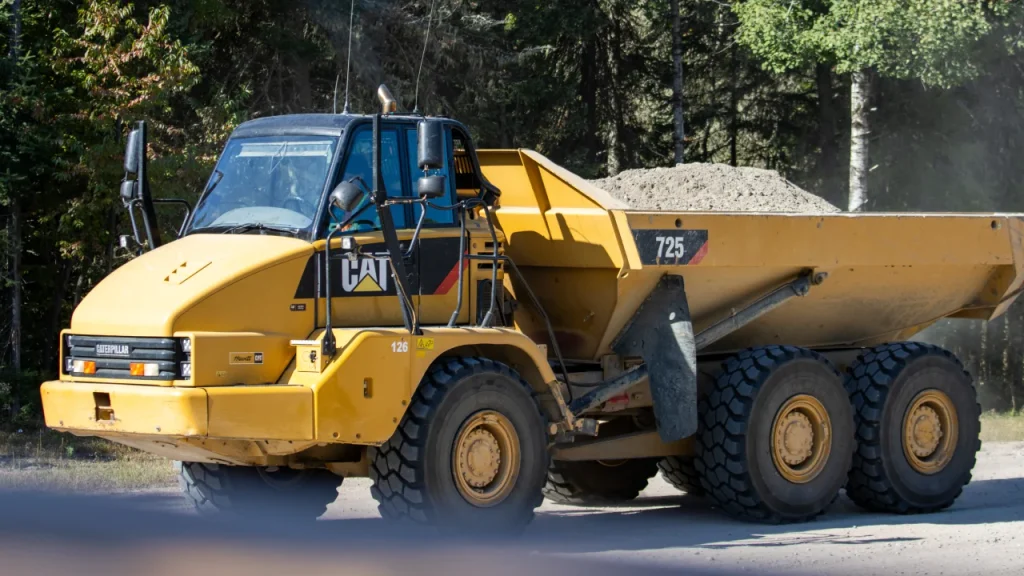
Oil sands and hard-rock mining generate large dozers, production excavators, graders and rigid haul trucks. These carry high hours but documented major-component rebuilds – often a better buy than a low-hour machine with no history.
Transportation and Material Handling Equipment
Forklifts, telehandlers, boom trucks and heavy haul trailers move with warehousing and port activity, mostly from Ontario and British Columbia.
Key Heavy Equipment Regions in Canada
Inventory in Canada is regional, not national. Knowing where a category concentrates saves weeks of searching.
Alberta
Energy, oilfield services, mining and construction. Canadian crude oil and equivalents output averaged a record 5.35 million barrels per day in 2025, and Alberta accounted for 83.8% of it, according to the Canada Energy Regulator. Expect large excavators, dozers, graders, pipeline equipment and heavy haul gear, and a concentration of auction activity around Edmonton and Calgary.
Saskatchewan & Manitoba
The agricultural machinery hub. Saskatchewan alone held 39.2% of Canada’s total farm area and 43.1% of its cropland at the 2021 Census of Agriculture, with Manitoba adding mixed grain and livestock operations to the east. This is where the deepest inventory of large tractors, combines, air drills and grain carts sits.
Ontario
Construction and transportation. Ontario led national gains in institutional and commercial building construction investment in August 2026. Mid-size excavators, loaders, compaction equipment, cranes and material handling units are concentrated here.
British Columbia
Forestry and port-related equipment. Coastal and interior logging fleets, log loaders, yarders and container handling gear. BC also sits closer to Asia-Pacific than any other North American coast, which shortens the sailing from Vancouver or Prince Rupert.
Quebec
Industrial, infrastructure and mining equipment. Quebec drew $6.2 billion in private mining investment in 2024 across more than 20 active mines, so production and haulage units turn over here. Service records are often in French, which suits buyers in francophone West Africa.
| Province | Category concentration | Typical machines |
|---|---|---|
| Alberta | Energy, mining, construction | Large excavators, dozers, graders, haul trucks |
| Saskatchewan | Grain farming | 400–600 hp tractors, class 8–9 combines, air seeders |
| Manitoba | Mixed farming | Mid-range tractors, sprayers, tillage |
| Ontario | Construction, transport | Excavators, loaders, cranes, forklifts |
| British Columbia | Forestry, ports | Feller bunchers, forwarders, log loaders |
| Quebec | Mining, infrastructure | Production excavators, dozers, haulage units |
Canadian Equipment Market Trends in 2026
Five forces are shaping the Canada heavy equipment market this year, and each one changes what a buyer pays.
Demand for Used Equipment Remains Strong
New machine prices have not fallen back to pre-2021 levels, so buyers keep shifting to three- to seven-year-old units. That holds resale values up and keeps good Canadian equipment for sale moving quickly once listed.
Late-Model Equipment Shortages
Units built in 2021–2022 are thin on the ground. Supply-chain shortages, including microchips and raw materials, held back machinery production in those years. Those units are now four to five years old, right in the range most buyers target, so expect competition for them and plan around slightly newer or older stock.
Currency and Cross-Border Pricing Dynamics
The Canadian dollar traded at 1.3960 to the US dollar on 30 October 2026, per the Bank of Canada. At that rate a CAD 250,000 tractor costs about USD 179,000, and a one-cent move either way shifts that by roughly USD 1,300. Lock your rate at purchase, not at shipment. Bank forecasts expect the Canadian dollar to strengthen through 2027, so today’s discount may not last.
Auction Activity and Dealer Inventory Trends
Spring and autumn remain the heavy auction seasons, tied to the farm calendar. Dealer trade-in inventory peaks after the harvest and after major project completions, which is when selection is best. Late winter, between the autumn and spring auction seasons, is usually when domestic competition is lowest.
Growing International Demand for Canadian Equipment
A Canada machinery marketplace aimed at buyers abroad is recent. Sellers here have traditionally moved machines inside the province, and that stock is only starting to surface where someone in Santiago or Almaty can see it. The shift is early: most North American inventory listed online still sits in the United States.
Canada vs United States: What Buyers Should Know
Pricing Differences
Comparable units often cost less once converted from Canadian dollars, but the real comparison is landed cost, not list price. Run both in your own currency with freight included before deciding.
Inventory Availability
The US has more total volume. Canada has deeper concentration in specific categories – large-frame grain equipment and forestry machinery above all – and fewer overseas bidders. The main cross-border competition comes from US buyers, who get the same currency advantage.
Climate and Equipment Wear Considerations
Canadian machines see cold starts, frozen ground and road salt; southern US machines see heat and dust. Cold wear shows up in hydraulic seals, batteries and frame stress, southern wear in cooling systems and bushings. Neither is worse, but they fail differently.
Cross-Border Buying Differences
Canada and the US are separate customs territories with separate documentation, even though many dealers operate on both sides. A machine leaving Canada for anywhere except the US needs a Canadian export declaration, including machines that transit the US on the way.
When Canadian Inventory Makes More Sense
Choose Canada when you need large horsepower farm equipment, forestry machinery, or a currency advantage on a high-value unit. Choose the US when you need volume, speed, or a category Canada does not build fleets around.
| Factor | Canada | United States |
|---|---|---|
| Total used inventory | Smaller | Larger |
| Large-frame ag equipment | Very deep | Deep |
| Forestry machinery | Specified for steep, cold ground | Regional |
| Currency effect for USD buyers | Favourable at current rates | None |
| Buyer competition | Lower from overseas buyers | Higher |
| Winter wear exposure | High | Varies by state |
What International Buyers Should Check Before Buying Equipment from Canada
Cold Climate Wear and Corrosion
Check undercarriage and frame welds for road-salt corrosion, and inspect hydraulic hoses and seals for cold cracking. Ask whether the machine was stored indoors. Winter exposure is normal here, but undisclosed winter exposure is the problem.
Service History and Maintenance Records
Canadian dealers keep detailed records, so ask for them by name: oil sample results, major component replacements, warranty work. A machine with a thin file in this market usually means something, since the paperwork is normally there.
Serial Numbers and Ownership Documentation
Match the serial plate to the bill of sale and the manufacturer’s records. Security interests are registered province by province, and Alberta’s personal property registry allows serial-number searches for tractors and combines, but a lender’s security interest may be registered only against the owner’s name. Search both the serial number and the seller’s legal name, and confirm there is no outstanding lien before transferring funds.
Equipment Hours and Usage Patterns
Hours alone do not tell you much. A 9,000-hour forestry forwarder on steady shift work may be in better condition than a 4,000-hour unit that idled through four winters. Ask about duty cycle, not just the meter reading.
Export Eligibility and Compliance
The heavy equipment export Canada handles runs through an electronic declaration in CERS, with exceptions for goods going to the US and non-restricted goods under CAD $2,000. Marine shipments must be filed at least 48 hours before loading, and records must be kept for six years, per the Canada Border Services Agency. US-built machines exported to a third country may need a Canadian General Export Permit. Your broker can confirm this.
Buying Canadian Equipment for Export Markets
Why LATAM Buyers Source Equipment from Canada
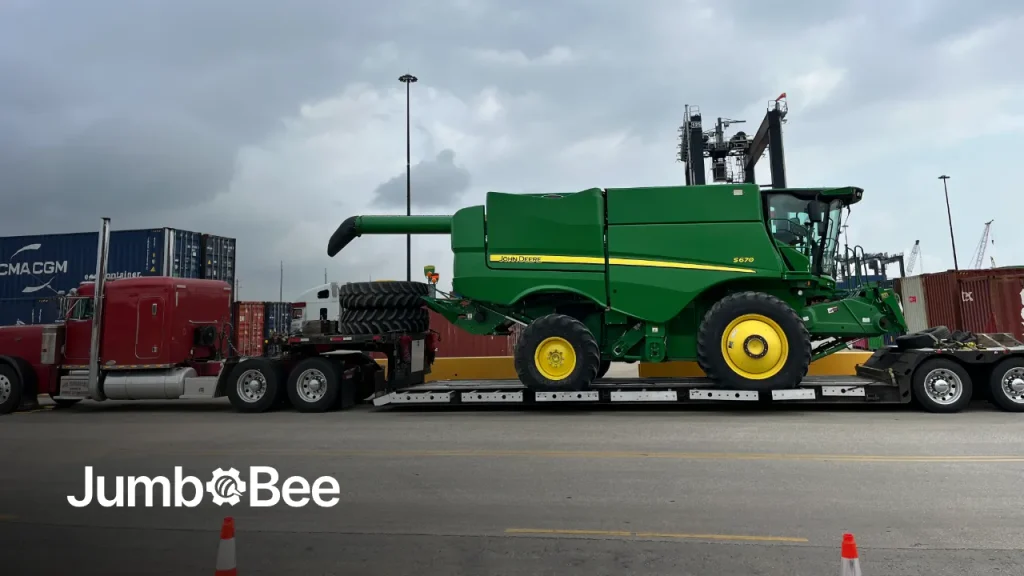
Chilean buyers, along with buyers in other Latin American markets that allow used machinery imports, want large-frame grain machinery that matches their field sizes. Check your country’s rules first: Brazil, for example, generally blocks used machinery imports when an equivalent is made domestically, and Brazil builds both combines and tractors.
Demand from Eastern Europe and CIS Markets
Buyers in Romania, Poland, Ukraine and Kazakhstan source the used tractors Canada lists in the 400–600 hp range, along with tillage equipment. Parts availability through regional dealer networks for the same brands makes the purchase defensible over a ten-year horizon. Exports to Central Asia also get extra sanctions-compliance checks, so expect more paperwork.
Middle East and African Buyers
Construction and material handling dominate here: excavators, loaders, graders and forklifts for infrastructure work. Buyers in this group weigh delivered cost and parts logistics more heavily than build year.
Commonly Exported Equipment Categories
Five categories carry most of the volume. Pricing on the used combines Canada lists tightens ahead of harvest and eases once the autumn auction season opens.
| Category | Main destination markets | Why it travels well |
|---|---|---|
| Combines and headers | LATAM, Eastern Europe | Field sizes match Prairie spec |
| High-horsepower tractors | CIS, LATAM | Parts support through global dealers |
| Excavators 20–50 t | Middle East, Africa | Universal spec, strong parts base |
| Wheel loaders | Africa, Southeast Asia | Simple to service, high utilisation |
| Forestry harvesters | Eastern Europe, Chile | Suited to steep, cold, wet ground |
What Makes Equipment “Export-Ready”
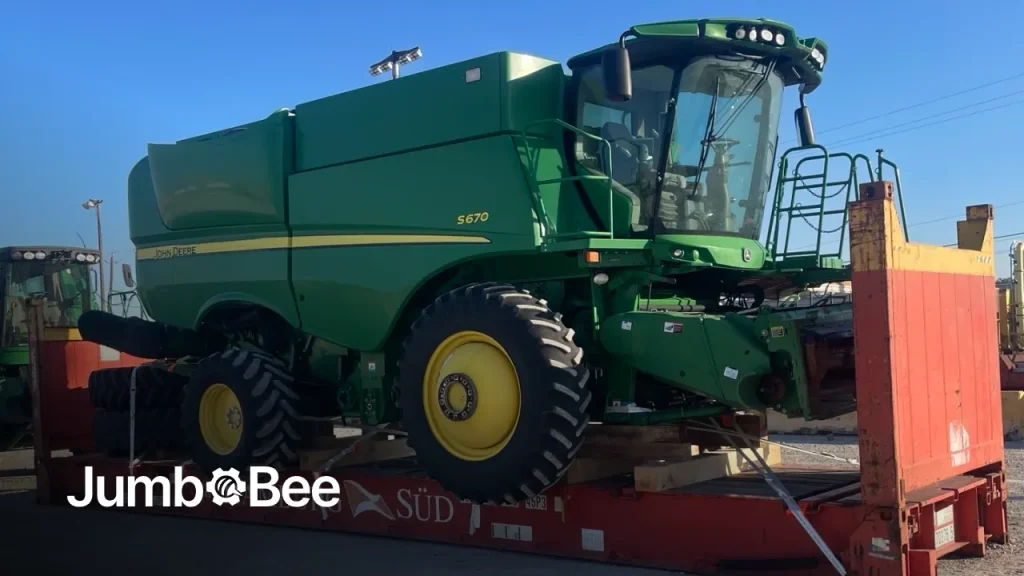
Clean serial documentation, no registered liens, a current inspection report, and a machine pressure-washed to meet agricultural quarantine rules at the destination. Soil left on an undercarriage routinely causes delays on arrival, and it is cheaper to clean in the yard than at the port.
How Buyers Can Reduce Risk When Buying Equipment Internationally
Verified Sellers
Buy from sellers whose identity and business registration have been checked by the platform. Wire transfers are close to irreversible once sent, which is why verification has to happen before payment rather than after a problem appears.
Inspection Reports and Startup Videos
Ask for a cold start on video and a walk-around with the serial plate visible, then, for any machine priced above six figures, order an independent pre-sale inspection. A full report covers engine performance under load, hydraulic pressure, fault codes and undercarriage wear (a fraction of the cost of one hydraulic pump).
Understanding Total Landed Cost
Purchase price, export prep (cleaning and disassembly), inland transport to port, port handling, ocean freight, insurance, destination duties and taxes, and clearance. A machine that looks cheaper in one country often is not once all of these are added, so build the full figure before you compare anything.
Using Global Marketplaces Instead of Local-Only Inventory
Local listings show you what is nearby. A global platform shows you what is correct for the job. On used heavy equipment Canada exports, the right unit is often two provinces away from where you started looking.
Comparing Multiple Listings Before Purchase
Never bid on one machine. Line up at least three comparable units with hours, year and condition side by side, and let the gaps in the service records make the decision for you.
How JumboBee Helps Buyers Source Equipment from Canada
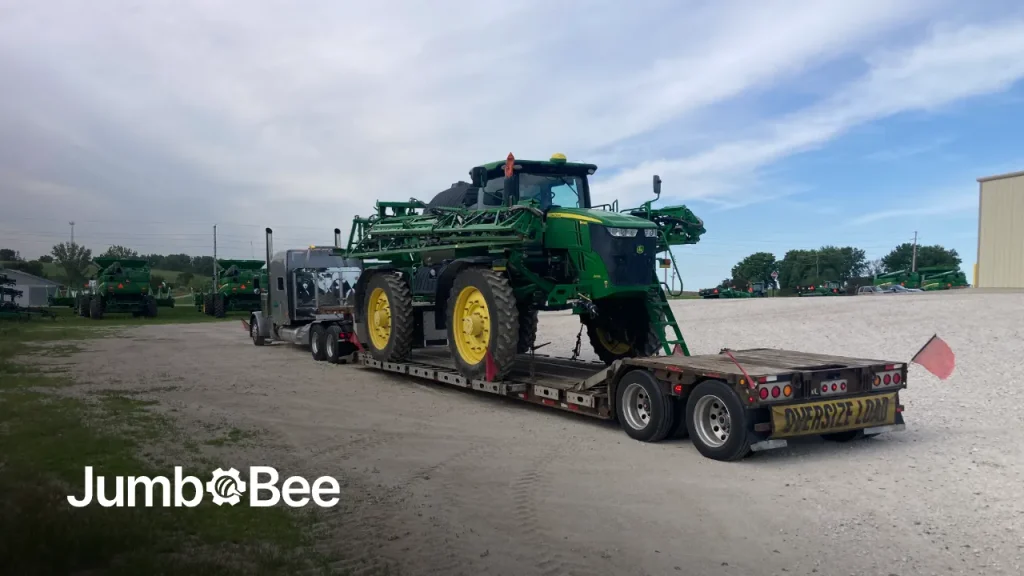
JumboBee is a North American platform building out a Canada machinery marketplace: most of its 8,600-plus live listings sit in the United States, and Canadian stock is still growing. What works for Canadian sourcing today is the apparatus around the listings.
- Verified sellers. Every seller is screened through Sumsub, and buyers pass the same document check before they can purchase.
- Listings built for buying at a distance. Hours, year, engine power, full specifications, location, and photographs on every unit.
- Inspection to order. Four packages, from a visual walk-around with a startup test up to a 99-point report with photos of serial plates and hour meters.
- Shipping priced before you commit. Instant rates to more than 150 countries, with disassembly, loading, cargo insurance and export compliance on the same platform.
- Sourcing when the machine is not listed. Premium Services finds a specific unit to your spec: the route to Canadian machines not yet on the platform.
Yes. The used heavy equipment Canada lists skews towards large-frame agricultural machinery and forestry units, both maintained to high standards and documented in detail, and the currency works in favour of USD and EUR buyers.
Tractors, combines and forestry harvesters on the agricultural side; excavators, wheel loaders and skid steers across the Canada construction equipment market. Mining and oilfield machinery forms a large secondary category, concentrated in Alberta.
Those who buy used equipment from Canada get North American brands with global parts support, well-documented service history, deep inventory in specific categories, and, at current exchange rates, favourable pricing against the US dollar.
Generally yes. Cold climates force disciplined maintenance, and dealer service records are kept in detail. Always confirm per machine rather than assuming.
Serial number match, lien status on provincial registries, service records, salt corrosion on the undercarriage, and export declaration requirements through CERS.
Saskatchewan and Manitoba anchor the Canadian farm equipment market, Alberta holds construction and energy machinery, Ontario covers construction and material handling, and British Columbia supplies forestry units.
Canadian list prices are often lower once converted, but the comparison only holds after freight, duties and clearance are added. Compare landed cost, not sticker price.
Combines, high-horsepower tractors, mid-size excavators, wheel loaders and forestry harvesters make up most heavy equipment export Canada records each year, with agricultural units leading by value.
Yes. Remote purchase is standard practice: verify the seller, order an inspection, settle by wire transfer or arranged financing, and choose shipping or self-pickup at checkout. See how to buy for the steps and the document list.
Shortlist three or more comparable machines, request service records for each, order an independent inspection on the leading candidate, and calculate total landed cost before committing.





Be the first to leave a comment
There are no replies to this post yet. Share your thoughts and help start the conversation.