New Holland – Tractors, Combines, Sprayers & More
Browse the complete New Holland model lineup across agriculture and hay equipment. Explore by series and year, compare specifications, and find verified active listings from sellers worldwide.

About New Holland
New Holland has been putting equipment in the field since the late 1800s, and the brand's staying power comes down to one thing: machines that work across an unusually wide range of farming operations. From compact vineyards in Southern Europe to vast wheat plains in North America and Australia, New Holland has built a reputation for versatility that few competitors can match. Today, a brand of CNH Industrial, the company operates globally from its agricultural equipment headquarters in Turin, Italy, and is instantly recognized by its distinctive blue livery. The current lineup covers tractors, combine harvesters, cotton pickers, self-propelled sprayers, and one of the broadest hay and forage equipment ranges in the industry – an area where New Holland has historically led the market. On the technology side, the brand's Precision Land Management (PLM) platform integrates GPS guidance, telematics, yield mapping, and connectivity tools into a single system designed to reduce input costs and improve field efficiency. Equipment reaches farmers in over 170 countries through a dealer network that prioritizes parts availability and local service support.
Founded
1895
Headquarter
Turin, Italy
Categories
33
Models in database
188
Active listings
77Browse New Holland by category
All equipment categories New Holland manufactures, with model counts per segment.
No image
Articulated 4WD Tractors
No image
Skid Steer / CTL
Combines
No image
Row Crop Tractors
No image
Round Balers
No image
Self-Propelled Windrowers
No image
Compact Utility Tractors
No image
Utility Tractors
Wheel Loaders
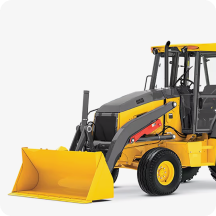
Backhoe Loaders
No image
Field Cultivators
No image
Large Square Balers
No image
Row Crop Planters — Drawn
No image
Self-Propelled Sprayers
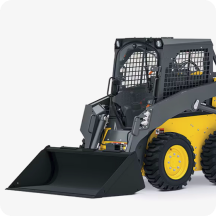
Skid Steer Loaders
No image
Small Square Balers
No image
Telehandler
No image
Commercial Out-Front Mowers
No image
Compact & Mini (Tracked) Excavators
No image
Rippers

Self-Propelled Forage Harvesters
No image
Tracked Tractors (2 Tracks)
No image
Tracked Tractors (4 Tracks)
No image
Wheeled Tractors (Narrow)
No image
Wheeled Tractors (Vineyard)
Popular New Holland models
Most viewed and most listed New Holland equipment on JumboBee this month.
77 New Holland units listed right now
Ready to buy a New Holland? Browse active listings from verified sellers worldwide — filter by series, year, hours, and location. Financing and global shipping supported.
14
Articulated 4WD Tractors
13
Skid Steer / CTL
11
Mower conditioners
39
Other categories
Heavy equipment insights from JumboBee
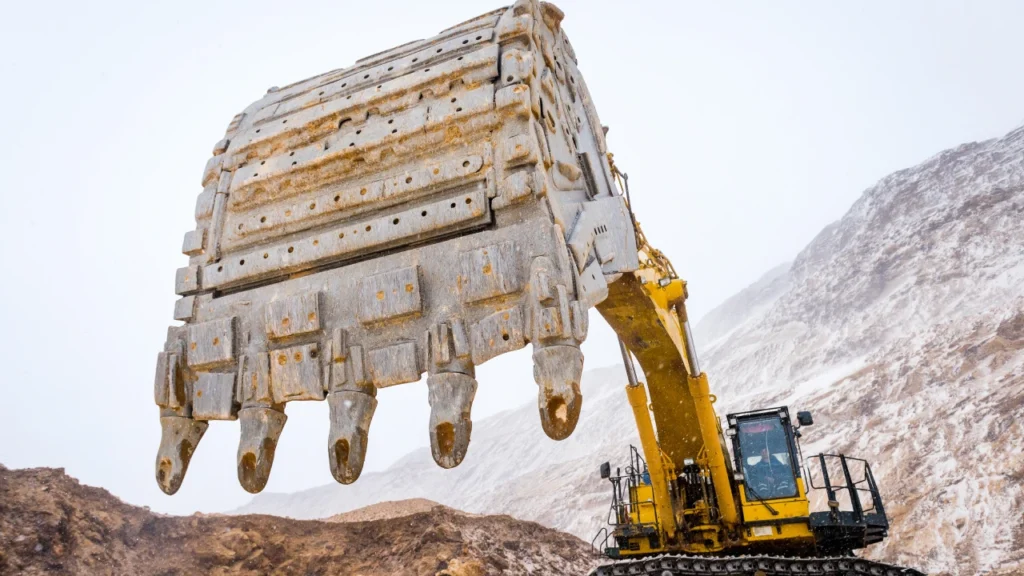
October 5, 2026
How to Choose the Right Excavator Bucket: Types, Sizes, and Contractor Buying Guide
This guide covers excavator bucket types, capacities, compatibility, and how to choose the right bucket for your jobsite.
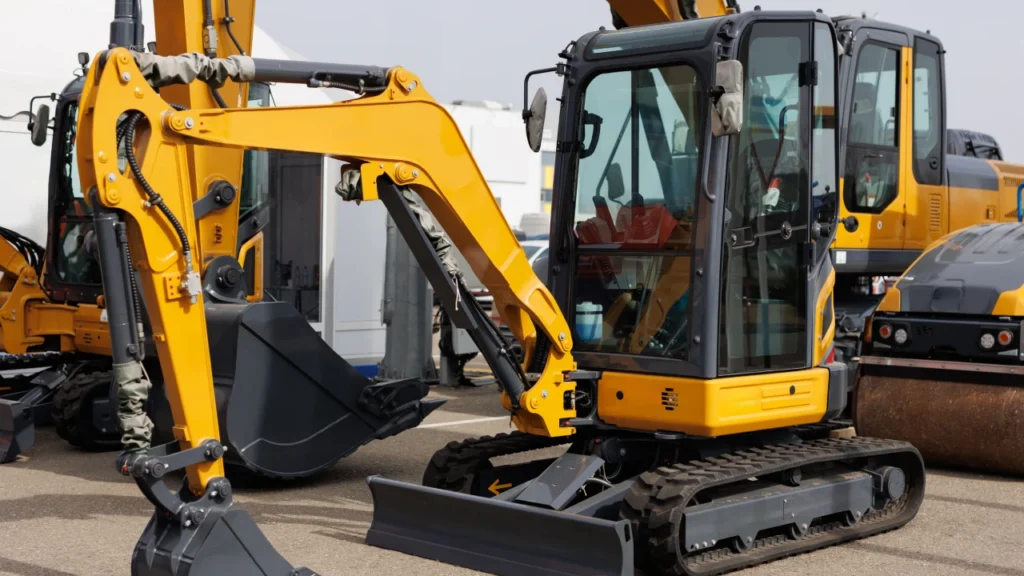
September 28, 2026
Mini Excavator Buying Guide 2026: Best Models, Sizes and How to Choose
This guide breaks down everything you need to know about compact earthmoving equipment.
September 21, 2026
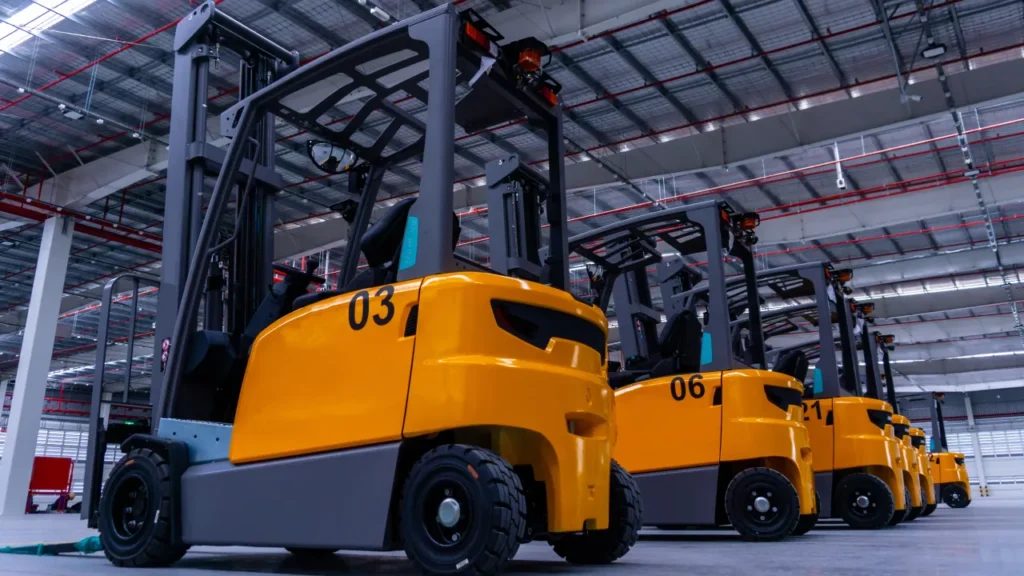
Types of Forklifts: Complete Guide to Classes, Uses, and Applications
This guide covers official forklift classes, physical machine variations, and load capacities.
August 25, 2026
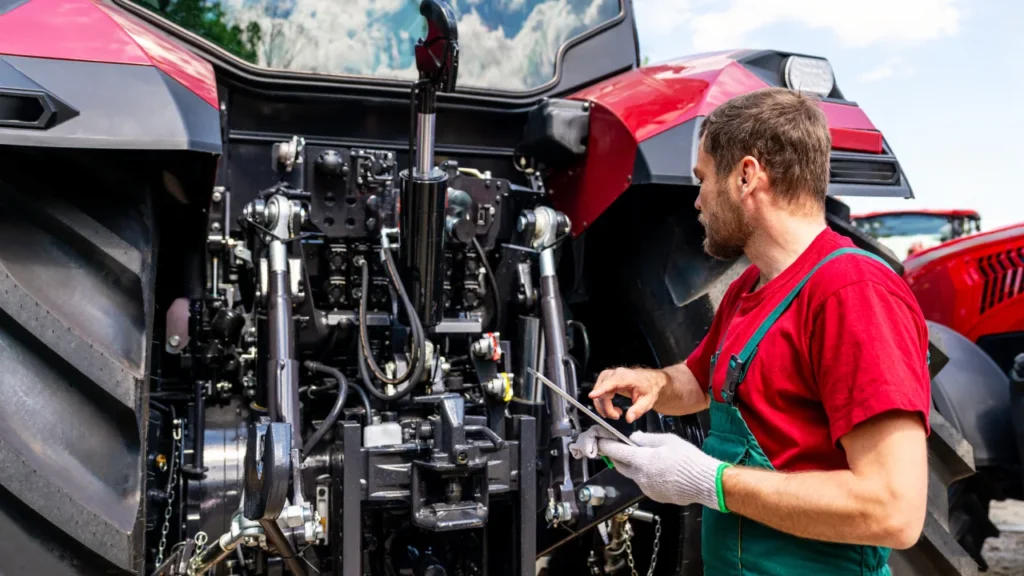
Repair, Rebuild or Replace Heavy Equipment: 2026 Cost-Based Decision Guide
This guide provides a mathematical approach to help you decide what to do with your aging machinery in 2026.
July 31, 2026
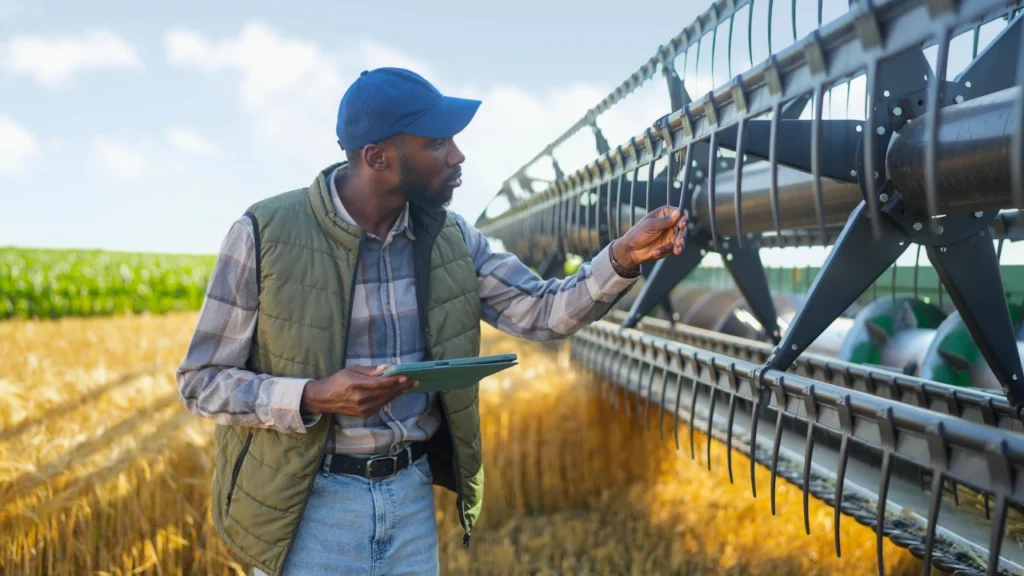
How to Inspect Used Heavy Equipment Remotely: Practical Checklist for International Buyers
This article provides a practical, step-by-step guide for evaluating machinery without physical access.
July 10, 2026
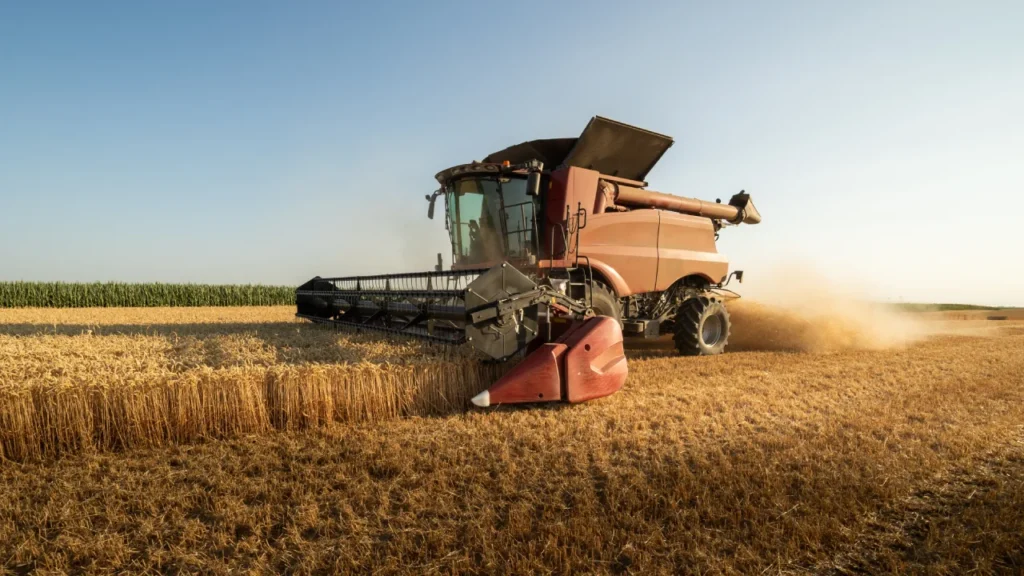
New vs Used Heavy Equipment in 2026: Cost, Risk, ROI & When Each Option Wins
This guide explores new vs. used machinery investments, from costs and risks to financing and ROI.
Got Questions?
Our FAQ section covers everything from shipping and listing to buying with confidence.
What is the average price of a New Holland machine?
It varies considerably by category. Up to $80,000 or more for late-model self-propelled forage harvesters. Tractors range from $25,000 for mid-range utility models to $400,000-plus for top-spec, low-hour T9 series machines. CR-series combines in good working condition typically sit between $150,000 and $600,000 depending on age, configuration, and hours. New Holland holds value reliably across most segments, with hay equipment and large combines showing particularly consistent demand on the used market.
How can I search for a specific New Holland model?
Type the model name or series directly into the search bar, or start from the New Holland manufacturer page and filter by category.
Do I need to create an account to browse New Holland listings?
No. All listings and model pages are open to browse without an account. You'll only need to register when you're ready to contact a seller, save a listing, or use the platform's buyer tools.
Does the platform provide pricing or valuation guidance for New Holland equipment?
JumboBee reflects live market activity – active listings and sold machines give you a current view of where prices are sitting across New Holland categories and model years. The brand trades steadily on the platform across multiple segments, which means you'll typically find enough comparable listings to benchmark a fair price before you start talking to a seller.
What year was New Holland founded, and are they still in production?
New Holland traces its origins to 1895, when a small machine shop was established in New Holland, Pennsylvania, initially focused on agricultural repair work before moving into equipment manufacturing. The brand passed through several ownership structures over the following century – including Sperry and then Ford – before becoming part of what is now CNH Industrial. Today New Holland remains in full production, with updated model lines releasing regularly and a global dealer network that continues to expand its reach into emerging agricultural markets.
What engine technology does New Holland use in its machines?
Like Case IH, New Holland sources its engines from FPT Industrial within the CNH Industrial group – but the two brands tune their powertrains differently to suit their respective machine designs and target operators. New Holland engines are built for broad torque curves that sustain performance across varying load conditions, which matters particularly in hay and forage work where power demand shifts constantly throughout the day. Current production meets Tier 4 Final standards in North America and Stage V in Europe, with the brand also actively developing alternative fuel and methane-powered tractor options as part of its sustainability commitments.
What transmission options are available for New Holland equipment?
New Holland offers a well-developed range of transmission choices across its tractor lineup. The AutoCommand CVT is the brand's flagship continuously variable option, delivering stepless speed control across the full power range without interrupting ground drive – particularly useful in loader work and field operations where constant speed adjustments would otherwise fatigue the operator. PowerCommand Powershift and SideWinder II semi-powershift transmissions are also available for buyers who prefer a more conventional shift pattern. On the combine side, New Holland's Twin Rotor threshing system – introduced in 1975 and continuously refined since – remains one of the defining technologies in rotary harvesting and continues to set benchmarks for throughput capacity in high-yield conditions.
What is the fuel efficiency of New Holland equipment?
New Holland manages consumption through its IntelliSense system, which monitors machine performance across harvesting or field operations in real time and automatically adjusts rotor speed, fan speed, and engine load to maintain efficiency without requiring constant operator input. On the tractor side, Auto Command's ability to hold a consistent ground speed while the engine adjusts its own RPM means fuel isn't wasted chasing targets manually. As with any used machine, actual efficiency in the field will depend on how the previous owner operated and maintained it – hour meter history and service records remain the most reliable guide when evaluating a specific unit.