Dump Truck Models — Browse All Makes & Manufacturers
Explore the full lineup of dump truck models from leading global manufacturers. Compare specifications, read model reviews, and find verified listings – all in one reference hub.
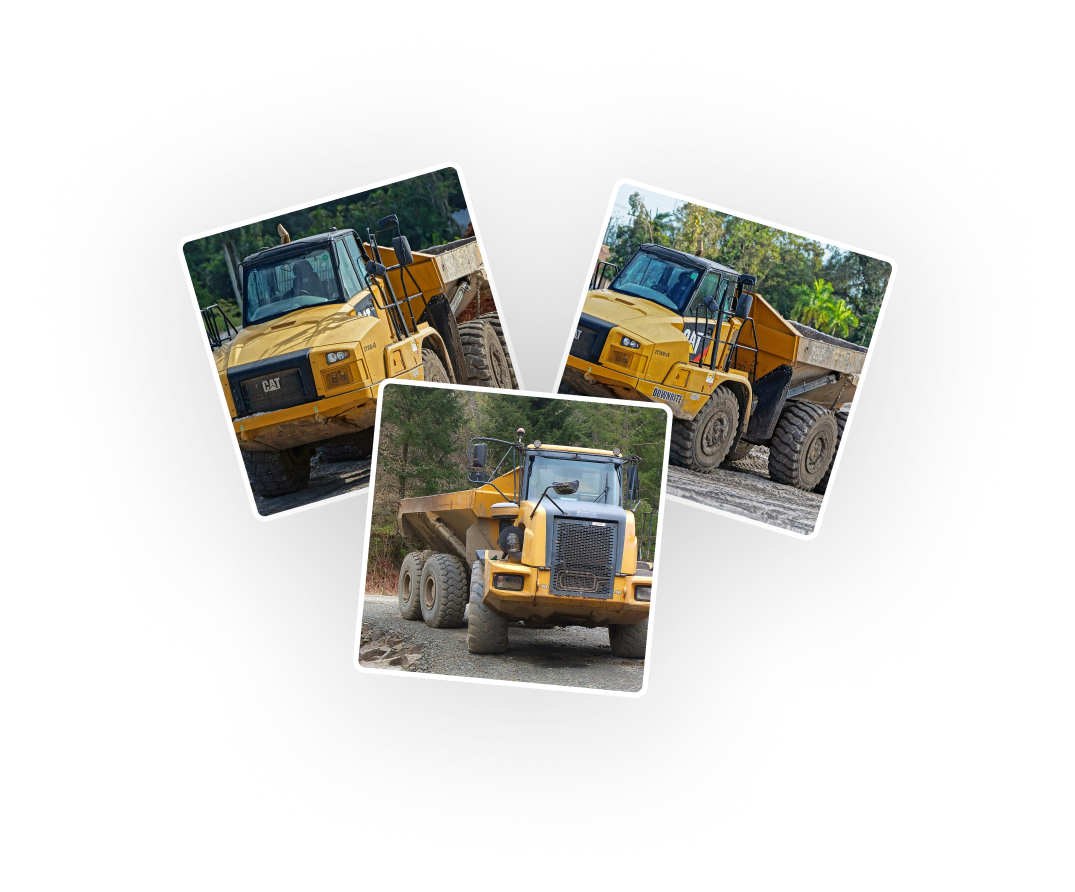
Browse by manufacturer
50+ global manufacturers. Pick a manufacturer to see its full model lineup across all categories.




Popular dump truck models
Most viewed and most listed on JumboBee this month.

2007 CADILLAC ESCALADE EXT Dump Trucks
5639 mm × 2009 mm × 1892 mm

Heavy equipment insights from JumboBee
October 5, 2026
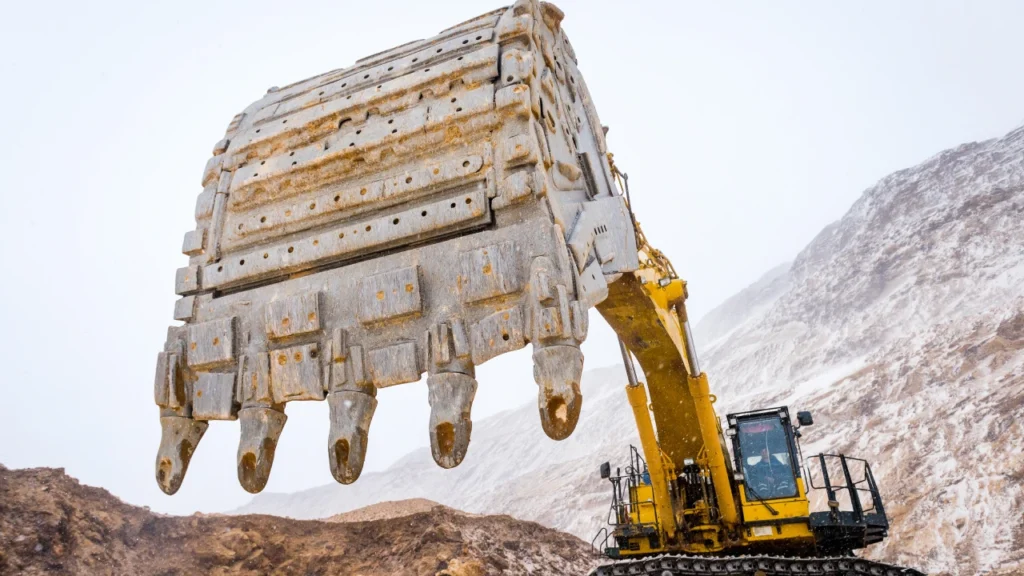
How to Choose the Right Excavator Bucket: Types, Sizes, and Contractor Buying Guide
This guide covers excavator bucket types, capacities, compatibility, and how to choose the right bucket for your jobsite.
September 28, 2026
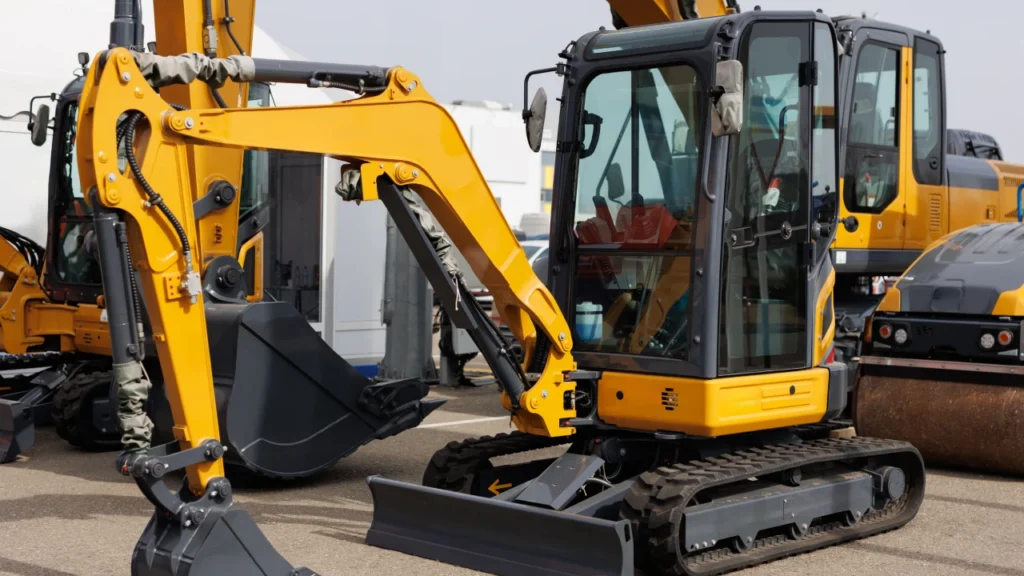
Mini Excavator Buying Guide 2026: Best Models, Sizes and How to Choose
This guide breaks down everything you need to know about compact earthmoving equipment.
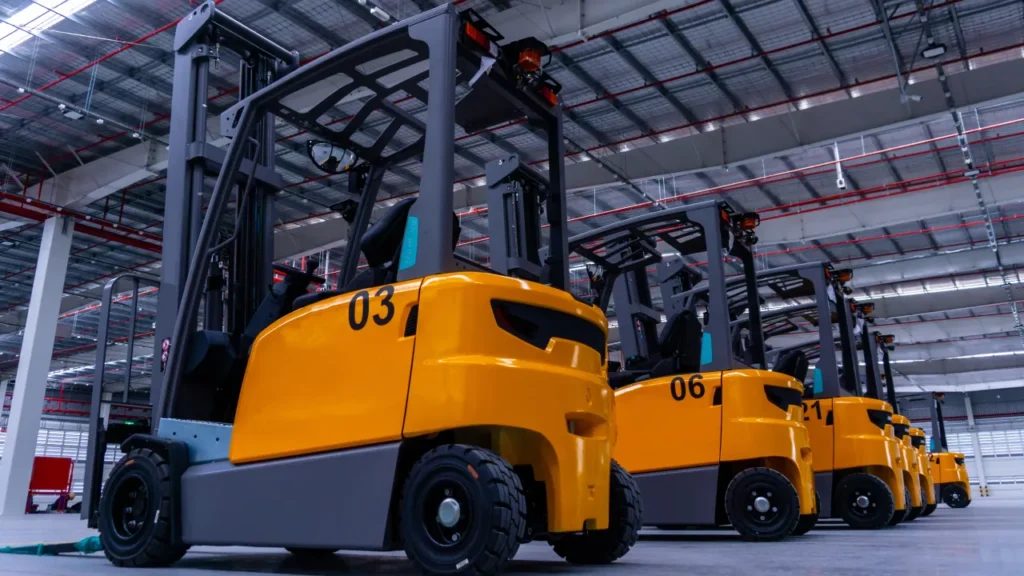
September 21, 2026
Types of Forklifts: Complete Guide to Classes, Uses, and Applications
This guide covers official forklift classes, physical machine variations, and load capacities.
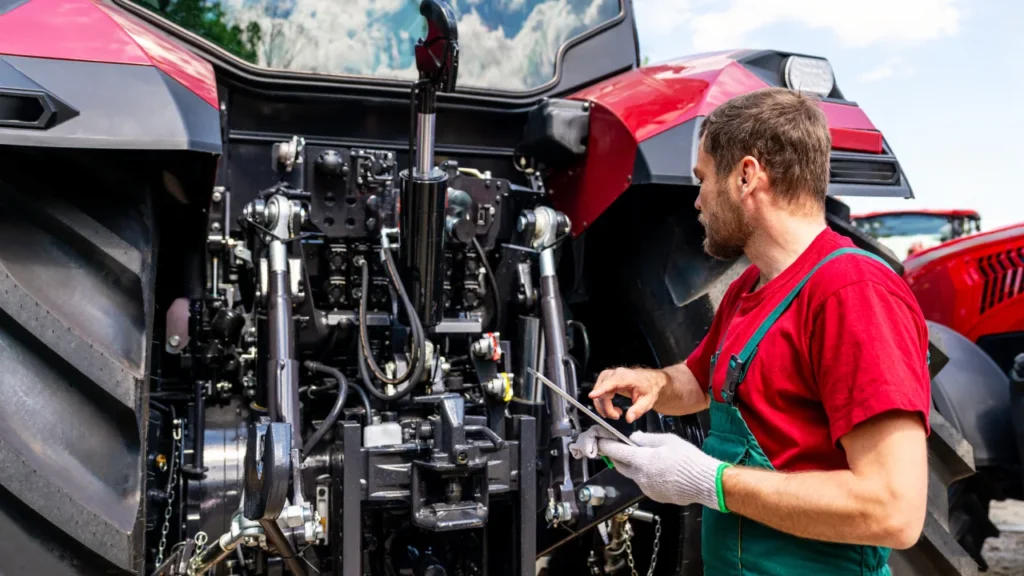
August 25, 2026
Repair, Rebuild or Replace Heavy Equipment: 2026 Cost-Based Decision Guide
This guide provides a mathematical approach to help you decide what to do with your aging machinery in 2026.

July 31, 2026
How to Inspect Used Heavy Equipment Remotely: Practical Checklist for International Buyers
This article provides a practical, step-by-step guide for evaluating machinery without physical access.
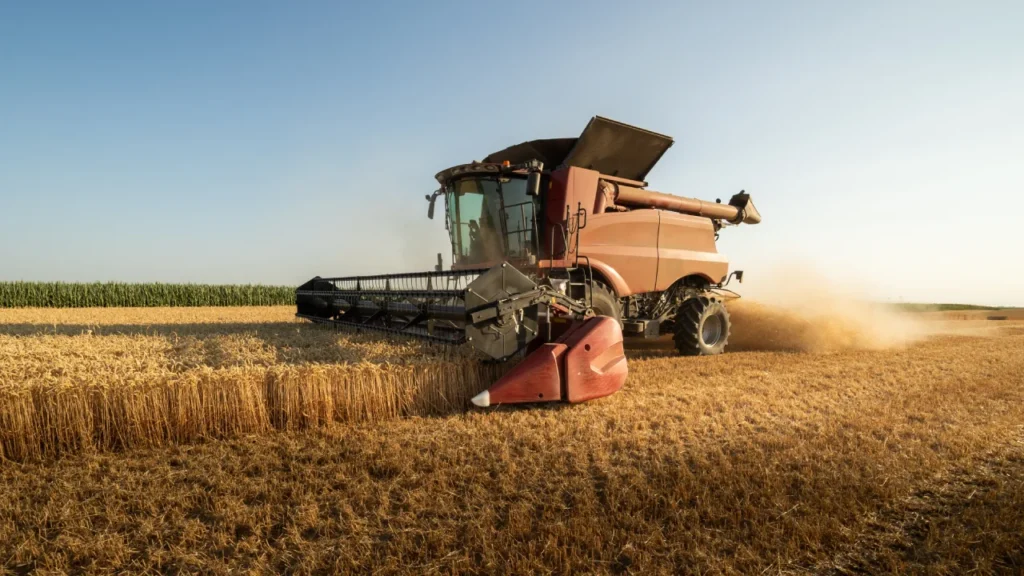
July 10, 2026
New vs Used Heavy Equipment in 2026: Cost, Risk, ROI & When Each Option Wins
This guide explores new vs. used machinery investments, from costs and risks to financing and ROI.
Got Questions?
Our FAQ section covers everything from shipping and listing to buying with confidence.
How can I search for a specific dump truck model?
Type the model name, series, or manufacturer directly into the search bar at the top of the page. You can also browse from the dump truck category page and apply filters for manufacturer and year to narrow results to machines that match your requirements.
Do I need to create an account to browse dump truck listings?
No. All listings and model specification pages are open to browse without registering. An account is only required when you want to contact a seller, save a listing, or access additional buyer tools.
What is the difference between an articulated and a rigid dump truck?
Articulated dump trucks connect the cab and load body through a pivot joint, allowing the two sections to move independently over uneven terrain. This design gives articulated trucks superior off-road capability and maneuverability in confined or rough conditions but limits payload capacity relative to frame size. Rigid dump trucks use a single-frame construction with no articulation point, allowing higher payload capacity and faster cycle speeds on established haul roads but reducing their ability to handle severe terrain. Articulated trucks dominate construction and civil earthworks where terrain is variable and access roads are temporary. Rigid trucks dominate mine haul applications where established roads and maximum payload are the priority.
What payload class do I need for my operation?
Articulated dump trucks in the used market range from 20 to 45 tonne payload capacity, with the 28 to 38 tonne class being the most widely traded. Rigid dump trucks cover a much wider range – from 40 tonne mine trucks up to ultra-class machines exceeding 300 tonnes in mining applications. Matching payload class to the excavator or loader feeding the truck is one of the most important operational decisions: the standard loading practice is to fill a truck in three to five passes of the loading machine, which means the truck payload should be three to five times the bucket payload of the excavator or loader working with it.
What should I inspect on a used articulated dump truck's suspension system?
Articulated dump trucks use hydropneumatic suspension systems on both axle groups – a design that absorbs terrain impact and reduces structural stress on the frame and body during loaded haul. Suspension condition on a used machine should be assessed by checking suspension pressure on all struts, inspecting for oil leaks from the nitrogen-charged suspension cylinders, and observing the machine under load to verify that all corners are riding at correct height. A truck riding low on one corner is operating with a failed or degraded strut that is transferring load to the frame rather than absorbing it – a condition that accelerates frame fatigue and component wear across the rest of the machine.
How do I evaluate body condition on a used dump truck?
Body wear on a dump truck is one of the most visible value indicators and one of the most commonly underestimated cost items in a purchase. Floor plate thickness should be measured at the front and center of the body – the highest-impact zones where rock and material loading creates the most abrasion. Tailgate condition and hinge mechanism function should be verified. Body liner condition, where fitted, determines both remaining wear life and how easily material slides during tipping. A used dump truck body with thin floor plates or cracked side panels requires either replacement or heavy repair before it can work safely at rated payload – costs that should be reflected clearly in the acquisition price.
What telematics capability should I expect on a used dump truck?
Most dump trucks manufactured by major brands after approximately 2008 carry factory telematics systems that record hours, fuel consumption, payload per cycle, idle time, and fault codes. Payload management data – available on machines fitted with onboard weighing systems – is particularly valuable in evaluating a truck's operating history: a machine consistently carrying payloads above its rated limit will show accelerated wear in the suspension, tyres, drivetrain, and body that a standard hour meter cannot reveal. Buyers should request telematics and payload history data as a standard part of any dump truck due diligence, and treat its absence on a machine that should have it as a reason for additional scrutiny.