Dozer Models — Browse All Makes & Manufacturers
Explore the full lineup of dozer models from leading global manufacturers. Compare specifications, read model reviews, and find verified listings – all in one reference hub.
Browse by manufacturer
50+ global manufacturers. Pick a manufacturer to see its full model lineup across all categories.


Heavy equipment insights from JumboBee
Got Questions?
Our FAQ section covers everything from shipping and listing to buying with confidence.
How can I search for a specific dozer model?
Type the model name, series, or manufacturer directly into the search bar at the top of the page. You can also browse from the dozer category page and apply filters for manufacturer and year to narrow results to machines that match your requirements.
Do I need to create an account to browse dozer listings?
No. All listings and model specification pages are open to browse without registering. An account is only required when you want to contact a seller, save a listing, or access additional buyer tools.
What size dozer do I need for my application?
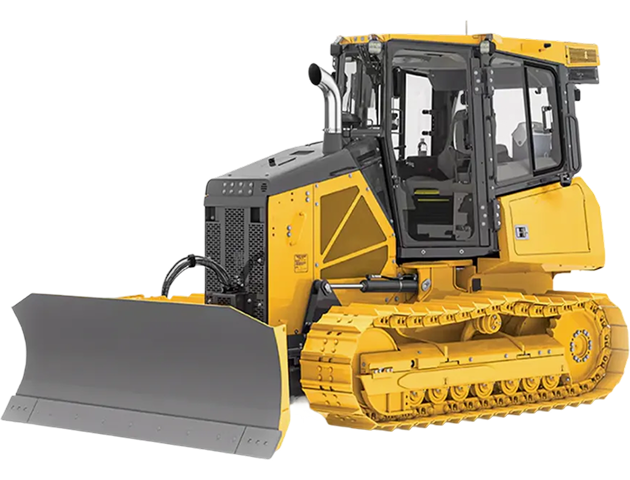
Dozer sizing is primarily determined by the volume of material that needs to be moved per shift and the resistance of the material being pushed. Small dozers in the 60 to 100 horsepower class handle finish grading, light reclamation, and site cleanup. Mid-size machines from 100 to 200 horsepower cover most commercial construction, road building, and general earthworks. Large dozers above 200 horsepower are suited to bulk earthmoving, land clearing, and mine site applications where production rate per shift justifies the higher operating cost. Underpowering a dozer for its intended application creates low productivity and high wear; overpowering wastes acquisition cost and fuel.
What blade types are available on dozers, and which should I choose?
The three main blade types are the straight blade (S-blade), the universal blade (U-blade), and the semi-universal blade (SU-blade). Straight blades are short and curved, suited to side-cutting and finish grading work. Universal blades are wider and more deeply curved, designed to carry large volumes of loose material in pushing applications – the preferred choice for bulk earthmoving in soft soils. Semi-universal blades combine moderate width with a curved profile, offering versatility across both carrying and cutting applications. The right blade depends on the primary application: buyers running a mix of bulk pushing and finish grading often find the SU-blade the most practical general-purpose choice.
What is a VPAT blade and when is it useful?
A VPAT – Variable Pitch Angle Tilt – blade can be adjusted in pitch, angle, and tilt from the cab during operation, allowing the operator to adapt the blade geometry to different tasks without stopping the machine. The pitch adjustment changes the attack angle of the blade, affecting how aggressively the cutting edge enters the material. The angle and tilt adjustments control where material spills off the blade and allow grading on cross slopes without additional passes. VPAT blades are most valuable in applications that mix bulk earthmoving with finish grading, where having to change blade configuration between tasks without stopping significantly improves productivity.
How do I assess undercarriage condition on a used dozer?
Undercarriage represents 20 to 40 percent of the total operating cost of a crawler dozer over its life and is the primary condition variable on any used machine above light use hours. Inspection should cover track shoe grouser height, link pitch elongation measured against a wear gauge, sprocket tooth profile, and roller and idler condition. Rock guards and track guiding components should be checked for integrity. A full undercarriage rebuild on a large dozer can cost $30,000 to $80,000 or more – a cost that needs to be reflected in the purchase price of any machine showing significant undercarriage wear. Sellers who can provide undercarriage inspection reports from a qualified dealer are offering meaningful additional assurance.
What ripper configuration options should I look for on a used dozer?
Rippers are rear-mounted shanks that break up hard rock, consolidated soil, or old pavement ahead of the dozer blade, enabling productive pushing in materials that a blade alone cannot penetrate. Single-shank rippers deliver concentrated penetration force for the hardest rock breaking applications. Multi-shank rippers – typically three shanks – cover more width per pass in moderately hard materials and are more productive in general ripping applications. Buyers purchasing a dozer for hard ground or rock work should verify ripper condition and shank tip wear, as worn tips dramatically reduce penetration capability and increase the machine's fuel consumption and structural stress during ripping.