 Equipment
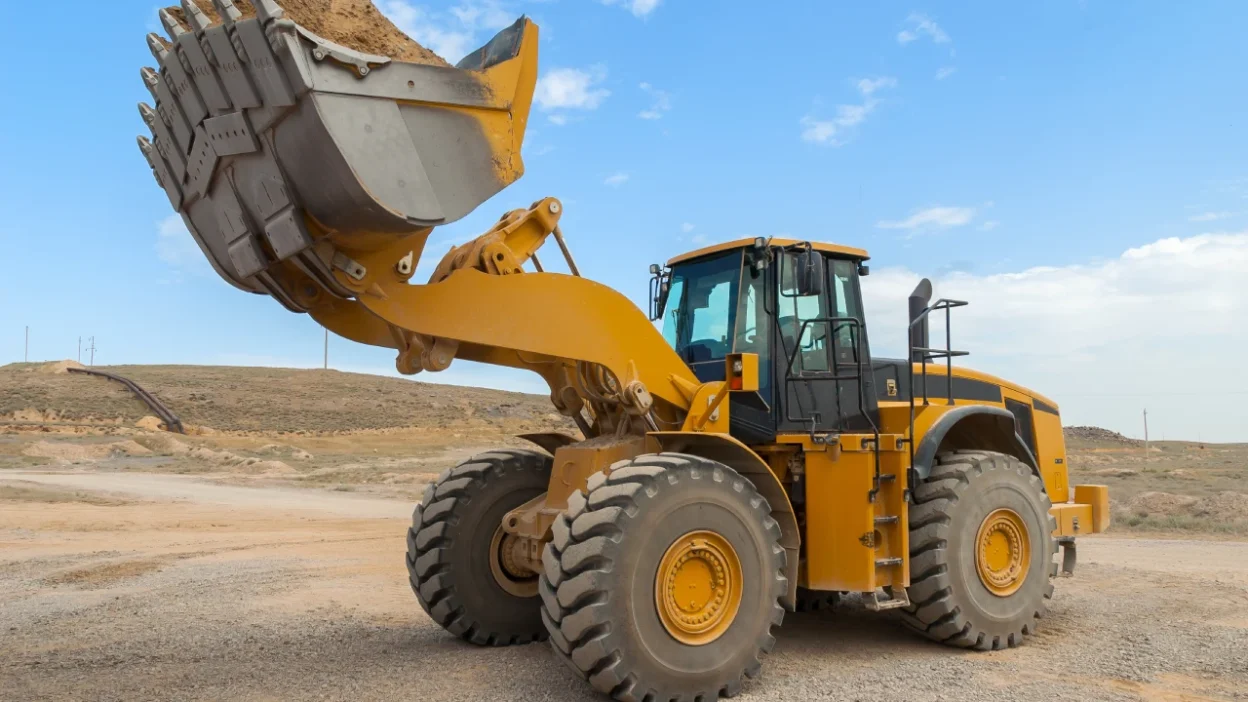
Modern wheel loaders are no longer just bucket-pushers — they are the multi-tool of the modern jobsite. With the right attachments, a single machine can instantly pivot from aggregate loading to snow removal, demolition cleanup, or pallet handling.
In 2026, rising equipment costs and strict emissions regulations mean running fewer machines at higher efficiency isn’t just a good idea, it’s mandatory. Instead of hauling multiple dedicated machines to a site, smart contractors use quick couplers to swap specialized tools in seconds, drastically increasing their machine utilization.
This guide breaks down how to select the right wheel loader attachments to eliminate idle iron, reduce fleet overhead, and maximize your profitability.
Why Wheel Loader Attachments Matter
Machine versatility drives profitability. Heavy equipment sitting idle costs money in depreciation, insurance, and maintenance. Equipping one machine with multiple tools keeps that machine working all day, every day.
Fleet optimization becomes simple when you rely on attachments for wheel loaders. Instead of buying a dedicated rough-terrain forklift for a construction site, you can simply add forks to your existing loader. Instead of buying a dedicated snowplow for winter, you attach a snow pusher.
Consider a standard jobsite calculation. Buying a new mid-sized wheel loader, a telehandler, and a dedicated forestry machine might cost upwards of $600,000. Buying one mid-sized loader equipped with a premium bucket, heavy-duty forks, and a logging grapple might cost $250,000. You save $350,000 in capital expenditures while still completing the same tasks.
Productivity improvements also stem from material-specific handling. Moving light woodchips with a heavy rock bucket wastes fuel and limits payload. Moving heavy granite with a light-duty bucket destroys the steel. Proper attachment selection ensures faster jobsite adaptation and seasonal attachment changes that keep equipment profitable year-round.
One wheel loader equipped with multiple attachments may replace several specialized machines in some operations, significantly reducing equipment ownership costs and maintenance overhead.
Most Common Wheel Loader Attachment Types
Wheel loaders power everything from simple blades to complex hydraulically driven sweepers. Buckets handle bulk material moving, digging, and loading. Forks convert the loader into a heavy-duty forklift for palletized goods and pipe. Grapples clamp down on awkward, bulky materials like scrap metal, logs, and demolition debris.
Snow pushers and blades clear massive parking lots and municipal roads. Sweepers and brooms handle jobsite cleanup and road maintenance. Bale handlers move agricultural feed efficiently. Tire handlers assist in mining operations by moving massive haul truck tires. Side dump attachments allow operators to pour material into tight trenches without turning the machine. Quick couplers connect all these tools to the machine in seconds.
Below is a comparison of common tools.
| Attachment Type | Best Application | Typical Industries | Productivity Advantages |
|---|---|---|---|
| General Purpose Bucket | Stockpiling and loading loose dirt | Construction and landscaping | Balances capacity with breakout force |
| Pallet Forks | Moving palletized materials | Warehousing and agriculture | Eliminates need for dedicated forklifts |
| Scrap Grapple | Handling irregular debris | Recycling and demolition | Secures loose material safely |
| Snow Pusher | Clearing large flat surfaces | Municipal and commercial property | Moves massive volume without windrows |
| Rotary Broom | Cleaning paved surfaces | Road building and municipal | Replaces manual labor for site cleanup |
| High Dump Bucket | Loading tall aggregate trucks | Mining and agriculture | Increases dump clearance height |
Choosing the best wheel loader attachments requires matching these categories to your daily operational bottlenecks.
Wheel Loader Buckets Explained
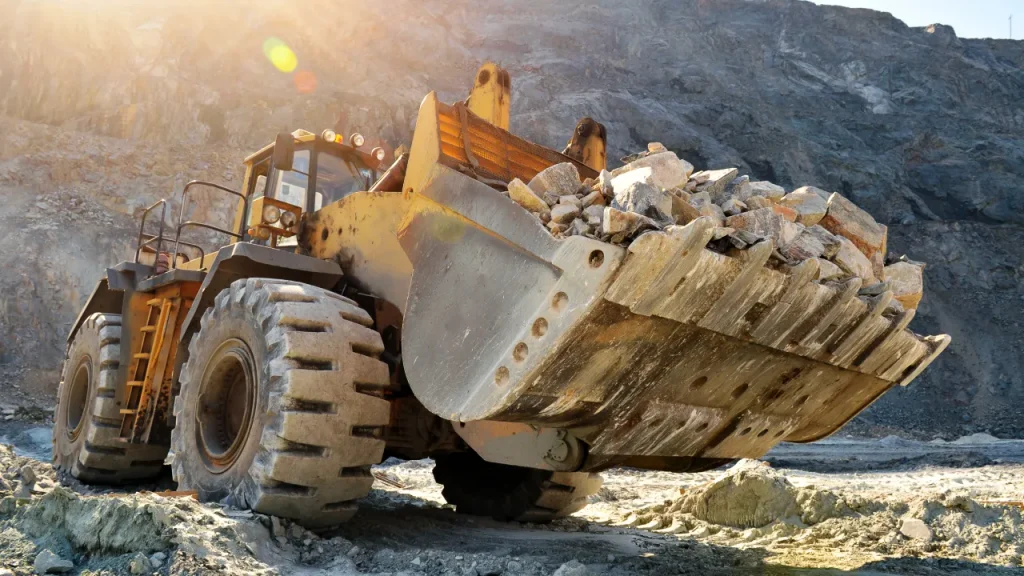
Buckets seem incredibly simple, but using the wrong bucket type can reduce productivity even when the loader itself is properly sized. Bucket selection heavily affects cycle times, material retention, fuel consumption, and machine wear.
General-purpose buckets serve as the standard tool for most construction sites. They handle dirt, loose gravel, and topsoil perfectly. They strike a balance between penetration ability and carrying capacity.
Light material buckets feature massive capacities but lack heavy structural reinforcement. Best applications include moving woodchips, snow, peat moss, and agricultural grain. Because these materials weigh very little, operators can move huge volumes without exceeding the tipping load of the machine. Using light material wheel loader buckets for heavy wet sand will quickly bend the steel and potentially tip the machine.
Rock buckets feature heavy-duty steel, reinforced corners, and aggressive teeth. Best applications include mining, quarry work, and handling blasted rock. Productivity strengths include high penetration in hard materials. Limitations include heavier empty weight, which reduces the total payload you can lift.
High dump buckets feature hydraulic cylinders built directly into the bucket frame. These cylinders pivot the bucket from a higher point than the standard loader arms allow. Typical industries include agriculture and waste management, where operators must load high-sided trailers.
Side dump buckets pour material to the left or right rather than dumping forward. Best applications include backfilling trenches along narrow roadways or working in tight tunnels where the loader cannot physically turn around to dump.
Multi-purpose buckets, often called 4-in-1 buckets, open at the bottom like a clam shell. Operators use them to doze, scrape, load, and grapple large objects. They offer incredible versatility for municipal crews who need to perform different tasks without changing tools.
Skeleton buckets feature a grid-like bottom that allows fine dirt and sand to fall through while retaining large rocks and debris. Typical industries include landscaping, land clearing, and demolition.
Bucket selection directly impacts fuel consumption. Pushing a highly resistant rock bucket into a pile of loose topsoil creates unnecessary drag. The engine burns more fuel to overcome this drag. Conversely, using a smooth-edge bucket in hard clay requires multiple attempts to penetrate the pile, increasing cycle times and burning extra fuel.
Wheel Loader Forks and Material Handling Attachments
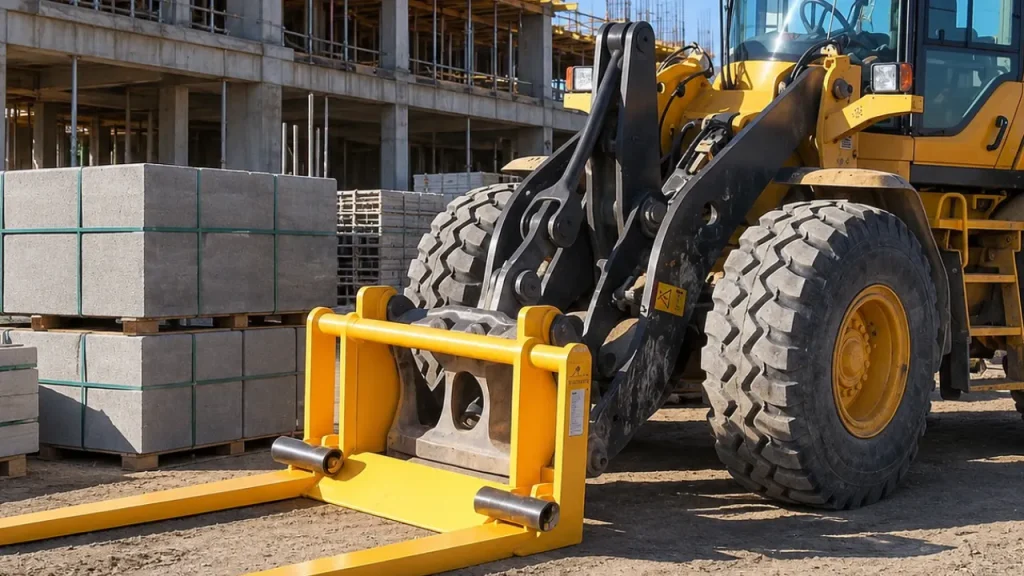
Material handling represents a massive portion of daily heavy equipment tasks. Wheel loaders increasingly serve material handling roles beyond earthmoving. Fork attachments allow wheel loaders to perform many telehandler and forklift tasks in rough terrain environments.
Pallet forks transform a loader into a rough-terrain forklift. Construction material handling relies heavily on pallet forks to move block, brick, roofing materials, and fencing across muddy, uneven jobsites where standard warehouse forklifts would immediately sink. Wheel loader forks offer extreme stability and visibility for the operator.
Lumber forks feature a wider carriage and often include a hydraulic top clamp to secure bouncing logs or stacks of lumber. Warehouse and yard applications rely on these tools to unload flatbed trucks quickly.
Pipe forks feature specialized curved lower tines that cradle large cylindrical objects. Oil and gas contractors use these to string pipe along right-of-ways safely.
Agriculture and feed handling operations use specialized forks to move massive square bales of hay. The high lifting capacity of a loader makes it easy to stack bales high in barns, maximizing storage space.
When evaluating wheel loader forks, pay attention to tine length and carriage width. Long tines support deep loads but require the operator to be careful when turning in tight spaces. Wide carriages provide better stability for wide loads like lumber but add dead weight to the front of the machine.
Grapples and Demolition Attachments
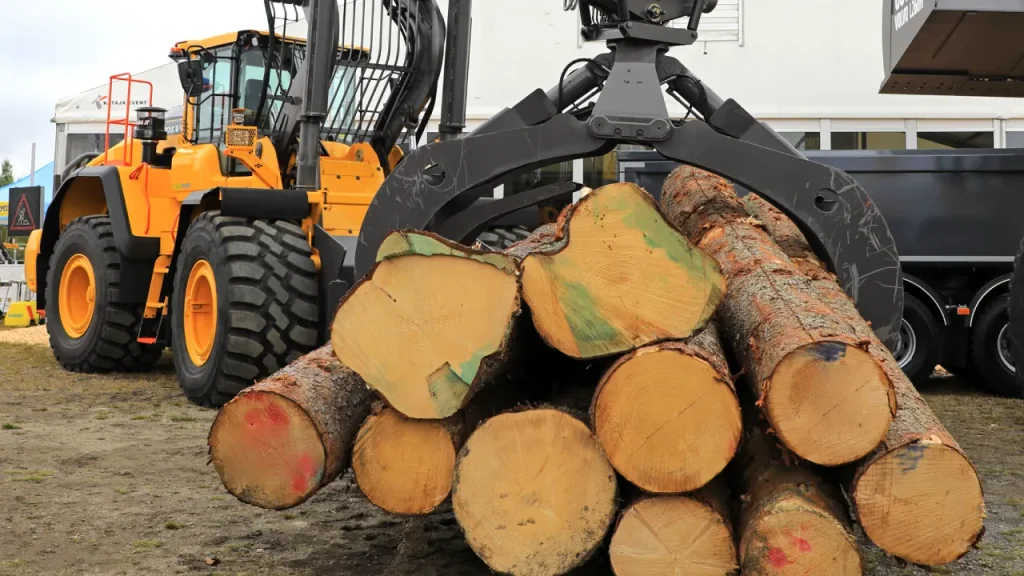
Handling irregular, bulky, or dangerous materials requires clamping force. Grapples improve material control and cleanup efficiency drastically. Demolition and recycling operations often prioritize grapple versatility over raw bucket capacity.
Scrap grapples feature heavy solid bottoms with hydraulic upper arms that bite down on loose metal, wire, and crushed cars. Recycling applications demand these tools because loose scrap falls out of standard buckets, creating tire hazards on the jobsite. A high-quality wheel loader grapple secures the load, allowing the operator to drive faster across the yard without dropping debris.
Log grapples feature open bottoms and massive curved jaws. Forestry applications use these to grab multiple tree trunks at once, load them onto logging trucks, or feed them into industrial chippers. The open design allows dirt and bark to fall away, keeping the processing area clean.
Demolition grapples handle shattered concrete, rebar, and splintered wood. They feature reinforced tines that can withstand the twisting forces generated when pulling down structures.
Waste handling attachments often combine a high-capacity bucket with a top grapple clamp. Transfer stations use these to push household trash into massive piles and then clamp down on the pile to load it into transport trucks.
When sizing a wheel loader grapple, hydraulic pressure matters. The clamping force must be strong enough to crush and secure the material, but the cylinders must be protected from debris. Look for grapples with fully enclosed hydraulic cylinder guards to prevent rogue pieces of rebar from smashing the hydraulic lines.
Snow, Sweeper, and Municipal Attachments
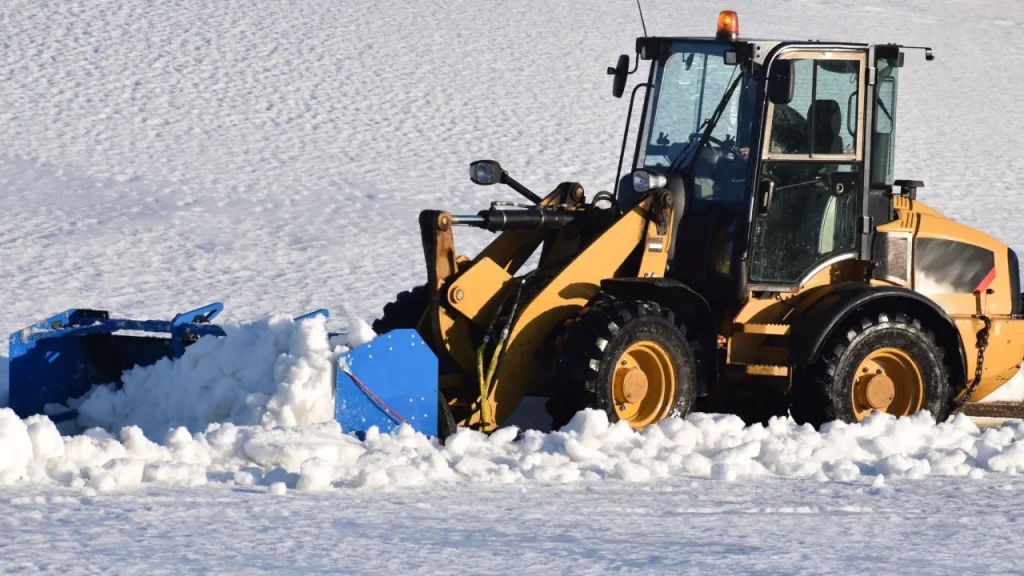
Municipalities and contractors use wheel loaders year-round with seasonal attachments. Seasonal attachments can significantly increase annual machine utilization, turning a summer dirt-mover into a winter profit center.
Snow pushers feature a box-like design with closed sides. They capture and push massive volumes of snow without leaving windrows trailing off the edges. Commercial snow removal contractors mount massive pushers on loaders to clear shopping mall parking lots in a fraction of the time it takes a pickup truck.
Snow blades angle left and right hydraulically. Municipal maintenance applications use blades to clear city streets, pushing snow continuously to the curb.
Snow blowers mount to the front of the loader and require high hydraulic flow to spin the massive augers. They throw snow far off the roadway, making them perfect for mountain passes and rural highways where giant snowbanks block visibility.
Rotary brooms and sweepers handle post-storm cleanup or jobsite maintenance. After milling a road surface, construction crews use sweeper attachments to collect the fine dust before laying new asphalt. Sweepers often include water tanks to suppress dust, keeping operations compliant with local environmental regulations.
Buying specialized seasonal wheel loader accessories keeps operators employed year-round and ensures the machine never sits idle in the yard gathering rust.
Quick Couplers and Attachment Compatibility
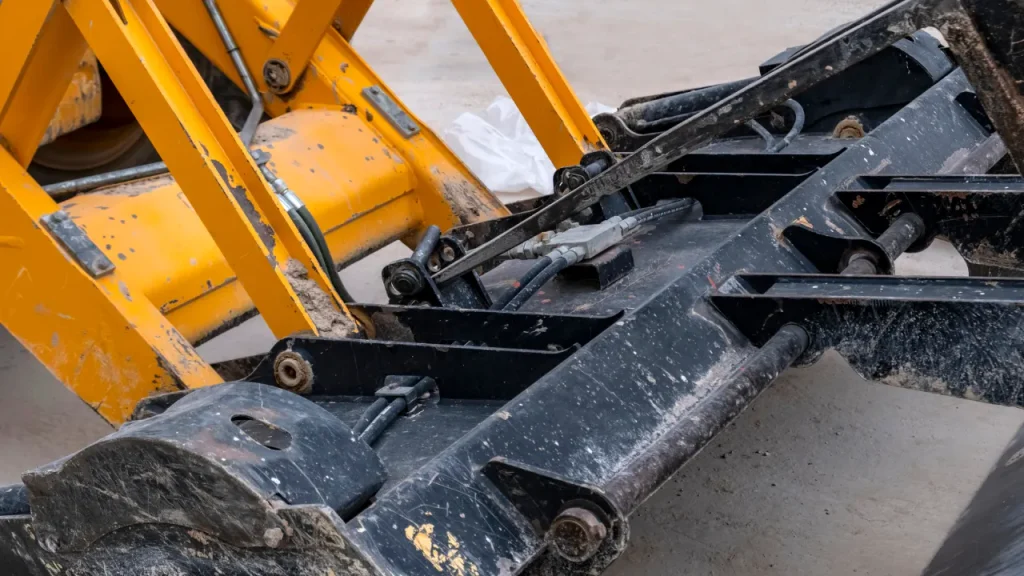
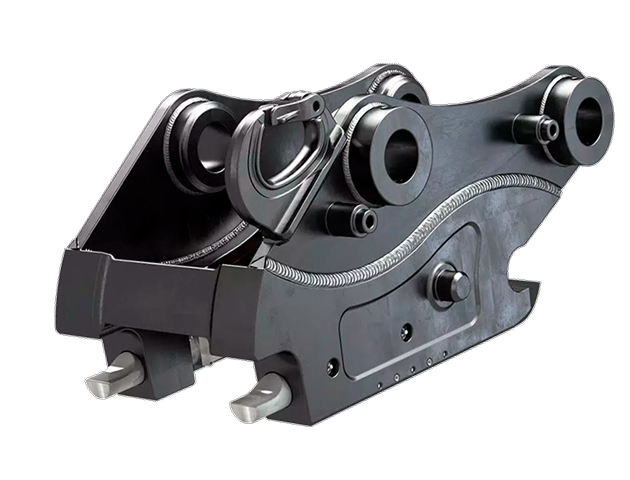
Quick couplers dramatically improve wheel loader versatility and jobsite efficiency. A quick coupler acts as an interface between the loader arms and the attachment. Instead of operators spending an hour hammering out heavy steel pins to change a bucket, they can switch tools in under a minute without leaving the cab.
Hydraulic quick couplers use the machine hydraulic system to drive locking pins into the attachment. Operators press a button in the cab, the pins retract, they back away from the bucket, drive into a set of forks, press the button again, and the pins lock the forks in place. This encourages operators to use the right tool for specific tasks rather than relying on one attachment for everything.
If changing tools takes an hour, an operator will try to move pallets with a dirt bucket. If changing tools takes ten seconds, they will switch to forks.
Manual couplers require the operator to exit the cab and manually pull levers to lock the pins. While slower than hydraulic versions, manual couplers cost less and have fewer moving parts to maintain.
Compatibility considerations dictate your purchasing decisions. Not all couplers fit all attachments. The industry uses several standards, including ISO, JRB, and Volvo-style interfaces. You must ensure your new attachments match your specific quick coupler wheel loader setup.
Attachment interchangeability allows large fleets to share tools. If a contractor owns five loaders of similar size, standardizing the coupler style across all five machines means any loader can pick up any bucket, fork, or grapple on the jobsite.
Coupler wear requires constant monitoring. The locking pins and the receiving hooks on the attachments wear down over time due to friction. Worn couplers cause attachments to rattle, which damages the loader arms and reduces grading precision.
Safety considerations remain paramount. Modern hydraulic couplers feature visual indicators and secondary locking mechanisms to prevent operators from accidentally dropping heavy attachments while driving.
How to Choose the Right Wheel Loader Attachment
Attachment choice should depend on application rather than popularity. Buying the biggest bucket available often hurts productivity if the machine cannot handle the weight.
Machine size compatibility dictates safe operation. Every loader has a rated operating capacity and a straight tipping load. For example, if a loader has a tipping load of 15,000 pounds, you should generally operate at roughly 50 percent of that capacity for safe, stable movement. If you buy a massive 6-yard bucket that weighs 4,000 pounds empty, and you fill it with wet gravel weighing 3,000 pounds per cubic yard (18,000 pounds of material), your total front weight is 22,000 pounds. The machine will tip forward instantly.
Hydraulic flow requirements dictate performance for powered tools like sweepers, blowers, and grapples. Loaders produce a specific gallons-per-minute (GPM) flow at a specific pressure (PSI). If a snow blower requires 40 GPM and your loader only produces 25 GPM, the blower will barely spin. Always match the attachment flow requirements to your machine specifications.
Lift capacity limits what you can safely raise to full height. Moving heavy pipe with forks requires knowing both the weight of the pipe and the weight of the forks themselves.
Operating environment influences design choices. Working in highly corrosive environments like salt processing facilities or fertilizer plants requires attachments with specialized anti-corrosive coatings and sealed bearings.
Material type dictates the physical shape of the tool. Penetrating hard clay requires buckets with sharp teeth. Moving loose sand requires smooth-edge buckets to leave a clean grade.
Jobsite conditions affect sizing. Massive attachments limit maneuverability. Buying extremely wide snow pushers makes clearing open lots fast, but makes navigating narrow city streets impossible.
Productivity goals should guide your budget. If you only move pallets once a month, basic manual forks work perfectly. If you move pallets ten hours a day, investing in hydraulically adjustable forks saves immense amounts of time.
Transport considerations matter for road crews. Attachments wider than the machine may require special oversized load permits when moving the loader on a flatbed trailer from site to site.
Common Mistakes Buyers Make With Wheel Loader Attachments
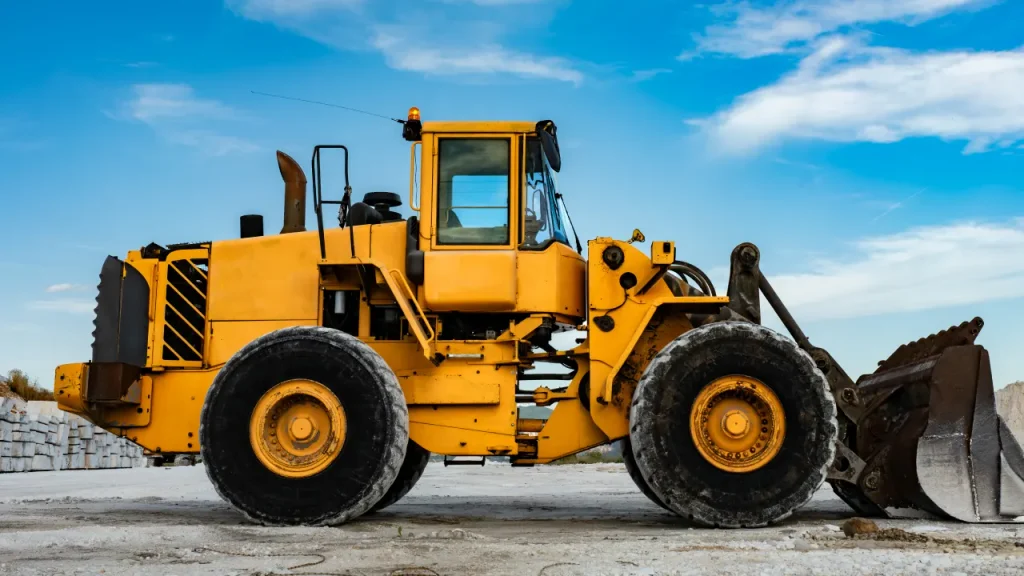
Contractors waste thousands of dollars annually by making easily avoidable purchasing mistakes. This section highlights operational errors that destroy efficiency.
The “Bigger is Faster”
Buyers often equate massive buckets with quicker loading times. However, an oversized bucket filled with dense material causes the rear tires to lift off the ground. The operator must drive extremely slowly to prevent tipping, which actually destroys cycle times while burning out the transmission and tearing up the front axle.
Hydraulic Flow Mismatches
Hooking a high-flow tool to a standard-flow loader results in sluggish, terrible performance. Conversely, attaching a standard-flow tool to a high-flow machine without proper pressure relief valves will literally blow the seals out of the attachment’s hydraulic motors.
One Size Fits All
Trying to load delicate agricultural products with a heavy rock bucket damages the goods. On the flip side, attempting to dig hardpan dirt with a light-material snow bucket will permanently bend the cutting edge. Specialized tasks require specialized steel.
Forgetting About Dead Weight
Every pound of steel you pin to the front of the machine is one less pound of actual material you can carry. While heavy-duty attachments are great for impact resistance, they heavily penalize your overall lifting capacity and payload.
Shopping Exclusively on Price
Cheap tools use low-grade steel that wears out rapidly in abrasive environments like gravel pits. You will inevitably spend more money downtime welding patches onto a budget bucket than you would have spent buying a premium, abrasion-resistant model initially.
Neglecting Wear Parts
Failing to replace bolt-on cutting edges before they grind down to the base steel is a massive unforced error. Once the base lip is damaged, repairing the bucket costs ten times more than the price of a simple replacement blade.
Mismatching Quick Coupler Specs
Buyers frequently score “great deals” on used attachments at auction, only to get them back to the yard and realize the hook spacing does not fit their machine. This oversight turns a cheap attachment into useless inventory sitting in the weeds.
OEM vs Aftermarket Wheel Loader Attachments
Buyers constantly debate between Original Equipment Manufacturer (OEM) tools and aftermarket options. Both have a place in a profitable fleet, but understanding the trade-offs is crucial.
Smart contractors often run a mixed strategy: relying on OEM buckets for primary digging where geometry and breakout force are critical, and pivoting to aftermarket suppliers for simpler tools like forks or snow pushers. Regardless of which route you choose, always verify the steel quality — demand AR400 or AR500 steel in high-wear areas like cutting edges and heel plates.
| Feature | OEM Attachments | Aftermarket Attachments |
|---|---|---|
| Pricing | Premium cost | 20% to 40% cheaper |
| Fit & Geometry | Perfect integration; preserves machine warranties and maximizes breakout force | Varies; requires verifying pin dimensions, weight distribution, and coupler compatibility |
| Build Quality | Consistent; engineered specifically for the loader’s exact specifications | Wildly variable; premium brands can outlast OEM, while budget brands risk structural failure |
| Availability | Subject to heavy supply chain delays; lead times can exceed six months | Often sitting on a local shelf ready for immediate delivery |
| Best Application | Complex, high-stress tasks (e.g., heavy excavation and primary digging) | Simpler tasks where precise geometry matters less (e.g., pallet forks, snow pushers) |
What to Check Before Buying Used Wheel Loader Attachments
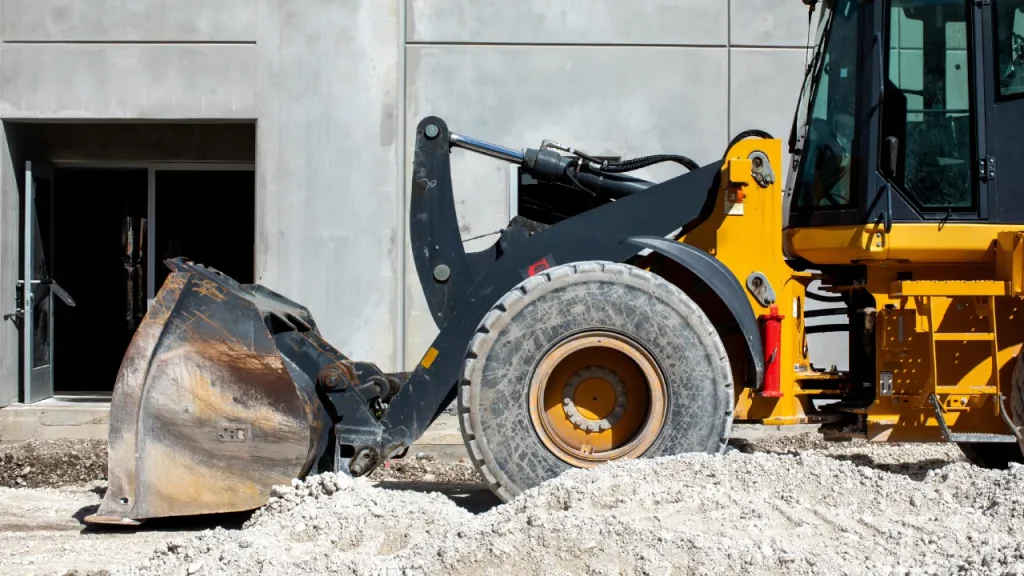
Used attachments offer massive value, but only if they are structurally sound. Because attachments lack engines and transmissions, your inspection comes down strictly to evaluating steel and hydraulics. Run through this checklist before buying used iron:
- Hunt for cracks and bad welds: Inspect main pivot points and the backplate where the coupler engages. Hairline cracks expand rapidly under load, and messy aftermarket welds indicate severe past abuse.
- Check the wear plates: Look underneath the bucket or pusher. If the wear plates are ground completely down to the structural shell, you are facing an immediate, expensive rebuild.
- Inspect the cutting edge: Bolt-on edges must have plenty of material left. If the wear has reached and scalloped the main bucket lip, walk away.
- Evaluate cylinder rods: Check grapple or tilt cylinder rods for pitting, scratches, or rust. Damaged chrome will instantly shred hydraulic seals and cause massive leaks.
- Measure coupler wear: Inspect locking pins and receiving hooks. “Wallowed out” or oval-shaped holes will cause the attachment to bang violently against the machine during operation.
- Sight pallet forks for straightness: Look down the length of the tines. If one bends lower than the other, operators cannot safely enter pallets. You cannot simply bend heavy forks back into shape without destroying the steel’s integrity.
- Look for structural fatigue: Step back and check the main frame for obvious bowing, twisting, or warping.
- Spot hydraulic leaks: Inspect hoses, fittings, and cylinder glands for weeping fluid. While hoses are cheap to replace, leaking cylinders require costly complete rebuilds.
How Contractors Use Attachments to Reduce Fleet Costs
Expanding wheel loader capabilities through attachments — rather than purchasing additional dedicated machines — represents one of the most effective strategies for lowering overhead and winning tighter bids. Here is how smart fleets are doing it:
Maximizing Billable Hours
If a loader only moves dirt for four hours a day, it generates zero revenue for the other four. By adding a sweeper attachment, that same operator can spend the afternoon cleaning the roads entering the jobsite, completely eliminating the need to hire an external street-sweeping subcontractor.
Slashing Transport Logistics
Moving a wheel loader, a telehandler, and a skid steer to a new jobsite requires three separate lowboy truck trips. Moving one wheel loader and a single trailer full of tools requires only two. Over a year of mobilization, these transport savings alone can easily pay for the attachments.
Improving Financing Metrics
Banks heavily scrutinize machine utilization when deciding whether to finance new equipment. A multi-tooled loader running 1,500 hours a year is far easier to finance and financially justify than a dedicated, single-purpose machine running just 500 hours a year.
Beating Seasonal Downtime
Smart contractors use standard buckets all summer for dirt and aggregate, then immediately swap to snow pushers and salt spreaders when the weather turns. This keeps the machine generating cash 12 months a year instead of sitting idle under a tarp from November to March.
Streamlining Shop Maintenance
By relying on one primary power unit, mechanics only need to stock filters, fluids, and parts for one engine type. This drastically reduces shop inventory and saves technicians from having to learn the complex maintenance schedules of three completely different machines.
Ultimately, the best wheel loader attachments allow you to view the machine as a universal power unit rather than just a dirt mover, unlocking revenue streams your business previously had to turn down.
How JumboBee Helps Buyers Compare Wheel Loader Attachments
Finding the right equipment locally can be frustrating, especially when dealing with specific hydraulic requirements or specialized material handling needs. JumboBee simplifies this process by connecting buyers with a massive international inventory.
Global attachment listings allow you to search for precise tools without being limited to local dealer stock. Whether you need a high-dump bucket for agriculture or a specialized scrap grapple, the platform aggregates inventory from trusted sellers worldwide.
Equipment research becomes easier with detailed specifications, photos, and condition reports. You can perform direct wheel loader model comparisons to ensure the attachment you want matches the machine you own.
Attachment categories are neatly organized, allowing you to filter by size, weight, hydraulic flow, and coupler type.
International inventory access means you can take advantage of currency fluctuations and regional overstock.
Easier sourcing workflows save time. JumboBee handles the complex parts of international purchasing, including built-in logistics, customs clearance, and shipping coordination, delivering the exact tools you need directly to your jobsite without hidden fees.
Choosing the Right Attachment Setup for Your Operation
No single attachment fits every jobsite. Operations must evaluate their unique daily tasks, material weights, and jobsite conditions before making purchasing decisions.
Bucket selection should match material and workload strictly. Moving light materials requires high-capacity buckets, while moving dense rock requires heavy-duty steel and smaller capacities to protect the machine.
Quick couplers improve operational flexibility drastically. Investing in a quick coupler setup costs money upfront but pays massive dividends by allowing operators to switch tools safely and efficiently multiple times a day.
Specialized attachments improve productivity in the right environments. Grapples handle debris safely, forks turn loaders into material handlers, and brooms keep jobsites compliant with regulations.
Proper attachment selection reduces operating costs and improves machine utilization. Stop buying dedicated machines for part-time jobs.
Conclusion
Wheel loader attachments transform standard earthmovers into the ultimate jobsite multi-tools. Matching the exact tool to the task instantly boosts productivity and ROI. Equipped with quick couplers, operators can swap tools in seconds — completely eliminating the dangerous, inefficient habit of using dirt buckets for everything.
By investing in specialized tools, you eliminate the need for dedicated forklifts, sweepers, and snowplows. Ultimately, a smart attachment strategy slashes fleet overhead, keeps your machines earning revenue 12 months a year, and drives higher profits across every project.
Ready to unlock your loader’s full potential? Explore a massive global inventory of new and used wheel loader attachments on JumboBee today, and find the exact tools you need to maximize your fleet’s profitability.






Be the first to leave a comment
There are no replies to this post yet. Share your thoughts and help start the conversation.