Windrower Models — Browse All Makes & Manufacturers
Explore the full lineup of windrower and swather models from leading global manufacturers. Compare specifications, read model reviews, and find verified listings – all in one reference hub.
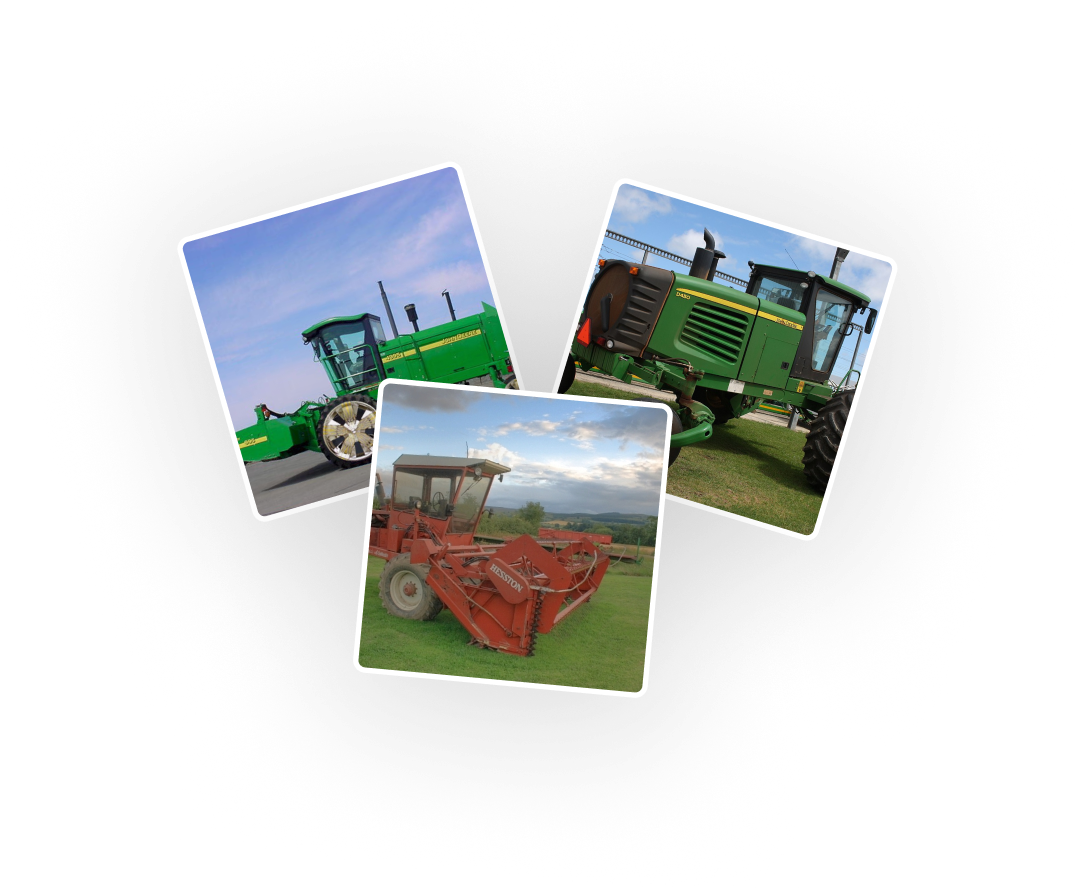
Browse by manufacturer
50+ global manufacturers. Pick a manufacturer to see its full model lineup across all categories.


Heavy equipment insights from JumboBee
October 5, 2026
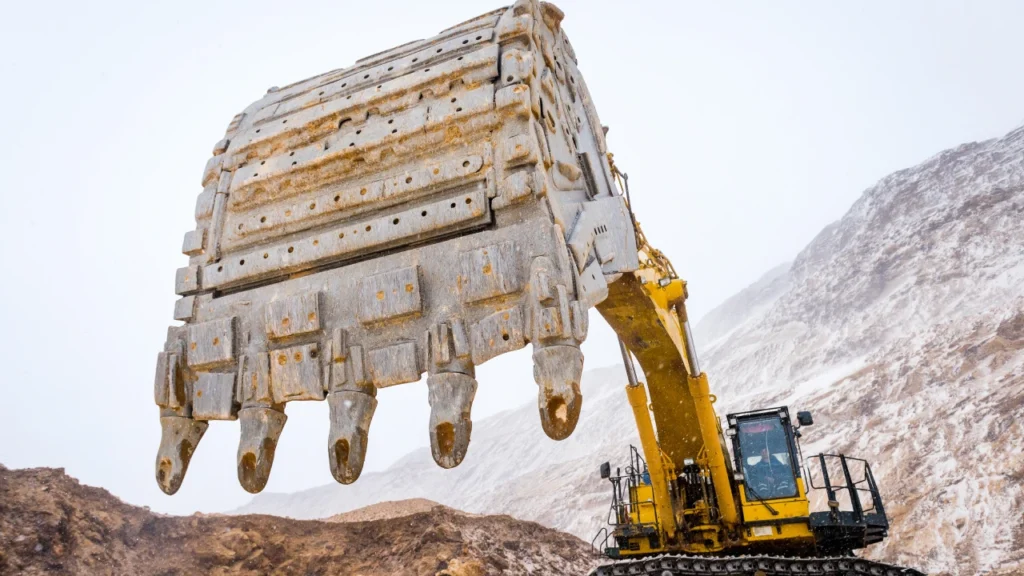
How to Choose the Right Excavator Bucket: Types, Sizes, and Contractor Buying Guide
This guide covers excavator bucket types, capacities, compatibility, and how to choose the right bucket for your jobsite.
September 28, 2026
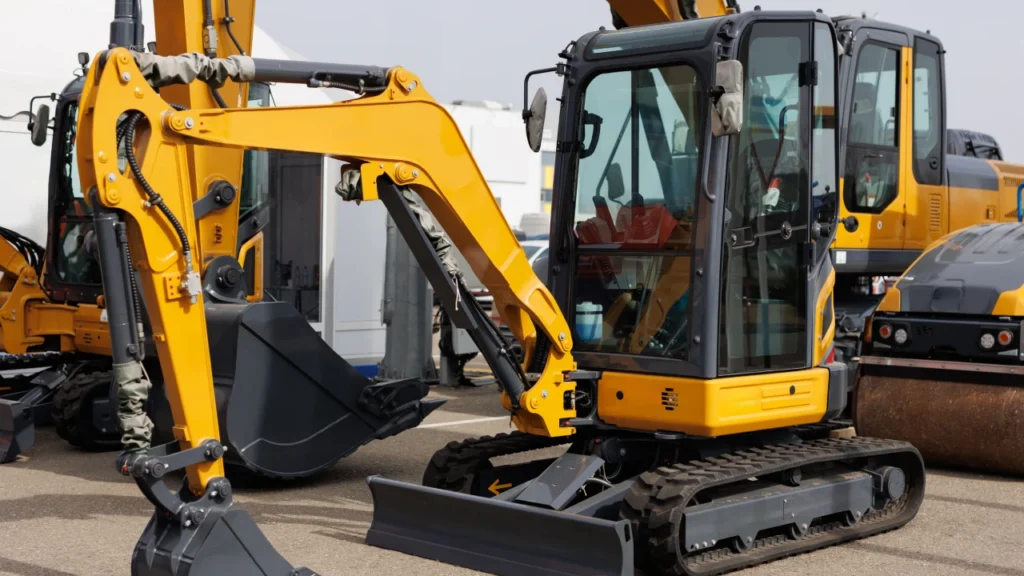
Mini Excavator Buying Guide 2026: Best Models, Sizes and How to Choose
This guide breaks down everything you need to know about compact earthmoving equipment.
September 21, 2026
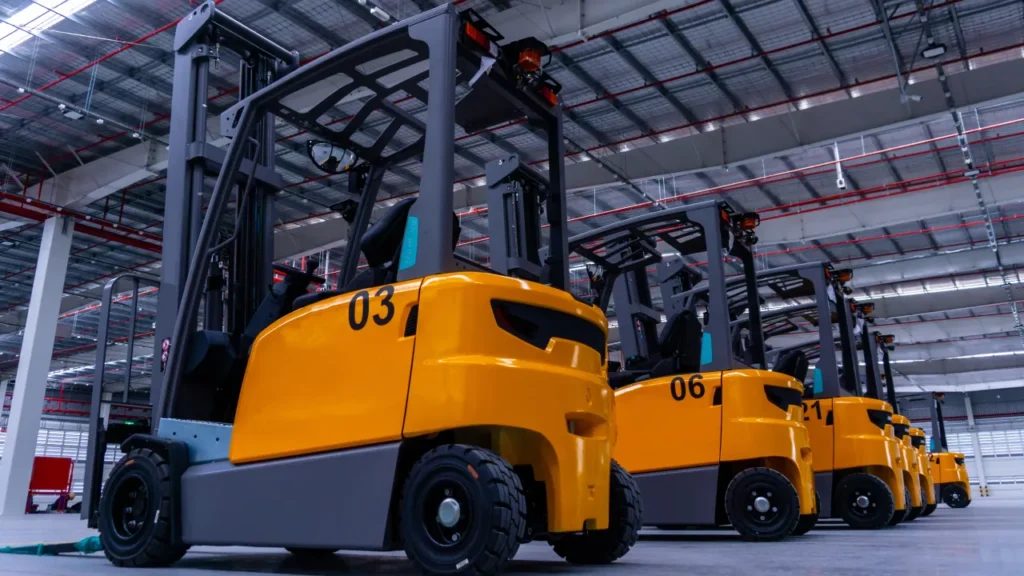
Types of Forklifts: Complete Guide to Classes, Uses, and Applications
This guide covers official forklift classes, physical machine variations, and load capacities.
October 9, 2026
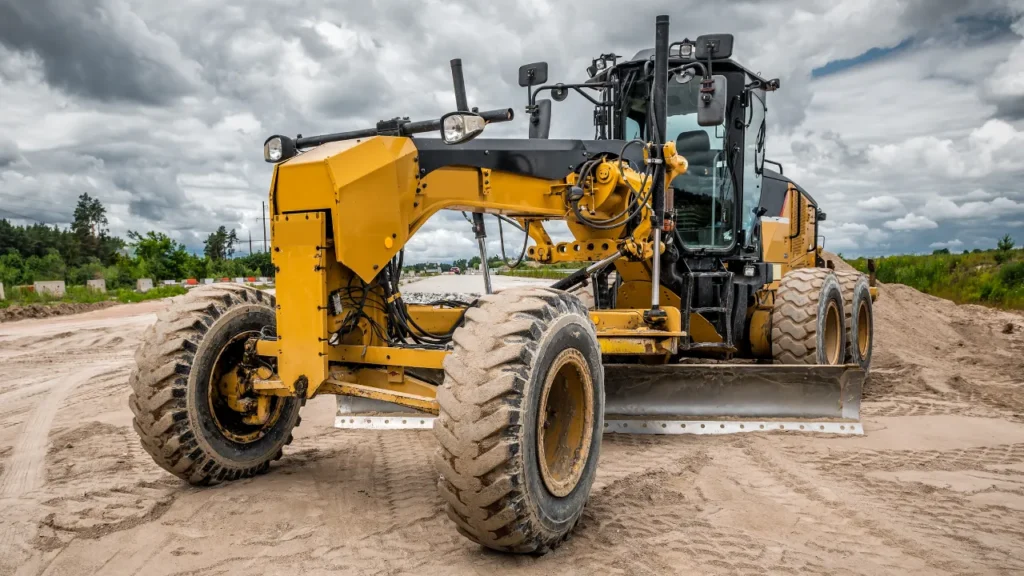
Motor Grader Buying Guide: Sizes, Top Brands, and What Contractors Should Look For
This guide helps buyers select the right motor grader for their needs and maximize ROI across construction, mining, and snow removal.
August 25, 2026
Repair, Rebuild or Replace Heavy Equipment: 2026 Cost-Based Decision Guide
This guide provides a mathematical approach to help you decide what to do with your aging machinery in 2026.

July 31, 2026
How to Inspect Used Heavy Equipment Remotely: Practical Checklist for International Buyers
This article provides a practical, step-by-step guide for evaluating machinery without physical access.
Got Questions?
Our FAQ section covers everything from shipping and listing to buying with confidence.
How can I search for a specific windrower model?
Type the model name, series, or manufacturer directly into the search bar at the top of the page. You can also browse from the windrower category page and apply filters for manufacturer and year to narrow results to machines that match your requirements.
Do I need to create an account to browse windrower listings?
No. All listings and model specification pages are open to browse without registering. An account is only required when you want to contact a seller, save a listing, or access additional buyer tools.
What is the difference between a disc header and a draper header on a windrower?
Disc headers use rotating cutting discs to sever the crop and deliver it to a conditioning system, and are the most common configuration for hay and forage crops. Draper headers use a belt-based platform to deliver cut crop to the center of the machine without the bunching that auger-based systems can cause in heavy or tangled crop – a design that has become increasingly common in small grain swathing applications where uniform windrow formation is critical for even dry-down.
What conditioning system types are available on windrowers?
The two main conditioning systems are roll conditioners and impeller conditioners. Roll conditioners – either intermeshing rubber rolls or steel crimp rolls – crack the stem cuticle to accelerate moisture loss. Impeller conditioners use a spinning rotor with tines or fingers to more aggressively lacerate the stem, achieving faster dry-down in dense or stemmy crops at the cost of slightly more leaf loss. The right choice depends on the crop type, the target dry-down speed, and the end use of the forage.
How important is cutting width when selecting a windrower?
Cutting width directly determines field productivity – a wider header covers more acres per hour at the same ground speed. But width also affects windrow formation: the cut swath needs to match the pickup width of the baler or forage harvester that will follow. Oversized windrows that exceed the pickup capacity of downstream equipment create bottlenecks that eliminate the productivity advantage of the wider cut. Matching header width to the full harvesting system is as important as matching it to field size.
What ground speed do modern windrowers typically operate at?
Self-propelled windrowers in good condition typically operate at field speeds between 8 and 15 miles per hour depending on crop density, header width, and field conditions. Some current-generation machines are capable of speeds above 20 mph in light crops, though effective operating speed is always limited by the ability to maintain consistent windrow formation and conditioning quality rather than the machine's mechanical ceiling.
What should I inspect on a used windrower before purchasing?
The most wear-sensitive components on a windrower are the conditioning rolls or impeller tines, the cutting discs and knives, the header drive components, and the ground drive and hydrostatic system. Conditioning roll wear affects dry-down performance directly – worn rolls that no longer create effective stem contact deliver slower and less uniform dry-down regardless of how well the rest of the machine functions. Header knife condition and disc wear determine cutting quality and power consumption. A used windrower with high hours should be inspected specifically on these points before price is agreed.