Cotton Picker Models — Browse All Makes & Manufacturers
Explore the full lineup of cotton picker models from leading global manufacturers. Compare specifications, read model reviews, and find verified listings – all in one reference hub.
Browse by manufacturer
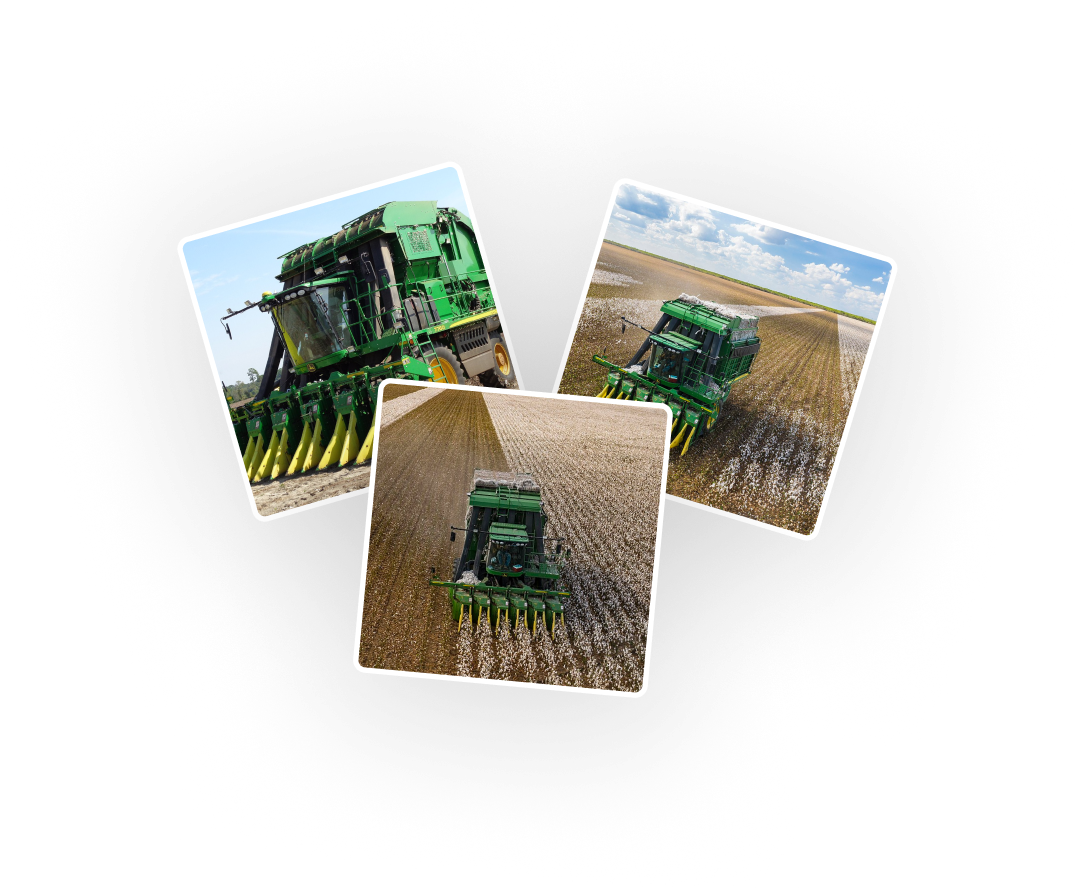
50+ global manufacturers. Pick a manufacturer to see its full model lineup across all categories.




Heavy equipment insights from JumboBee
October 5, 2026
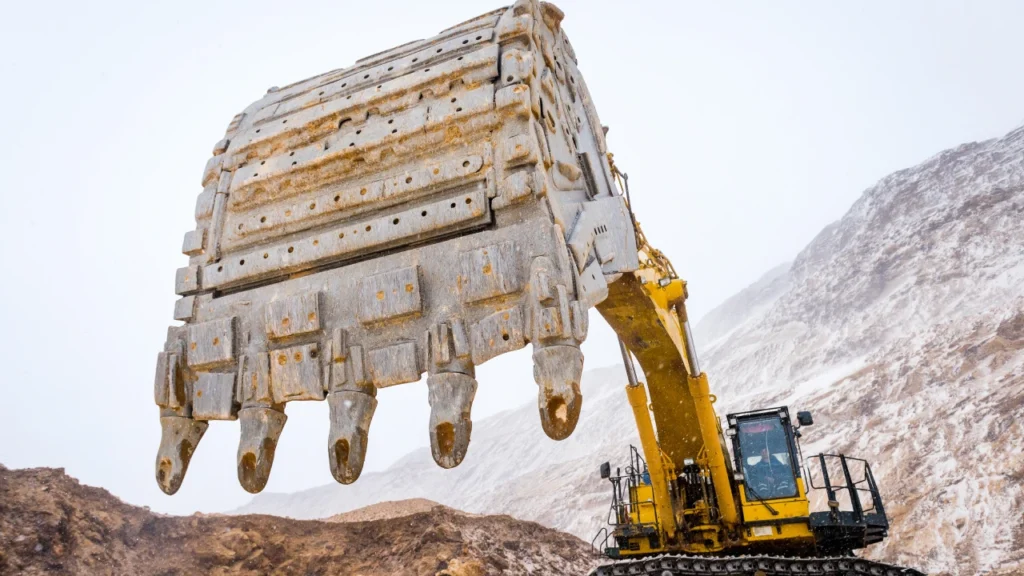
How to Choose the Right Excavator Bucket: Types, Sizes, and Contractor Buying Guide
This guide covers excavator bucket types, capacities, compatibility, and how to choose the right bucket for your jobsite.
September 28, 2026
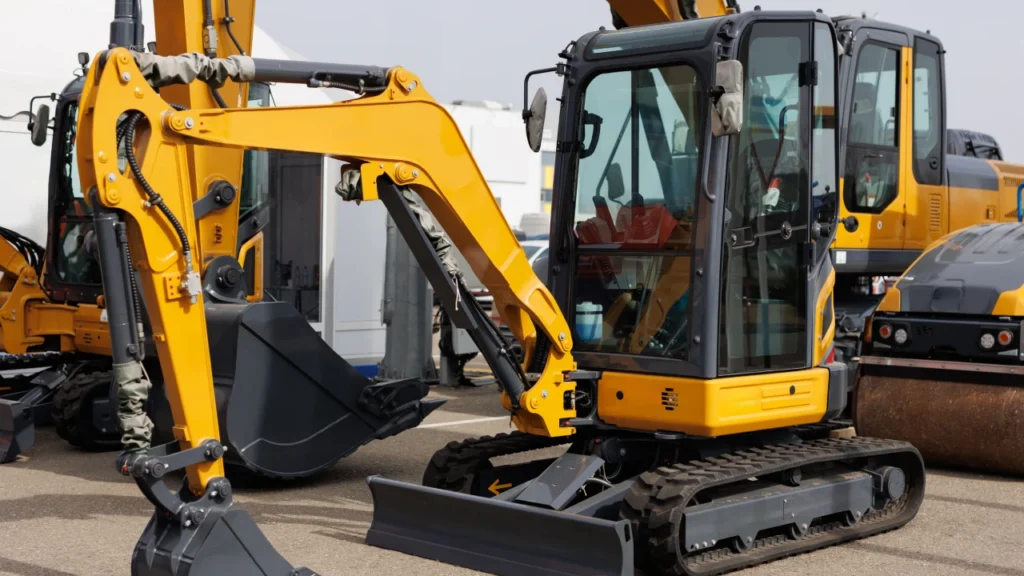
Mini Excavator Buying Guide 2026: Best Models, Sizes and How to Choose
This guide breaks down everything you need to know about compact earthmoving equipment.
September 21, 2026
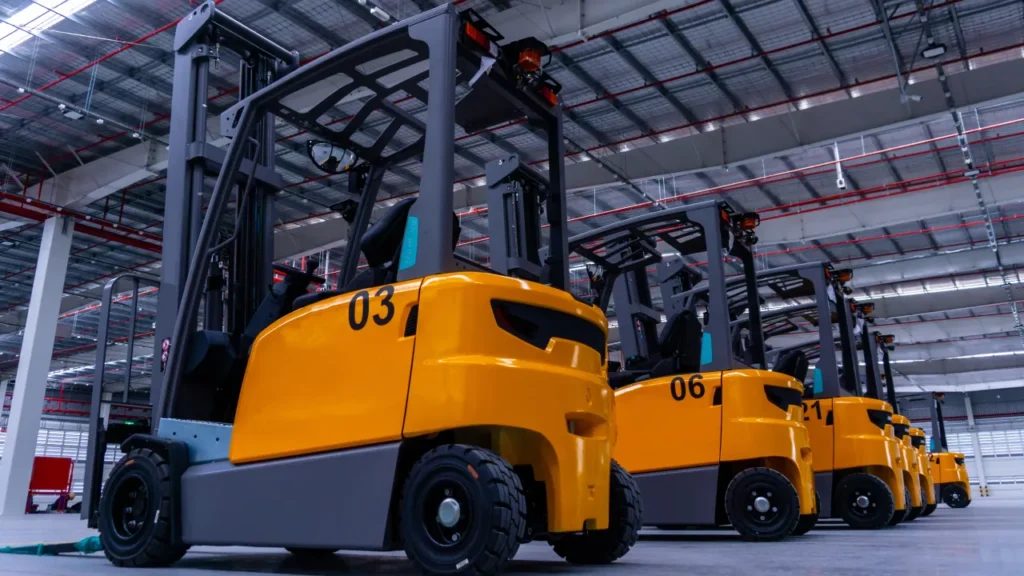
Types of Forklifts: Complete Guide to Classes, Uses, and Applications
This guide covers official forklift classes, physical machine variations, and load capacities.
October 9, 2026
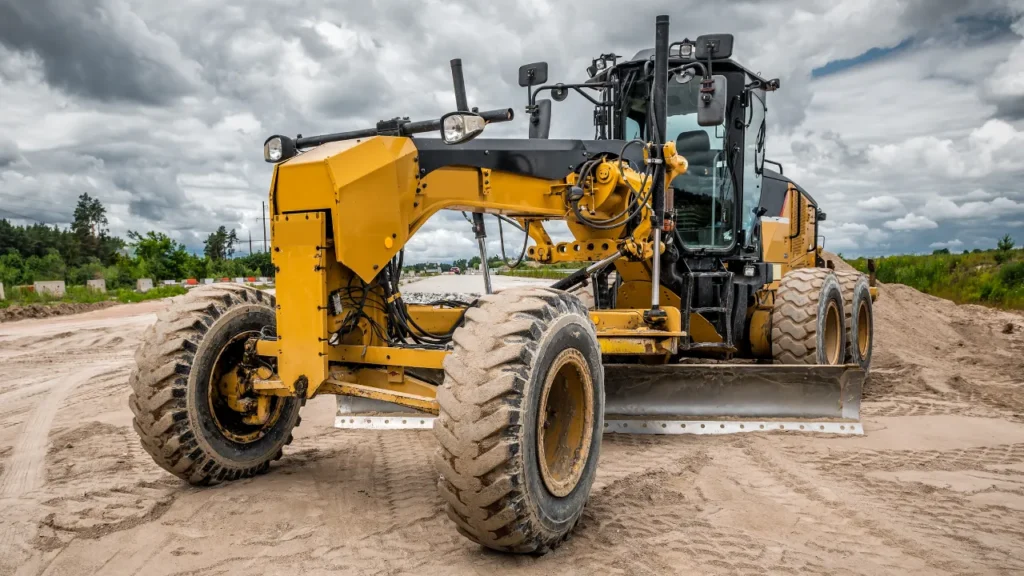
Motor Grader Buying Guide: Sizes, Top Brands, and What Contractors Should Look For
This guide helps buyers select the right motor grader for their needs and maximize ROI across construction, mining, and snow removal.
August 25, 2026
Repair, Rebuild or Replace Heavy Equipment: 2026 Cost-Based Decision Guide
This guide provides a mathematical approach to help you decide what to do with your aging machinery in 2026.

July 31, 2026
How to Inspect Used Heavy Equipment Remotely: Practical Checklist for International Buyers
This article provides a practical, step-by-step guide for evaluating machinery without physical access.
Got Questions?
Our FAQ section covers everything from shipping and listing to buying with confidence.
How can I search for a specific cotton picker model?
Type the model name, series, or manufacturer directly into the search bar at the top of the page. You can also browse from the cotton picker category page and apply filters for manufacturer and year to narrow results to machines that match your requirements.
Do I need to create an account to browse cotton picker listings?
No. All listings and model specification pages are open to browse without registering. An account is only required when you want to contact a seller, save a listing, or access additional buyer tools.
What is the difference between a spindle picker and a stripper harvester?
Spindle pickers use rotating barbed spindles to selectively remove open seed cotton from the boll while leaving unopened bolls on the plant – a design suited to multiple-pass harvesting systems and to markets where fiber quality premiums justify the additional selectivity. Stripper harvesters remove the entire boll, both open and unopened, in a single pass – a faster and lower-cost operation suited to varieties bred for uniform opening and to markets where single-pass harvest economics outweigh the fiber quality considerations that spindle picking addresses.
What does onboard module building mean, and why does it matter?
Onboard module builders – introduced by Case IH in the Module Express series and later adopted by John Deere in the CP690 – compress harvested cotton into wrapped cylindrical modules directly on the machine as it moves through the field, eliminating the need for separate field module builders and the additional field traffic they create. The practical result is a simpler, faster harvesting logistics chain: modules can be left in the field for later pickup rather than requiring field builders to be moved between locations. Most modern used cotton pickers on the global market now include onboard module building as standard.
How do I assess spindle condition on a used cotton picker?
Spindle condition is one of the most critical evaluation points on any used spindle picker – worn spindles deliver less fiber per pass, create more wrapping issues, and increase the seed cotton left in the field. Inspection should cover spindle tip condition, barbwire wear pattern, and the doffer system that removes fiber from the spindle after each picking cycle. A machine with significant spindle wear will require a partial or full spindle replacement before it can operate at rated efficiency – a cost that needs to be factored into the acquisition price.
How many rows do modern cotton pickers typically harvest?
Most commercially traded self-propelled cotton pickers operate on 4-row or 6-row configurations, with row spacing matched to the planting configuration of the fields they serve – most commonly 30-inch or 38-inch row spacing in North American markets. Row unit configuration is one of the first specification points to verify when evaluating a used machine, as a picker configured for one row spacing cannot easily or economically be converted to a different spacing.
What is the typical seasonal hours accumulation on a cotton picker?
Cotton harvesting is a highly seasonal operation, and most self-propelled pickers accumulate a relatively small number of hours per year compared to a combine or tractor that works across multiple seasons. A well-maintained picker used on a single farm operation might accumulate 200 to 400 hours per season, meaning a machine with 2,000 total hours may have only five to ten seasons of work behind it. Total hours need to be evaluated in the context of how many seasons they represent and how the machine was maintained across those seasons – calendar age and service history matter as much as the hour meter reading.