Tractor Models — Browse All Makes & Manufacturers
Explore the full lineup of tractor models from leading global manufacturers. Compare specifications, read model reviews, and find verified listings — all in one reference hub.

Browse by manufacturer
50+ global manufacturers. Pick a manufacturer to see its full model lineup across all categories.


Popular tractor models
Most viewed and most listed on JumboBee this month.
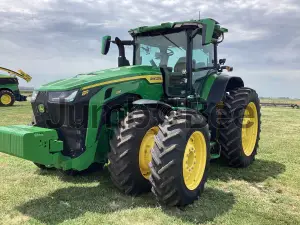
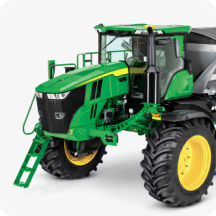
2026 John Deere 8r 370 Row Crop Tractors
12700 kg
6636 mm
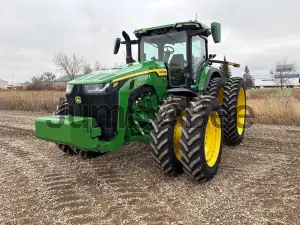
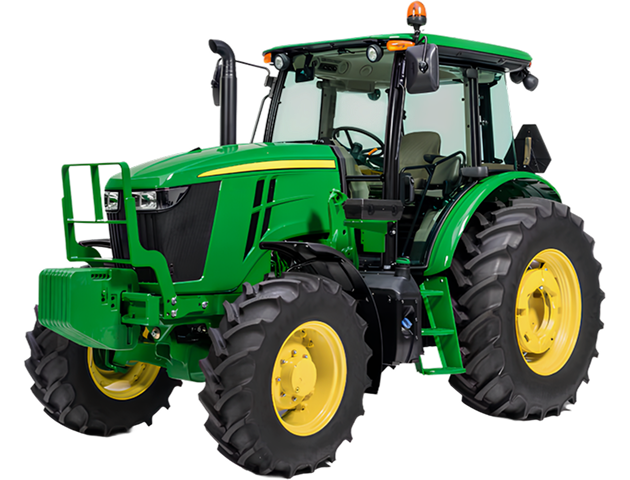
2026 John Deere 8R 340 Row Crop Tractors
12700 kg
6420 mm × 2500 mm × 3500 mm
Popular tractor listings
Most viewed and most listed on JumboBee this month.
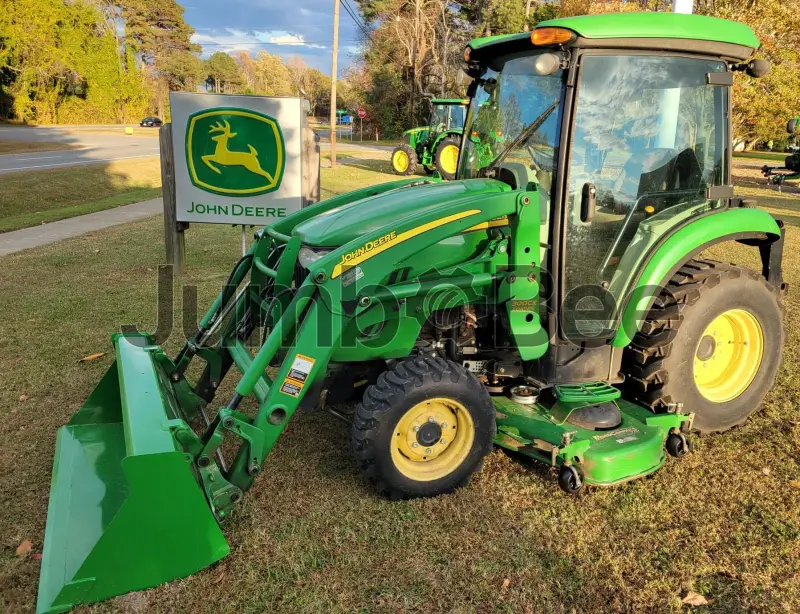
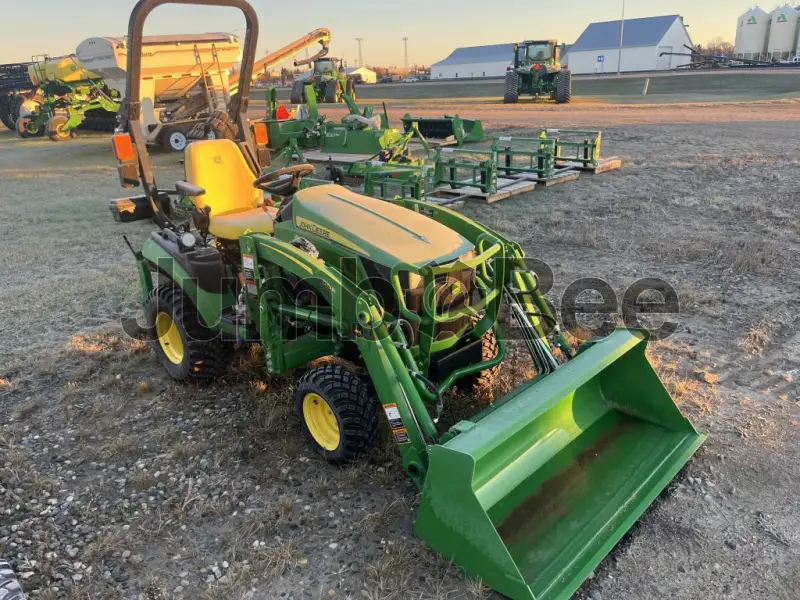
$33,000
Wheels
44 hp
Diesel
581 hours
Toano, United States
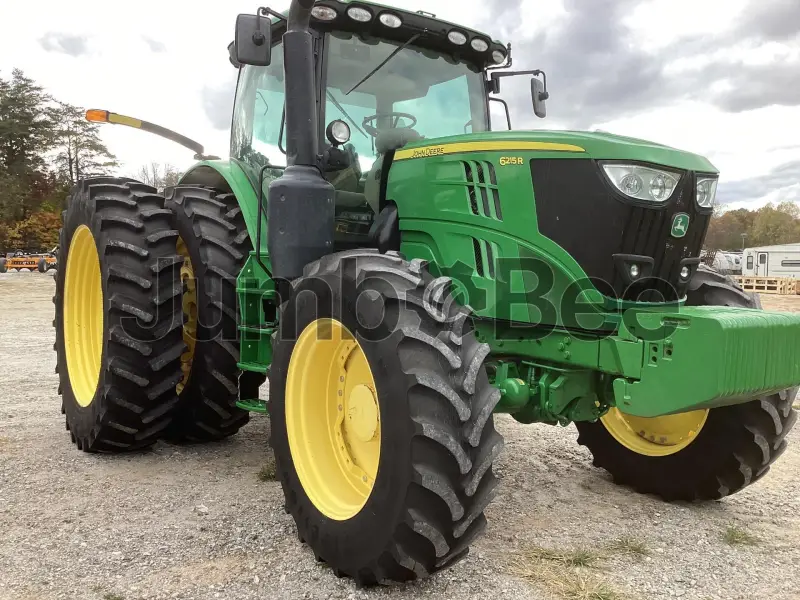
$119,500
Wheels
215 hp
Tier 4 Final
5097 hours
Wilkesboro, United States
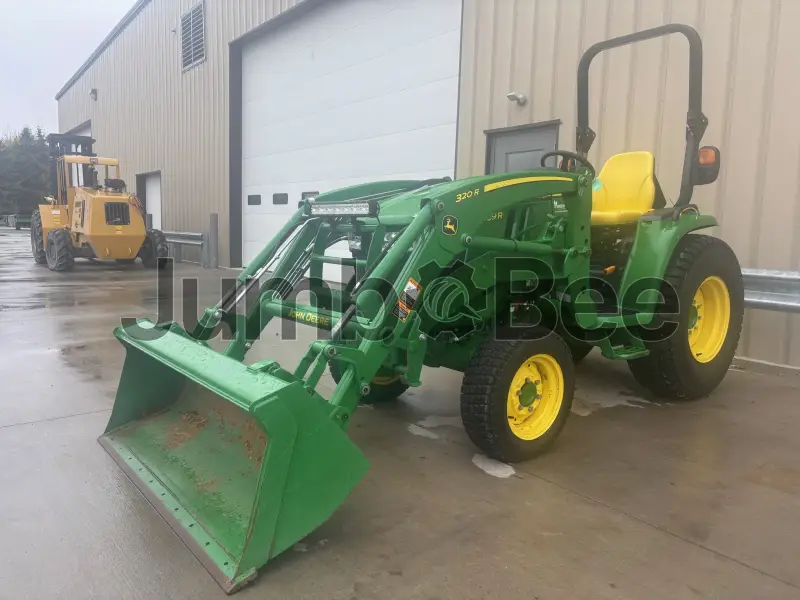
$25,995
38.7 hp
Wheels
Final Tier 4
624 hours
Kent City, United States
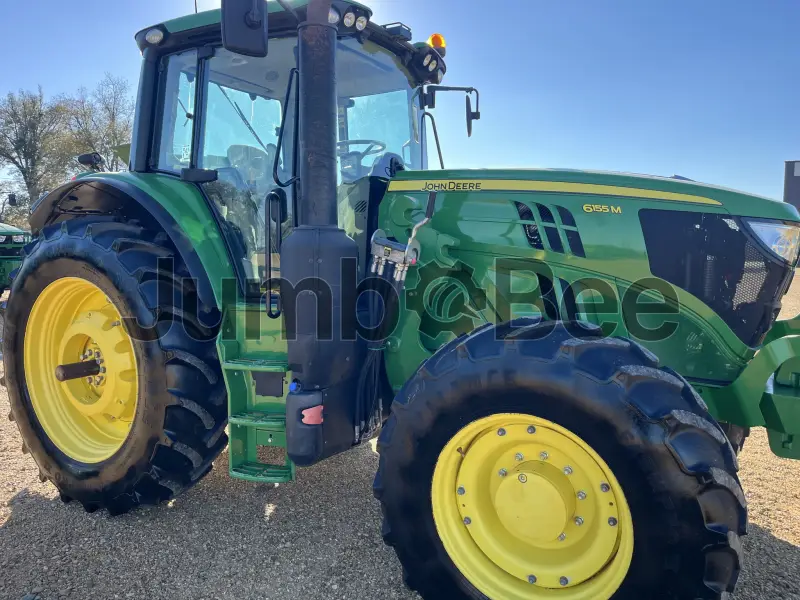
$125,000
164 hp
Wheels
Final Tier 4 / Stage IV
2387 hours
Dumas, United States
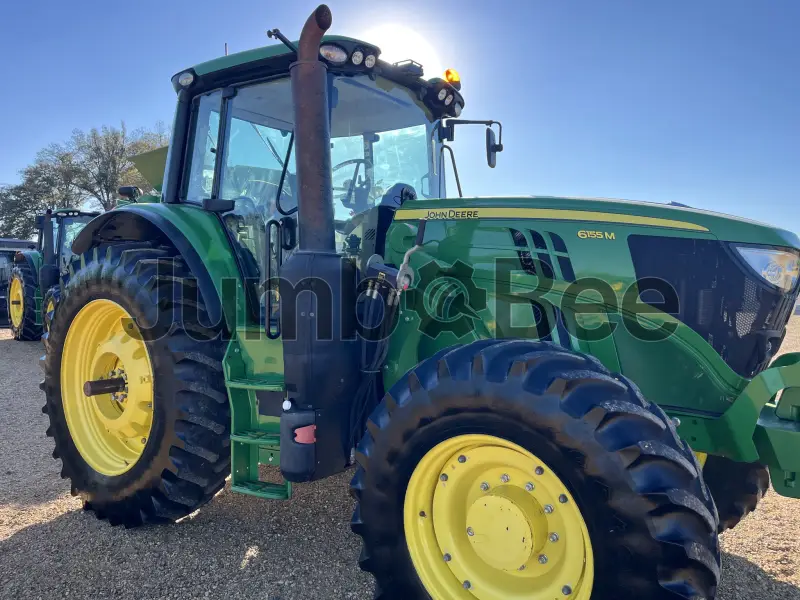
$125,000
164 hp
Wheels
Final Tier 4 / Stage IV
2329 hours
Dumas, United States
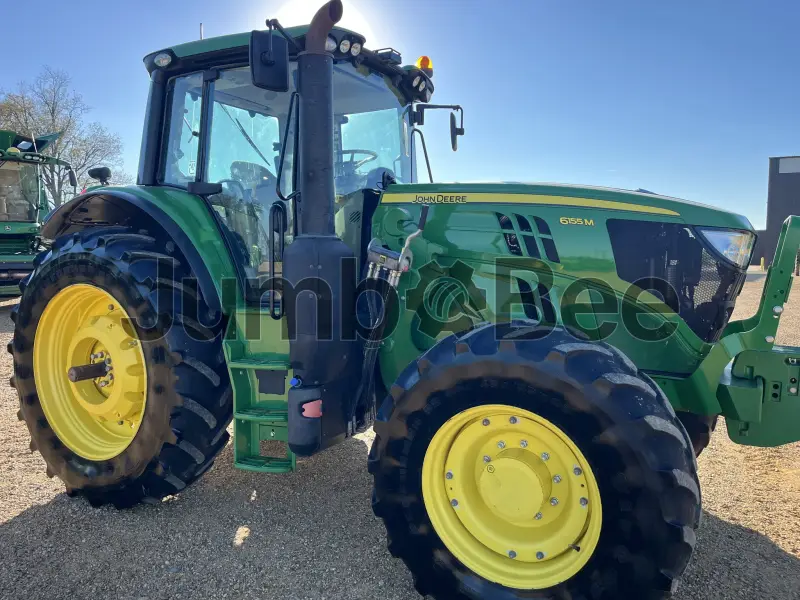
$125,000
164 hp
Wheels
Final Tier 4 / Stage IV
2398 hours
Dumas, United States
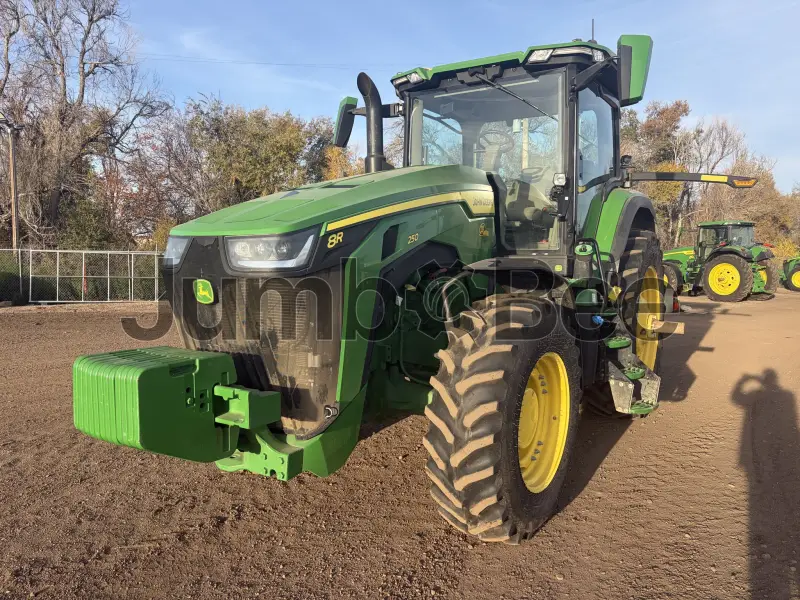
$194,923
186 kW
Wheels
Tier IV
2943 hours
Greeley, United States
$139,480
130 kW
Wheels
Final Tier 4
164 hours
Kennedy, United States
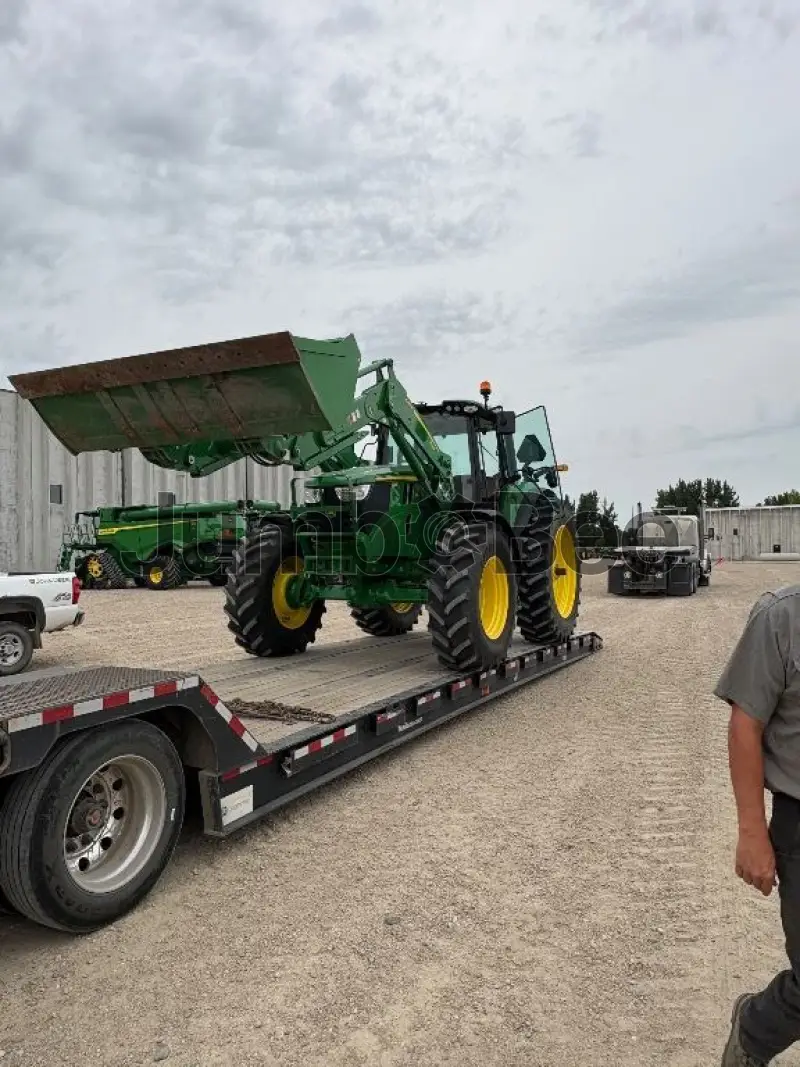
$321,090
Wheels
165 hp
Tier 4 Final
21 hours
Kennedy, United States
Featured tractor manufacturers
Explore tractor manufacturers in our model database. Jump to a letter or scroll the full list.

2,150 tractors listed right now on JumboBee
Ready to buy? Browse active listings from verified sellers worldwide — filter by manufacturer, year, hours, location, and price. Shipping and compliance support included.
1,932
John Deere listings
90
Case IH listings
23
New Holland listings
22
International listings
Heavy equipment insights from JumboBee
November 9, 2026
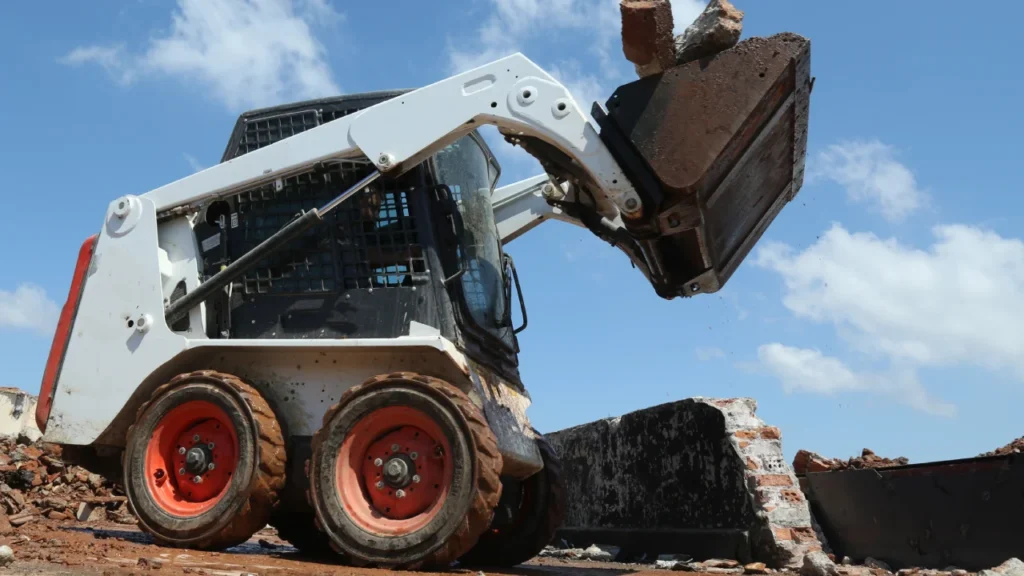
Skid Steer Loader Brands Compared: CAT vs Bobcat vs John Deere
A side-by-side comparison of CAT, Bobcat and John Deere skid steers by size class, capacity, power and hydraulics.
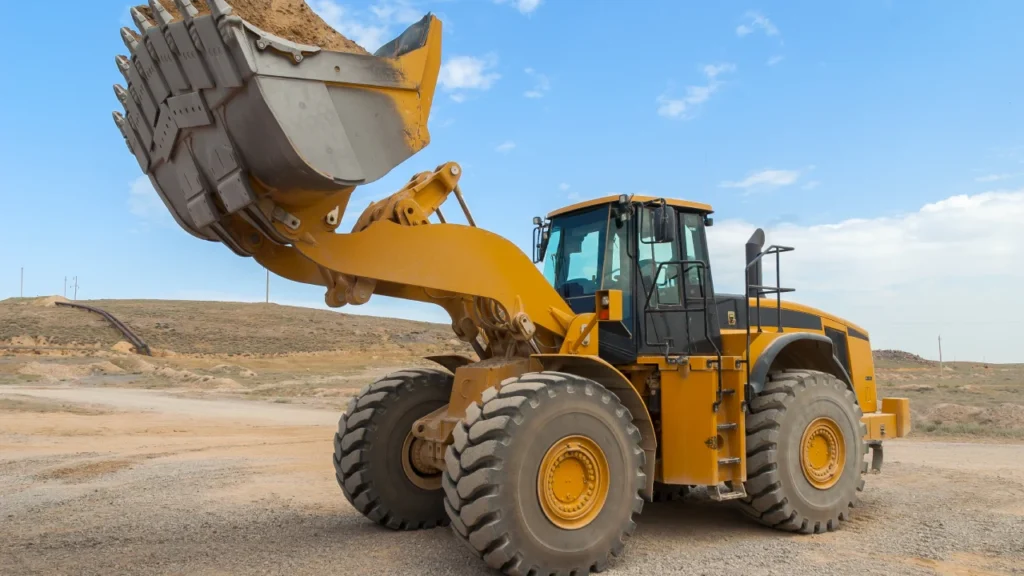
October 23, 2026
Wheel Loader Attachments Guide: Buckets, Forks, Grapples, and More
This guide breaks down how to select the right wheel loader attachments.
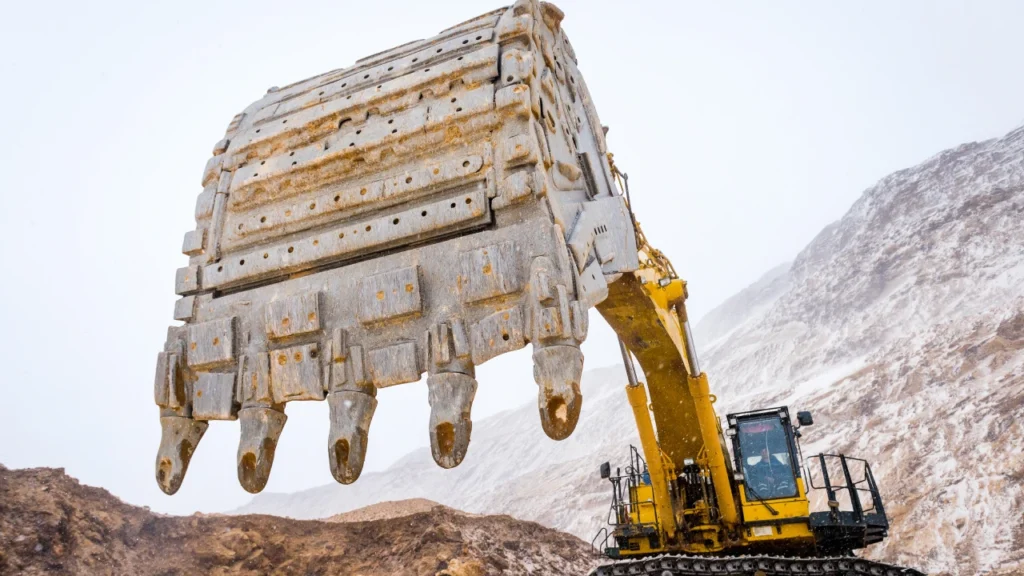
October 5, 2026
How to Choose the Right Excavator Bucket: Types, Sizes, and Contractor Buying Guide
This guide covers excavator bucket types, capacities, compatibility, and how to choose the right bucket for your jobsite.
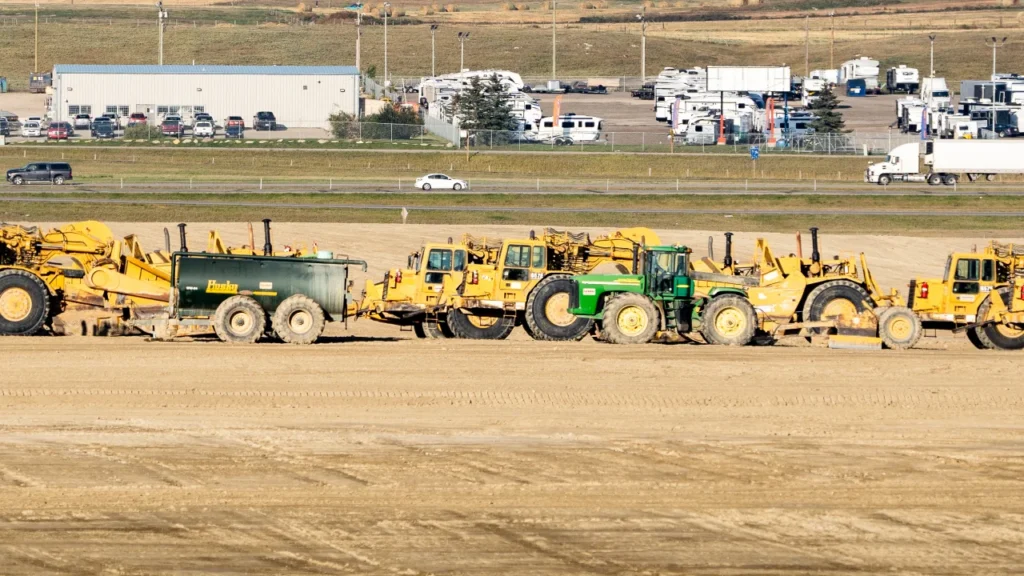
November 2, 2026
Buying & Selling Heavy Equipment in Canada: Market Guide for Global Buyers
This guide explains how the Canadian heavy equipment market works for international buyers and sellers.
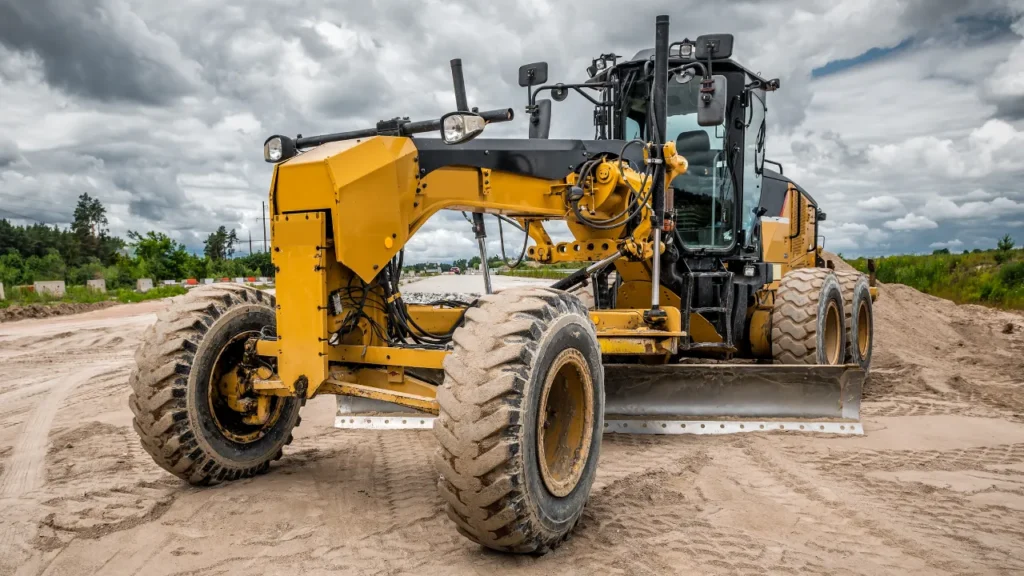
October 9, 2026
Motor Grader Buying Guide: Sizes, Top Brands, and What Contractors Should Look For
This guide helps buyers select the right motor grader for their needs and maximize ROI across construction, mining, and snow removal.
August 25, 2026
Repair, Rebuild or Replace Heavy Equipment: 2026 Cost-Based Decision Guide
This guide provides a mathematical approach to help you decide what to do with your aging machinery in 2026.
Got Questions?
Our FAQ section covers everything from shipping and listing to buying with confidence.
How can I search for a specific tractor model?
Type the model name, series, or manufacturer directly into the search bar at the top of the page. You can also browse from the tractor category page and apply filters for manufacturer, horsepower, and year to narrow results to machines that match your criteria.
Do I need to create an account to browse tractor listings?
No. All listings and model specification pages are open to browse without registering. An account is only required when you want to contact a seller, save a listing, or access additional buyer tools.
What is the difference between a row-crop tractor and an articulated 4WD tractor?
Row-crop tractors (like the John Deere 8R series or Case IH Magnum) use a conventional front-wheel-assist or MFWD configuration and are built for versatility across tillage, planting, and cultivating tasks in row-crop settings. Articulated 4WD tractors (like the Case IH Steiger Quadtrac or John Deere 9RX) pivot at a center joint, deliver power to all wheels or tracks equally, and are built for high-horsepower, high-draft applications like primary tillage and heavy pulling where maximum traction matters more than tight-row maneuverability.
How do horsepower classes break down in the used tractor market?
Compact and utility tractors typically fall in the 25 to 100 horsepower range and handle mowing, loader work, and small-acreage tasks. Mid-range row-crop tractors run from roughly 100 to 250 horsepower and cover most row-crop field work. High-horsepower row-crop and 4WD articulated tractors range from 250 up to 700+ horsepower and are built for large-scale tillage, planting, and grain cart applications.
Should I look for wheels or tracks on a used tractor?
Wheeled tractors offer lower purchase and maintenance costs, better road transport speed, and simpler tire replacement. Track tractors (like the John Deere 8RX or 9RX) reduce soil compaction and improve traction in wet or hilly conditions, but come at a higher upfront cost and require more specialized undercarriage maintenance. The right choice depends on soil type, field conditions, and how much road transport the tractor will do.
What should I check on a used tractor's hydraulic and PTO system?
Key inspection points include hydraulic pump output and pressure, remote valve function and leakage, and PTO clutch engagement and shaft condition — all of which directly affect implement compatibility and performance. Buyers should also check hydraulic fluid condition and look for signs of past leaks around cylinders, hoses, and fittings, since hydraulic repairs can be costly on larger machines.
Does three-point hitch and drawbar compatibility vary between manufacturers?
Yes. Most manufacturers follow standardized Category I through IV three-point hitch classifications based on tractor horsepower, so compatibility is generally predictable within the same category. However, lift capacity, hydraulic quick-coupler types, and PTO speed (540 vs 1000 RPM) can still vary by model and generation, so buyers should confirm that any implements they plan to use match the specific tractor's hitch category and PTO configuration.
What precision technology should I expect on a modern used tractor?
Current-generation tractors from major manufacturers typically include GPS guidance, autosteer, and telematics connectivity as standard or widely available equipment, with many also offering automated implement controls and section control for planting and spraying. Older machines may lack factory-installed guidance systems, though aftermarket GPS and autosteer kits can often be retrofitted. Buyers should verify the technology generation and software compatibility of the specific machine before purchasing.