Combine Models — Browse All Makes & Manufacturers
Explore the full lineup of combine harvester models from leading global manufacturers. Compare specifications, read model reviews, and find verified listings – all in one reference hub.

Browse by manufacturer
50+ global manufacturers. Pick a manufacturer to see its full model lineup across all categories.



Popular combine models
Most viewed and most listed on JumboBee this month.
Popular combine listings
Most viewed and most listed on JumboBee this month.
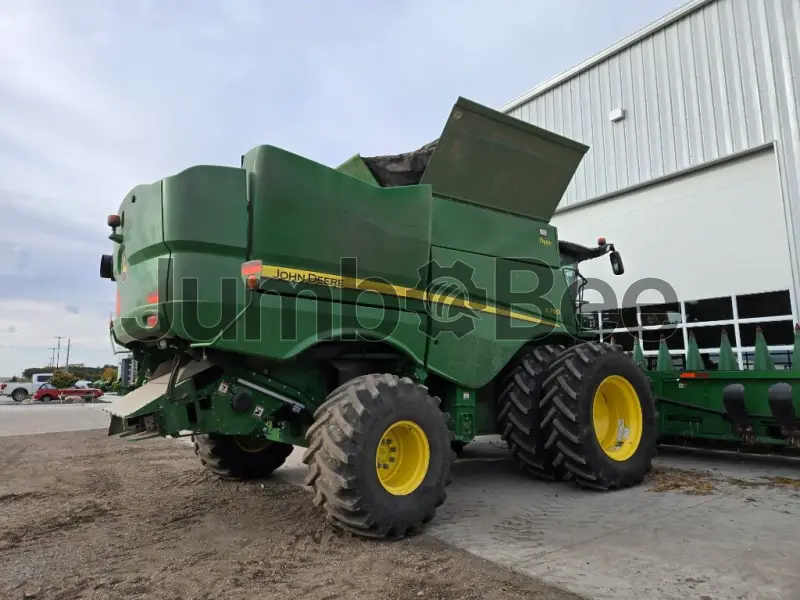
$281,210
617 hp
Fixed or multi-speed
105 deg
1999 hours
Fergus Falls, United States
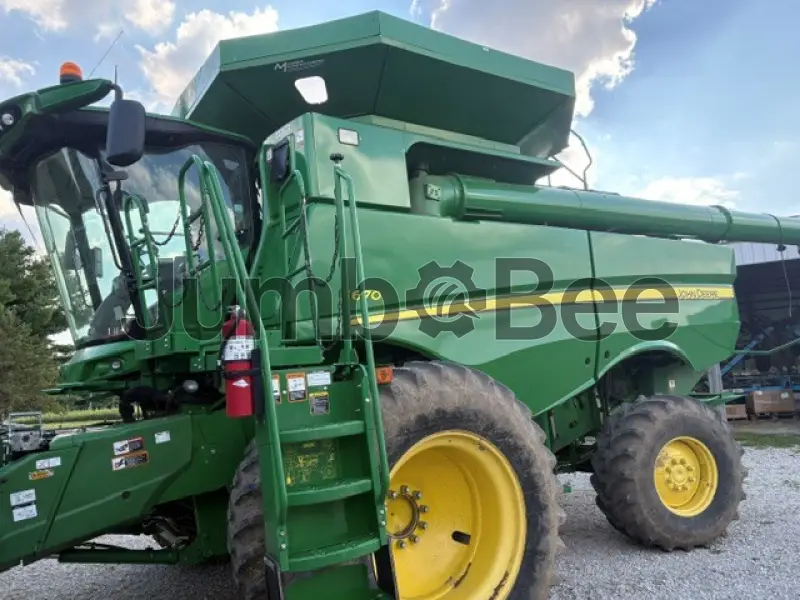
$86,900
1.54 sq(m)
0.5 sq(m)
1.9 sq(m)
2982 hours
Casey, United States
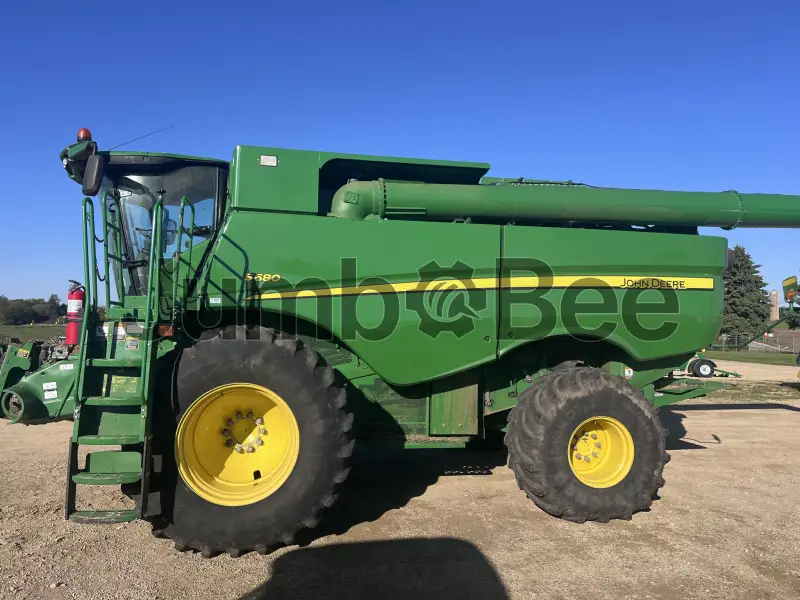
$69,900
507 hp
Fixed or Variable or MultiSpeed
Diesel
3738 hours
Monroe, United States
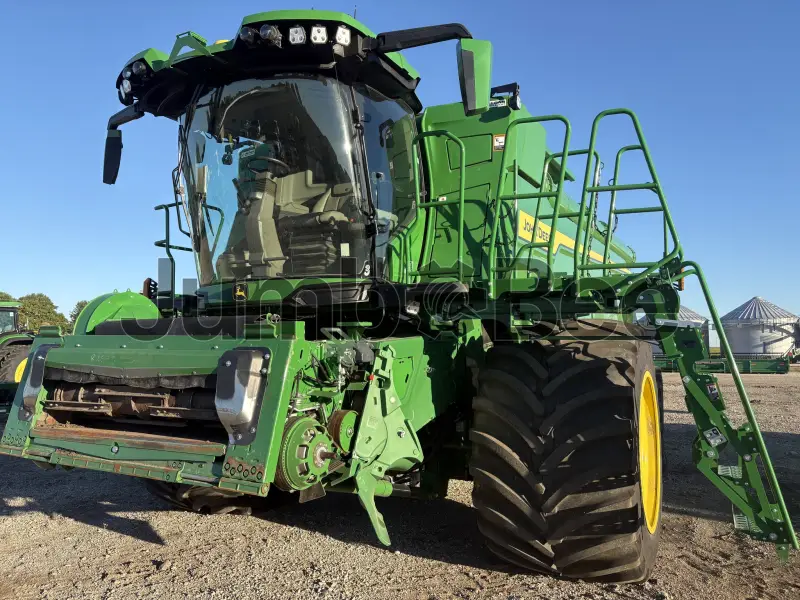
$409,900
Final Tier 4
Diesel
830 cu(in)
1385 hours
Assumption, United States
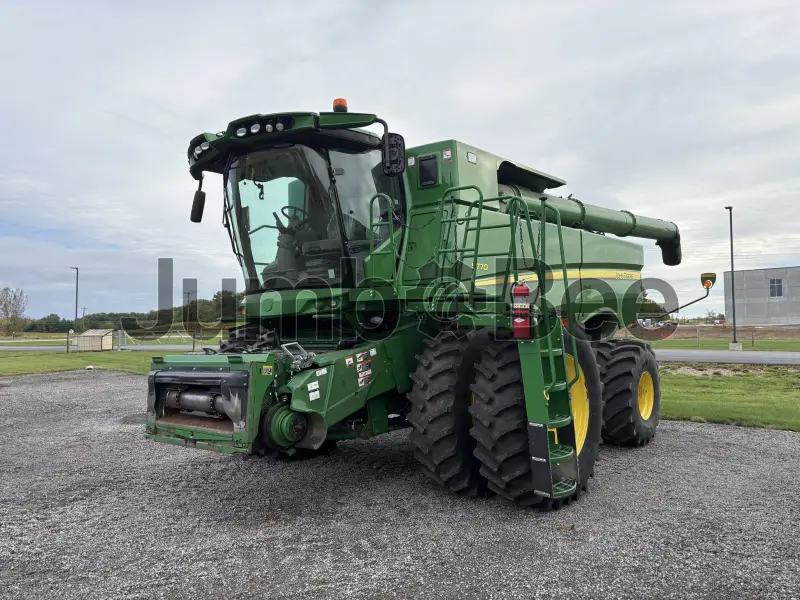
$274,500
449 hp
105 deg
5.1 sq(m)
1525 hours
Warsaw, United States
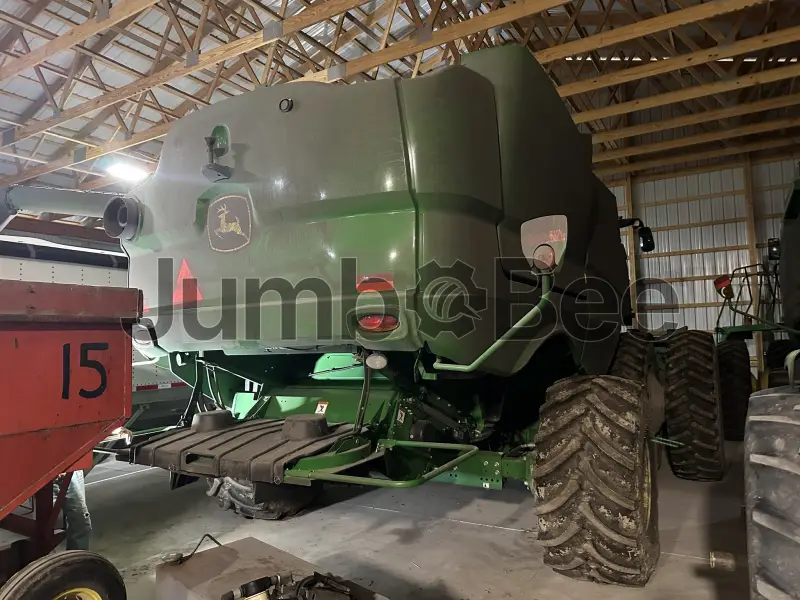
$285,900
105 deg
2.5 sq(m)
2.1 sq(m)
1276 hours
Kent City, United States
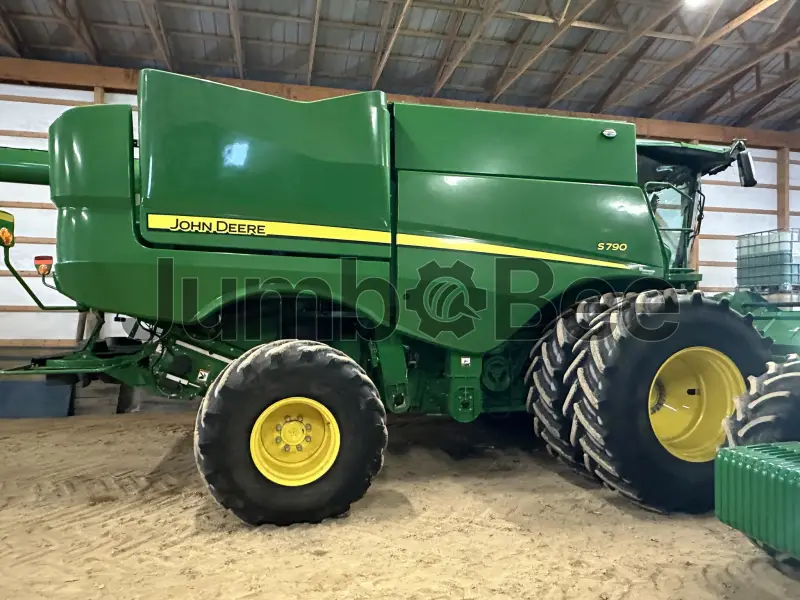
$396,500
134 L/sec
134 L/sec
Diesel
1198 hours
Kent City, United States
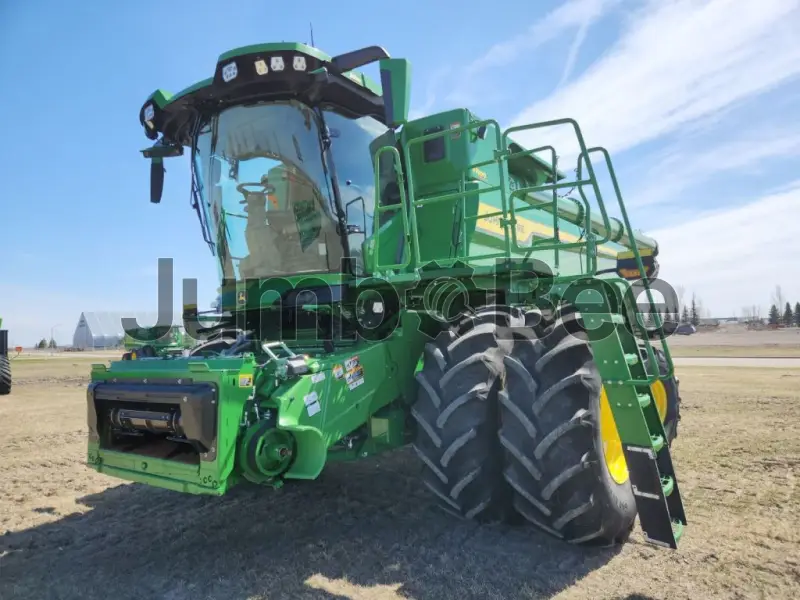
$662,500
1 sq(m)
G5 Plus CommandCenter
Fore/Aft, Powercast Tailboard, Power Folding Bin Extension
428 hours
Moorhead, United States
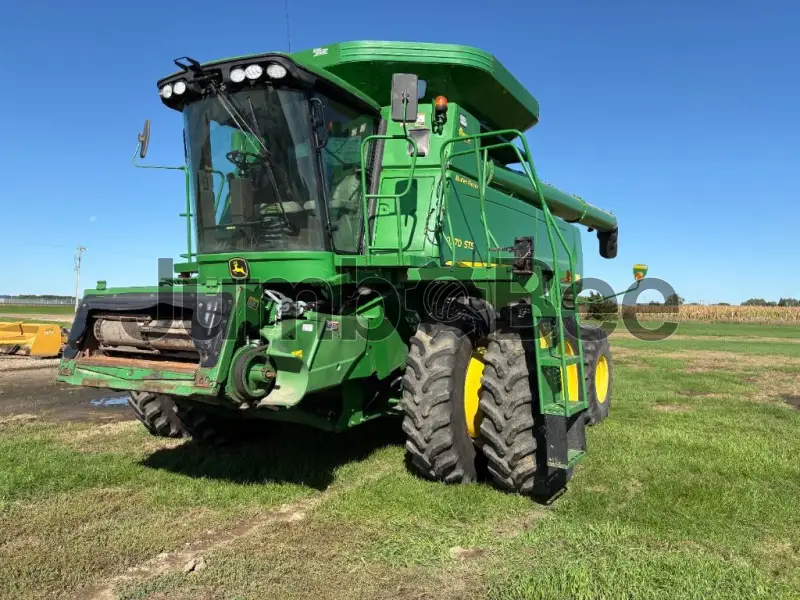
$84,340
10572 L
548 cu(in)
946 L
3830 hours
Redfield, United States
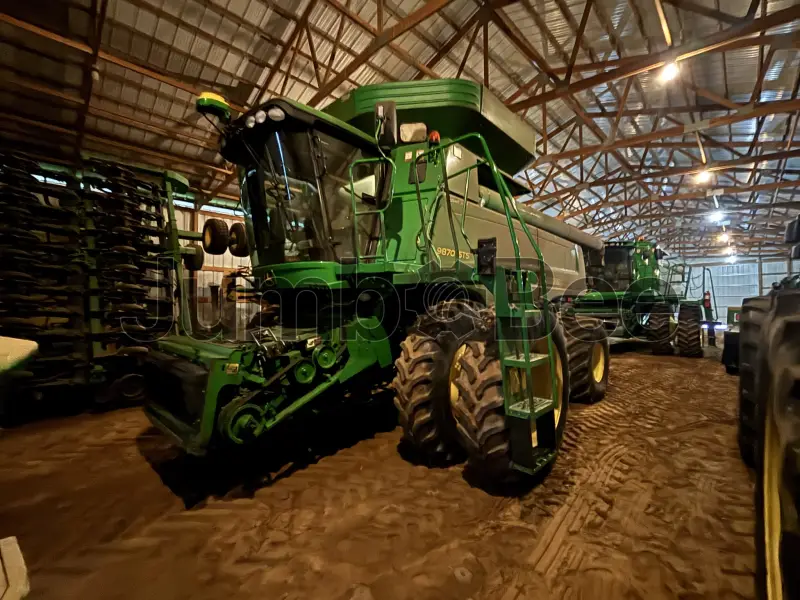
$64,500
548 cu(in)
Tier 3
116 L/sec
4528 hours
Jonesville, United States
Featured combine manufacturers
Explore combine manufacturers in our model database. Jump to a letter or scroll the full list.
471 combines listed right now on JumboBee
Ready to buy? Browse active listings from verified sellers worldwide — filter by manufacturer, year, hours, location, and price. Shipping and compliance support included.
406
John Deere listings
39
Case IH listings
9
Claas listings
7
New Holland listings
Heavy equipment insights from JumboBee
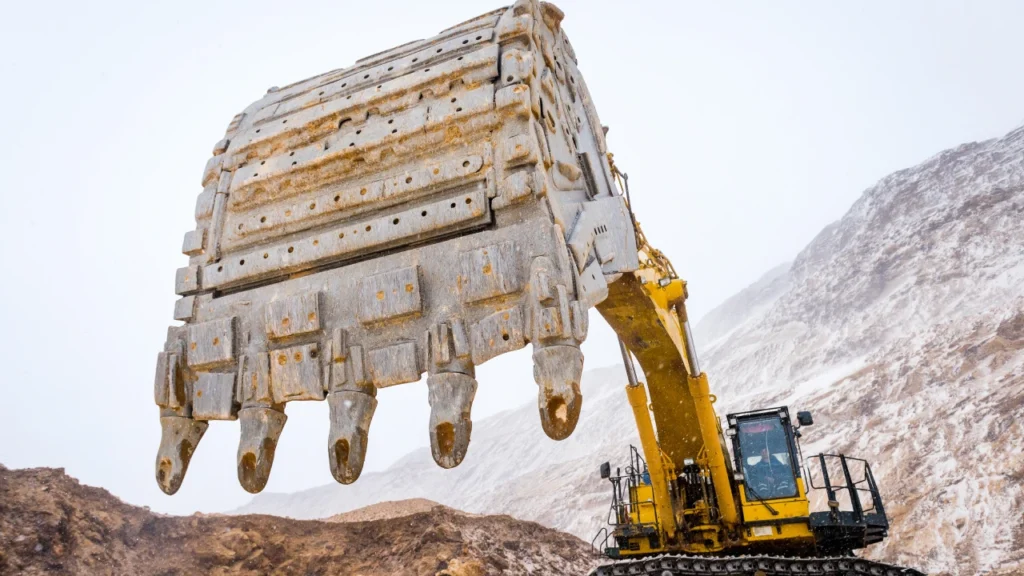
October 5, 2026
How to Choose the Right Excavator Bucket: Types, Sizes, and Contractor Buying Guide
This guide covers excavator bucket types, capacities, compatibility, and how to choose the right bucket for your jobsite.
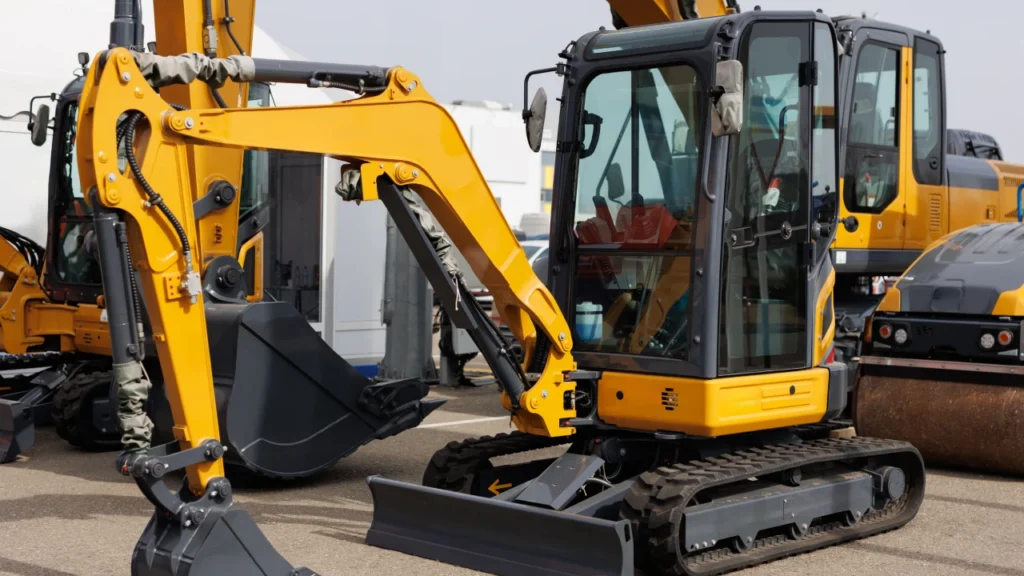
September 28, 2026
Mini Excavator Buying Guide 2026: Best Models, Sizes and How to Choose
This guide breaks down everything you need to know about compact earthmoving equipment.
September 21, 2026
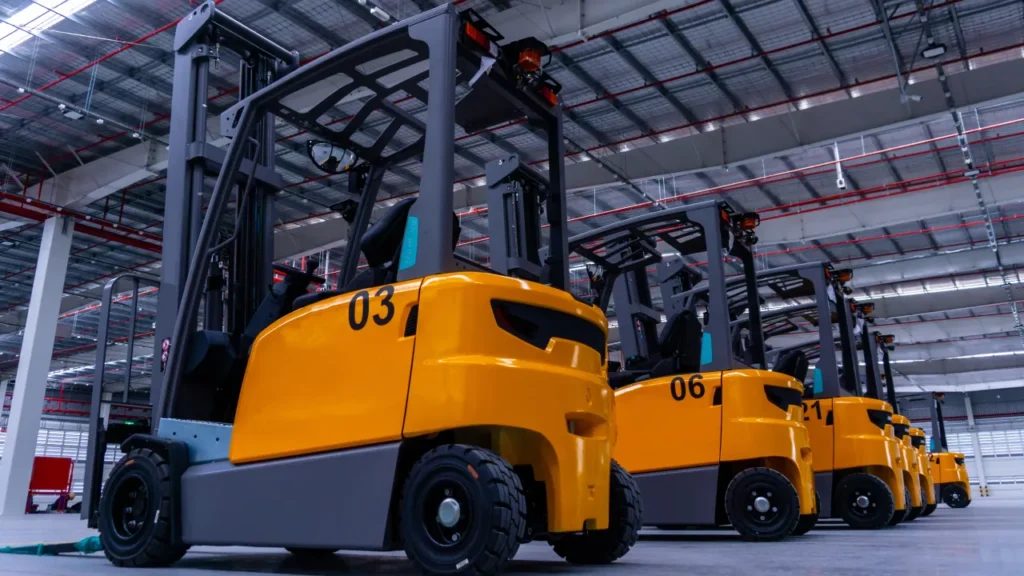
Types of Forklifts: Complete Guide to Classes, Uses, and Applications
This guide covers official forklift classes, physical machine variations, and load capacities.
August 25, 2026
Repair, Rebuild or Replace Heavy Equipment: 2026 Cost-Based Decision Guide
This guide provides a mathematical approach to help you decide what to do with your aging machinery in 2026.

July 31, 2026
How to Inspect Used Heavy Equipment Remotely: Practical Checklist for International Buyers
This article provides a practical, step-by-step guide for evaluating machinery without physical access.
July 10, 2026
New vs Used Heavy Equipment in 2026: Cost, Risk, ROI & When Each Option Wins
This guide explores new vs. used machinery investments, from costs and risks to financing and ROI.
Got Questions?
Our FAQ section covers everything from shipping and listing to buying with confidence.
How can I search for a specific combine model?
Type the model name, series, or manufacturer directly into the search bar at the top of the page. You can also browse from the combine category page and apply filters for manufacturer and year to narrow results to machines that match your criteria.
Do I need to create an account to browse combine listings?
No. All listings and model specification pages are open to browse without registering. An account is only required when you want to contact a seller, save a listing, or access additional buyer tools.
What is the difference between a rotary and a conventional combine?
Conventional combines use a cylinder and concave to thresh grain, followed by straw walkers to separate remaining grain from the straw. Rotary combines replace the straw walkers with one or two longitudinal rotors that spin the crop through a cage-like separation system. Rotary machines generally deliver higher throughput in heavy crop conditions, while conventional machines can have an advantage in certain fragile crops or very dry, brittle straw conditions where rotor damage to grain is a concern.
What combine header widths are typically available on the used market?
Header width varies significantly by crop and machine class. Grain headers on mid-size combines typically run from 20 to 30 feet, while flagship combines in the CLAAS LEXION and John Deere X9 class regularly operate with headers from 35 to 45 feet or wider. Draper headers, which use a belt-based crop delivery system rather than a conventional auger, have become increasingly common on larger machines for their ability to handle high-volume crop flow without bunching.
How do I evaluate a used combine's threshing system condition?
The key inspection points are the threshing cylinder or rotor, concave bars and wires, and separation grates – all areas subject to abrasive wear that directly affects grain loss and quality. A used combine inspection should also include the cleaning shoe, sieves, and fan system, as worn or bent components here increase losses without obvious external symptoms. Telematics data, where available, can reveal historical performance patterns that physical inspection alone cannot show.
What grain tank capacity should I look for?
Grain tank capacity determines how frequently the combine needs to unload into a grain cart or truck – a significant productivity factor in large-scale operations where stopping to unload costs time and disrupts the harvesting rhythm. Mid-range combines typically offer grain tanks from 250 to 350 bushels, while flagship machines run from 400 to over 600 bushels. Unloading rate matters as much as capacity: a large tank that unloads slowly creates its own bottlenecks.
Does header compatibility vary between manufacturers?
Yes, and it is one of the most important practical considerations when evaluating a used combine. Most manufacturers design their feeder house and header mounting systems to specific proprietary dimensions, which means a header from one brand will not fit another without an adapter. Within a brand's own lineup, compatibility between generations is not always guaranteed either – buyers should verify that any existing headers, or headers they plan to acquire separately, are confirmed compatible with the specific combine model and year they are purchasing.
What precision technology should I expect on a modern used combine?
Current-generation combines from major manufacturers typically include yield mapping, moisture sensing, automatic header height control, and telematics connectivity as standard or near-standard equipment. Older machines may lack some of these features or carry earlier-generation systems with limited compatibility with current farm management software. Buyers integrating a used combine into a precision farming operation should verify the technology generation and software compatibility of the specific machine before purchasing.