Self-Propelled Forage Harvester Models — Browse All Makes & Manufacturers
Explore the full lineup of self-propelled forage harvester models from leading global manufacturers. Compare specifications, read model reviews, and find verified listings – all in one reference hub.
Browse by manufacturer
50+ global manufacturers. Pick a manufacturer to see its full model lineup across all categories.


Popular self propelled forage harvester models
Most viewed and most listed on JumboBee this month.
Popular self propelled forage harvester listings
Most viewed and most listed on JumboBee this month.
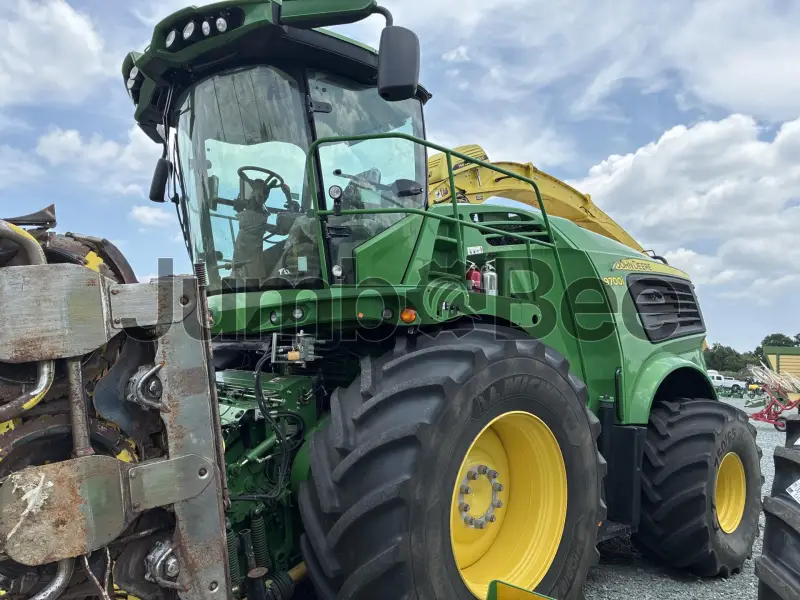
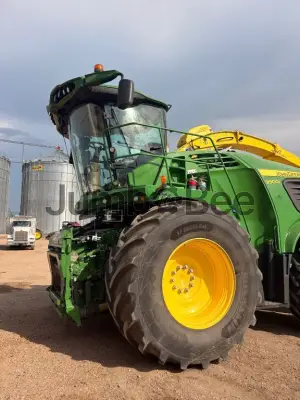
$389,995
670 mm
40 km/h
1500 L
1417 hours
Monroe, United States
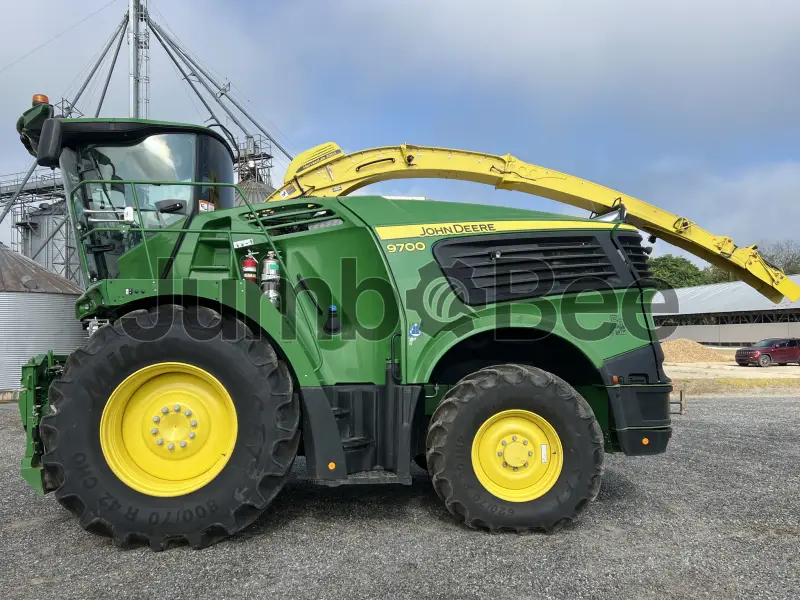
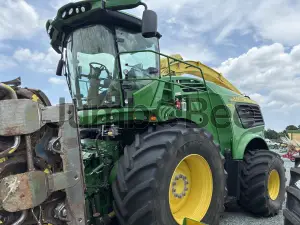
$517,900
40 km/h
620 mm
566 kW
23 hours
Wilkesboro, United States
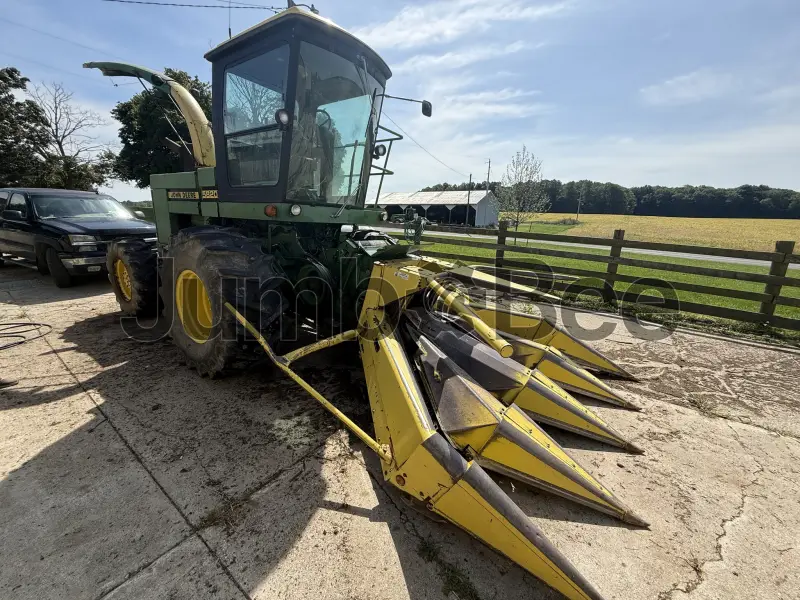
$15,900
660 mm
PRWD
150 hp
4205 hours
Holland, United States
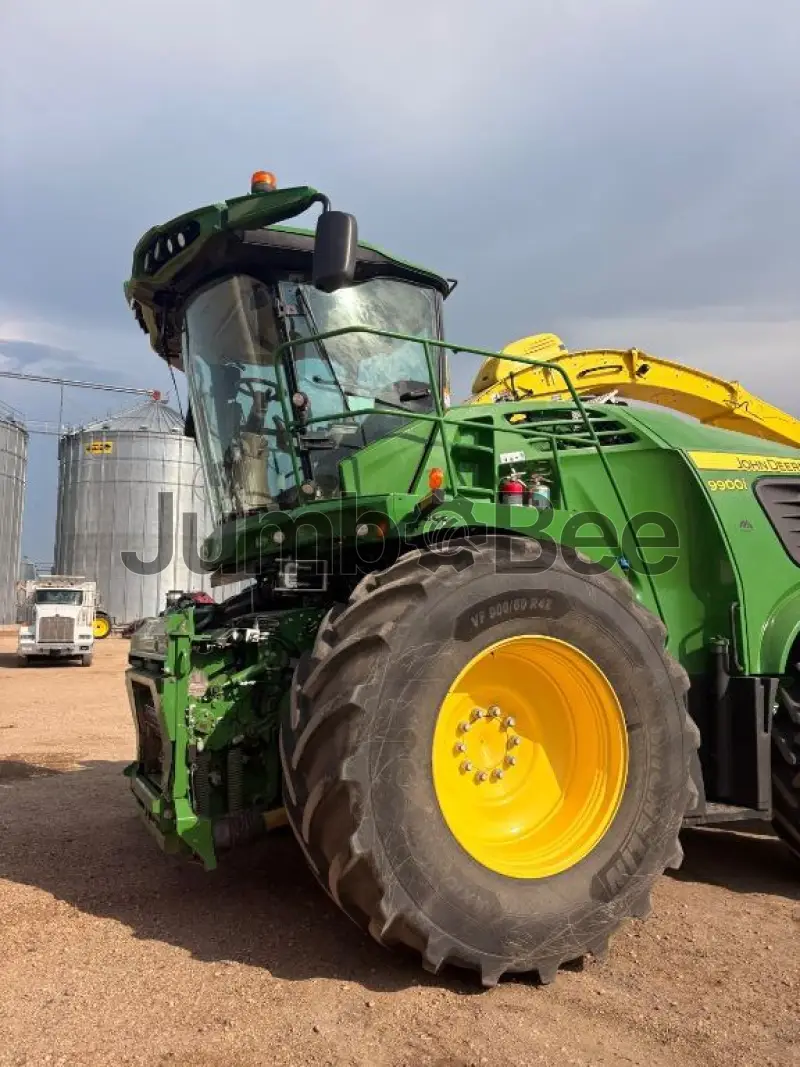
$509,120
Base: Heavy-duty gearbox (i=3.75); pump/motor displacement 85/80 cc. Optional: Extra heavy-duty gearbox (i=4.31); pump/motor displacement 110/90 cc.
6600
560
1525 hours
Fergus Falls, United States
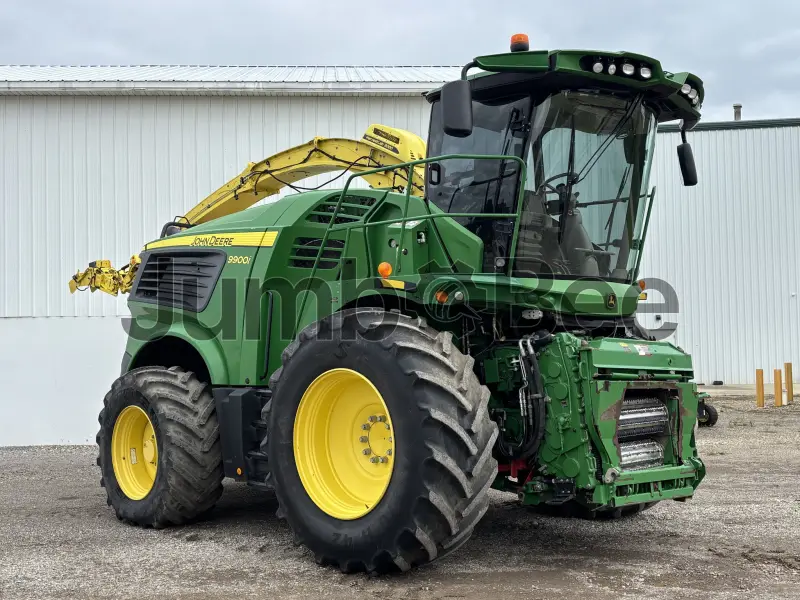
$179,500
20/25/30/40 km/h variants
Dura-Drum™ cutterhead deg
670 mm
3534 hours
Jonesville, United States
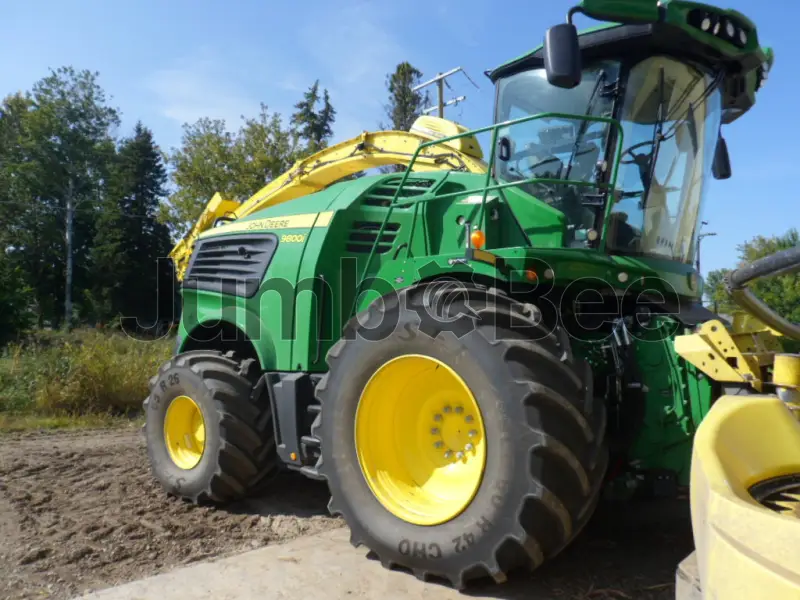
$375,000
Tier 4 Final
Liebherr
Heavy-duty gearbox (i=3.75) - optional extra heavy-duty gearbox (i=4.31)
1516 hours
Marlette, United States
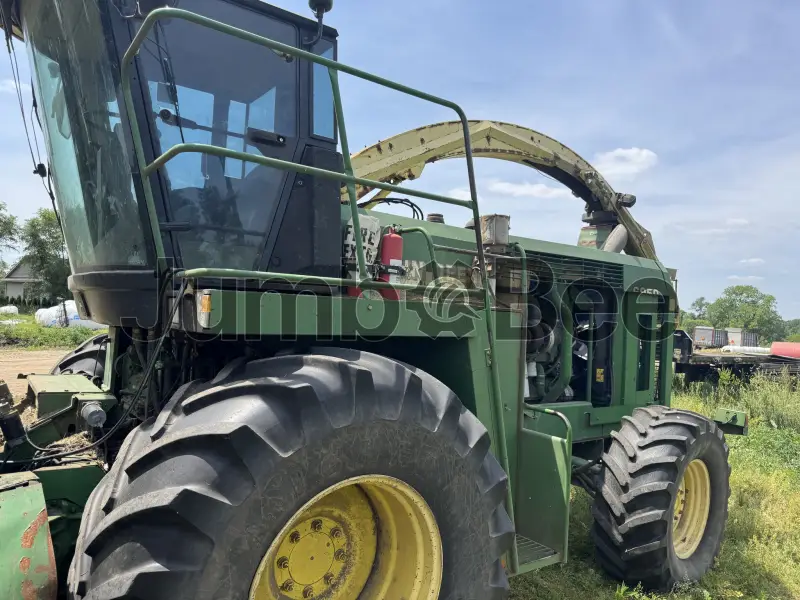
$38,900
14 L
500.201239 hp
DuraDrum cutterhead
5162 hours
Three Rivers, United States
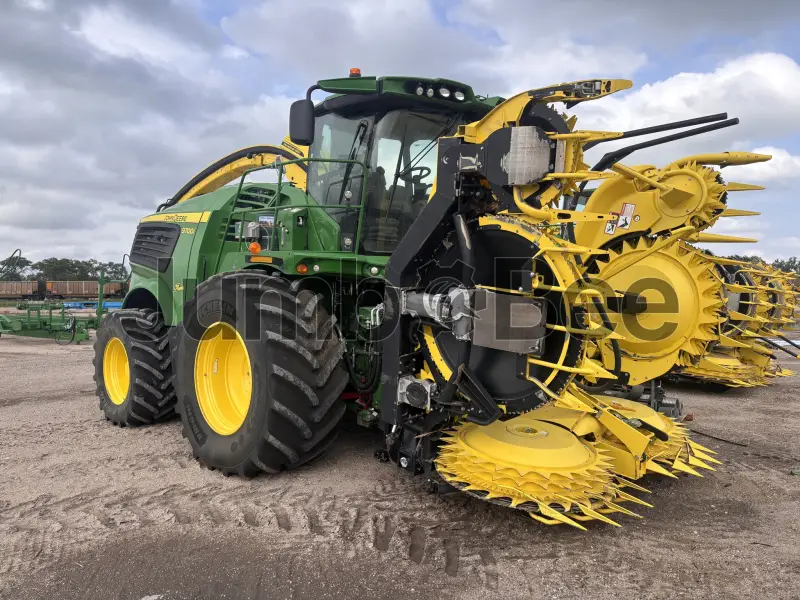
$751,900
Heavy-duty gearbox (i=3.75) base; optional extra heavy-duty gearbox (i=4.31)
Tier 4 Final
40 km/h
506 hours
Bridgeport, United States
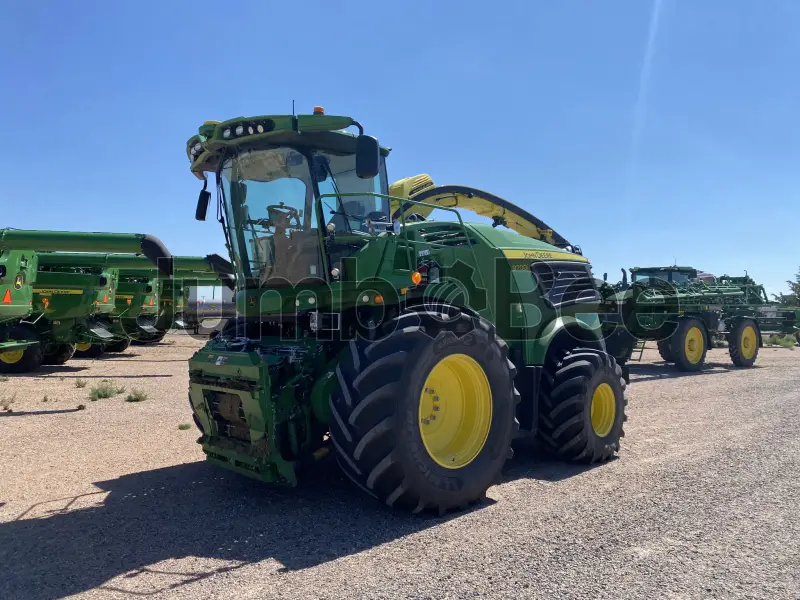
$464,953
1170
4
Hydromechanical 4WD
996 hours
Holyoke, United States
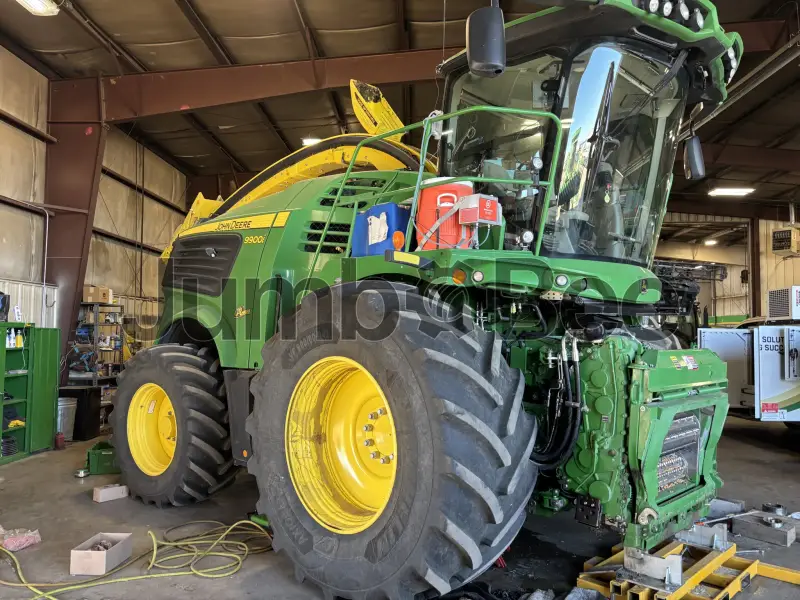
$623,100
20/25/30/40 km/h variants
956 hp
24,2 cu(m)
757 hours
Scottsbluff, United States

20 self propelled forage harvesters listed right now on JumboBee
Ready to buy? Browse active listings from verified sellers worldwide — filter by manufacturer, year, hours, location, and price. Shipping and compliance support included.
20
John Deere listings
Heavy equipment insights from JumboBee
October 5, 2026
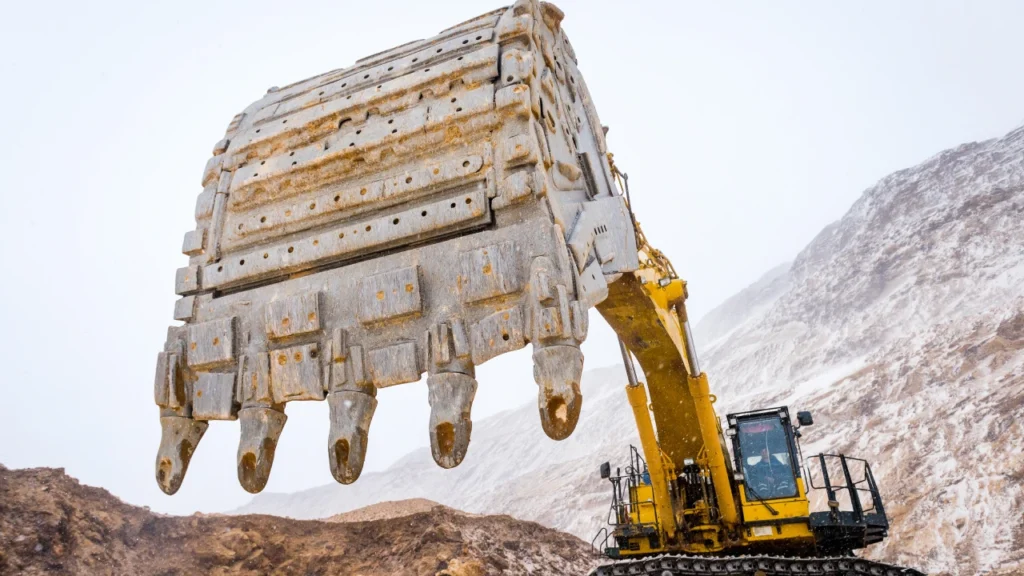
How to Choose the Right Excavator Bucket: Types, Sizes, and Contractor Buying Guide
This guide covers excavator bucket types, capacities, compatibility, and how to choose the right bucket for your jobsite.
September 28, 2026
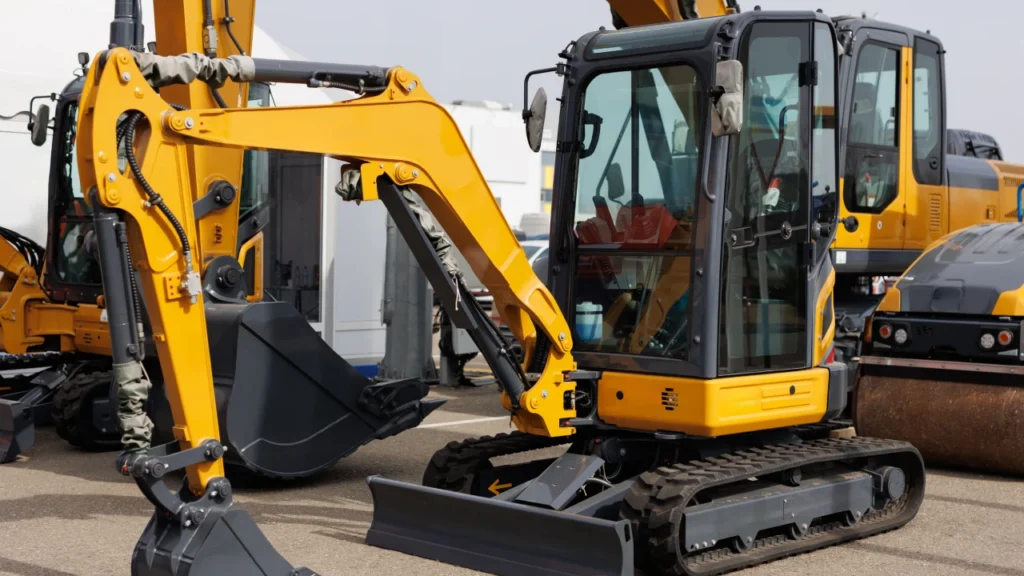
Mini Excavator Buying Guide 2026: Best Models, Sizes and How to Choose
This guide breaks down everything you need to know about compact earthmoving equipment.
September 21, 2026
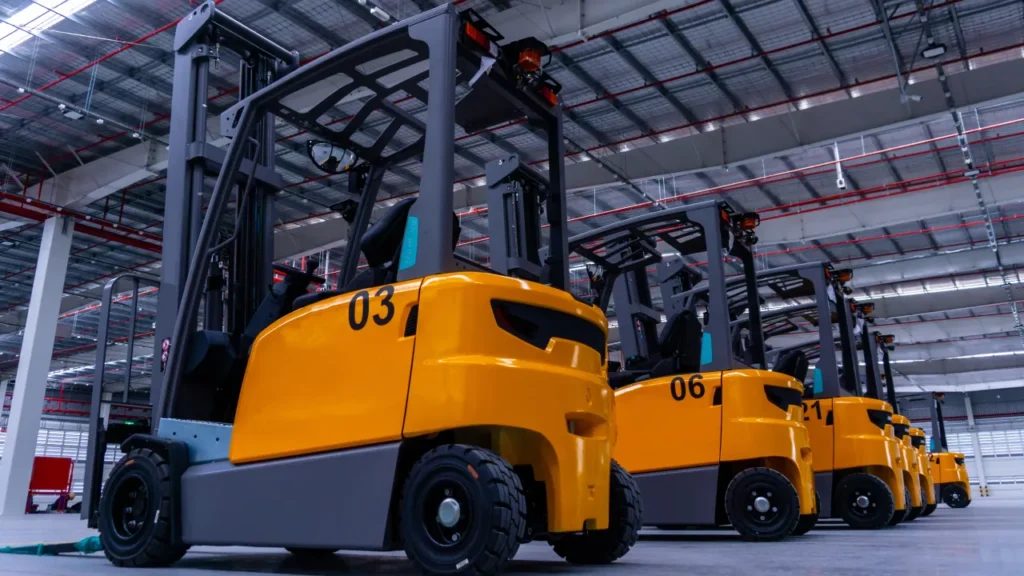
Types of Forklifts: Complete Guide to Classes, Uses, and Applications
This guide covers official forklift classes, physical machine variations, and load capacities.
October 9, 2026
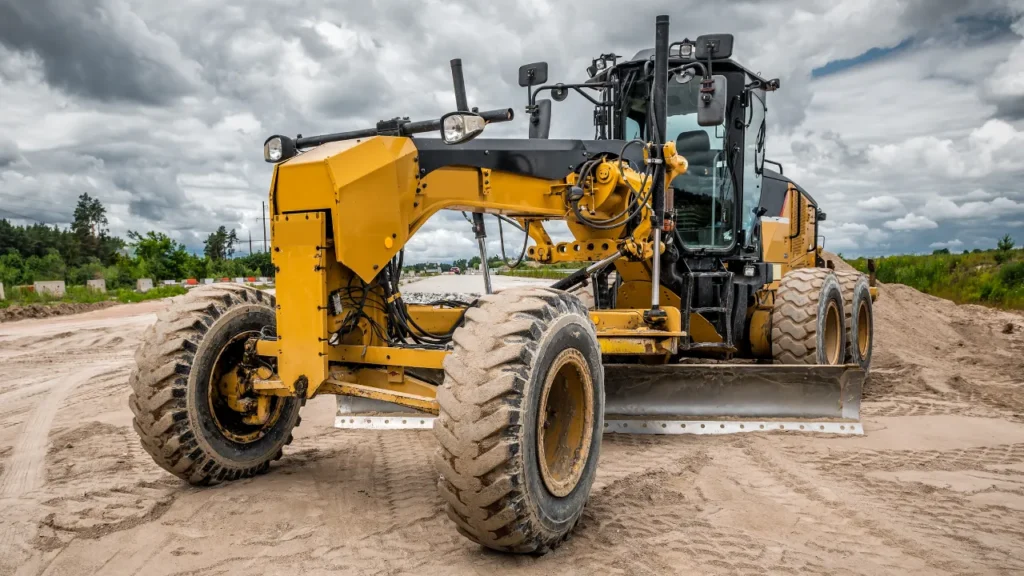
Motor Grader Buying Guide: Sizes, Top Brands, and What Contractors Should Look For
This guide helps buyers select the right motor grader for their needs and maximize ROI across construction, mining, and snow removal.
August 25, 2026
Repair, Rebuild or Replace Heavy Equipment: 2026 Cost-Based Decision Guide
This guide provides a mathematical approach to help you decide what to do with your aging machinery in 2026.
July 31, 2026
How to Inspect Used Heavy Equipment Remotely: Practical Checklist for International Buyers
This article provides a practical, step-by-step guide for evaluating machinery without physical access.
Got Questions?
Our FAQ section covers everything from shipping and listing to buying with confidence.
How can I search for a specific forage harvester model?
Type the model name, series, or manufacturer directly into the search bar at the top of the page. You can also browse from the forage harvester category page and apply filters for manufacturer and year to narrow results to machines that match your requirements.
Do I need to create an account to browse forage harvester listings?
No. All listings and model specification pages are open to browse without registering. An account is only required when you want to contact a seller, save a listing, or access additional buyer tools.
What engine horsepower do I need in a self-propelled forage harvester?
Engine power in an SPFH determines throughput capacity – how many tonnes of fresh forage the machine can process per hour before the chopping and blowing system becomes the limiting factor rather than the crop supply. Entry-level self-propelled machines start from around 400 horsepower and are suited to smaller operations or lighter crop volumes. Mid-range machines from 500 to 700 horsepower handle most commercial dairy and beef silage contracts. Flagship machines from CLAAS, John Deere, and New Holland in the 800 to 1,000 horsepower class are engineered for the largest operations where daily throughput targets are measured in hundreds of tonnes, and any reduction in machine output has immediate cost consequences.
What is a kernel processor and why does it matter?
A kernel processor is a set of closely spaced corrugated rolls fitted between the cutterhead and the blower on a forage harvester, designed to crack corn kernels as they pass through. Whole or partially cracked corn kernels pass through the rumen without being digested, reducing the nutritional value of the silage for the animal. A properly adjusted kernel processor with rolls in good condition breaks virtually every kernel, maximizing starch digestibility and therefore the feeding value of the silage. On a used SPFH intended for corn silage work, kernel processor roll condition and gap adjustment capability are critical inspection points.
How do I evaluate cutterhead condition on a used forage harvester?
The cutterhead is the highest-wear component in a forage harvester's crop processing system. Knife condition – edge sharpness, chip damage, and uniform wear across the full set – directly determines cut quality, power consumption, and theoretical length of cut accuracy. A used SPFH with a worn knife set will consume more fuel, deliver longer and less uniform chop lengths, and place higher stress on the blower and kernel processor than a machine with sharp knives. Shearbar condition is equally important – the clearance between the cutterhead knives and the shearbar determines cut quality and, when incorrectly set, accelerates knife wear dramatically.
What header types are compatible with self-propelled forage harvesters?
SPFH headers cover a range of crop types and cutting configurations. Grass and legume headers use disc or drum cutting systems similar to mower-conditioners, delivering cut crop to the machine's feed rolls. Corn headers use row-specific snapping rolls and gathering chains to strip the whole plant at the root and feed it into the machine. Pick-up headers collect windrowed material from the ground rather than cutting standing crop – useful for pre-wilted grass silage where the material has been cut and field-conditioned before harvesting. Header compatibility is manufacturer-specific and generation-specific: buyers should verify confirmed compatibility between the specific header and machine combination they are evaluating.
What does a used SPFH typically cost to maintain annually?
Annual maintenance costs on a self-propelled forage harvester are higher per hour than most other agricultural machines, reflecting the intensity of the work and the wear rate of the cutting and processing components. Knife replacement or resharpening, shearbar replacement, kernel processor roll replacement, and belt and chain service are all regular annual items whose cost depends on hours worked and crop type. A machine used primarily in abrasive, high-dry-matter grass silage will wear knives faster than one used in high-moisture whole-plant corn. Buyers should request maintenance records covering at least the last three seasons and use them to assess whether the previous owner's maintenance investment reflects the hours accumulated.