Spreader Models — Browse All Makes & Manufacturers
Explore the full lineup of spreader models from leading global manufacturers. Compare specifications, read model reviews, and find verified listings – all in one reference hub.
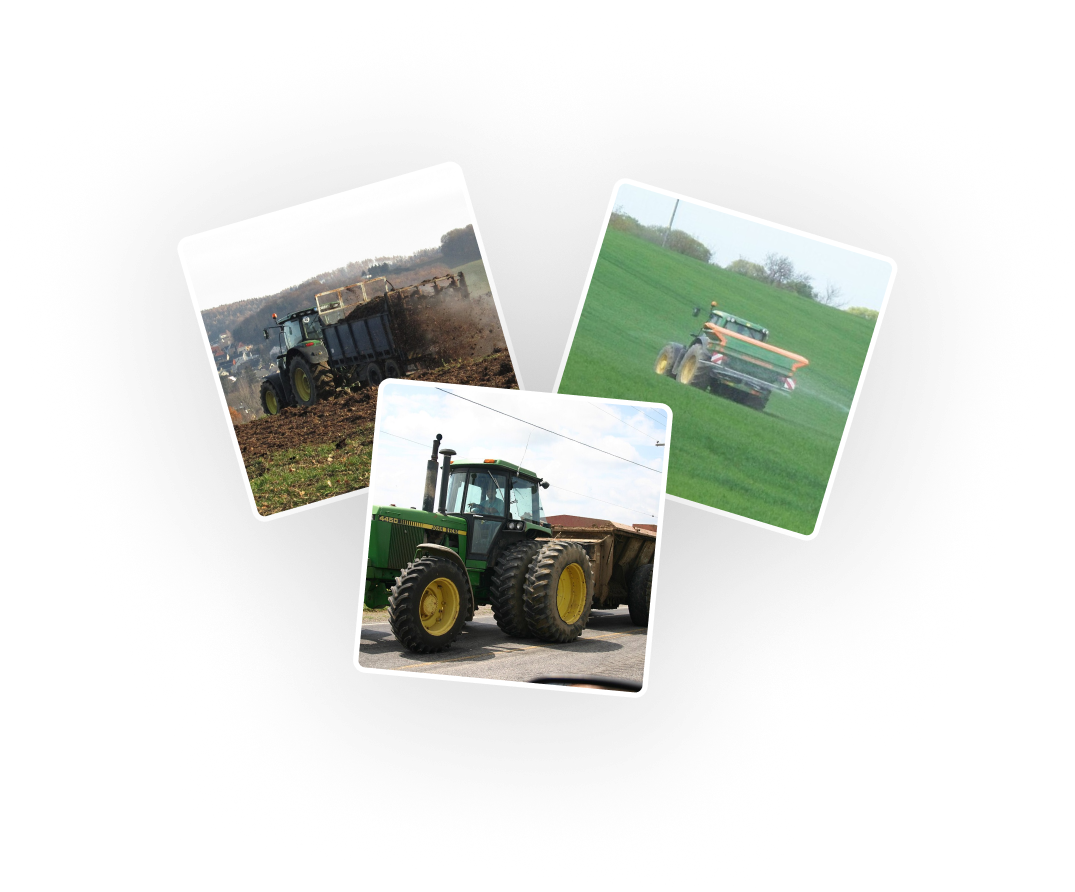
Browse by manufacturer
50+ global manufacturers. Pick a manufacturer to see its full model lineup across all categories.





Heavy equipment insights from JumboBee
October 5, 2026
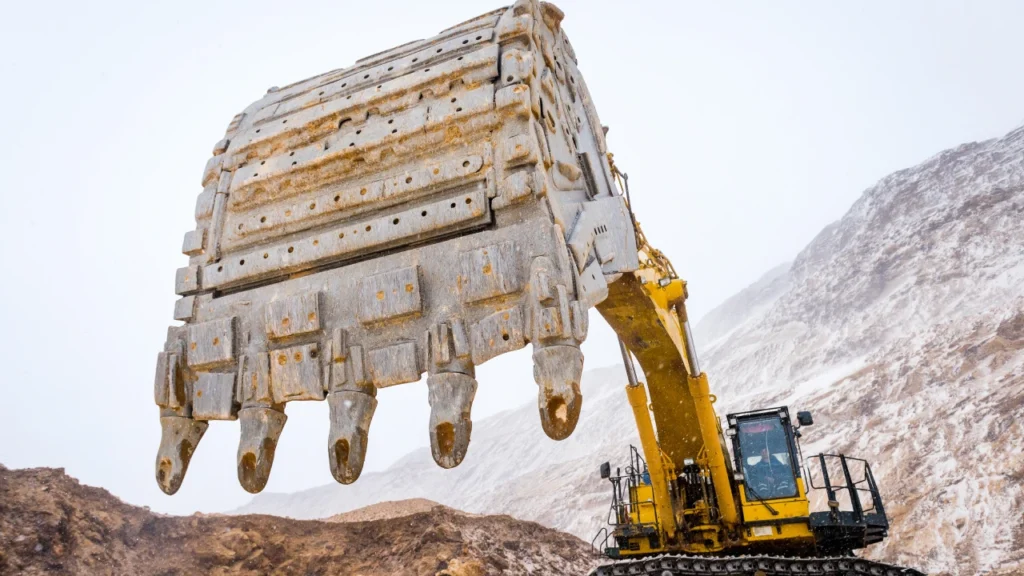
How to Choose the Right Excavator Bucket: Types, Sizes, and Contractor Buying Guide
This guide covers excavator bucket types, capacities, compatibility, and how to choose the right bucket for your jobsite.
September 28, 2026
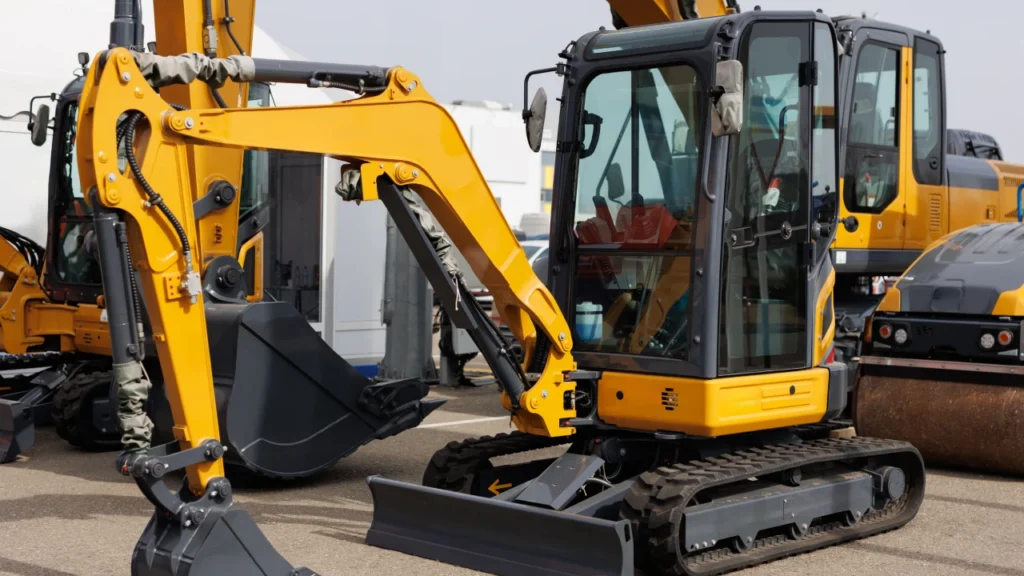
Mini Excavator Buying Guide 2026: Best Models, Sizes and How to Choose
This guide breaks down everything you need to know about compact earthmoving equipment.
September 21, 2026
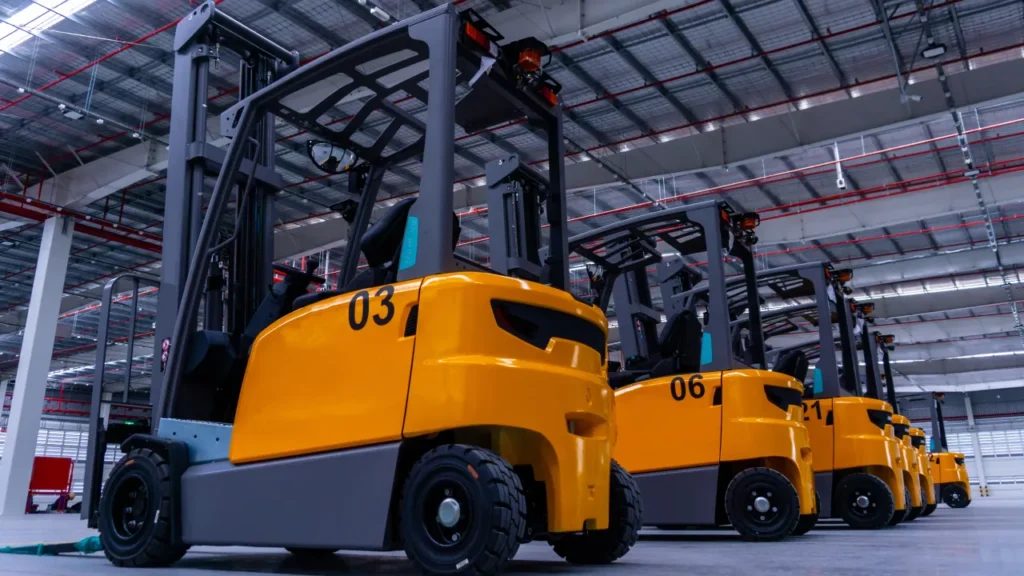
Types of Forklifts: Complete Guide to Classes, Uses, and Applications
This guide covers official forklift classes, physical machine variations, and load capacities.
August 25, 2026
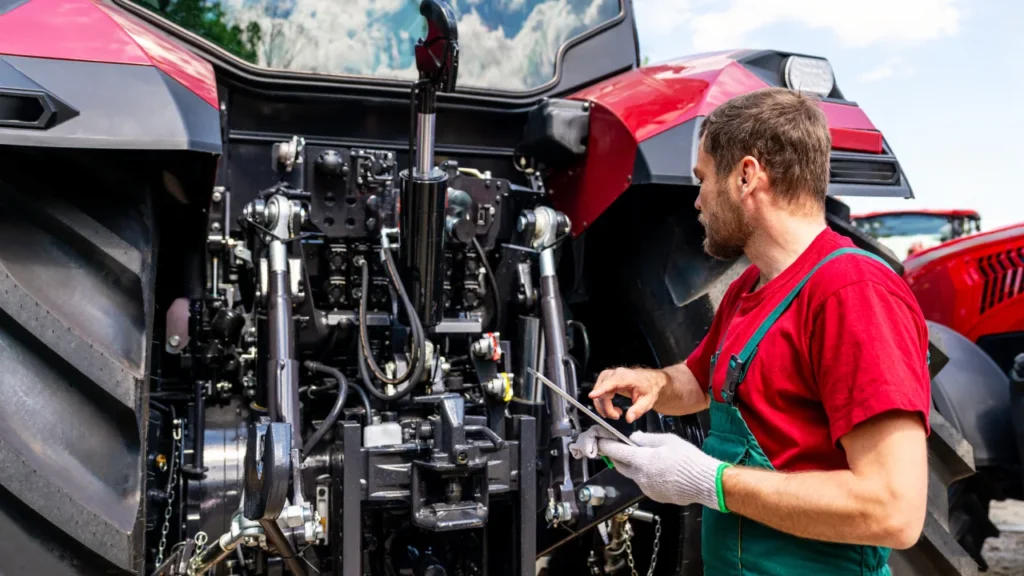
Repair, Rebuild or Replace Heavy Equipment: 2026 Cost-Based Decision Guide
This guide provides a mathematical approach to help you decide what to do with your aging machinery in 2026.

July 31, 2026
How to Inspect Used Heavy Equipment Remotely: Practical Checklist for International Buyers
This article provides a practical, step-by-step guide for evaluating machinery without physical access.
July 10, 2026
New vs Used Heavy Equipment in 2026: Cost, Risk, ROI & When Each Option Wins
This guide explores new vs. used machinery investments, from costs and risks to financing and ROI.
Got Questions?
Our FAQ section covers everything from shipping and listing to buying with confidence.
How can I search for a specific spreader model?
Type the model name, series, or manufacturer directly into the search bar at the top of the page. You can also browse from the spreader category page and apply filters for manufacturer and year to narrow results to machines that match your requirements.
Do I need to create an account to browse spreader listings?
No. All listings and model specification pages are open to browse without registering. An account is only required when you want to contact a seller, save a listing, or access additional buyer tools.
What types of spreaders are available on the used market?
The main categories of spreaders traded on JumboBee are twin-disc fertilizer spreaders, pneumatic spreaders, and lime and manure spreaders. Twin-disc spreaders are the most widely used for granular fertilizer application and dominate the used market by volume. Pneumatic spreaders use airflow to deliver product through booms, offering more precise placement in strip application programs. Lime spreaders handle coarser, heavier material than standard fertilizer spreaders and are typically built with heavier hopper construction and more robust drive systems to handle the abrasive nature of agricultural lime.
What spread width is achievable with modern twin-disc spreaders?
Modern twin-disc spreaders from manufacturers such as Amazone, Kuhn, and AGCO can achieve spread widths from 12 to over 50 meters depending on the disc design, spinner speed, and product characteristics. Effective spread width is always product-specific: a spreader achieving 36 meters with a standard granular urea may deliver a significantly narrower effective pattern with a denser or coarser product. Buyers should review spread charts for the specific products they intend to apply rather than relying solely on the manufacturer's maximum width specification.
How important is variable rate application capability on a used spreader?
Variable rate application – the ability to automatically adjust application rate in real time according to a prescription map – is increasingly important for buyers running precision farming programs. A used spreader without variable rate capability can still apply at a fixed rate accurately, but cannot execute prescription-based variable rate fertility programs without significant modification. Given the return on investment that prescription application delivers in input cost savings, buyers integrating a used spreader into a precision program should prioritize machines with confirmed variable rate compatibility with their existing farm management system.
What hopper capacity do I need for efficient field operation?
Hopper capacity determines how many acres the spreader can cover before returning to the tender or bulk store for refilling – a direct productivity factor in large-scale operations. A 2,000 liter hopper applying at 200 kg per hectare covers approximately 10 hectares per load. Larger operations running high application rates across large fields benefit significantly from higher hopper capacity, reducing the number of reloading stops per day and the total time lost to field-to-store travel. The right capacity is determined by the application rate, the field size, and the distance between the field and the bulk store.
What should I inspect on a used spreader before purchasing?
The key inspection points on a used twin-disc spreader are the hopper floor and metering system, the disc and vane condition, the spreading mechanism drive components, and the weighing or flow measurement system if fitted. Hopper corrosion from fertilizer residue is common and can be extensive on machines that were not cleaned between applications. Disc vane wear affects spread pattern symmetry directly – a machine with uneven vane wear on one disc will deliver a biased pattern regardless of how accurately the rate is set. Flow measurement systems should be verified for calibration accuracy before the machine enters a precision application program.