Sprayer Models — Browse All Makes & Manufacturers
Explore the full lineup of self-propelled sprayer models from leading global manufacturers. Compare specifications, read model reviews, and find verified listings – all in one reference hub.
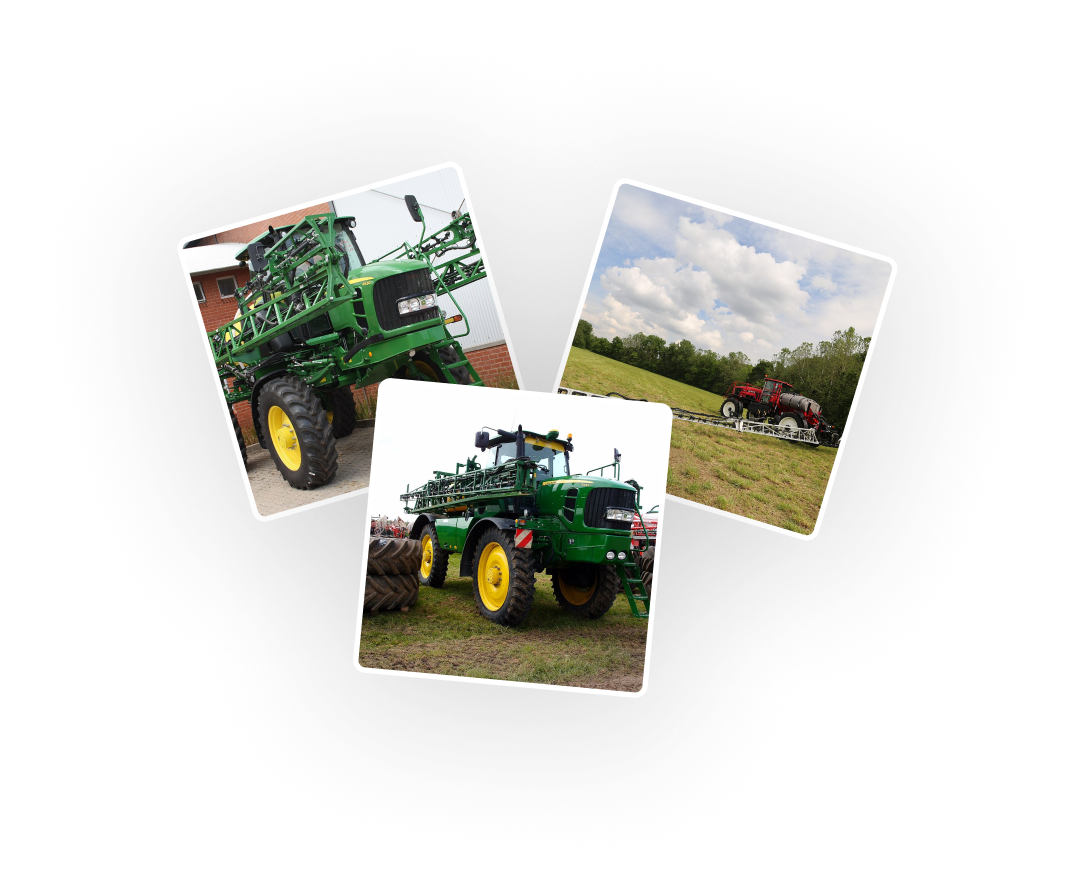
Browse by manufacturer
50+ global manufacturers. Pick a manufacturer to see its full model lineup across all categories.


Heavy equipment insights from JumboBee
October 5, 2026
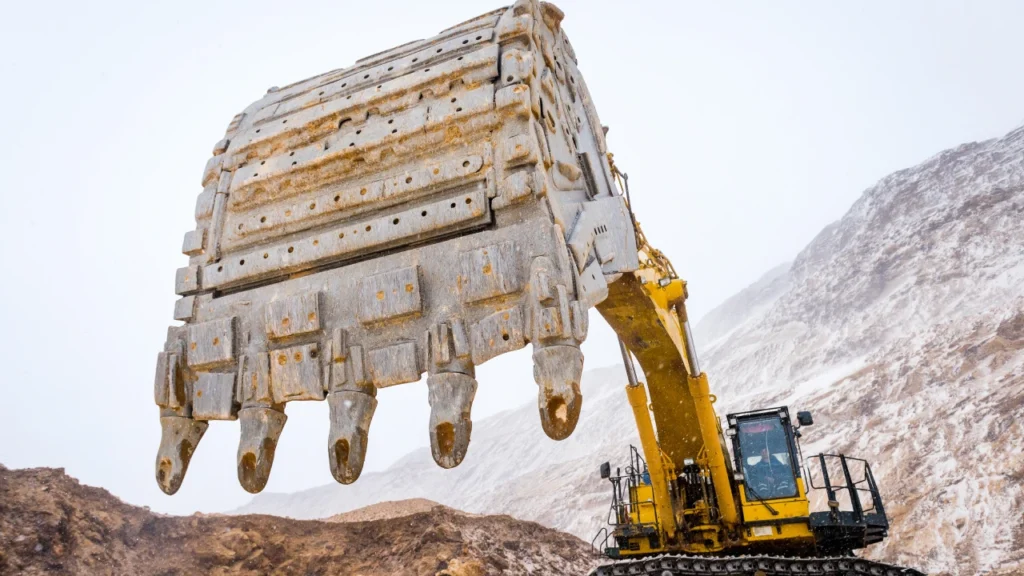
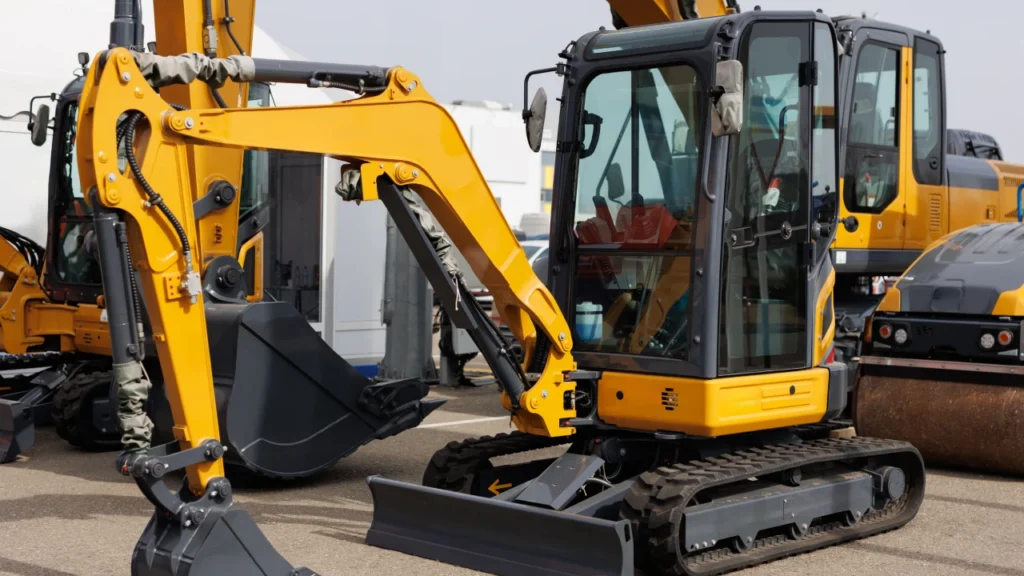
How to Choose the Right Excavator Bucket: Types, Sizes, and Contractor Buying Guide
This guide covers excavator bucket types, capacities, compatibility, and how to choose the right bucket for your jobsite.
September 28, 2026
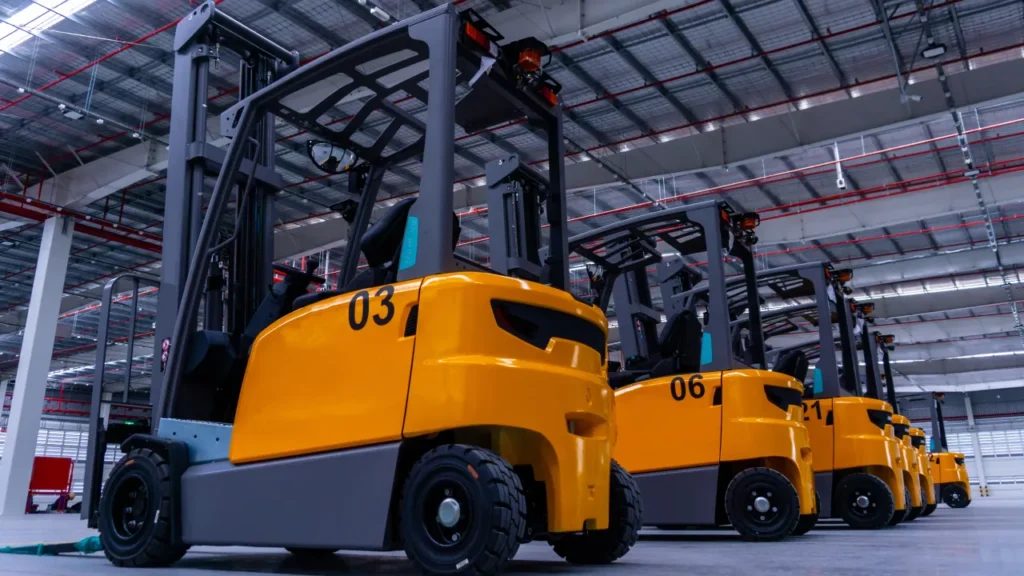
Mini Excavator Buying Guide 2026: Best Models, Sizes and How to Choose
This guide breaks down everything you need to know about compact earthmoving equipment.
September 21, 2026
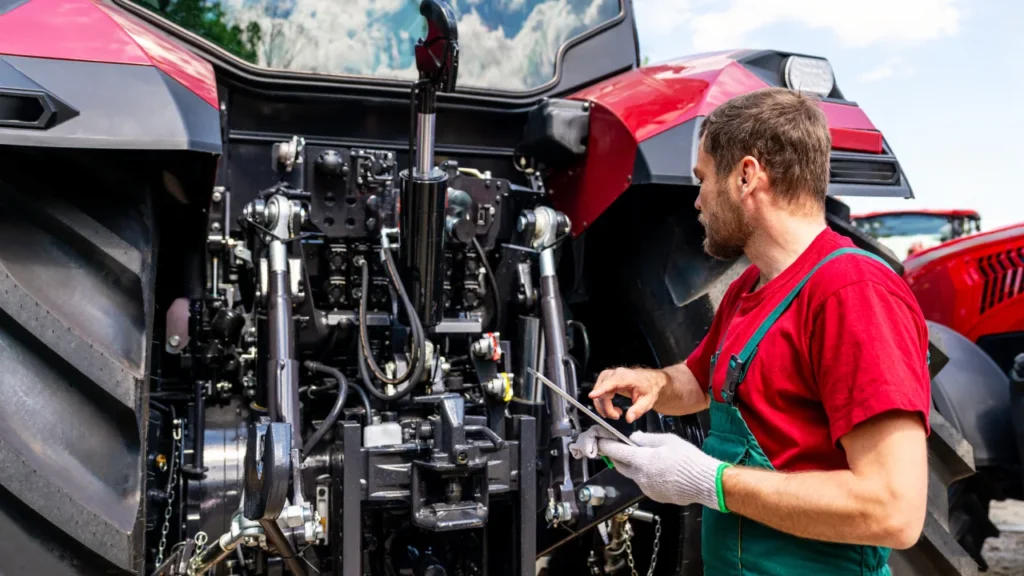
Types of Forklifts: Complete Guide to Classes, Uses, and Applications
This guide covers official forklift classes, physical machine variations, and load capacities.
August 25, 2026
Repair, Rebuild or Replace Heavy Equipment: 2026 Cost-Based Decision Guide
This guide provides a mathematical approach to help you decide what to do with your aging machinery in 2026.

July 31, 2026
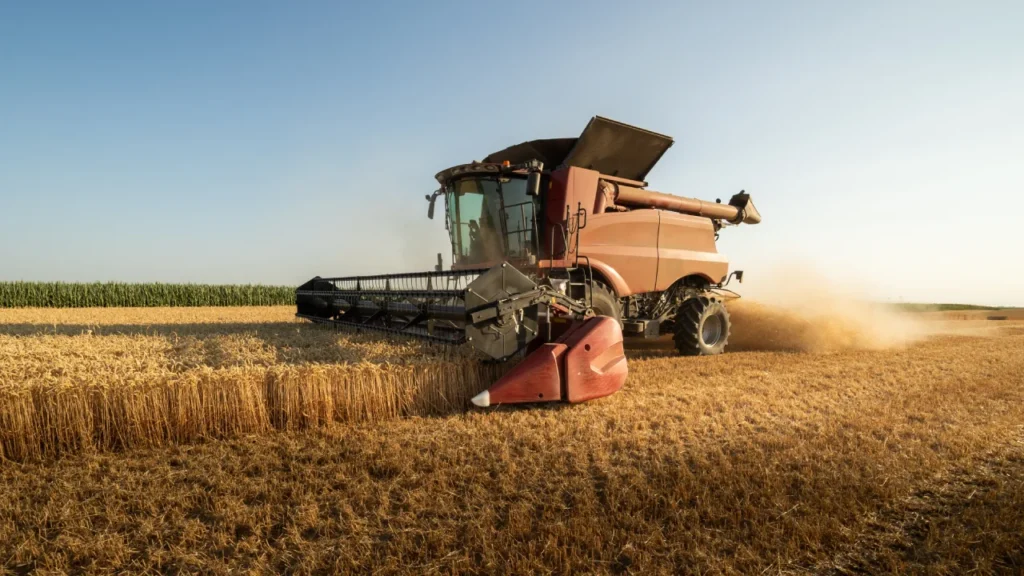
How to Inspect Used Heavy Equipment Remotely: Practical Checklist for International Buyers
This article provides a practical, step-by-step guide for evaluating machinery without physical access.
July 10, 2026
New vs Used Heavy Equipment in 2026: Cost, Risk, ROI & When Each Option Wins
This guide explores new vs. used machinery investments, from costs and risks to financing and ROI.
Got Questions?
Our FAQ section covers everything from shipping and listing to buying with confidence.
How can I search for a specific sprayer model?
Type the model name, series, or manufacturer directly into the search bar at the top of the page. You can also browse from the sprayer category page and apply filters for manufacturer and year to narrow results to machines that match your requirements.
Do I need to create an account to browse sprayer listings?
No. All listings and model specification pages are open to browse without registering. An account is only required when you want to contact a seller, save a listing, or access additional buyer tools.
What boom width should I prioritize when buying a used sprayer?
Boom width determines field coverage rate and therefore the machine's ability to keep pace with the crop's protection schedule across your total acreage. Standard boom widths on mid-range self-propelled sprayers run from 90 to 120 feet, while large-platform machines like the John Deere R4045 and Case IH Patriot 4450 are available with booms from 120 to 140 feet. Wider booms cover more acres per hour but require more careful boom management on irregular fields and headlands. The right width is determined by the acreage the machine needs to cover in a typical application window, not by the largest boom available.
How does section control affect the value of a used sprayer?
Section control – the automatic shutoff of individual boom sections when the machine passes over previously sprayed areas or non-target zones – directly reduces input cost by eliminating overlap application. The value of section control on a used machine depends on the generation of the system fitted: older two- or three-section systems provide modest overlap reduction, while current-generation individual nozzle control systems can eliminate overlap almost entirely. Buyers integrating a used sprayer into a precision application program should verify the section control generation and its compatibility with their farm management software before committing.
What chassis clearance should I look for in a used sprayer?
Chassis clearance determines what growth stage the machine can enter without crop damage. Standard self-propelled sprayers typically offer 44 to 52 inches of clearance, sufficient for most pre-tassel corn and mid-canopy soybean applications. High-clearance specialist machines – such as the HAGIE series now part of John Deere – offer 60 inches or more, allowing application into significantly taller crop. Buyers who need to spray into late-stage corn or high-canopy specialty crops should verify clearance specifications carefully, as the difference between a standard and high-clearance machine is not recoverable after purchase.
What should I inspect on a used sprayer's boom system?
The boom is the highest-wear, highest-maintenance component on a self-propelled sprayer and the most important inspection focus beyond the engine and drivetrain. Boom fold and breakaway mechanisms accumulate wear from repeated field cycling and impact events and should be inspected for straightness, hinge condition, and fold drive function. Nozzle body condition, diaphragm check valve function, and section control valve operation should all be verified. A used sprayer with a boom that has sustained significant impact damage or shows uneven nozzle wear patterns will deliver uneven application across its width – a problem that is agronomically costly and mechanically expensive to fully remediate.
How do I evaluate tank condition on a used sprayer?
Tank condition is particularly important on used sprayers because chemical residue, UV degradation, and physical damage can compromise tank integrity in ways that are not always visible from the outside. The interior of the tank should be inspected for discoloration, residue buildup, crazing of the tank surface, and any evidence of previous repair. Sump and drain systems should function cleanly. A tank that has carried highly persistent chemistry without thorough cleaning between applications can be difficult or impossible to fully decontaminate – a consideration that matters both for the next crop's protection program and for the machine's saleability when it comes time to trade.