 Equipment
Many contractors focus on machine size and engine horsepower when purchasing heavy equipment but completely underestimate how attachment selection affects daily productivity. Using an incorrect bucket can slow cycle times, increase fuel consumption, overload hydraulic systems, reduce breakout efficiency, and create unnecessary wear on expensive machine components.
This comprehensive excavator bucket guide provides contractors, equipment buyers, and fleet managers with practical strategies for matching attachments to specific jobsite conditions. We will explore excavator bucket types, evaluate capacity ratings, and explain how proper excavator bucket compatibility impacts your bottom line.
A massive bucket might seem like a logical choice for moving dirt quickly, but bigger does not always mean better. An oversized bucket digging in wet clay often reduces overall production because the machine spends more time struggling with material resistance.
Modern construction relies on specialized excavator attachments for complex tasks, and a general-purpose bucket is often the wrong tool once the work goes beyond basic digging. By the end of this guide, you will know how to select the best excavator bucket for your specific fleet and jobsite requirements.
Why Excavator Bucket Selection Matters More Than Most Contractors Realize
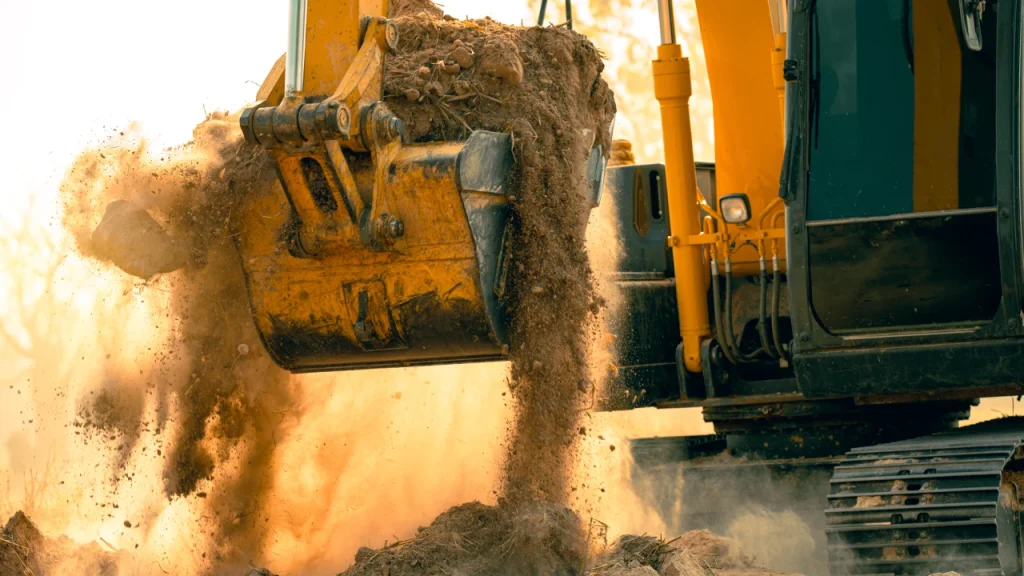
Contractors evaluating heavy equipment performance must look beyond engine specifications. The bucket is the primary point of contact between your machine and the earth. If that contact point is inefficient, the entire machine operates at a deficit.
Digging efficiency depends entirely on how well the bucket penetrates the ground. When you force a wide, blunt bucket into highly compacted soil, the hydraulic system works significantly harder. This increased hydraulic load leads directly to higher fuel burn. In 2026, with fuel costs and strict emissions tracking playing a major role in fleet management, burning an extra gallon of diesel per hour due to poor bucket selection destroys project profitability.
Cycle time impact is another massive hidden cost. Consider a utility contractor digging a trench. If they use a standard digging bucket instead of a narrow trenching bucket, they excavate more dirt than necessary. Excavating extra dirt means cycle times take longer. It also means the contractor must spend more time and money backfilling and compacting that wider trench later.
Ground penetration efficiency directly affects operator fatigue. When a machine struggles to break through frost or hardpan, the cab vibrates aggressively. Operators fighting equipment all day become tired, leading to slower production late in the shift and increased safety risks.
Machine wear and stress accelerate rapidly when using the wrong bucket for the application. Pushing a light-duty bucket into abrasive rock causes premature structural failure. Conversely, pinning a massive, heavy-duty rock bucket onto a mid-size machine for standard topsoil work wastes payload capacity on dead weight. When the machine is working near its lift or tipping limit, every pound of unnecessary steel on the end of the stick is a pound of material you cannot carry.
Material retention also separates good buckets from bad ones. A well-designed bucket curls efficiently, keeping loose material inside during the swing phase. Poorly designed buckets spill material back into the trench, forcing operators to clean up the same dirt multiple times.
Main Excavator Bucket Types Explained
Understanding different excavator bucket types helps contractors match their equipment to specific soil conditions and project requirements. Manufacturers design distinct profiles, wear packages, and structural reinforcements for different tasks. Using one bucket for every task is a guaranteed way to lose money on modern jobsites.
General-Purpose Buckets
General-purpose buckets come standard on most new machines. Manufacturers design them for light to medium conditions, including topsoil, loose dirt, and soft clay. They feature lighter steel construction and standard teeth. While highly versatile for basic site preparation, they lack the structural reinforcement needed for high-abrasion environments.
Heavy-Duty Buckets
Heavy-duty buckets look similar to general-purpose models but feature significantly thicker high-strength steel. Manufacturers add wear pads on the bottom and side cutters to protect the structural integrity of the shell. These represent the best excavator bucket choice for mixed material environments, including dense clay, gravel, and light rock. For blasted or shot rock, step up to a severe-duty or rock bucket. They weigh more than standard buckets, which slightly reduces overall payload capacity but drastically increases lifespan.
Trenching Buckets
Trenching buckets feature a narrow profile designed specifically for utility work, pipe laying, and foundation excavation. Their narrow width minimizes the volume of excavated material, which speeds up cycle times and reduces backfill requirements. They often feature an extended cutting edge to maintain precise trench walls.
Rock Buckets
Rock buckets tackle the most brutal environments, including quarries, mining operations, and heavy demolition. They feature extreme wear protection, including AR400 or AR500 steel plates, reinforced side gussets, and specialized rock teeth. Many feature a spade-shaped or V-nose lip and a shorter tip radius, which concentrates breakout force for penetrating rock piles. Even with this reinforcement, manufacturers advise against using any bucket as a pry bar.
Cleanup and Grading Buckets
Cleanup buckets, also known as grading buckets, have no teeth. They feature a wide, smooth cutting edge designed for finishing work, leveling terrain, and backfilling trenches. Contractors use them extensively in landscaping and road construction where smooth surface preparation matters more than deep ground penetration.
Tilting Buckets
Tilting buckets function like standard grading buckets but include a hydraulic cylinder mounting system that allows the bucket to tilt up to 45 degrees left or right. This articulation lets operators grade complex slopes, cut angled ditches, and shape terrain without constantly repositioning the machine tracks.
Skeleton Buckets
Skeleton buckets feature a grid-like shell made of heavy steel ribs with gaps between them. Contractors use them for sorting materials directly on the jobsite. When digging into mixed debris, the loose dirt falls through the gaps while the bucket retains large rocks, concrete chunks, or tree stumps. This drastically reduces material hauling costs.
V-Buckets
V-buckets feature a distinct triangular shape. Operators use them specifically for cutting V-shaped drainage ditches and laying specialized pipe. The shape forms sloped walls in a single pass, which reduces wall sloughing and cuts down on manual grading. For trenches deep enough to require protective systems, the slope must still meet local excavation safety rules, such as OSHA sloping requirements in the US.
Ditch Cleaning Buckets
Ditch cleaning buckets are wide, shallow, and lightweight. They feature drainage holes to let water escape while scooping mud and debris from existing waterways. Agricultural contractors and municipal road crews rely on them for maintaining irrigation canals and roadside drainage networks.
Excavator Bucket Comparison
| Bucket Type | Ideal Application | Recommended Material | Digging Conditions | Wear Resistance | Productivity Characteristics |
|---|---|---|---|---|---|
| General-Purpose | Site prep | Topsoil, loose dirt | Soft to medium | Low | Fast cycle times, maximum volume |
| Heavy-Duty | Mixed construction | Clay, gravel, mixed dirt | Medium to hard | High | Excellent durability, versatile |
| Trenching | Utility installation | Soil, clay, gravel | Soft to hard (narrow cuts) | Medium | Reduces backfill volume |
| Rock | Quarry work | Granite, shot rock, concrete | Extreme impact | Maximum | High breakout force, low volume |
| Cleanup / Grading | Surface finishing | Loose soil, sand | Surface level | Low | Wide coverage, smooth finish |
| Tilting | Slope grading, shaping | Loose soil, sand | Surface level, slopes | Low | Grades angles without repositioning tracks |
| Ditch Cleaning | Waterway maintenance | Mud, silt, debris | Soft, wet | Low | Wide pass, lets water drain out |
| Skeleton | Debris sorting | Mixed rock and dirt | Sifting | High | Eliminates manual sorting |
| V-Bucket | Drainage work | Soil, clay | Sloped trenches | Medium | One-pass ditch creation |
Excavator Bucket Sizes Explained
Contractors frequently misunderstand excavator bucket sizes. Many buyers simply look at the width of the bucket and assume a wider bucket moves more material. However, true excavator bucket capacity involves a complex relationship between width, profile depth, and machine lifting limits.
Bucket width dictates the footprint of the cut, but capacity dictates the actual volume of material moved per pass. Industry standards such as ISO 7451 and SAE J296 measure capacity in two ways. Struck capacity refers to the volume of material contained inside the bucket if you leveled it off perfectly flat across the top. Heaped capacity refers to the volume when material piles up above the side plates. Most manufacturers advertise heaped capacity, rated with a 1:1 heap angle under ISO and SAE standards. Older CECE ratings use a flatter 1:2 heap, so the same bucket can show a lower capacity on a European spec sheet. Always confirm which standard a seller is quoting.
Bucket weight also plays a critical role in sizing. A heavy-duty 36-inch bucket weighs significantly more than a general-purpose 36-inch bucket. That extra steel weight subtracts from the total lifting capacity of the machine.
Mini Excavator Bucket Sizes
Mini excavators, ranging from 1 to 6 metric tons, dominate residential landscaping, indoor demolition, and tight urban utility work. Standard buckets for these machines range from 8 inches to 24 inches wide. Capacities rarely exceed 0.25 cubic yards. Because compact machines have limited hydraulic power and counterweight stability, operators must avoid oversized buckets that could cause the machine to tip forward during a heavy lift.
Midi Excavator Bucket Sizes
Midi excavators, ranging from roughly 7 to 10 metric tons, bridge the gap between compact and full-size machines. They are popular for urban construction and utility trenching where space is limited but mini excavators lack the power. Bucket widths typically range from 18 to 36 inches, with capacities between 0.25 and 0.50 cubic yards.
Mid-Size Excavator Bucket Sizes
Mid-size machines, ranging from roughly 11 to 29 metric tons, handle general construction, roadwork, and commercial site preparation. These are the workhorses of most general contractor fleets. Bucket widths typically range from 24 inches to 54 inches, with capacities falling between 0.5 and 1.75 cubic yards. These machines offer enough hydraulic power to handle heavy-duty attachments but remain compact enough for standard transport.
Large Excavator Bucket Sizes
Large excavators, operating at 30 metric tons and above, tackle mass excavation, mining, and heavy infrastructure projects. Bucket widths start at 48 inches and can exceed 84 inches on massive quarry machines. Capacities range from about 1.75 cubic yards up to 5.0 cubic yards or more on the largest machines. In high-production environments, matching the exact excavator bucket capacity to the size of the articulated dump trucks receiving the material ensures maximum jobsite efficiency.
Excavator Bucket Size Chart by Machine Weight
To help you establish baseline expectations, we have compiled an excavator bucket size chart based on standard operating weights. Note that heavy-duty rock buckets will fall on the lower end of these width ranges due to their massive structural weight.
| Machine Weight Class | Typical Bucket Width Range | Estimated Heaped Capacity Range | Primary Application Focus |
|---|---|---|---|
| 1 to 3 Metric Tons | 8 to 18 inches | 0.05 to 0.10 cubic yards | Residential, tight access |
| 4 to 6 Metric Tons | 12 to 24 inches | 0.10 to 0.25 cubic yards | Landscaping, light utility |
| 7 to 10 Metric Tons | 18 to 36 inches | 0.25 to 0.50 cubic yards | Urban construction, trenching |
| 11 to 18 Metric Tons | 24 to 42 inches | 0.50 to 1.00 cubic yards | General site prep, roadwork |
| 19 to 29 Metric Tons | 36 to 54 inches | 1.00 to 1.75 cubic yards | Commercial construction, mass digging |
| 30 to 44 Metric Tons | 48 to 60 inches | 1.75 to 2.50 cubic yards | Heavy infrastructure, light quarry |
| 45+ Metric Tons | 54 to 84+ inches | 2.50 to 5.00+ cubic yards | Mining, mass earthmoving |
How to Match Bucket Size to Your Excavator
Consulting an excavator bucket size chart is only the first step. True excavator bucket compatibility requires analyzing hydraulic capability, breakout force, and arm configuration.
Operating weight compatibility ensures the machine remains stable. Excavators rely on their heavy undercarriage and rear counterweight to stay planted firmly on the ground while lifting heavy loads. If you attach a massive 54-inch heavy-duty bucket to a 14-ton machine, filling that bucket with wet sand will likely exceed the safe working load limit. The machine will tip forward, lifting the rear tracks off the ground. This creates severe safety hazards and puts excessive stress on the boom, stick, and undercarriage.
Breakout force represents the maximum digging power the machine can generate at the bucket lip. Bucket breakout force comes from the bucket cylinder pushing against the linkage, while arm (stick) digging force comes from the stick cylinder. Both determine how easily the bucket penetrates and fills. Wider buckets spread this force across a longer cutting edge, reducing the penetration force per inch of edge. If you need to break through frost or hardpan, a narrower bucket concentrates the machine power, improving digging efficiency.
Arm configuration also matters. Many manufacturers offer standard and long-reach stick options. A long-reach stick provides excellent digging depth but reduces overall lifting capacity due to the extended leverage. If your machine features a long stick, you must use a smaller bucket to maintain safe lifting dynamics and prevent structural fatigue.
Transport considerations often dictate maximum bucket width. Highway regulations strictly limit the maximum width of heavy haul loads. On smaller machines, an extra-wide cleanup or ditch cleaning bucket left attached during transport can push the load past legal width limits (102 inches in most of the US), requiring oversize permits. Remove wide attachments or haul them separately.
How Material Type Changes Bucket Performance
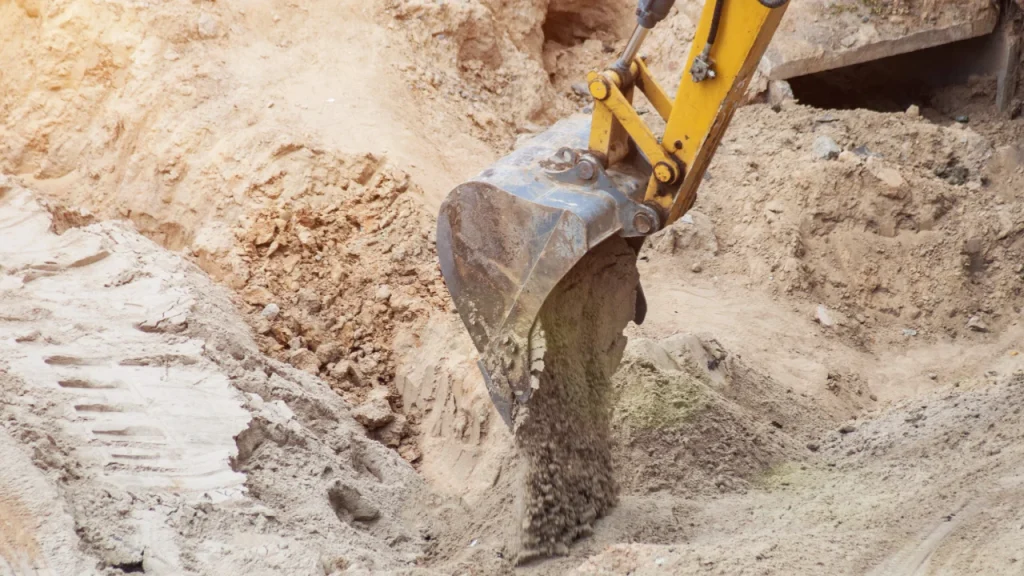
Contractors must evaluate material density and abrasion levels before finalizing their excavator bucket applications. The physical properties of the dirt dictate how the bucket performs, how quickly it wears out, and how much fuel the machine consumes.
Loose soil and topsoil possess low density and minimal abrasion. Contractors working in these conditions can maximize their excavator bucket capacity using wide, lightweight general-purpose buckets. The machine easily slices through the material, allowing for rapid cycle times.
Wet clay presents a massive challenge. Clay is highly cohesive, meaning it sticks together and adheres to steel surfaces. If you use a deep, narrow bucket in wet clay, the material will pack tightly inside the shell. When the operator tries to dump the load, the clay refuses to fall out. Contractors working in sticky wet clay should select shallower buckets with smooth internal surfaces, or dedicated clay buckets, to ensure clean dumping. Hard, dry clay is a different problem: there, penetration matters most, and a narrower bucket with penetration teeth performs better.
Sand and gravel flow easily but carry high density. A bucket full of wet sand weighs significantly more than a bucket full of dry topsoil. Operators must often downsize their bucket when moving wet sand to avoid exceeding the safe lifting capacity of the machine.
Abrasive rock destroys standard steel rapidly. Digging in granite, limestone, or concrete demolition debris requires heavy-duty rock buckets. The constant friction of sharp rocks sliding against the bucket shell acts like sandpaper, grinding away the metal. Heavy-duty buckets combat this using AR400 or AR500 wear plates welded to the high-friction areas.
Frozen ground requires extreme penetration force. General-purpose buckets struggle to penetrate frozen earth. For shallow frost, a narrow bucket with penetration or twin tiger teeth can fracture the frost line. For deeper frost, contractors use a ripper or frost tooth, or a hydraulic hammer, to break the frozen layer before excavating the softer dirt underneath.
How Excavator Bucket Teeth Affect Digging Performance
Even the best excavator bucket will perform poorly if equipped with the wrong teeth. Excavator bucket teeth act as the primary cutting tools, fracturing the ground before the bucket lip engages the soil. Selecting the right tooth profile dramatically impacts fuel usage, cycle times, and operator fatigue.
Standard (general-purpose) teeth feature a moderately blunt profile with ample wear material. They offer excellent durability and moderate penetration, making them perfect for general construction and loose soil. Because they have more metal at the tip, they take longer to wear down.
Penetration teeth feature a sharp, aggressive point. Contractors use them for hard, compacted soils, frost, and dense clay. The sharp point easily pierces the ground, reducing the hydraulic force required to fill the bucket. However, because they have less metal at the tip, they wear out much faster than standard teeth.
Rock teeth feature a long, heavily ribbed profile with extra wear material, designed to penetrate rock piles and withstand extreme impact. When an operator slams the bucket into a pile of shot rock, standard teeth can snap off. Rock teeth absorb the shock without fracturing.
Twin tiger teeth feature two sharp points on a single tooth. Contractors use them in hard, compacted, or frozen ground and in trenching, where the double point breaks ground aggressively. Side cutters or flare teeth on the outside corners then cut clearance for the side plates, preventing the bucket from wedging inside deep trenches.
Monitoring tooth wear patterns is vital for maintenance. Operating with completely blunt or broken teeth forces the bucket lip to do the cutting. This rapidly wears out the expensive base edge of the bucket. Replacing a set of teeth costs a few hundred dollars; replacing a welded base edge costs thousands. Smart fleet managers keep spare teeth and locking pins in the jobsite trailer to ensure operators never dig with bare adapters.
Quick Couplers and Excavator Bucket Compatibility
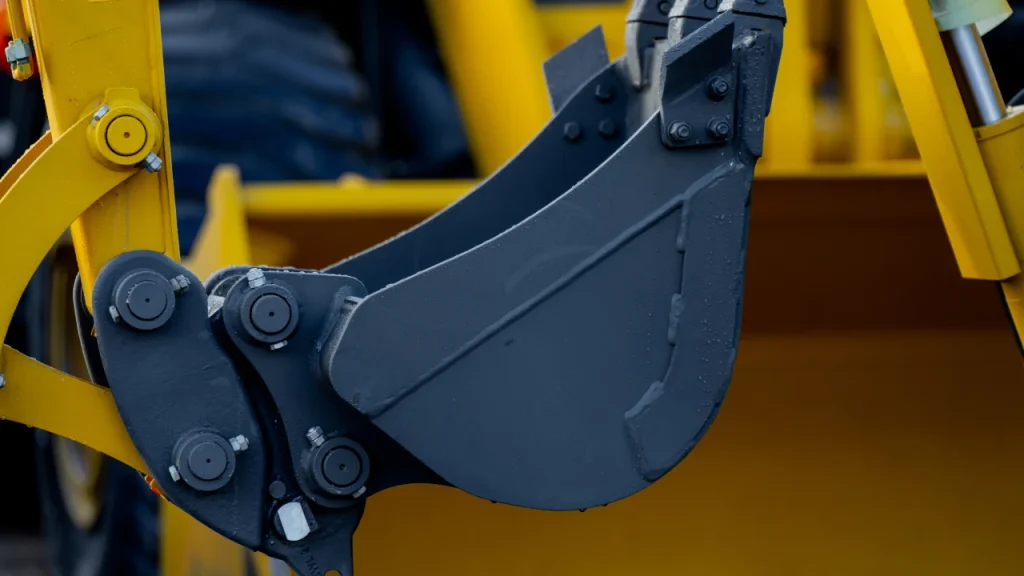
Modern jobsites require constant attachment changes. An operator might use a trenching bucket to dig a hole, switch to a compaction wheel to secure the base, and then switch to a grading bucket to smooth the surface. Doing this manually requires driving heavy steel pins in and out with a sledgehammer, which takes time and poses safety risks.
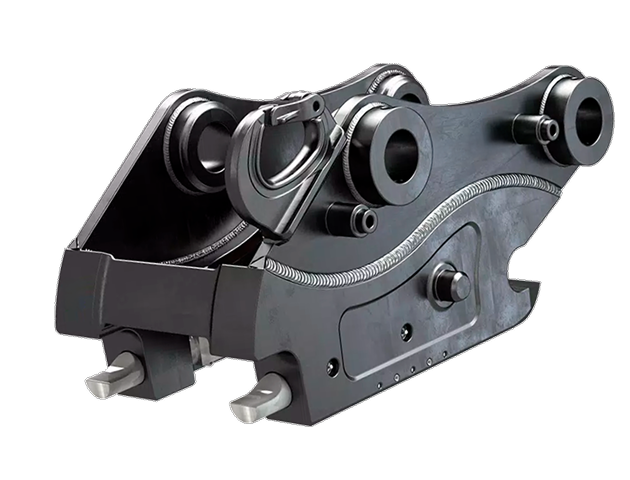
An excavator quick coupler solves this problem. Quick couplers sit between the machine stick and the bucket, allowing operators to change attachments in seconds directly from the cab.
Hydraulic quick couplers utilize machine hydraulic pressure to extend and retract locking pins. They offer maximum productivity because the operator can swap non-hydraulic attachments without leaving the seat. Hydraulic attachments still need their hoses connected unless the coupler is fully automatic. Manual couplers require the operator to exit the cab and turn a mechanical screw or pull a lever to release the attachment. While slower than hydraulic versions, manual couplers cost less and have fewer moving parts to maintain.
When purchasing attachments, excavator bucket compatibility with your specific coupler is essential. Pin grabber couplers are the most versatile. They grab the standard pins already installed on the bucket, meaning they can pick up almost any brand of bucket as long as the pin diameter and pin spread fall within acceptable ranges. Dedicated coupler systems require attachments with matching proprietary mounting brackets.
If you buy a used bucket with a proprietary bracket, it will not fit a standard pin grabber system without expensive welding modifications.
Safety considerations remain paramount when using quick couplers. Couplers built to ISO 13031 feature secondary locking mechanisms, such as mechanical springs or gravity-actuated locks, that keep the attachment secured if hydraulic pressure fails. Operators should still do a lock check after every attachment change by pressing the bucket against the ground, because improperly engaged front pins have caused serious accidents. Also keep in mind that a coupler adds weight and moves the bucket farther from the stick pin, which slightly reduces breakout force and lifting capacity. Common Excavator Bucket Selection Mistakes
Contractors lose thousands of dollars annually due to poor attachment decisions. Reviewing this excavator bucket guide helps avoid the most expensive operational errors.
The “Wider is Better” Myth
Operators often assume a 48-inch bucket finishes a job faster than a 36-inch bucket. However, if the machine lacks the breakout force to push that 48-inch bucket through hardpan, the operator must take shallow, half-filled scoops. A 36-inch bucket taking full scoops will outproduce a struggling 48-inch bucket every time.
Overlooking Material Density
Filling a massive high-capacity bucket with wet, dense gravel often exceeds the tipping load of the excavator. This causes the machine to rock violently, damaging undercarriage components and terrifying the operator.
One-Size-Fits-All Approach
Contractors who refuse to buy specialized excavator attachments spend more money on labor. Using a digging bucket to grade a slope takes significantly longer than using a proper smooth-edge grading bucket, and leaves a rougher finish.
Ignoring Dead Weight
Pinning a heavy-duty rock bucket onto a machine strictly doing topsoil work forces the engine to lift hundreds of pounds of unnecessary steel during every single cycle, wasting significant fuel.
Shopping Solely on Price
Cheap aftermarket buckets often use mild steel instead of abrasion-resistant AR400 steel. They lack proper internal gussets and feature poor weld penetration. A cheap bucket that cracks within months can end up costing more than a premium bucket that lasts for years.
Mismatching Coupler Specs
Buying a used bucket online without verifying the pin diameter, ear width, and pin center-to-center distance means the bucket will sit useless in the yard until a fabricator cuts off the old ears and welds on new ones, creating massive jobsite delays.
Digging Excessively Wide Trenches
If a utility contractor needs to lay a 12-inch pipe, digging the trench with a 36-inch bucket removes massive amounts of unnecessary dirt. The contractor then has to purchase extra gravel to bed the pipe and spend hours compacting the excessively wide trench.
How Bucket Selection Impacts Productivity and Operating Costs
Consider a residential development project requiring 5,000 bank cubic yards of excavation in hard clay. The contractor uses a 20-ton excavator, and the estimate assumes a realistic 50-minute productive hour.
Scenario A uses an oversized 1.5-cubic-yard bucket. The machine struggles to penetrate the clay, so the bucket fills to only about 70 percent, roughly 1.05 cubic yards per pass. Each cycle takes 25 seconds, partly because the operator has to shake the stick to empty sticky clay from the deep shell. That works out to about 126 cubic yards per hour, so the project takes roughly 40 hours. The struggling machine burns about 7 gallons of diesel per hour.
Scenario B uses a 1.25-cubic-yard bucket with sharp penetration teeth. It slices through the clay and fills to about 95 percent, roughly 1.19 cubic yards per pass, and the shallower profile dumps cleanly. Each cycle takes 20 seconds. That works out to about 178 cubic yards per hour, so the project takes roughly 28 hours at about 6 gallons per hour.
The correct bucket saves about 12 hours of machine time and more than 100 gallons of diesel. At an operating cost of $150 per hour (including fuel, operator wage, and machine depreciation), that’s roughly $1,800 saved on a single small project. Multiply those savings across a full digging season, and the financial impact becomes significant.
Furthermore, struggling hydraulics generate excessive heat. Heat breaks down hydraulic fluid, leading to premature pump failure. By ensuring proper excavator bucket compatibility, contractors reduce hydraulic strain, extending the lifespan of pumps, cylinders, and hoses.
When Specialized Excavator Buckets Deliver Better ROI
While general-purpose and heavy-duty buckets handle routine earthmoving, modern construction frequently demands specialized excavator attachments. Investing in specialized equipment requires higher upfront capital, but the Return on Investment (ROI) justifies the expense through massive productivity gains.
Drainage ditching provides a perfect example. Using a standard bucket to cut a V-shaped ditch requires the operator to dig the center, then carefully articulate the machine to shave down both side walls to prevent collapse. A specialized V-bucket cuts the center and slopes both walls perfectly in a single pass. This can cut ditching time substantially.
Screening and sorting materials on-site saves heavy hauling costs. When demolishing an old parking lot, contractors end up with mixed piles of dirt and concrete rubble. Hauling mixed debris to a landfill costs a fortune in tipping fees. By using a skeleton bucket, the operator sifts the dirt back onto the jobsite and loads only the clean concrete into the trucks for cheap recycling. On debris-heavy jobs, the savings in tipping fees can pay for a skeleton bucket quickly.
High-abrasion environments demand specialized metal. Quarry operators moving blasted granite cannot use standard steel. They must invest in extreme-duty rock buckets featuring bolt-on heel shrouds, lip protectors, and AR500 wear plating. While these buckets cost significantly more, they prevent catastrophic structural failures that would otherwise shut down the entire crushing operation.
OEM vs Aftermarket Excavator Buckets
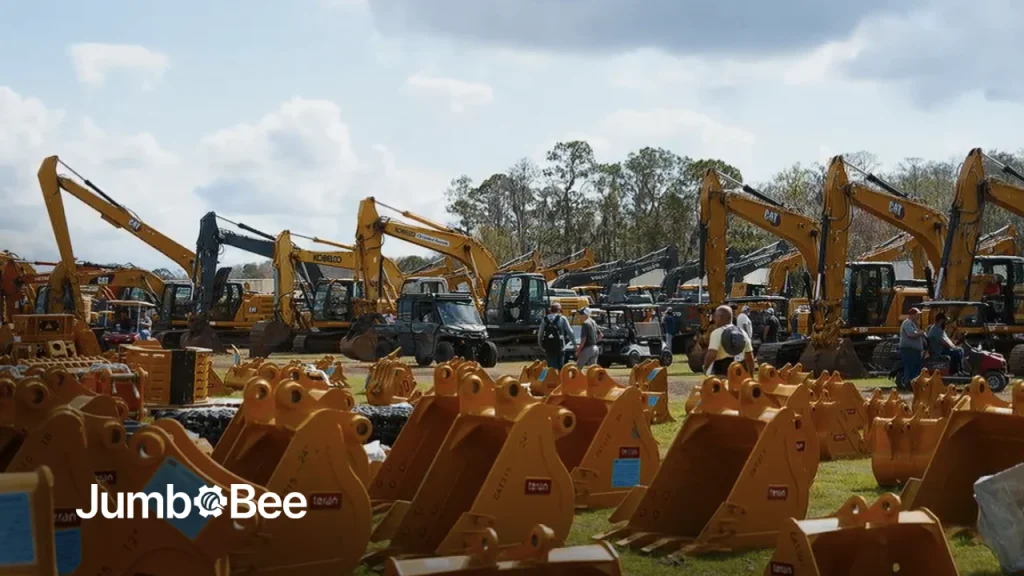
When buying attachments, contractors must choose between Original Equipment Manufacturer (OEM) buckets and aftermarket alternatives. Both options present distinct advantages depending on fleet strategy and budget.
OEM fit and engineering guarantee perfect excavator bucket compatibility. Machine manufacturers design their buckets specifically to match the kinematic lifting curves of their excavator models. An OEM bucket ensures the breakout force calculations remain perfectly optimized. Furthermore, buying OEM ensures seamless warranty coverage if structural issues arise.
Aftermarket pricing advantages attract many buyers. Independent attachment manufacturers often produce high-quality buckets at lower price points than OEM dealers. Many top-tier aftermarket brands specialize entirely in steel fabrication, meaning their build quality, weld penetration, and wear plate thickness often equal or exceed OEM standards.
Build quality differences become apparent when evaluating cheap aftermarket imports. Low-cost buckets often utilize inferior mild steel that bends under heavy breakout force. They may feature thin wear straps and lack internal reinforcement gussets. While the initial price looks attractive, these buckets require constant welding repairs.
Availability frequently drives purchasing decisions. If a contractor wins a specialized utility bid starting next week, they cannot wait three months for a factory-ordered OEM trenching bucket. They will purchase whatever high-quality aftermarket bucket is currently sitting at the local heavy equipment yard.
How Contractors Inspect Used Excavator Buckets Before Buying
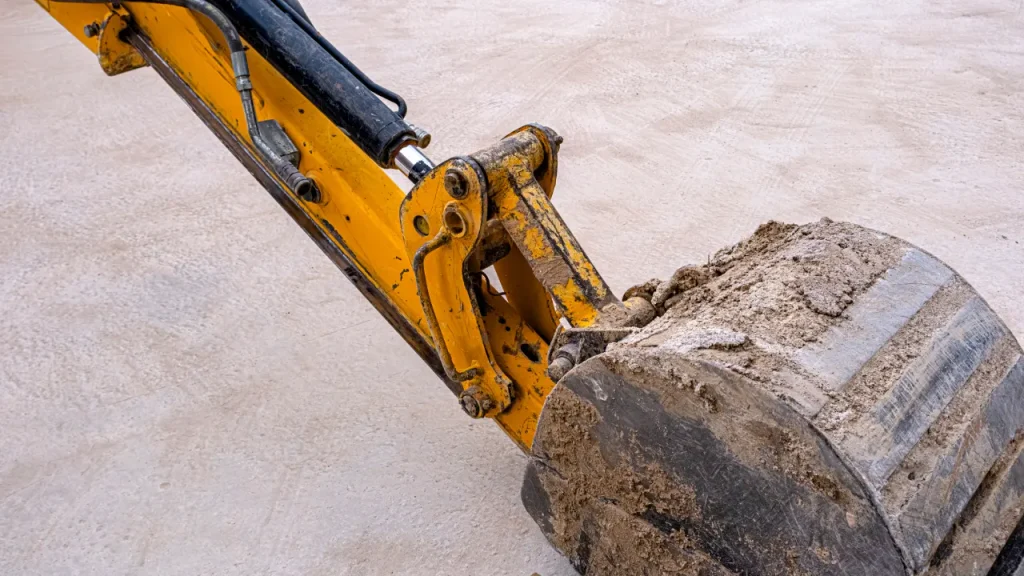
Purchasing used excavator attachments offers an excellent way to expand fleet capabilities without paying new equipment prices. However, evaluating structural integrity is critical. A used bucket provides great value only if it requires minimal repairs before hitting the dirt.
Contractors should follow a strict inspection checklist when evaluating used inventory:
- Wear plates and bottom shell thickness: Inspect the bottom of the bucket. Dragging the bucket across abrasive ground wears the steel thin. Measure the remaining thickness with an ultrasonic thickness gauge and compare it to the original plate spec. Steel that flexes when struck with a hammer is dangerously thin and needs replating.
- Cracks and weld repairs: Examine the areas where the mounting ears weld to the main shell. This area absorbs massive torsional stress. Hairline cracks in the paint indicate structural fatigue. Look for sloppy, aftermarket weld repairs that suggest previous failures.
- Tooth condition and adapter wear: Worn excavator bucket teeth are cheap to replace, but worn adapters are not. If the previous operator dug without teeth, the steel adapters welded to the base edge might be ground down, requiring a fabricator to cut them off and weld new ones.
- Side cutter wear: The side plates of the bucket slice through the earth. Inspect the leading edges. If they are worn completely round, the bucket will experience high digging resistance and wedge tightly in trenches.
- Pin wear and ear alignment: Insert standard pins into the mounting ears. If the pins wobble excessively, the mounting holes are out of round. This requires line-boring, an expensive machining process, to fix.
- Coupler wear: If the bucket includes a proprietary quick coupler bracket, verify the bracket is not bent or cracked.
- Signs of excessive abrasion: Deep gouges in the side plates indicate the bucket spent its life in harsh rock environments, meaning the overall structural lifespan is likely depleted.
Choosing the Right Excavator Bucket for Your Jobsite
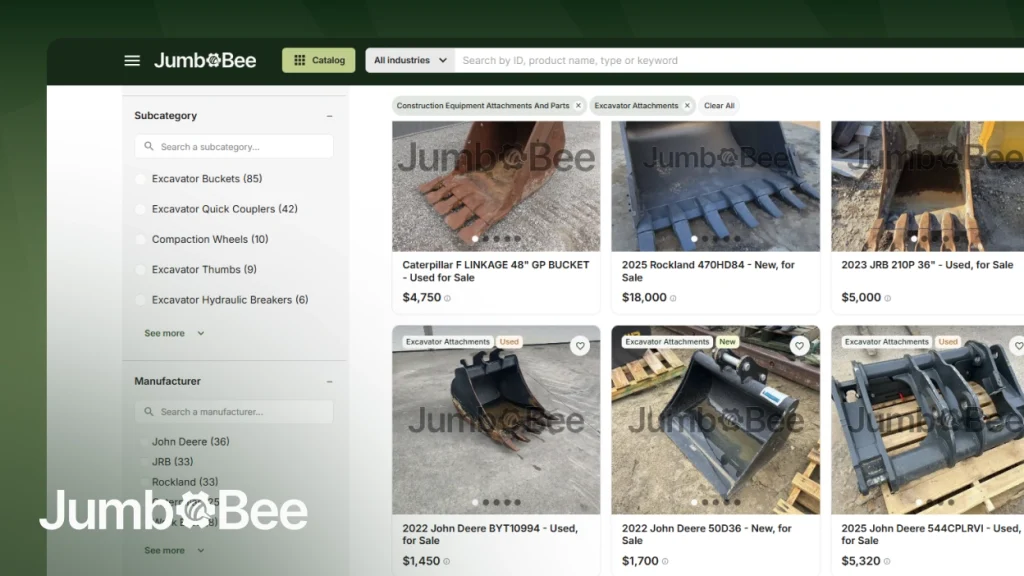
No universal best bucket exists in the heavy equipment industry. The ideal choice depends entirely on your specific machine size, material type, productivity goals, and operating environment.
Contractors must evaluate their primary scope of work. If your fleet handles diverse municipal contracts, investing in a high-quality hydraulic quick coupler and a suite of versatile attachments makes financial sense. If you run a dedicated quarry operation, investing in extreme-duty rock buckets with specialized penetration teeth ensures maximum uptime.
Always reference an excavator bucket size chart to ensure baseline weight compatibility, but remember that true performance requires matching the bucket profile to the dirt. Do not force an oversized bucket through hard clay, and do not waste fuel swinging a heavy rock bucket through loose topsoil.
Conclusion
Bucket selection directly determines heavy equipment efficiency, cycle times, and long-term operating costs. As this excavator bucket guide demonstrates, proper compatibility matters significantly more than simply choosing the widest bucket available on the lot.
Contractors must analyze material conditions before finalizing their attachment strategy. Loose soil allows for high-capacity general-purpose buckets, while highly abrasive rock demands thick AR500 steel and specialized excavator bucket teeth. Furthermore, embracing specialized excavator bucket applications like V-buckets and skeleton buckets can drastically reduce manual labor and material processing costs.
By understanding the relationship between machine hydraulics, bucket weight, and material density, contractors can configure their fleets for maximum profitability. Better attachment decisions reduce jobsite downtime, lower fuel consumption, and ensure your excavators perform exactly as engineered.
When you are ready to expand your fleet capabilities, use an excavator bucket size chart to verify your lifting parameters, evaluate your quick coupler systems, and source the right attachments for your next major project.






Be the first to leave a comment
There are no replies to this post yet. Share your thoughts and help start the conversation.