Sprayer Models — Browse All Makes & Manufacturers
Explore the full lineup of self-propelled sprayer models from leading global manufacturers. Compare specifications, read model reviews, and find verified listings – all in one reference hub.
Browse by manufacturer
50+ global manufacturers. Pick a manufacturer to see its full model lineup across all categories.


Popular sprayer models
Most viewed and most listed on JumboBee this month.

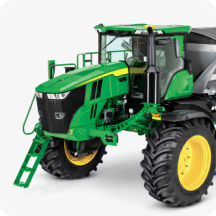
2026 John Deere 412R Self-Propelled Sprayers
15125 kg
8000 mm × 3300 mm × 3200 mm
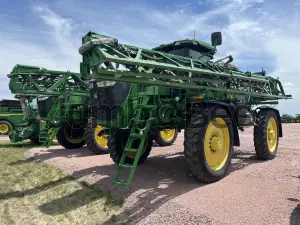
2026 John Deere 612R Self-Propelled Sprayers
16958 kg
7500 mm × 3300 mm × 3200 mm
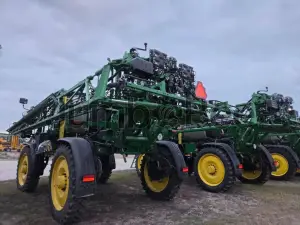
2026 John Deere 410R Self-Propelled Sprayers
13926 kg
10800 mm × 3490 mm × 3940 mm
Popular sprayer listings
Most viewed and most listed on JumboBee this month.
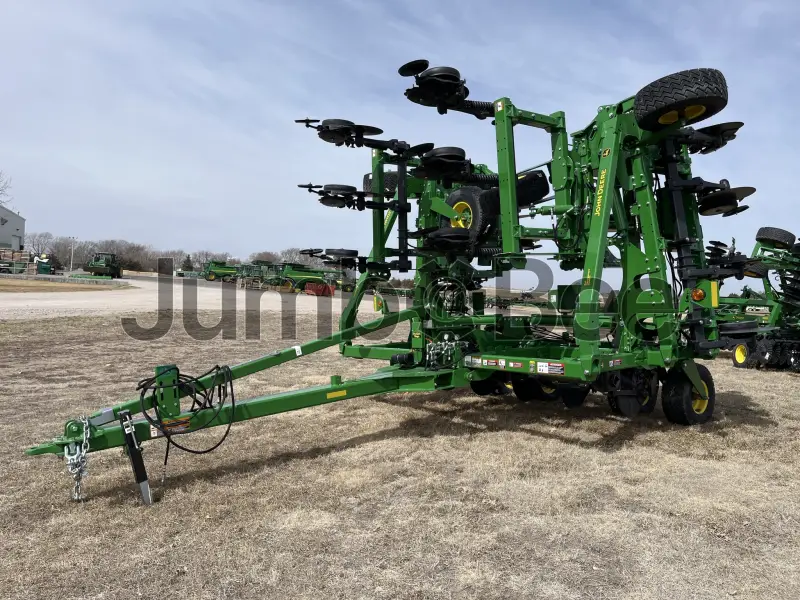
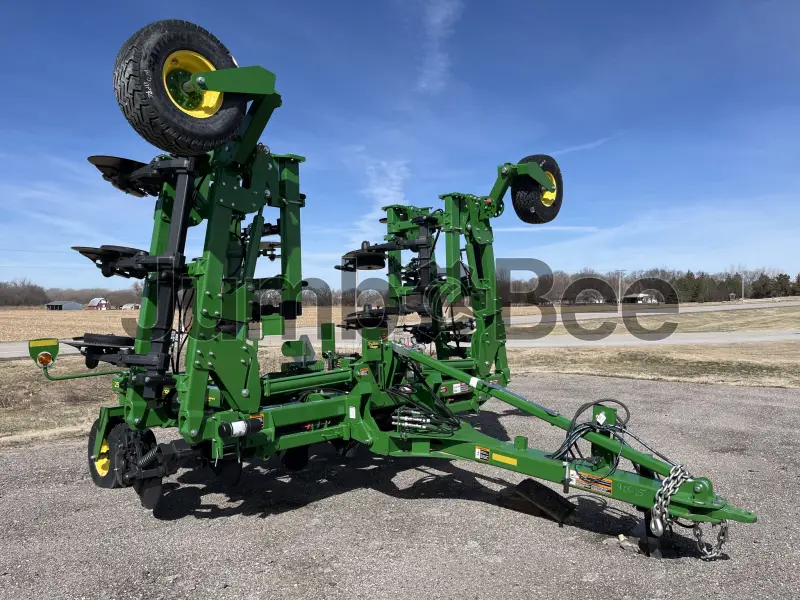
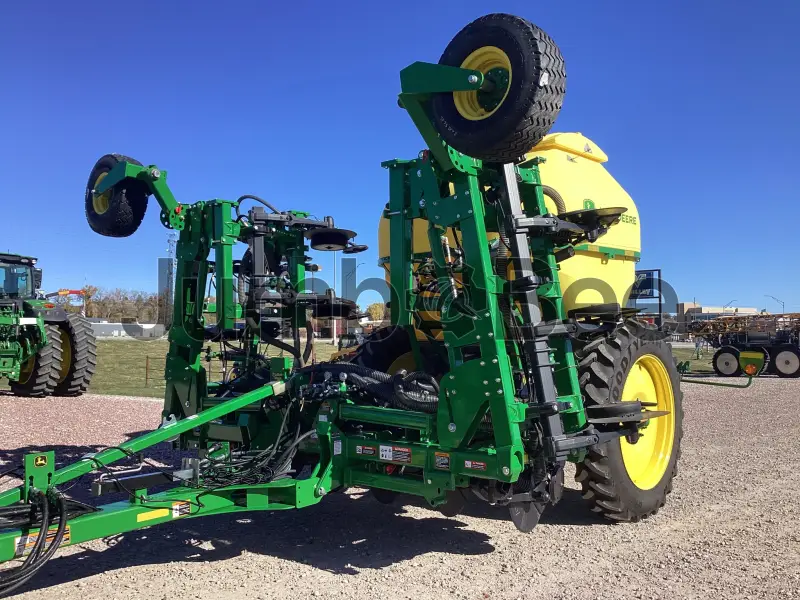
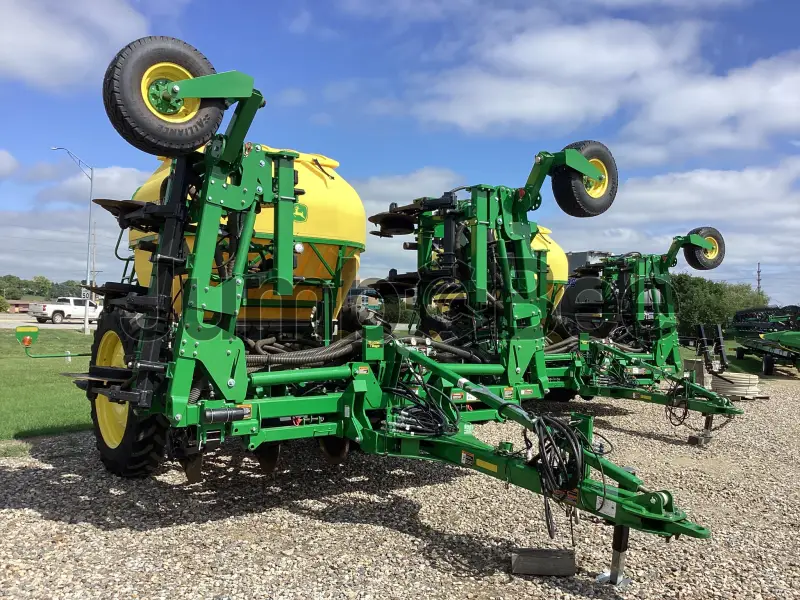
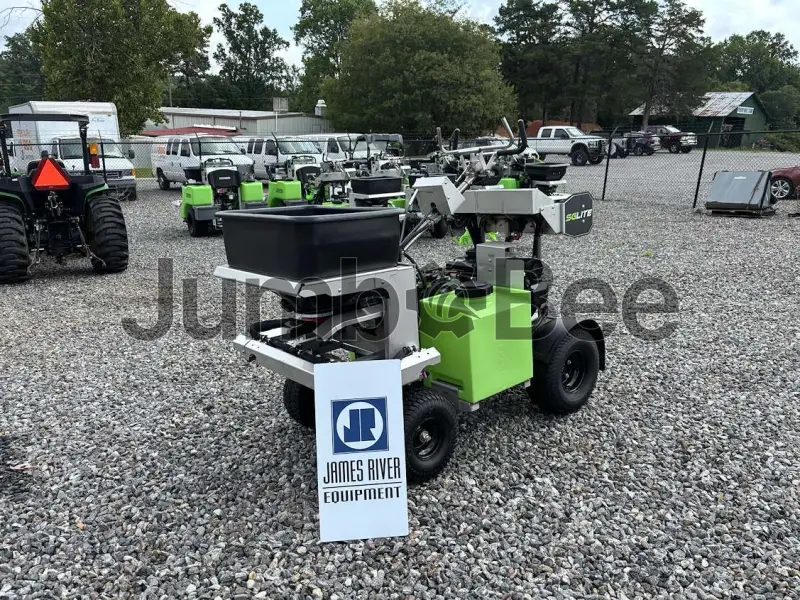
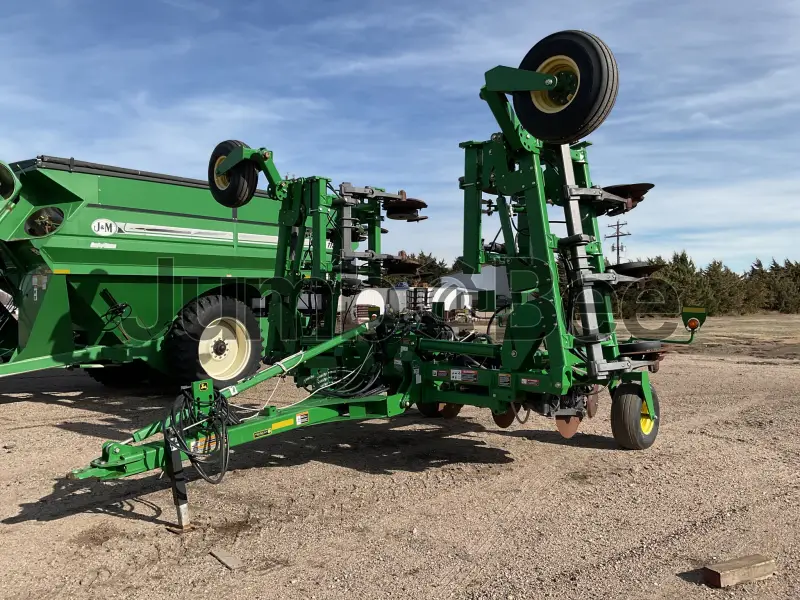

$347,000
4542 L
40.2 m
565 L
1521 hours
Auburn, United States
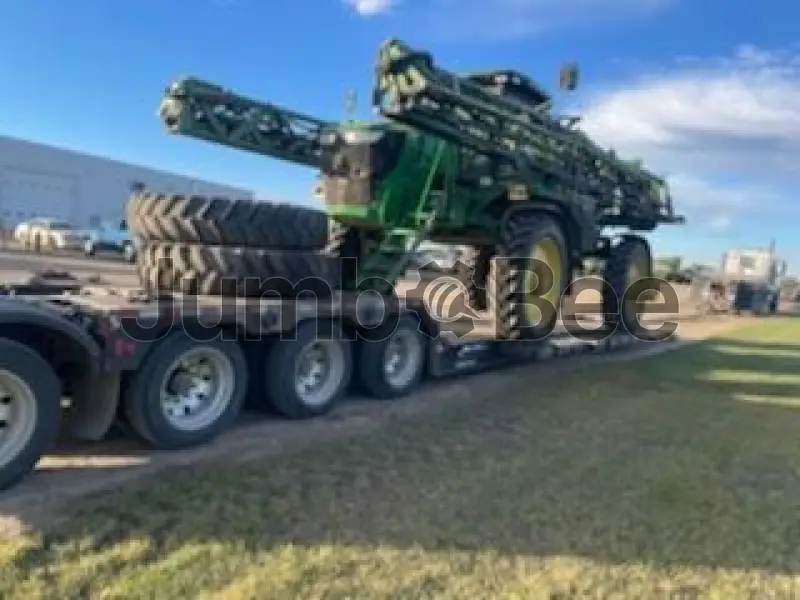
$342,930
4542 L
28 m
325 hp
691 hours
Aberdeen, United States

332 sprayers listed right now on JumboBee
Ready to buy? Browse active listings from verified sellers worldwide — filter by manufacturer, year, hours, location, and price. Shipping and compliance support included.
228
John Deere listings
26
Hagie listings
13
Case IH listings
10
TERRAGATOR listings
Heavy equipment insights from JumboBee
November 23, 2026
Types of Tillage Equipment: How to Choose the Right Implements for Your Farm
Compare tillage implements and learn what to look for when buying used equipment.
November 20, 2026
Types of Cultivators: What They Are, How They Work and How to Choose
Compare different types of farm cultivators, their uses, and what to look for when buying used.
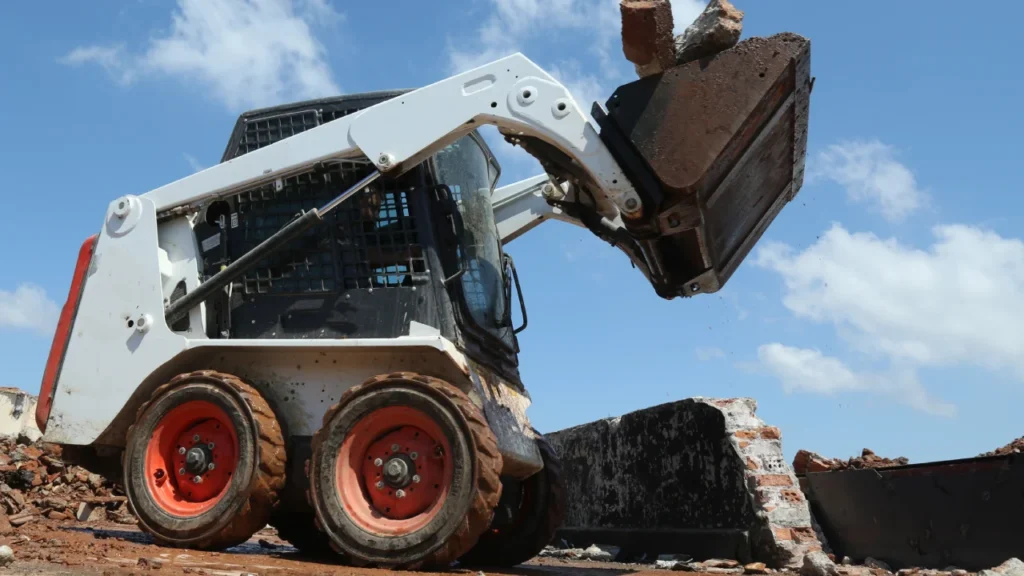
November 9, 2026
Skid Steer Loader Brands Compared: CAT vs Bobcat vs John Deere
A side-by-side comparison of CAT, Bobcat and John Deere skid steers by size class, capacity, power and hydraulics.
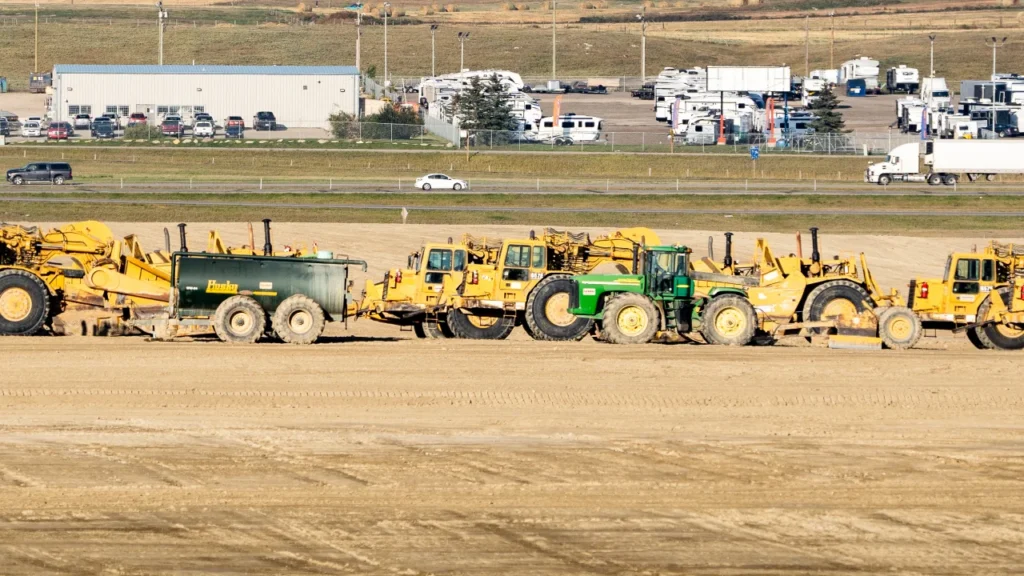
November 2, 2026
Buying & Selling Heavy Equipment in Canada: Market Guide for Global Buyers
This guide explains how the Canadian heavy equipment market works for international buyers and sellers.
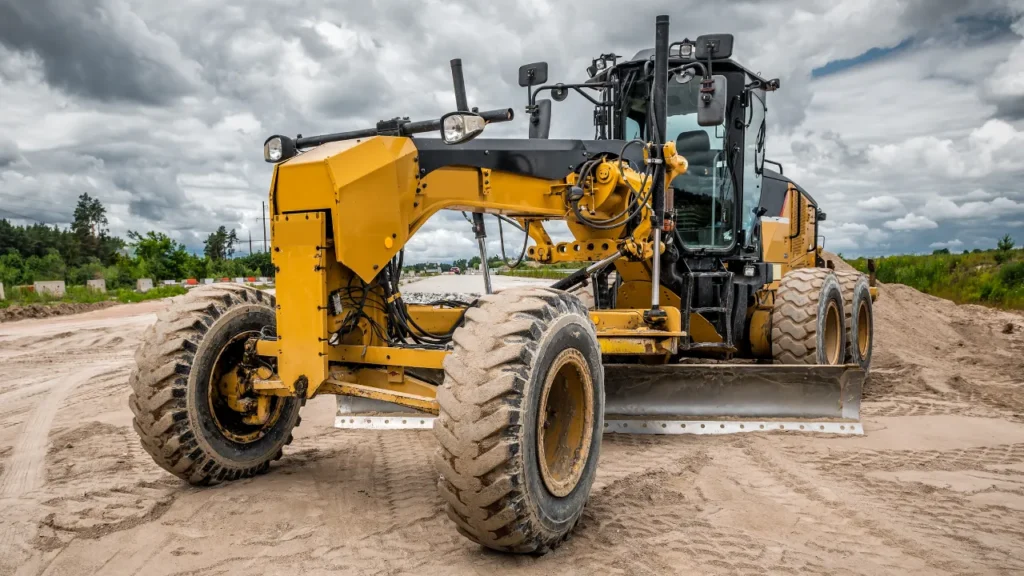
October 9, 2026
Motor Grader Buying Guide: Sizes, Top Brands, and What Contractors Should Look For
This guide helps buyers select the right motor grader for their needs and maximize ROI across construction, mining, and snow removal.
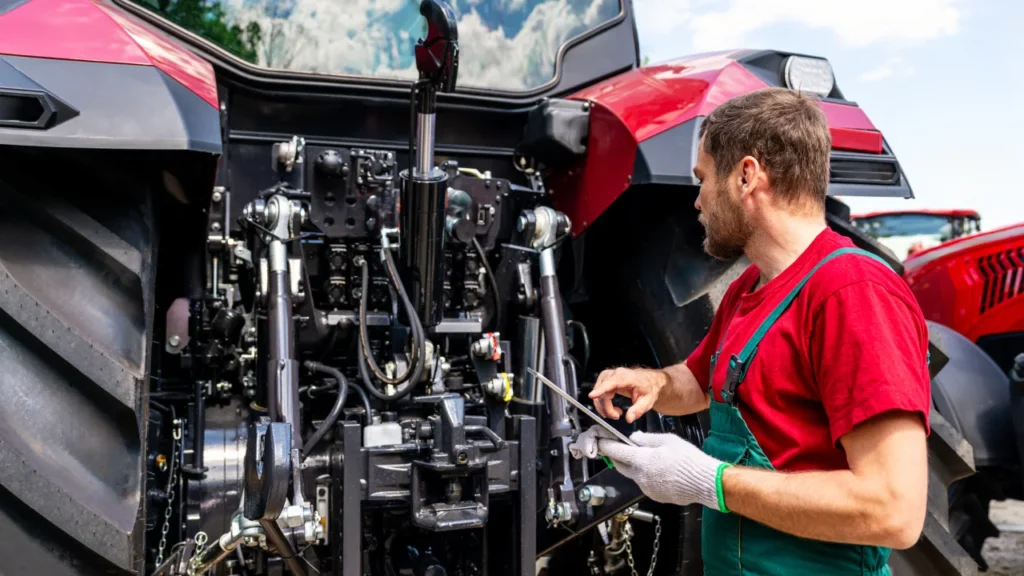
August 25, 2026
Repair, Rebuild or Replace Heavy Equipment: 2026 Cost-Based Decision Guide
This guide provides a mathematical approach to help you decide what to do with your aging machinery in 2026.
Got Questions?
Our FAQ section covers everything from shipping and listing to buying with confidence.
How can I search for a specific sprayer model?
Type the model name, series, or manufacturer directly into the search bar at the top of the page. You can also browse from the sprayer category page and apply filters for manufacturer and year to narrow results to machines that match your requirements.
Do I need to create an account to browse sprayer listings?
No. All listings and model specification pages are open to browse without registering. An account is only required when you want to contact a seller, save a listing, or access additional buyer tools.
What boom width should I prioritize when buying a used sprayer?
Boom width determines field coverage rate and therefore the machine's ability to keep pace with the crop's protection schedule across your total acreage. Standard boom widths on mid-range self-propelled sprayers run from 90 to 120 feet, while large-platform machines like the John Deere R4045 and Case IH Patriot 4450 are available with booms from 120 to 140 feet. Wider booms cover more acres per hour but require more careful boom management on irregular fields and headlands. The right width is determined by the acreage the machine needs to cover in a typical application window, not by the largest boom available.
How does section control affect the value of a used sprayer?
Section control – the automatic shutoff of individual boom sections when the machine passes over previously sprayed areas or non-target zones – directly reduces input cost by eliminating overlap application. The value of section control on a used machine depends on the generation of the system fitted: older two- or three-section systems provide modest overlap reduction, while current-generation individual nozzle control systems can eliminate overlap almost entirely. Buyers integrating a used sprayer into a precision application program should verify the section control generation and its compatibility with their farm management software before committing.
What chassis clearance should I look for in a used sprayer?
Chassis clearance determines what growth stage the machine can enter without crop damage. Standard self-propelled sprayers typically offer 44 to 52 inches of clearance, sufficient for most pre-tassel corn and mid-canopy soybean applications. High-clearance specialist machines – such as the HAGIE series now part of John Deere – offer 60 inches or more, allowing application into significantly taller crop. Buyers who need to spray into late-stage corn or high-canopy specialty crops should verify clearance specifications carefully, as the difference between a standard and high-clearance machine is not recoverable after purchase.
What should I inspect on a used sprayer's boom system?
The boom is the highest-wear, highest-maintenance component on a self-propelled sprayer and the most important inspection focus beyond the engine and drivetrain. Boom fold and breakaway mechanisms accumulate wear from repeated field cycling and impact events and should be inspected for straightness, hinge condition, and fold drive function. Nozzle body condition, diaphragm check valve function, and section control valve operation should all be verified. A used sprayer with a boom that has sustained significant impact damage or shows uneven nozzle wear patterns will deliver uneven application across its width – a problem that is agronomically costly and mechanically expensive to fully remediate.
How do I evaluate tank condition on a used sprayer?
Tank condition is particularly important on used sprayers because chemical residue, UV degradation, and physical damage can compromise tank integrity in ways that are not always visible from the outside. The interior of the tank should be inspected for discoloration, residue buildup, crazing of the tank surface, and any evidence of previous repair. Sump and drain systems should function cleanly. A tank that has carried highly persistent chemistry without thorough cleaning between applications can be difficult or impossible to fully decontaminate – a consideration that matters both for the next crop's protection program and for the machine's saleability when it comes time to trade.