Excavator Models — Browse All Makes & Manufacturers
Explore the full lineup of excavator models from leading global manufacturers. Compare specifications, read model reviews, and find verified listings – all in one reference hub.

Browse by manufacturer
50+ global manufacturers. Pick a manufacturer to see its full model lineup across all categories.


Popular excavator models
Most viewed and most listed on JumboBee this month.
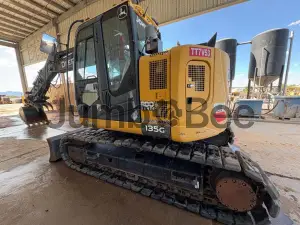
2023 John Deere 135G Tracked Excavators
7370 mm × 2490 mm × 2790 mm
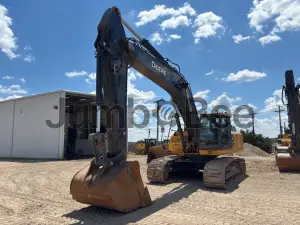
2024 John Deere 350P Tracked Excavators
11200 mm × 3390 mm × 3270 mm
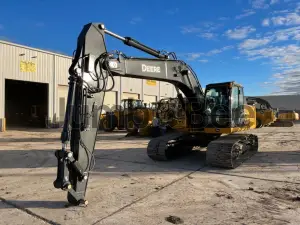
2024 John Deere 210P Tracked Excavators
9530 mm × 3020 mm × 3010 mm
Popular excavator listings
Most viewed and most listed on JumboBee this month.
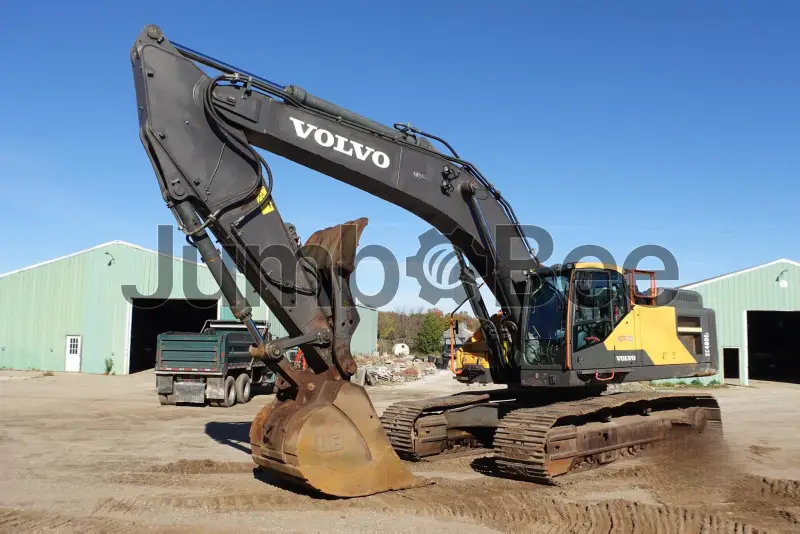
$119,500
386 hp
48463 kg
3.31 cu(m)
6876 hours
Peoria, United States
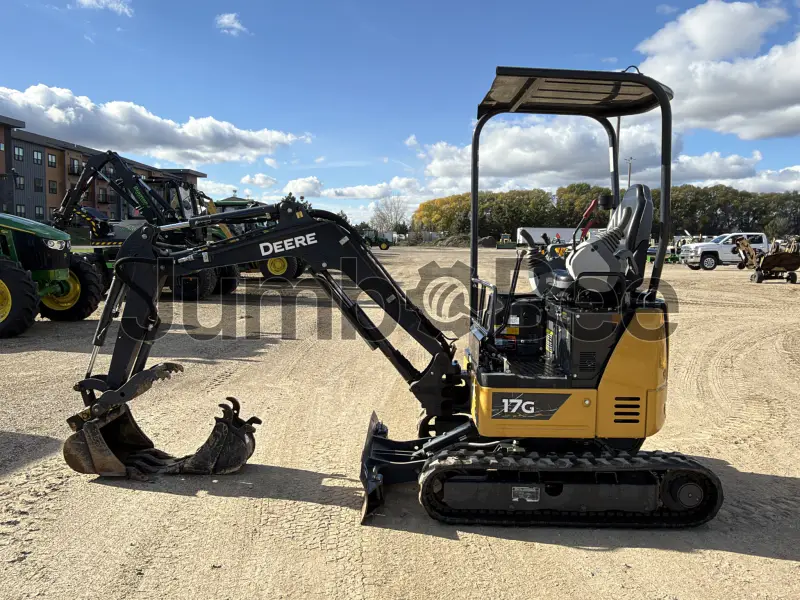
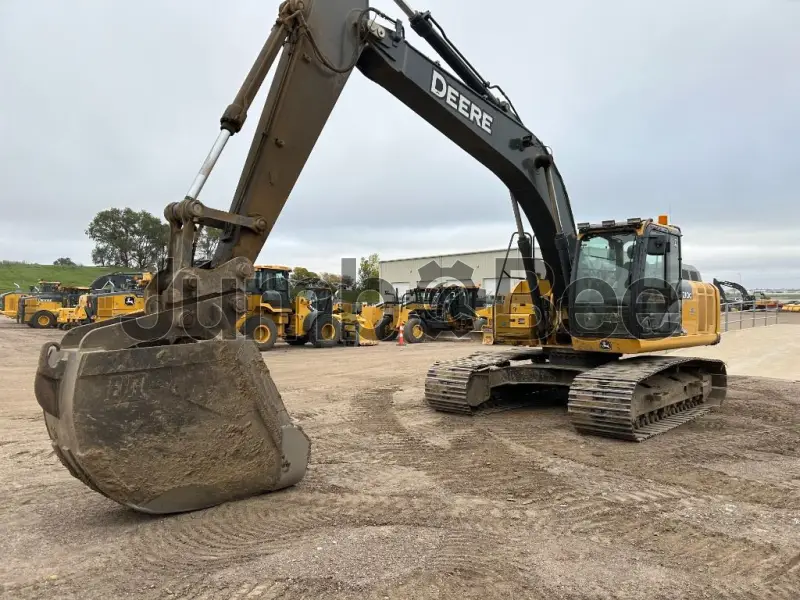
$115,500
Tier 4 Final
6
6 cu(m)
2844 hours
Sioux Falls, United States
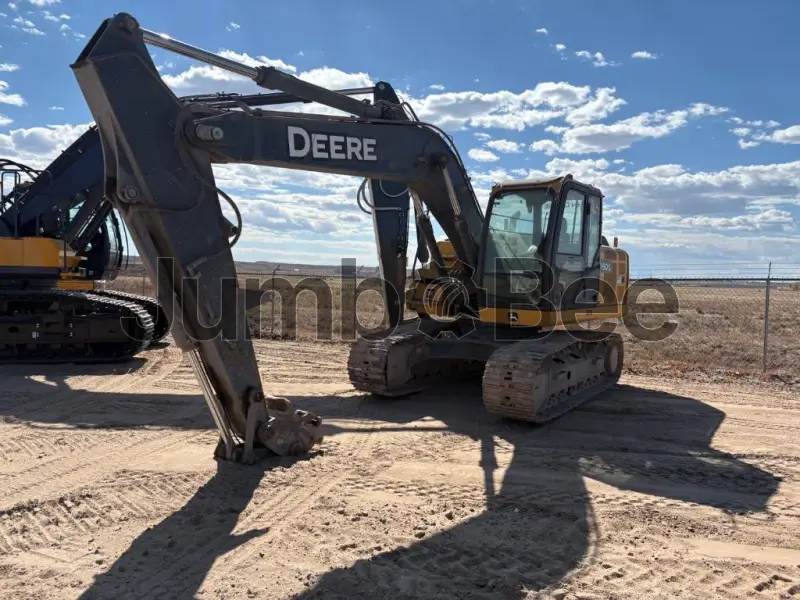
$45,250
60 L
3100 mm
3110 mm
13933 hours
Cheyenne, United States
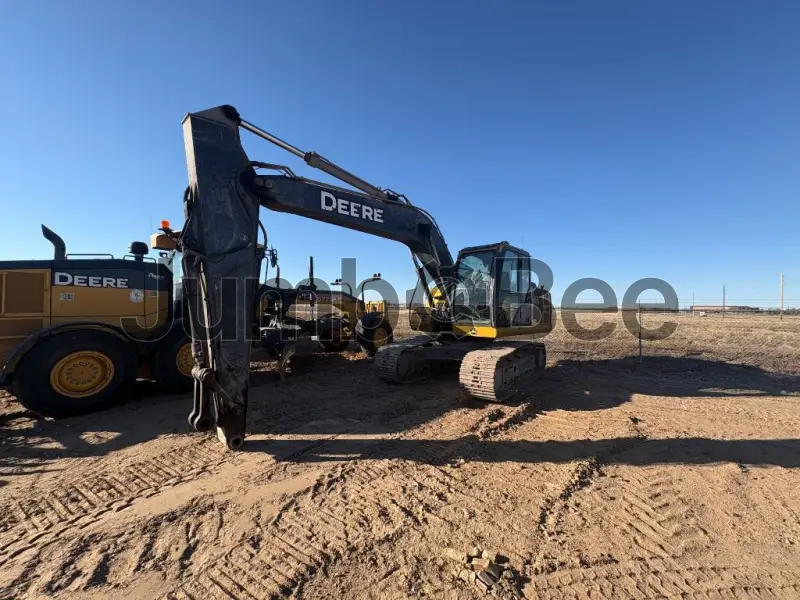
$44,990
John Deere Power Tech
4
2550 mm
14650 hours
Cheyenne, United States
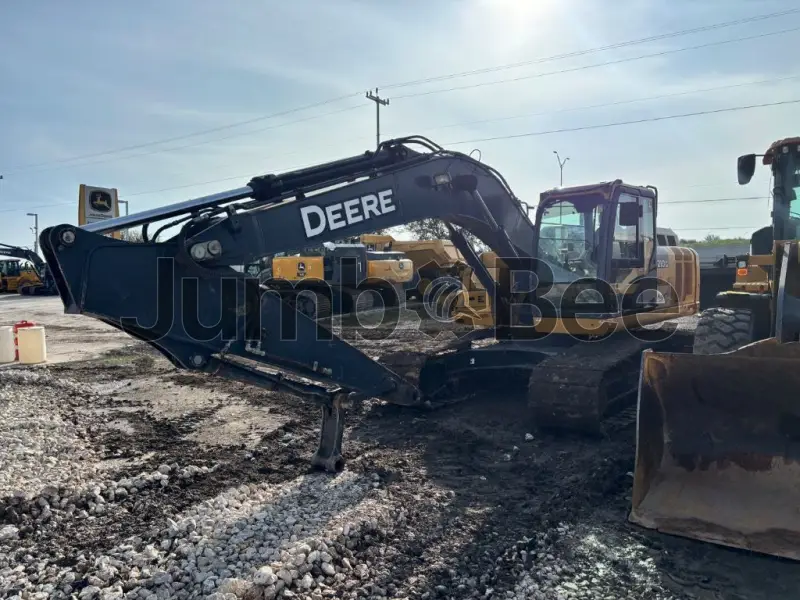
$68,000
159 hp
22910 kg
John Deere PowerTech 6.8 L
6577 hours
New Braunfels, United States
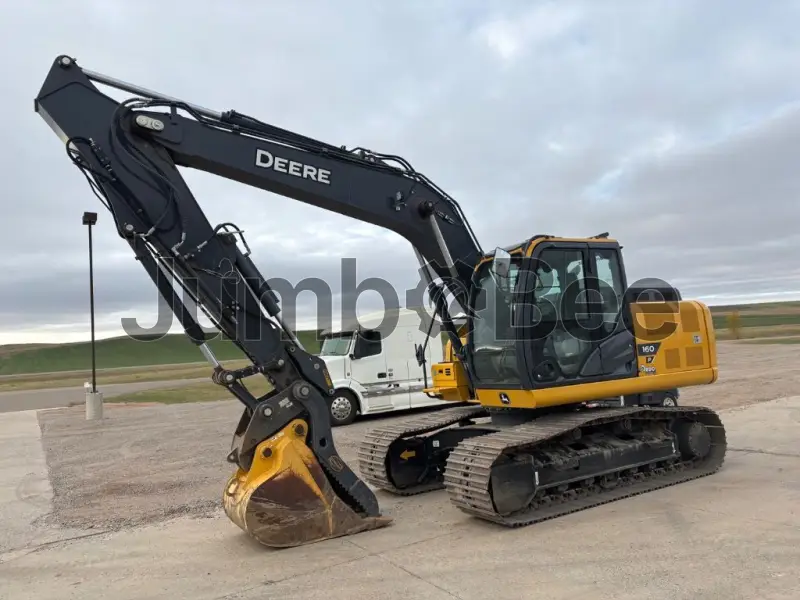
$262,710
John Deere Power Tech
169 kN
34336 kPa
1172 hours
Bozeman, United States
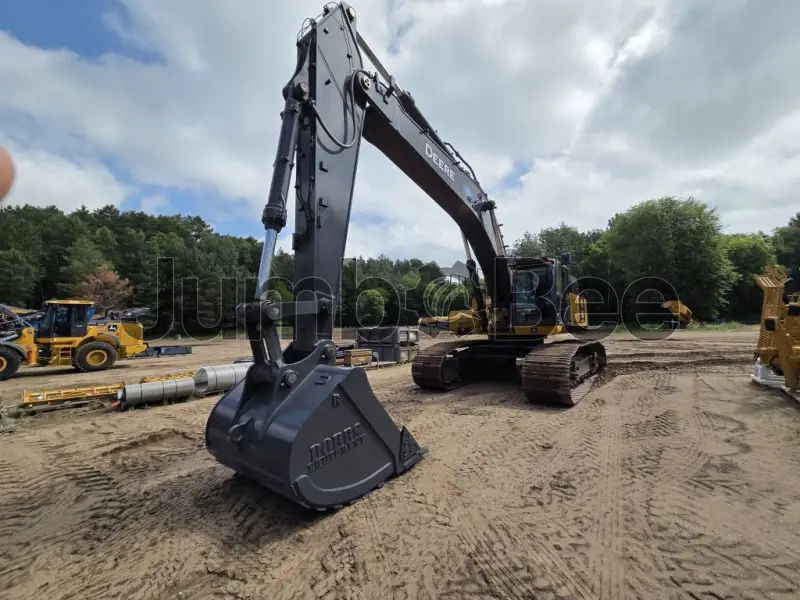
$155,090
51218 kg
John Deere PowerTech PSS 6135
Tier 4 Final
2394 hours
Riverside, United States
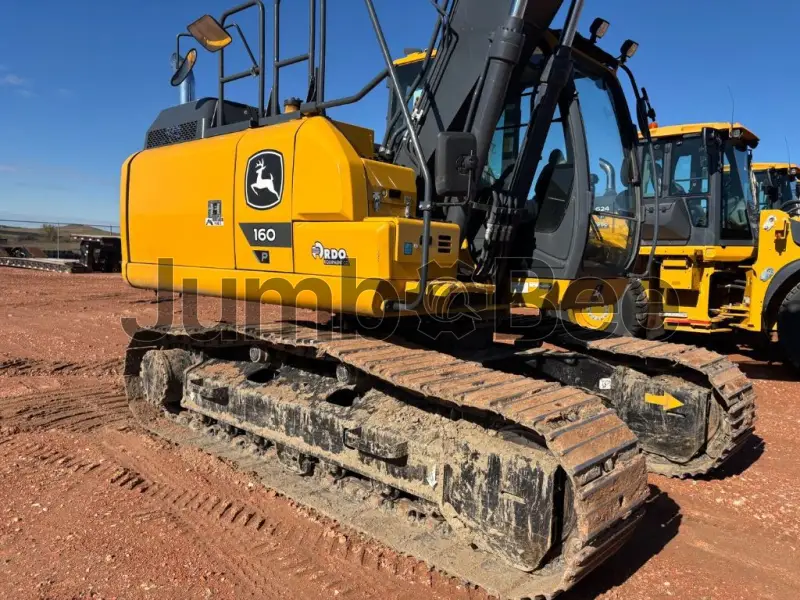
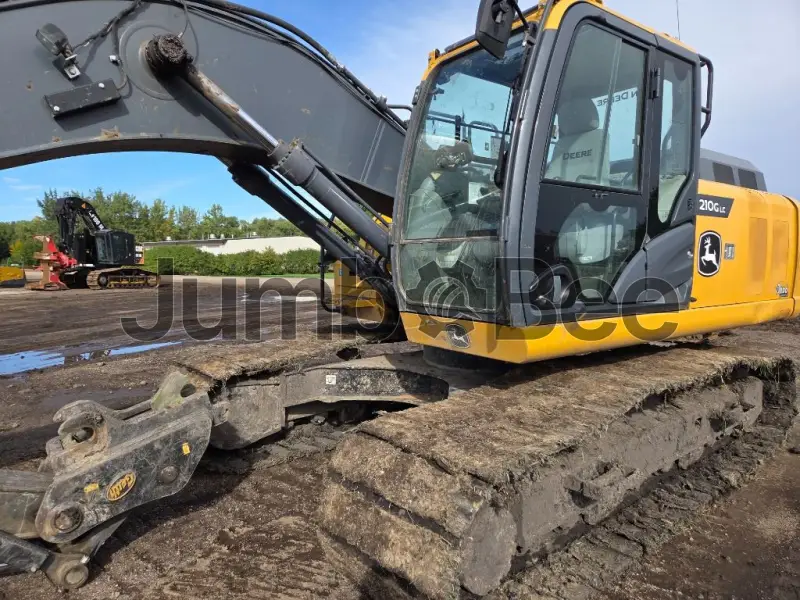
$136,800
3 km/h
34336 kPa
34336 kPa
3115 hours
North Mankato, United States
Featured excavator manufacturers
Explore excavator manufacturers in our model database. Jump to a letter or scroll the full list.

320 excavators listed right now on JumboBee
Ready to buy? Browse active listings from verified sellers worldwide — filter by manufacturer, year, hours, location, and price. Shipping and compliance support included.
281
John Deere listings
12
Caterpillar listings
9
Hitachi listings
5
Volvo listings
Heavy equipment insights from JumboBee

November 23, 2026
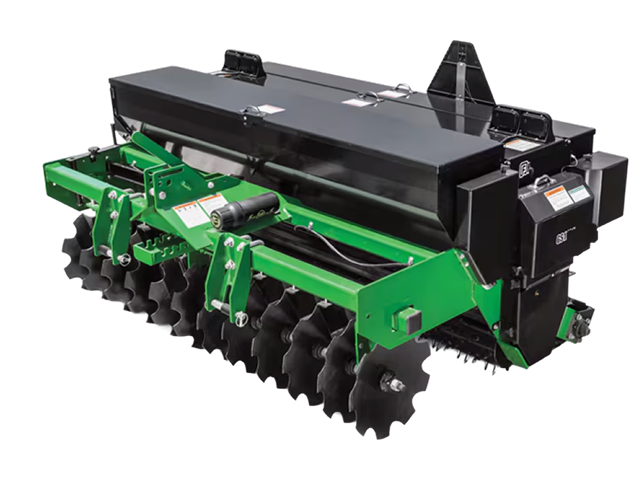
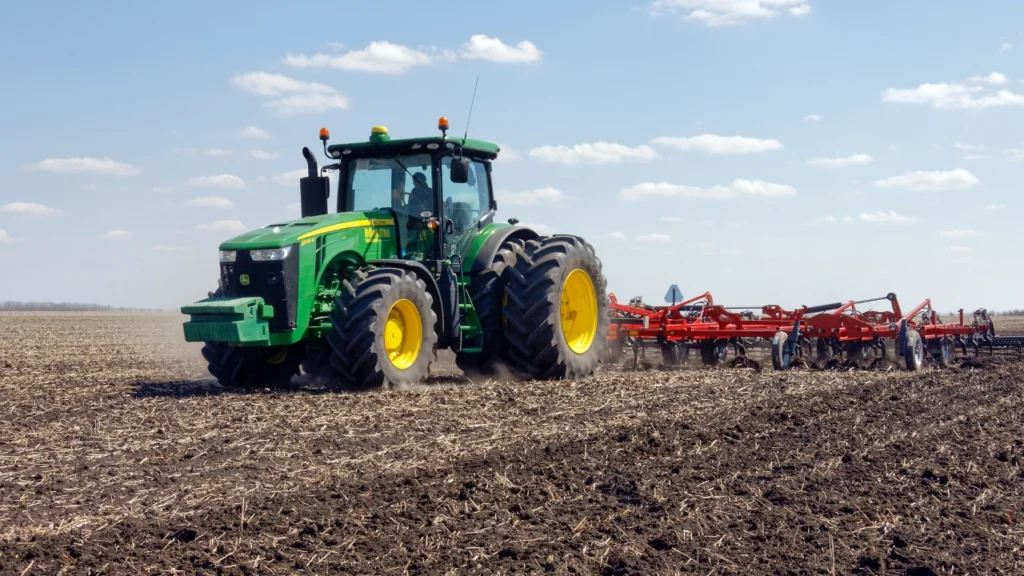
Types of Tillage Equipment: How to Choose the Right Implements for Your Farm
Compare tillage implements and learn what to look for when buying used equipment.
November 20, 2026
Types of Cultivators: What They Are, How They Work and How to Choose
Compare different types of farm cultivators, their uses, and what to look for when buying used.
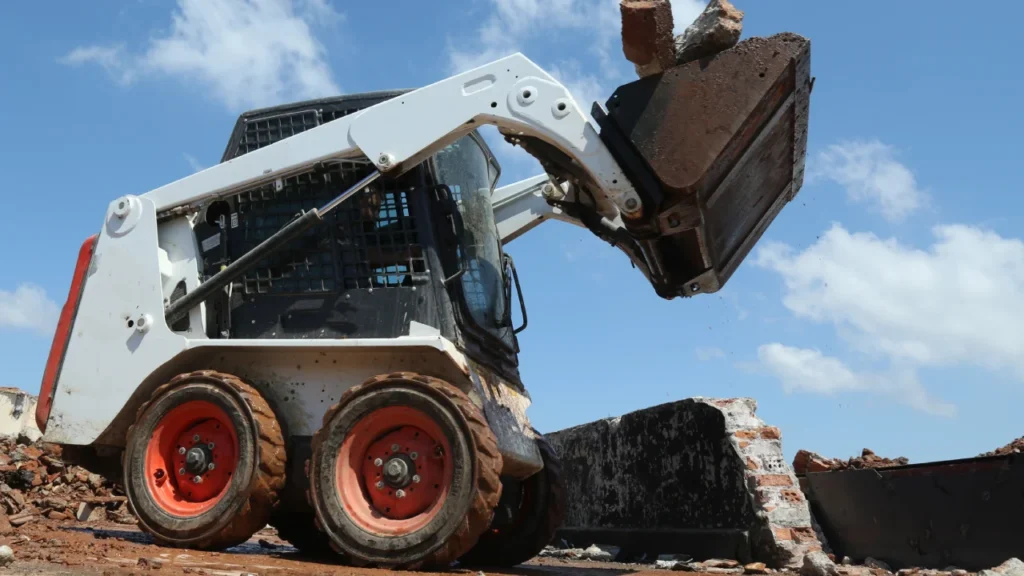
November 9, 2026
Skid Steer Loader Brands Compared: CAT vs Bobcat vs John Deere
A side-by-side comparison of CAT, Bobcat and John Deere skid steers by size class, capacity, power and hydraulics.
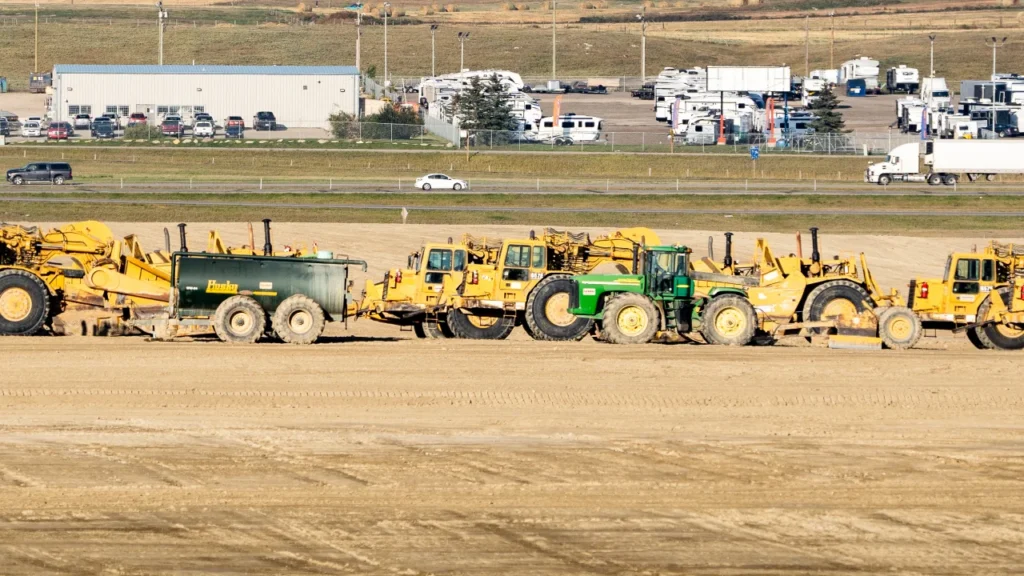
November 2, 2026
Buying & Selling Heavy Equipment in Canada: Market Guide for Global Buyers
This guide explains how the Canadian heavy equipment market works for international buyers and sellers.
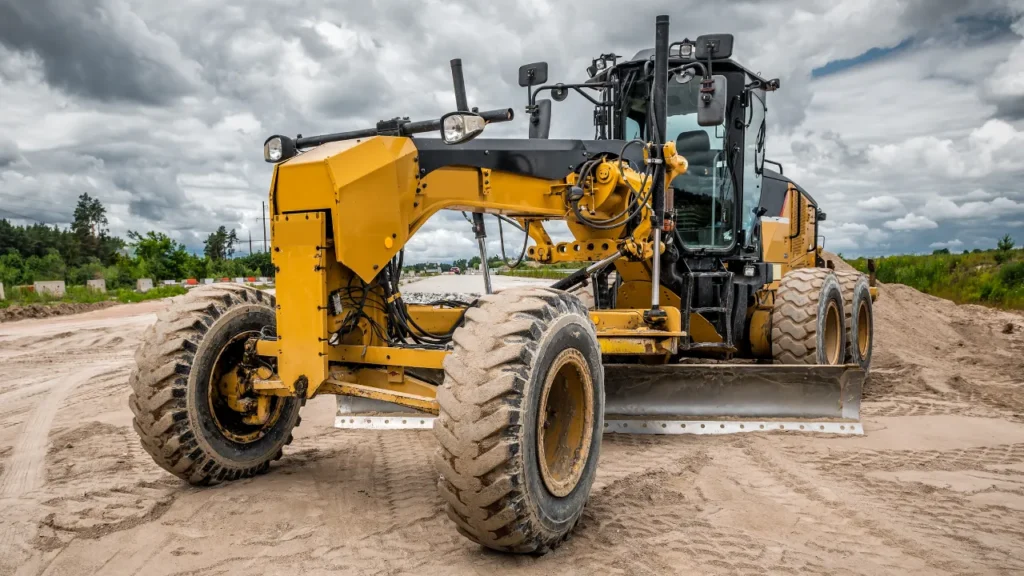
October 9, 2026
Motor Grader Buying Guide: Sizes, Top Brands, and What Contractors Should Look For
This guide helps buyers select the right motor grader for their needs and maximize ROI across construction, mining, and snow removal.
August 25, 2026
Repair, Rebuild or Replace Heavy Equipment: 2026 Cost-Based Decision Guide
This guide provides a mathematical approach to help you decide what to do with your aging machinery in 2026.
Got Questions?
Our FAQ section covers everything from shipping and listing to buying with confidence.
How can I search for a specific excavator model?
Type the model name, series, or manufacturer directly into the search bar at the top of the page. You can also browse from the excavator category page and apply filters for manufacturer, operating weight class, and year to narrow results to machines that match your requirements.
Do I need to create an account to browse excavator listings?
No. All listings and model specification pages are open to browse without registering. An account is only required when you want to contact a seller, save a listing, or access additional buyer tools.
What operating weight class should I be looking at for my application?
Operating weight is the most reliable indicator of machine capability in excavator selection. Mini excavators under 6 tonnes are suited to confined site access, landscaping, and utility trenching where minimal ground disturbance is a priority. Mid-size machines from 13 to 30 tonnes cover the majority of commercial construction, pipeline, and civil work. Large excavators above 30 tonnes are suited to major earthworks, quarrying, and bulk material handling where production rate per shift is the primary performance measure. Buying more machine than the application requires costs money in acquisition, fuel, and transport – buying too small costs productivity.
What is the difference between a standard and a reduced tail swing excavator?
A standard excavator's counterweight swings significantly beyond the machine's track width during rotation – a characteristic that requires clear space behind the machine during operation. Reduced tail swing and zero tail swing excavators minimize or eliminate this counterweight overhang, allowing the machine to work in confined spaces, alongside walls, or in urban environments where standard machines would create safety hazards. The trade-off is typically some reduction in maximum lift capacity at extended reach. For urban construction and utility work, zero tail swing machines have become increasingly standard; for open site earthworks, a standard tail swing machine typically offers better lift and digging performance at the same weight class.
How do I evaluate hydraulic system condition on a used excavator?
Hydraulic system condition is the single most important technical evaluation on any used excavator. The inspection should cover cycle times – boom raise, arm in, and swing – compared to manufacturer specifications for that model and hour level. Hydraulic drift, where the boom or arm slowly drops under load when the controls are released, indicates worn cylinder seals or control valve wear. Oil condition – color, smell, and particle content – reveals maintenance history and contamination risk. A machine that has been operated with degraded hydraulic oil, or that has had a component failure introduce metal particles into the circuit, requires a full system flush and potentially component replacement before it can return to reliable service.
What undercarriage condition should I accept on a used excavator?
Undercarriage wear – tracks, sprockets, rollers, and idlers – is one of the highest-cost maintenance items on a crawler excavator and the component group most likely to be understated in a listing description. Remaining track life is assessed by measuring track shoe grouser height, link pitch elongation, and sprocket wear pattern. A machine with 20 to 30 percent undercarriage life remaining is a very different proposition from one with 70 percent remaining, even if the hour meter reads similarly. Buyers should either inspect undercarriage components personally or commission a professional assessment before committing to any used excavator purchase above a low price threshold.
What telematics data should I request from a seller?
Most excavators manufactured after approximately 2010 are fitted with factory telematics systems – Caterpillar Product Link, Komatsu KOMTRAX, Hitachi ConSite, Kobelco KOMPASS, or equivalent. These systems record engine hours, fuel consumption per hour, idle time percentage, fault codes, and location history. A seller who can provide telematics data covering the machine's recent operating history is giving you objective evidence of how the machine has been used and maintained that no physical inspection alone can replicate. Machines with accessible telematics histories should be prioritized over comparable units without that data, and the absence of data on a machine that should have it warrants explanation before proceeding.