Scraper Models — Browse All Makes & Manufacturers
Explore the full lineup of scraper models from leading global manufacturers. Compare specifications, read model reviews, and find verified listings – all in one reference hub.
Browse by manufacturer
50+ global manufacturers. Pick a manufacturer to see its full model lineup across all categories.


Popular scraper models
Most viewed and most listed on JumboBee this month.
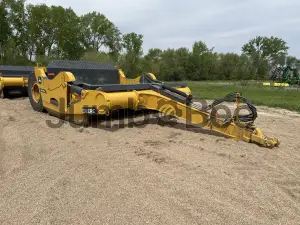
2024 John Deere 2412D E Open Bowl Scrapers
12790 kg
9980 mm × 4090 mm × 2340 mm

1984 John Deere 762 Elevating Scrapers
15000 kg
9780 mm × 2470 mm × 3020 mm
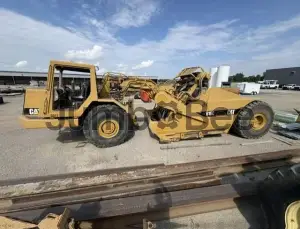
2006 Caterpillar 615 C ll Elevating Scrapers
25605 kg
11600 mm × 3050 mm × 3589 mm
Popular scraper listings
Most viewed and most listed on JumboBee this month.

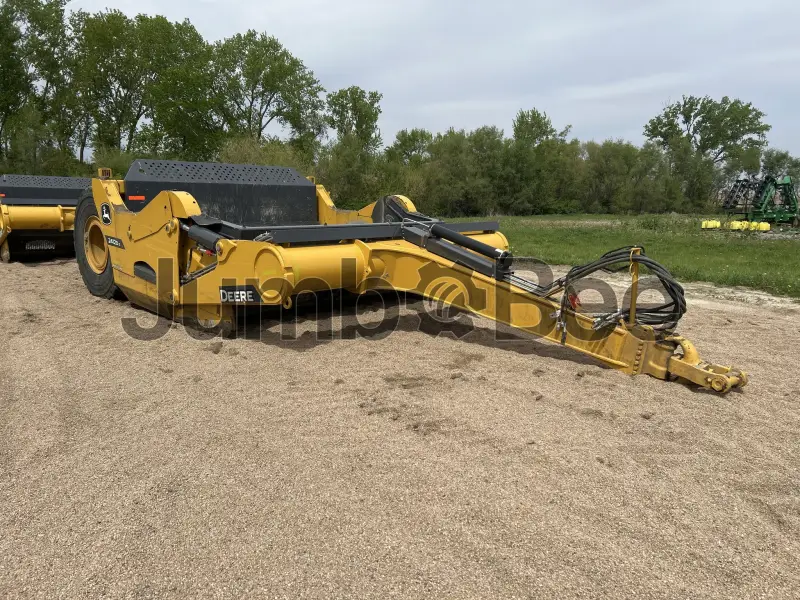
$154,900
16.4 cu(m)
240 hp
Tier 4 Final (EPA)
1 hours
Elkhorn, United States
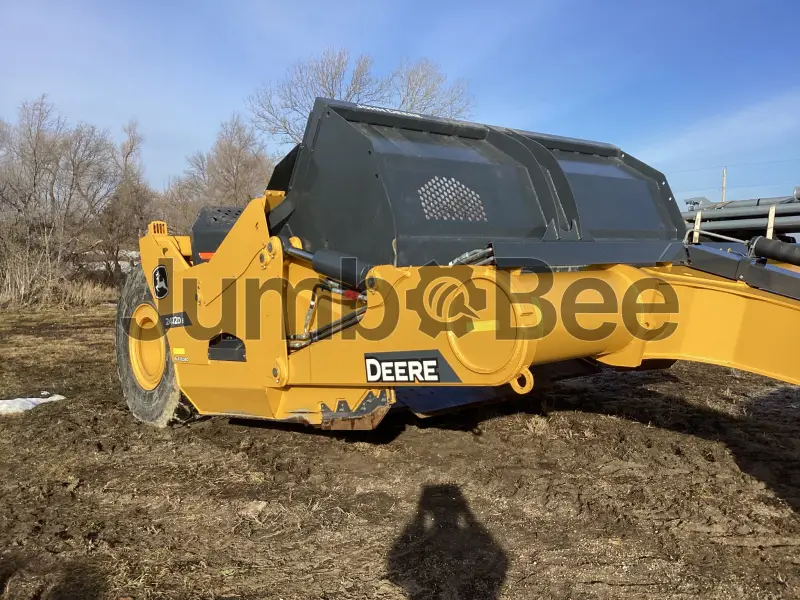
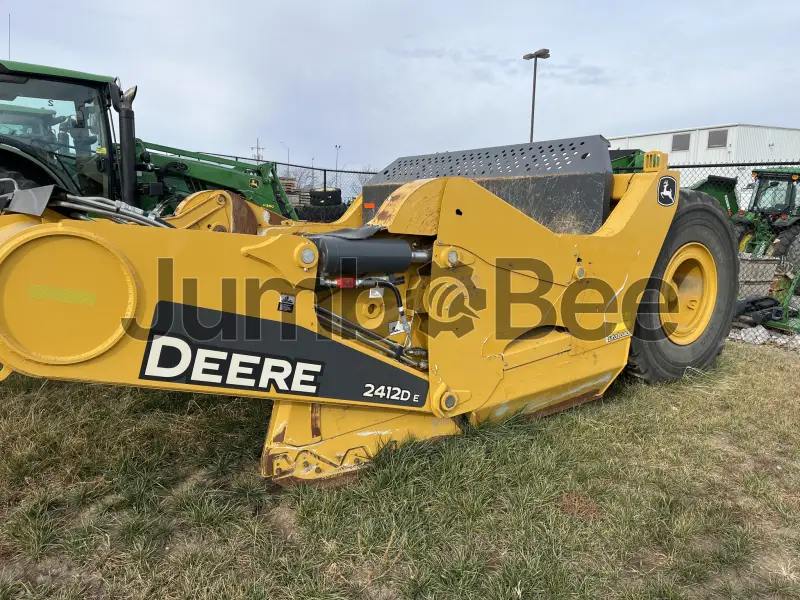
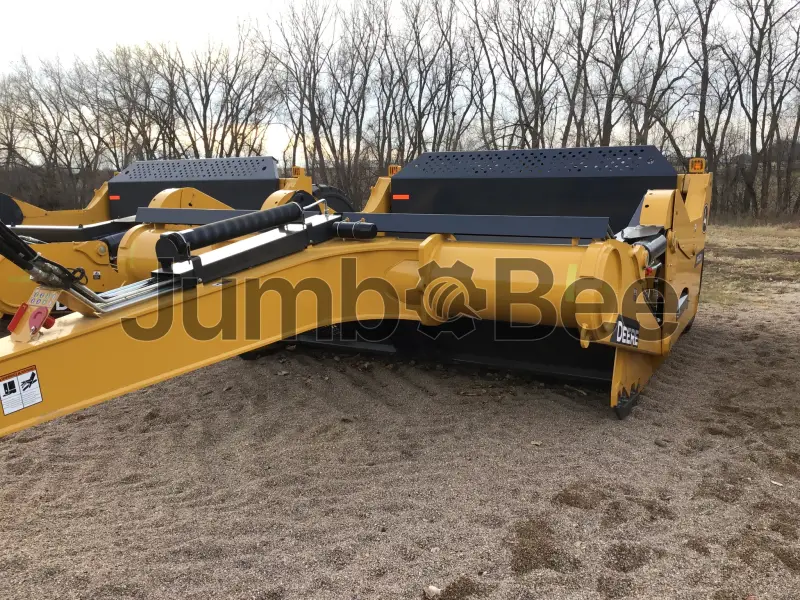
$154,900
16.4 cu(m)
240 hp
11000 kg
1 hours
Gretna, United States
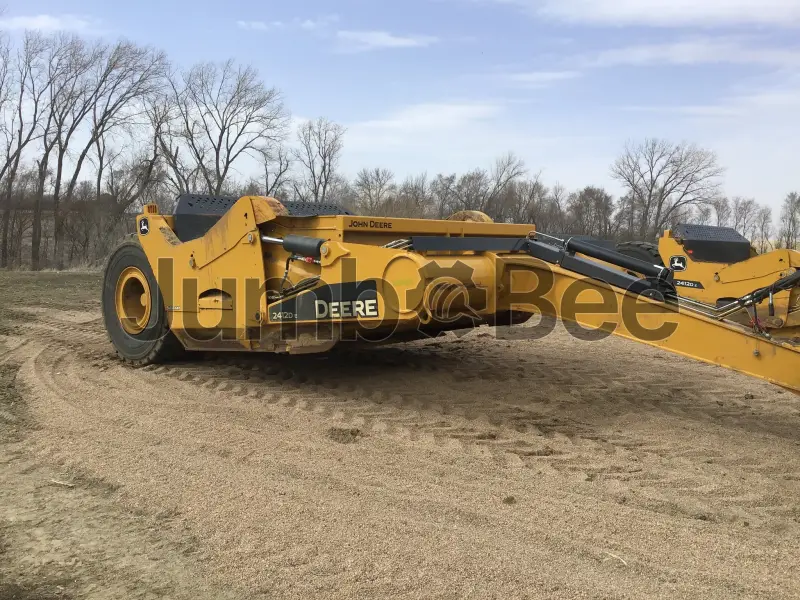
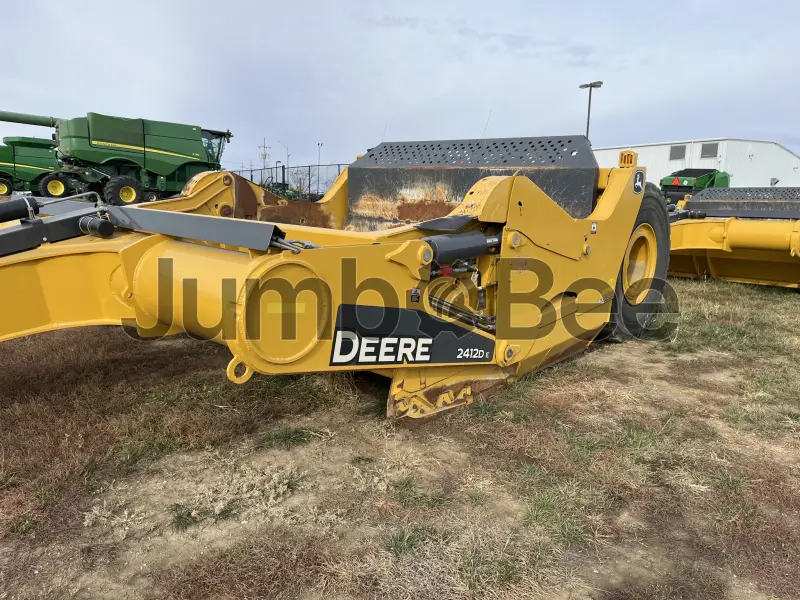
$154,900
16.4 cu(m)
240 hp
Tier 4 Final (EPA)
1 hours
Gretna, United States
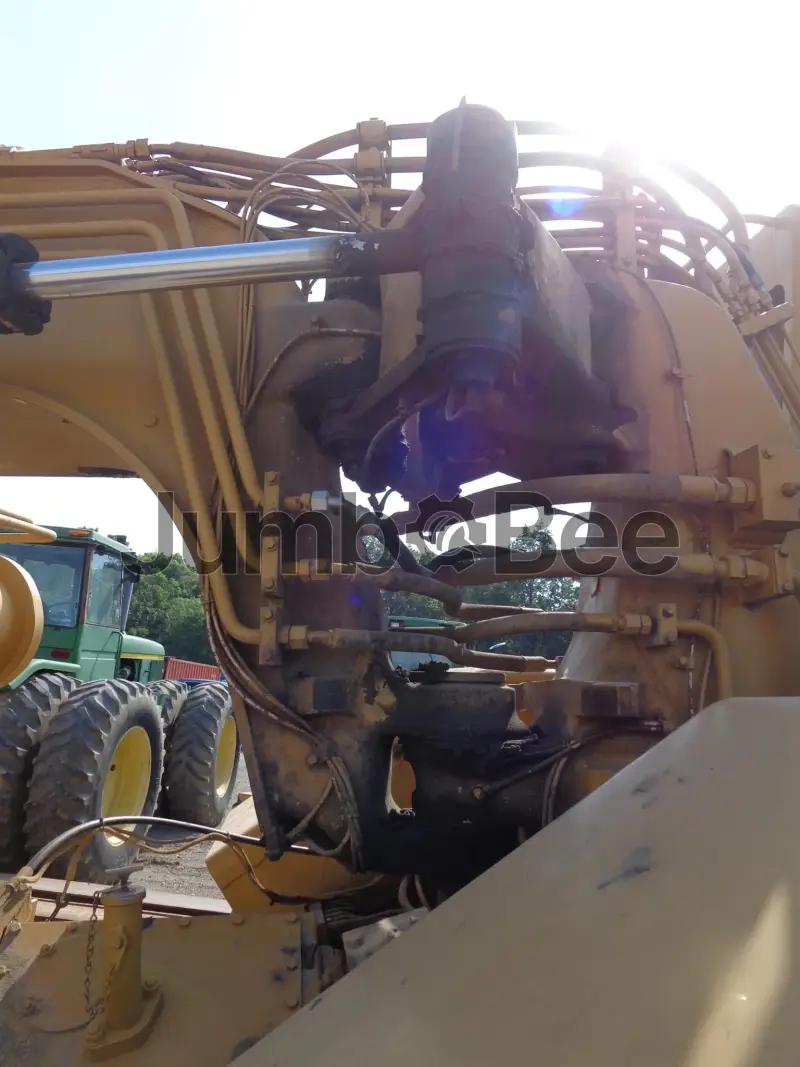
$58,500
13 cu(m)
18506 kg
CAT 3306
4765 hours
Indiana, United States
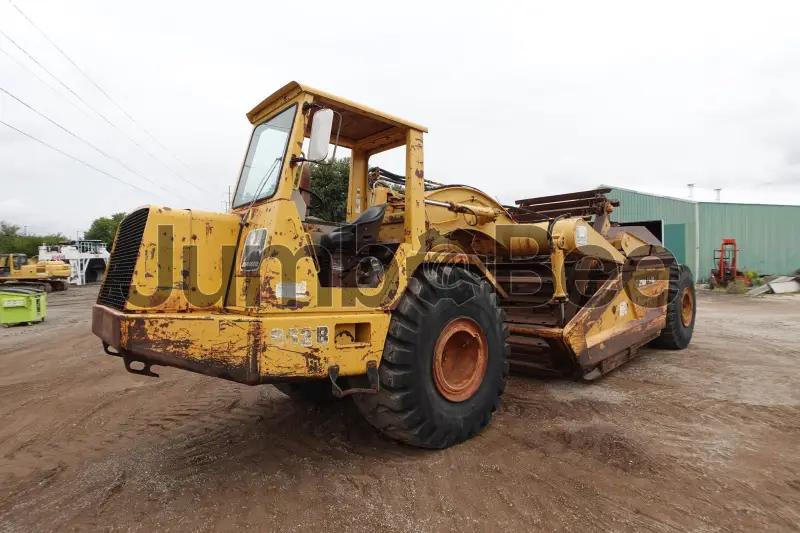

9 scrapers listed right now on JumboBee
Ready to buy? Browse active listings from verified sellers worldwide — filter by manufacturer, year, hours, location, and price. Shipping and compliance support included.
8
John Deere listings
1
Caterpillar listings
Heavy equipment insights from JumboBee
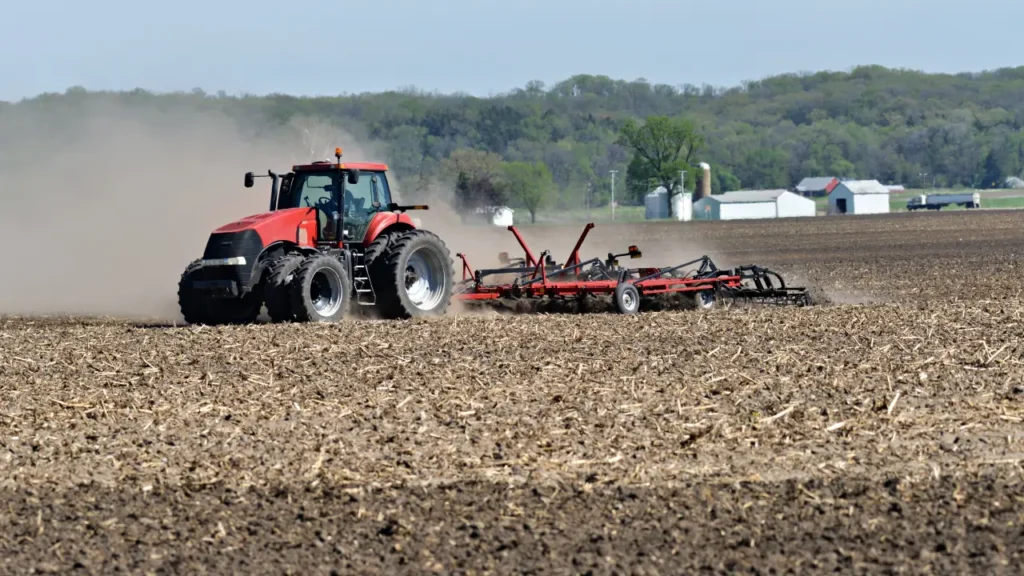
November 23, 2026
Types of Tillage Equipment: How to Choose the Right Implements for Your Farm
Compare tillage implements and learn what to look for when buying used equipment.
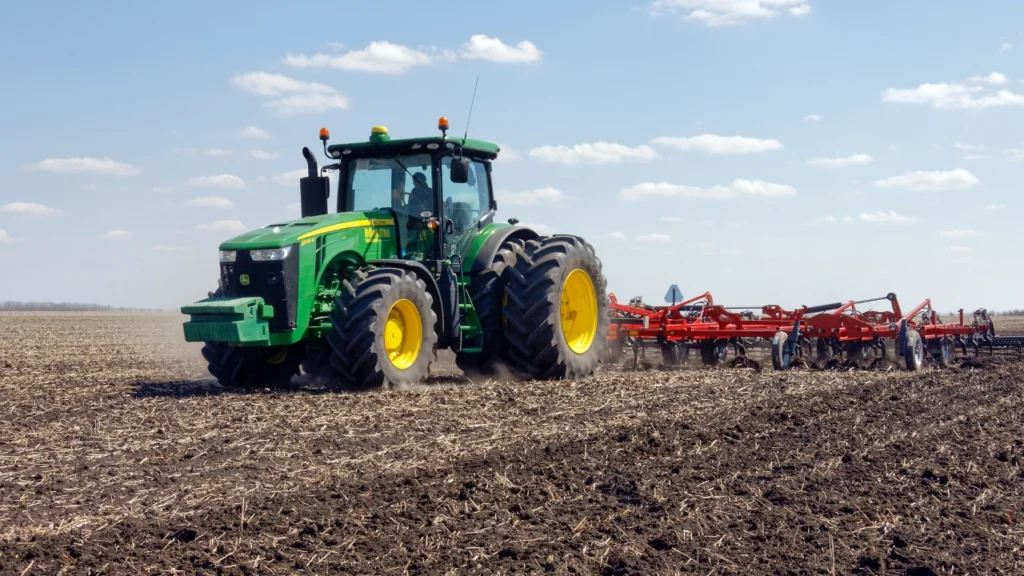
November 20, 2026
Types of Cultivators: What They Are, How They Work and How to Choose
Compare different types of farm cultivators, their uses, and what to look for when buying used.
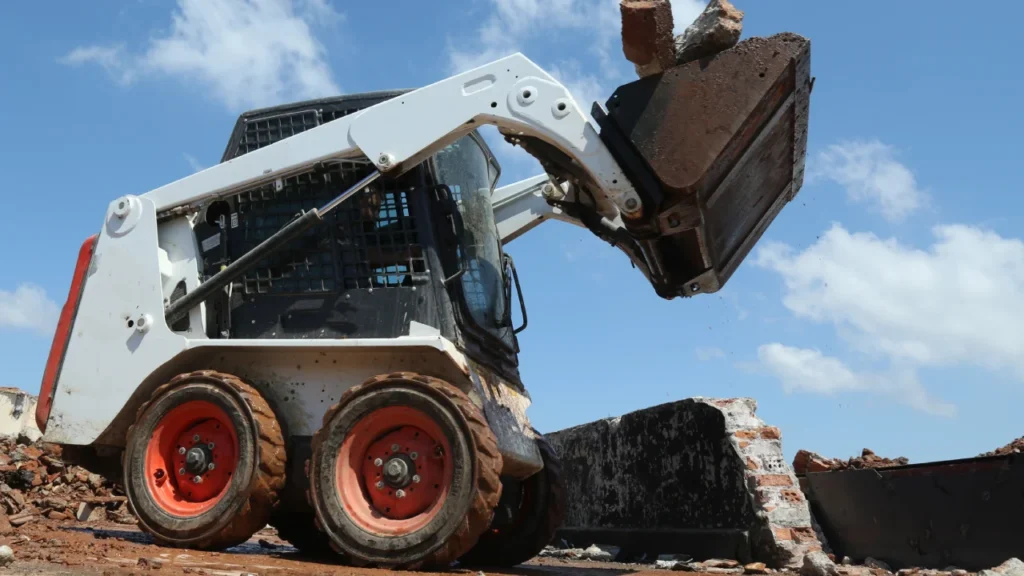
November 9, 2026
Skid Steer Loader Brands Compared: CAT vs Bobcat vs John Deere
A side-by-side comparison of CAT, Bobcat and John Deere skid steers by size class, capacity, power and hydraulics.
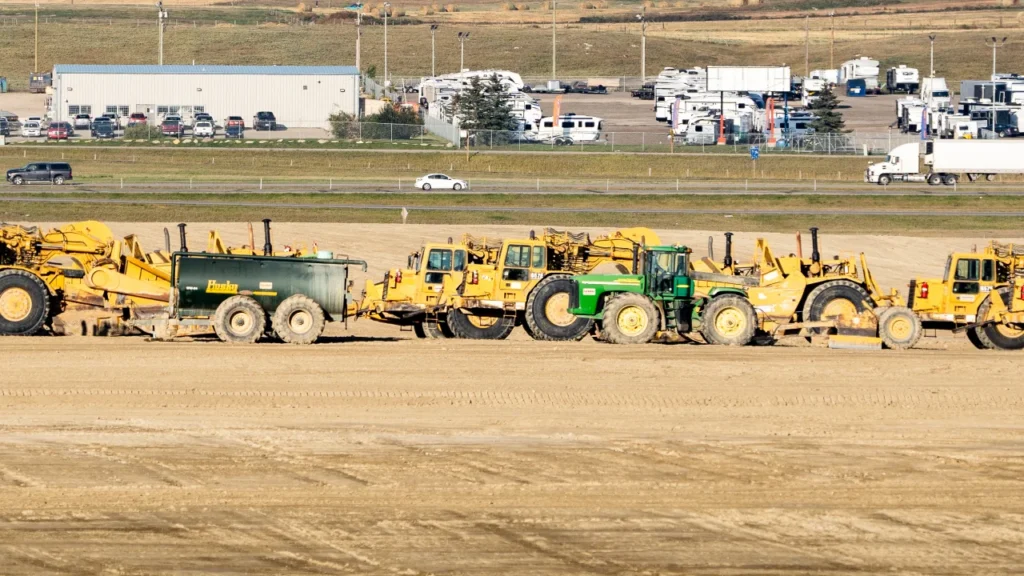
November 2, 2026
Buying & Selling Heavy Equipment in Canada: Market Guide for Global Buyers
This guide explains how the Canadian heavy equipment market works for international buyers and sellers.
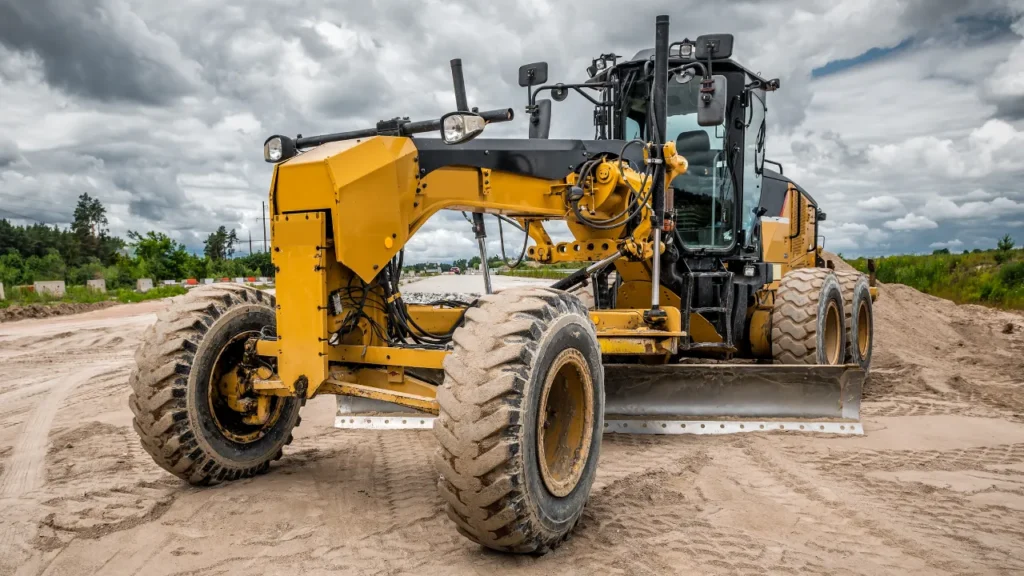
October 9, 2026
Motor Grader Buying Guide: Sizes, Top Brands, and What Contractors Should Look For
This guide helps buyers select the right motor grader for their needs and maximize ROI across construction, mining, and snow removal.
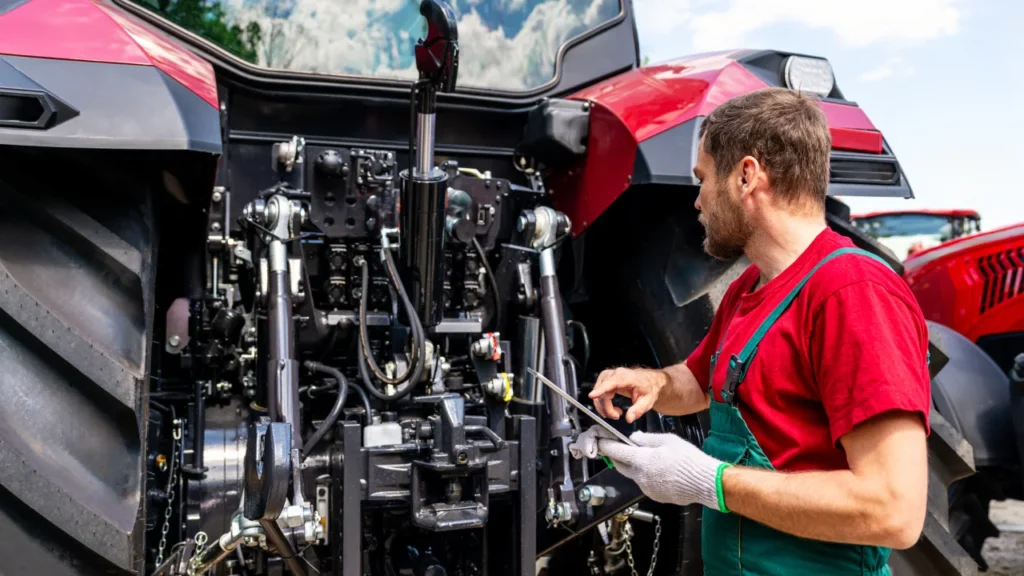
August 25, 2026
Repair, Rebuild or Replace Heavy Equipment: 2026 Cost-Based Decision Guide
This guide provides a mathematical approach to help you decide what to do with your aging machinery in 2026.
Got Questions?
Our FAQ section covers everything from shipping and listing to buying with confidence.
How can I search for a specific scraper model?
Type the model name, series, or manufacturer directly into the search bar at the top of the page. You can also browse from the scraper category page and apply filters for manufacturer and year to narrow results to machines that match your requirements.
Do I need to create an account to browse scraper listings?
No. All listings and model specification pages are open to browse without registering. An account is only required when you want to contact a seller, save a listing, or access additional buyer tools.
What is the difference between a self-propelled and a push-pull scraper?
Self-propelled scrapers carry their own engine and drivetrain, allowing them to load and haul material independently without a push dozer. Push-pull scrapers are towed by a separate tractor or dozer for loading assistance, then carry the load independently during the haul phase. Push-pull systems are typically used in tandem – two scrapers work together, with each machine pushing the other during loading – a configuration that eliminates the need for a dedicated push dozer while still providing the additional tractive effort needed to achieve a full bowl load in one pass. Self-propelled machines are more operationally flexible but carry a higher acquisition and operating cost.
What bowl capacity do I need for my earthmoving operation?
Bowl capacity determines how much material the scraper moves per cycle, which combined with the haul distance and cycle time determines the machine's production rate per shift. Standard motor scrapers operate with bowl capacities from 12 to 34 cubic yards. Matching bowl capacity to haul distance is important: short hauls favor smaller, faster machines that can complete more cycles per shift, while long hauls favor larger bowls that amortize the haul time over more material per cycle. The rule of thumb is that scrapers become less competitive compared to trucks and excavators as haul distance increases beyond approximately 3,000 feet.
What is an elevating scraper and when is it the right choice?
An elevating scraper adds a chain elevator in the bowl that assists loading by mechanically lifting material into the bowl during the cut, rather than relying entirely on the force of the apron and the machine's traction to push material up into the bowl. Elevating scrapers can achieve a full bowl load without push dozer assistance in most soil conditions, making them operationally simpler and more cost-effective on sites where a push dozer would otherwise be required. They are most effective in clean, free-flowing soils and become less efficient in sticky clays or rocky material where the elevator chains are prone to plugging.
What cutting edge and apron condition should I look for on a used scraper?
The cutting edge is the primary wear component on a scraper bowl – it contacts the ground under load on every loading pass and wears progressively. Cutting edge thickness should be measured at multiple points across the full width of the bowl, and any significant wear, chipping, or uneven wear pattern should be factored into the purchase price as a near-term replacement cost. Apron condition – the hinged front panel that closes the bowl during haul – should be checked for structural integrity, hinge pin wear, and hydraulic cylinder function. An apron that does not seal properly during haul loses material en route to the dump point, reducing the effective payload and leaving trails of material on the haul road.
How does haul distance affect scraper productivity?
Scraper productivity is more sensitive to haul distance than almost any other earthmoving machine type because the full machine weight – tractor, bowl, and payload – must be moved the entire haul distance on every cycle. Short hauls of 300 to 1,500 feet are where scrapers deliver their best cost-per-cubic-yard performance compared to excavator-and-truck combinations. As haul distance increases beyond 3,000 feet, the haul time per cycle increases faster than the production rate, and the economics begin to favor truck haulage with stationary loading equipment. Buyers evaluating a used scraper for a specific project should calculate the projected cycle time and production rate at the actual haul distance before committing to the machine size.