Kubota – Tractors, Excavators, Utility Vehicles & More
Browse the complete Kubota model lineup across agriculture, construction, and grounds maintenance equipment. Explore by series and year, compare specifications, and find verified active listings from sellers worldwide.

About Kubota
Kubota built its reputation from the ground up — literally. Starting with cast iron pipes and then farm equipment in late 19th-century Japan, the company spent decades perfecting compact, efficient machinery before most of the world had heard its name. Today, Kubota Corporation is headquartered in Osaka, Japan, and recognized across six continents by its signature orange livery and a product philosophy that has always prioritized doing more with less: less fuel, less footprint, less complexity — without sacrificing the durability that working operators depend on. The current lineup spans compact and utility tractors, sub-compact excavators, wheel loaders, skid steer loaders, and utility vehicles, alongside a growing range of precision agriculture tools and autonomous field equipment currently in active development. Kubota occupies a distinctive position in the market — the brand that professional landscapers, small-scale farmers, orchardists, and municipal contractors reach for when a full-size machine is more than the job requires and a consumer-grade product isn't nearly enough. Equipment is sold in over 110 countries through a dealer network built around the same accessibility and parts availability that has defined the brand since it first entered North America in the 1970s.
Founded
1890
Headquarter
Osaka, Japan
Categories
5
Models in database
48
Active listings
11Browse Kubota by category
All equipment categories Kubota manufactures, with model counts per segment.
Tractors
Loaders
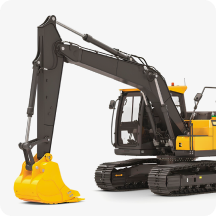
Excavators
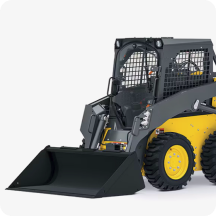
Skid Steer Loaders

Balers
Popular Kubota models
Most viewed and most listed Kubota equipment on JumboBee this month.
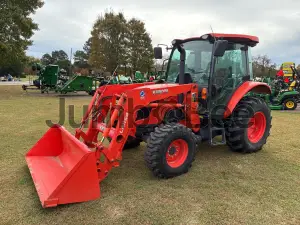
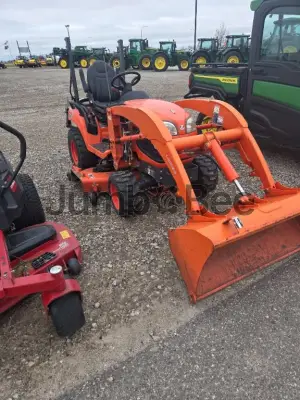
2013 Kubota BX2670 Compact Utility Tractors
2425.7 mm × 1130 mm × 2214.88 mm
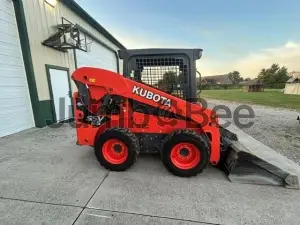
2023 Kubota SSV65 Skid Steer Loaders
3220 kg
3439 mm × 1753 mm × 2029 mm
11 Kubota units listed right now
Ready to buy a Kubota? Browse active listings from verified sellers worldwide — filter by series, year, hours, and location. Financing and global shipping supported.
7
Tractors
2
Loaders
1
Excavators
1
Skid Steer Loaders
Heavy equipment insights from JumboBee
November 20, 2026
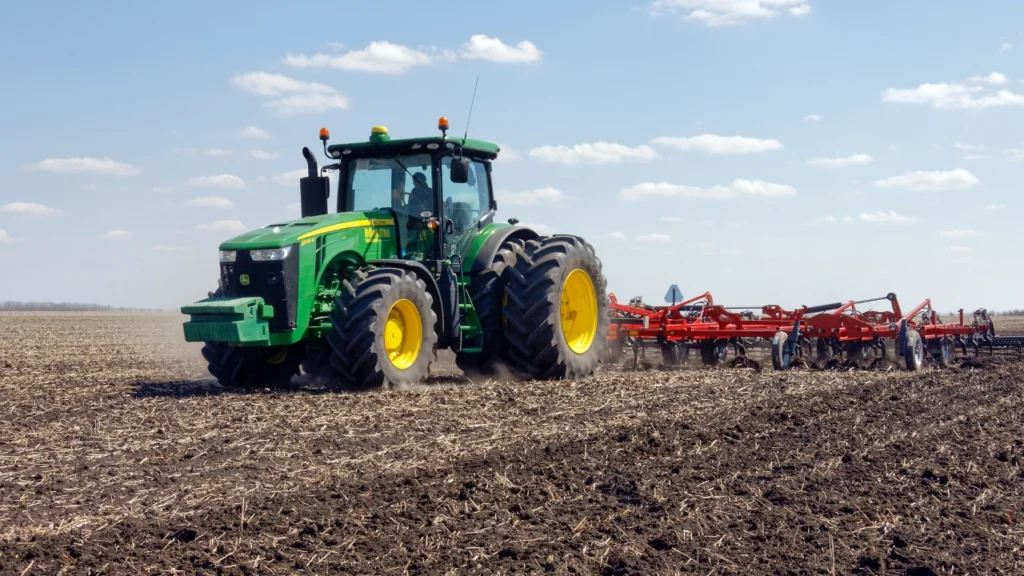
Types of Cultivators: What They Are, How They Work and How to Choose
Compare different types of farm cultivators, their uses, and what to look for when buying used.
November 9, 2026
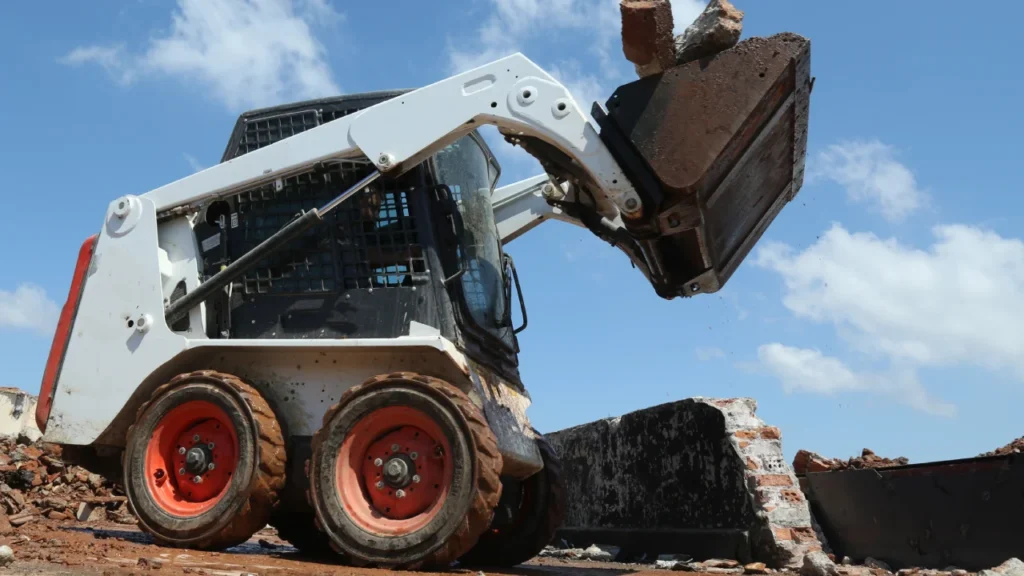
Skid Steer Loader Brands Compared: CAT vs Bobcat vs John Deere
A side-by-side comparison of CAT, Bobcat and John Deere skid steers by size class, capacity, power and hydraulics.
October 23, 2026
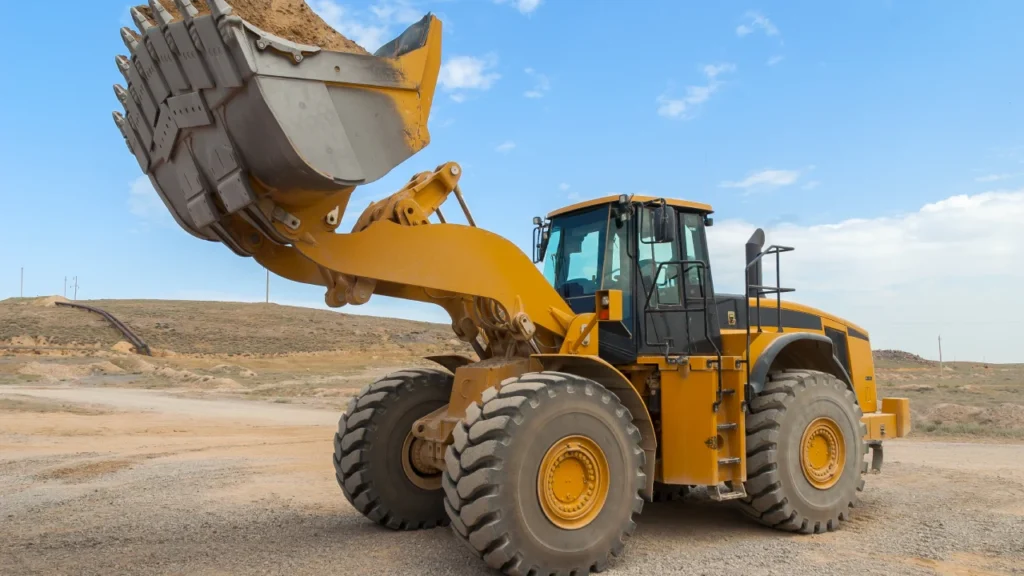
Wheel Loader Attachments Guide: Buckets, Forks, Grapples, and More
This guide breaks down how to select the right wheel loader attachments.
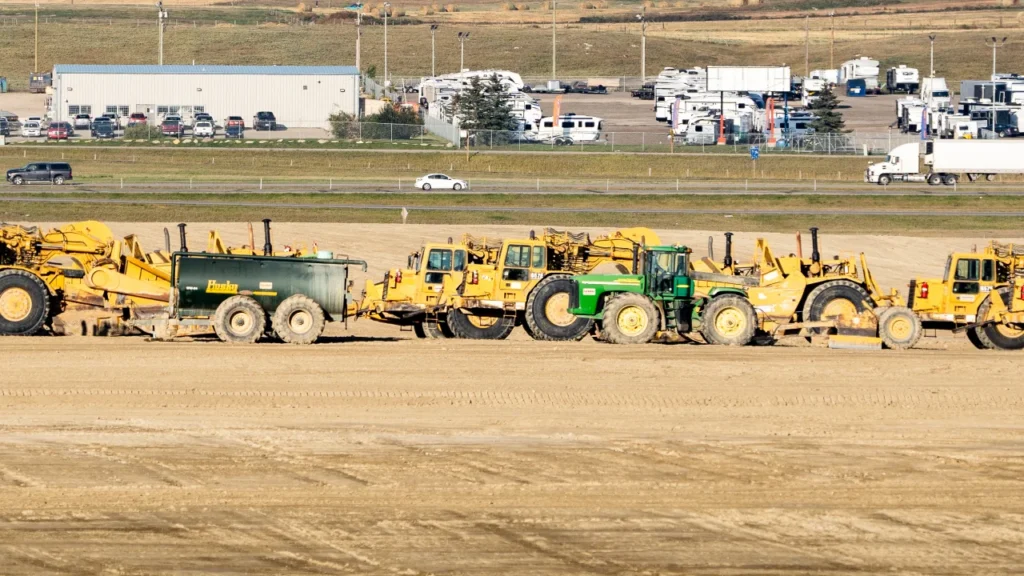
November 2, 2026
Buying & Selling Heavy Equipment in Canada: Market Guide for Global Buyers
This guide explains how the Canadian heavy equipment market works for international buyers and sellers.
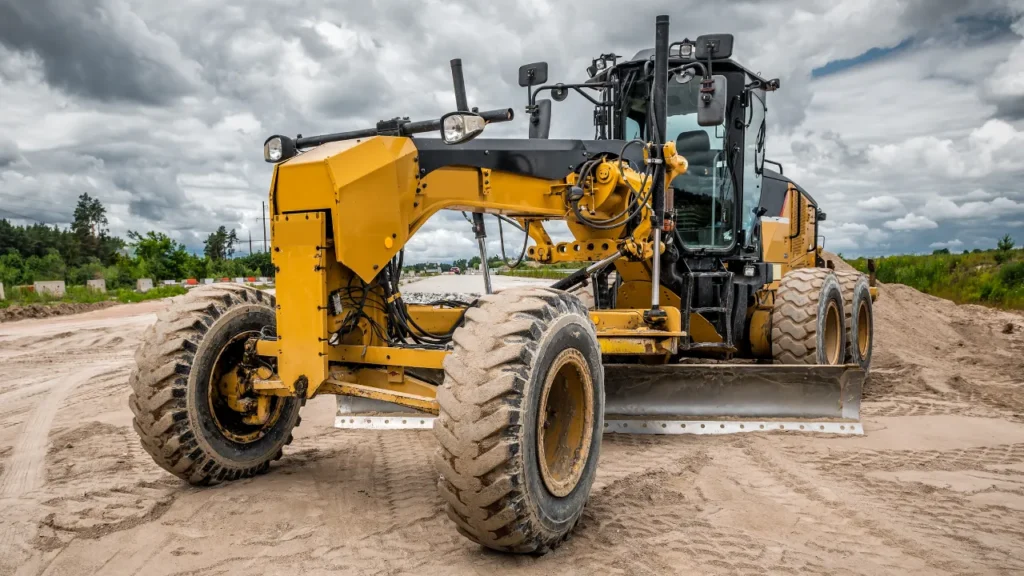
October 9, 2026
Motor Grader Buying Guide: Sizes, Top Brands, and What Contractors Should Look For
This guide helps buyers select the right motor grader for their needs and maximize ROI across construction, mining, and snow removal.
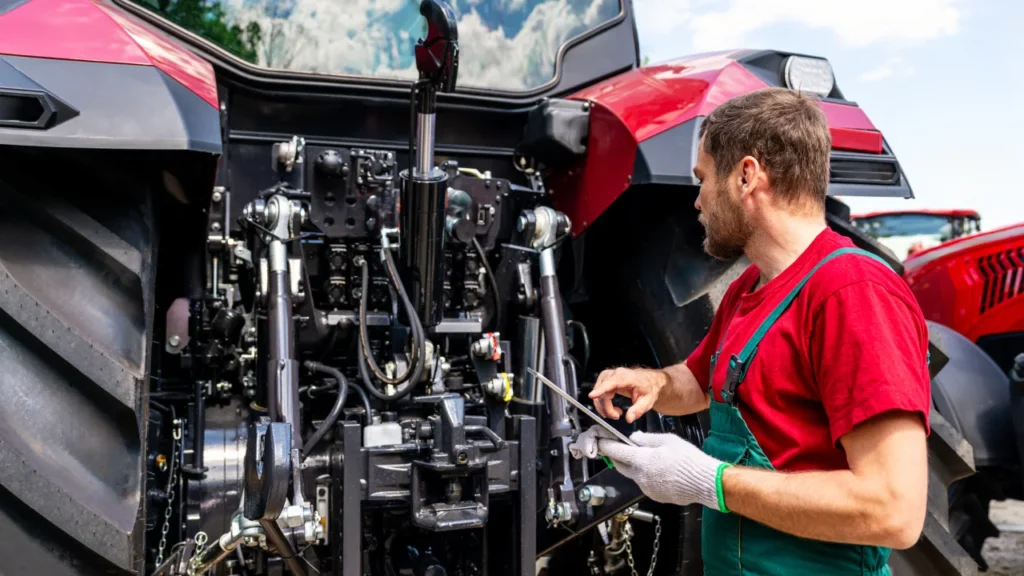
August 25, 2026
Repair, Rebuild or Replace Heavy Equipment: 2026 Cost-Based Decision Guide
This guide provides a mathematical approach to help you decide what to do with your aging machinery in 2026.
Got Questions?
Our FAQ section covers everything from shipping and listing to buying with confidence.
What is the average price of a Kubota machine?
Kubota's price range is broader than many buyers expect. Compact utility tractors and older sub-compact excavators start from around $10,000 on the used market, while late-model mid-range tractors, larger excavators, and well-equipped skid steers can run from $40,000 to $90,000 or more depending on hours, configuration, and condition. Kubota machines have a strong reputation for longevity in the compact segment, which keeps resale values firm — a low-hour Kubota tractor or excavator from a reputable seller will rarely go cheap, because buyers who know the brand understand what they're getting.
How can I search for a specific Kubota model?
Type the model name or series directly into the search bar, or start from the Kubota manufacturer page and filter by category. From there you can narrow results by year, hours, location, and asking price to focus on machines that match your requirements.
Do I need to create an account to browse Kubota listings?
No. All listings and model pages are open to browse without an account. You'll only need to register when you're ready to contact a seller, save a listing, or use the platform's buyer tools.
Does the platform provide pricing or valuation guidance for Kubota equipment?
JumboBee reflects live market activity — active listings and sold machines give you a current picture of where Kubota prices are sitting across categories and model years. The compact equipment segment trades actively on the platform, so you'll typically find enough comparable listings to get a reliable read on market value before you approach a seller.
What year was Kubota founded, and are they still in production?
Kubota Corporation was founded in 1890 in Osaka, Japan, initially producing cast iron goods before pivoting to agricultural equipment in the early 20th century. The company entered the North American market in 1969 with a compact tractor that redefined what small-scale professional equipment could do — and effectively created a new category in the process. Kubota remains in full production today, with manufacturing facilities across Japan, the United States, France, and China, and new model generations releasing regularly across all major categories.
What engine technology does Kubota use in its machines?
Kubota designs and manufactures its own engines — a point of genuine competitive pride for the brand, and one of the main reasons its machines carry the resale values they do. Kubota diesel engines are engineered specifically around the compact equipment applications the brand serves: they prioritize low-end torque, thermal efficiency at varying loads, and long service intervals that reduce downtime in professional use. Current production meets Tier 4 Final standards in North America and Stage V in Europe, and Kubota has been investing in hybrid and electric powertrain development for its compact equipment lineup with working prototypes already in field trials.
What transmission options are available for Kubota equipment?
Kubota offers a range of transmission configurations tuned to the way its machines are actually used. Tractors are available with Glide Shift transmission for smooth shuttle shifting, Hydrostatic transmission for operators who need precise ground speed control in close-quarters work like loader operation or orchard management, and the HST Plus system on larger models which adds a mechanical range selector for improved efficiency at higher speeds. Excavators use pilot-controlled hydraulic swing and travel systems designed for responsive, fatigue-reducing operation over long working days. The overall philosophy across the lineup is ease of use without sacrificing control — which is why Kubota remains a first choice for operators who spend full days in the cab.
What is the fuel efficiency of Kubota equipment?
Kubota has always treated fuel efficiency as a core engineering priority rather than a marketing point — the brand's original North American success was partly built on compact machines that cost significantly less to run than the domestic alternatives of the time. Current models feature Kubota's Intelligent Boost Control system on larger tractors, which delivers additional torque under load without a proportional increase in fuel consumption. On excavators, auto-idle and economy mode systems reduce engine speed during pauses in work cycles, adding up to meaningful fuel savings over a full shift. For used equipment evaluation, Kubota's reputation for consistent mechanical condition means hour meter readings are a reliable guide — a well-maintained example will typically perform close to factory fuel consumption figures long into its working life.