Fendt – Tractors, Combines, Sprayers & More
Browse the complete Fendt model lineup across precision agriculture, harvesting, and hay equipment. Explore by series and year, compare specifications, and find verified active listings from sellers worldwide.
About Fendt
Fendt occupies a position in agriculture that very few equipment brands achieve: it is simultaneously a mainstream manufacturer with global distribution and a premium product that operators actively aspire to own. The brand commands higher prices than almost any competitor across equivalent horsepower classes — not through marketing, but because farmers who have run Fendt tractors tend to keep buying them. That loyalty is built on a combination of engineering precision, operator comfort, and a continuously variable transmission system that Fendt pioneered decades before the rest of the industry caught up.
Founded
1930
Headquarter
Marktoberdorf, Bavaria, Germany
Categories
5
Models in database
29
Active listings
3Browse Fendt by category
All equipment categories Fendt manufactures, with model counts per segment.
Combines
No image
Self-Propelled Sprayers
No image
Tracked Tractors (2 Tracks)
No image
Row Crop Tractors
No image
Wheeled Tractors (Vineyard)
Popular Fendt models
Most viewed and most listed Fendt equipment on JumboBee this month.
3 Fendt units listed right now
Ready to buy a Fendt? Browse active listings from verified sellers worldwide — filter by series, year, hours, and location. Financing and global shipping supported.
1
Combines
1
Tracked Tractors (2 Tracks)
1
Self-Propelled Sprayers
Heavy equipment insights from JumboBee
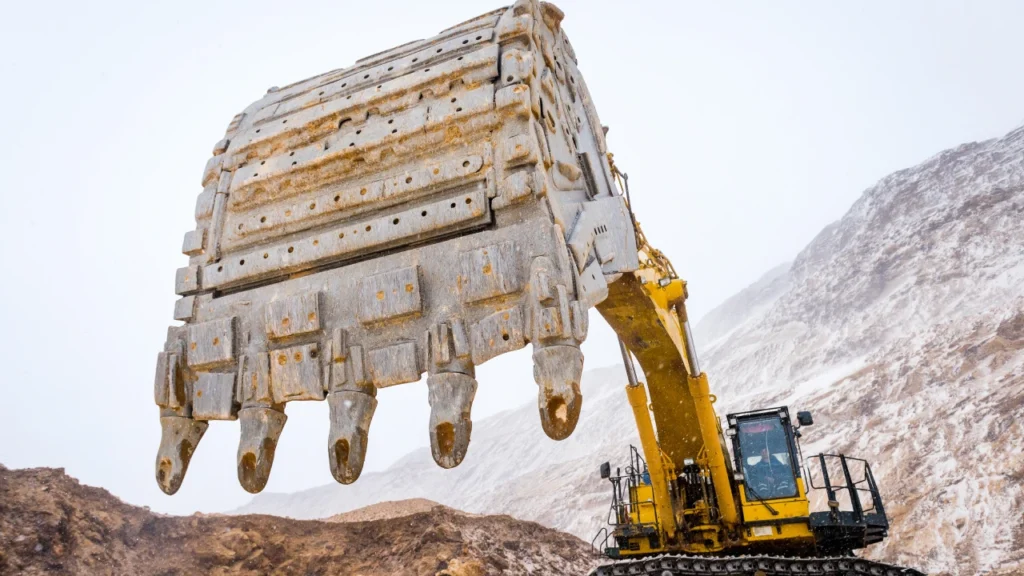
October 5, 2026
How to Choose the Right Excavator Bucket: Types, Sizes, and Contractor Buying Guide
This guide covers excavator bucket types, capacities, compatibility, and how to choose the right bucket for your jobsite.
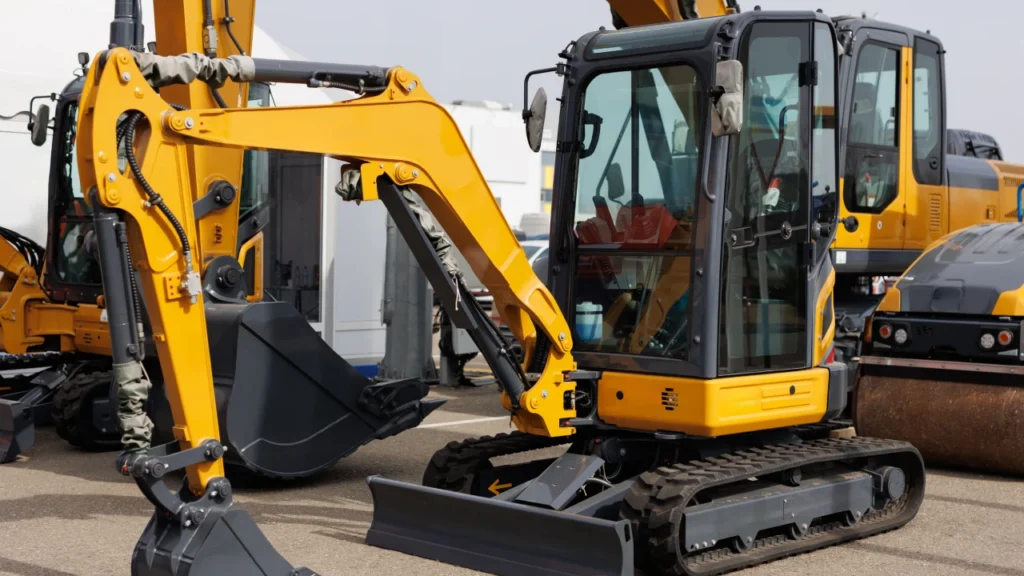
September 28, 2026
Mini Excavator Buying Guide 2026: Best Models, Sizes and How to Choose
This guide breaks down everything you need to know about compact earthmoving equipment.
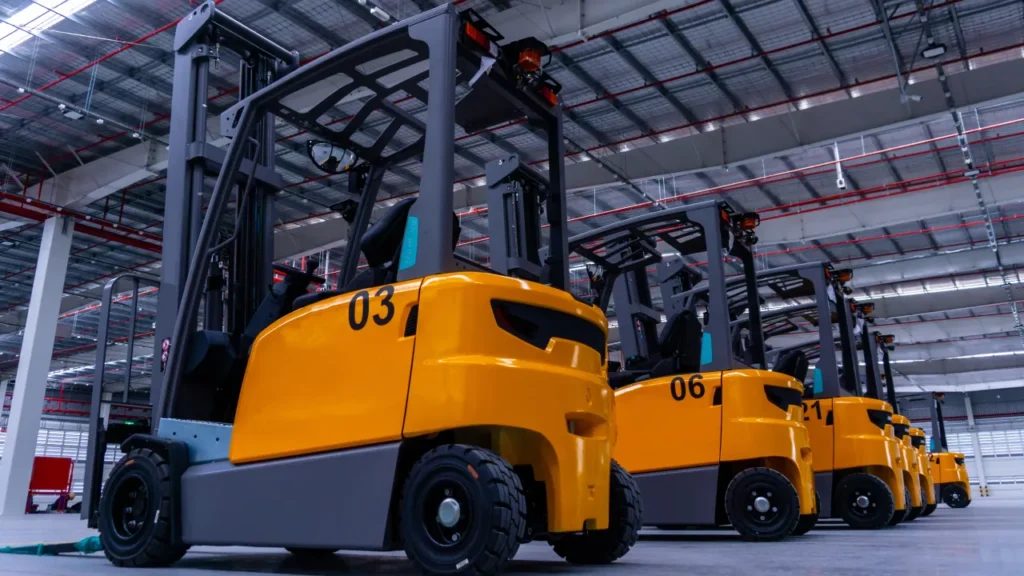
September 21, 2026
Types of Forklifts: Complete Guide to Classes, Uses, and Applications
This guide covers official forklift classes, physical machine variations, and load capacities.
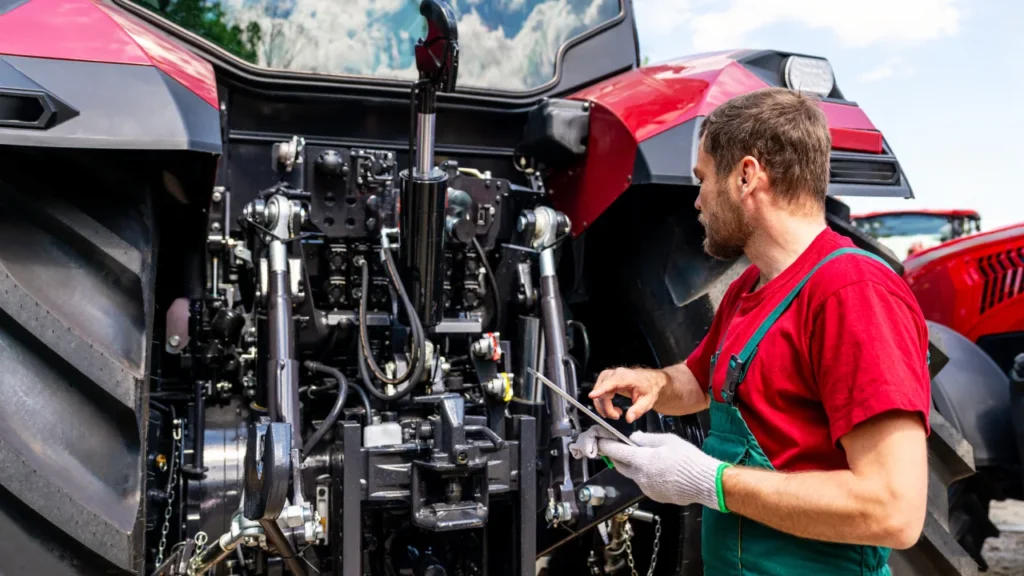
August 25, 2026
Repair, Rebuild or Replace Heavy Equipment: 2026 Cost-Based Decision Guide
This guide provides a mathematical approach to help you decide what to do with your aging machinery in 2026.

July 31, 2026
How to Inspect Used Heavy Equipment Remotely: Practical Checklist for International Buyers
This article provides a practical, step-by-step guide for evaluating machinery without physical access.
July 10, 2026
New vs Used Heavy Equipment in 2026: Cost, Risk, ROI & When Each Option Wins
This guide explores new vs. used machinery investments, from costs and risks to financing and ROI.
Got Questions?
Our FAQ section covers everything from shipping and listing to buying with confidence.
What is the average price of a Fendt machine?
Fendt sits at the top of the used tractor market on a price-per-horsepower basis, and the gap to competing brands is real and consistent. Compact and lower-horsepower Fendt tractors in the 200 and 300 Vario series typically start from $40,000 on the used market for older examples, rising to $120,000 or more for recent, low-hour units in clean condition. Mid-range 700 series tractors — the brand's highest-volume segment and the one with the deepest used market liquidity — commonly run from $80,000 to $250,000 depending on year, hours, and specification. High-horsepower 900 series and Vario 1000 machines push from $200,000 to well over $400,000 for late-model examples. IDEAL-series combines from Fendt, shared with the broader AGCO platform, typically sit between $250,000 and $600,000 in good working condition. The premium is durable: Fendt machines hold their value more consistently than most agricultural brands, and a well-maintained example with service history commands a meaningful price advantage over a comparable unit without documentation.
How can I search for a specific Fendt model?
Type the model name or series directly into the search bar, or start from the Fendt manufacturer page and filter by category. From there you can narrow results by year, hours, location, and asking price to focus on machines that match your requirements.
Do I need to create an account to browse Fendt listings?
No. All listings and model pages are open to browse without an account. You'll only need to register when you're ready to contact a seller, save a listing, or use the platform's buyer tools.
Does the platform provide pricing or valuation guidance for Fendt equipment?
JumboBee reflects live market activity — active listings and sold machines give you a current picture of where Fendt prices are sitting across series and model years. The brand's export growth over the past decade has increased its listing volume on the platform meaningfully, particularly in the 700 and 900 Vario series, which means price data is now typically deep enough to give buyers a reliable reference point before they open a negotiation with a seller.
What year was Fendt founded, and are they still in production?
Fendt was founded in 1930 by Xaver Fendt in Marktoberdorf, Bavaria, initially producing threshing machines and simple agricultural equipment before completing its first tractor prototype in 1937. The company remained family-owned and Bavaria-based through the postwar decades, building a reputation for engineering innovation that culminated in the launch of the Fendt Favorit Vario in 1996 — the world's first continuously variable tractor transmission to reach series production, a development that set the direction for the entire industry in the years that followed. AGCO acquired Fendt in 1997, drawn by the technology and the brand's premium market position. Manufacturing has remained centered in Marktoberdorf ever since, and Fendt continues in full production today with new series generations releasing regularly and an engineering development program that remains one of the most active in the agricultural equipment sector.
What engine technology does Fendt use in its machines?
Fendt sources engines from MAN — part of the Volkswagen Group — for its current tractor lineup, a supply relationship that gives the brand access to powerplants developed and refined across truck, bus, and industrial applications at a scale of investment no agricultural equipment manufacturer could match independently. MAN engines fitted in Fendt tractors are known for exceptional torque curves, low noise levels, and long service intervals that reduce downtime during critical field seasons. Current production meets Stage V emissions standards in Europe and Tier 4 Final in North America. Fendt has also been investing in alternative powertrain development — the e100 Vario electric tractor is in production for specialty applications, and the brand has announced hydrogen tractor development as part of AGCO's broader decarbonization roadmap.
What transmission options are available for Fendt equipment?
The Vario continuously variable transmission is not an option on Fendt tractors — it is the standard, fitted across the entire lineup without exception. That consistency is deliberate and reflects the brand's conviction, established since 1996, that CVT is simply the correct transmission architecture for agricultural work. The Vario system delivers stepless speed control from near-zero to full transport speed, allowing the engine to operate at its most efficient RPM regardless of ground speed — a combination that reduces fuel consumption, operator fatigue, and mechanical stress simultaneously. What changes across the series is the sophistication of the control system layered on top: higher series tractors add automated headland management, Section Control integration, and implement-specific transmission programs that reduce the number of manual adjustments an operator needs to make during a working day to close to zero.
What is the fuel efficiency of Fendt equipment?
Fuel efficiency is one of the measurable areas where Fendt's engineering investment translates directly into operational cost advantage. The Vario CVT's ability to keep the engine in its optimal efficiency band regardless of field conditions is the foundation — but Fendt builds further on this through its VarioDoc telematics system, which tracks fuel consumption per field operation, compares performance across machine fleet members, and generates reports that give farm managers genuine visibility into where fuel is being spent and where it isn't. Fendt's VarioDrive four-wheel drive management system, available on current 900 series machines, further reduces consumption by automatically adjusting front axle drive engagement to match traction demand rather than running permanently engaged. When evaluating a used Fendt, VarioDoc historical data — where the previous owner has maintained access — is the most reliable source of real-world consumption information available, and a seller who can provide it is demonstrating a level of machine care that is itself a quality signal worth weighing in the purchase decision.