Fendt IDEAL 8 Combines
FENDT IDEAL 8




5+
sold in last yearGeneral overview
The Fendt IDEAL 8 is a wheel combine harvester for grain harvest operations. Produced in Germany from 2019 to 2024, it is powered by a diesel engine with 395 kW (538 hp) engine power, 12.5 L (765 cu in) displacement, and Tier 4F emissions. It is built for field crop work.
The model uses a proportional rotor separator and combines a 12,500 L (3,302 US gal) grain tank with a peak unloading rate of 140 L/s (2,219 gpm). A 1,250 L (330 US gal) fuel tank, 1.92 m² (20.7 sq ft) separating area, and 4.9 m² (52.7 sq ft) sieve area describe its harvest-capacity setup for grain harvesting.
Year
2019, 2020, 2021, 2022, 2023, 2024
Country of manufacturing
Germany
General specifications
Dimensions
Width
Height
Length
Weight
3,490 mm
~137.4 in
3,990 mm
~157.1 in
9,126 mm
~359.3 in
17,800 kg
~39,242.3 lb
Engine Power
538 hp
Emission standard level
Tier 4F
Grain tank size
12,500 L
Peak unloading rate
140 L/sec
Additional specifications
Engine type
Diesel
Displacement
765 cu(in)
Fuel tank
1,250 L
Type of propulsion
Wheel
Separator type
Proportional rotor
Separating area
1.92 sq(m)
Sieve area
4.9 sq(m)
Unloading rate
140 L/sec
Rated power
470 hp
Fendt IDEAL 8 Combines Listings
Looking for Fendt IDEAL 8 Combines?
See similar listingsCompare Fendt IDEAL 8 Combine to other combines
Not sure which equipment to choose? Use our comparison tool to easily compare equipment side by side based on key features.
Add model
Add model
No reviews yet
Be the first to review this model.
Leave a review. Get a promo code
Leave a review and receive a promo code for your next purchase.
No questions yet
Be the first to ask a question about this model and help other buyers learn more.
Heavy equipment insights from JumboBee
October 5, 2026
How to Choose the Right Excavator Bucket: Types, Sizes, and Contractor Buying Guide
This guide covers excavator bucket types, capacities, compatibility, and how to choose the right bucket for your jobsite.
September 28, 2026
Mini Excavator Buying Guide 2026: Best Models, Sizes and How to Choose
This guide breaks down everything you need to know about compact earthmoving equipment.
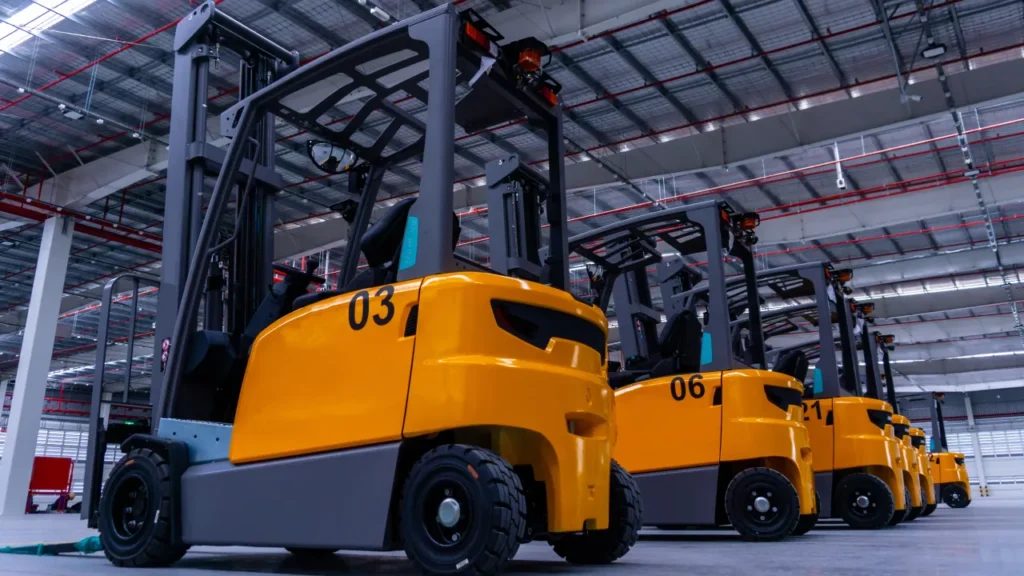
September 21, 2026
Types of Forklifts: Complete Guide to Classes, Uses, and Applications
This guide covers official forklift classes, physical machine variations, and load capacities.
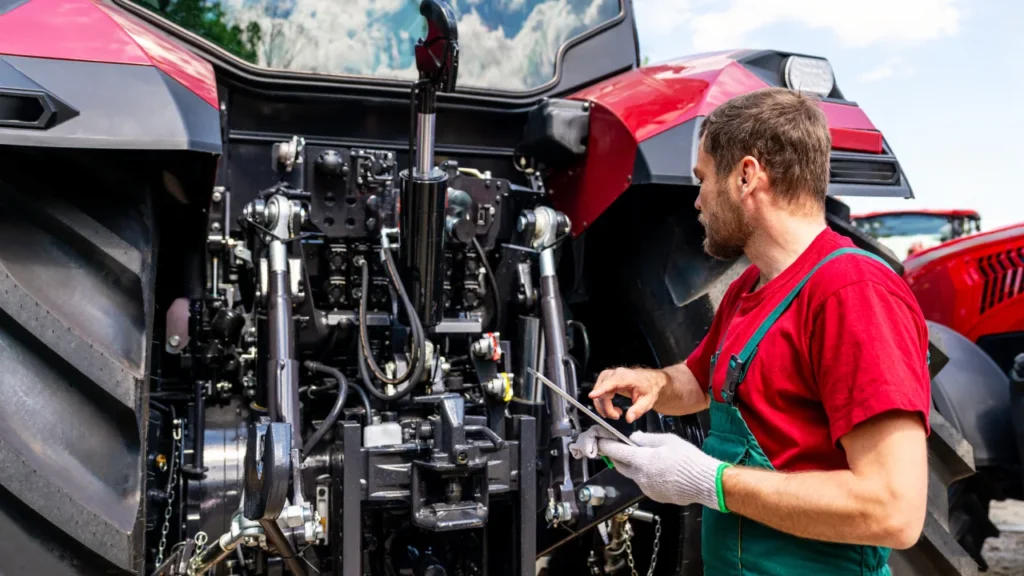
August 25, 2026
Repair, Rebuild or Replace Heavy Equipment: 2026 Cost-Based Decision Guide
This guide provides a mathematical approach to help you decide what to do with your aging machinery in 2026.
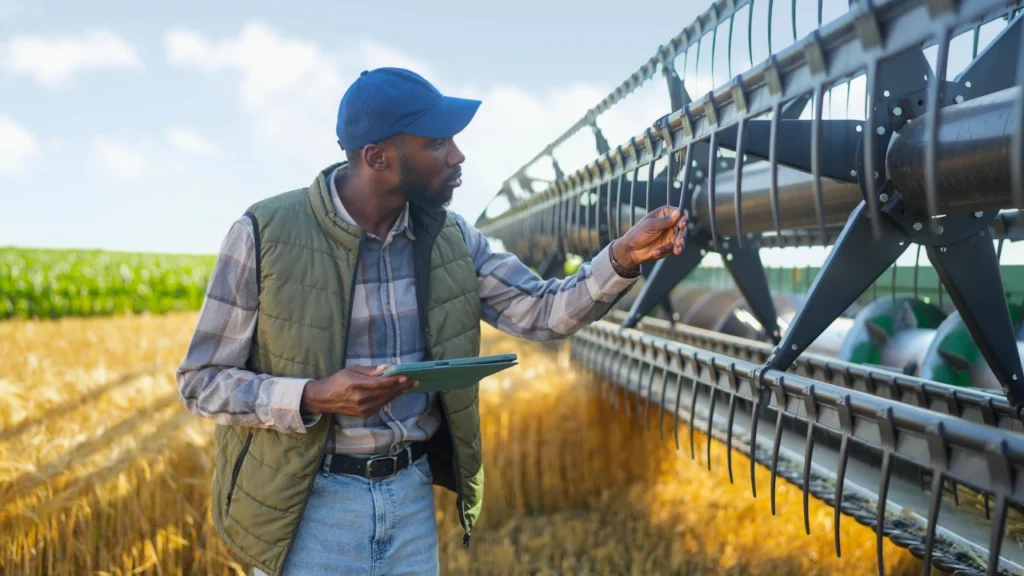
July 31, 2026
How to Inspect Used Heavy Equipment Remotely: Practical Checklist for International Buyers
This article provides a practical, step-by-step guide for evaluating machinery without physical access.
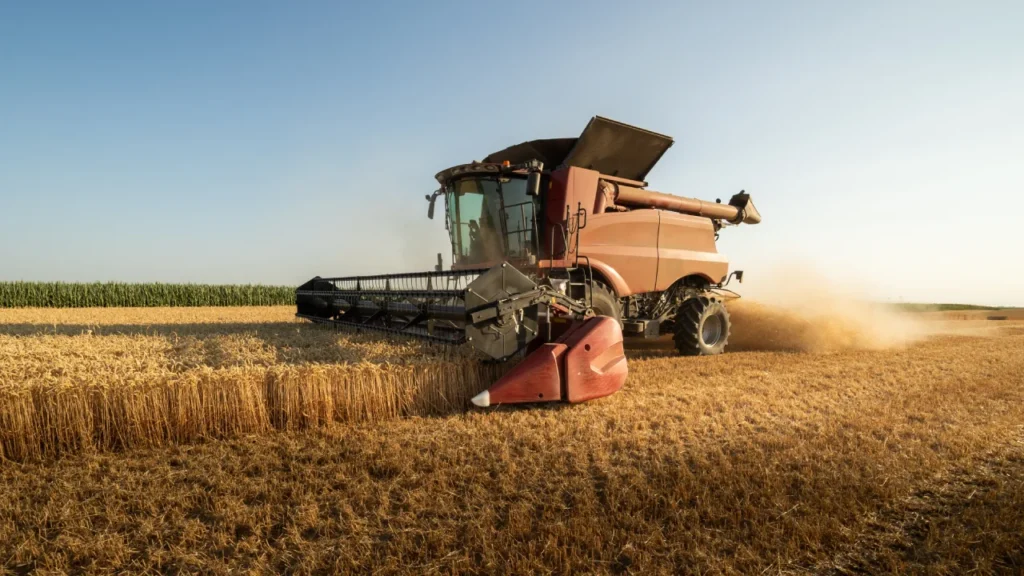
July 10, 2026
New vs Used Heavy Equipment in 2026: Cost, Risk, ROI & When Each Option Wins
This guide explores new vs. used machinery investments, from costs and risks to financing and ROI.
Got Questions?
Our FAQ section covers everything from shipping and listing to buying with confidence.
Can't find what you're looking for?
Sign up and talk to an expert.
Most popular
What is the average price of a Fendt IDEAL 8?
No confirmed market price is supplied. Check current listings and compare the machine’s condition, location, and configuration.
What are the key advantages of the Fendt IDEAL 8?
Listed features include a 12,500 L grain tank, 140 L/s unloading rate, proportional rotor separator, 1.92 m² separating area, and 4.9 m² sieve area.
What type of engine does the IDEAL 8 use?
The IDEAL 8 uses a Diesel engine.
How much horsepower does the IDEAL 8 have?
The IDEAL 8 has 538 hp engine power and 470 hp rated power.
What fuel does the Fendt IDEAL 8 use?
The Fendt IDEAL 8 uses Diesel fuel.
What jobs is this Combines best suited for?
The supplied data does not specify particular crops or applications. Its listed grain tank, unloading rate, and proportional rotor separator are relevant factors when matching it to harvesting requirements.
What is the expected lifespan of the IDEAL 8?
The supplied data does not confirm an expected service life. Inspect maintenance records, operating hours, wear components, engine condition, and harvesting systems before purchase.
What should a buyer check when purchasing a used Combines?
Check service records, operating hours, engine condition, grain tank and unloading system operation, separator and sieve wear, fuel system condition, tires, and signs of leaks or damage.