Claas 750TT Combines
Claas 750TT
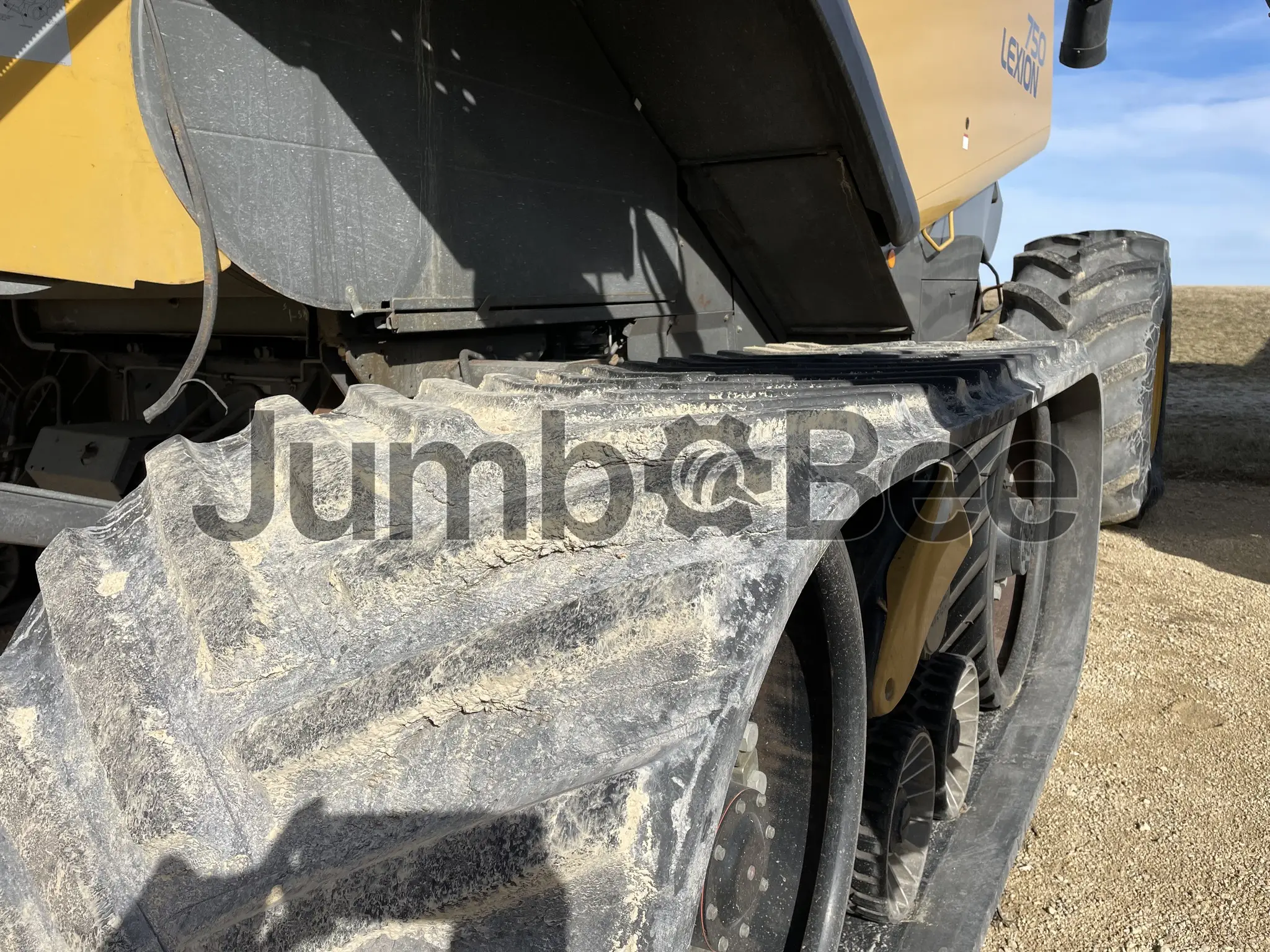
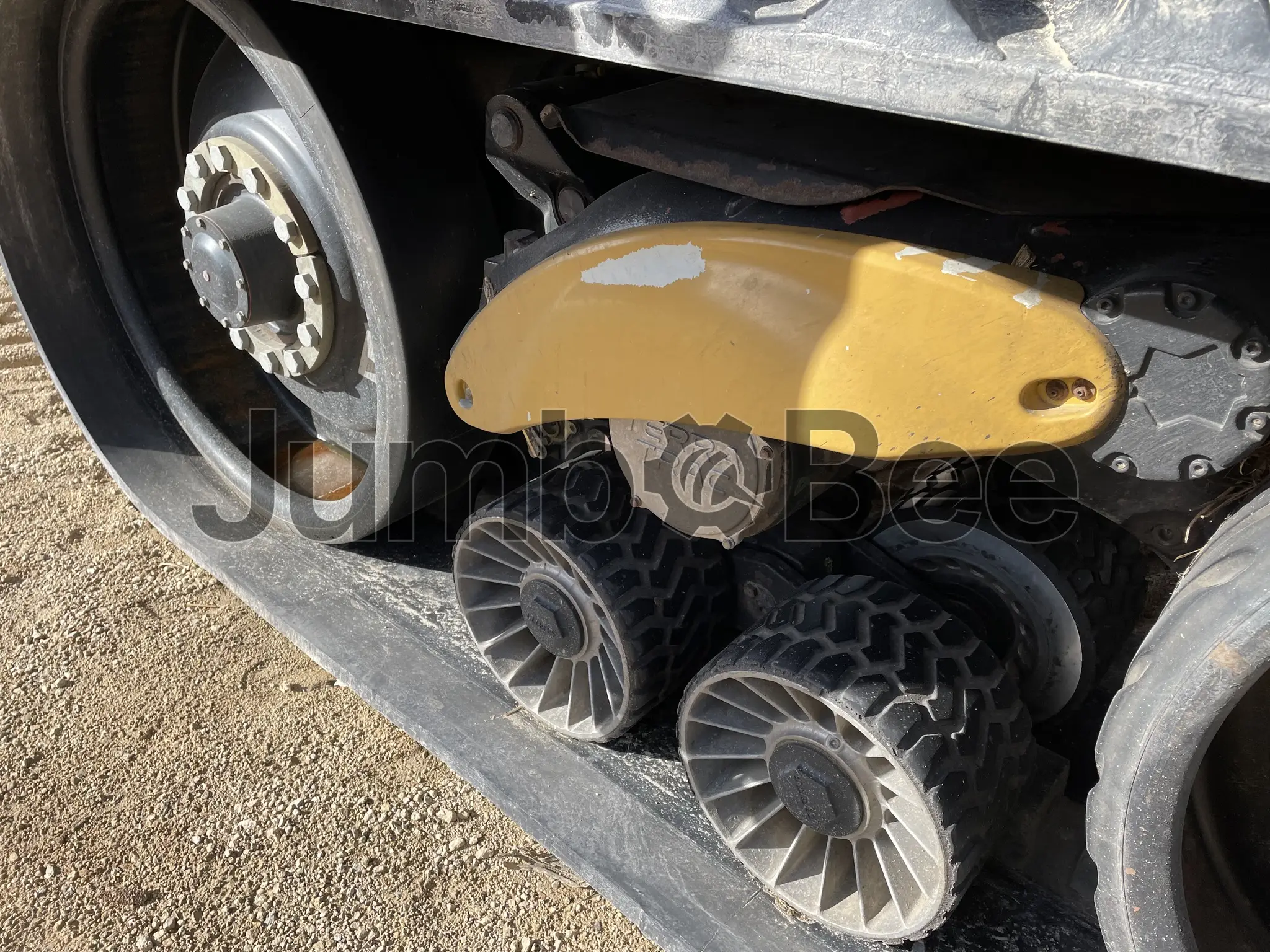




5+
sold in last yearGeneral overview
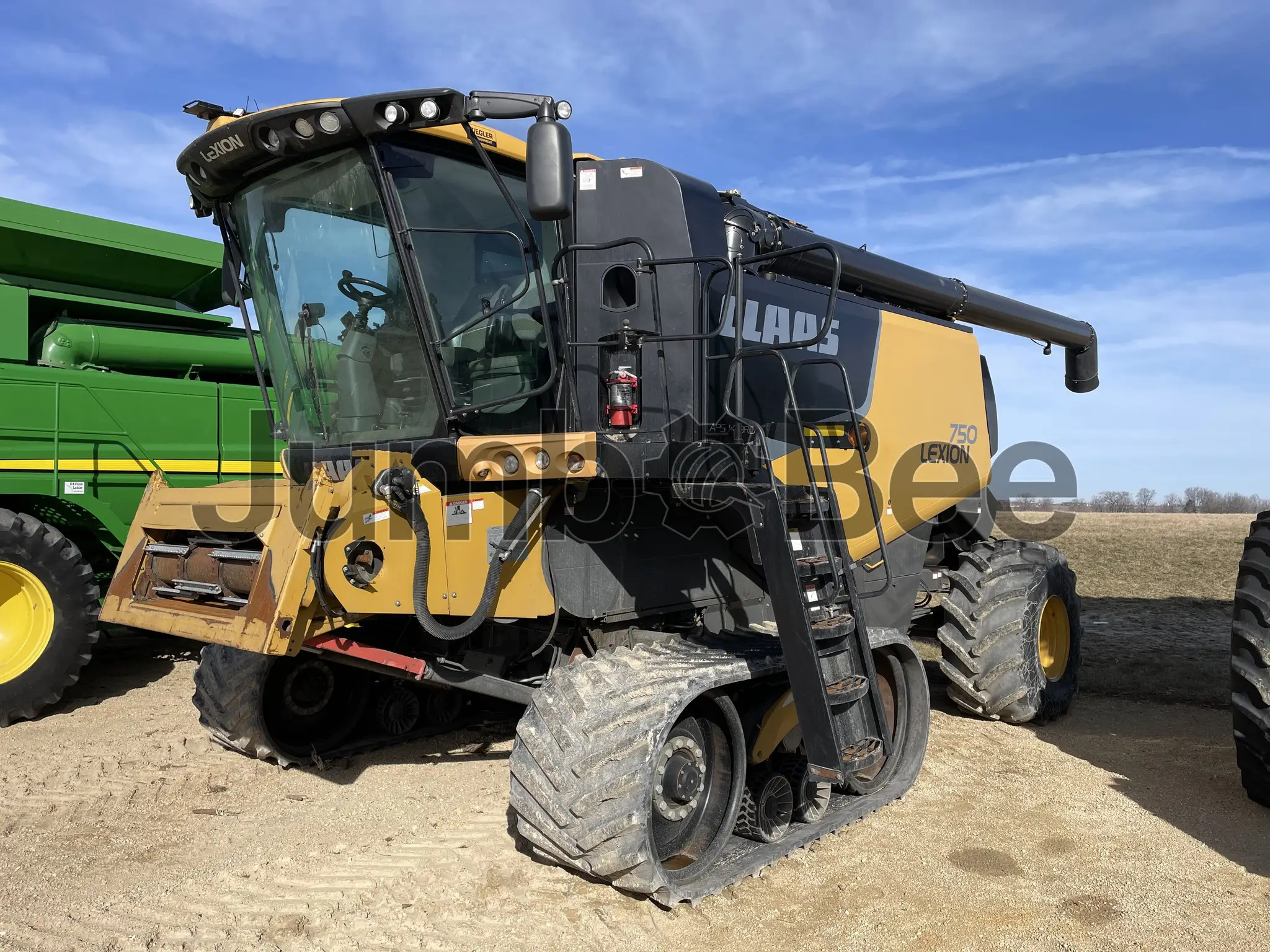
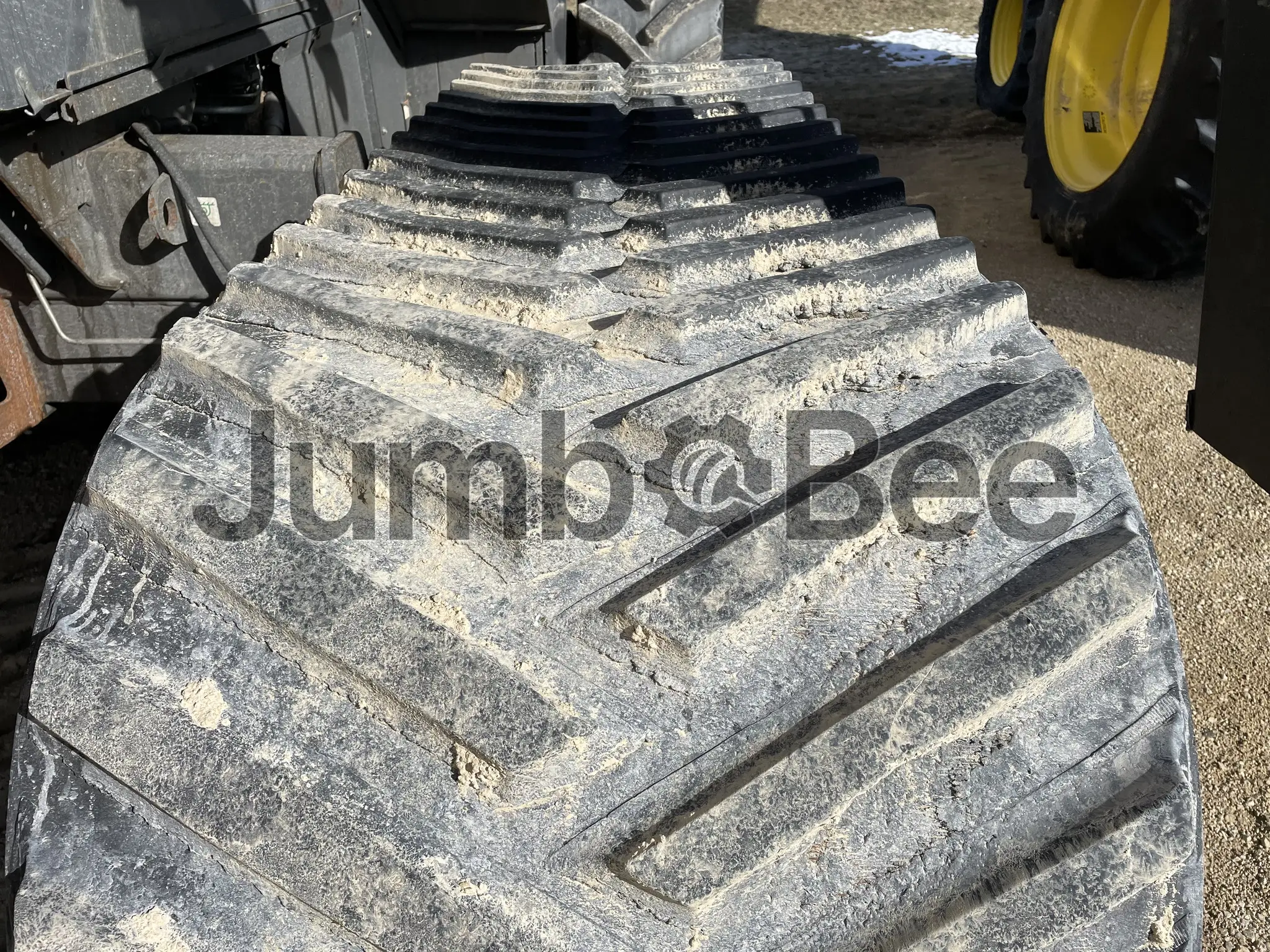
Claas 750TT is a combine harvester from Claas, produced in 2012, built for field grain harvesting. It uses a diesel engine rated at 312 kW (425 hp) with a 12.5 L (763 cu in) displacement and Tier 3 emissions level. The model is configured as a single-rotor rotary combine with a Terra Trac tracked undercarriage, supporting crop collection and threshing during harvest.
Its harvest handling specifications place it in a high-capacity class, with an 11,629 L (3,072 US gal) grain tank and a peak unloading rate of 6,980 L/min (1,843.9 gpm). The unloading auger length is 7,380 mm (24 ft 3 in), and the machine uses cylinder threshing with rotor separation, a 142° threshing area wrap, and 5.1 m² (54.9 sq ft) of sieve area and total cleaning area.
Year
2012
Country of manufacturing
Germany
General specifications
Dimensions
Width
Height
Length
Weight
3,620 mm
~142.5 in
3,950 mm
~155.5 in
11,260 mm
~443.3 in
19,750 kg
~43,541.3 lb
Engine Power
425 hp
Emission standard level
Tier 3
Grain tank size
11,629 L
Peak unloading rate
6,980 L/min
Additional specifications
Engine type
Diesel
Displacement
763 cu(in)
Fuel tank
795 L
Type of propulsion
Wheel
Drive type
Fixed-speed feederhouse drive for rice & small-grain combines
Conveyor chain slat type
Cylinder threshing with rotor separation
Separator type
Cylinder threshing with rotor separation
Threshing Area Wrap
142 deg
Sieve area
5.1 sq(m)
Total cleaning area (louvered)
5.1 sq(m)
Unloading auger length
7,380 mm
Unloading rate
6,980 L/min
Ground drive type
Additional Options
CEMOS automatic optimization; CEBIS control; Air conditioner; Air ride seat; Harvest monitor with yield & moisture sensor; Trimble EZ-Pilot autosteer; Power folding grain tank extensions; Rock trap; Fine cut chopper; Chaff spreader
Combine Type
Single-rotor rotary combine; Terra Trac tracked undercarriage
Chopper/Spreader
Claas 750TT Combines Listings
Looking for Claas 750TT Combines?
See similar listingsCompare Claas 750TT Combine to other combines
Not sure which equipment to choose? Use our comparison tool to easily compare equipment side by side based on key features.
Add model
Add model
No reviews yet
Be the first to review this model.
Leave a review. Get a promo code
Leave a review and receive a promo code for your next purchase.
No questions yet
Be the first to ask a question about this model and help other buyers learn more.
Heavy equipment insights from JumboBee
Got Questions?
Our FAQ section covers everything from shipping and listing to buying with confidence.
Can't find what you're looking for?
Sign up and talk to an expert.
Most popular
What is the average price of a Claas 750TT?
No confirmed market price is supplied. Check current listings and compare machine condition, location, and configuration.
What are the key advantages of the Claas 750TT?
Supplied specifications include a 11,629 L (3,072.1 US gal) grain tank, 6,980 L/min (1,843.9 gpm) unloading rate, Terra Trac tracked undercarriage, and cylinder threshing with rotor separation.
What type of engine does the 750TT use?
The 750TT uses a Diesel engine with 763 cu in displacement and a Tier 3 emission standard level.
How much horsepower does the 750TT have?
The 750TT has an engine power rating of 425 hp.
What fuel does the Claas 750TT use?
The Claas 750TT uses Diesel fuel. Its fuel tank capacity is 795 L (210 US gal).
What jobs is this Combines best suited for?
The supplied specifications identify the machine as a single-rotor rotary combine with a fixed-speed feederhouse drive for rice and small-grain combines. They support use in rice and small-grain harvesting.
What is the expected lifespan of the 750TT?
The supplied data does not confirm an expected lifespan. Assess service records, operating hours, engine condition, threshing and separation components, tracks, and unloading system condition when evaluating a machine.
What should a buyer check when purchasing a used Combines?
Check service records, operating hours, engine and fuel-system condition, threshing and separation components, feederhouse, cleaning system, unloading auger, grain tank, tracks or tires, hydraulics, belts, chains, and controls. Verify that all functions operate correctly during an inspection.