Loaders for Sale
(667 listings)
Browse by subcategory
Popular brands
Only verified sellers list equipment on JumboBee.
Sort by:
Featured
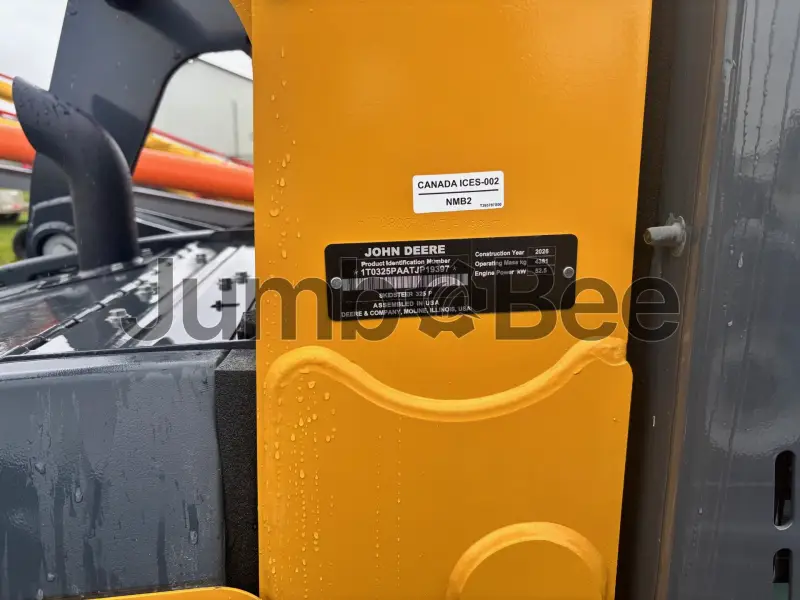
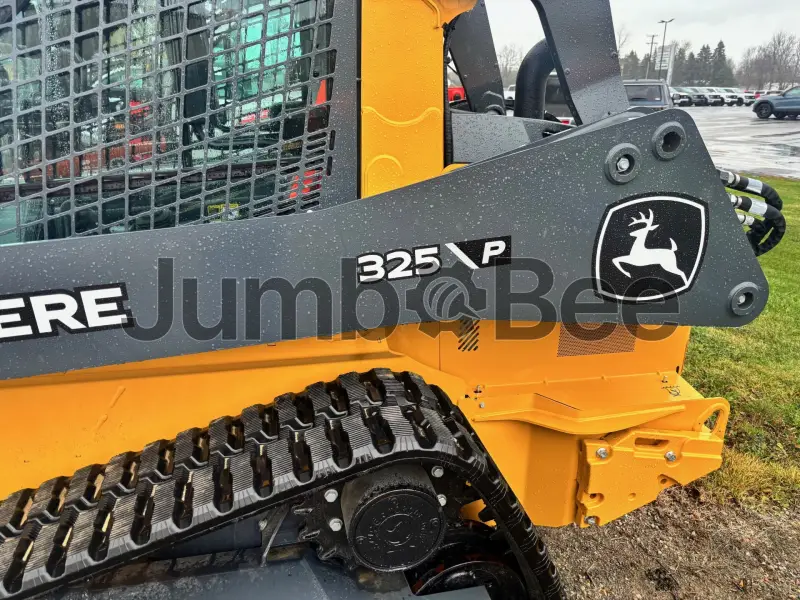
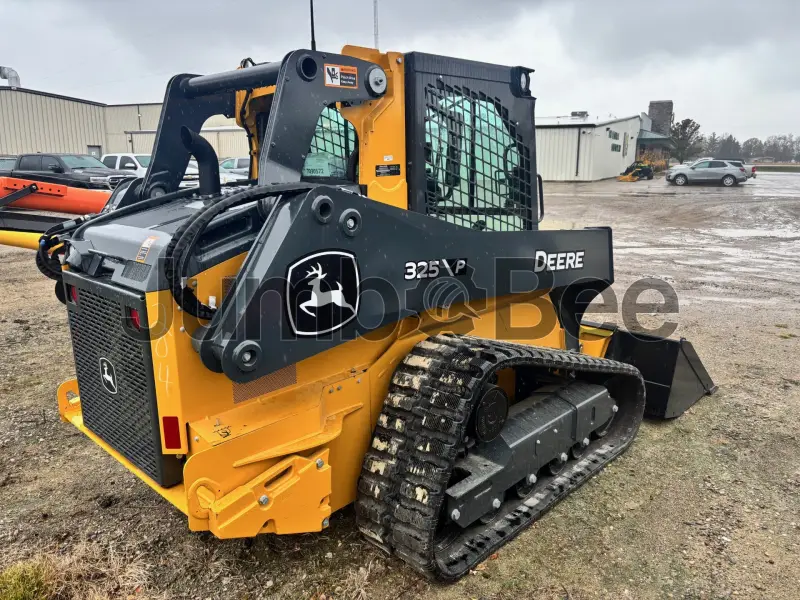
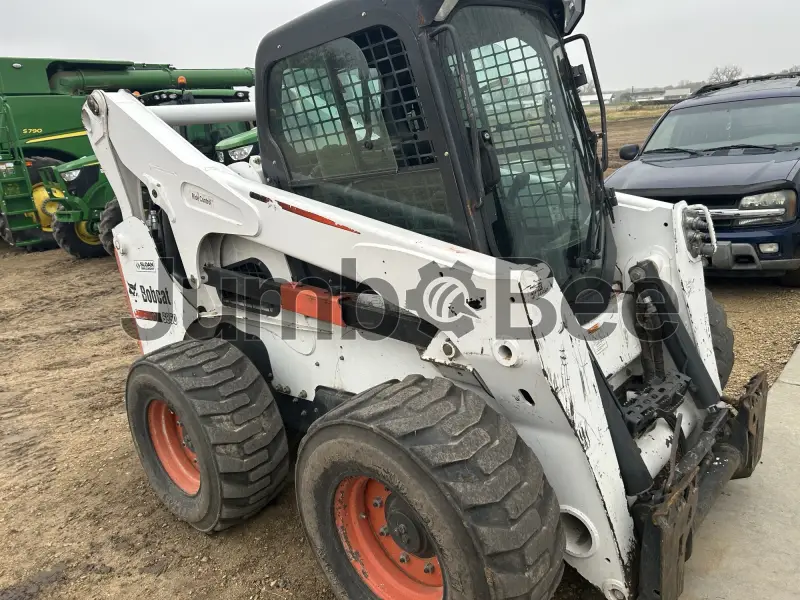
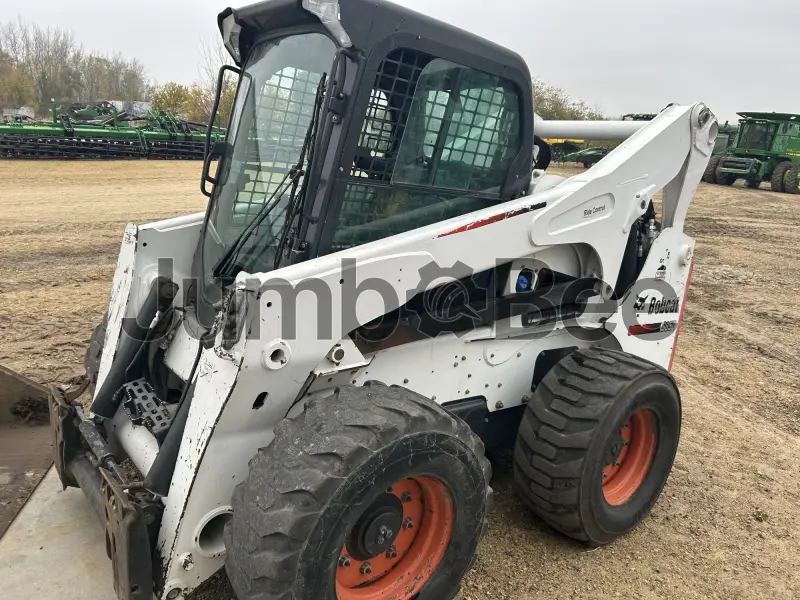
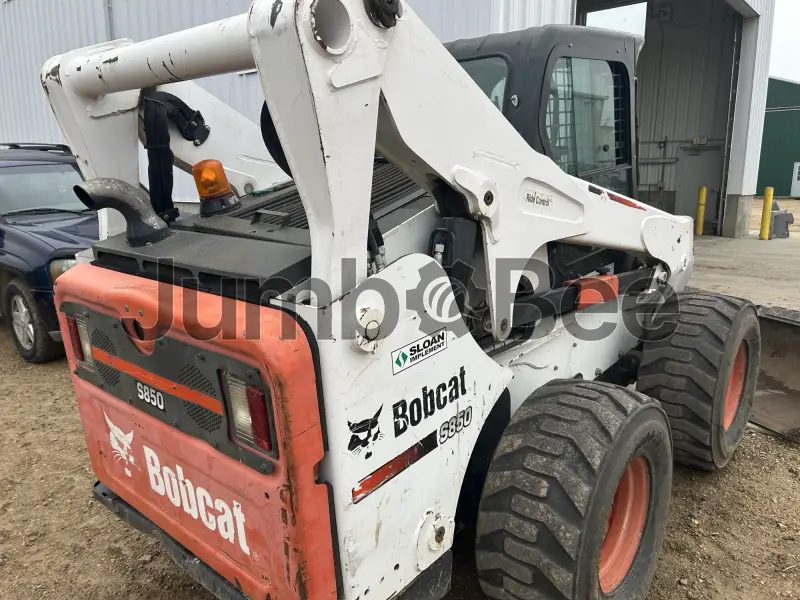
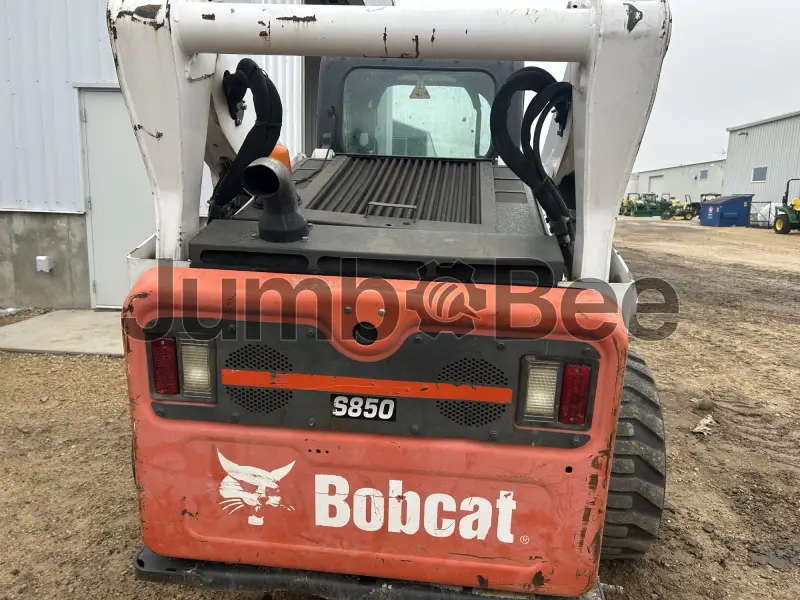
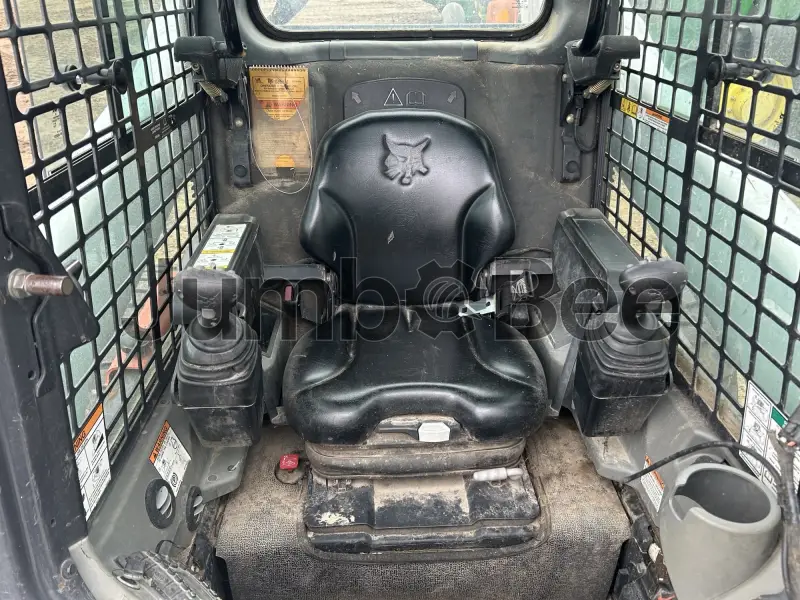
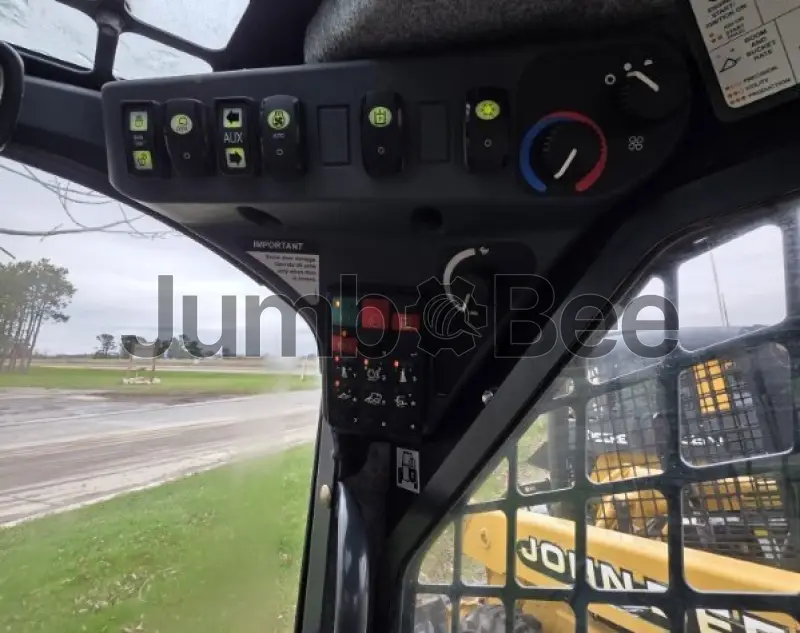
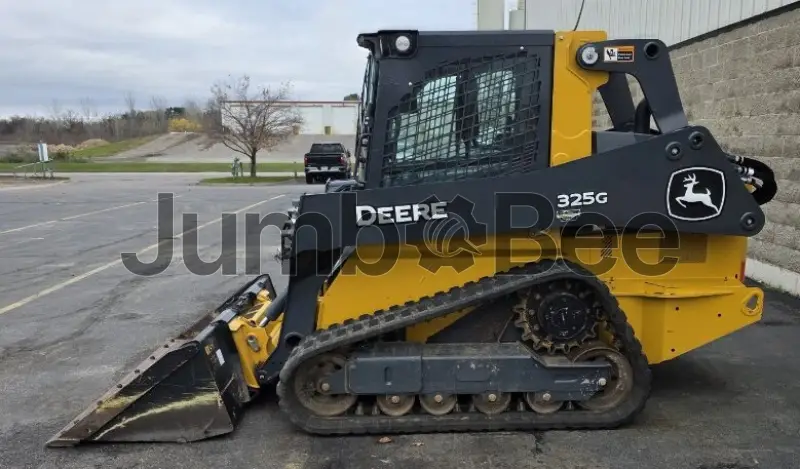
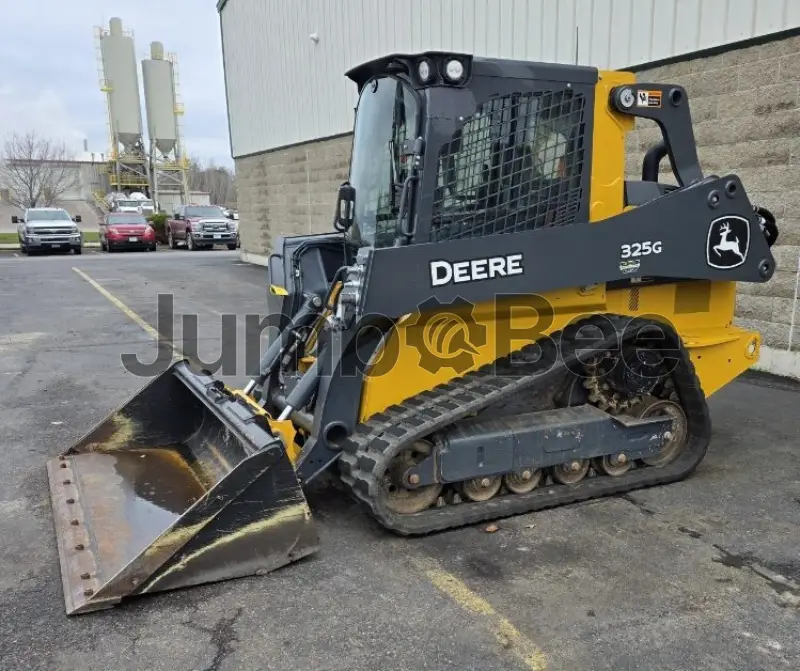
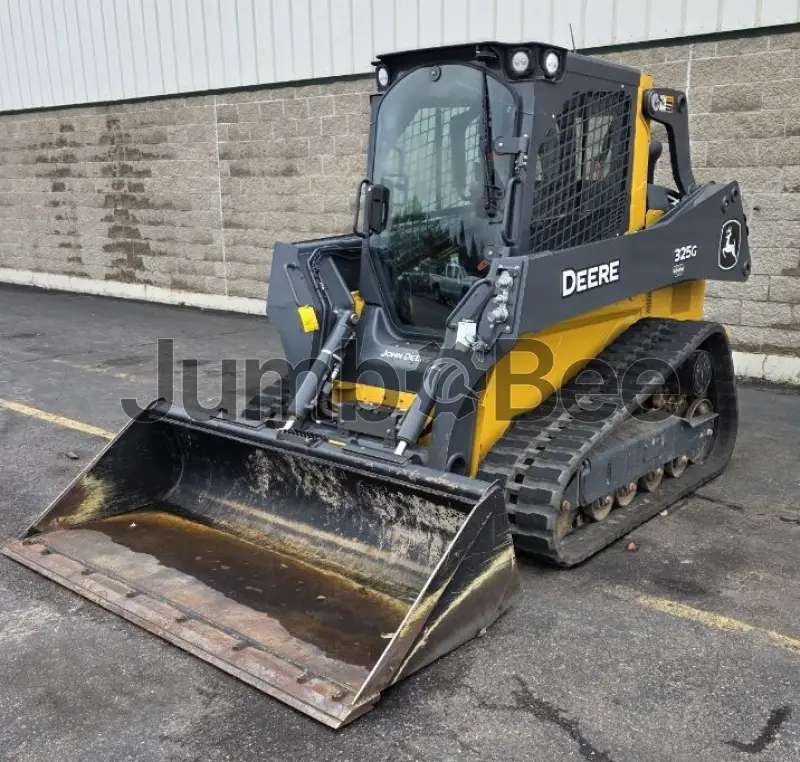
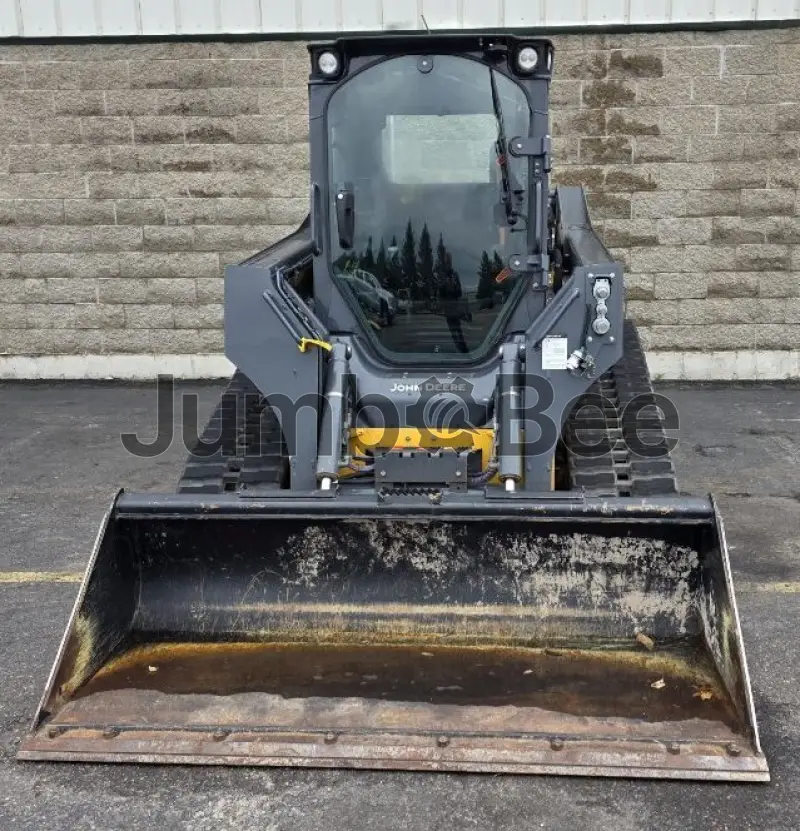
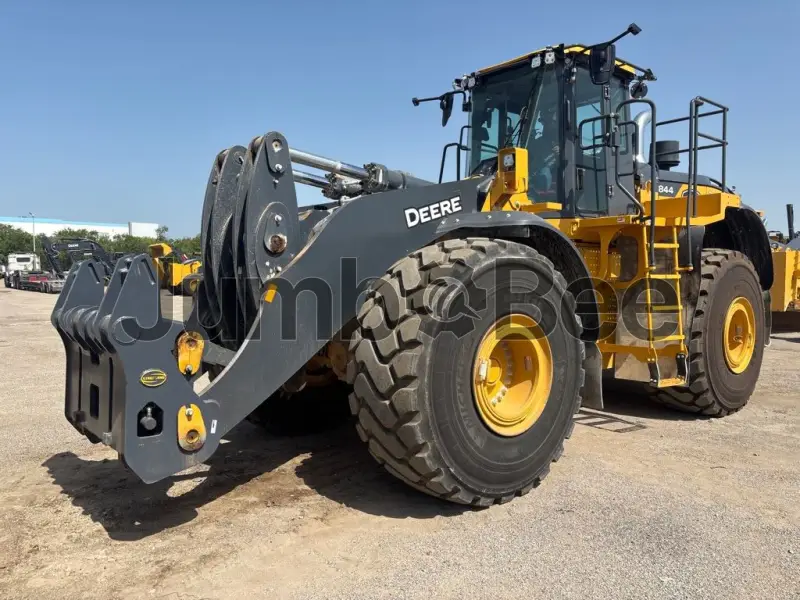
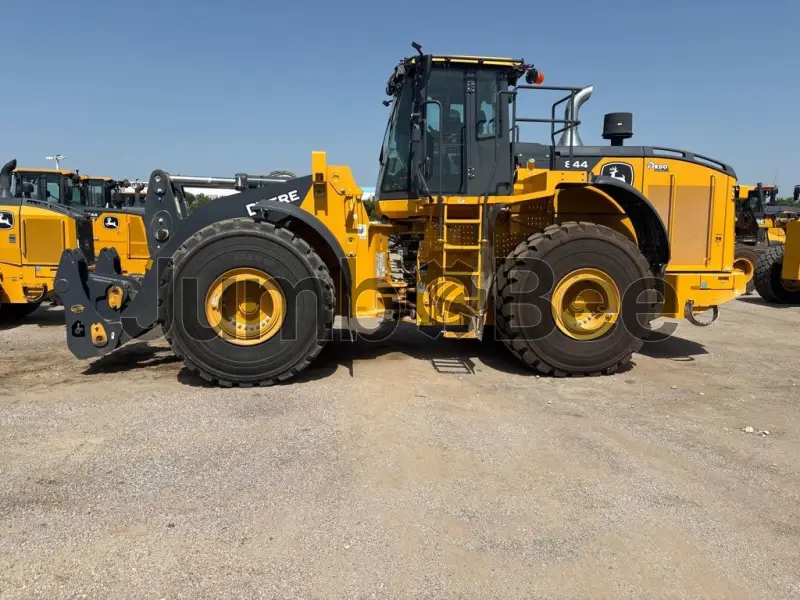
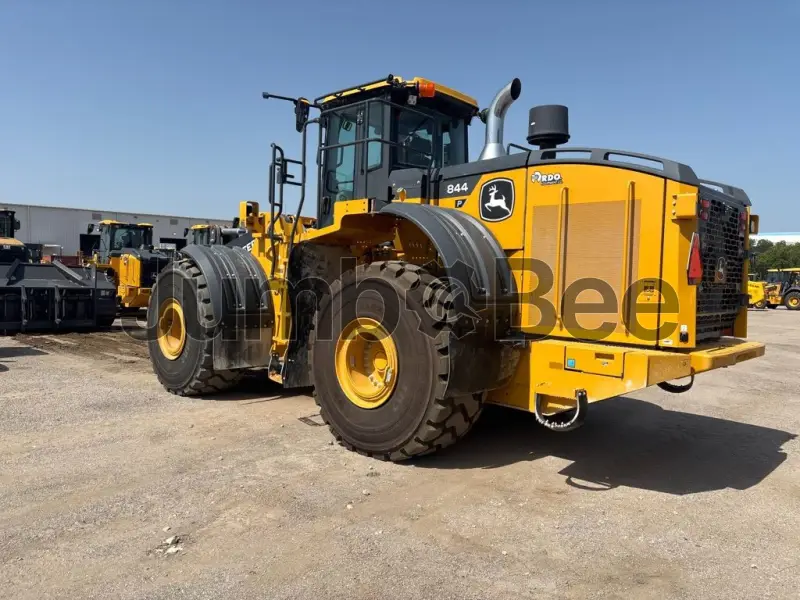
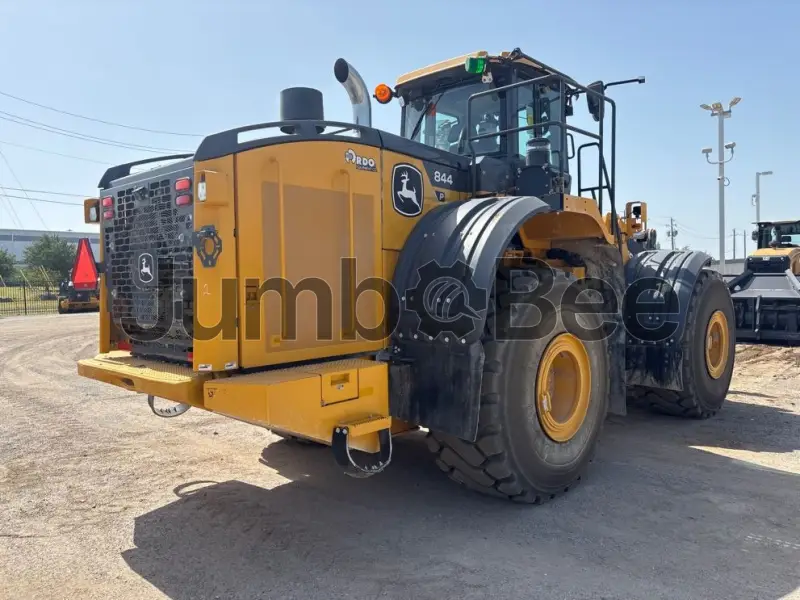
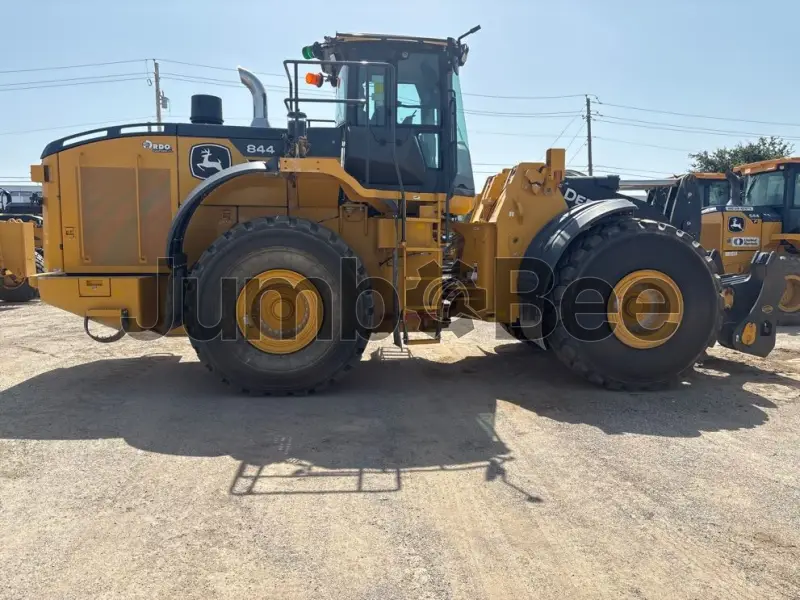
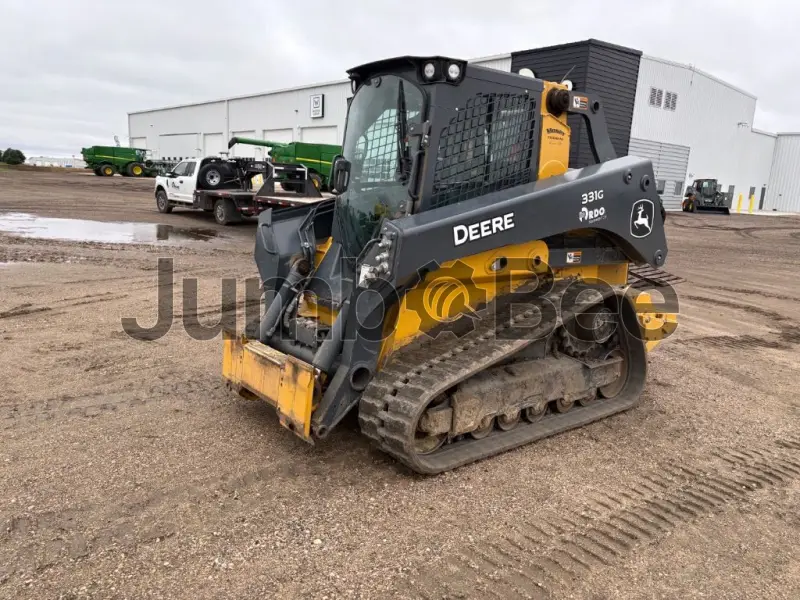
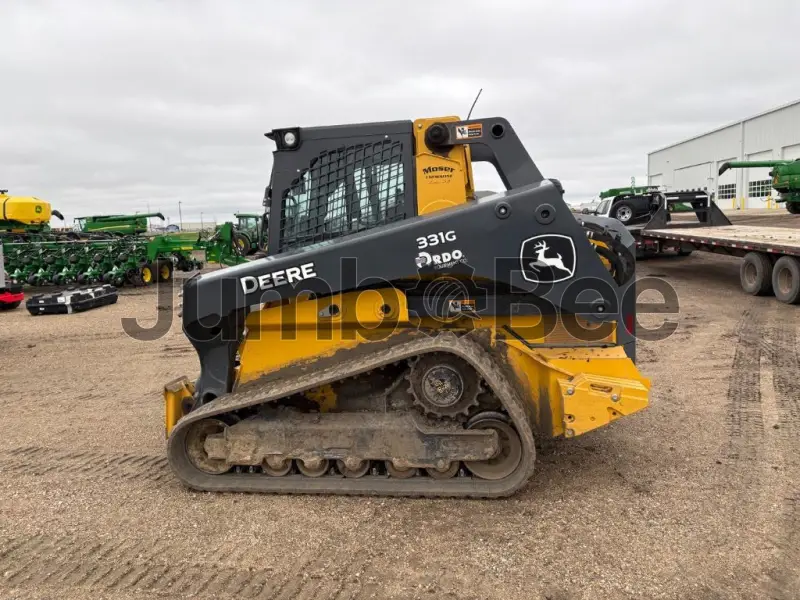
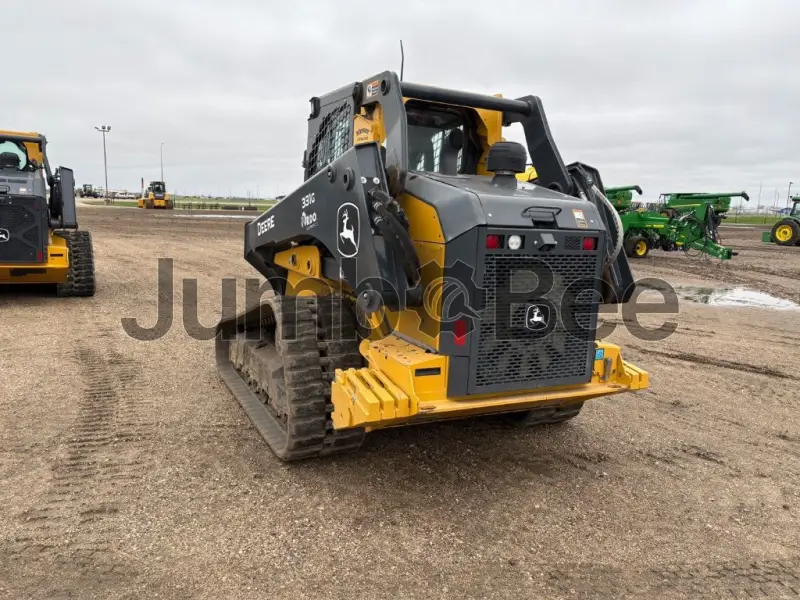
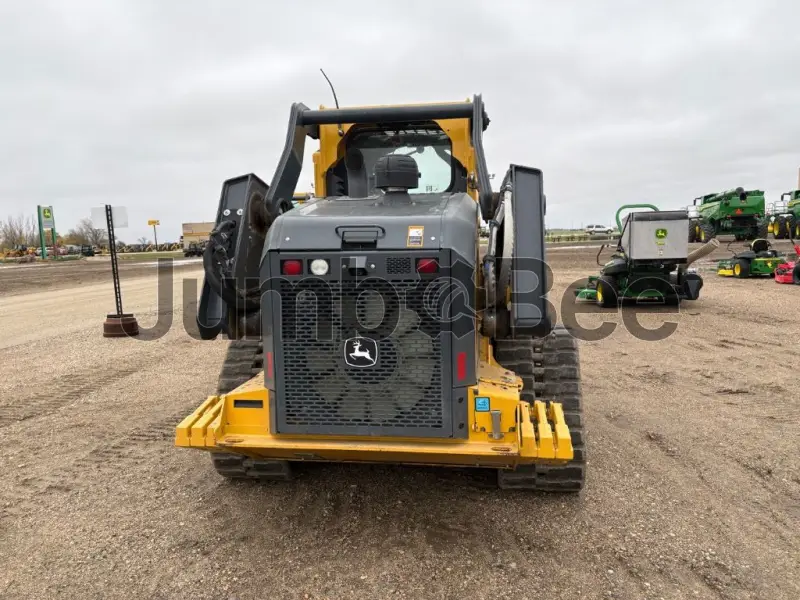
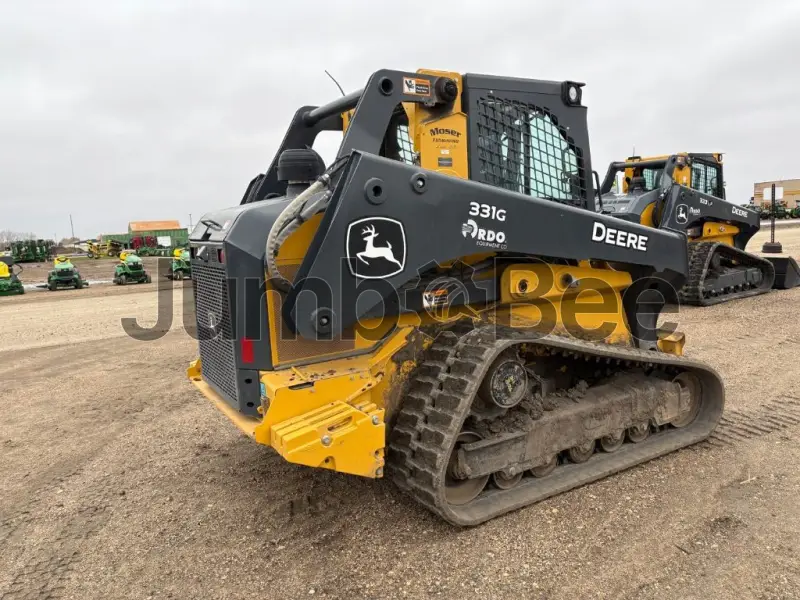
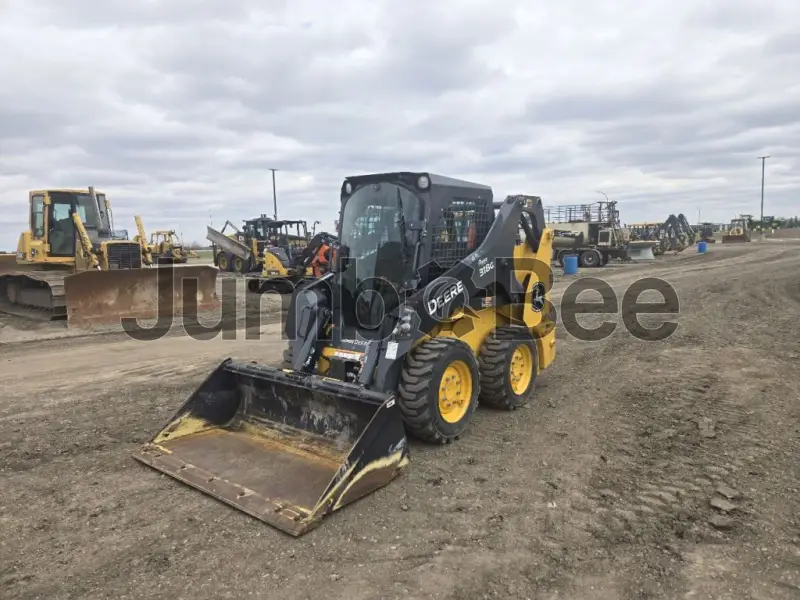
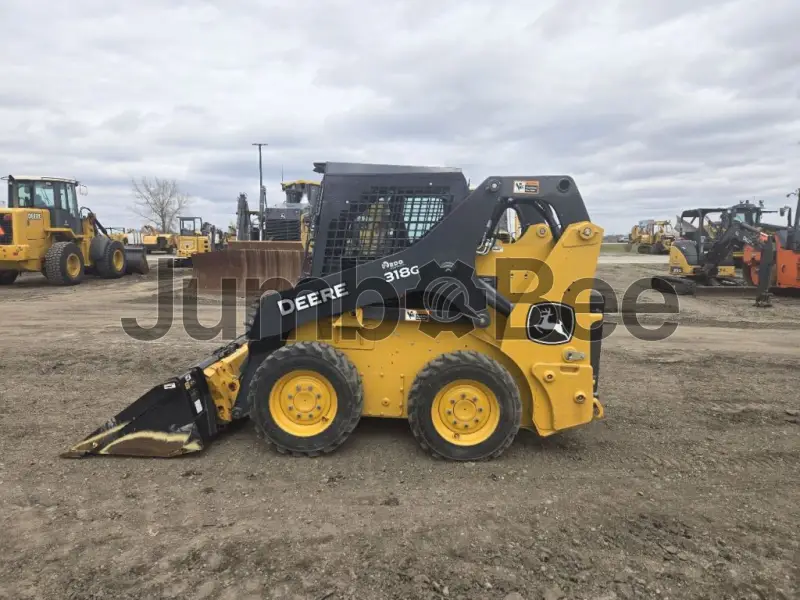
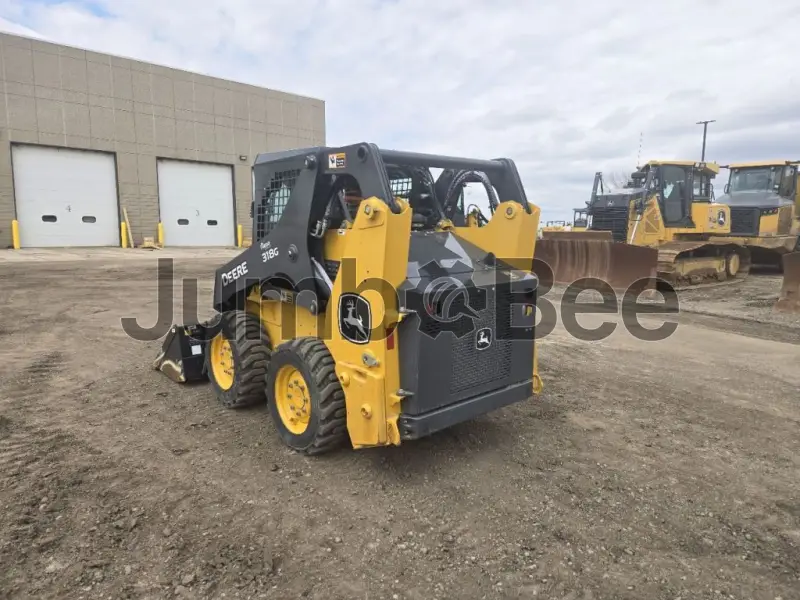
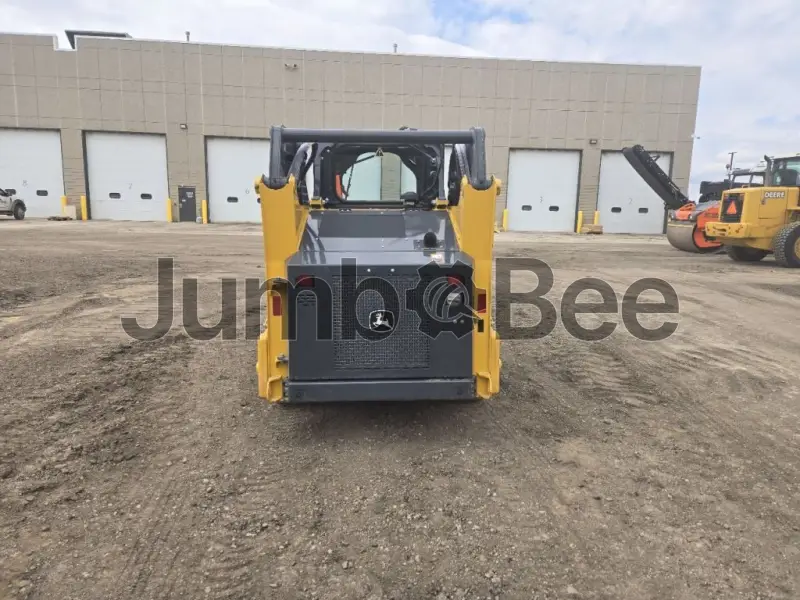
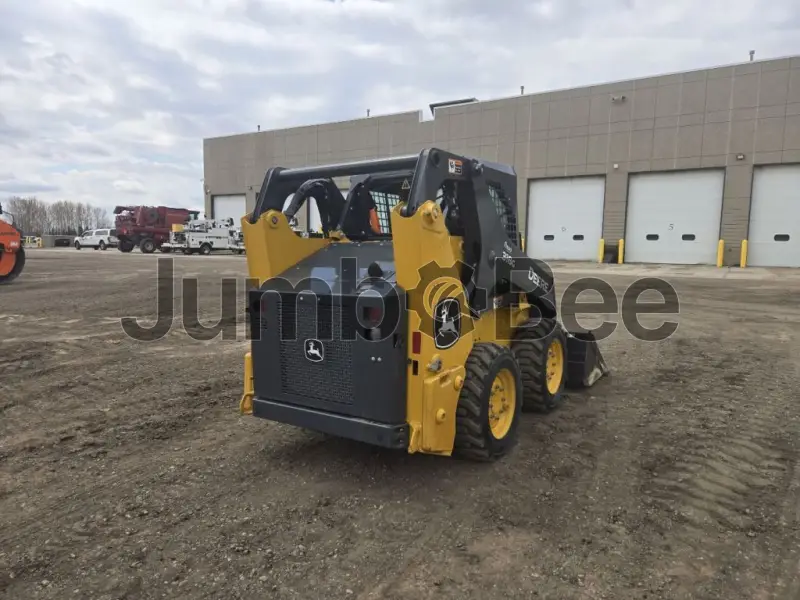
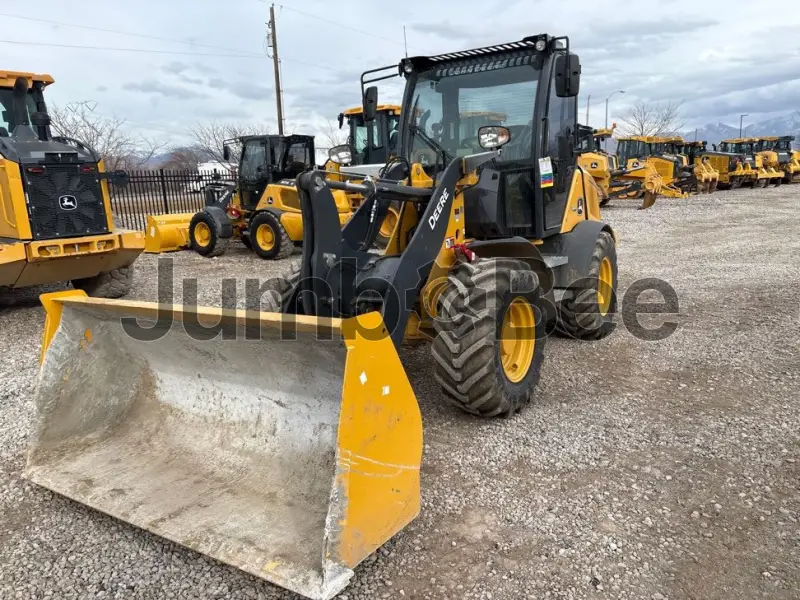
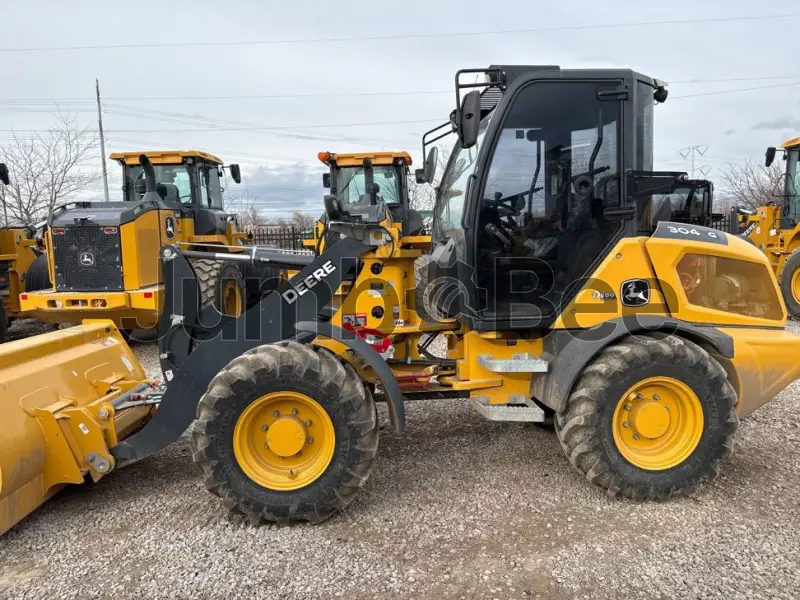
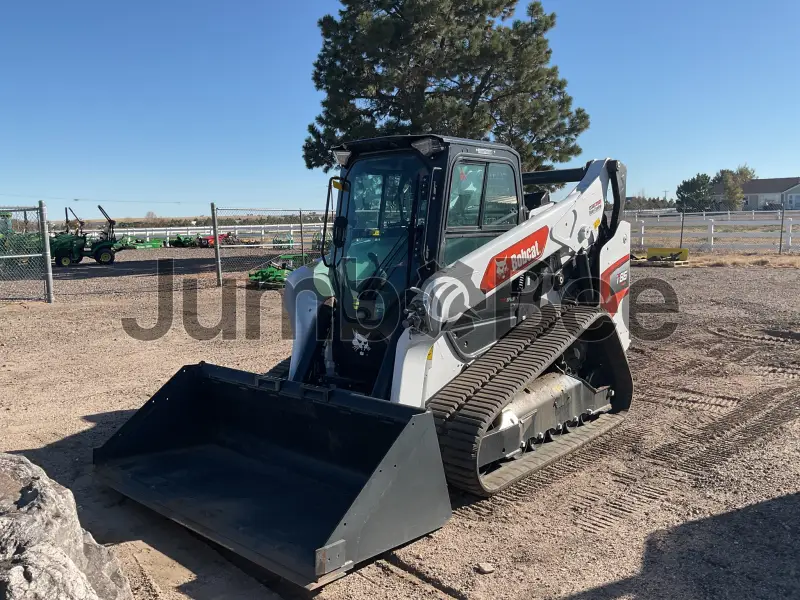
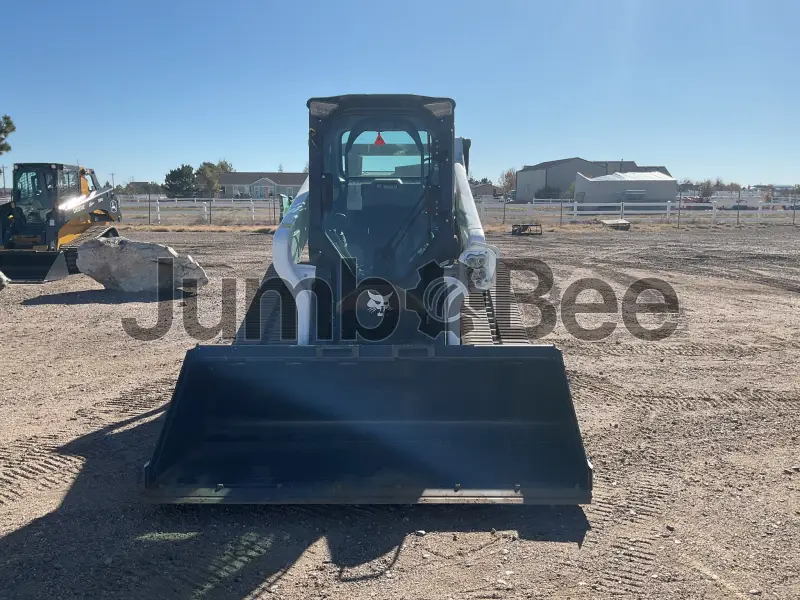
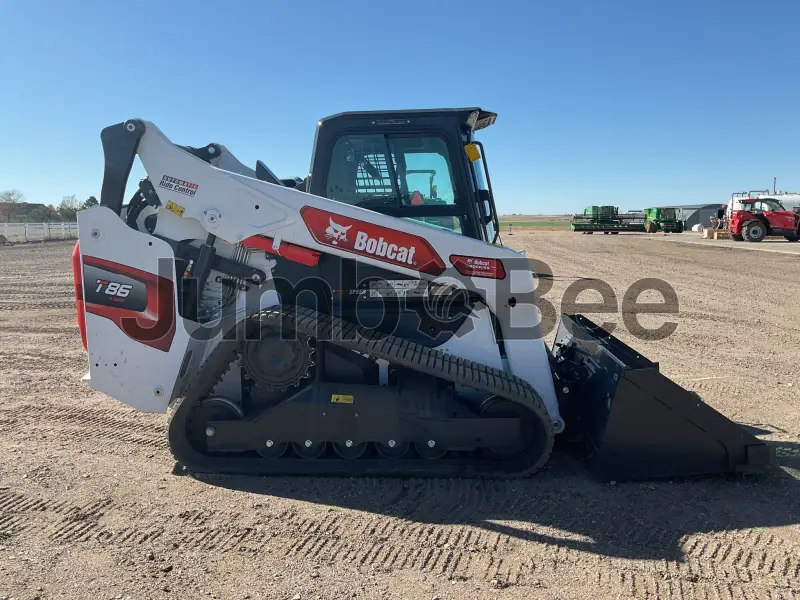
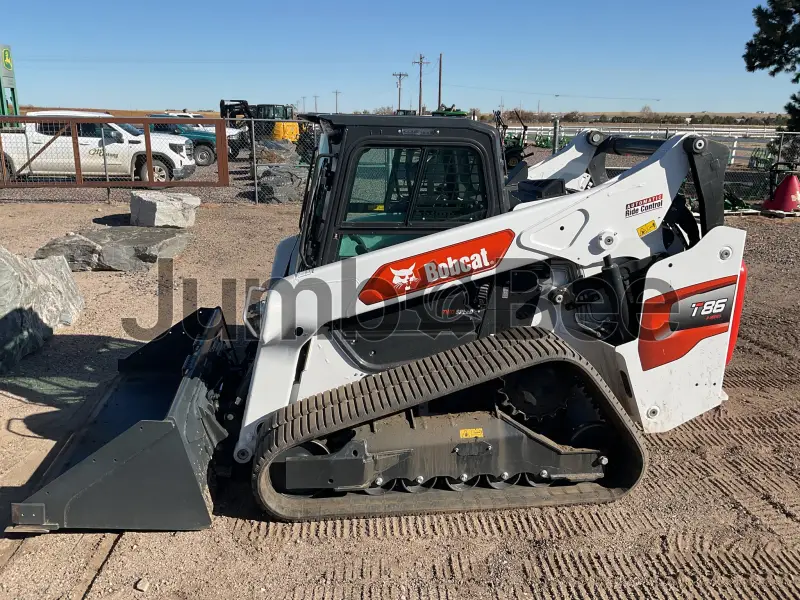
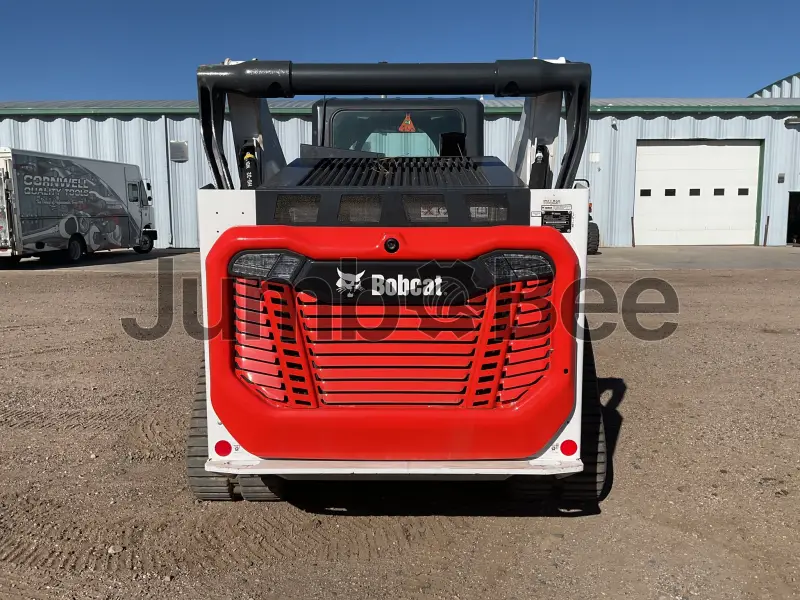
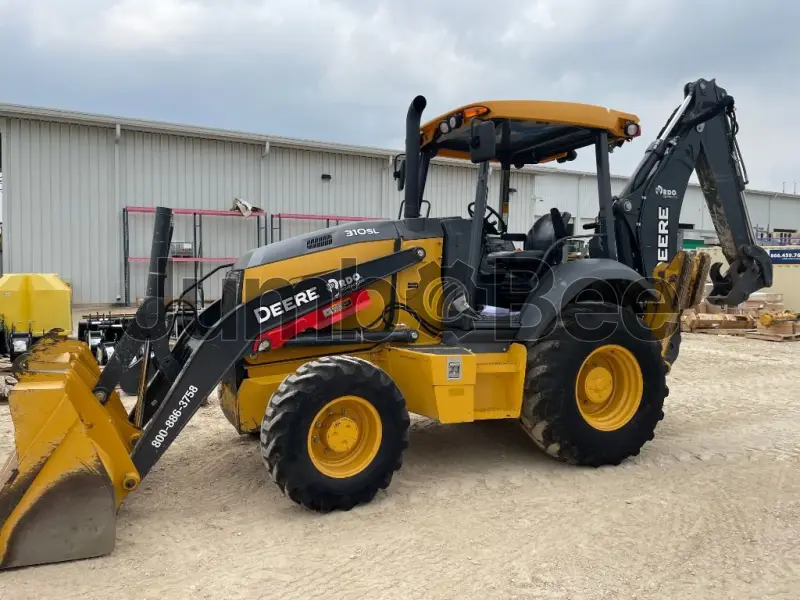
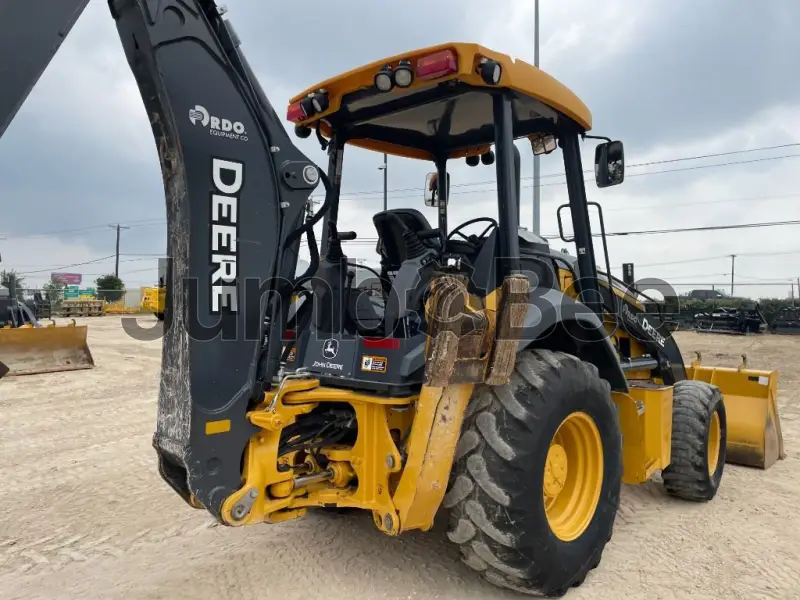
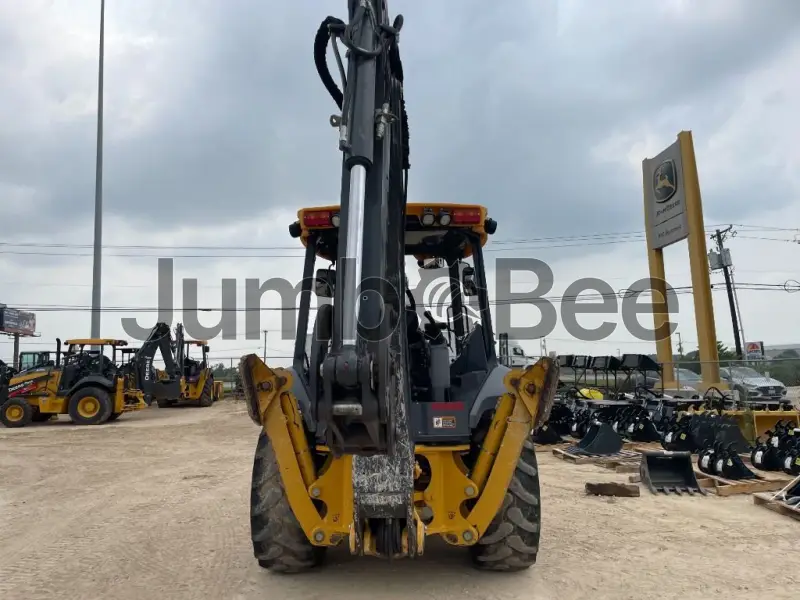
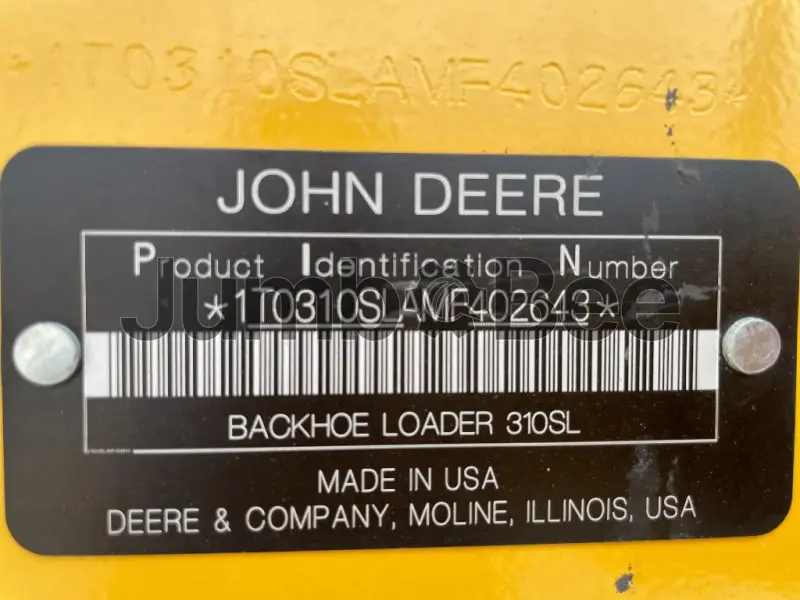
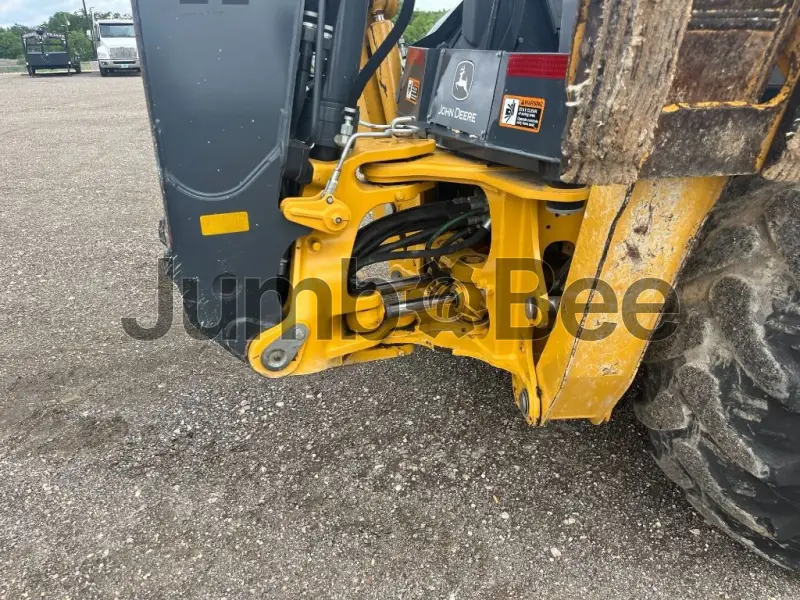
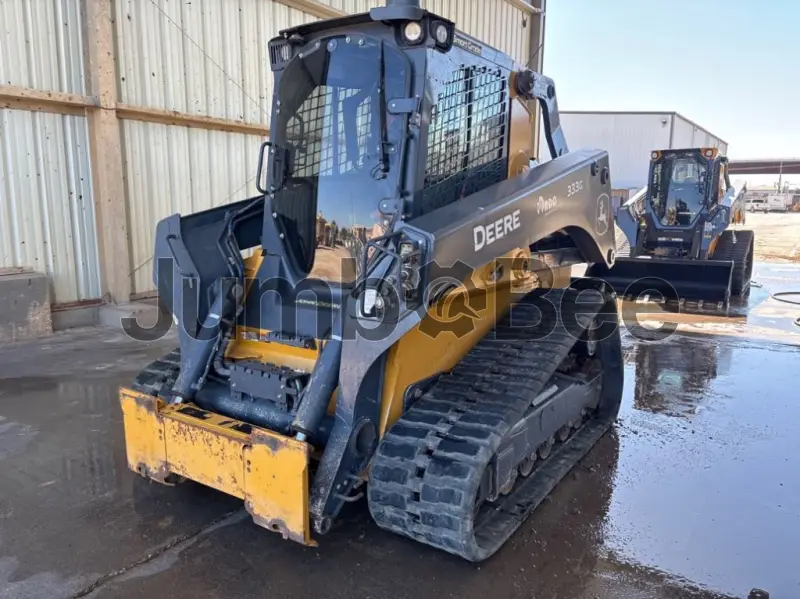
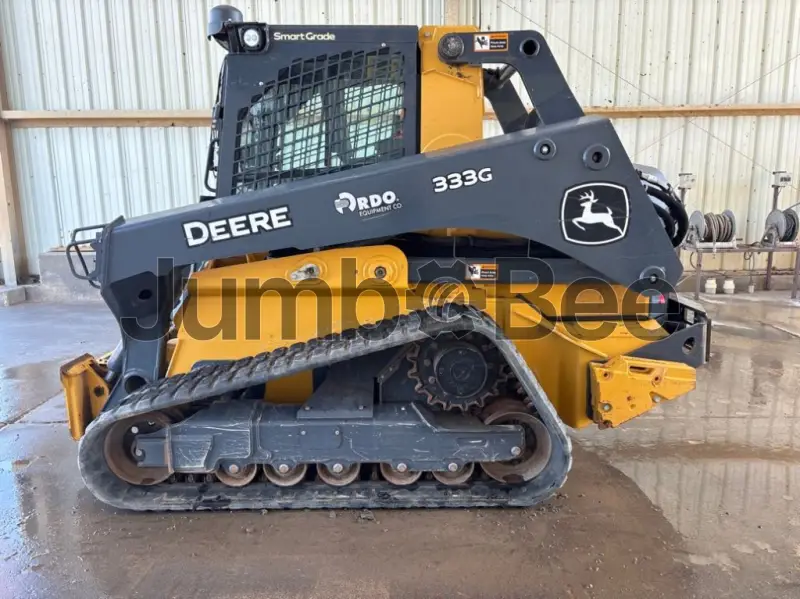
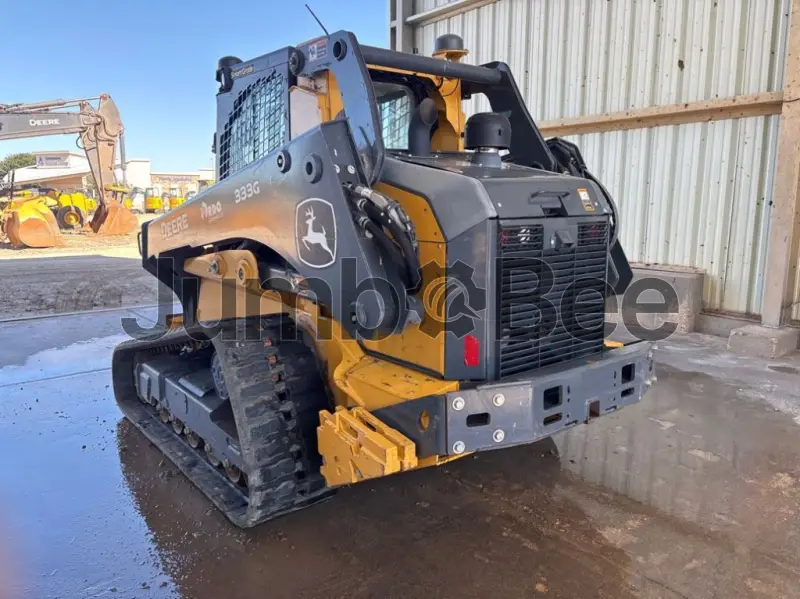
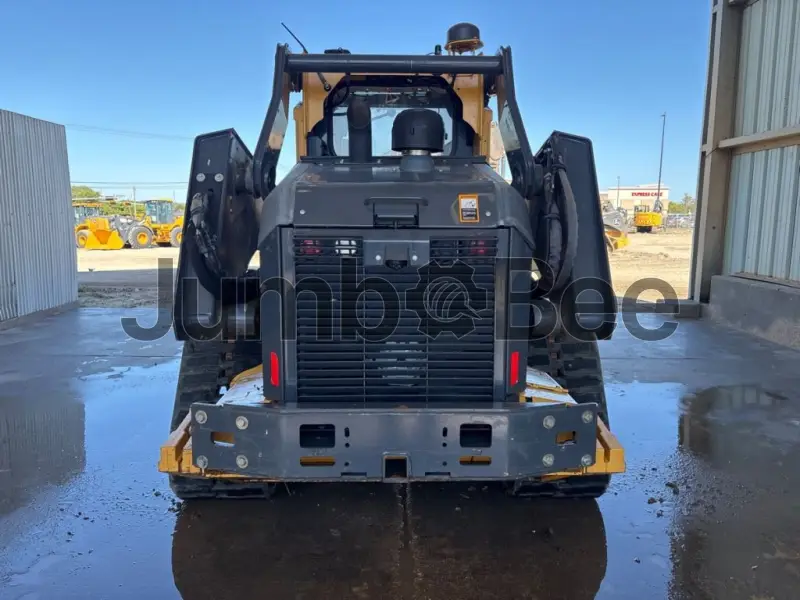
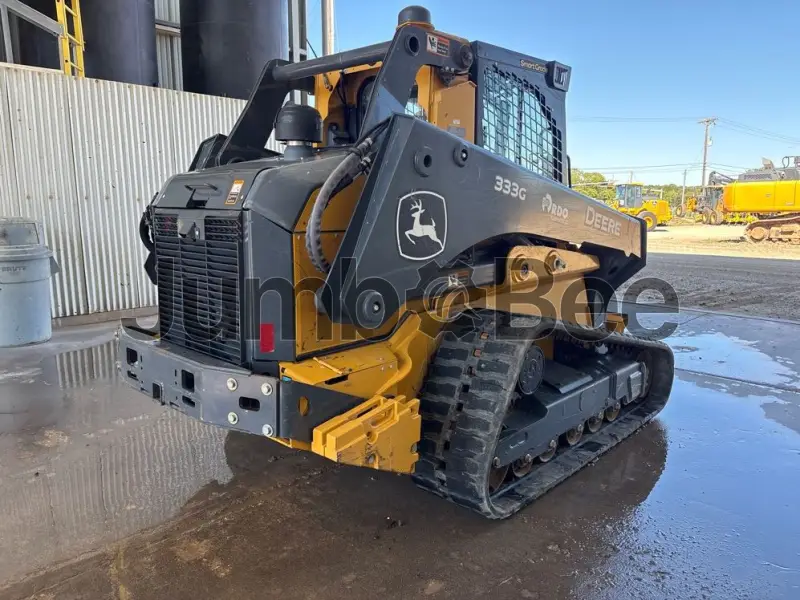
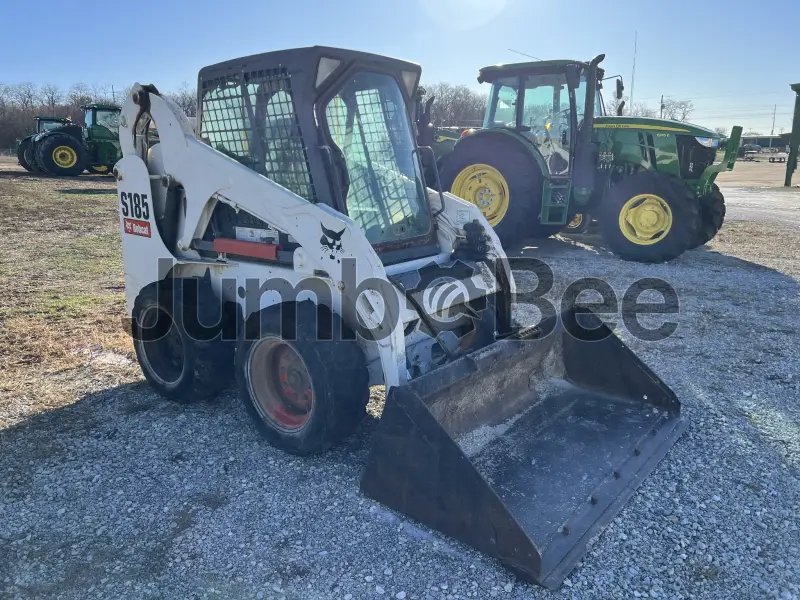
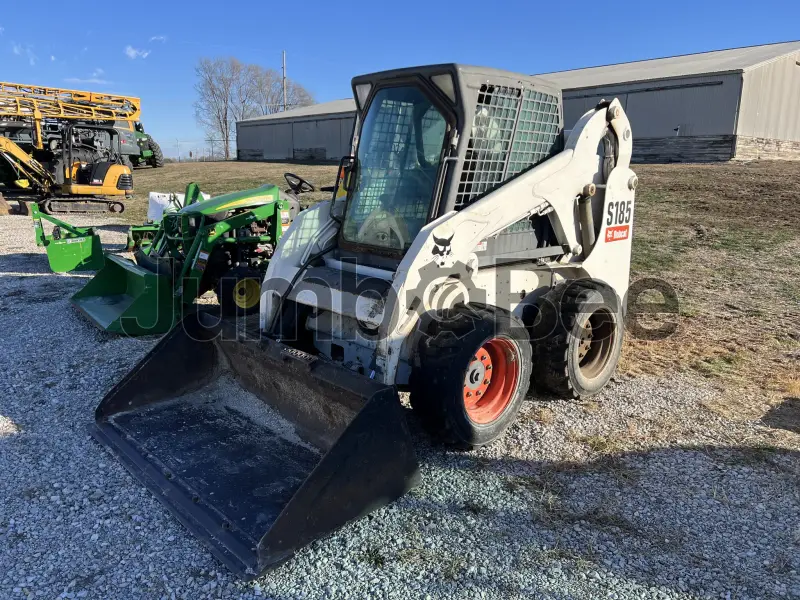
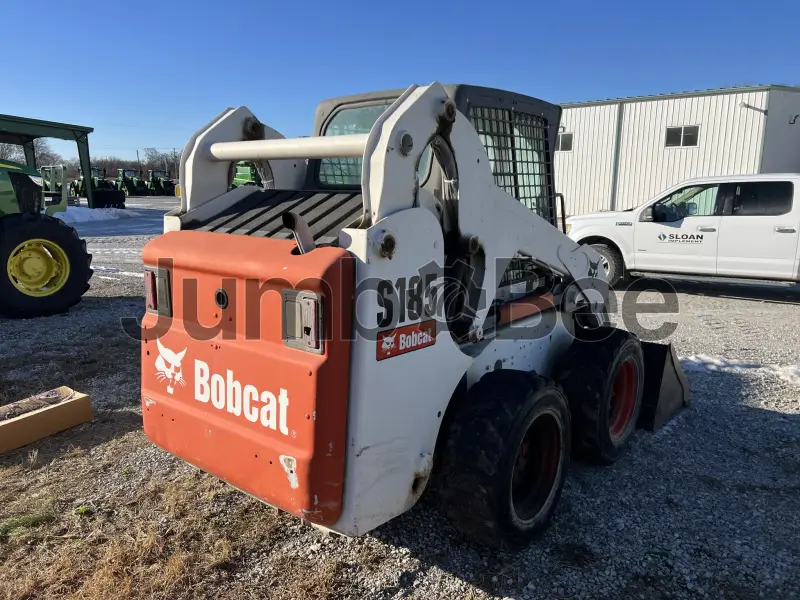
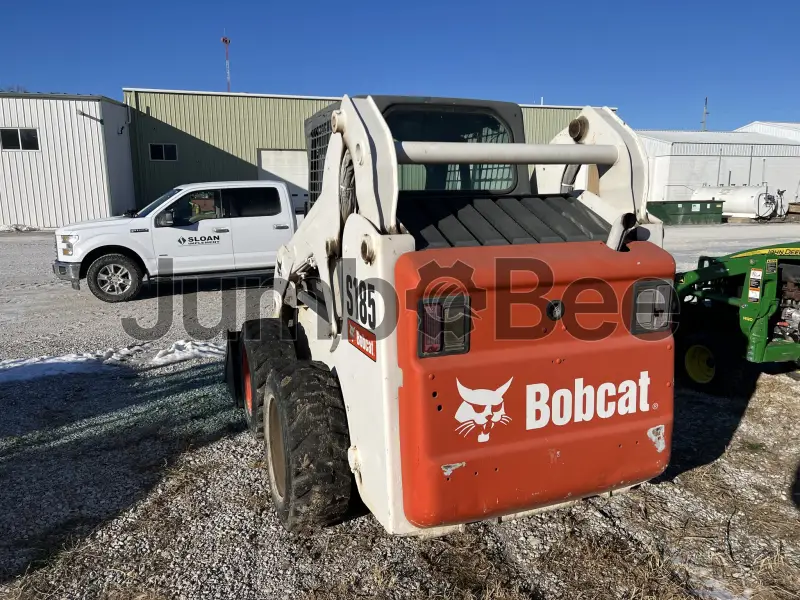
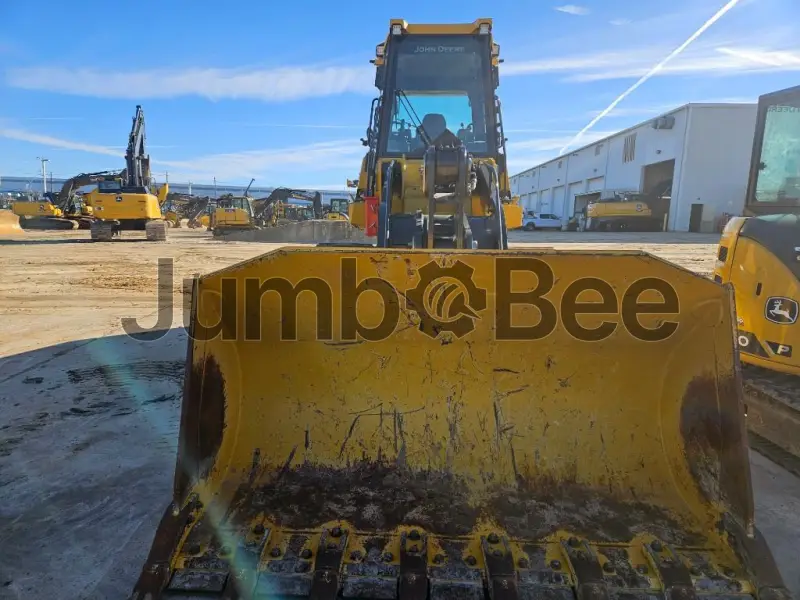
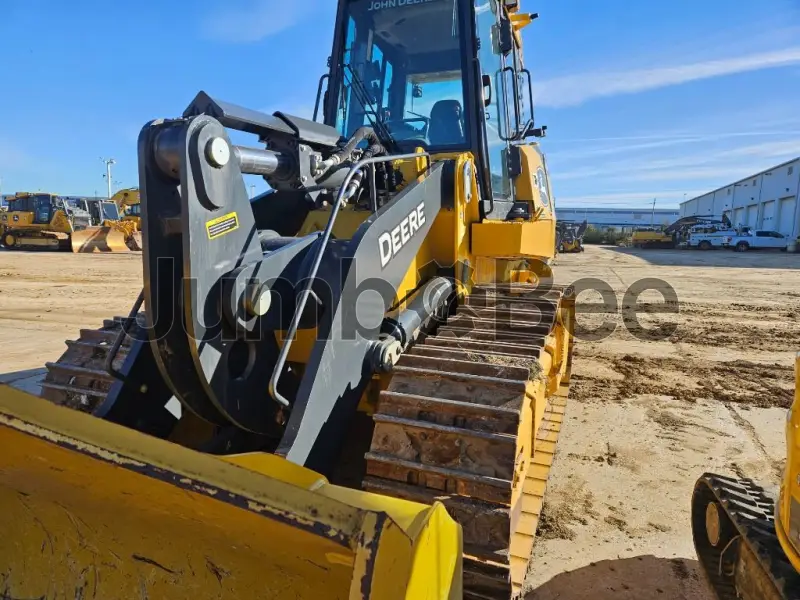
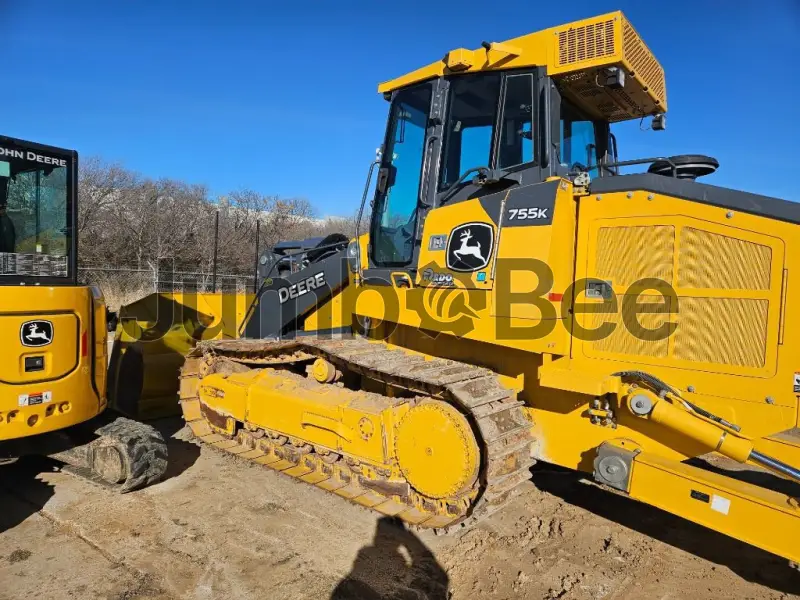
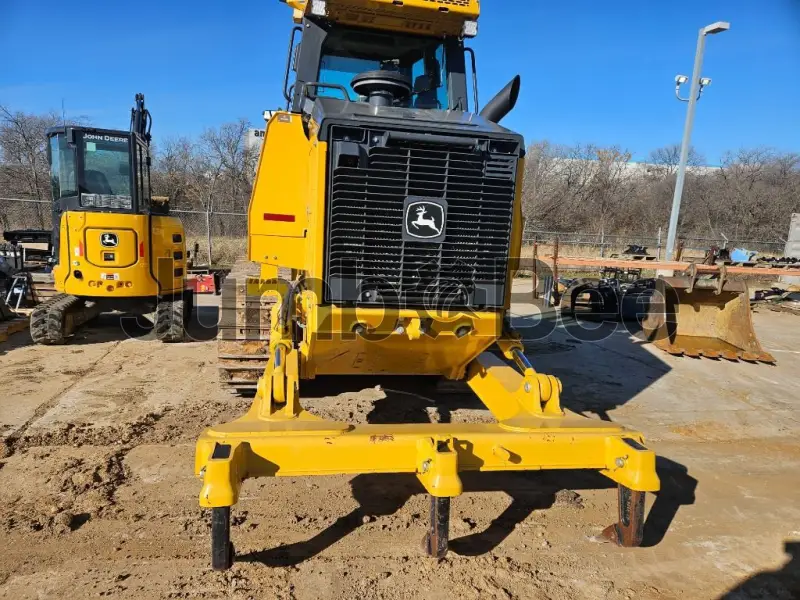
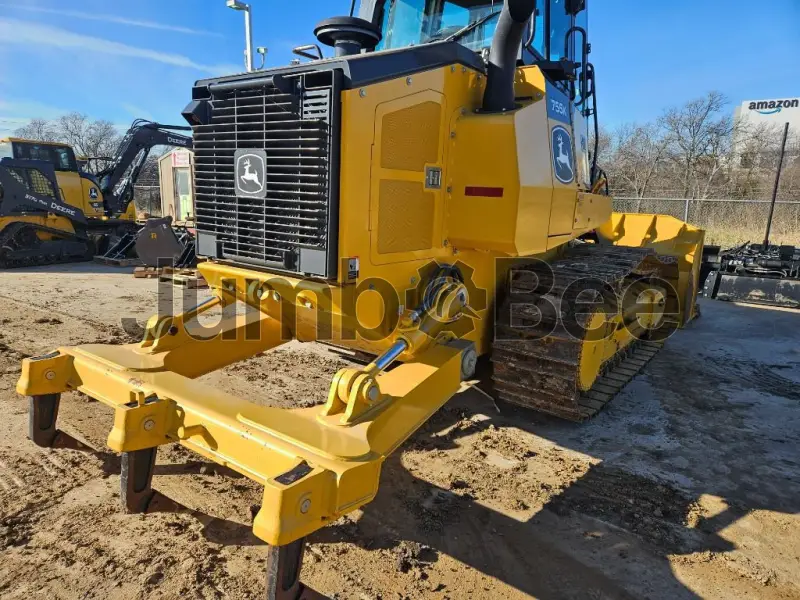
Loaders Models
Loaders
500+
Models
Heavy equipment insights from JumboBee
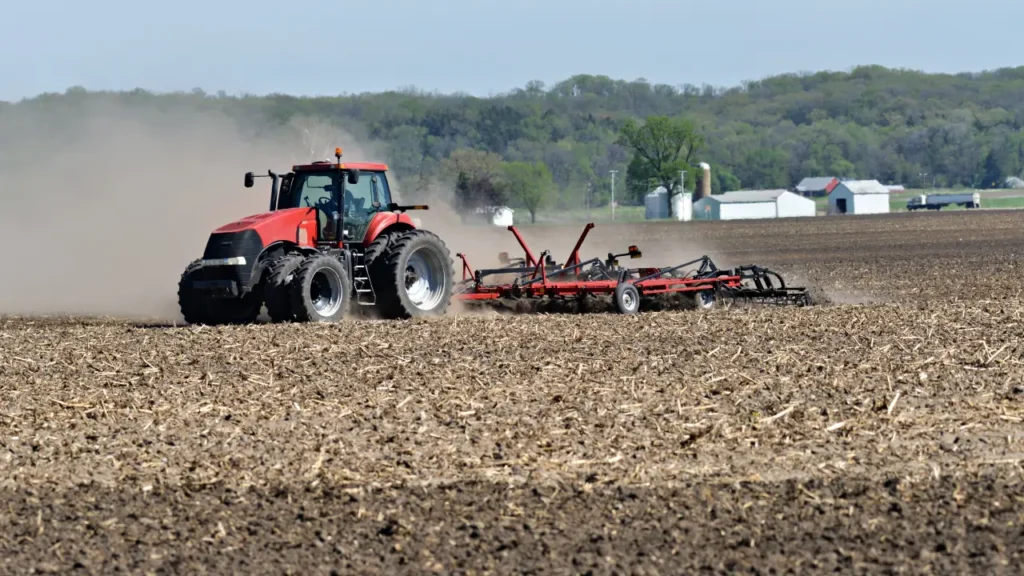
November 23, 2026
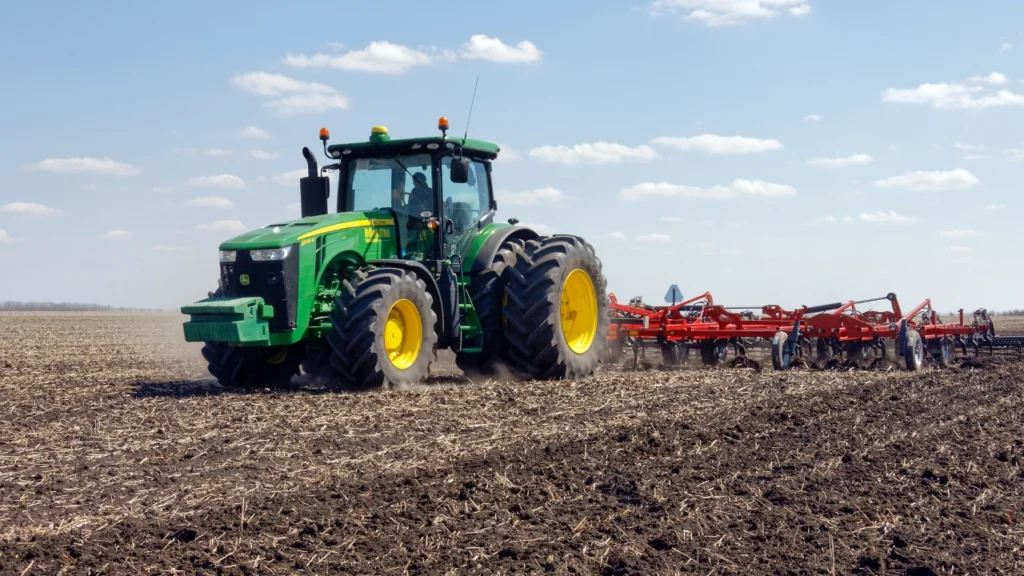
Types of Tillage Equipment: How to Choose the Right Implements for Your Farm
Compare tillage implements and learn what to look for when buying used equipment.
November 20, 2026
Types of Cultivators: What They Are, How They Work and How to Choose
Compare different types of farm cultivators, their uses, and what to look for when buying used.
November 9, 2026
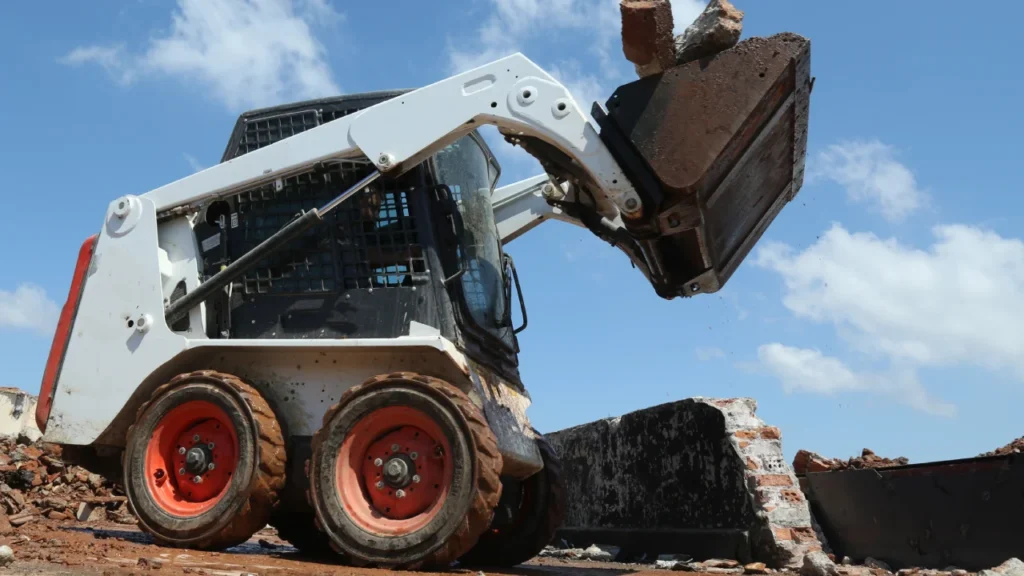
Skid Steer Loader Brands Compared: CAT vs Bobcat vs John Deere
A side-by-side comparison of CAT, Bobcat and John Deere skid steers by size class, capacity, power and hydraulics.
November 2, 2026
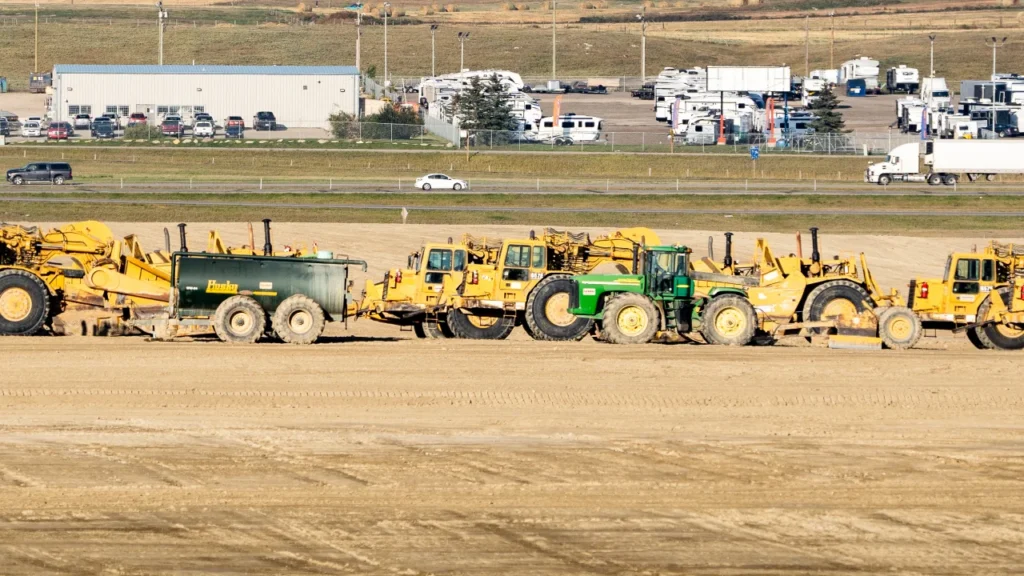
Buying & Selling Heavy Equipment in Canada: Market Guide for Global Buyers
This guide explains how the Canadian heavy equipment market works for international buyers and sellers.
October 9, 2026
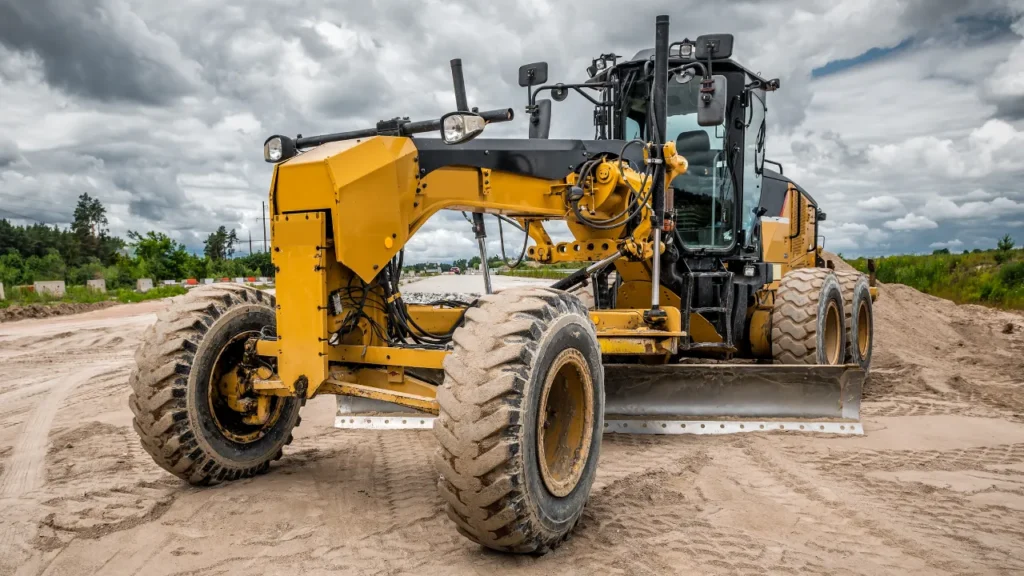
Motor Grader Buying Guide: Sizes, Top Brands, and What Contractors Should Look For
This guide helps buyers select the right motor grader for their needs and maximize ROI across construction, mining, and snow removal.
August 25, 2026
Repair, Rebuild or Replace Heavy Equipment: 2026 Cost-Based Decision Guide
This guide provides a mathematical approach to help you decide what to do with your aging machinery in 2026.
Buy. Sell. Ship. Worldwide.
MOVING MATERIAL EFFICIENTLY
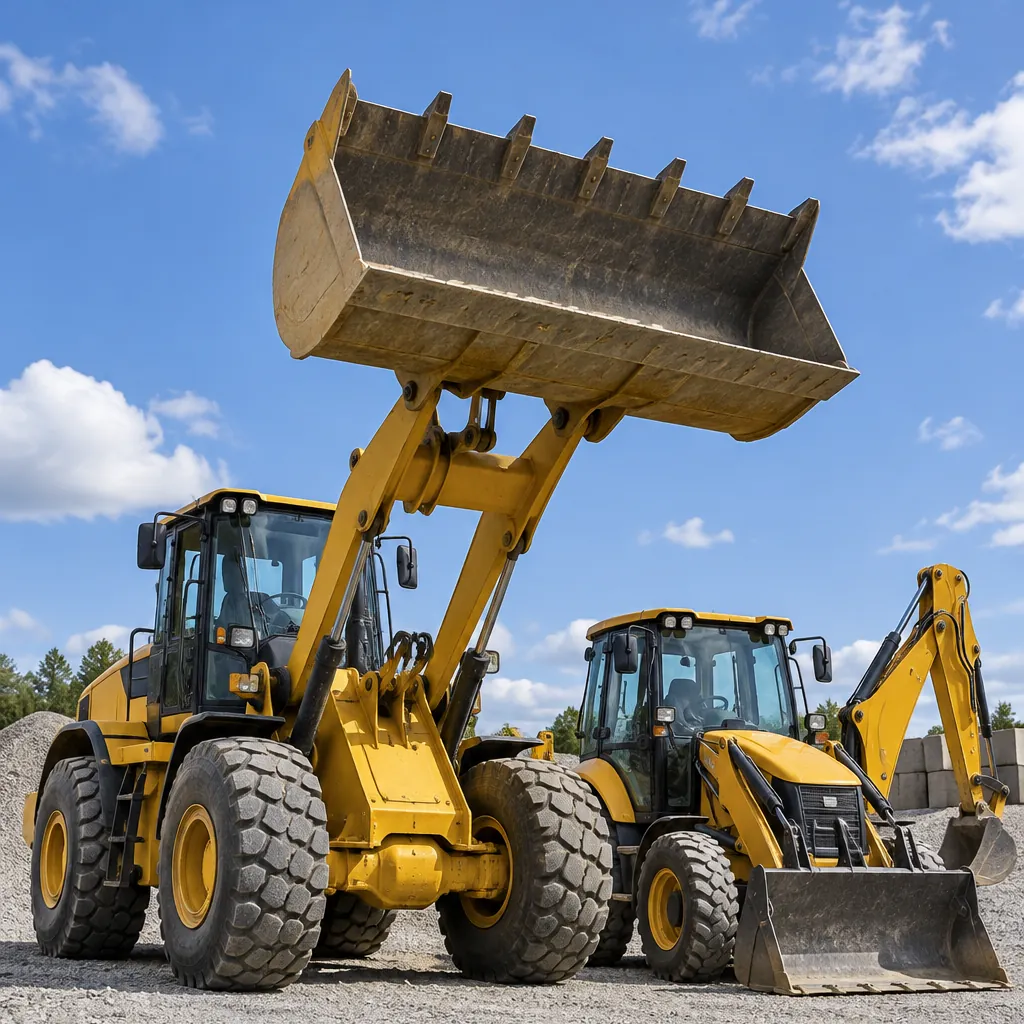
A loader scoops, carries and dumps material, from gravel and soil to snow, mulch and feed. Wheel loaders work in quarries and yards, skid steers and compact track loaders handle tight spaces, backhoe loaders combine a loader with a digging arm, crawler loaders work on rough ground, and telehandlers lift loads high and far.
CHOOSE BY JOB AND SPACE
For stockpiles and truck loading, a wheel loader is usually best. For landscaping, construction cleanup and attachment work in confined spaces, skid steers and compact track loaders excel. Backhoe loaders suit utility contractors and municipalities. Telehandlers serve builders and farms. Many contractors own more than one type, such as a skid steer for cleanup and a wheel loader for stockpiles, because each excels at different tasks. Matching the machine to the task keeps fuel costs down and cycle times fast. Ask sellers about attachments included.
BUCKET SIZE AND LIFT CAPACITY
Match bucket size to the material density and the trucks or hoppers you load. Check rated operating capacity and lift height against your tasks.
ATTACHMENTS
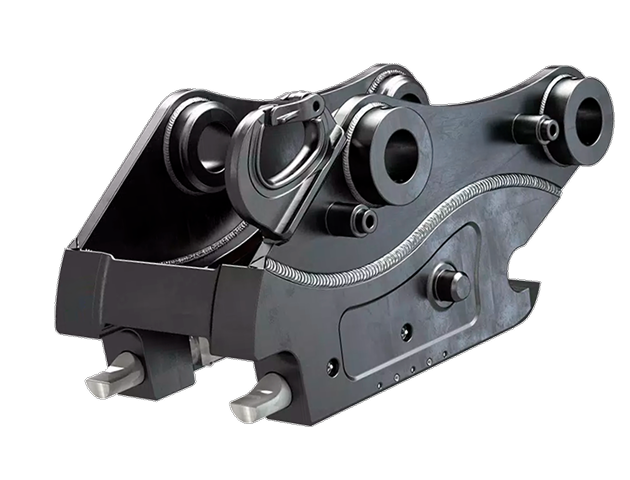
Most loaders use quick couplers that accept forks, grapples, brooms, snow pushers and specialty tools. Auxiliary hydraulics and high-flow circuits power more advanced attachments.
LOADER PRICE
Loader price depends on type, size, hours, attachments, tires or tracks and brand.
BEFORE YOU BUY USED LOADER MODELS
Check pins and bushings, the articulation joint, tires or tracks, hydraulics and engine hours, and test the machine under load.
Got Questions?
Our FAQ section covers everything from shipping and listing to buying with confidence.
WHAT ARE THE DIFFERENT TYPES OF LOADERS?
Backhoe Loader – a versatile tractor-based machine combining a front loader bucket with a rear digging arm for excavation, trenching, and utility work.
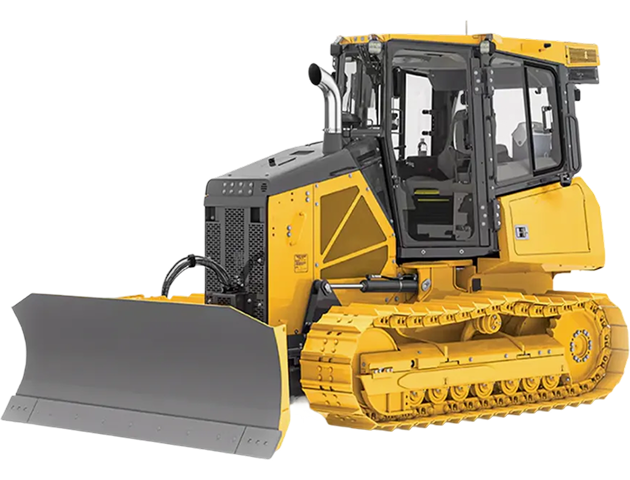
Crawler Loader – a track-mounted loader designed for maximum traction and flotation on soft, muddy, or uneven terrain.
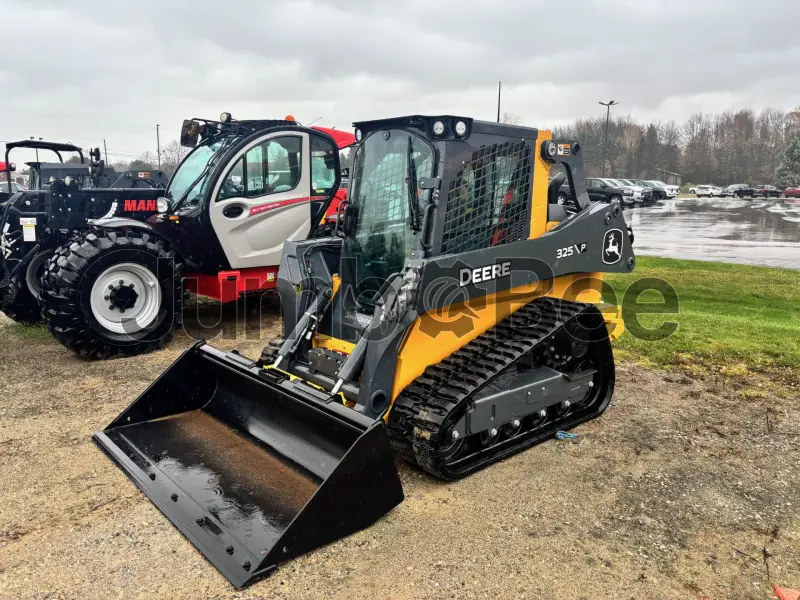
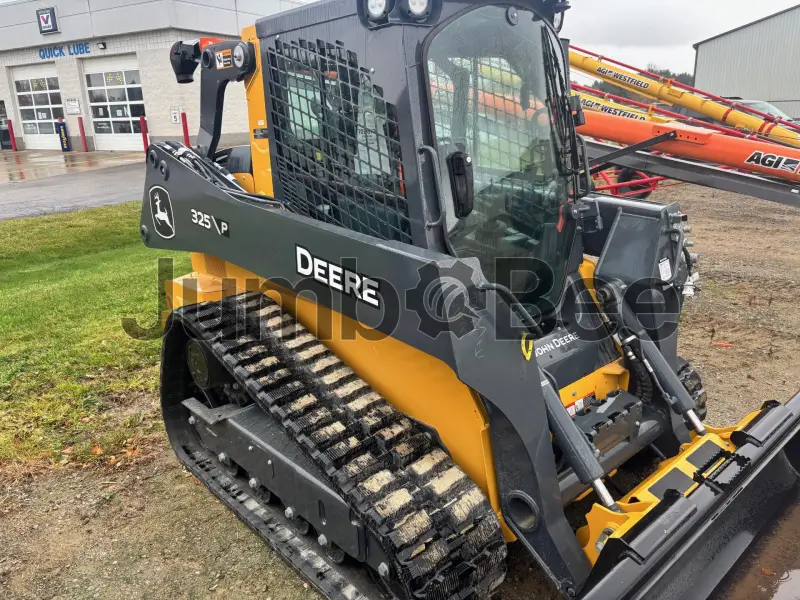
Skid Steer Loader / Compact Track Loader (CTL) – a compact, highly maneuverable loader with a small footprint and zero-turn capability, available with wheels or rubber tracks.
Telehandler – a loader with a telescopic boom that provides extended reach and lifting height for material handling, construction, and agricultural applications.
Wheel Loader – a full-size rubber-tired loader built for high-volume loading, stockpile management, quarry work, and truck loading.
HOW TO CHOOSE THE RIGHT LOADER?
ASSESS YOUR NEEDS
- Identify the primary application: digging, grading, loading, lifting, or material handling
- Match bucket capacity and lift height to your typical material volume and job requirements
- Consider ground conditions, including mud, gravel, pavement, or rough terrain
- Decide whether the machine will move frequently between jobsites or remain on one location
- Include attachment costs, tire or track wear, and maintenance requirements in your budget planning
KEY FEATURES
- Operating weight, breakout force, and lifting capacity
- Bucket size, fork capacity, and attachment options
- Engine horsepower and hydraulic flow for powered attachments
- Cab visibility, operator comfort, and climate control
- Quick-coupler compatibility for buckets, forks, augers, and other implements
WHAT IS MORE PROFITABLE TO BUY A USED LOADER OR A NEW ONE FROM A DEALER?
NEW: full manufacturer warranty, the latest emissions technology, improved fuel efficiency, and no previous wear history — but with a higher purchase price and faster depreciation during the first years of ownership.
USED: lower upfront cost, slower depreciation, and immediate availability — but hours, tire or undercarriage wear, hydraulic condition, and structural components should be inspected carefully. JumboBee's pre-sale inspection option helps verify engine performance, hydraulic systems, and overall machine condition before purchase.
WHAT ARE THE ADVANTAGES OF A NEW OR USED LOADER?
New
- Full factory warranty and dealer support
- Latest engine, hydraulic, and operator technology
- Financing options may be available
Used
- Lower purchase price and operating cost per hour
- Wide selection of brands, models, sizes, and configurations
- Faster availability without manufacturing lead times
HOW CAN I ARRANGE THE SHIPPING OF A LOADER?
Once you've found the right loader on JumboBee, shipping can be arranged through flatbed or lowboy transport services. JumboBee helps coordinate freight logistics, export documentation, and door-to-door or port-to-port delivery, making it easier to move equipment locally or internationally.