Telehandlers for Sale
(17 listings)
Browse by subcategory
Popular brands
Only verified sellers list equipment on JumboBee.
Sort by:
Featured
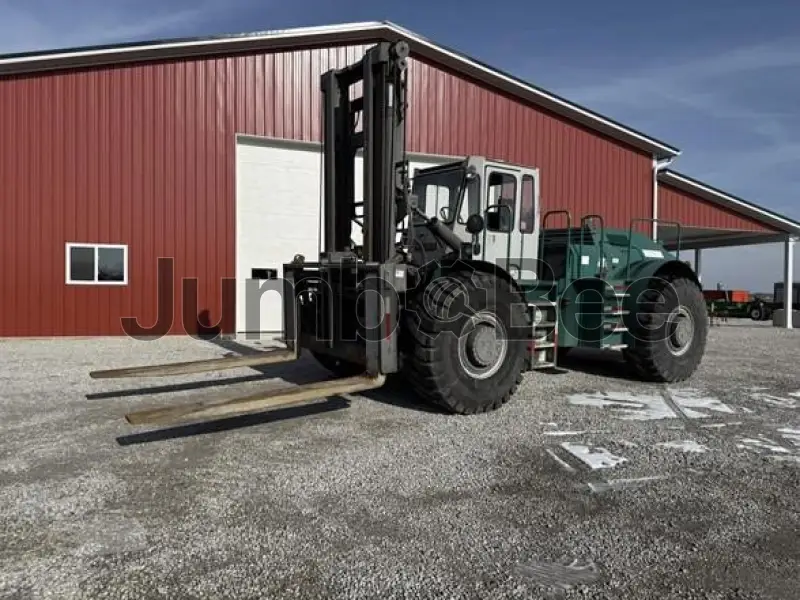
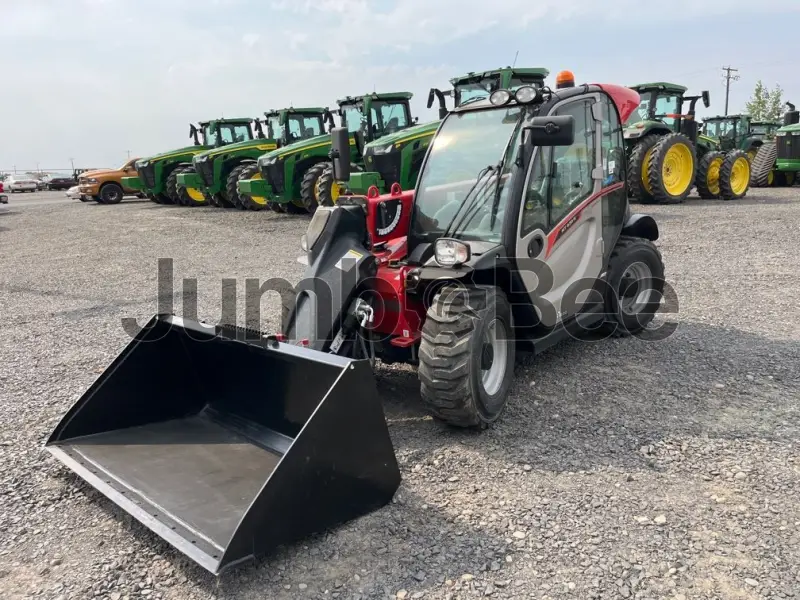
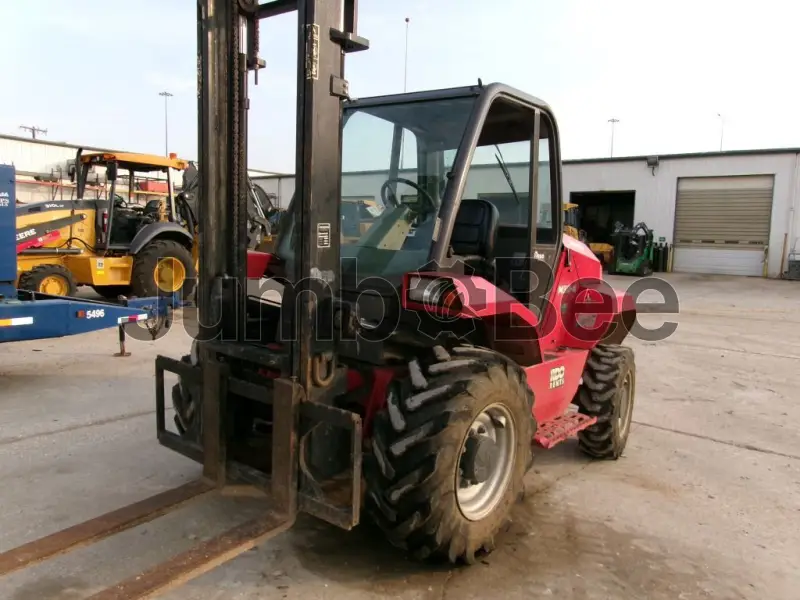
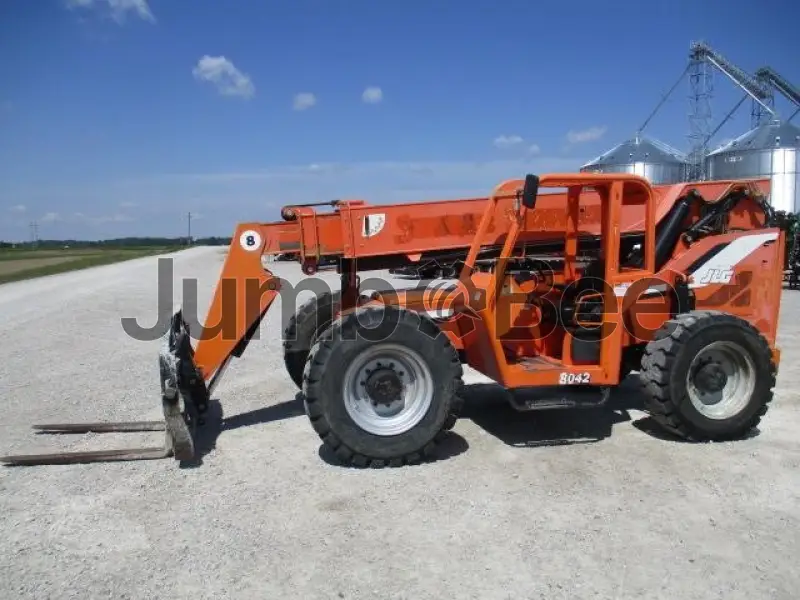
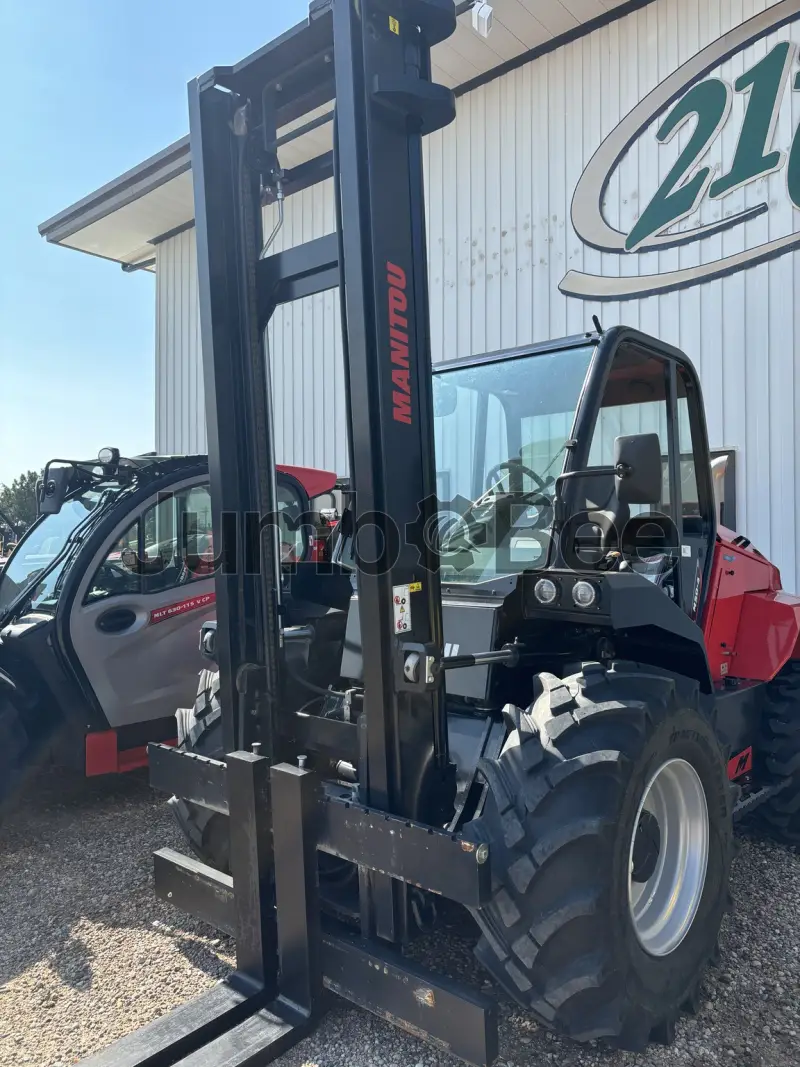
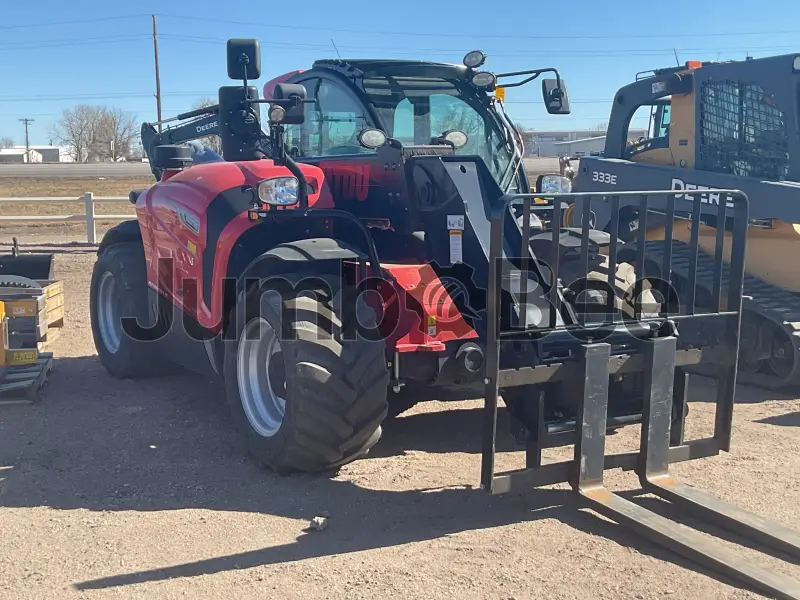
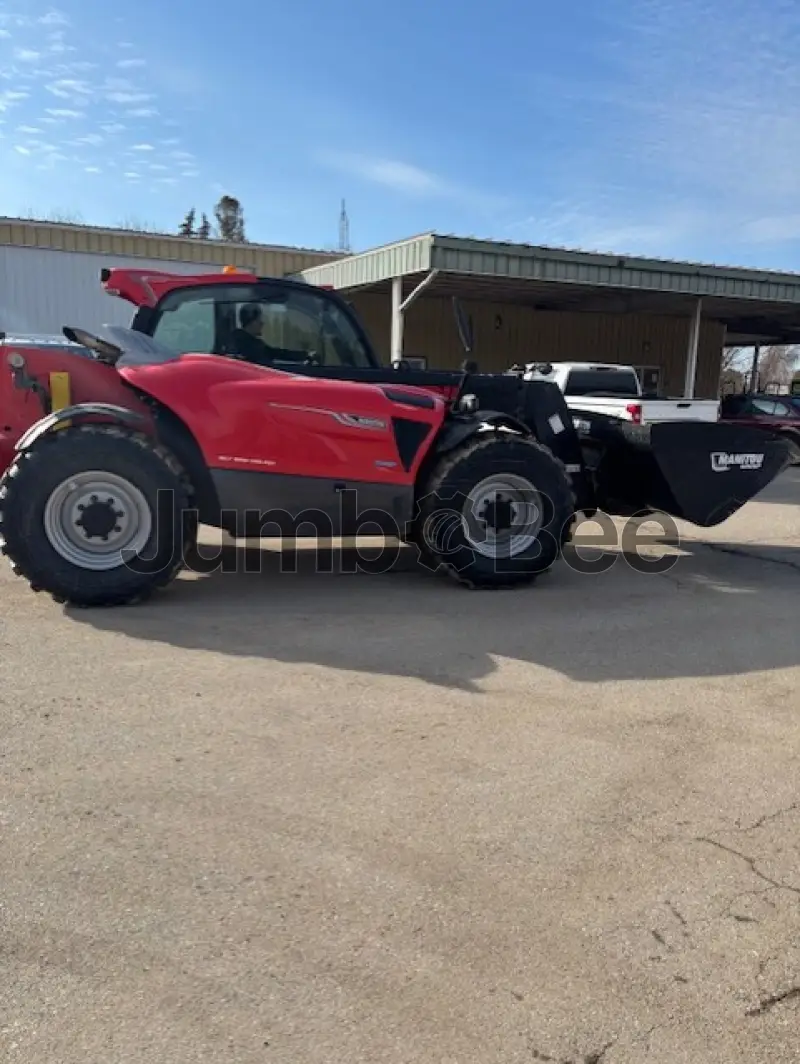
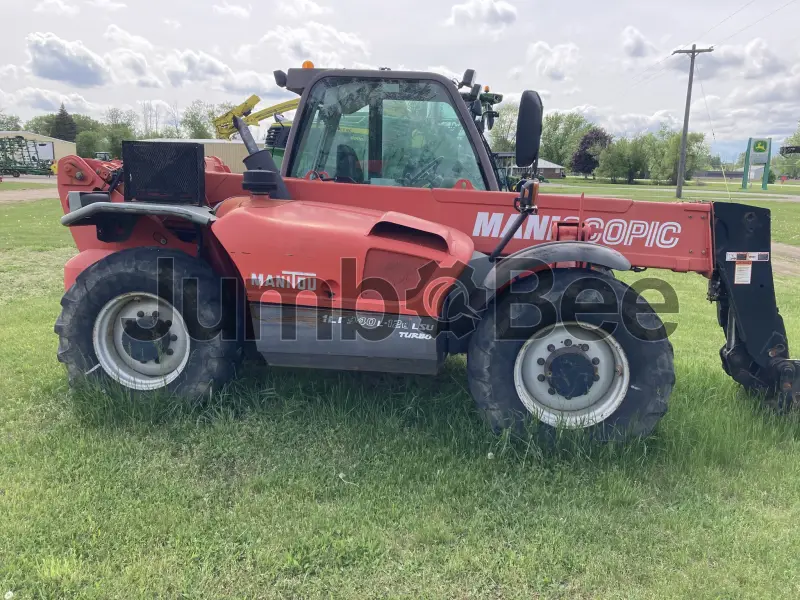
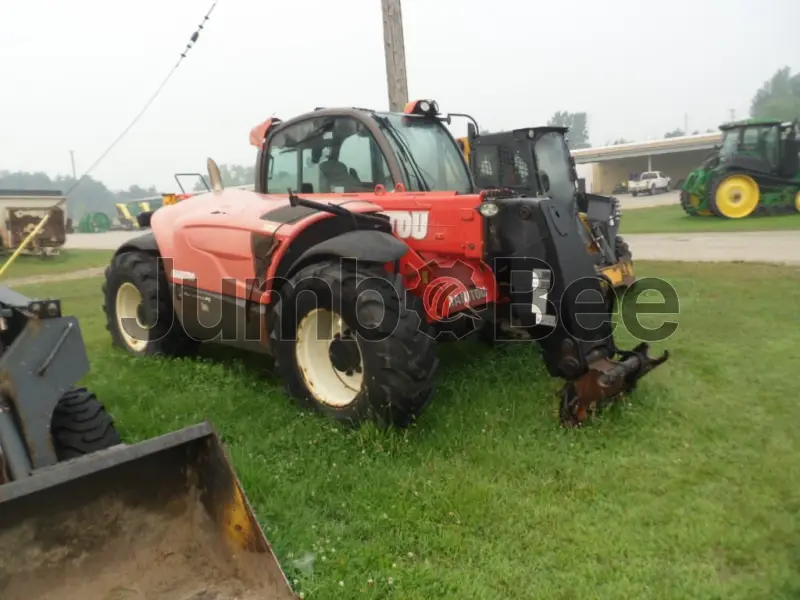
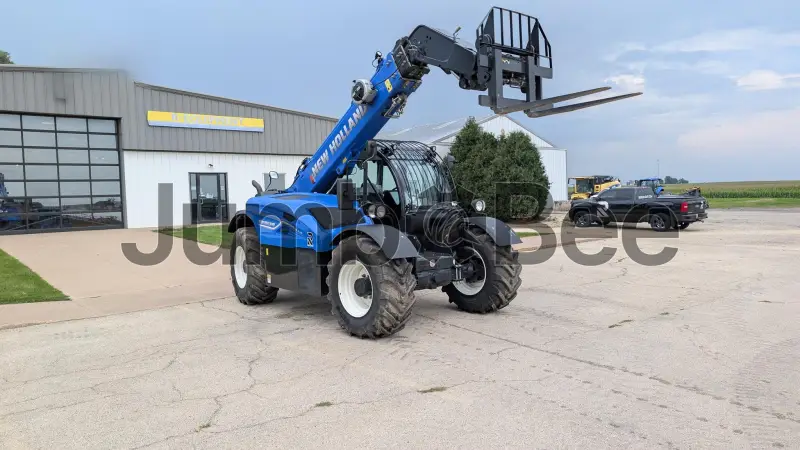
Loaders Models
Loaders
500+
Models
Heavy equipment insights from JumboBee
November 23, 2026
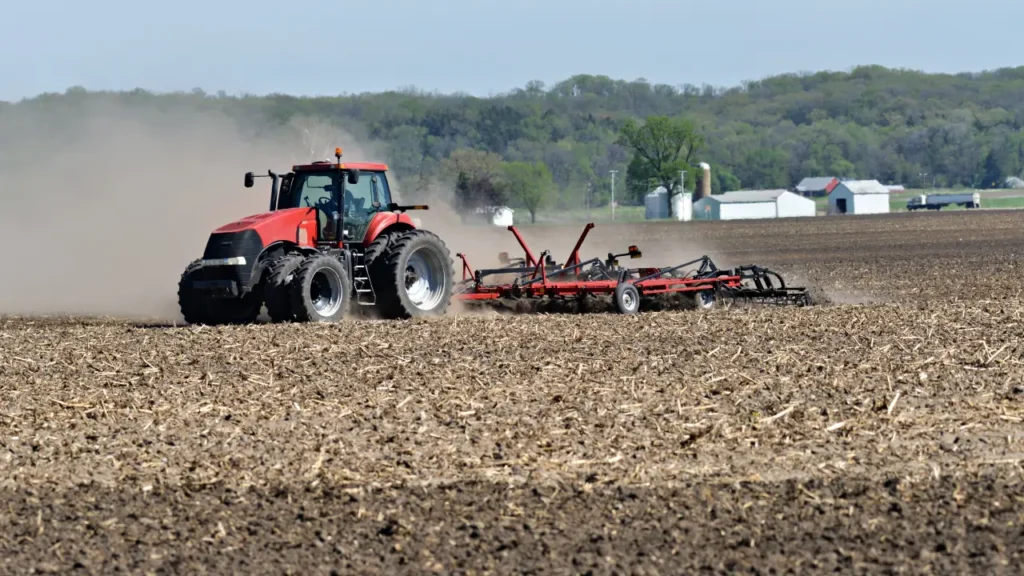
Types of Tillage Equipment: How to Choose the Right Implements for Your Farm
Compare tillage implements and learn what to look for when buying used equipment.
November 20, 2026
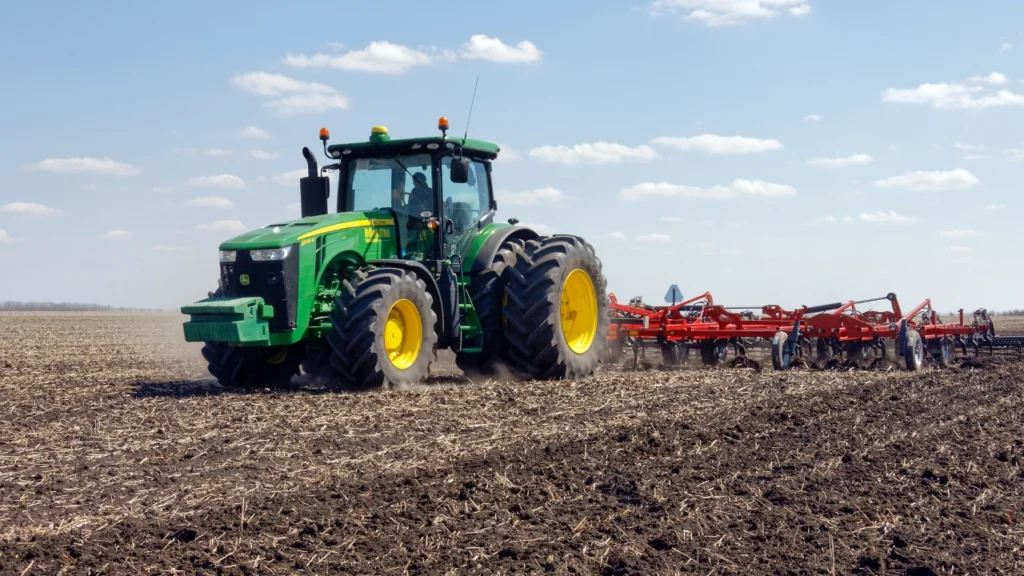
Types of Cultivators: What They Are, How They Work and How to Choose
Compare different types of farm cultivators, their uses, and what to look for when buying used.
November 9, 2026
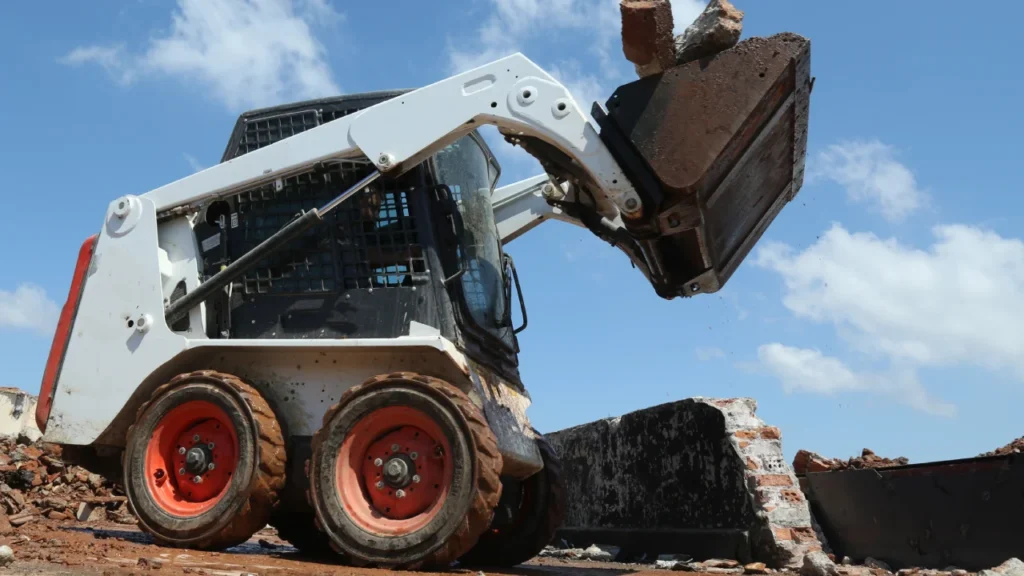
Skid Steer Loader Brands Compared: CAT vs Bobcat vs John Deere
A side-by-side comparison of CAT, Bobcat and John Deere skid steers by size class, capacity, power and hydraulics.
November 2, 2026
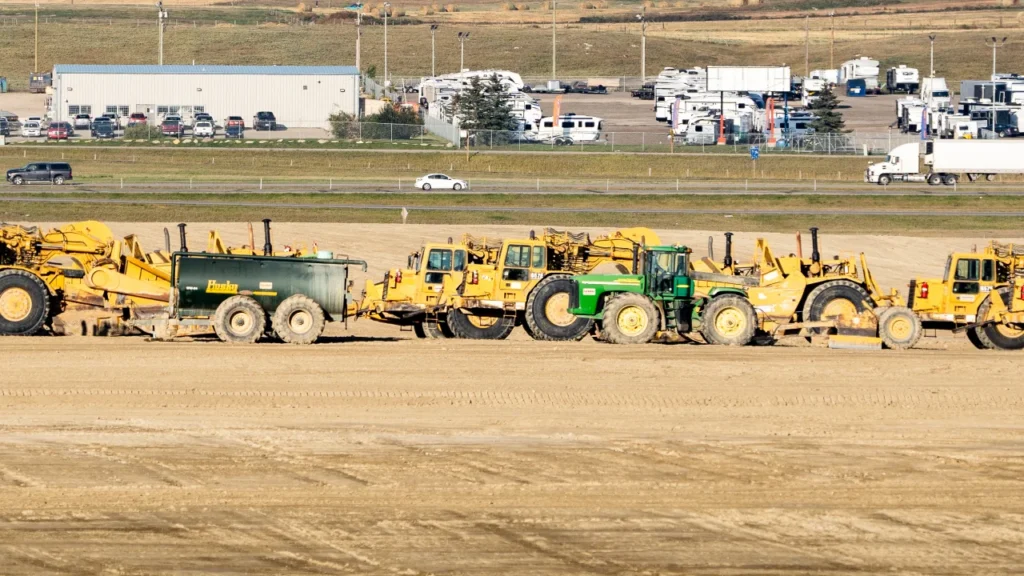
Buying & Selling Heavy Equipment in Canada: Market Guide for Global Buyers
This guide explains how the Canadian heavy equipment market works for international buyers and sellers.
October 9, 2026
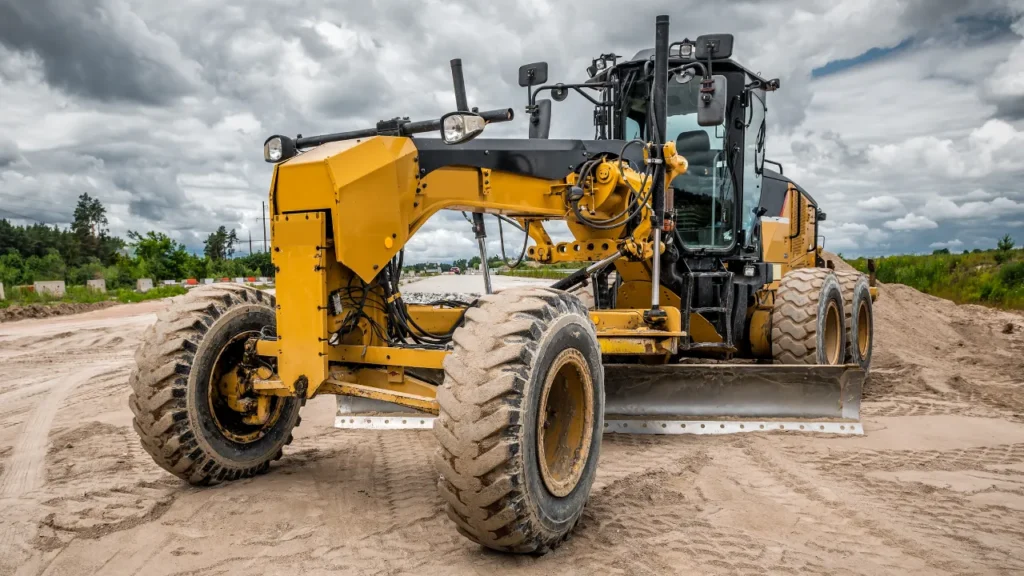
Motor Grader Buying Guide: Sizes, Top Brands, and What Contractors Should Look For
This guide helps buyers select the right motor grader for their needs and maximize ROI across construction, mining, and snow removal.
August 25, 2026
Repair, Rebuild or Replace Heavy Equipment: 2026 Cost-Based Decision Guide
This guide provides a mathematical approach to help you decide what to do with your aging machinery in 2026.
LIFT HIGH AND REACH FAR
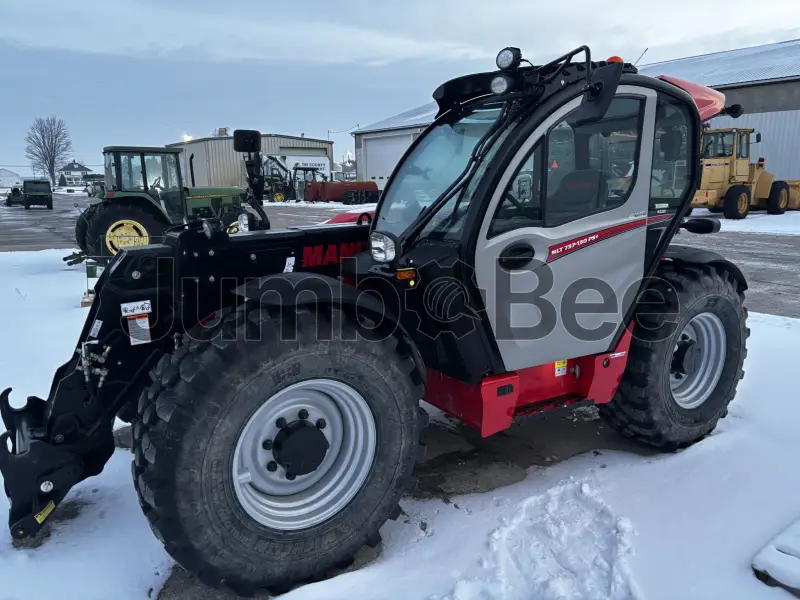
A telehandler, or telescopic handler, uses a telescoping boom to lift and place loads at height and distance. On construction sites it sets trusses, lumber, block and roofing materials; on farms it stacks bales and loads feed and grain.
LIFT CAPACITY AND HEIGHT
Telehandlers are rated by maximum lift capacity and lift height, but capacity drops as the boom extends. Review the load chart for your common lifts. Construction models often reach 40 to 55 feet or more, while agricultural models focus on lower heights and faster cycle times.
STEERING MODES AND STABILITY
Most telehandlers offer front-wheel, all-wheel and crab steering for maneuvering on tight sites. Frame leveling and stabilizers improve stability on uneven ground at height.
ATTACHMENTS
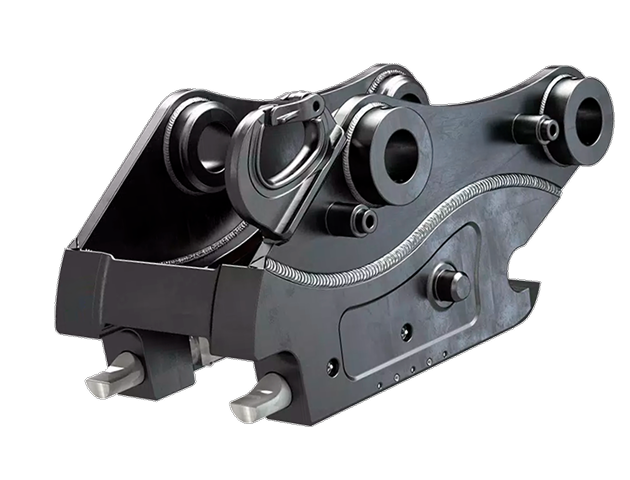
Carriages, forks, buckets, truss booms, work platforms and grapples extend a telehandler's use. Quick-attach systems make changes fast. Agricultural models often include pickup hitches and high-flow hydraulics for farm attachments. Check that the coupler matches attachments you already own, since telehandler couplers vary between brands.
INSPECTING A USED TELEHANDLER FOR SALE
Check boom sections and wear pads, boom chains or cylinders, pins and bushings, frame leveling, axles and steering, tires, the load moment indicator and hours. Review inspection records. If you buy used telehandler equipment, extend the boom fully and test all functions.
USED TELEHANDLER PRICE
Used telehandler price depends on capacity, height, hours, steering, attachments and brand.
ROTATING TELEHANDLERS
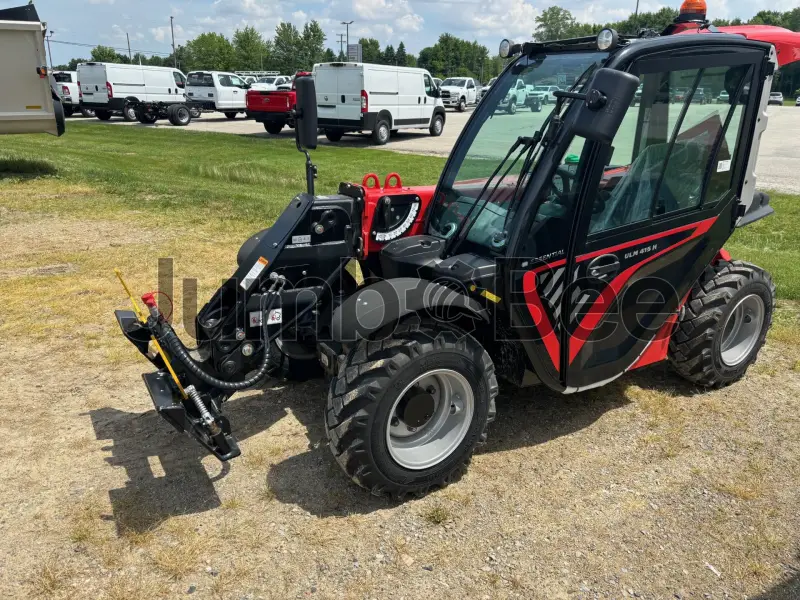
Rotating models add a slewing upper structure, combining telehandler, crane and work platform functions in one machine.
Got Questions?
Our FAQ section covers everything from shipping and listing to buying with confidence.
WHAT SHOULD YOU LOOK FOR IN A TELEHANDLER?
- Maximum lift height and forward reach based on the machine's load chart
- Rated capacity at full extension, not only maximum lifting capacity near the frame
- Tire type and traction setup for your terrain and jobsite conditions
- Attachment compatibility, including forks, buckets, jibs, winches, and work platforms
- Boom sections, hydraulic cylinders, pins, and hour meter condition
HOW TO CHOOSE THE RIGHT TELEHANDLER?
ASSESS YOUR NEEDS
- Determine the maximum height and reach required using the manufacturer's load chart
- Choose between standard rough-terrain tires or specialized setups for your working environment
- Identify the attachments you need most, such as pallet forks, buckets, or lifting accessories
- Consider features like frame leveling, side-shift, or cab rotation for precise material placement
KEY FEATURES
- Load capacity at different heights and boom extension points
- Fixed-frame or rotating telehandler configuration
- Outriggers or stabilizers for increased lifting stability
- Hydraulic quick-attach system for fast attachment changes
- Engine power, four-wheel drive, and steering modes
WHAT IS MORE PROFITABLE TO BUY A USED TELEHANDLER OR A NEW ONE FROM A DEALER?
NEW: full manufacturer warranty, the latest stability systems, improved fuel efficiency, and no previous wear on critical boom components — but with a higher purchase price.
USED: lower cost and strong remaining service life, since telehandlers are designed for long-term operation. However, boom condition, hydraulic systems, and load capacity should be inspected carefully. JumboBee's pre-sale inspection option checks boom wear, cylinder condition, and overall machine performance before purchase.
WHAT ARE THE ADVANTAGES OF A NEW OR USED TELEHANDLER?
New
- Full warranty coverage for boom, engine, and hydraulic systems
- Latest load-management and stability technology
- Improved fuel efficiency and emissions performance
Used
- Lower cost for similar lifting height and reach capabilities
- Wide selection of models, capacities, and attachment packages
- Faster availability without waiting for new equipment delivery
HOW CAN I ARRANGE THE SHIPPING OF A TELEHANDLER?
JumboBee arranges flatbed transportation, heavy-haul logistics, and international freight solutions for telehandlers. Oversized transport permits and delivery coordination can also be handled for longer-boom and larger-capacity models.