Crawler Loaders for Sale
(12 listings)
Browse by subcategory
Popular brands
Only verified sellers list equipment on JumboBee.
Sort by:
Featured
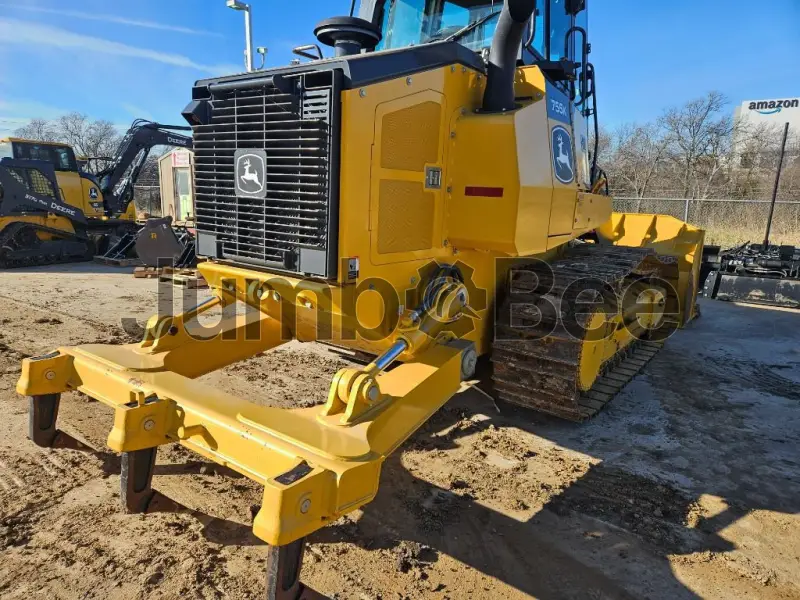
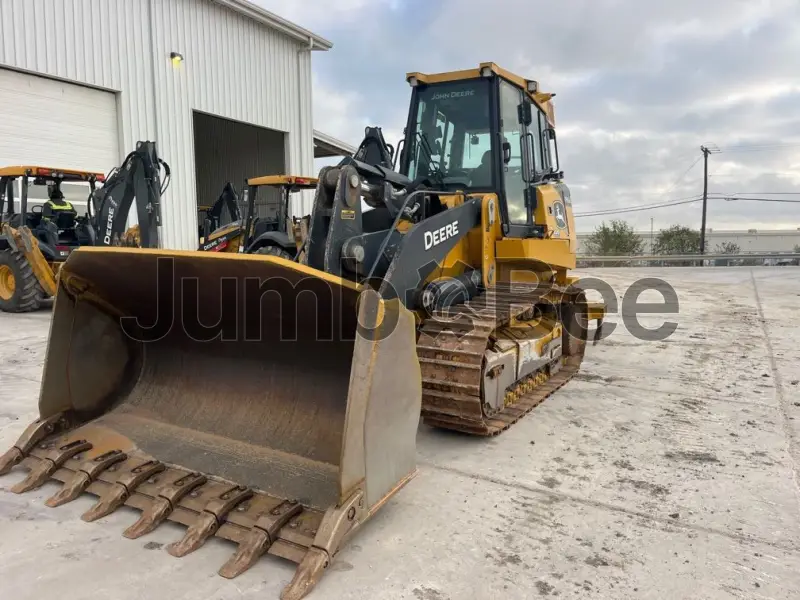
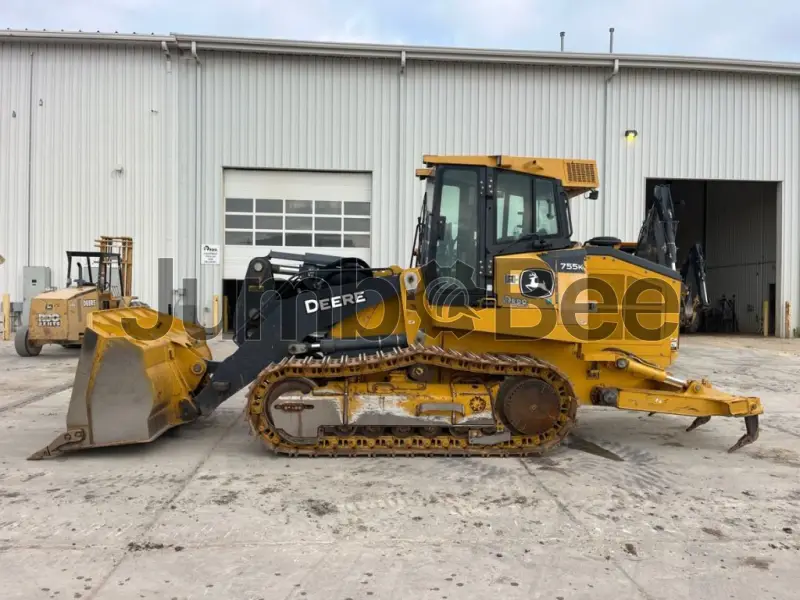
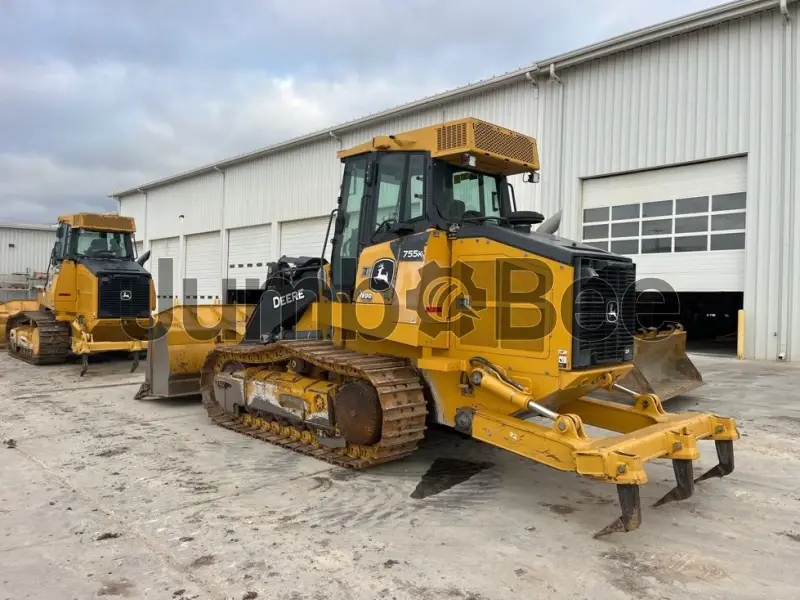
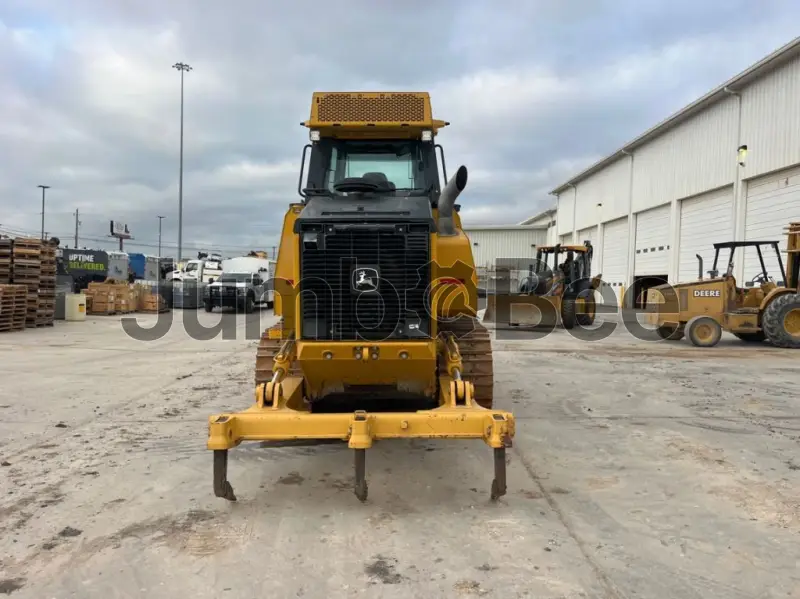
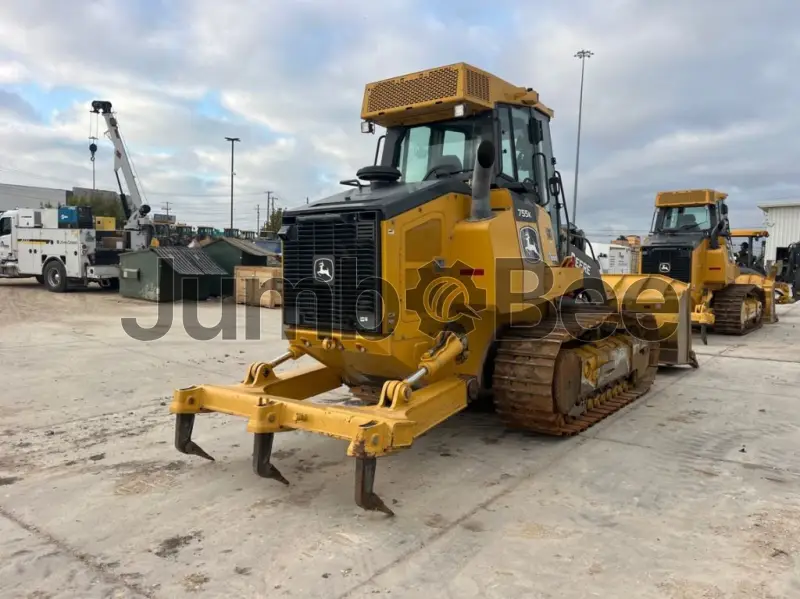
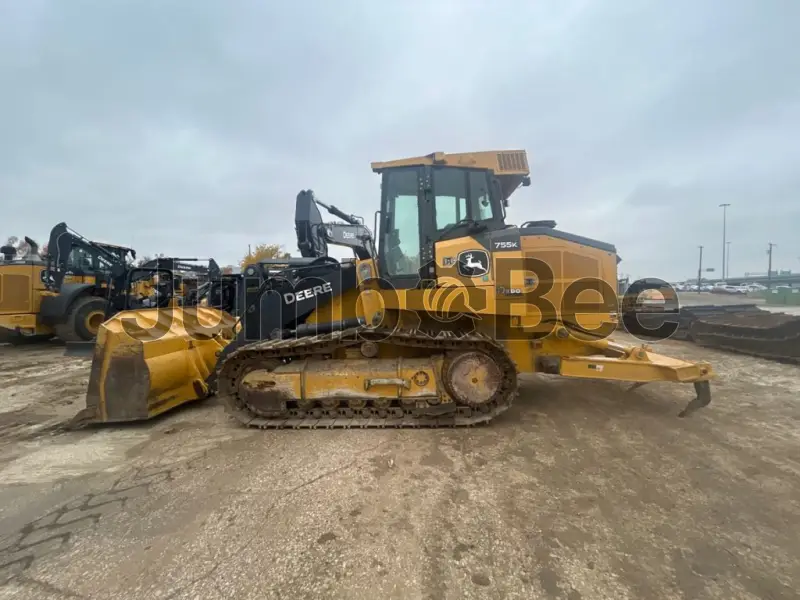
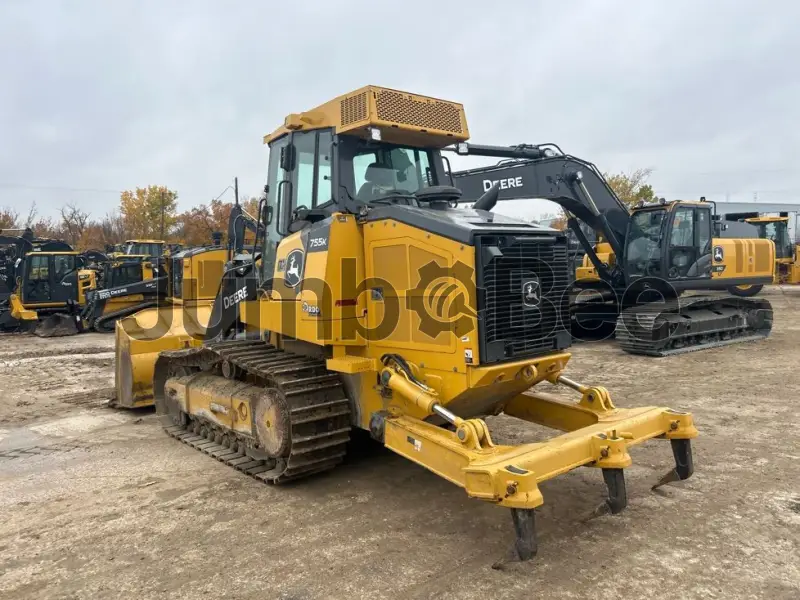
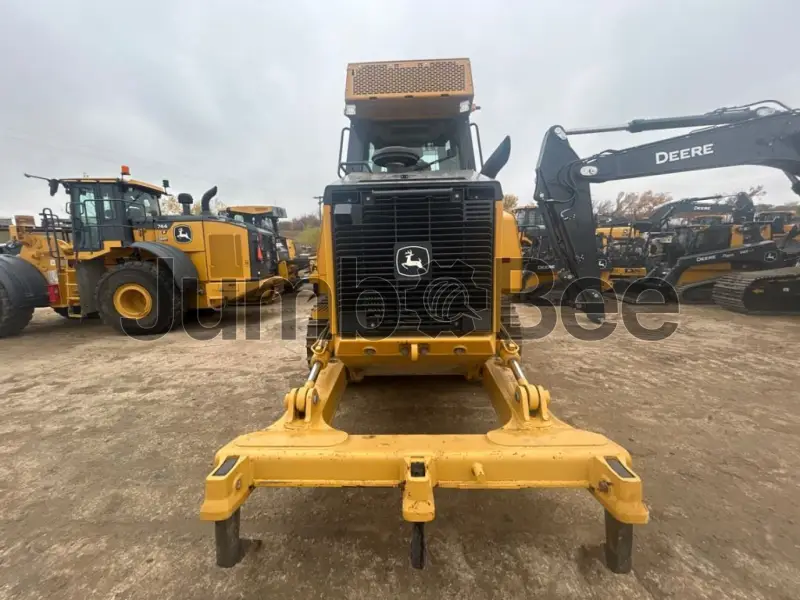
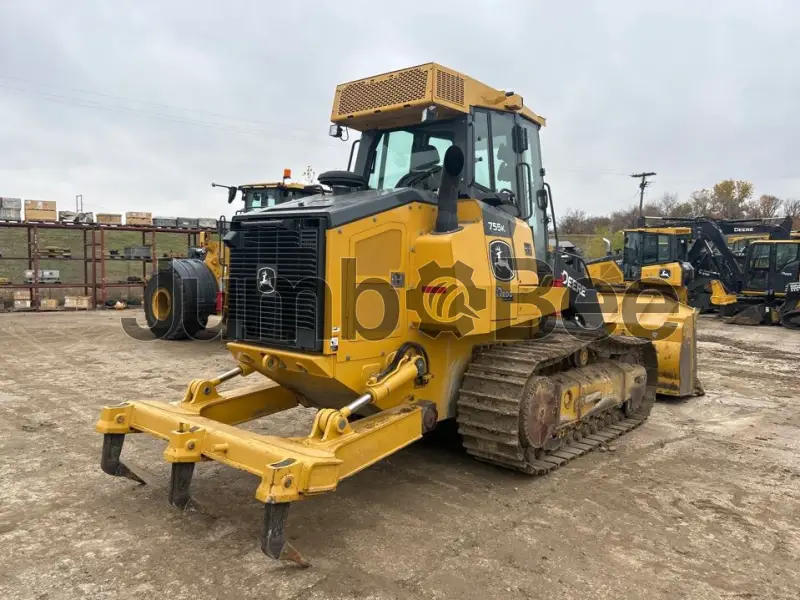
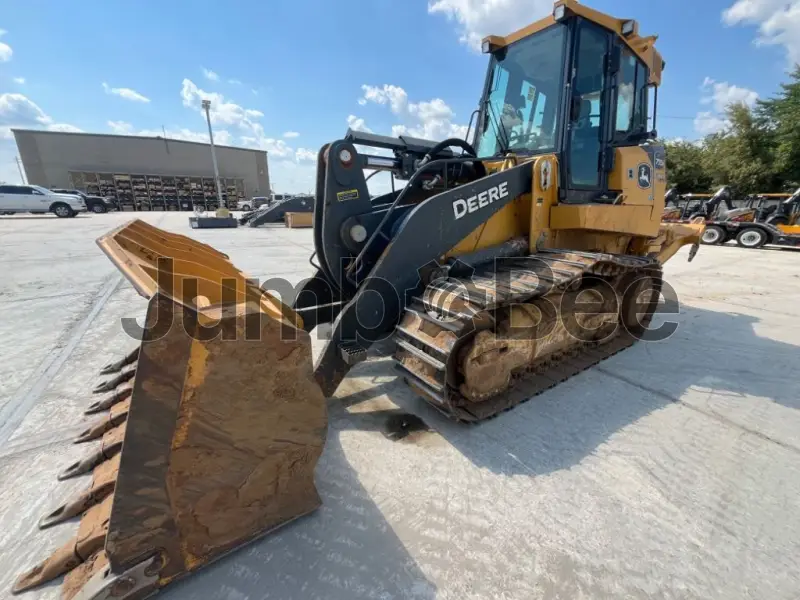
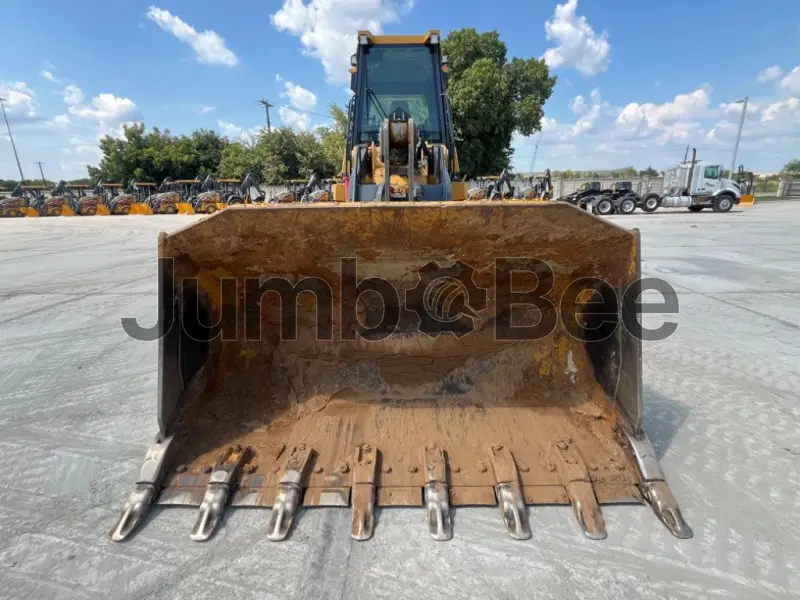
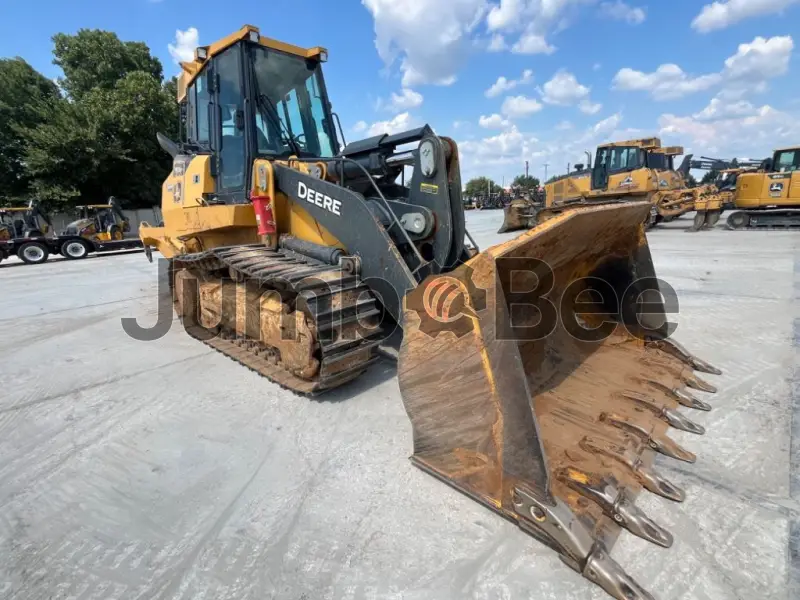
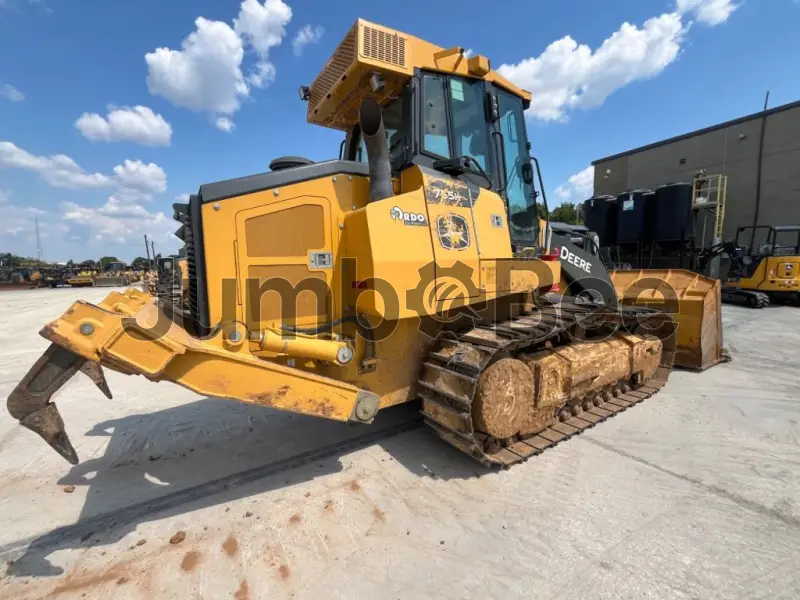
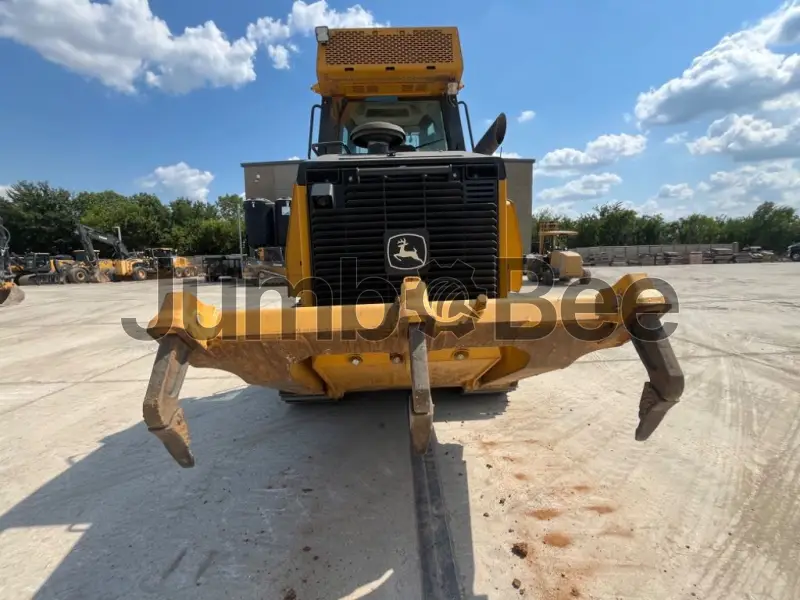
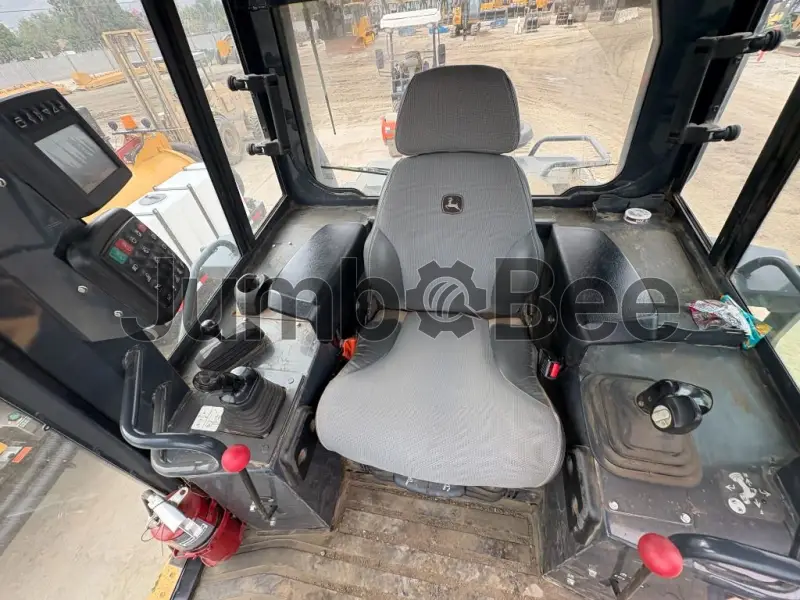
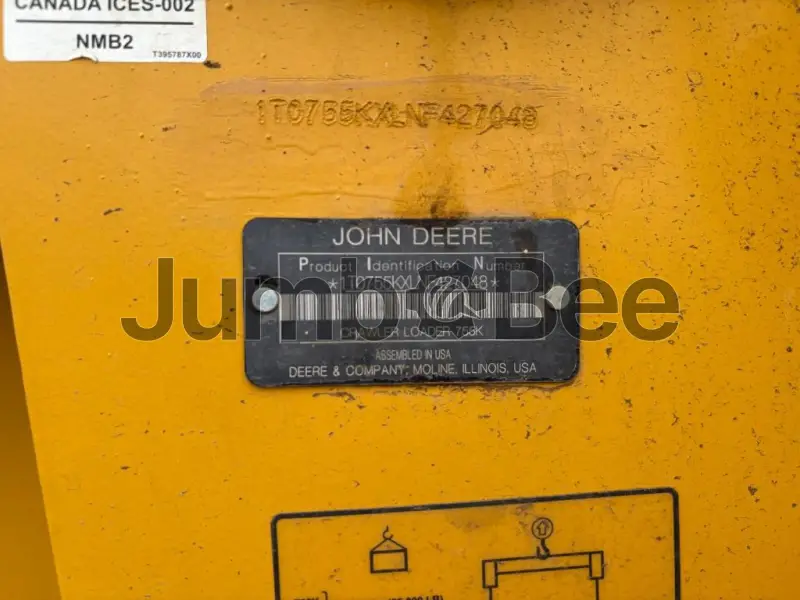
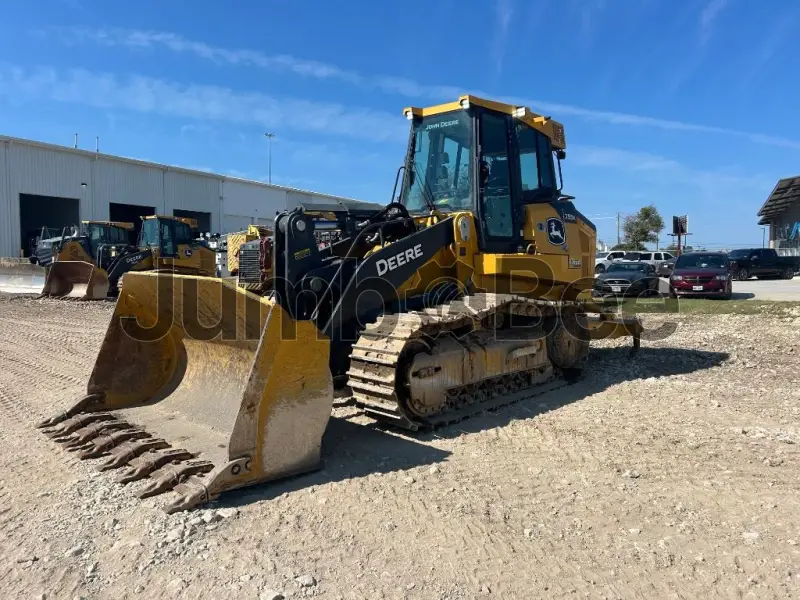
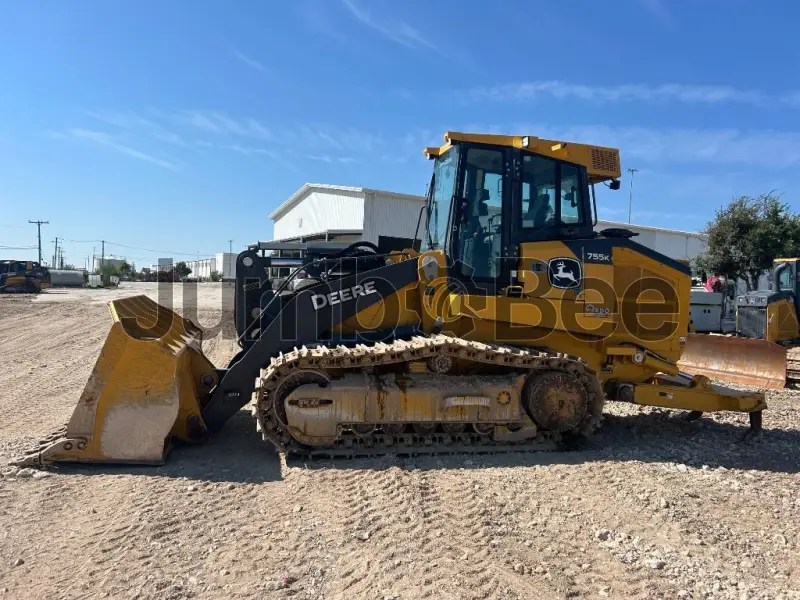
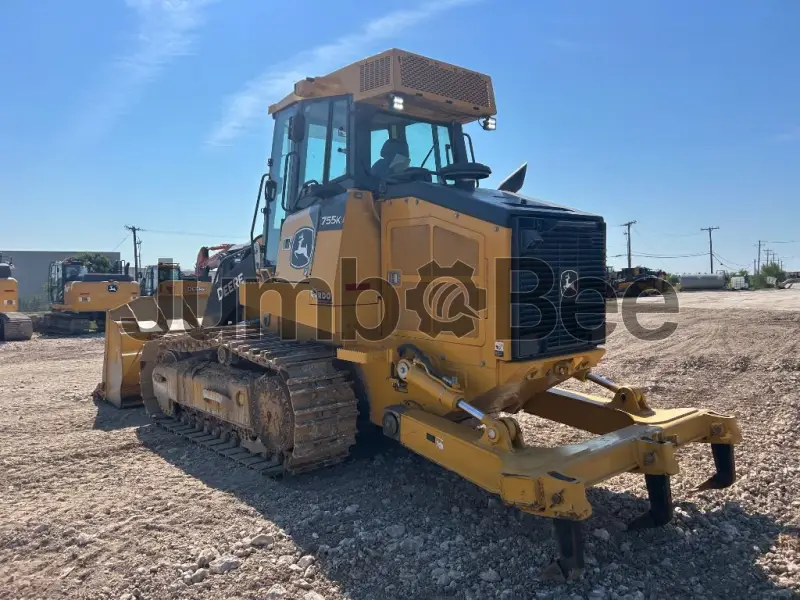
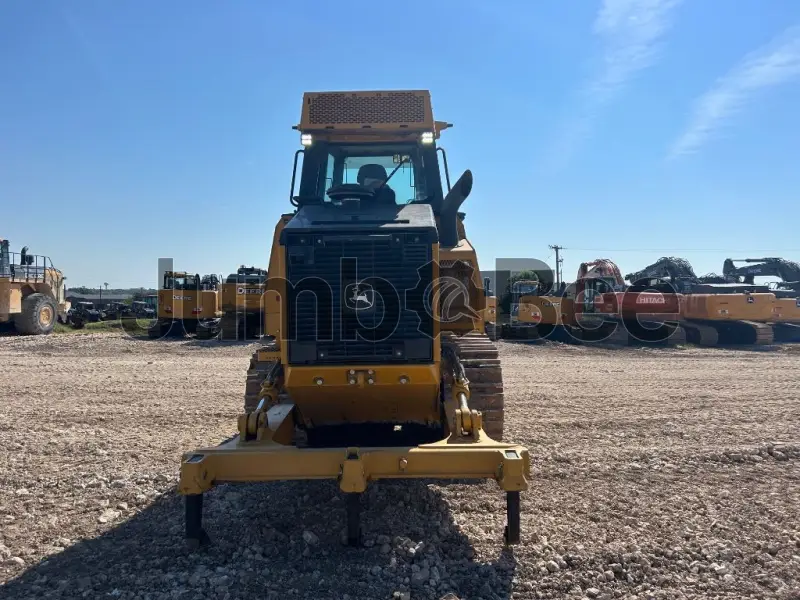
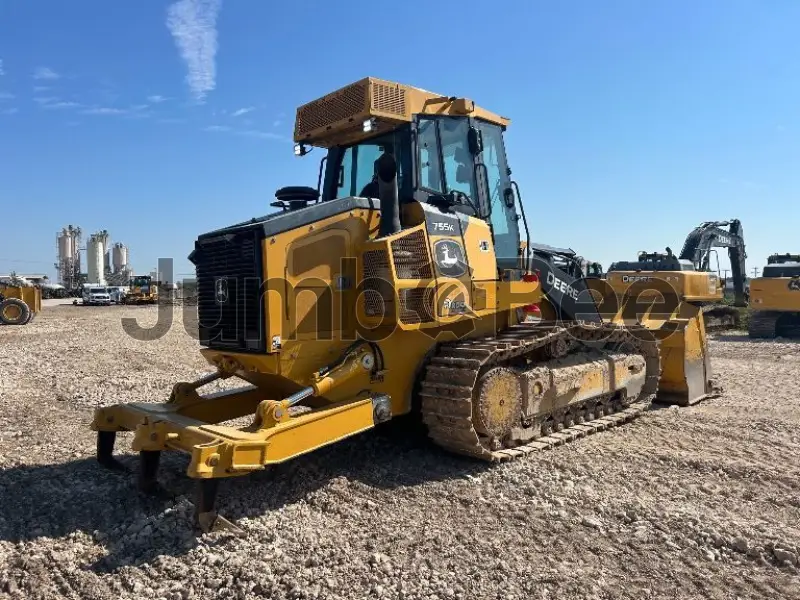
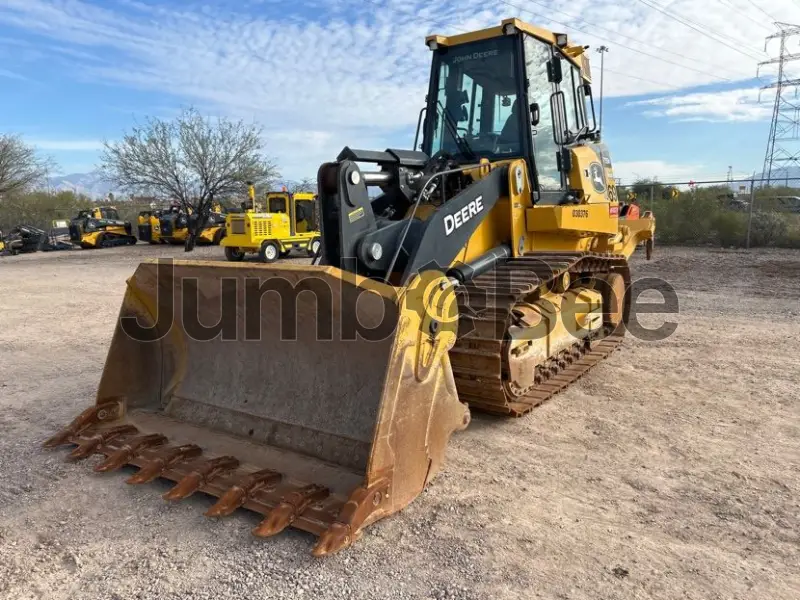
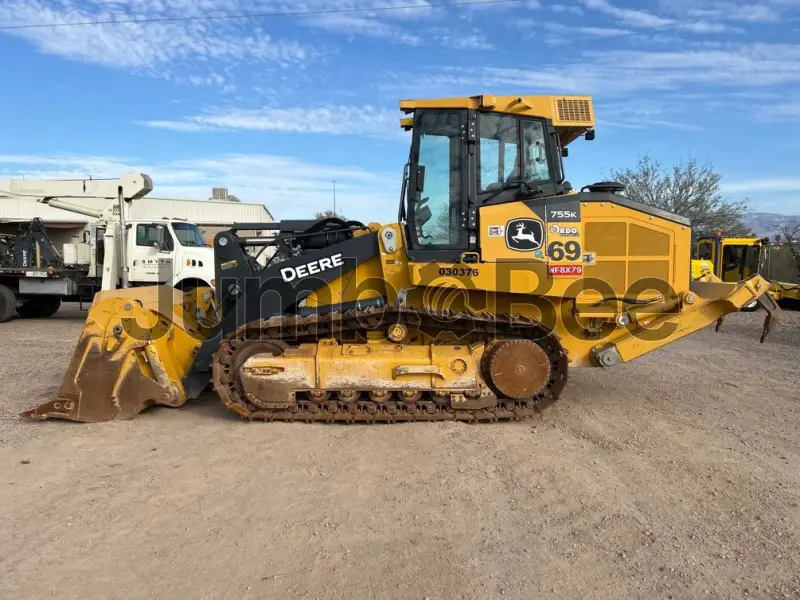
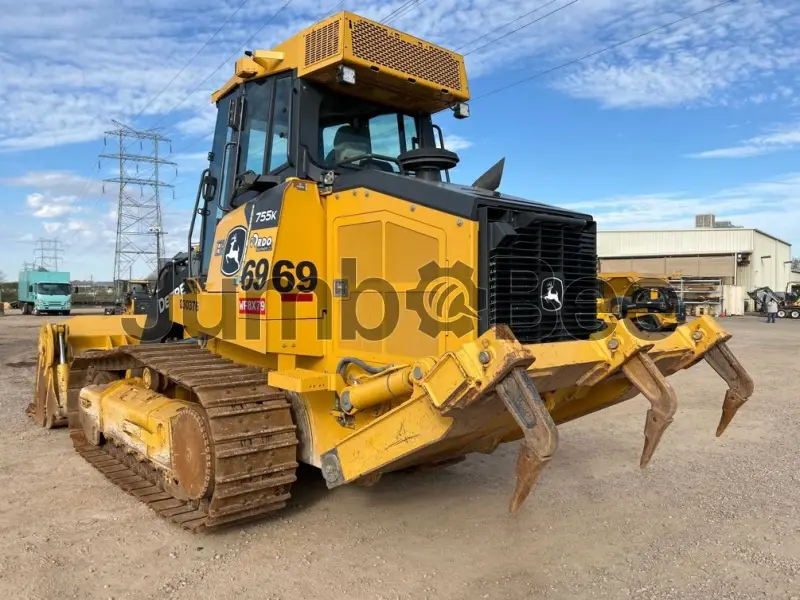
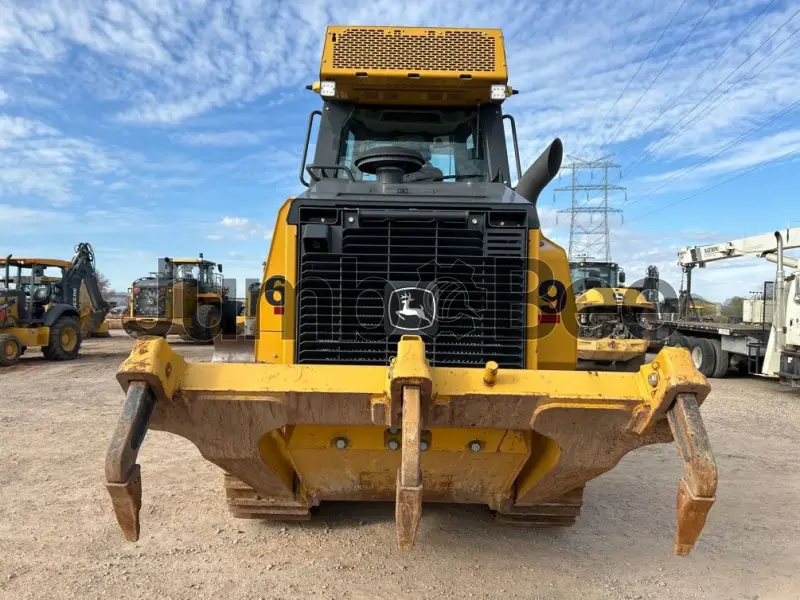
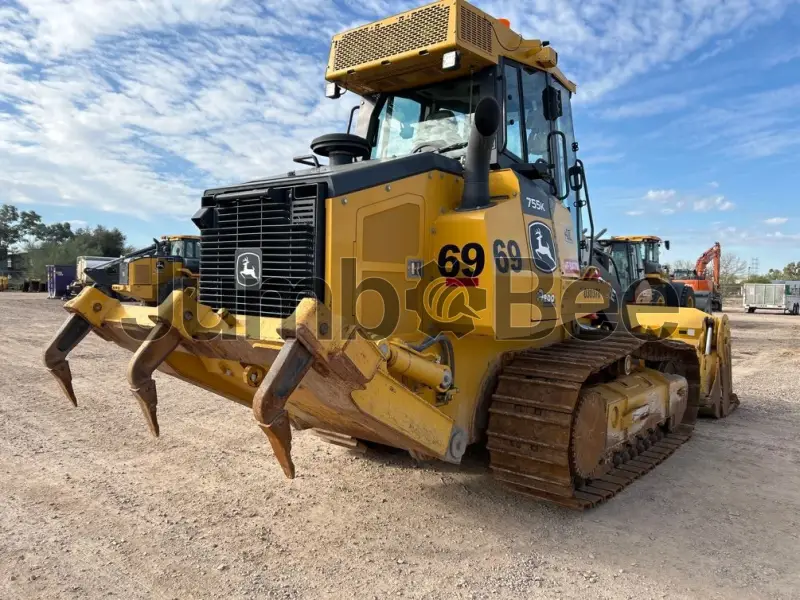
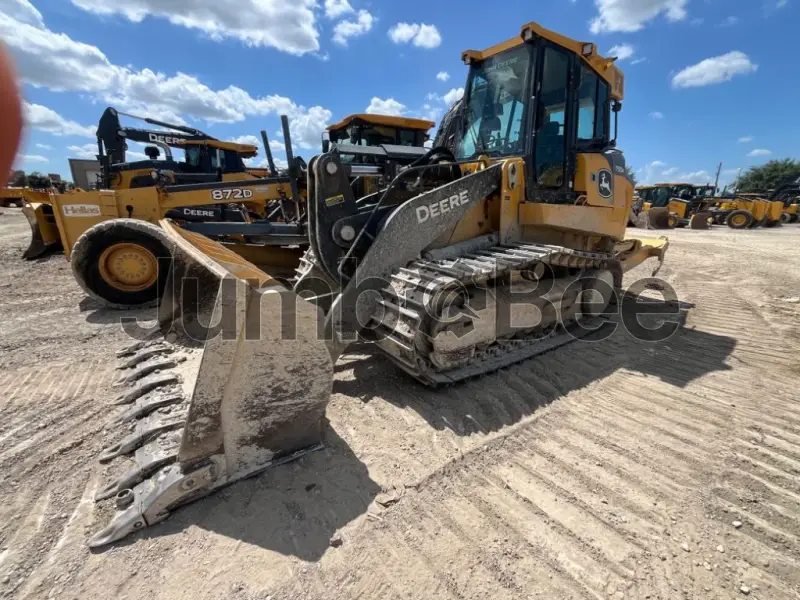
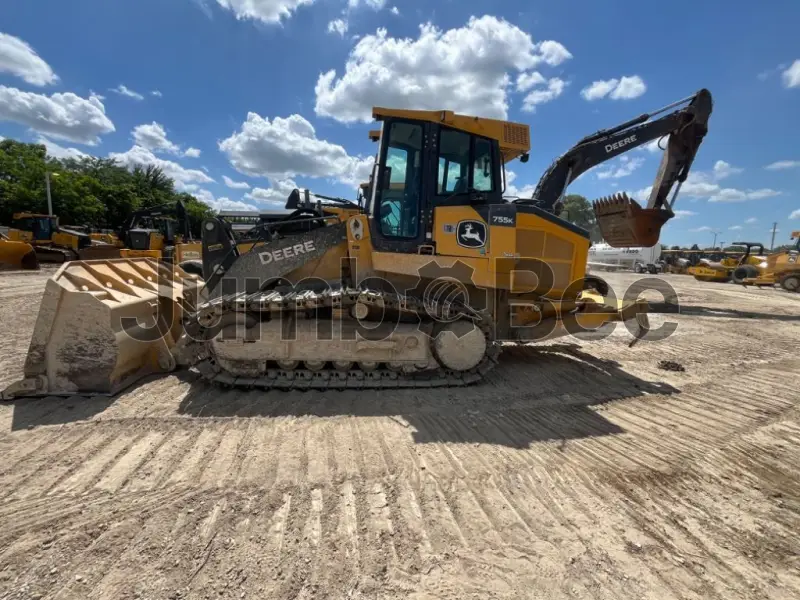
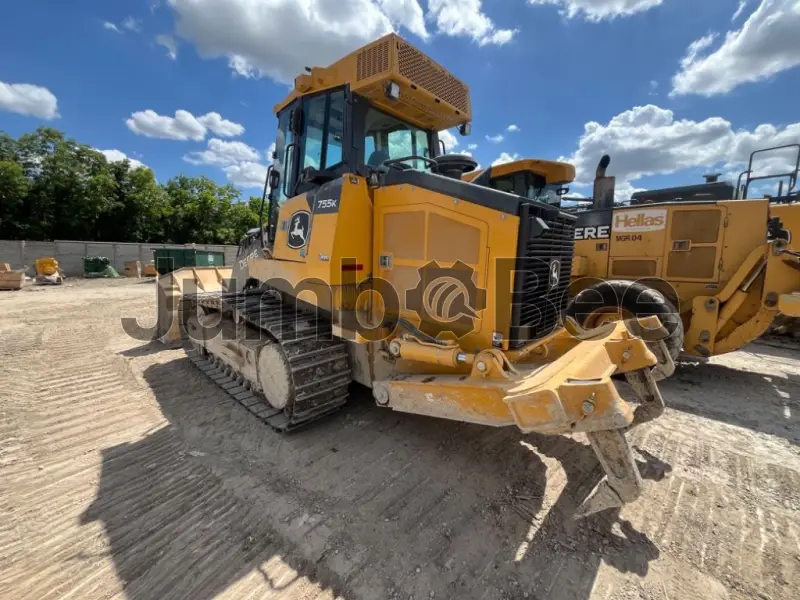
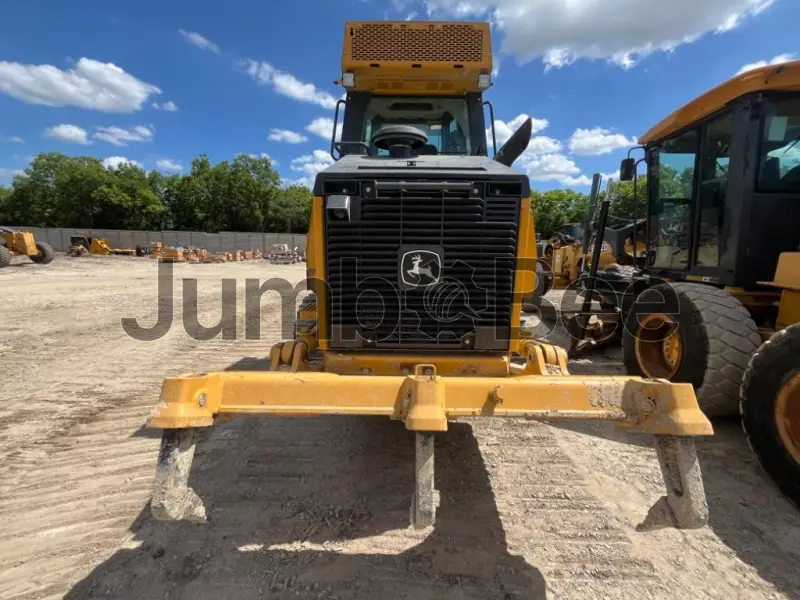
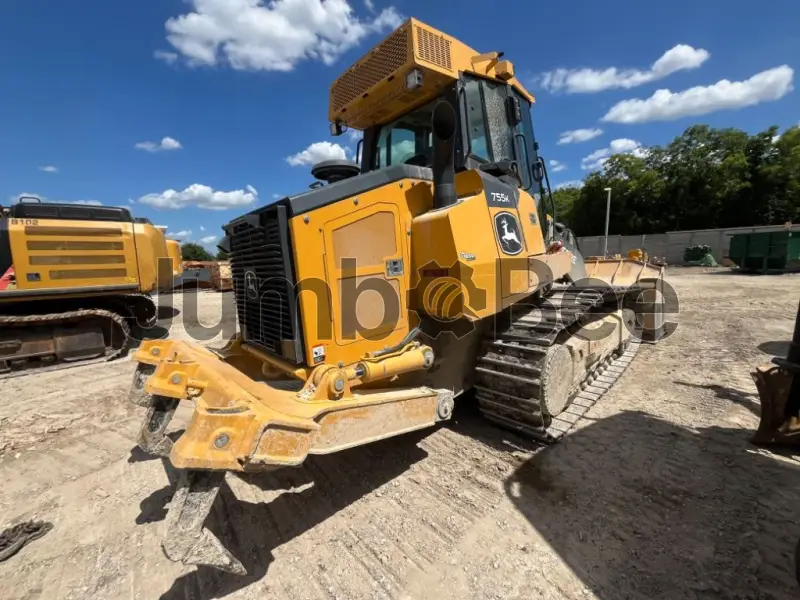
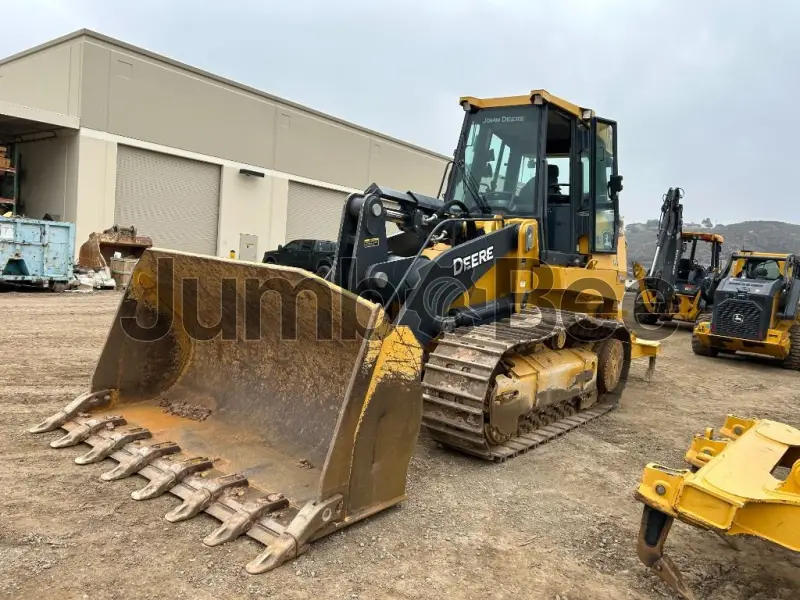
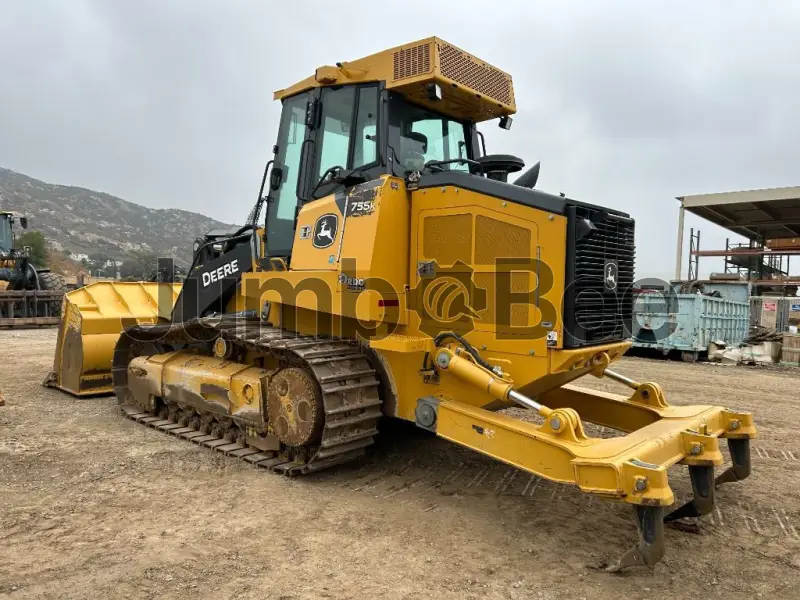
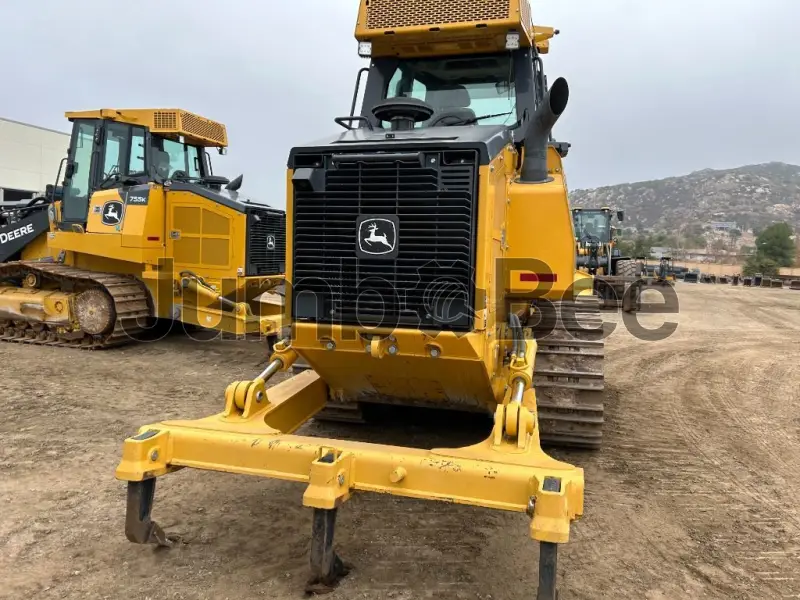
Loaders Models
Loaders
500+
Models
Heavy equipment insights from JumboBee
November 23, 2026
Types of Tillage Equipment: How to Choose the Right Implements for Your Farm
Compare tillage implements and learn what to look for when buying used equipment.
November 20, 2026
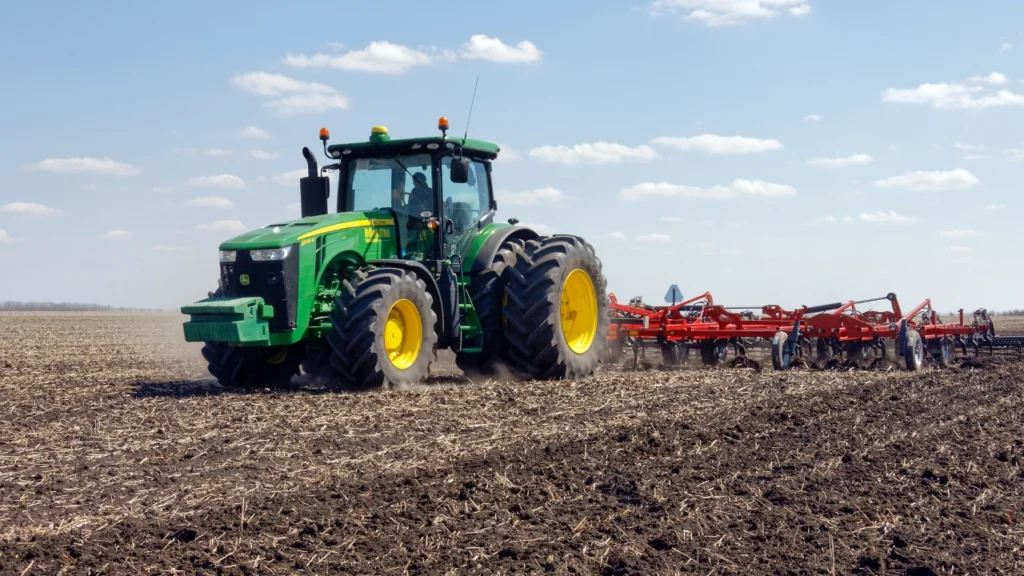
Types of Cultivators: What They Are, How They Work and How to Choose
Compare different types of farm cultivators, their uses, and what to look for when buying used.
November 9, 2026
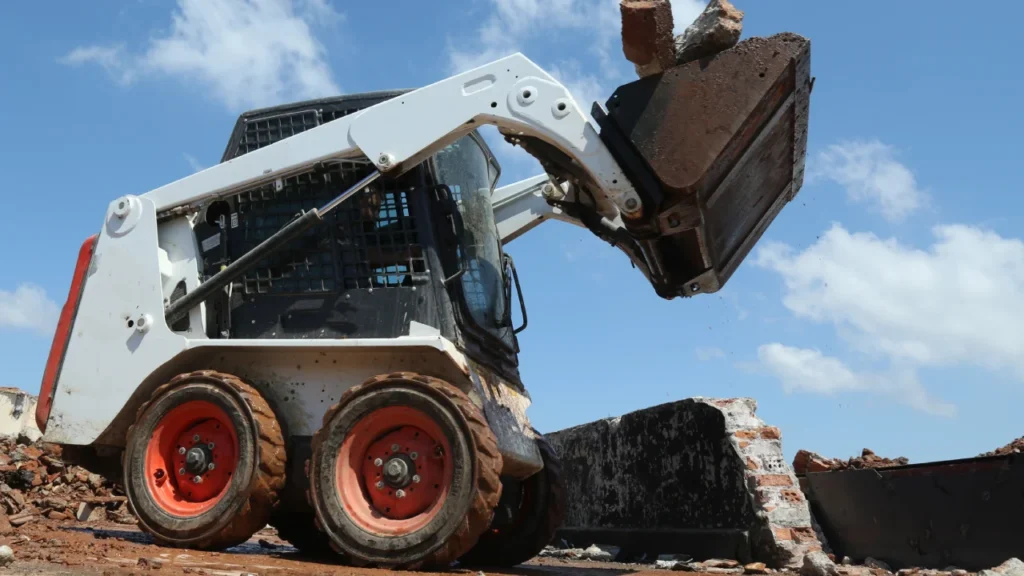
Skid Steer Loader Brands Compared: CAT vs Bobcat vs John Deere
A side-by-side comparison of CAT, Bobcat and John Deere skid steers by size class, capacity, power and hydraulics.
November 2, 2026
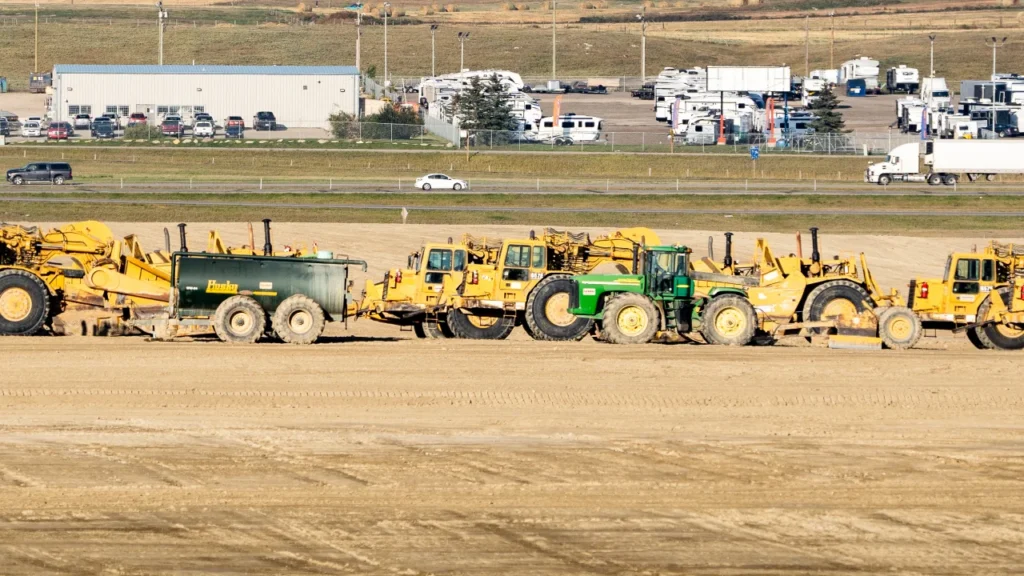
Buying & Selling Heavy Equipment in Canada: Market Guide for Global Buyers
This guide explains how the Canadian heavy equipment market works for international buyers and sellers.
October 9, 2026
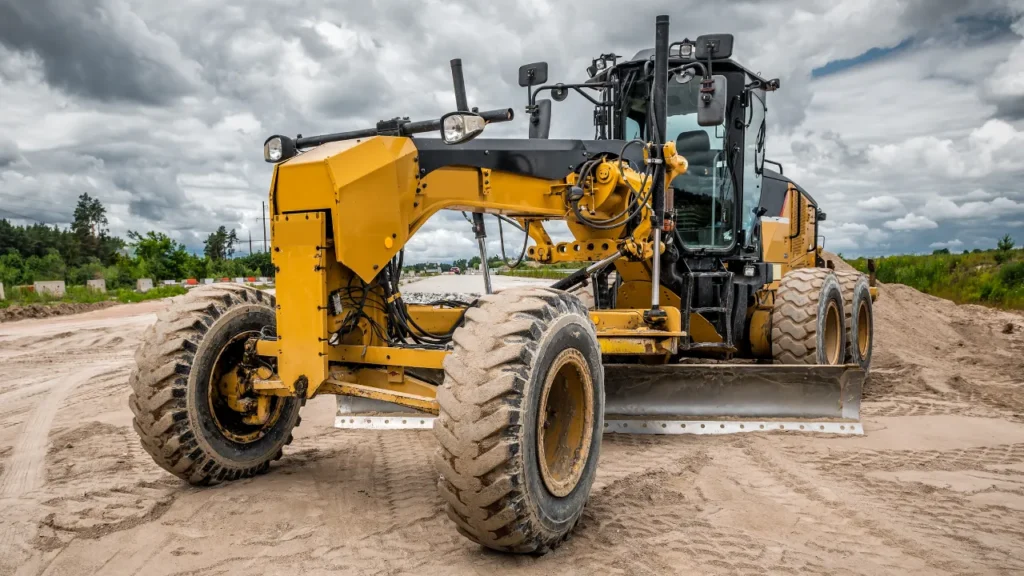
Motor Grader Buying Guide: Sizes, Top Brands, and What Contractors Should Look For
This guide helps buyers select the right motor grader for their needs and maximize ROI across construction, mining, and snow removal.
August 25, 2026
Repair, Rebuild or Replace Heavy Equipment: 2026 Cost-Based Decision Guide
This guide provides a mathematical approach to help you decide what to do with your aging machinery in 2026.
A LOADER ON TRACKS
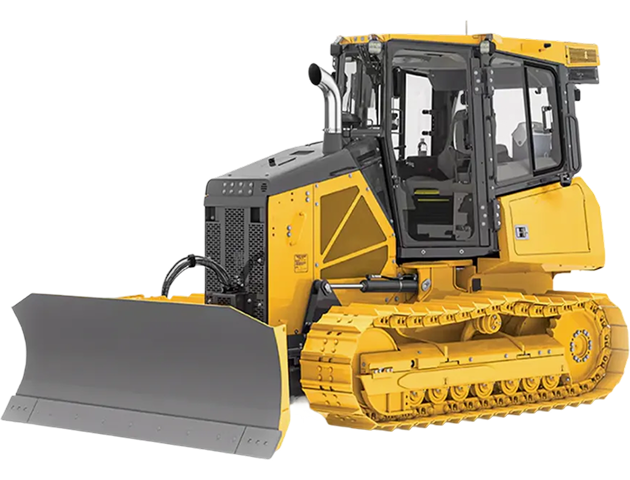
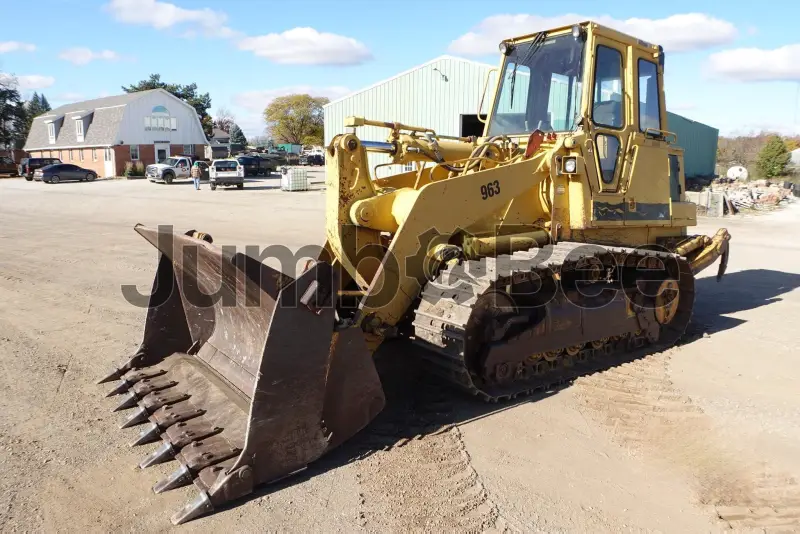
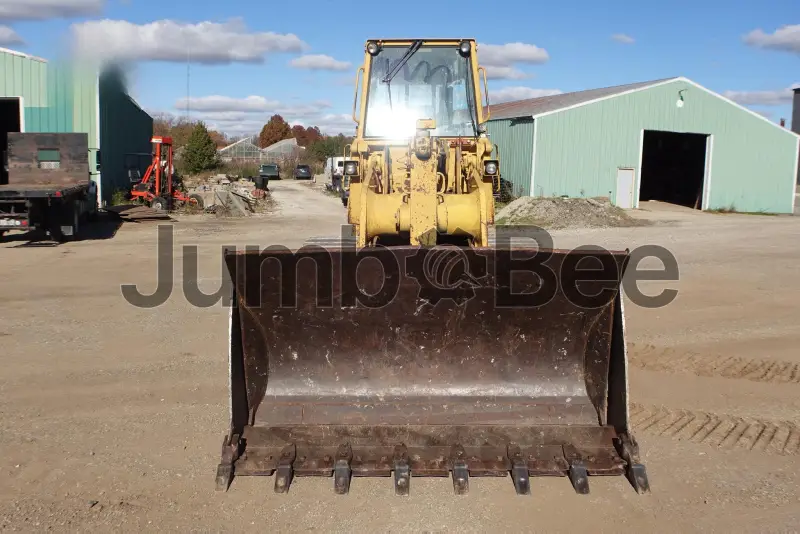
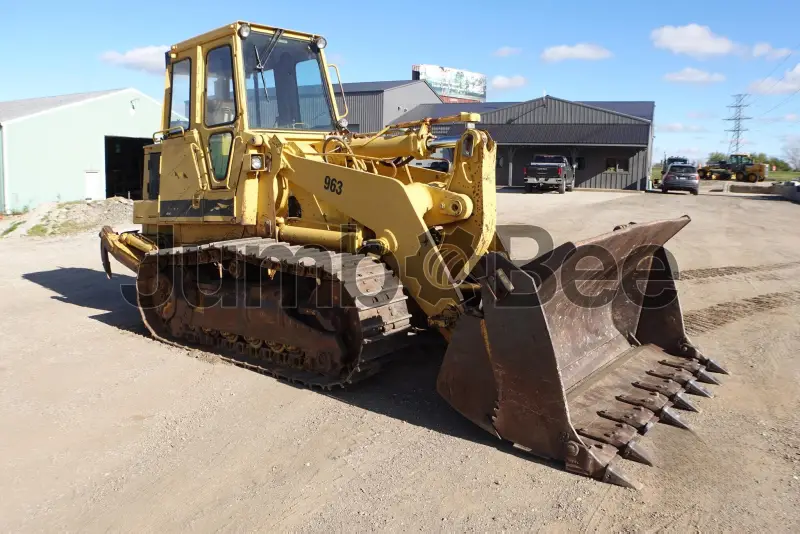
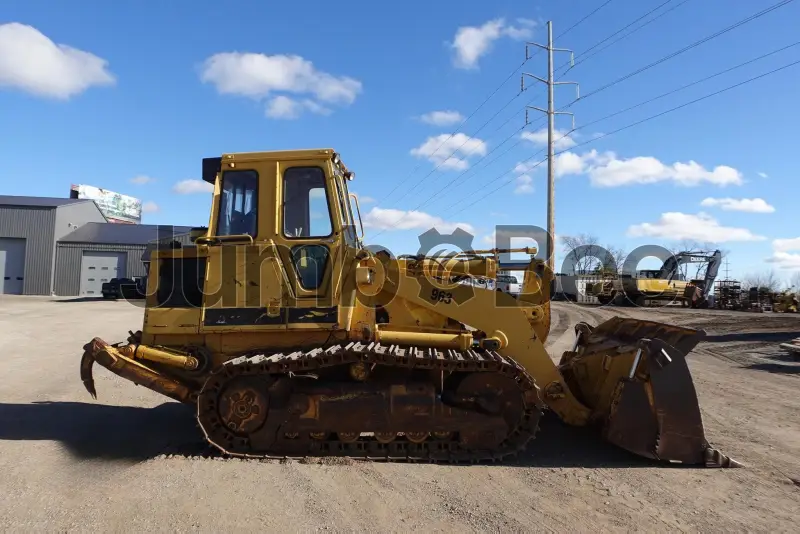
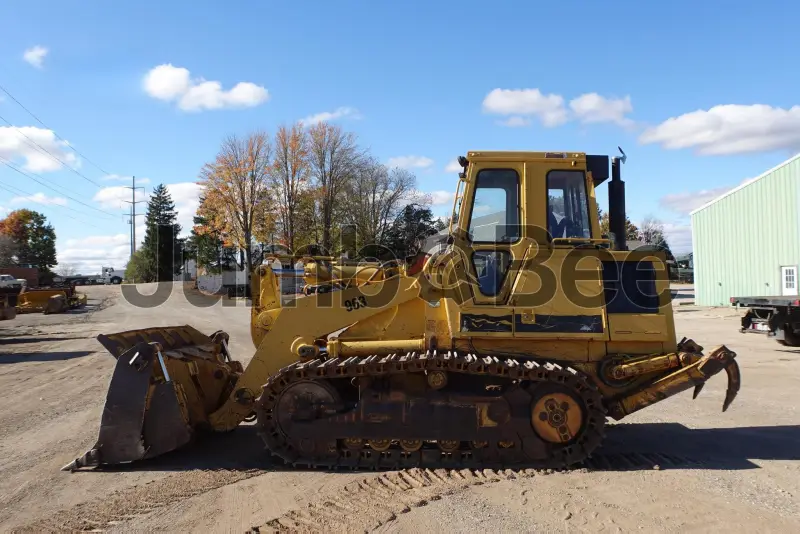
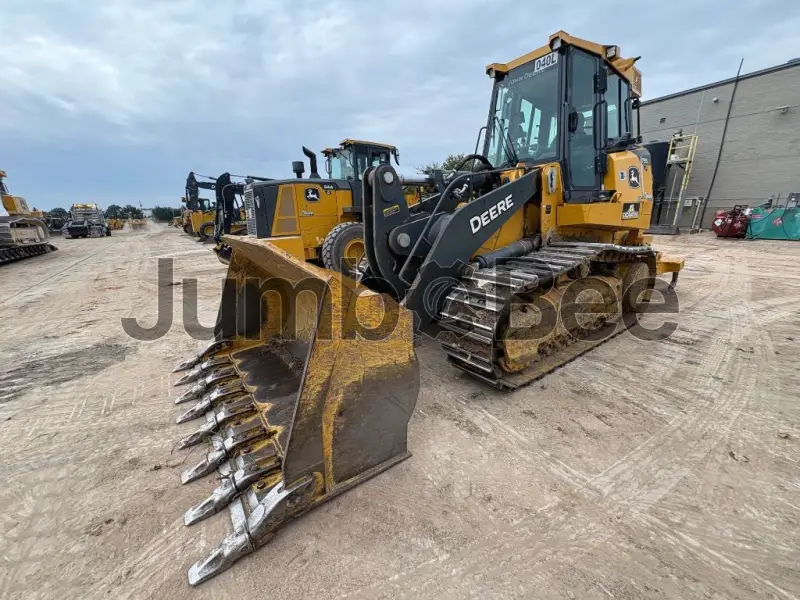
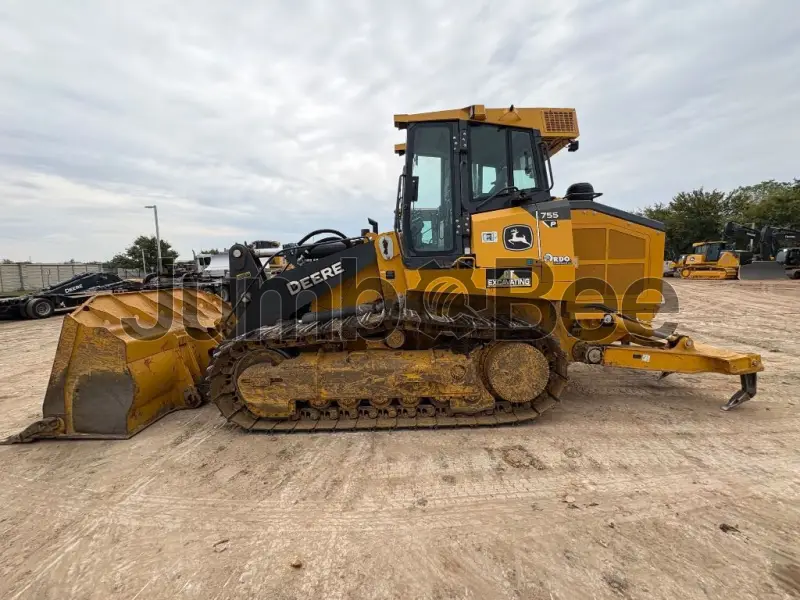
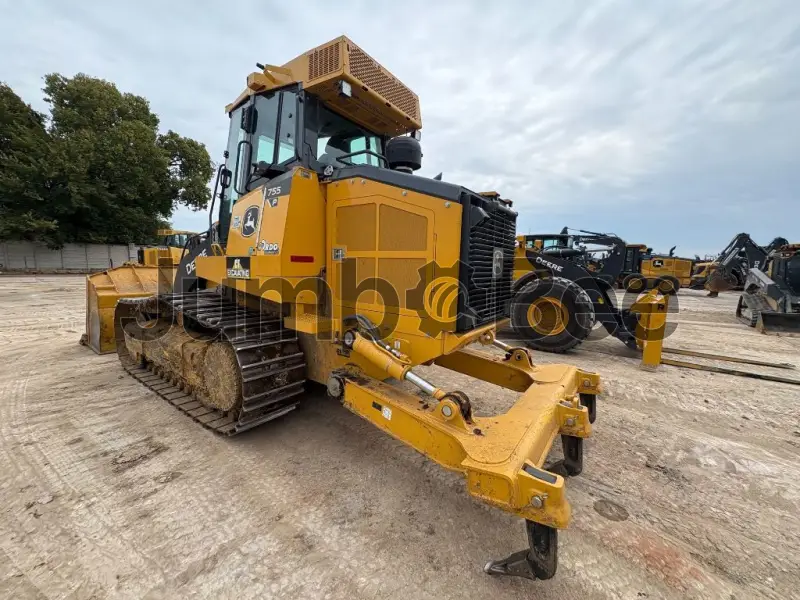
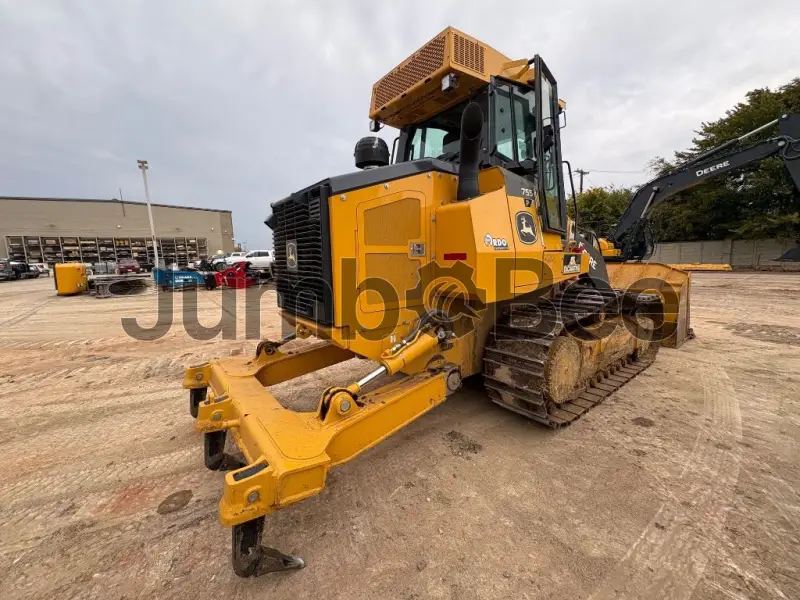
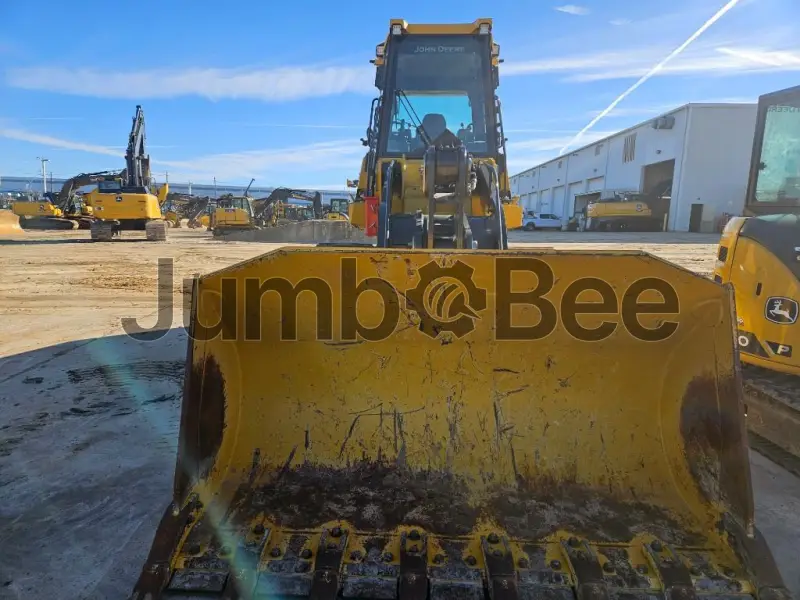
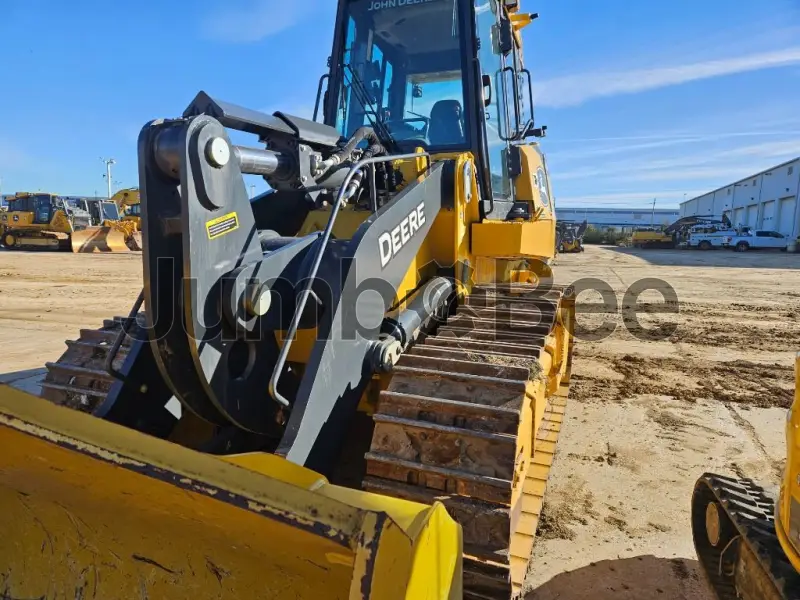
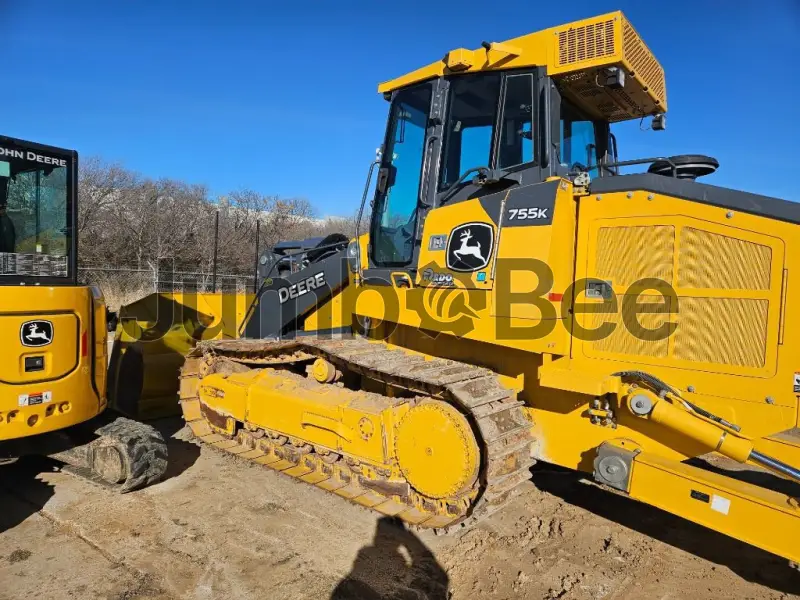
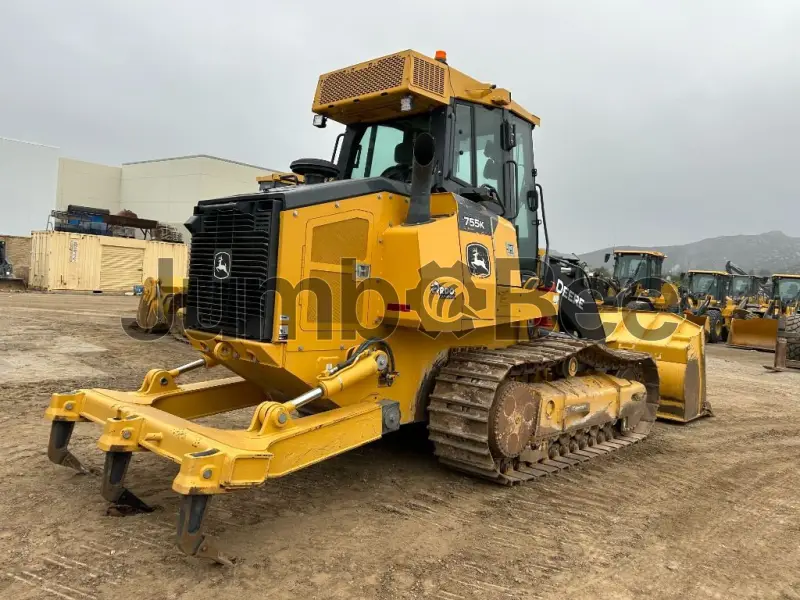
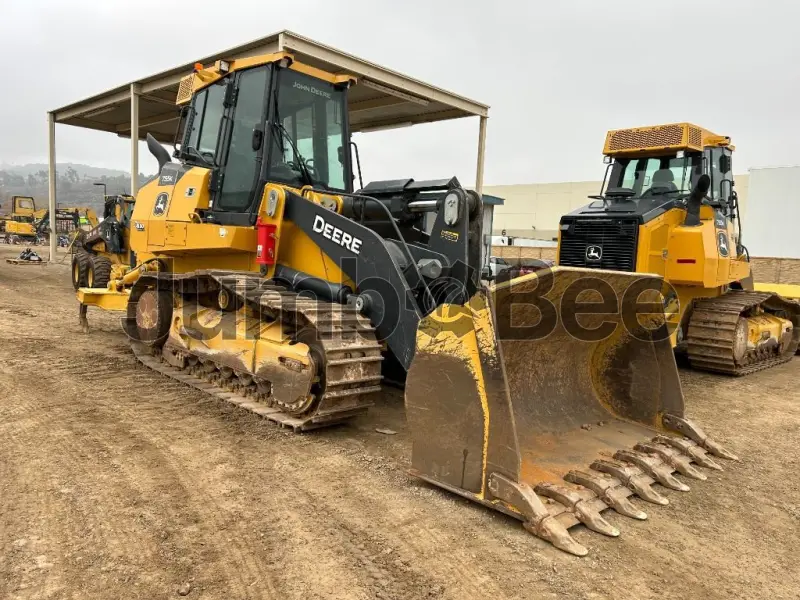
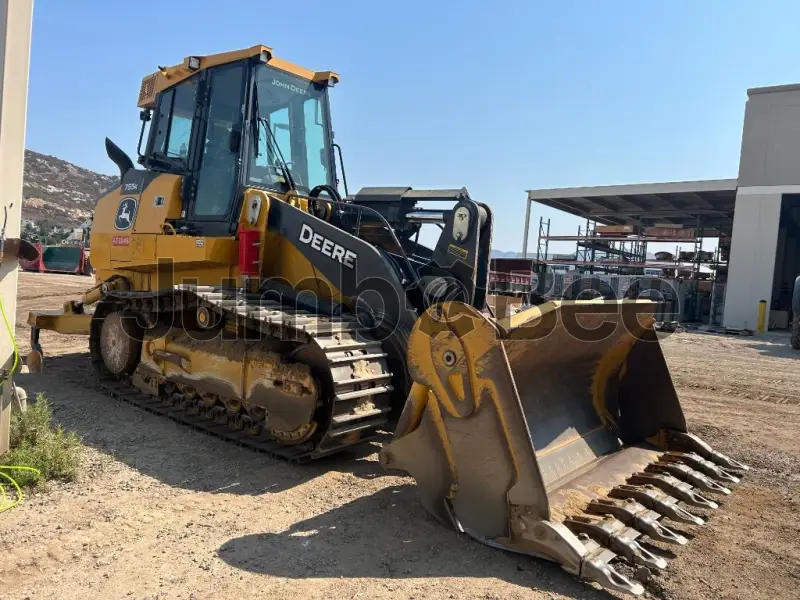
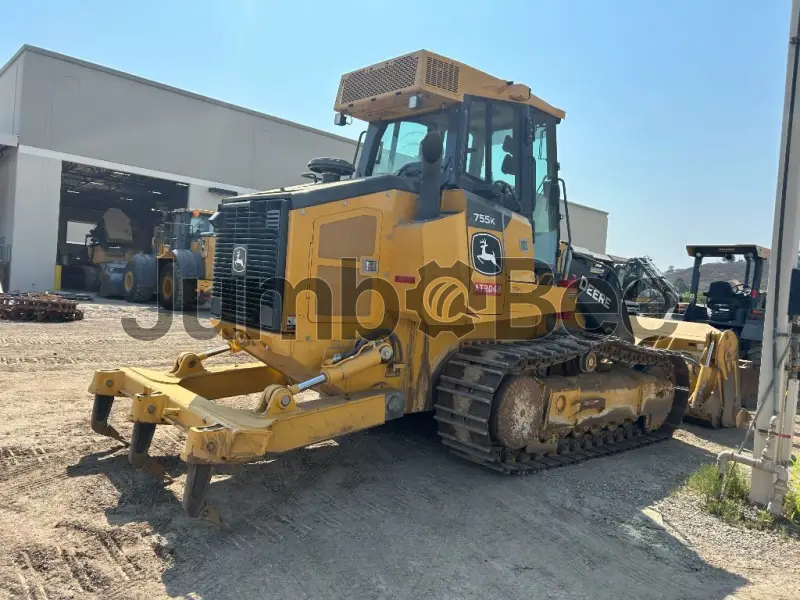
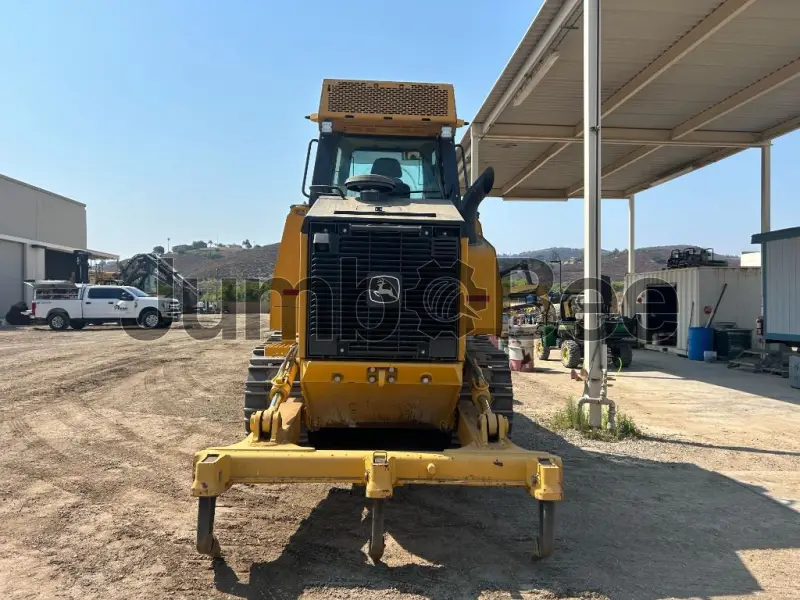
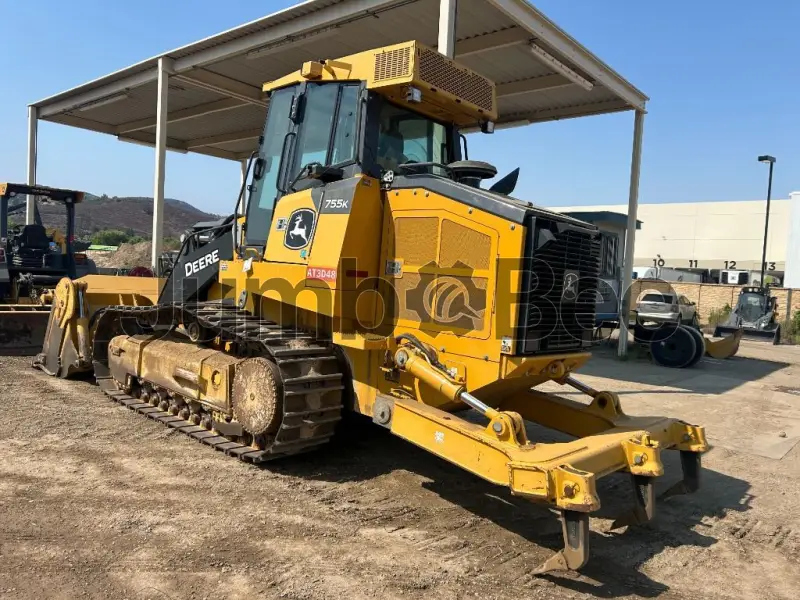
A crawler loader, or track loader, combines a loader bucket with a steel-tracked undercarriage similar to a dozer. It digs, loads, pushes and grades on soft, rough or steep ground where wheel loaders would slip or sink.
WHERE CRAWLER LOADERS EXCEL
Crawler loaders work in demolition, landfill, site development, basement digging and land clearing. They can dig their own ramps, load trucks and push material like a small dozer, so one machine covers several jobs on tight sites.
MULTI-PURPOSE BUCKETS
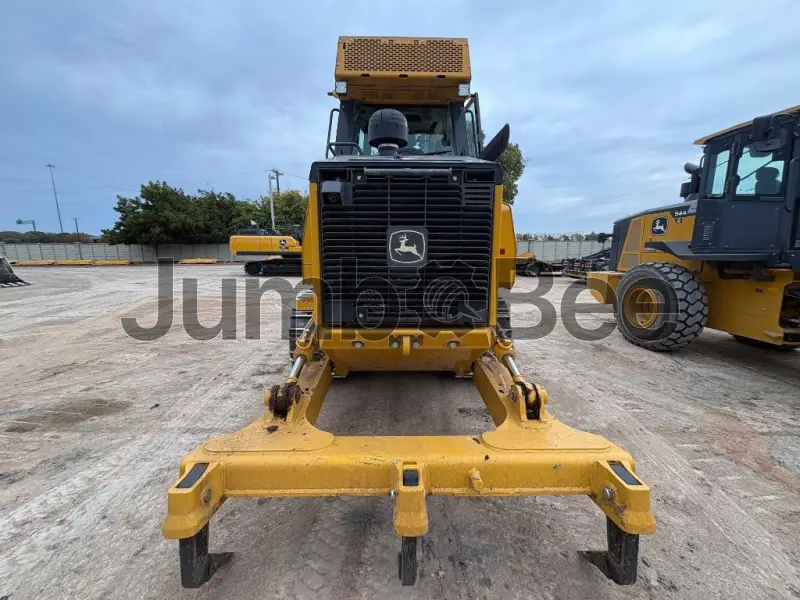
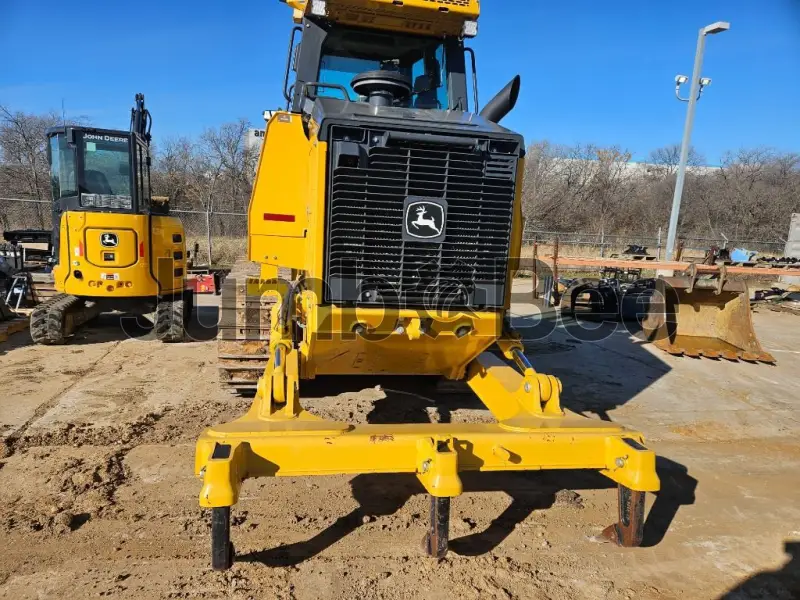
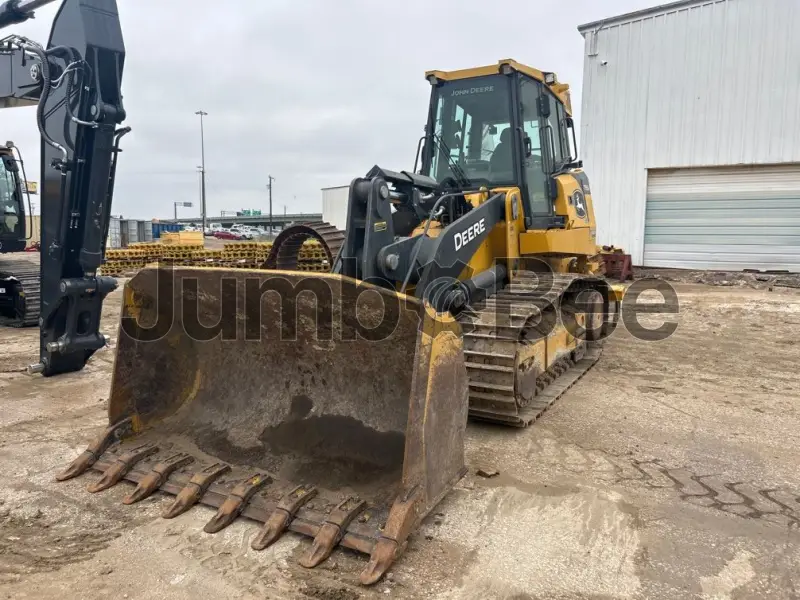
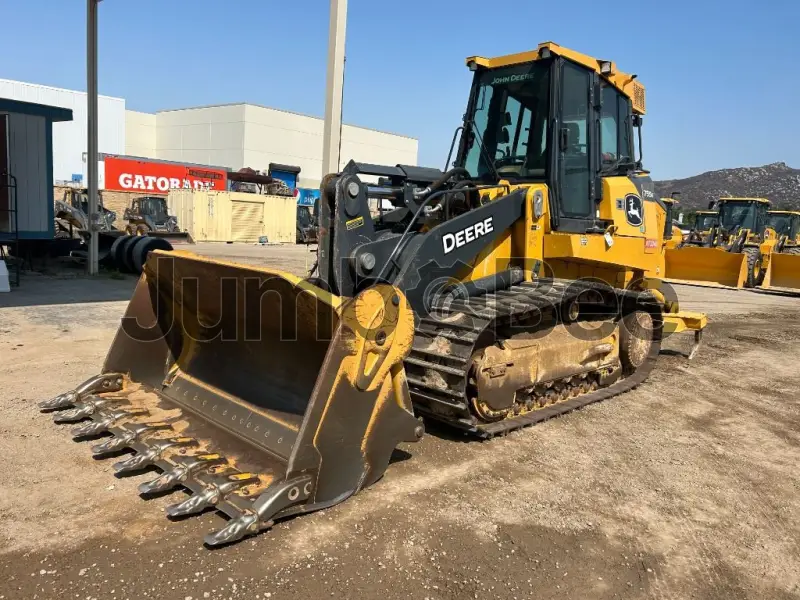
Four-in-one, or multi-purpose, buckets open like a clamshell to grab debris, doze, grade and load. They greatly increase a crawler loader's versatility. Rear rippers add digging ability in hard ground.
UNDERCARRIAGE
As with dozers, the undercarriage is a major cost. Ask for undercarriage measurements or inspection reports.
INSPECTING A USED CRAWLER LOADER FOR SALE
Check track chains, sprockets, rollers and idlers, final drives, the loader arms and bucket, multi-purpose bucket cylinders, pins and bushings, hydraulic pump, steering and engine hours. If you buy used crawler loader equipment, dig and push with it to test power.
USED CRAWLER LOADER PRICE
Used crawler loader price depends on size, hours, undercarriage percentage, bucket type and brand. Older crawler loaders are often affordable because fewer new models are produced today. Parts availability should be checked for older units.
PARTS SUPPORT
For older models, check that parts remain available from dealers or aftermarket suppliers, since some crawler loader models have been out of production for years.
Got Questions?
Our FAQ section covers everything from shipping and listing to buying with confidence.
What are the different types of crawler loaders?
These machines are grouped by size and job type:
- Compact crawler loaders: Smaller footprint for tight spaces and urban sites; good for landscaping and light construction.
- Standard/ General-purpose crawler loaders: Balanced power and bucket capacity for digging, loading, and backfilling on most jobs.
- High-capacity/heavy-duty crawler loaders: More horsepower and larger buckets for quarry, demolition, and bulk earthmoving.
- Special configurations: Waste-handler packages, forestry guards, ripper-equipped units, and winch setups for tough environments.
How to choose the right crawler loader?
Picking the right machine keeps projects on time and on budget.
Assess your job
- Material: soil, rock, debris, or waste.
- Site: soft/muddy ground (tracks shine), slopes, or tight areas
- Tasks: loading trucks, stockpiling, site prep, light dozing.
Key features
- Operating weight & horsepower: match to material and duty cycle.
- Bucket capacity & breakout force: affects how fast you load.
- Undercarriage & track type: steel vs. rubber pads; check wear life.
- Hydraulics & attachments: forks, rakes, rippers, quick couplers.
- Cab comfort & visibility: air-con, camera, LED work lights for long shifts.
Budget & condition
- Compare new vs used based on uptime needs.
- Review service history, hours, undercarriage wear, and oil samples.
What is more profitable to buy: a used crawler loader or a new one from a dealer?
New crawler loader
- Pros – full warranty, latest fuel-saving tech, minimal early repairs.
- Cons – higher upfront cost; faster initial depreciation.
Used crawler loader
- Pros – lower price, slower depreciation, often available immediately.
- Cons – limited/no warranty; potential wear on the undercarriage and pins/bushings.
What are the advantages of a new or used crawler loader?
New crawler loader
- Modern engines and hydraulics for better efficiency.
- Custom options (guards, quick couplers, lighting).
- Manufacturer support and stronger resale for newer models.
Used crawler loader
- Proven performance in real jobs.
- More predictable market value.
- Room to negotiate price; may include extra attachments.
How can I arrange the shipping of a crawler loader?
JumboBee experts handle it end-to-end – locally or worldwide. We:
- Plan the safest, fastest route (truck, rail, or sea).
- Secure permits, customs paperwork, and any required documents.
- Coordinate pickup, loading, tracking, and final delivery.
You get a smooth, hassle-free experience so your crawler loader arrives on time and ready to work.