Wheel Loaders for Sale
(261 listings)
Browse by subcategory
Popular brands
Only verified sellers list equipment on JumboBee.
Sort by:
Featured
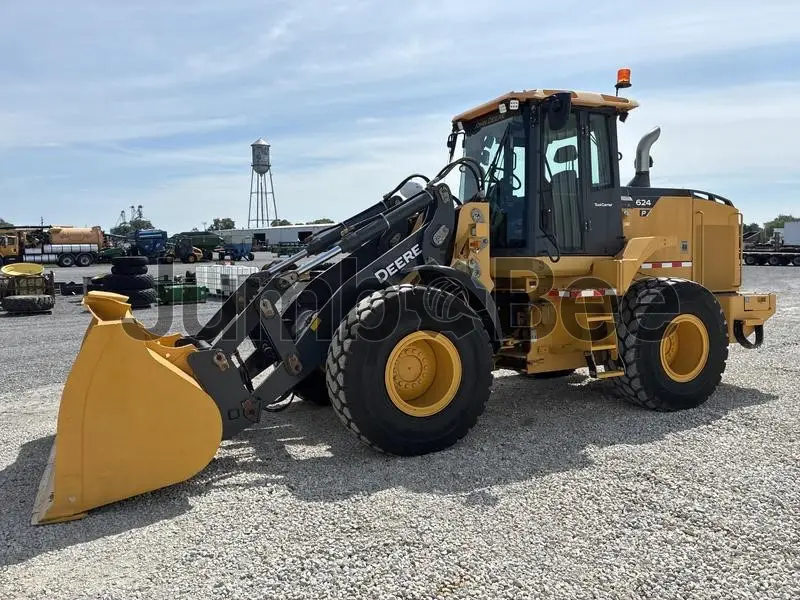
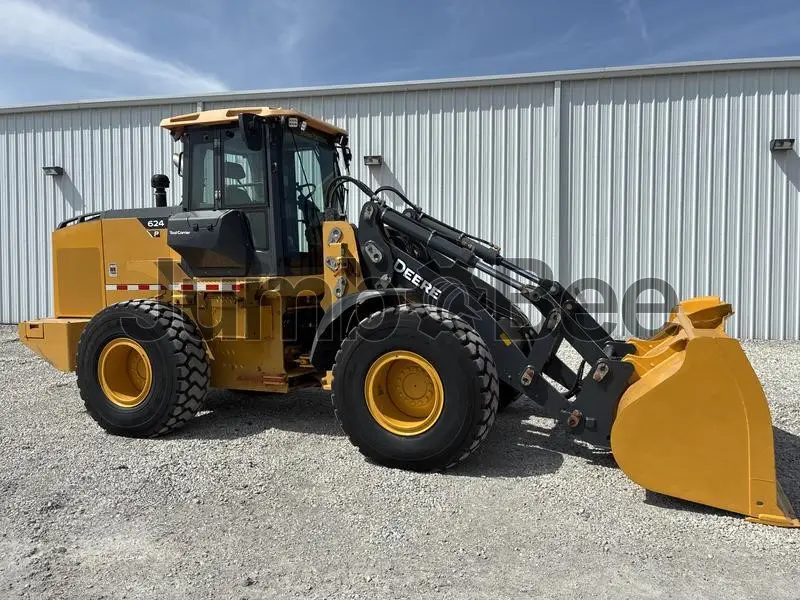
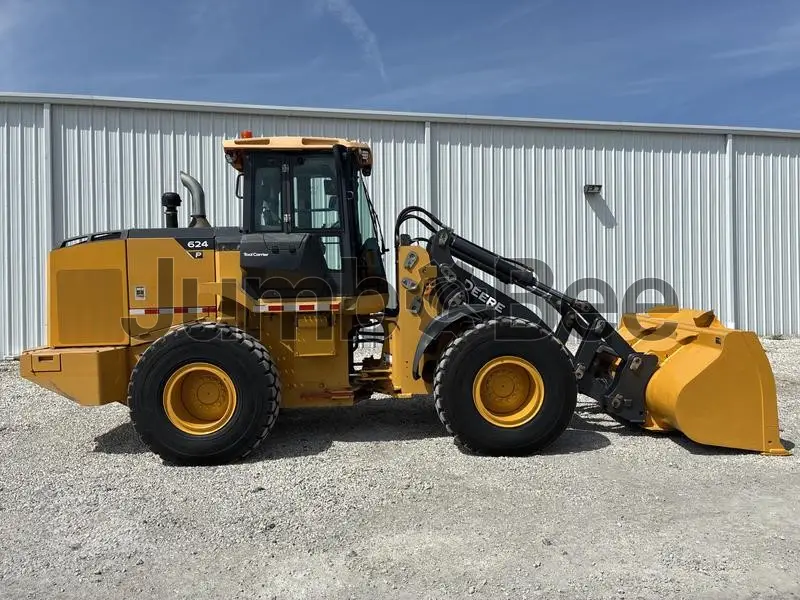
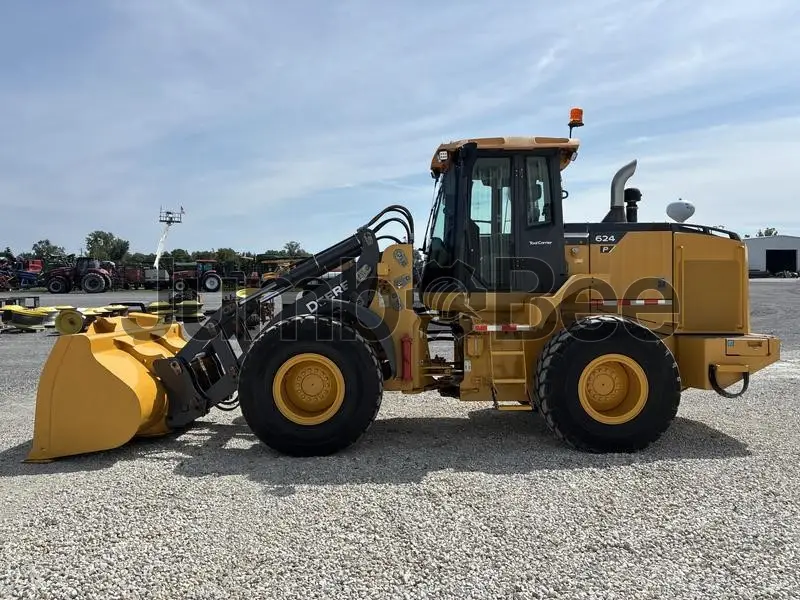
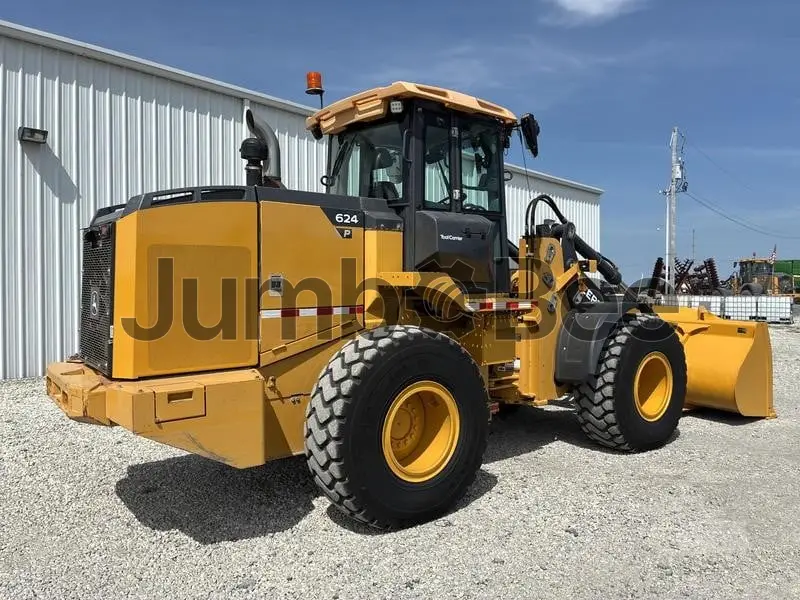
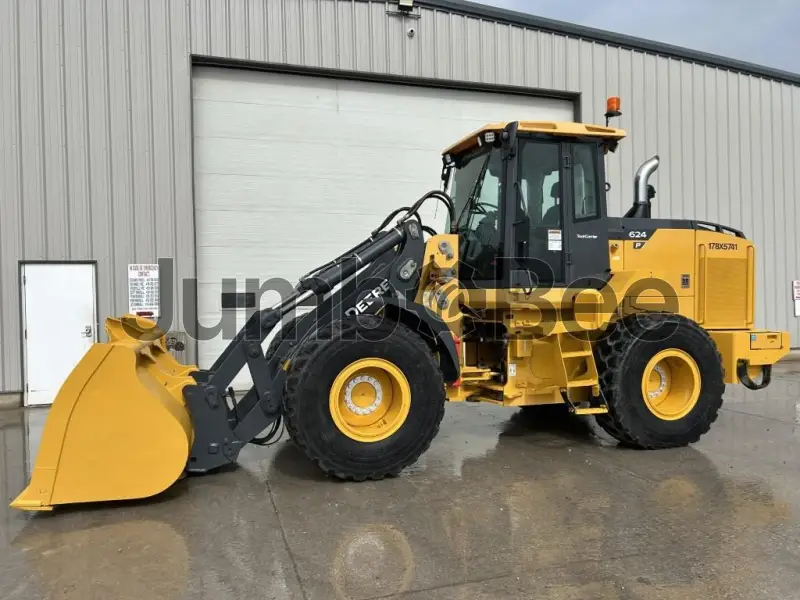
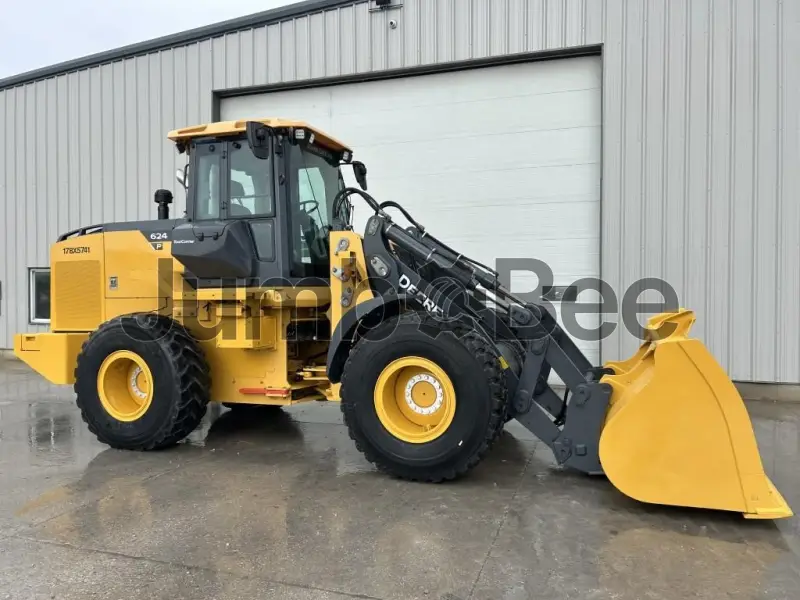
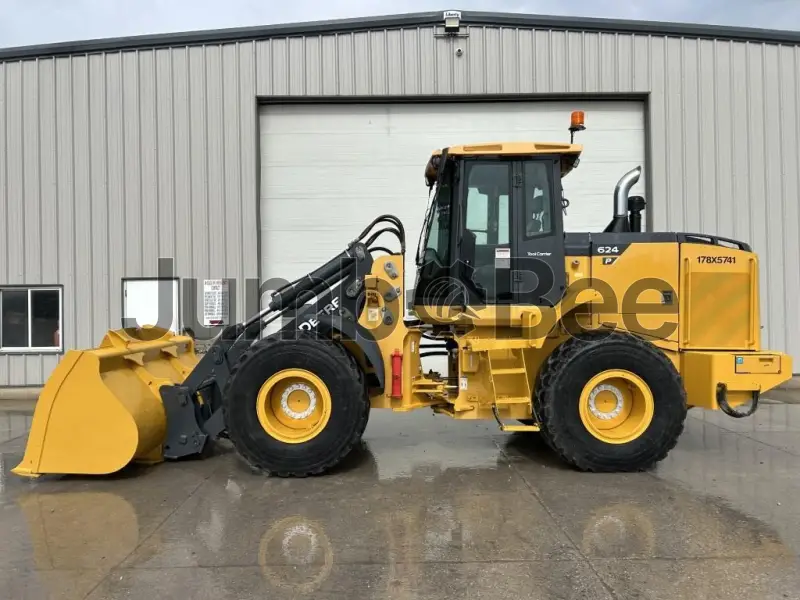
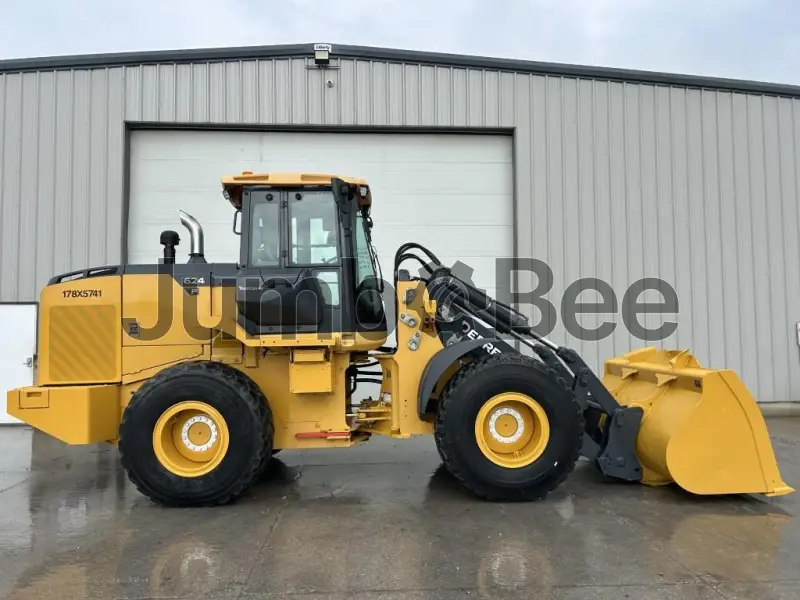
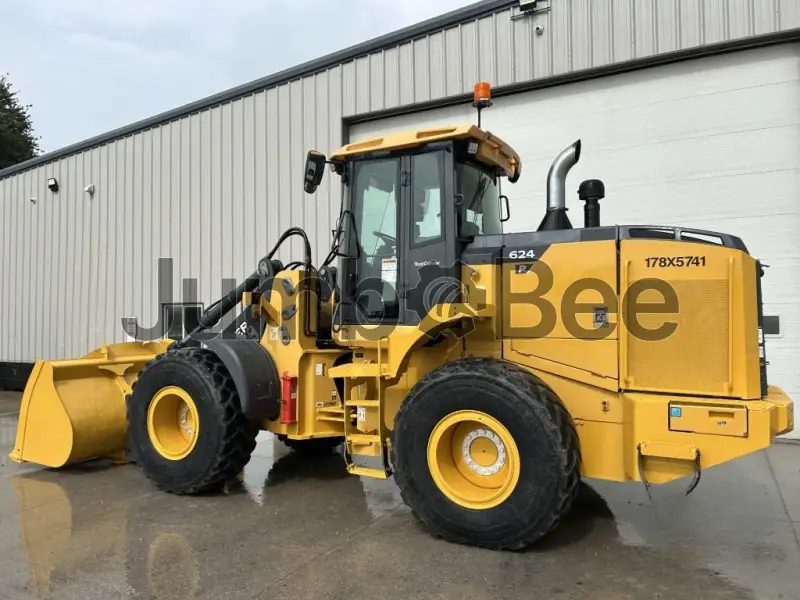
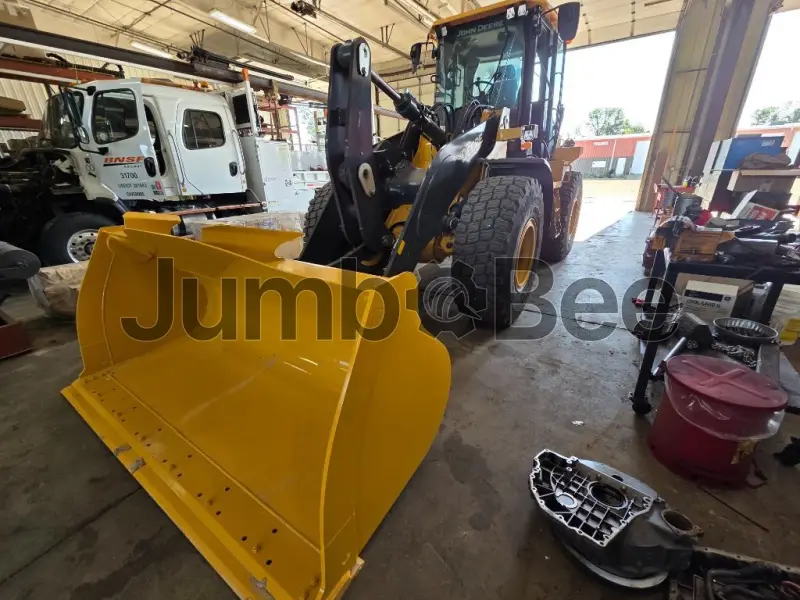
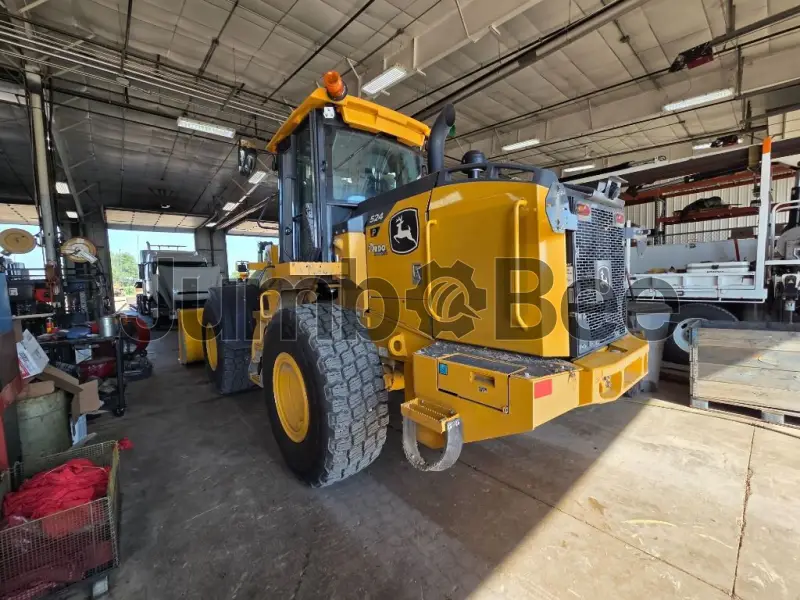
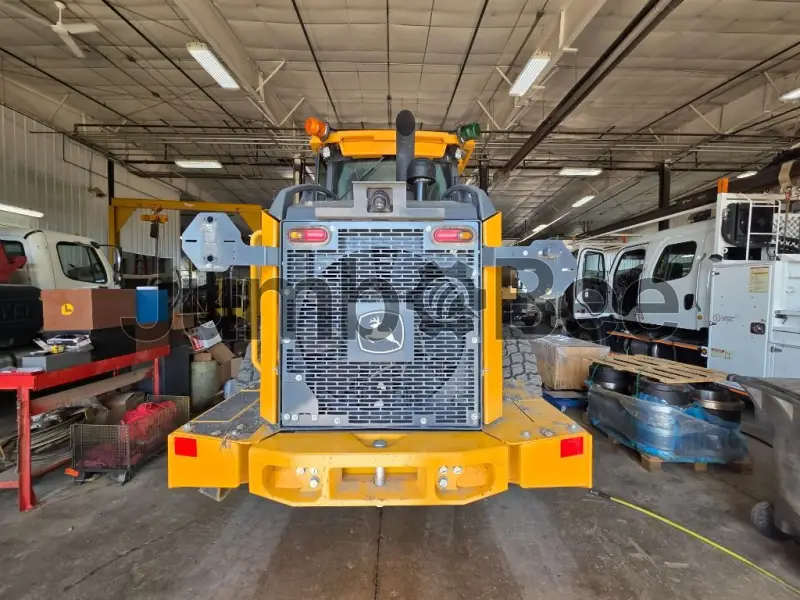
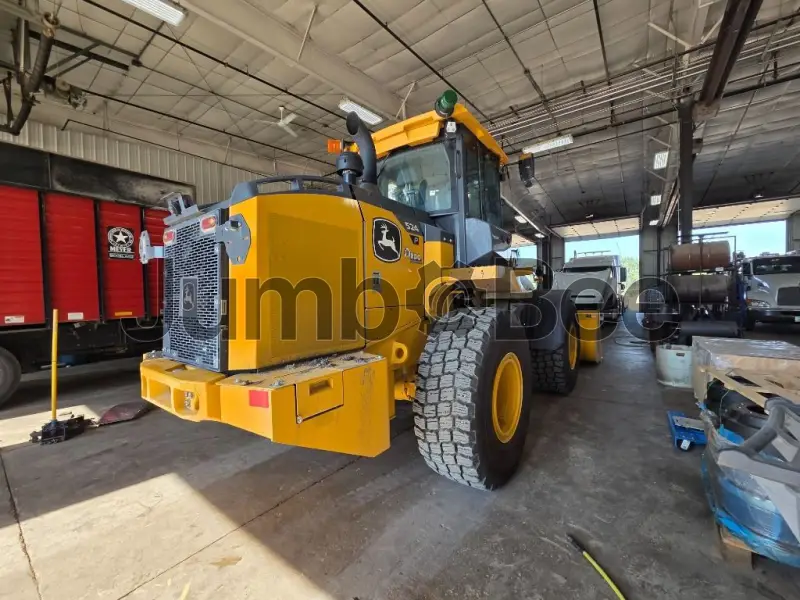
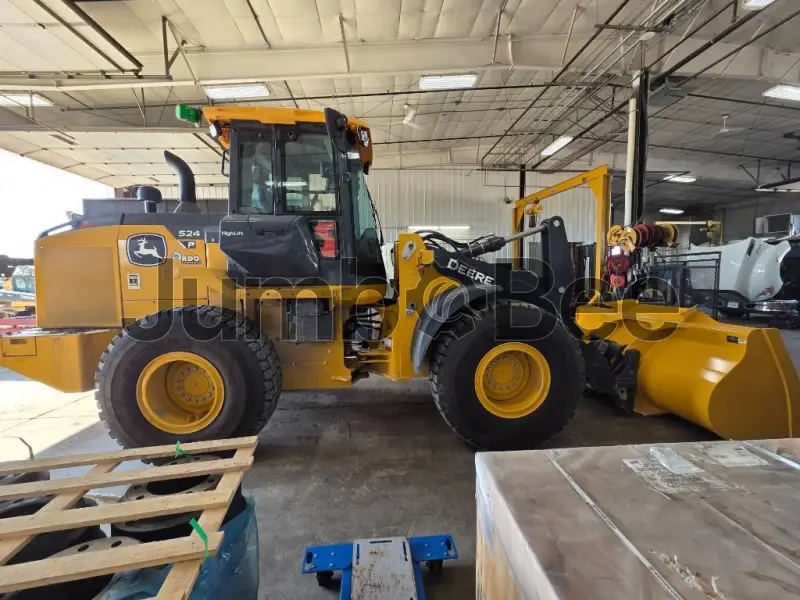
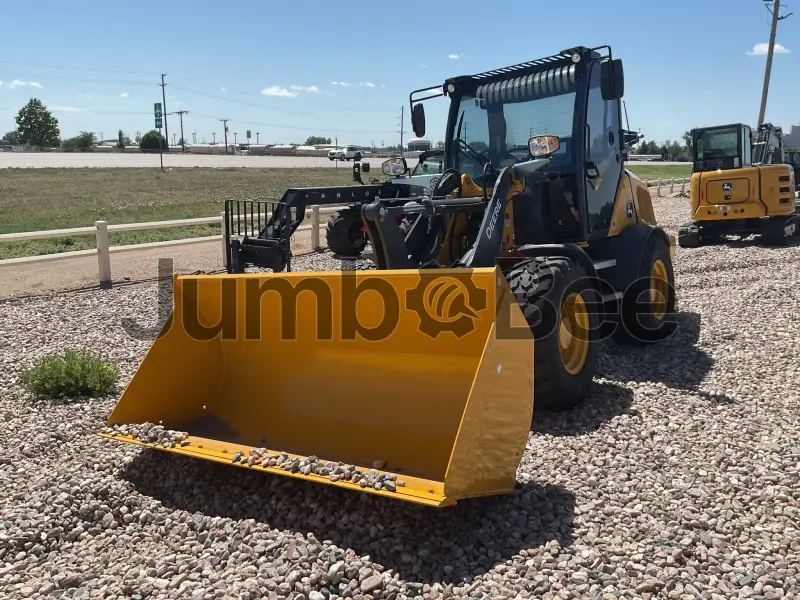
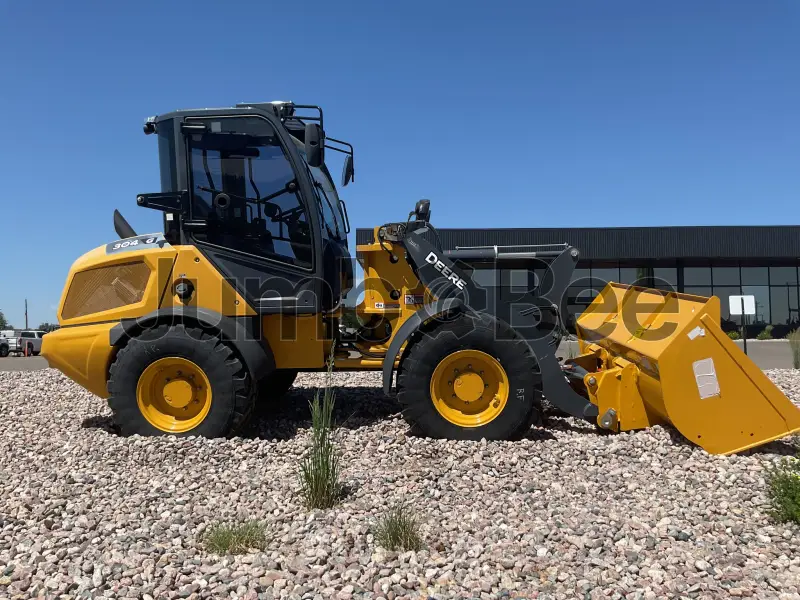
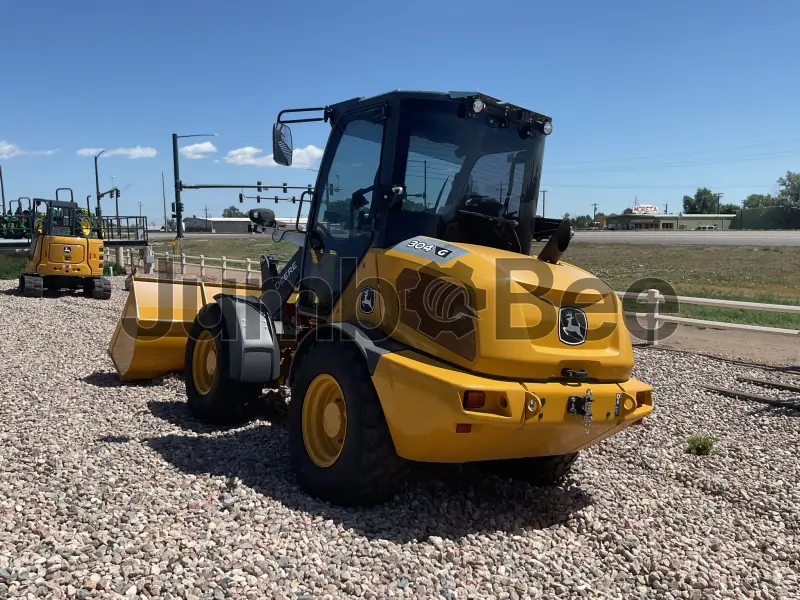
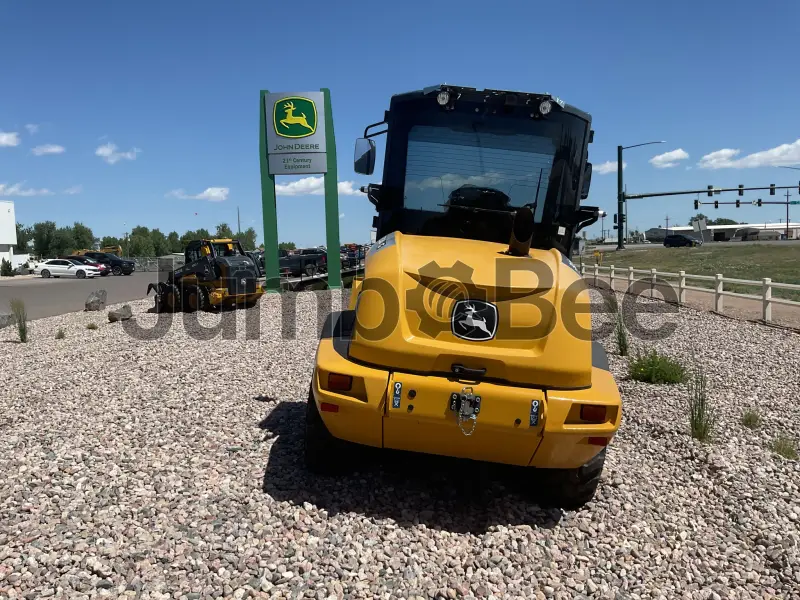
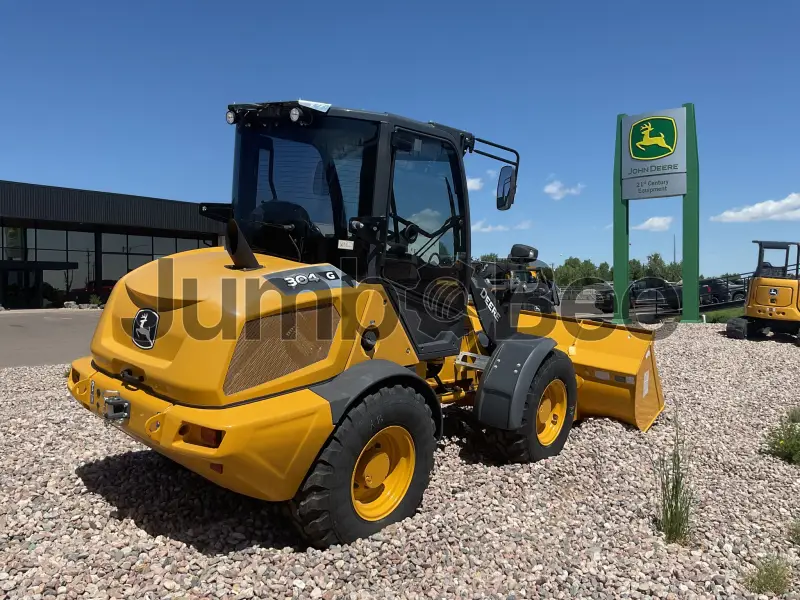
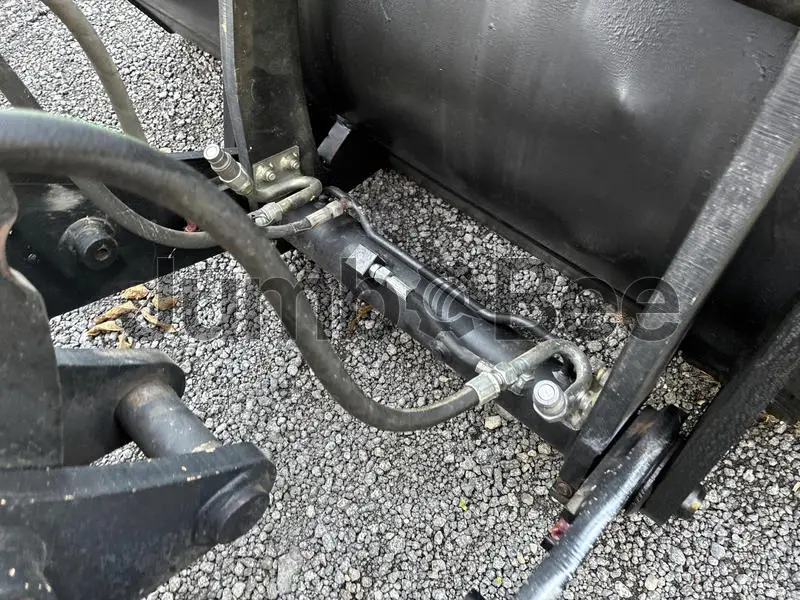
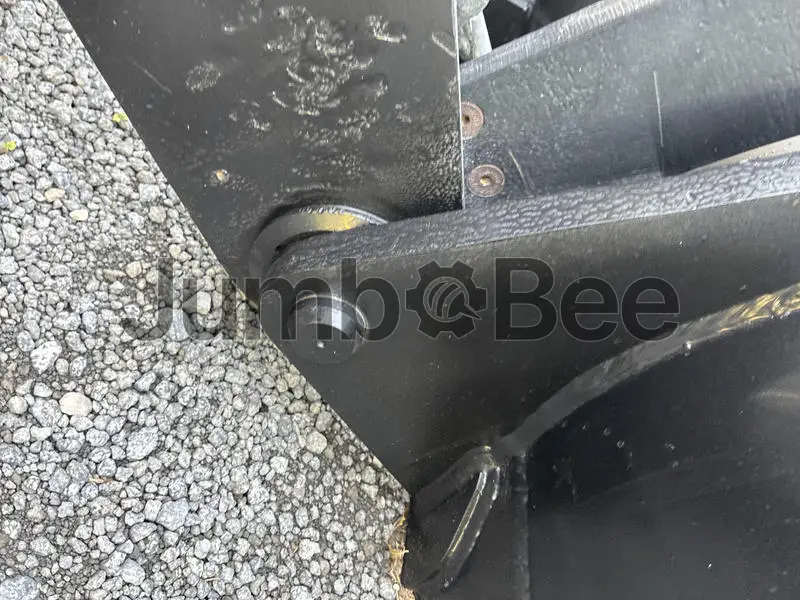
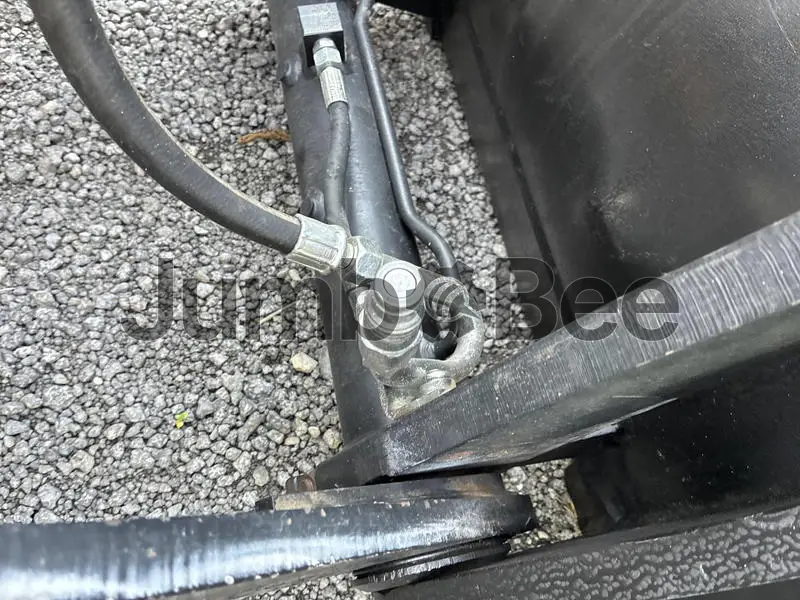
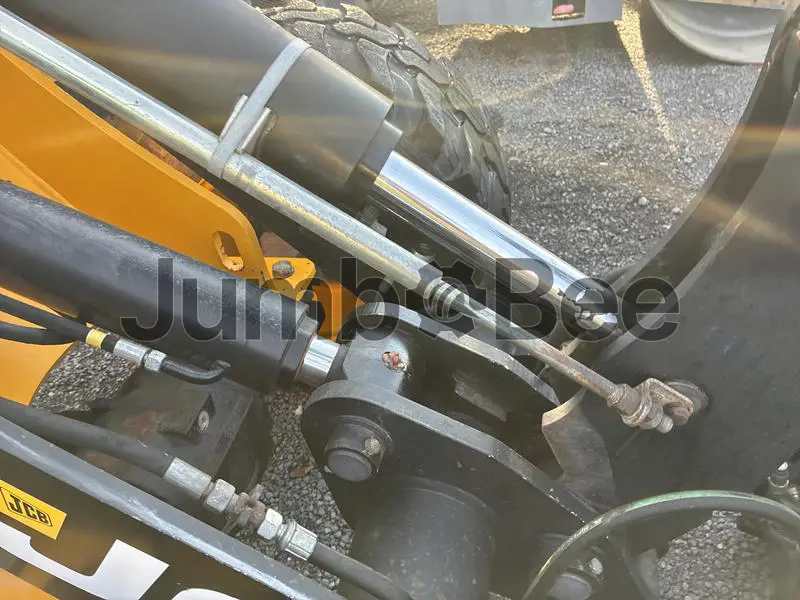
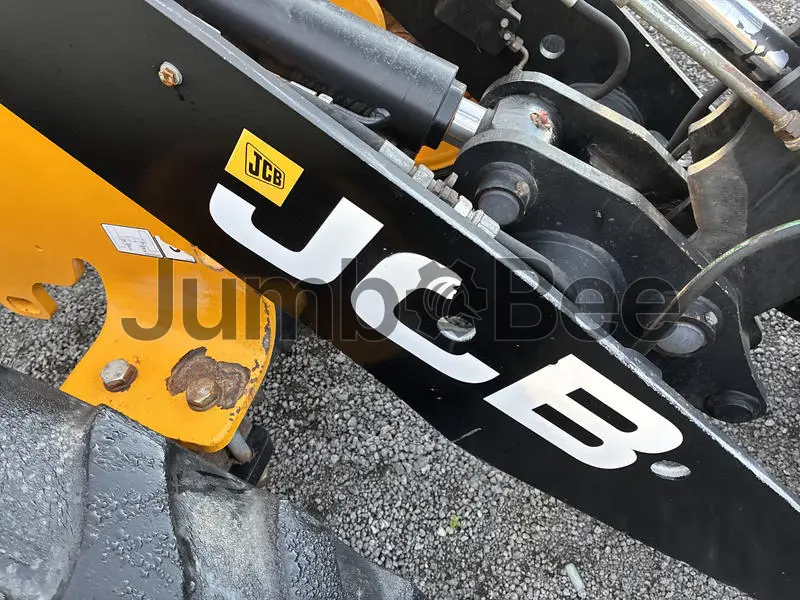
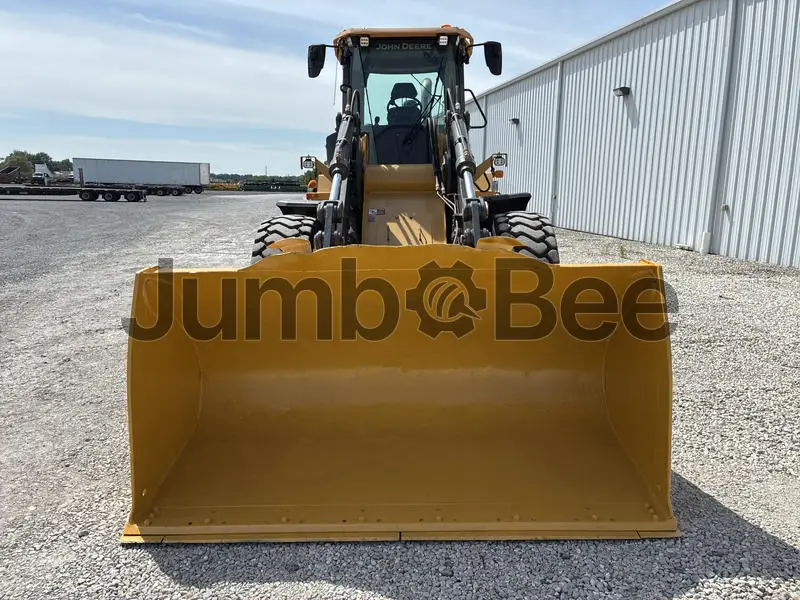
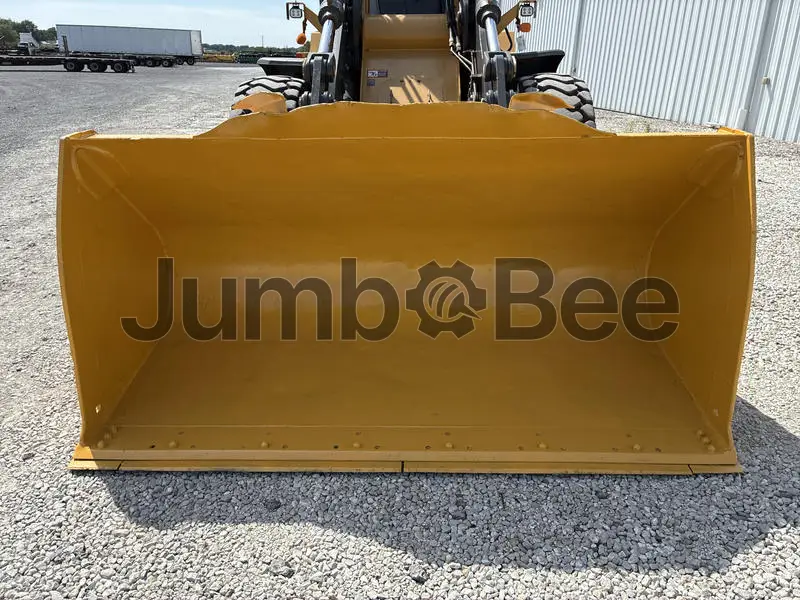
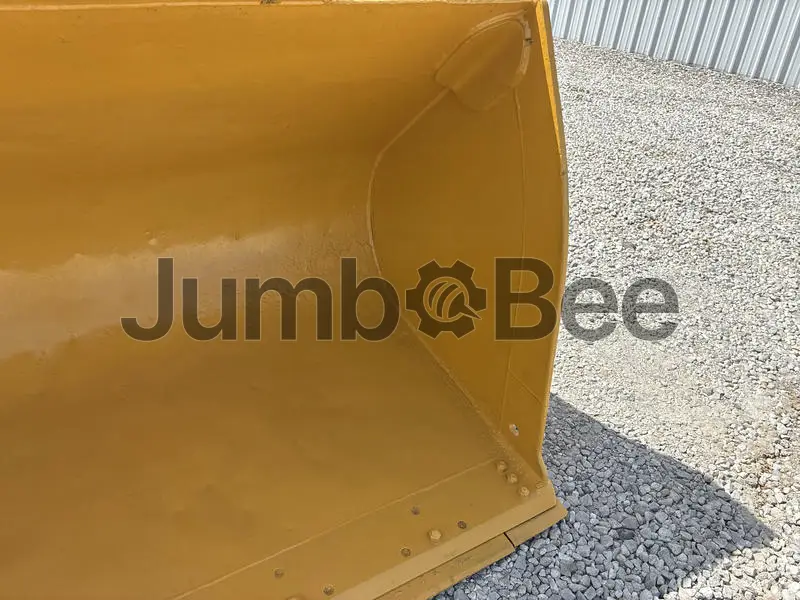
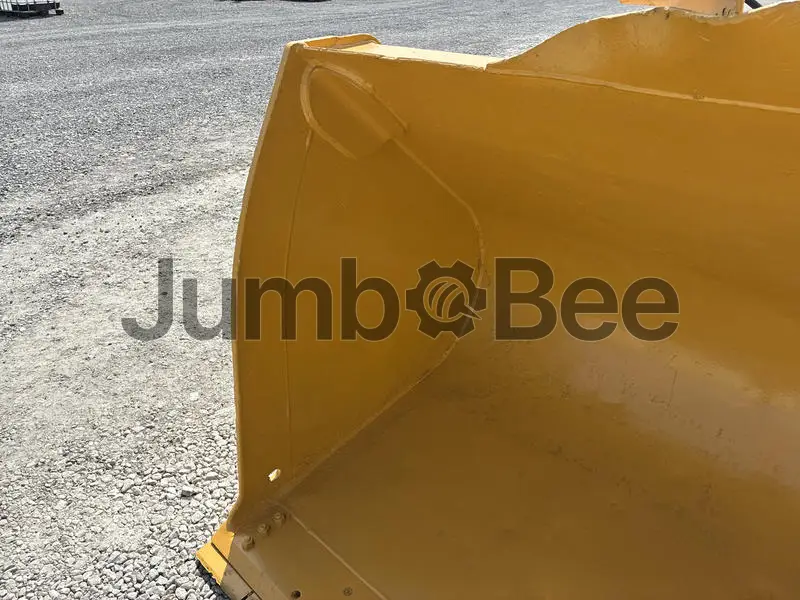
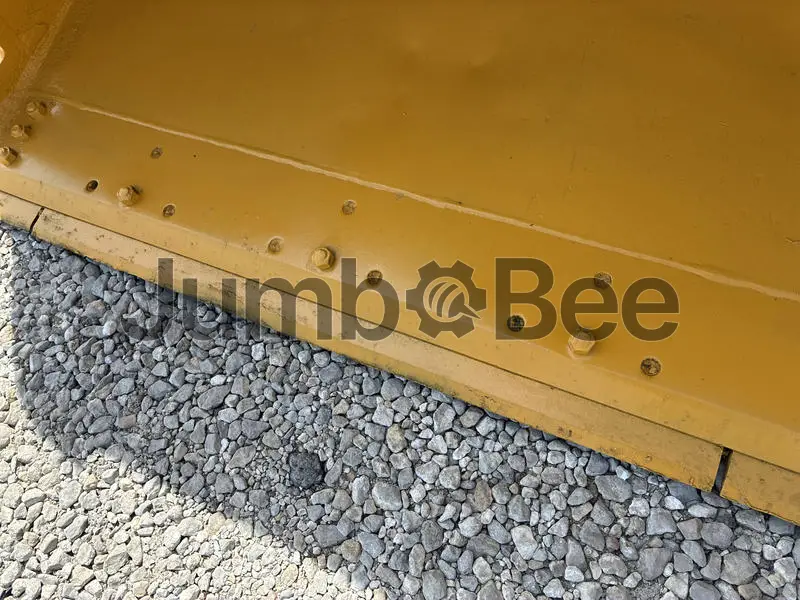
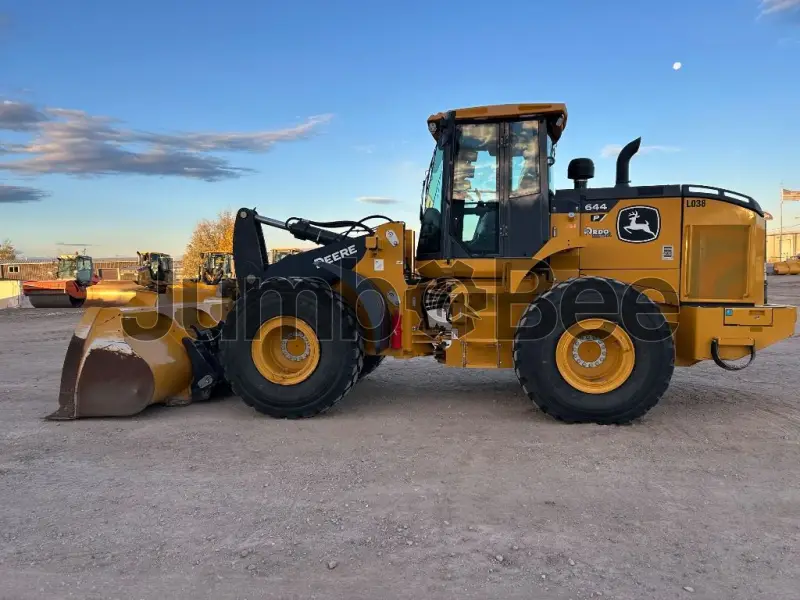
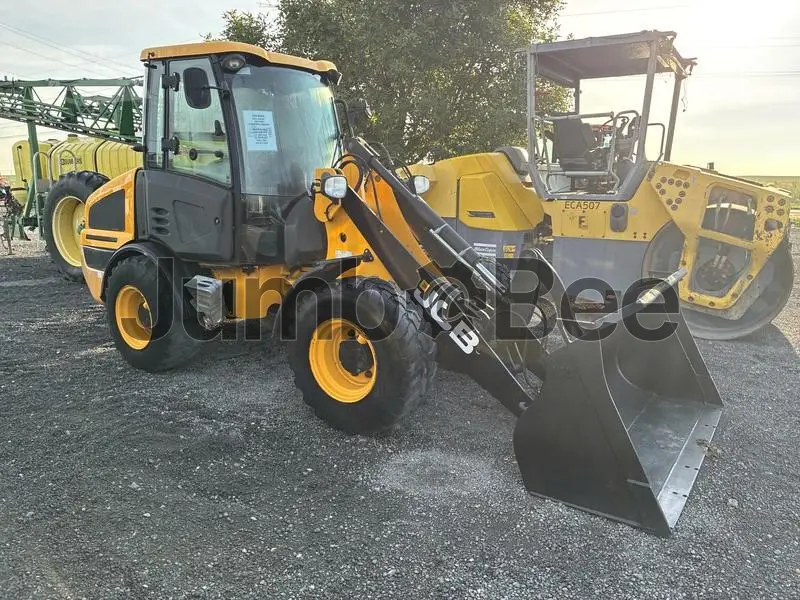
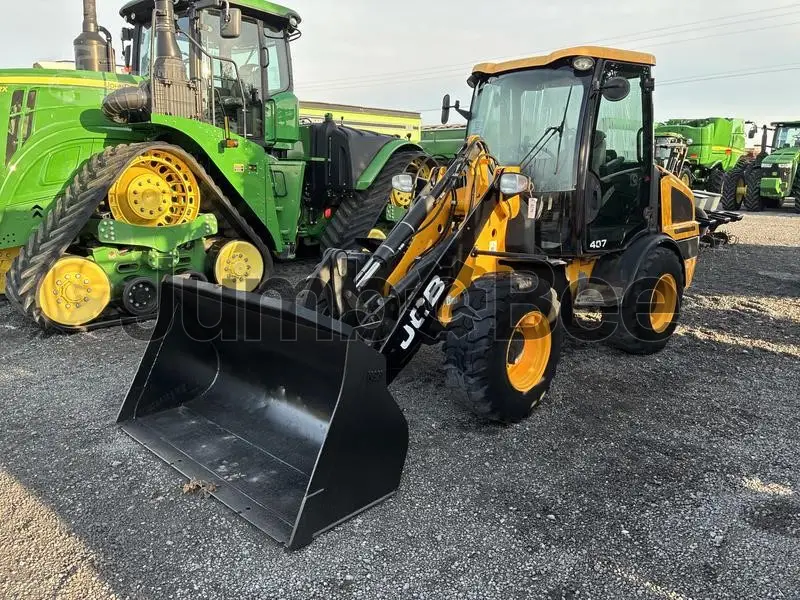
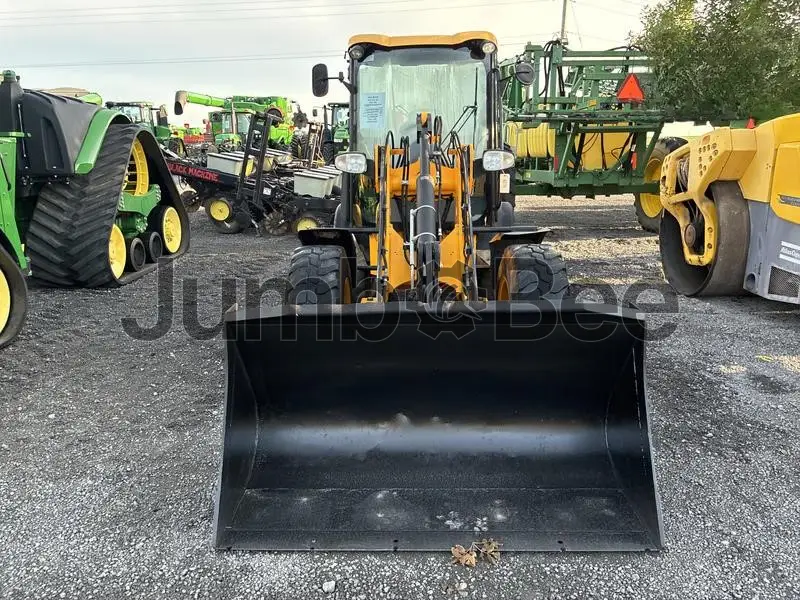
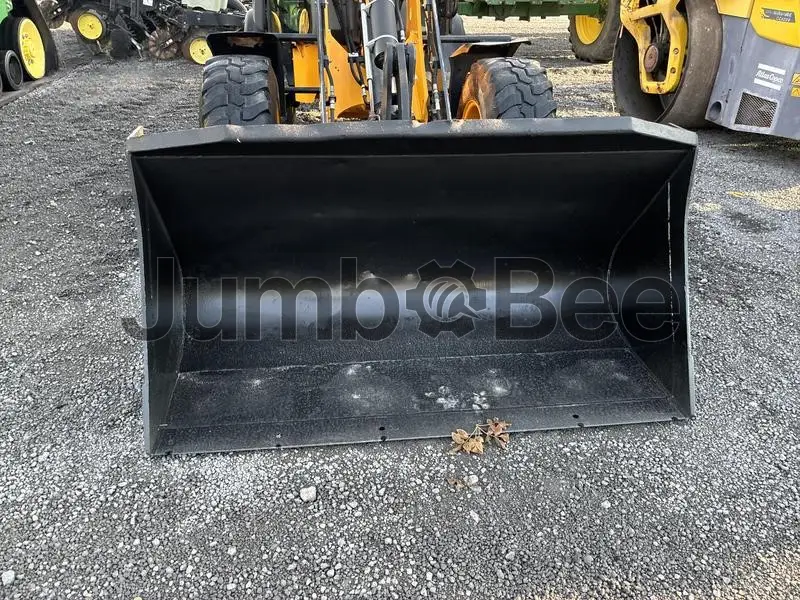
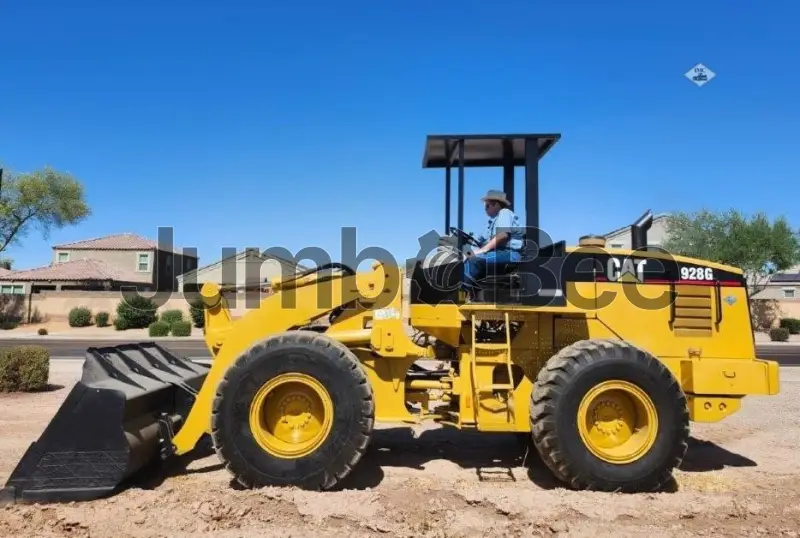
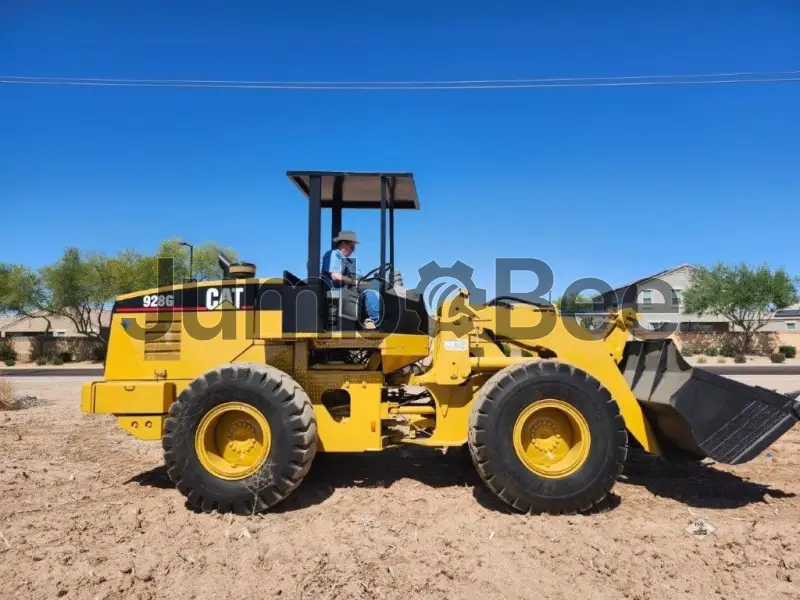
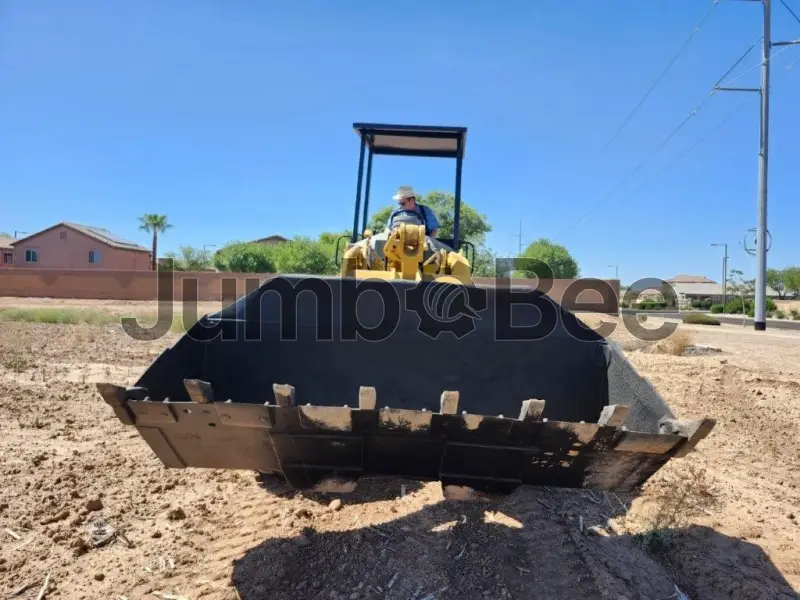
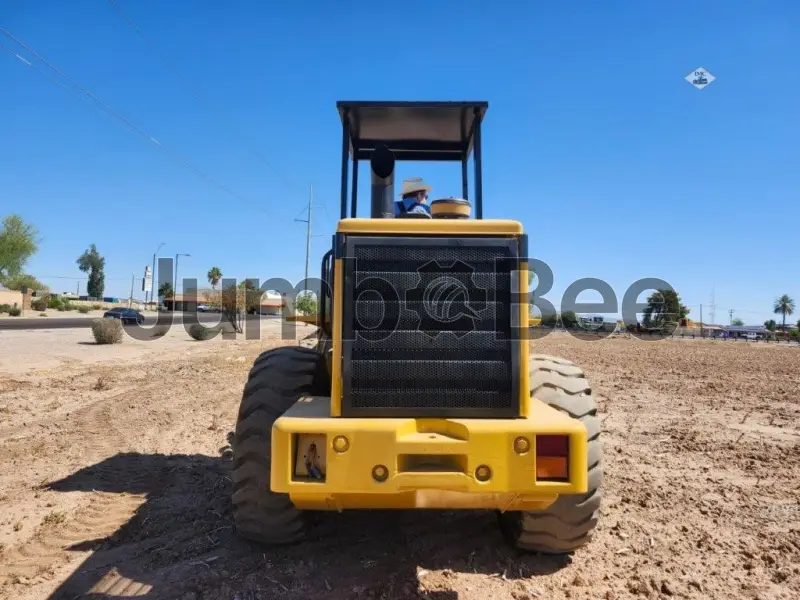
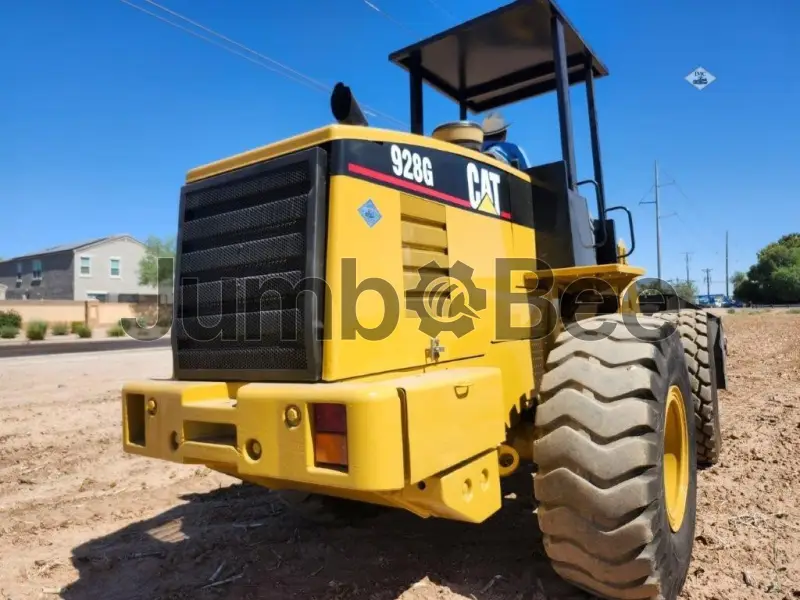
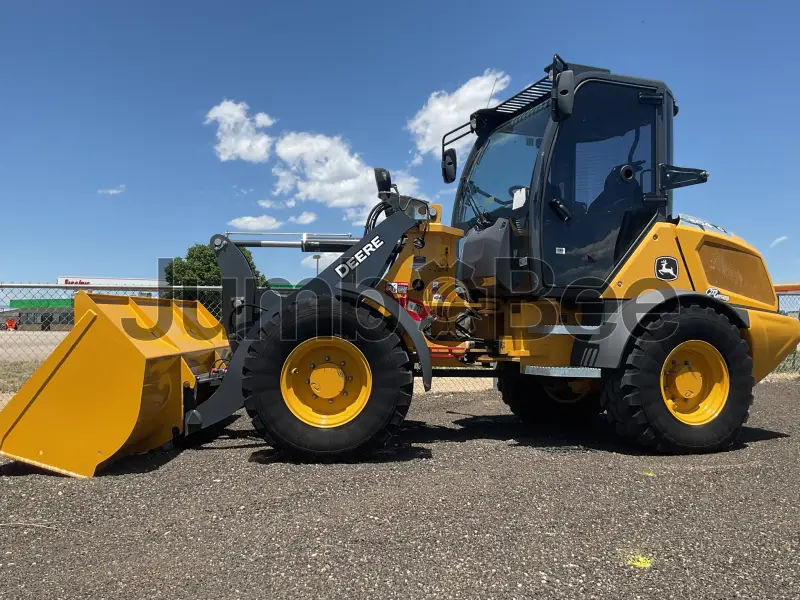
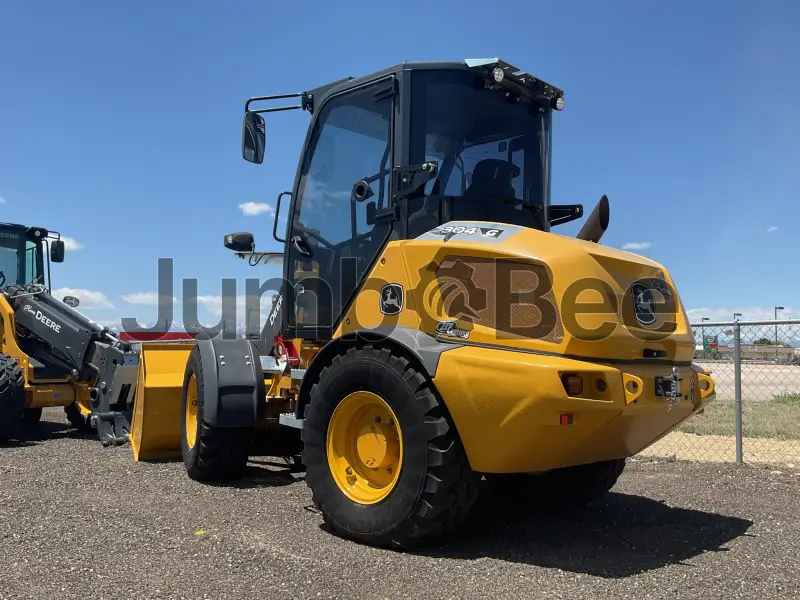
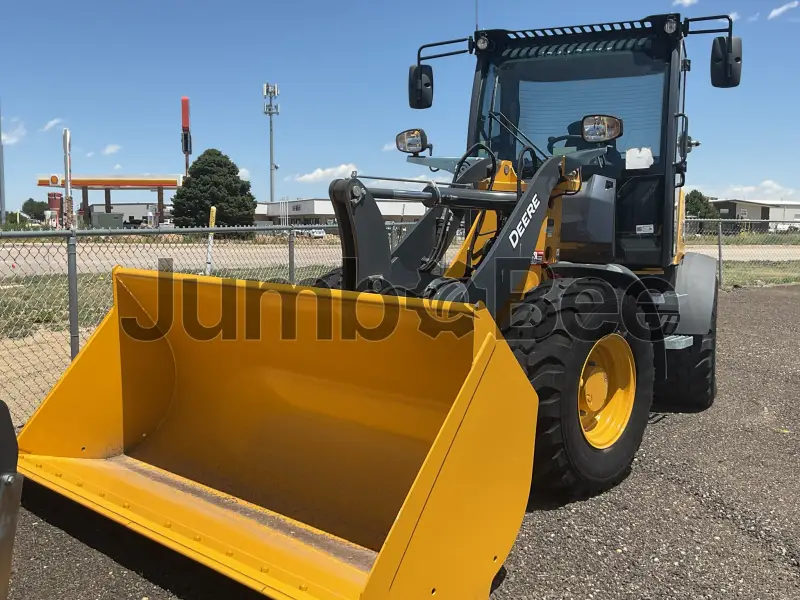
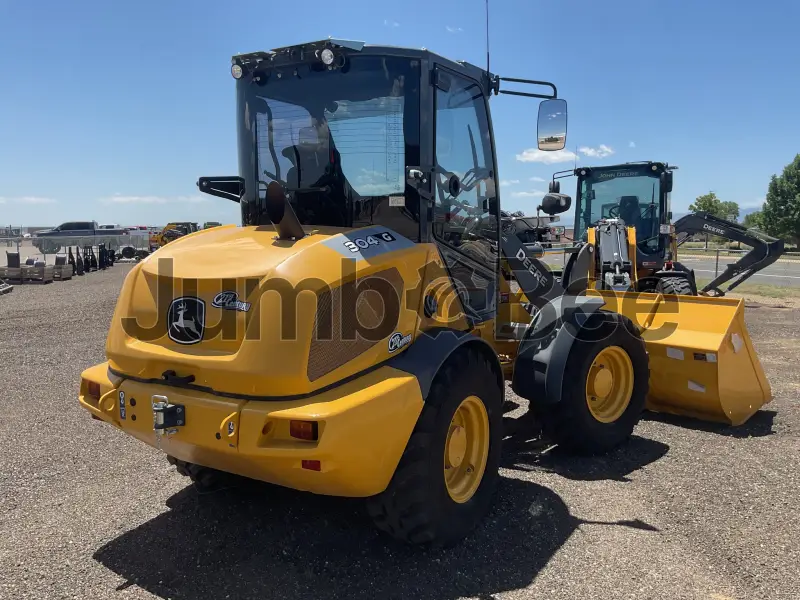
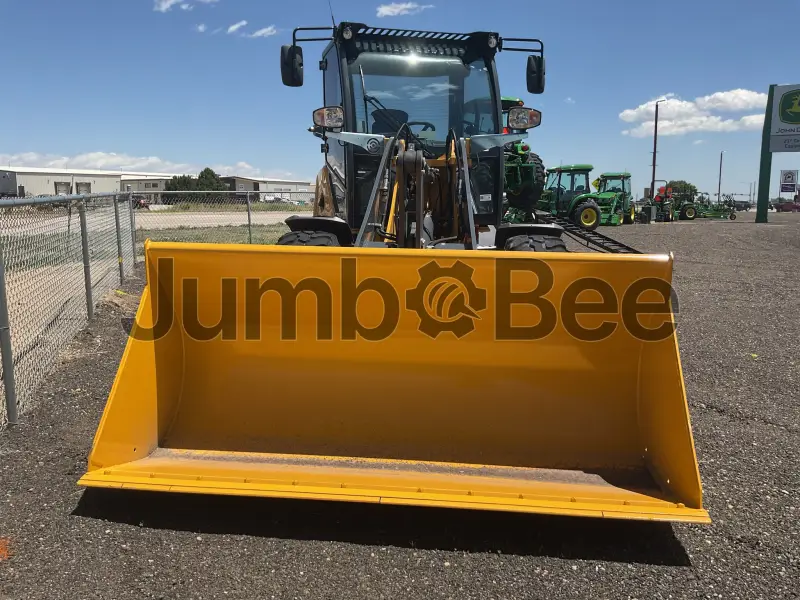
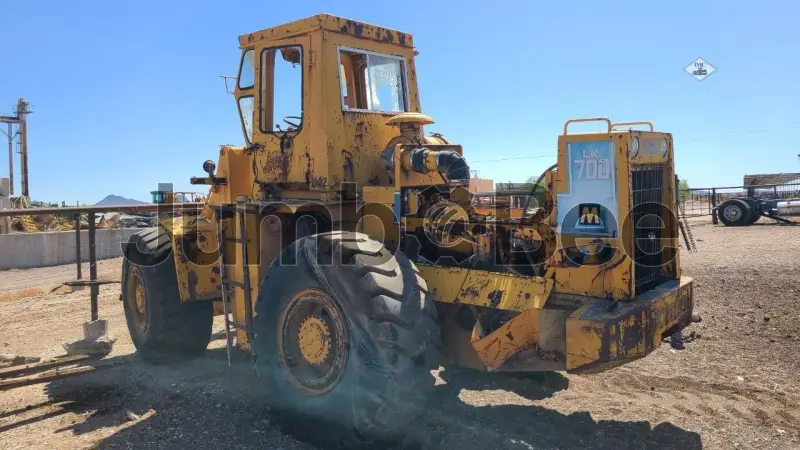
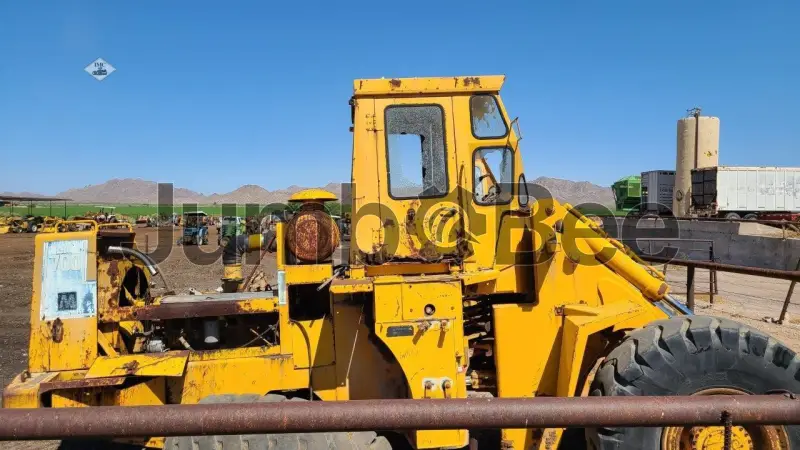
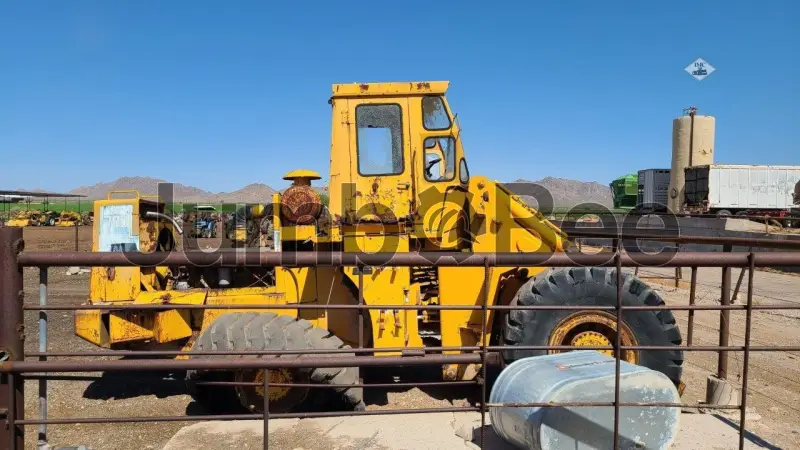
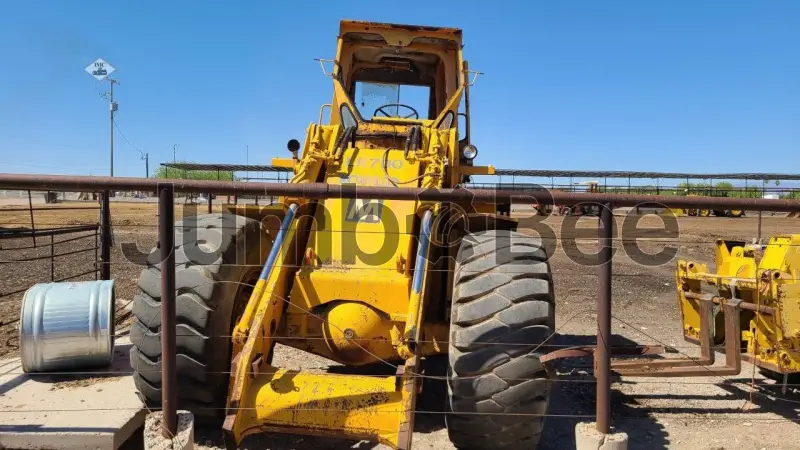
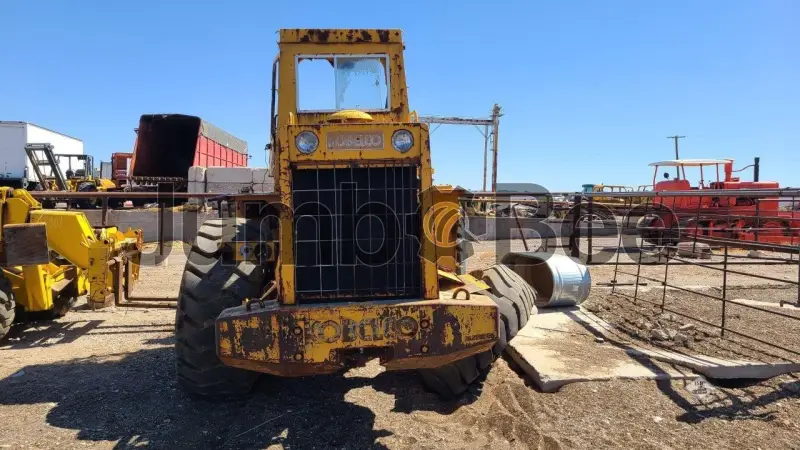
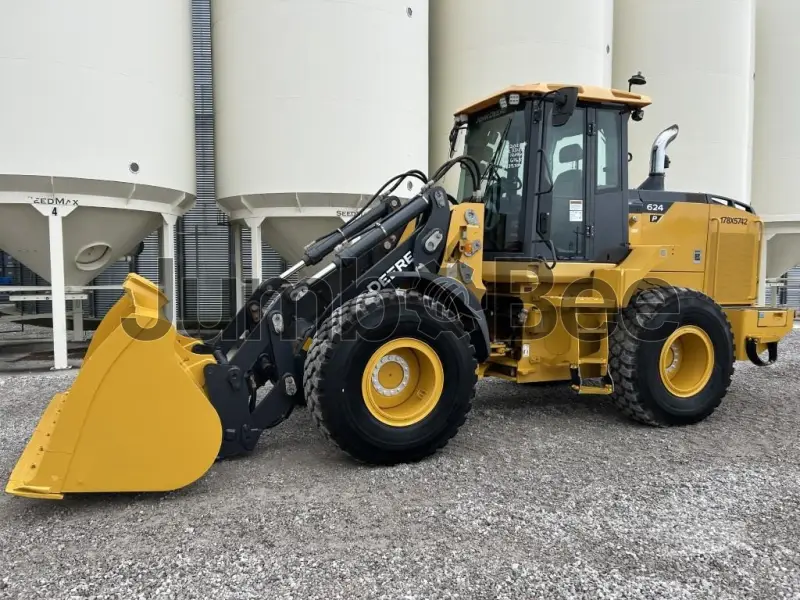
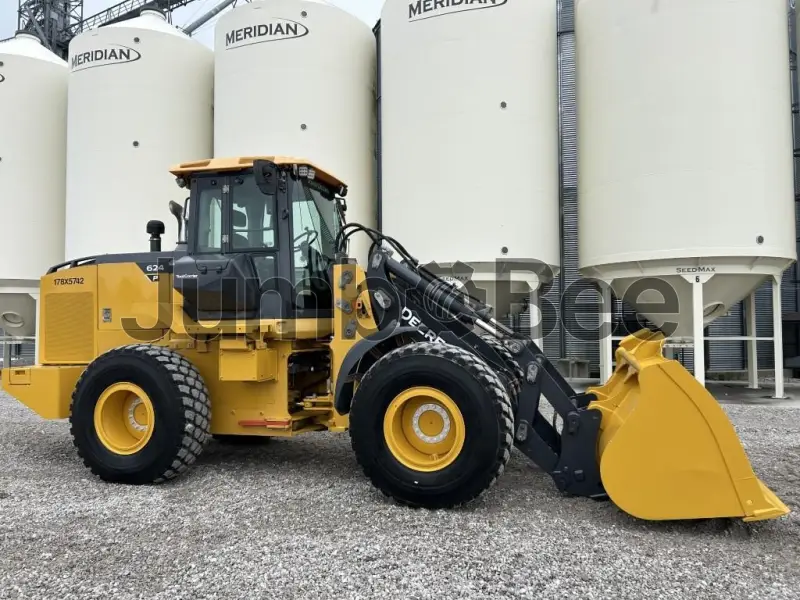
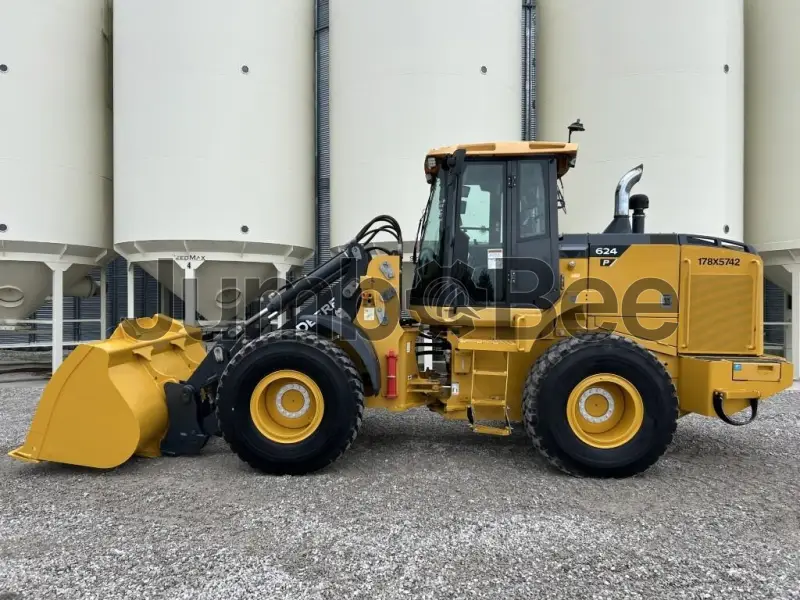
Loaders Models
Loaders
500+
Models
Heavy equipment insights from JumboBee
November 20, 2026
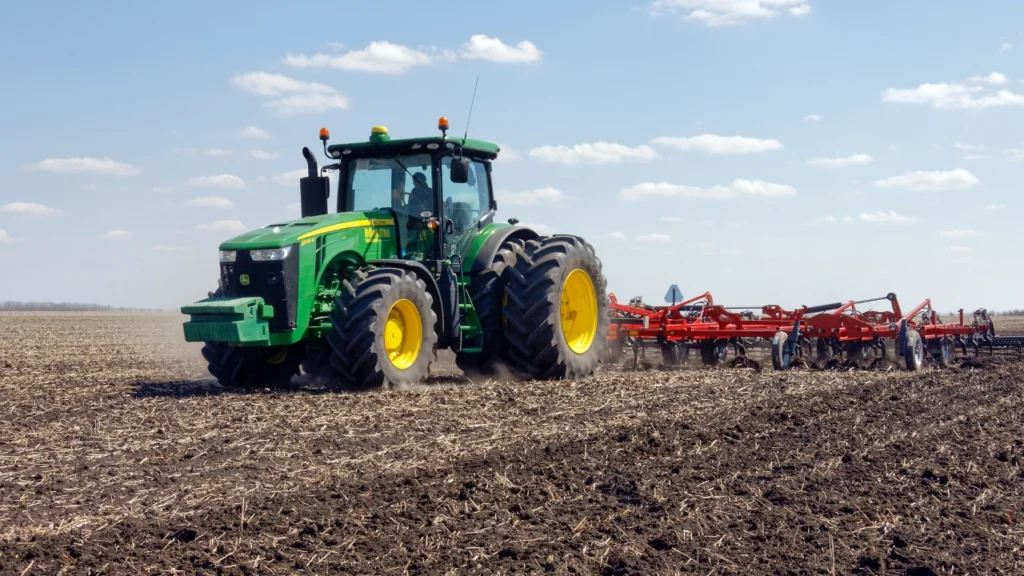
Types of Cultivators: What They Are, How They Work and How to Choose
Compare different types of farm cultivators, their uses, and what to look for when buying used.
November 9, 2026
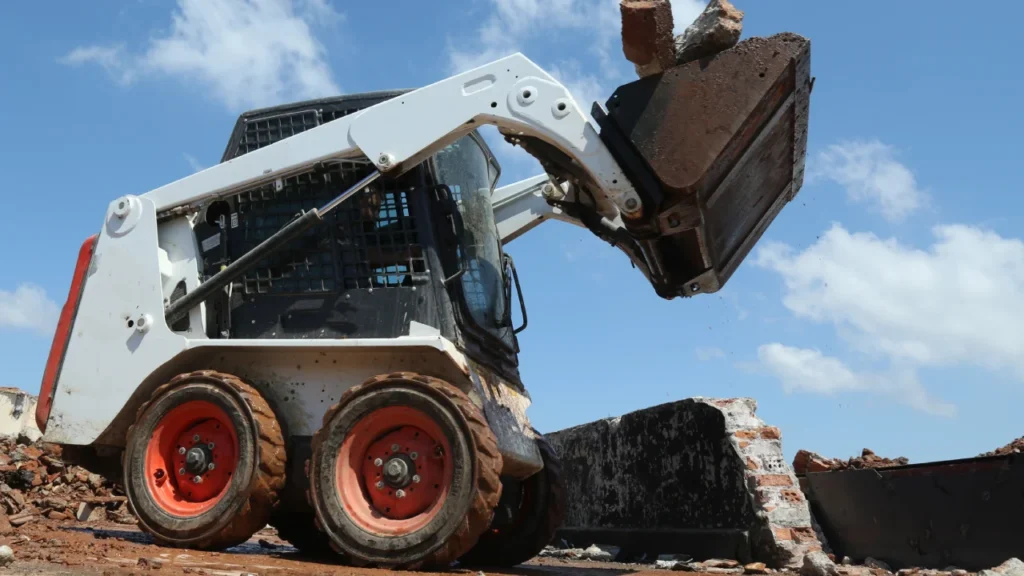
Skid Steer Loader Brands Compared: CAT vs Bobcat vs John Deere
A side-by-side comparison of CAT, Bobcat and John Deere skid steers by size class, capacity, power and hydraulics.
October 23, 2026
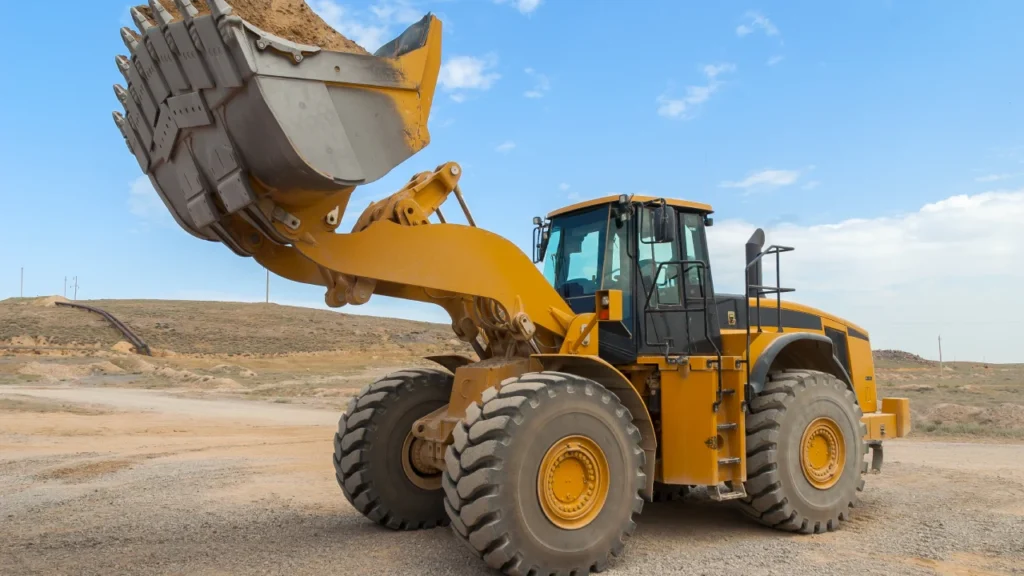
Wheel Loader Attachments Guide: Buckets, Forks, Grapples, and More
This guide breaks down how to select the right wheel loader attachments.
November 2, 2026
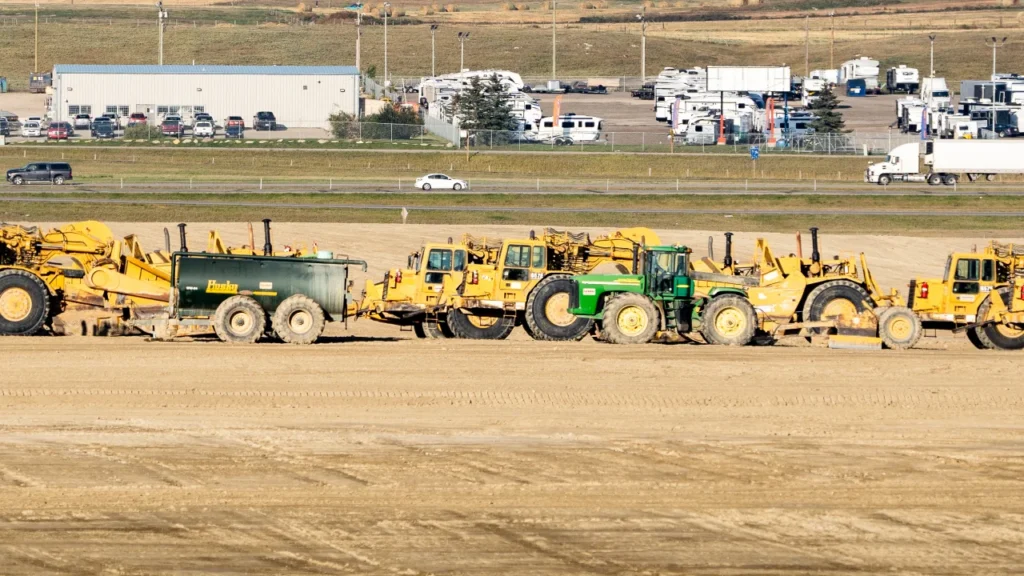
Buying & Selling Heavy Equipment in Canada: Market Guide for Global Buyers
This guide explains how the Canadian heavy equipment market works for international buyers and sellers.
October 9, 2026
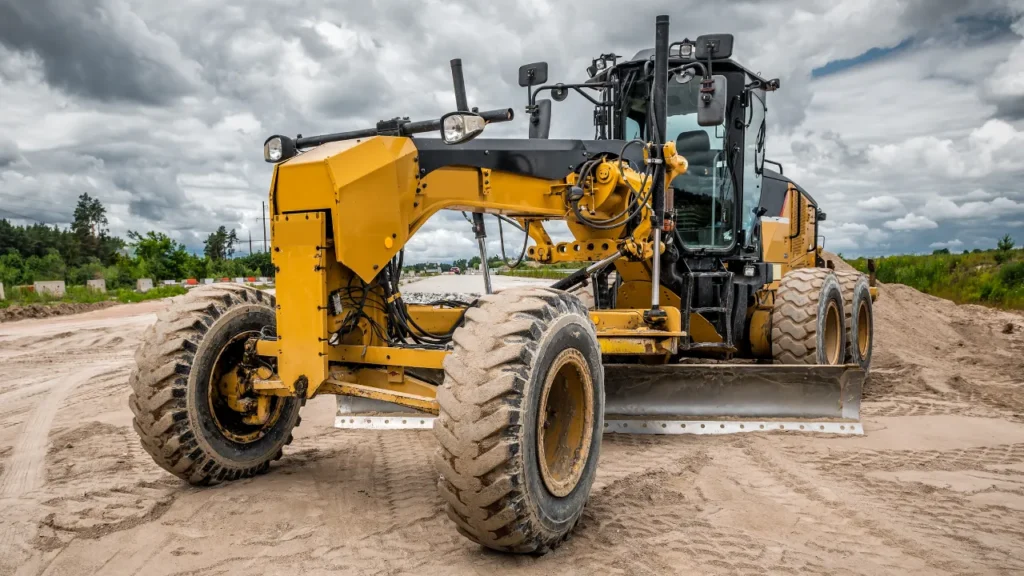
Motor Grader Buying Guide: Sizes, Top Brands, and What Contractors Should Look For
This guide helps buyers select the right motor grader for their needs and maximize ROI across construction, mining, and snow removal.
August 25, 2026
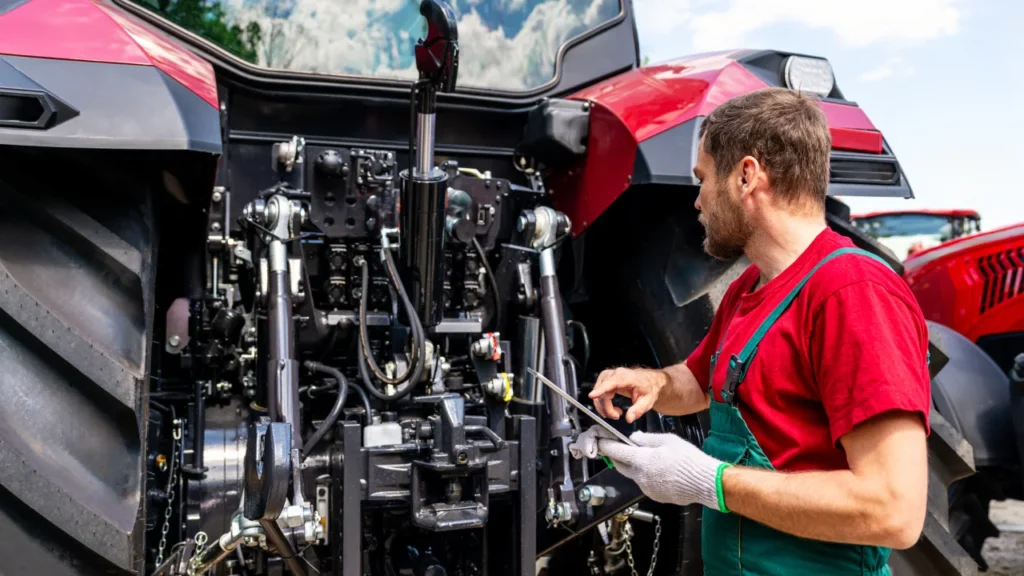
Repair, Rebuild or Replace Heavy Equipment: 2026 Cost-Based Decision Guide
This guide provides a mathematical approach to help you decide what to do with your aging machinery in 2026.
THE YARD AND QUARRY WORKHORSE
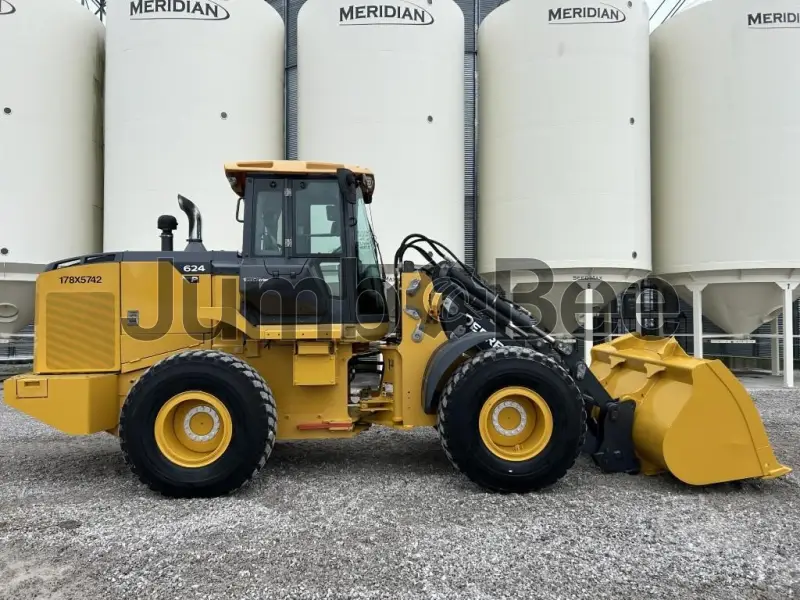
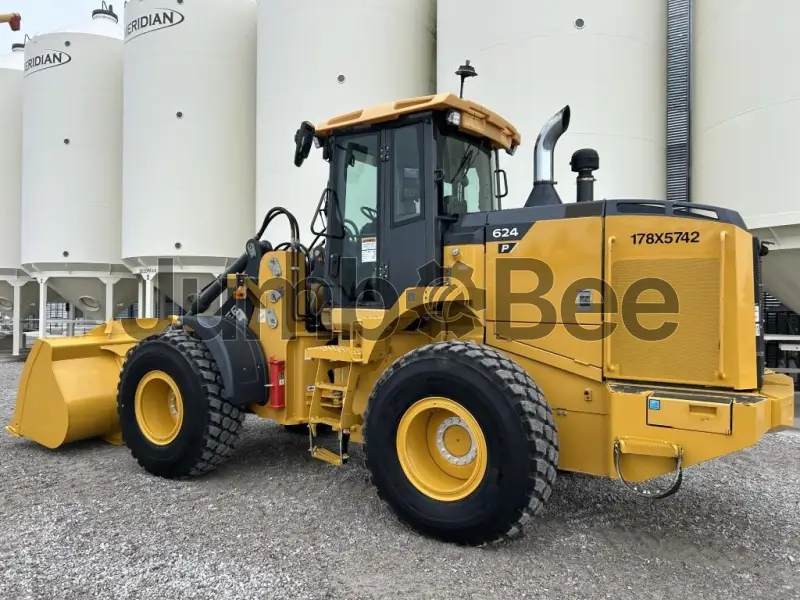
A wheel loader is an articulated, rubber-tired machine that loads trucks, feeds crushers and hoppers, moves stockpiles and handles materials. It travels quickly around yards and sites, making it the standard loading tool in quarries, aggregate yards, asphalt plants, recycling, agriculture and snow removal.
COMPACT, MID-SIZE OR LARGE
Compact wheel loaders handle landscaping, farms and municipal work. Mid-size loaders handle construction and aggregate yards. Large loaders feed crushers and load haul trucks in quarries and mines.
BUCKETS AND LINKAGE
General-purpose, rock, light-material and high-dump buckets suit different jobs. Z-bar linkage gives strong breakout force for digging, while parallel or tool-carrier linkage keeps forks level for material handling.
TIRES AND RIDE CONTROL
Tires are a major cost, especially in rock. Ride control smooths travel when carrying loads, reducing spillage and operator fatigue. Limited-slip or locking differentials improve traction in soft stockpiles and snow.
INSPECTING A USED WHEEL LOADER FOR SALE
Check the articulation joint, loader arms and pins, bucket and cutting edge, axles and differentials, the transmission and torque converter, brakes, tires, the cooling system and engine hours. If you buy used wheel loader equipment, load a truck to test lift and hydraulic speed.
USED WHEEL LOADER PRICE
Used wheel loader price depends on size, hours, tire condition, bucket, linkage, scale systems and brand.
ONBOARD SCALES
Payload scales help load trucks accurately and avoid overweight fines. Ask whether the scale has been recently calibrated, and whether the bucket and teeth are original.
Got Questions?
Our FAQ section covers everything from shipping and listing to buying with confidence.
What are the different types of wheel loaders?
Wheel loaders are versatile machines, but they come in various types and sizes to suit different applications. The most common way to categorize them is by their size and operating capacity:
Compact Wheel Loaders
These are the smallest, offering excellent maneuverability in tight spaces. They're often used for landscaping, smaller construction projects, and material handling.
Small Wheel Loaders
Slightly larger than compact models, they offer a balance of power and agility. They're suitable for a wider range of tasks, including general construction, agriculture, and road work.
Medium Wheel Loaders
These are the workhorses of the industry, providing significant power and capacity for heavy-duty applications. They're commonly used in construction, mining, and quarry operations.
Large Wheel Loaders
The largest type, designed for the most demanding jobs. They can move massive amounts of material quickly, making them essential for large-scale mining, quarrying, and heavy construction projects.
Beyond size, other classifications include:
Articulated Wheel Loaders
The most common type, featuring a hinged frame for enhanced maneuverability.
Rigid Frame Wheel Loaders
Smaller and less common, offering less maneuverability but sometimes greater stability.
How to choose the right wheel loader?
Choosing the right wheel loader depends on several factors related to your specific needs and applications. Here's a breakdown to help you make an informed decision, building upon the basic types:
- Determine the primary use
- Consider material and volume
- Evaluate job site conditions
- Match size to task
- Consider maneuverability
- Assess required attachments
- Factor in budget and operating costs
What is more profitable to buy a used wheel loader or a new one from a dealer?
Deciding whether to purchase a used wheel loader or invest in a new one from a dealer is a significant financial decision with no single right answer. The more profitable option depends heavily on your specific business needs, budget, intended usage, and tolerance for risk.
Let's weigh the pros and cons of buying a used versus a new wheel loader to figure out which might be more profitable for you.
USED WHEEL LOADER PROS
Lower Initial Cost
This is the most significant advantage. Used equipment typically has a much lower purchase price than new.
Reduced Depreciation
New equipment depreciates most rapidly in the first few years. Buying used means someone else has absorbed that initial drop in value.
Potentially Faster Availability
Depending on the market and dealer inventory, a used machine might be available immediately, avoiding lead times for new orders.
Established Performance History
You might be able to find information about the specific machine's past performance and maintenance.
Wider Variety of Options
The used market can offer a broader range of makes, models, and configurations, some of which might not be available new anymore.
USED WHEEL LOADER CONS
Higher Risk of Mechanical Issues
Used machines have wear and tear, increasing the likelihood of breakdowns and repair costs.
Limited or No Warranty
Used equipment often comes with no warranty or a very limited one, leaving you responsible for all repairs.
Potentially Higher Maintenance Costs
Older machines may require more frequent and costly maintenance.
Less Fuel Efficiency
Older engines might not be as fuel-efficient as newer models, leading to higher operating costs.
Outdated Technology
Used machines might lack the latest technological advancements that can improve efficiency and productivity.
Uncertainty About Maintenance History
Unless you have detailed records, the machine's past maintenance and care can be unknown.
NEW WHEEL LOADER PROS
Latest Technology and Features
New machines incorporate the most recent advancements, potentially offering better performance, fuel efficiency, and operator comfort.
Full Manufacturer Warranty
A new machine comes with a comprehensive warranty, providing peace of mind and protection against unexpected repair costs during the warranty period.
Lower Initial Maintenance
New equipment typically requires less maintenance in its early years.
Longer Expected Lifespan
With proper care, a new machine should offer a longer service life.
Customization
You can usually specify the exact features and options you need when ordering a new machine.
NEW WHEEL LOADER CONS
Higher Initial Cost
The purchase price of a new wheel loader is significantly higher.
Rapid Initial Depreciation
New equipment loses a substantial portion of its value in the first few years.
Potential Lead Times
Depending on demand and customization, there might be a waiting period for delivery.
What are the advantages of a new or used wheel loader?
NEW
Buying a new wheel loader offers significant advantages like greater reliability, the latest technology for improved efficiency and performance, and the peace of mind that comes with a manufacturer's warranty covering potential repairs. New machines also often have easier financing options and can offer predictable operating costs with minimal downtime.
USED
On the other hand, opting for a used wheel loader provides the major benefit of a much lower initial purchase price, making it more accessible for businesses with tighter budgets. Used equipment also depreciates at a slower rate than new machinery and offers a wider variety of models and availability in the market.
How can I arrange the shipping of a wheel loader?
JumboBee delivers efficient and reliable transportation solutions for wheel loaders. We offer comprehensive shipping services, providing expert guidance and customized plans tailored to your specific wheel loader transport needs. Our experienced team at JB Global manages every aspect of the shipping process, from initial logistics and planning to final delivery, ensuring a smooth and hassle-free experience for you. We prioritize the safe and timely transport of your valuable wheel loader.