Crawler Excavators for Sale
(239 listings)
Browse by subcategory
Popular brands
Only verified sellers list equipment on JumboBee.
Sort by:
Featured
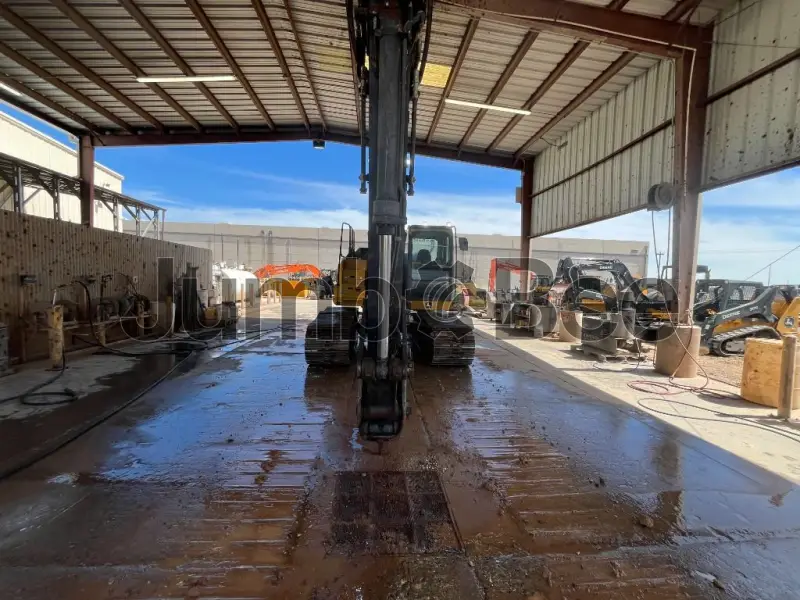
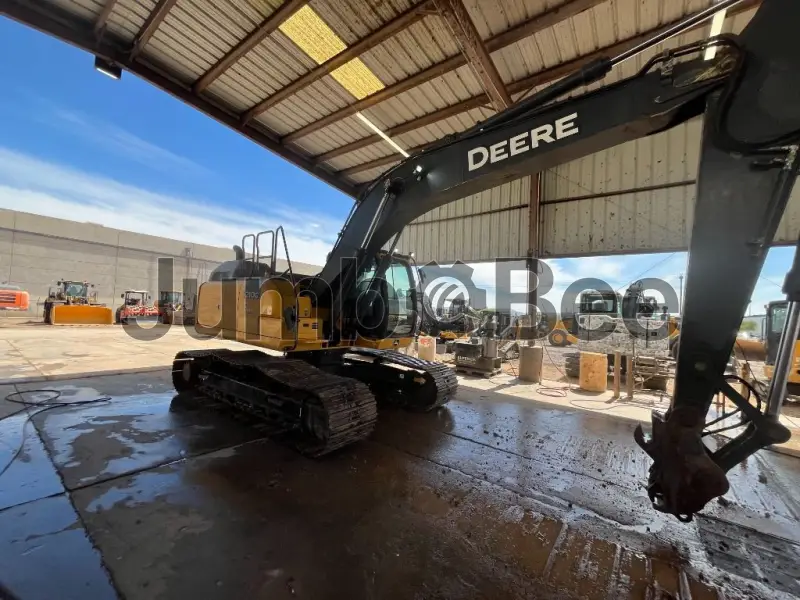
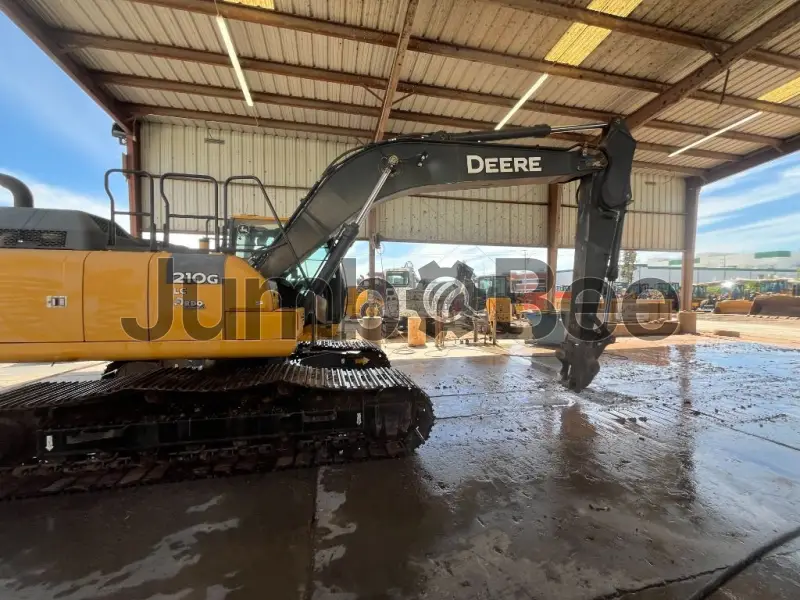
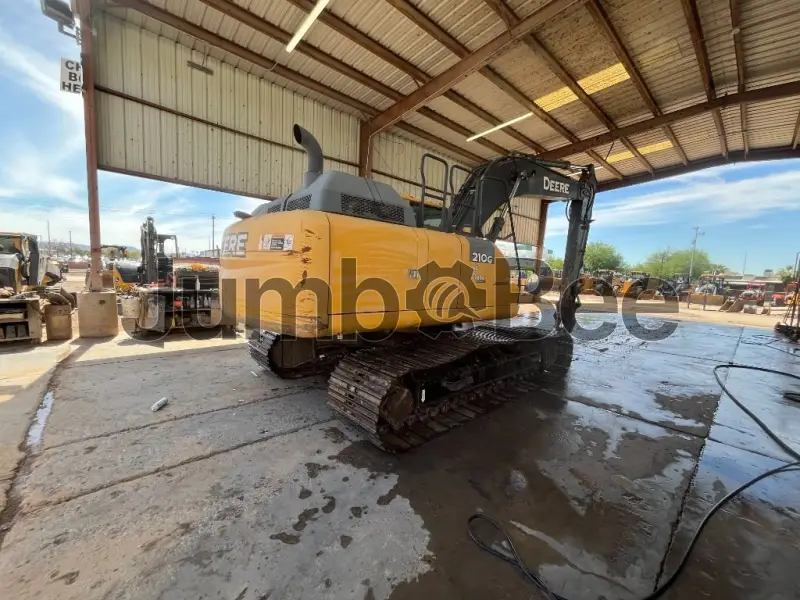
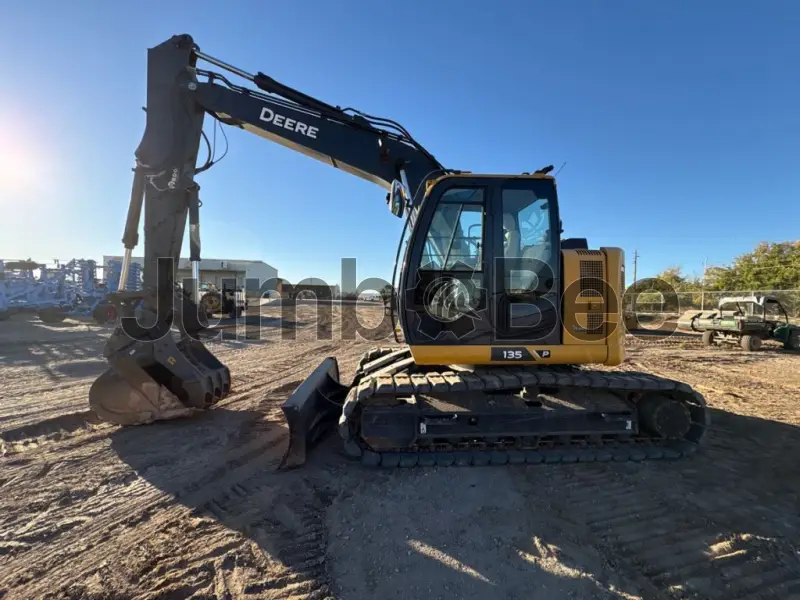
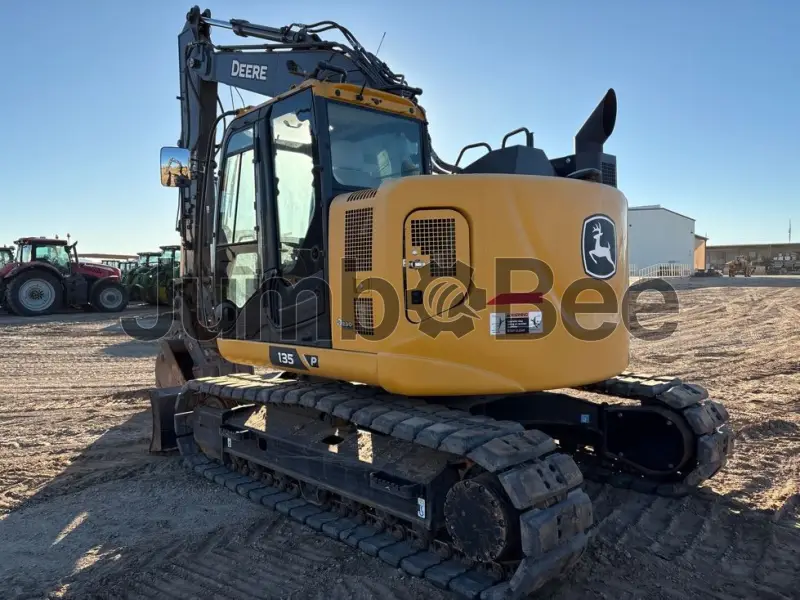
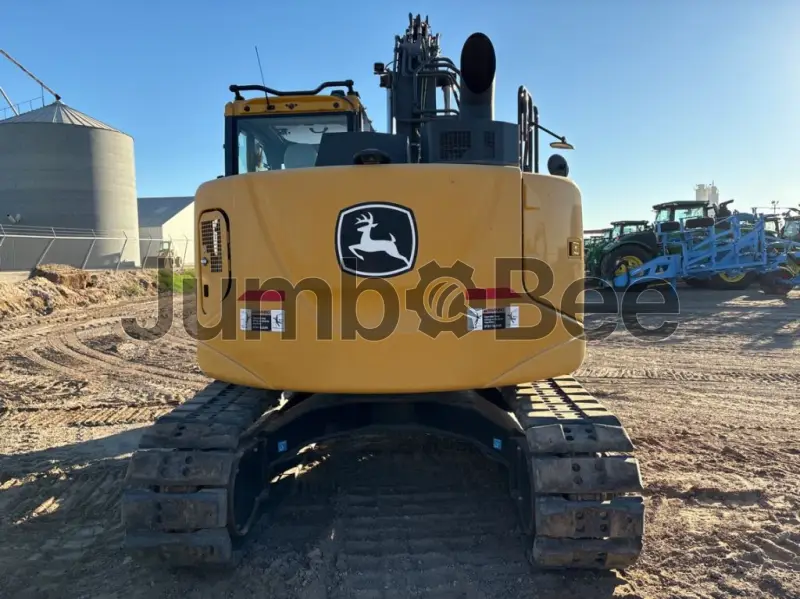
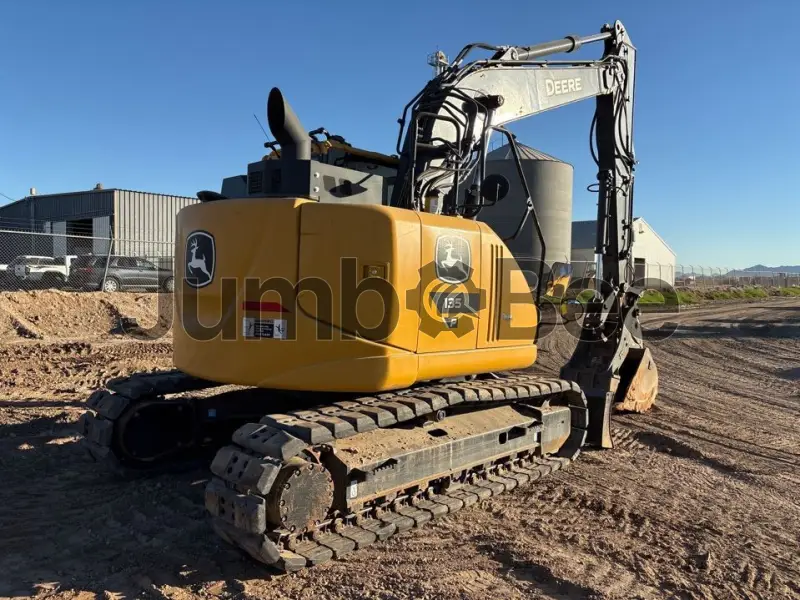
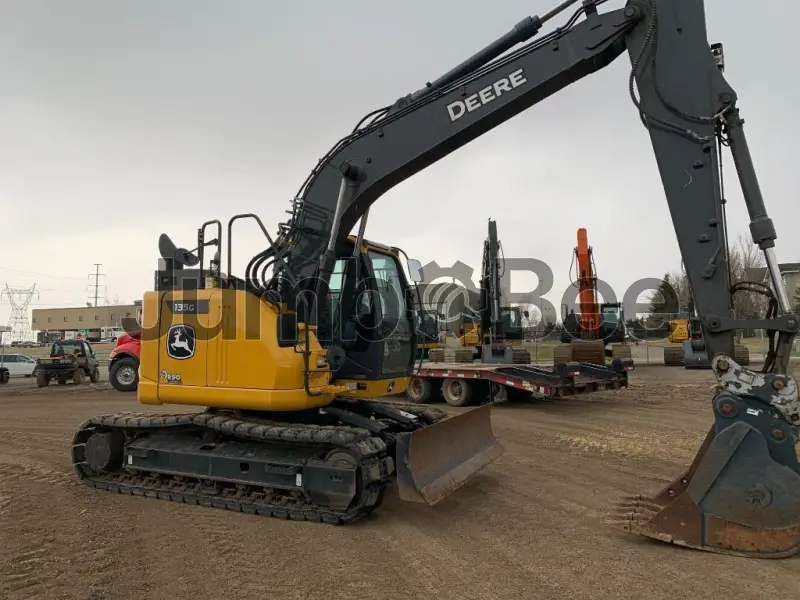
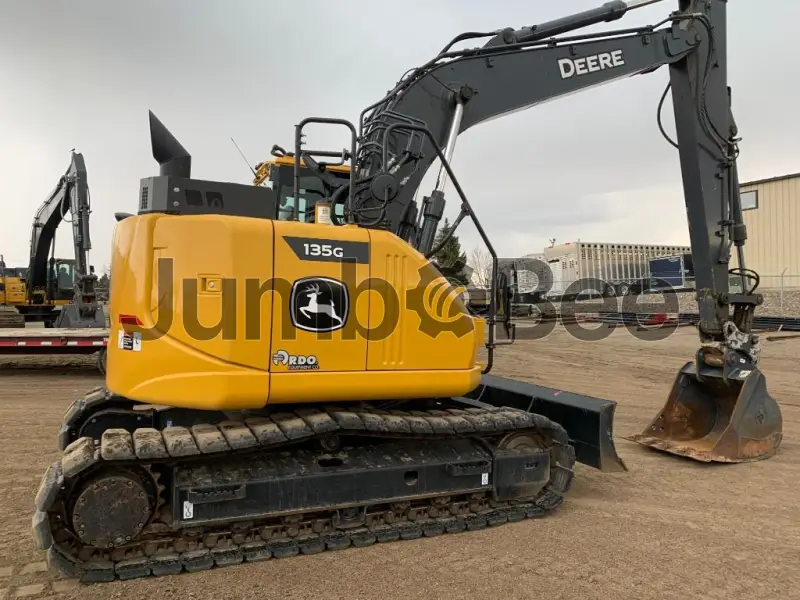
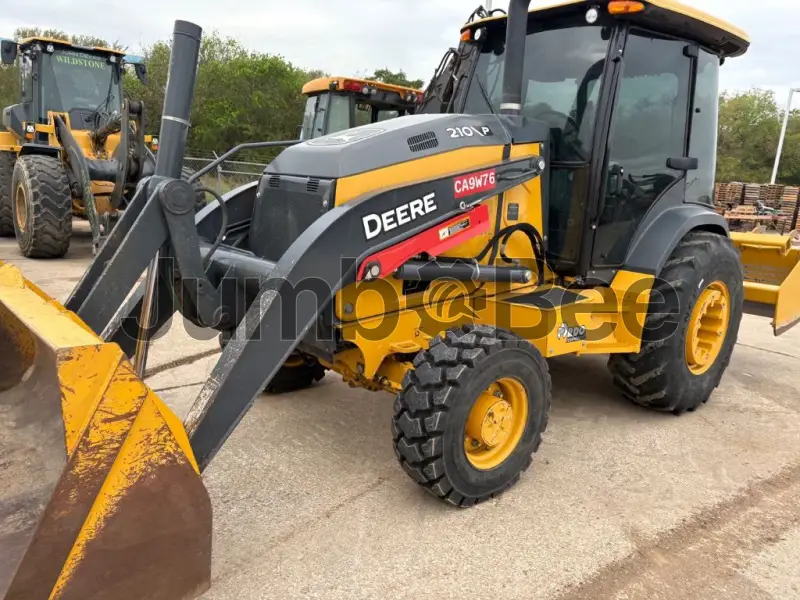
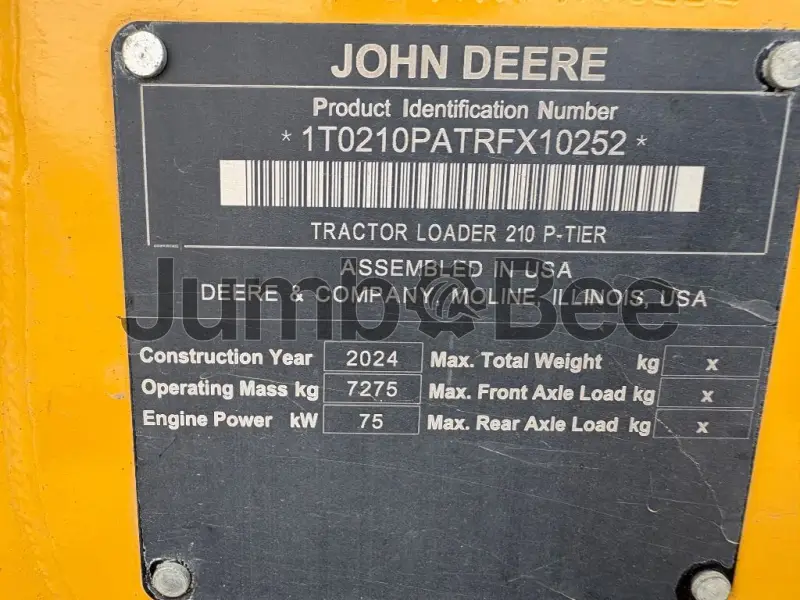
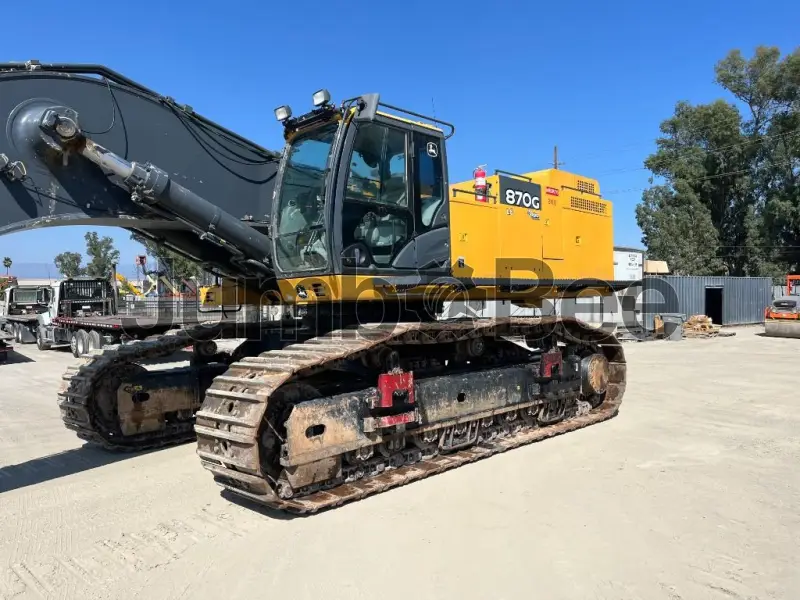
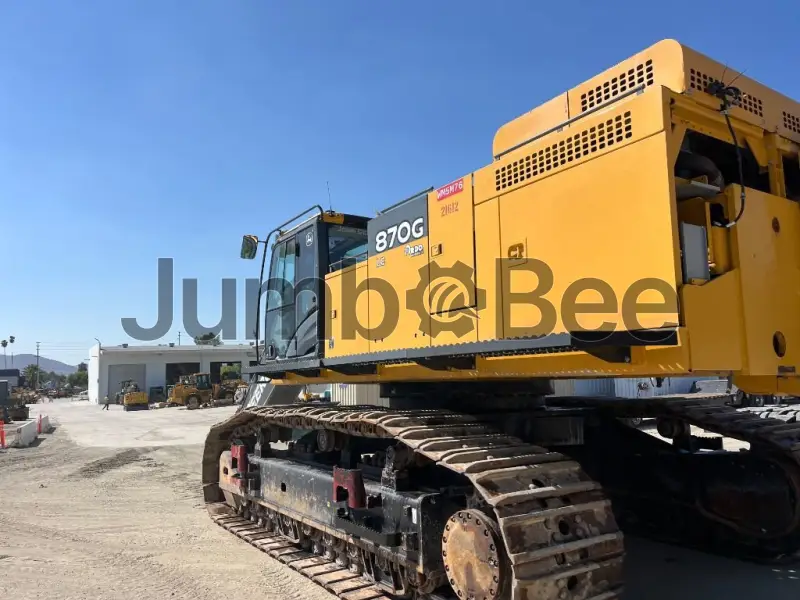
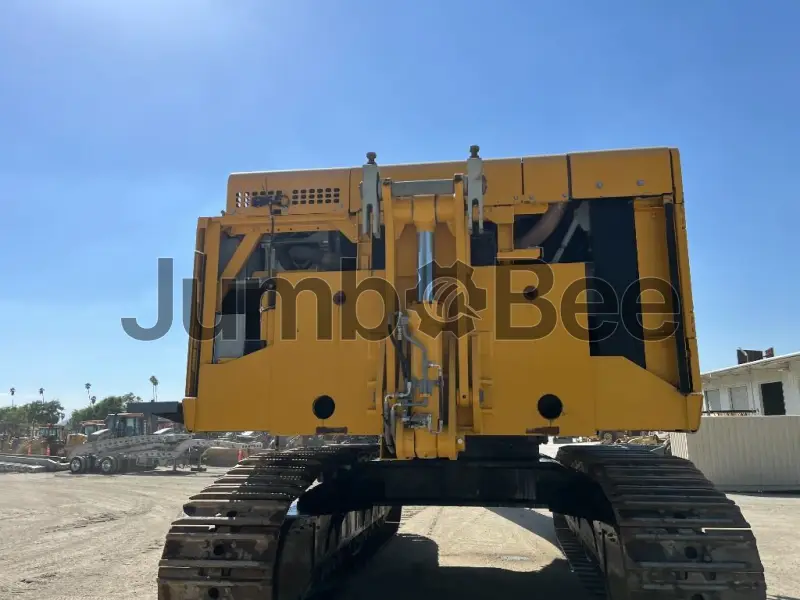
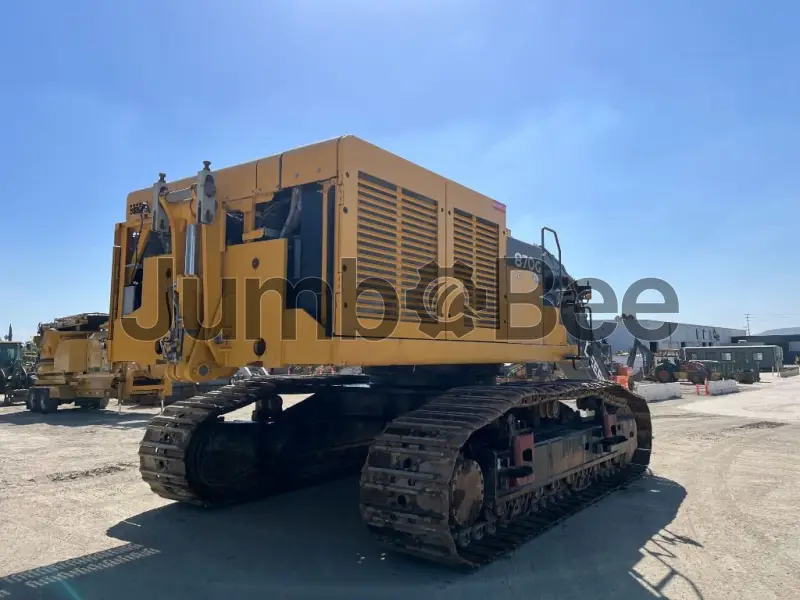
Excavators Models
Explore the full lineup of excavator models from leading global manufacturers. Compare specifications, read model reviews, and find verified listings – all in one reference hub.
100+
Models
Heavy equipment insights from JumboBee
November 23, 2026
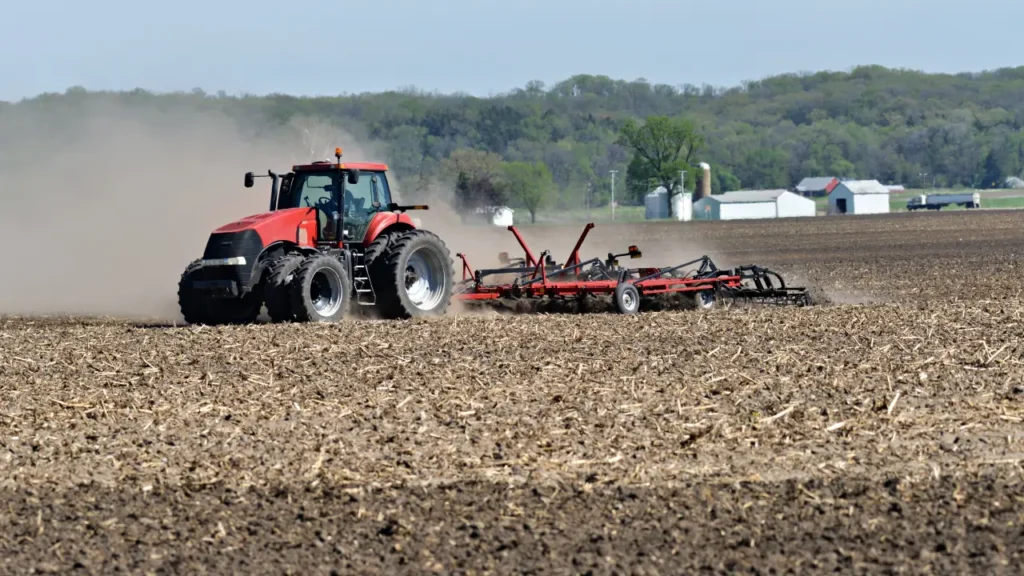
Types of Tillage Equipment: How to Choose the Right Implements for Your Farm
Compare tillage implements and learn what to look for when buying used equipment.
November 20, 2026
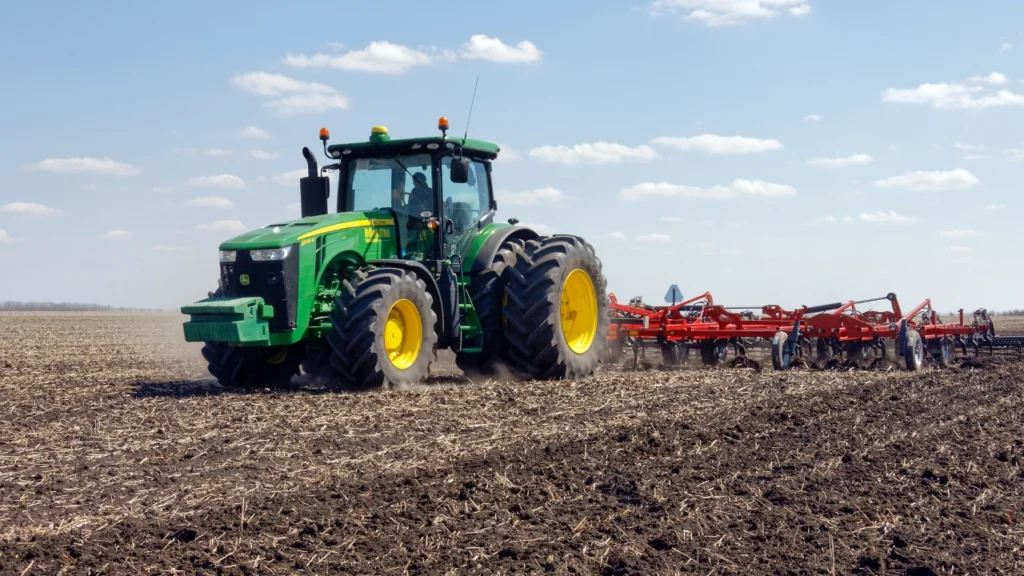
Types of Cultivators: What They Are, How They Work and How to Choose
Compare different types of farm cultivators, their uses, and what to look for when buying used.
November 9, 2026
Skid Steer Loader Brands Compared: CAT vs Bobcat vs John Deere
A side-by-side comparison of CAT, Bobcat and John Deere skid steers by size class, capacity, power and hydraulics.
November 2, 2026
Buying & Selling Heavy Equipment in Canada: Market Guide for Global Buyers
This guide explains how the Canadian heavy equipment market works for international buyers and sellers.
October 9, 2026
Motor Grader Buying Guide: Sizes, Top Brands, and What Contractors Should Look For
This guide helps buyers select the right motor grader for their needs and maximize ROI across construction, mining, and snow removal.
August 25, 2026
Repair, Rebuild or Replace Heavy Equipment: 2026 Cost-Based Decision Guide
This guide provides a mathematical approach to help you decide what to do with your aging machinery in 2026.
THE BACKBONE OF EARTHMOVING
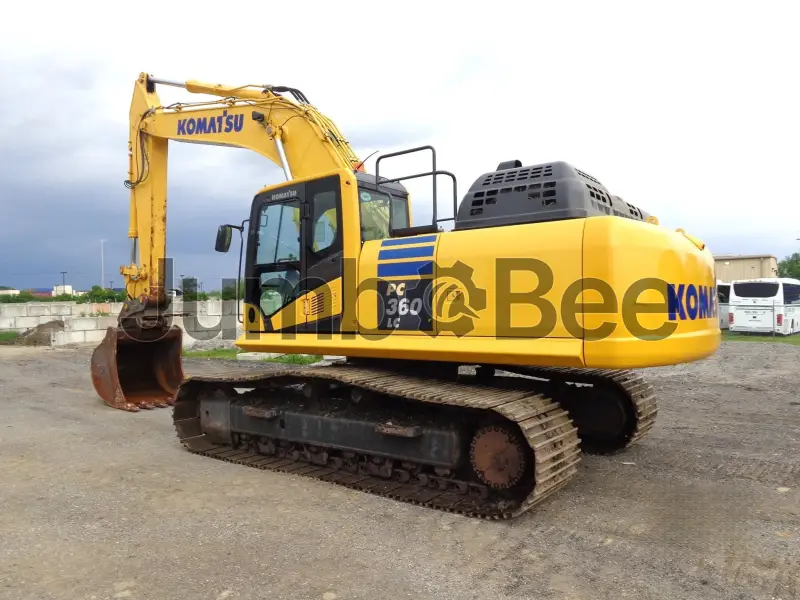
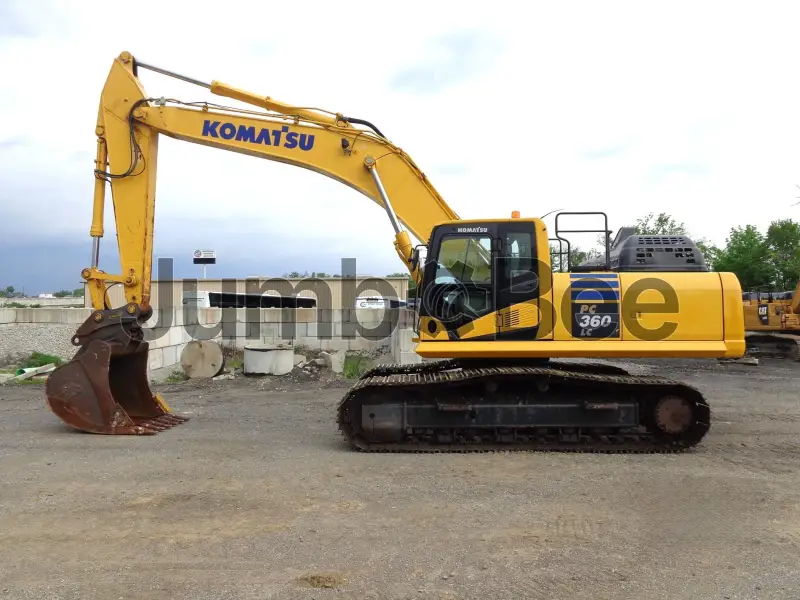
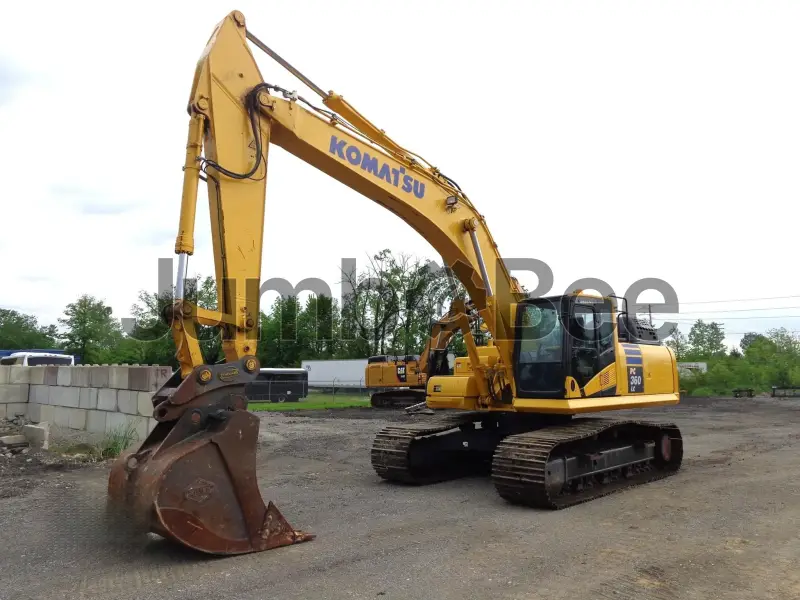
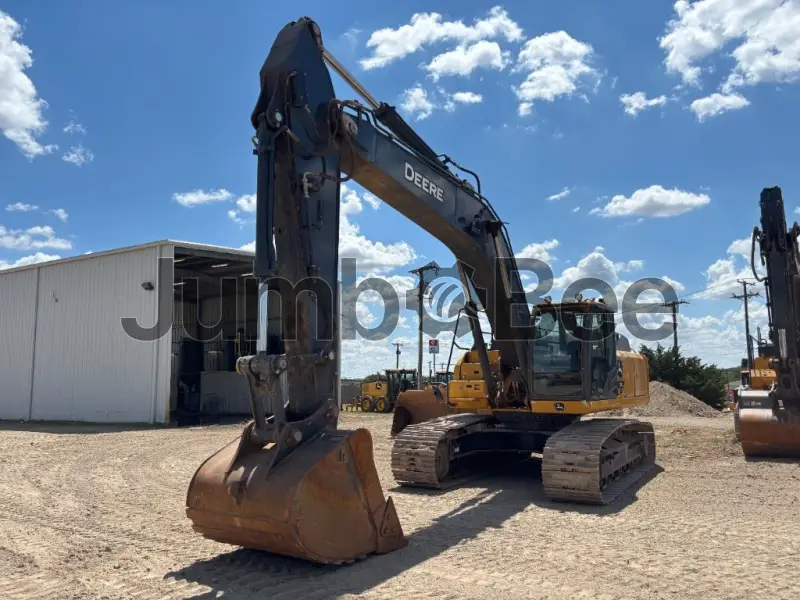
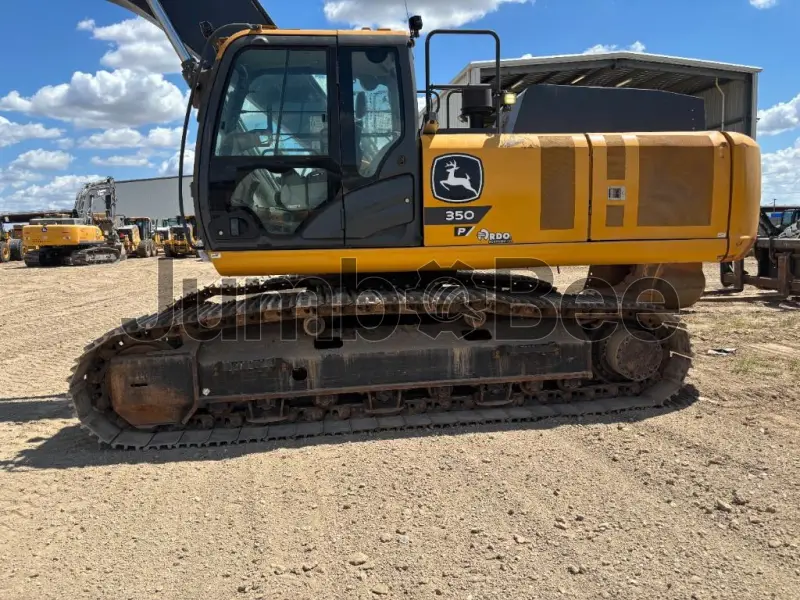
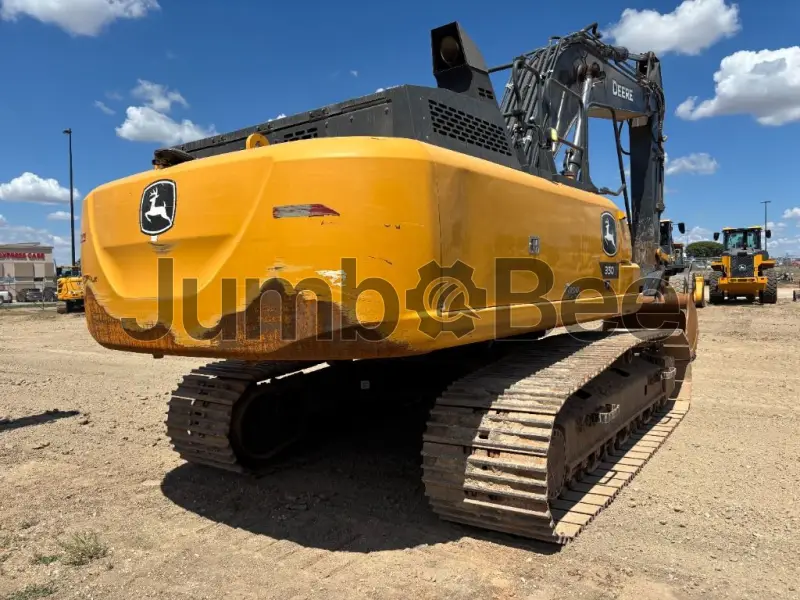
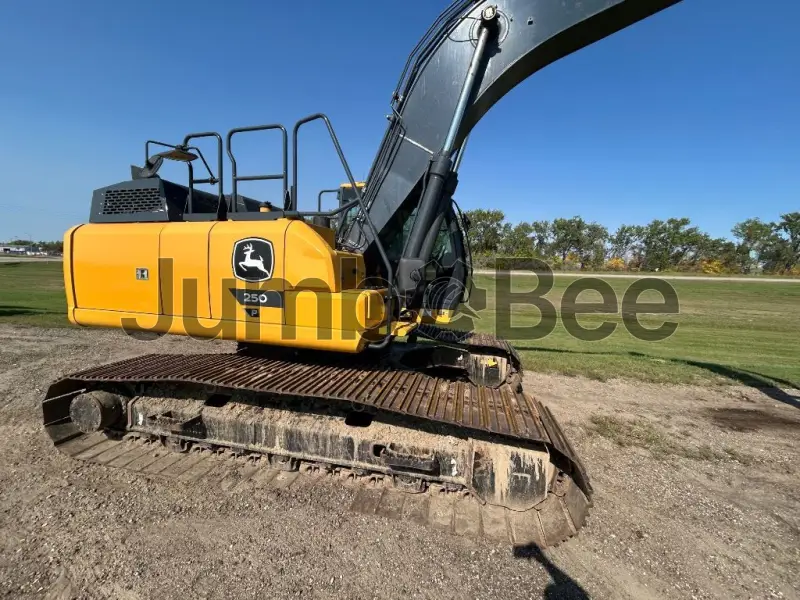
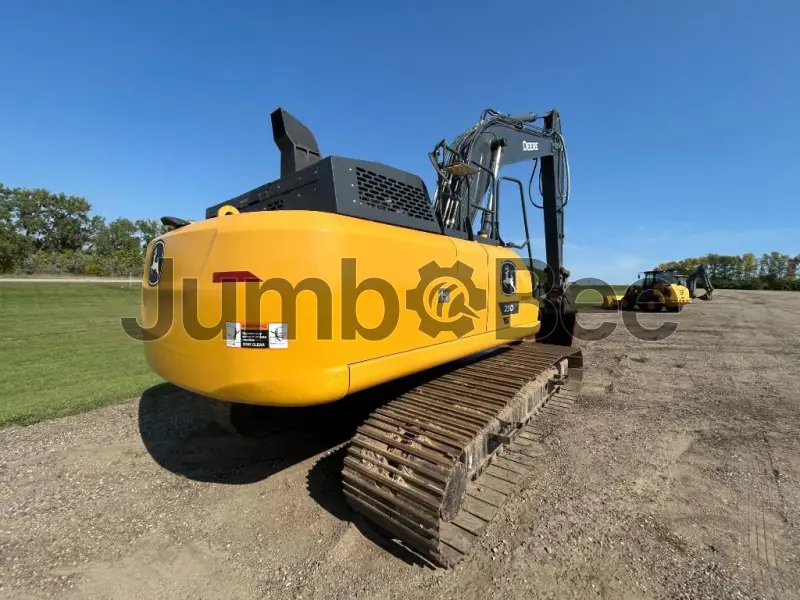
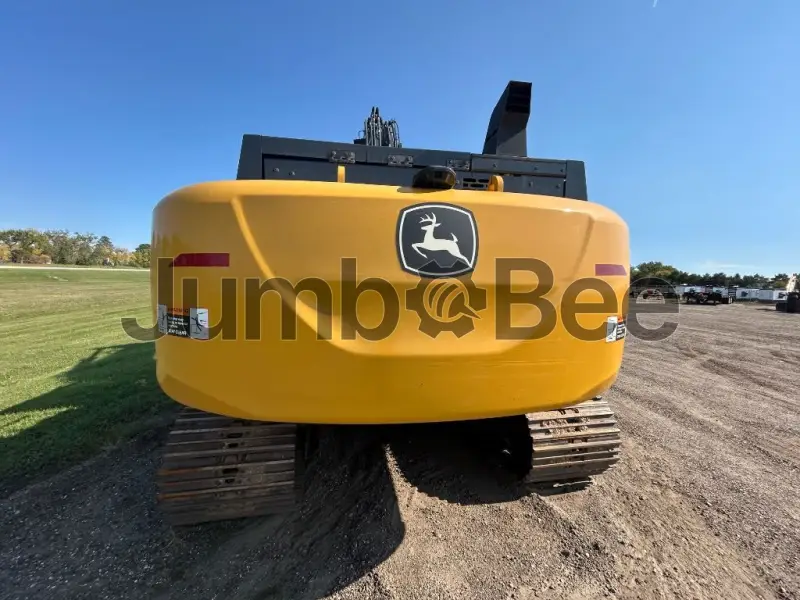
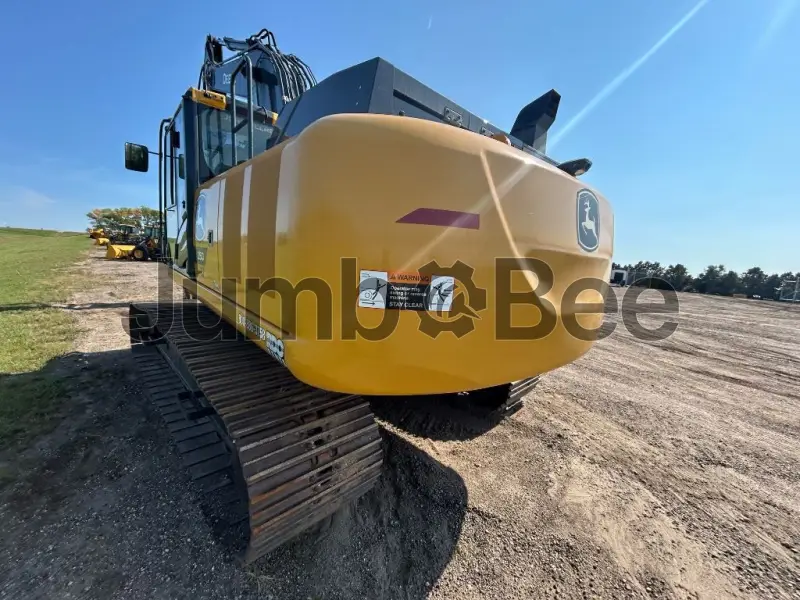
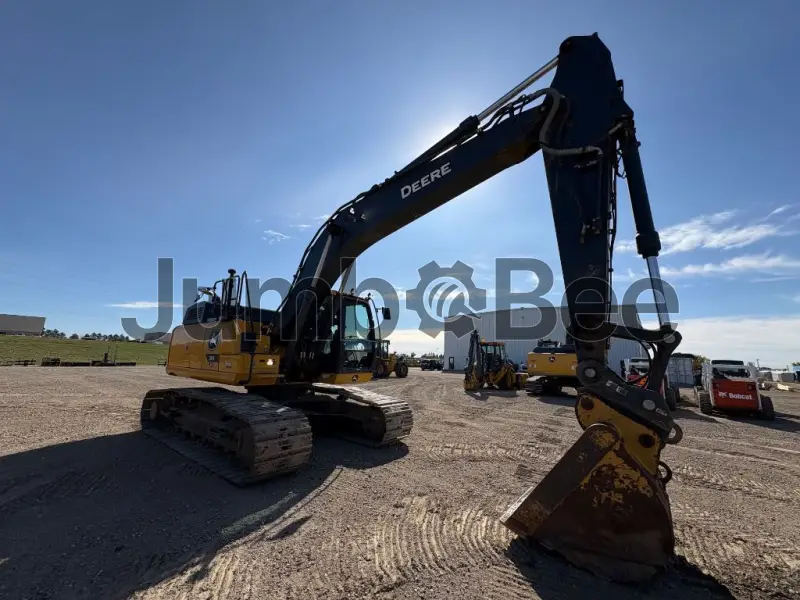
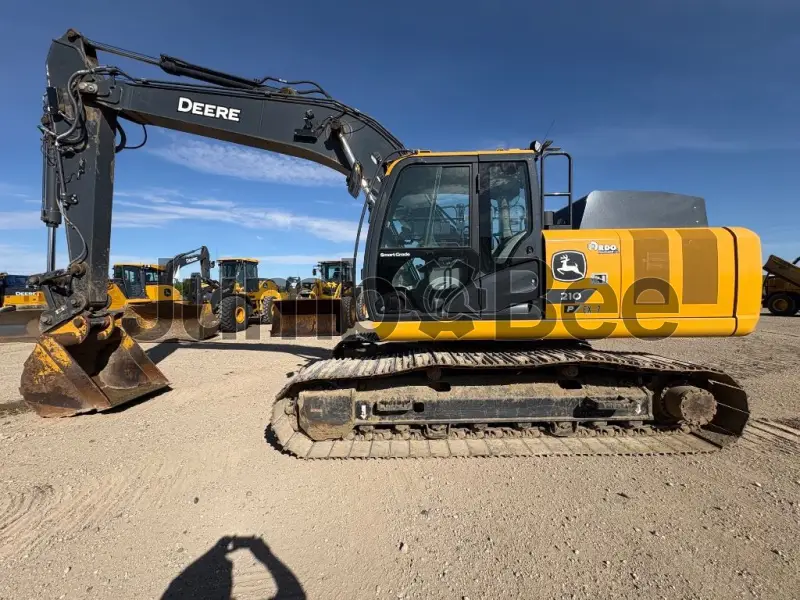
A tracked excavator, or crawler excavator, sits on steel tracks that give it stability and traction on soft, rough and sloped ground. Mid-size and large tracked machines dig foundations, trenches and basements, load trucks, handle pipe, clear land and work in quarries and demolition.
SIZE CLASSES
Tracked excavators range from about 10 tons to well over 80 tons. Mid-size machines around 20 to 35 tons are the most common for general contracting, balancing digging power with transport practicality.
REDUCED TAIL AND LONG REACH
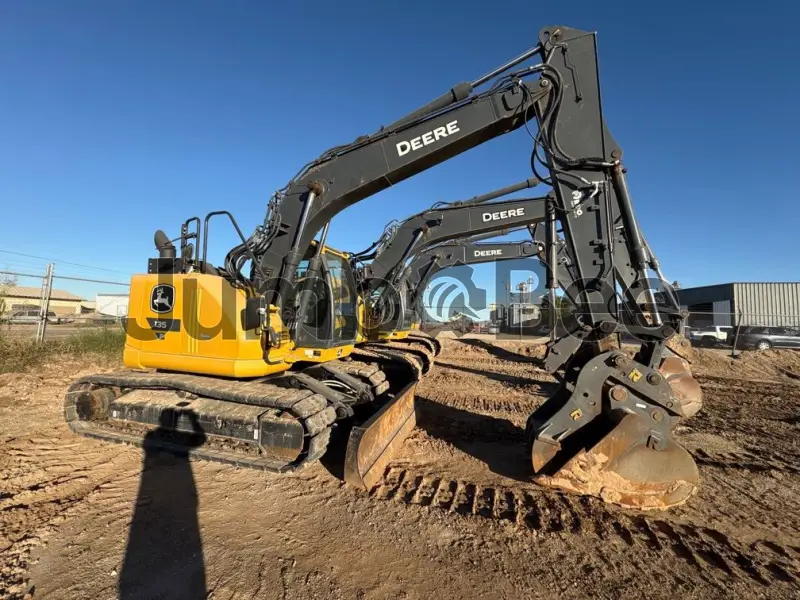
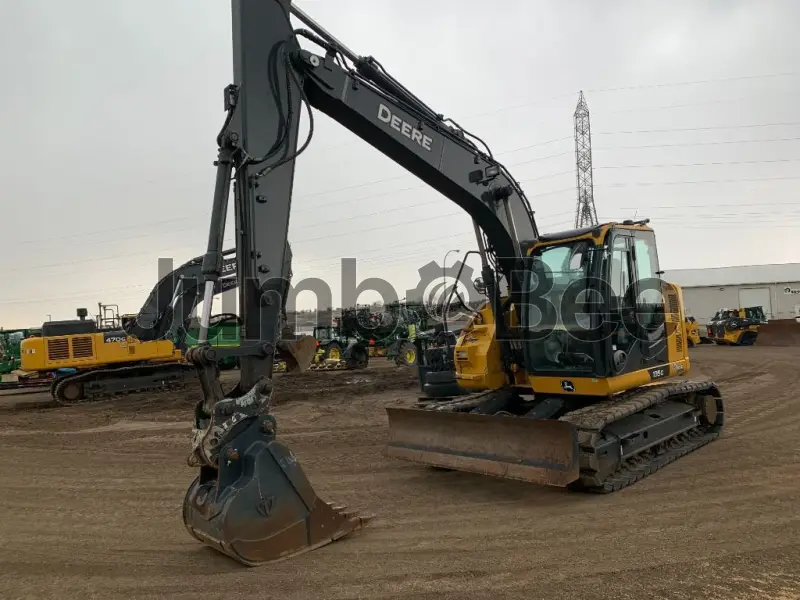
Reduced tail swing models work in tight urban sites and along roads. Long-reach excavators dig deep or reach far for dredging, ditch cleaning and slope work. High-wide undercarriages add stability for heavy lifting and demolition.
UNDERCARRIAGE MATTERS
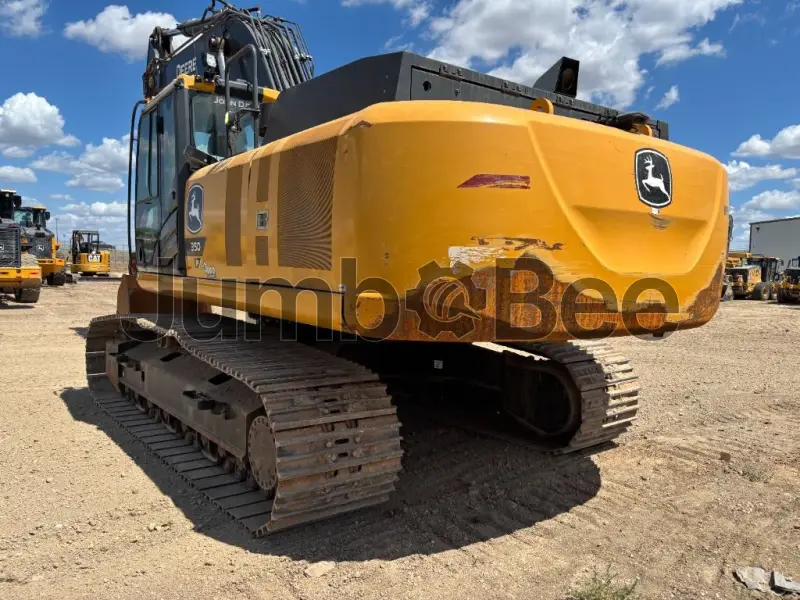
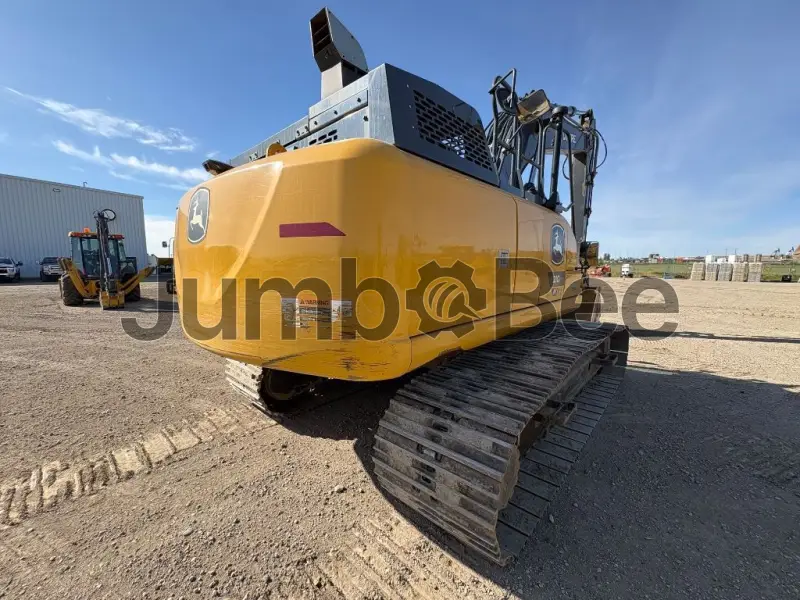
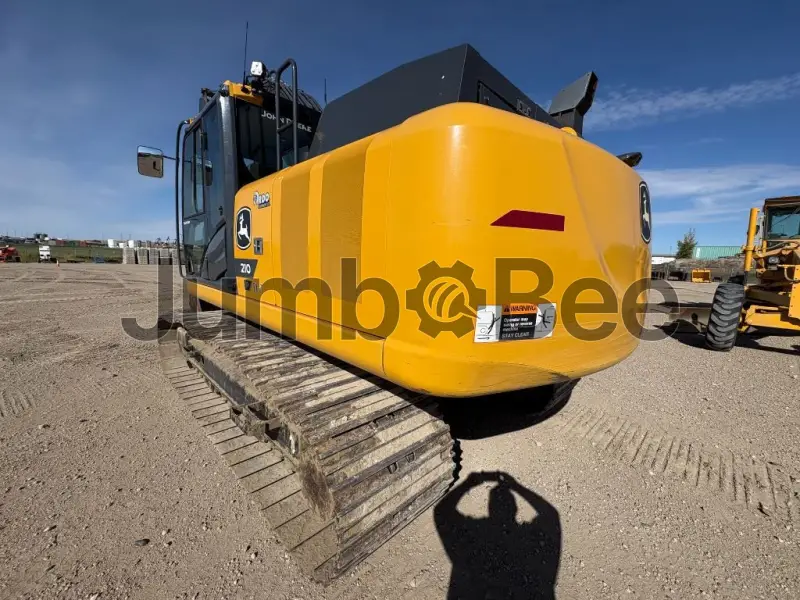
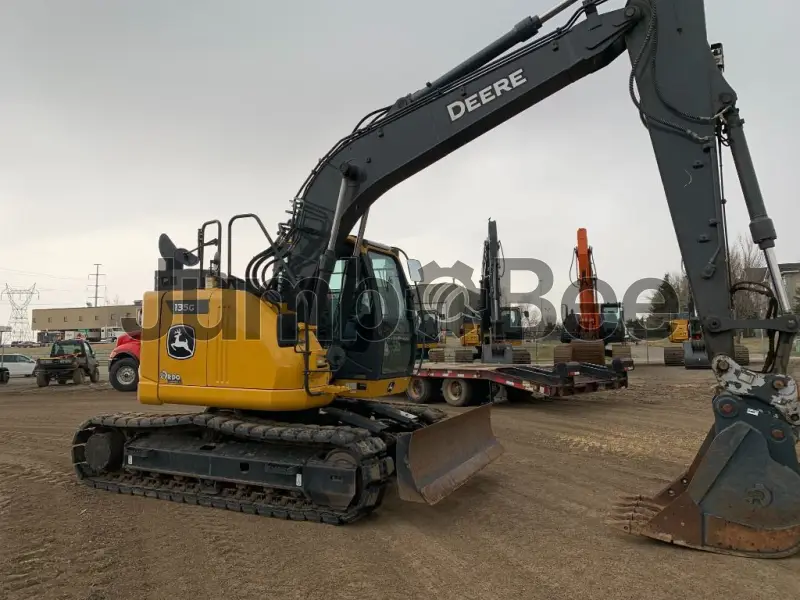
Track chains, sprockets, rollers and idlers wear over time, and undercarriage replacement is a major cost. Ask for an undercarriage percentage or inspection report.
INSPECTING A USED TRACKED EXCAVATOR FOR SALE
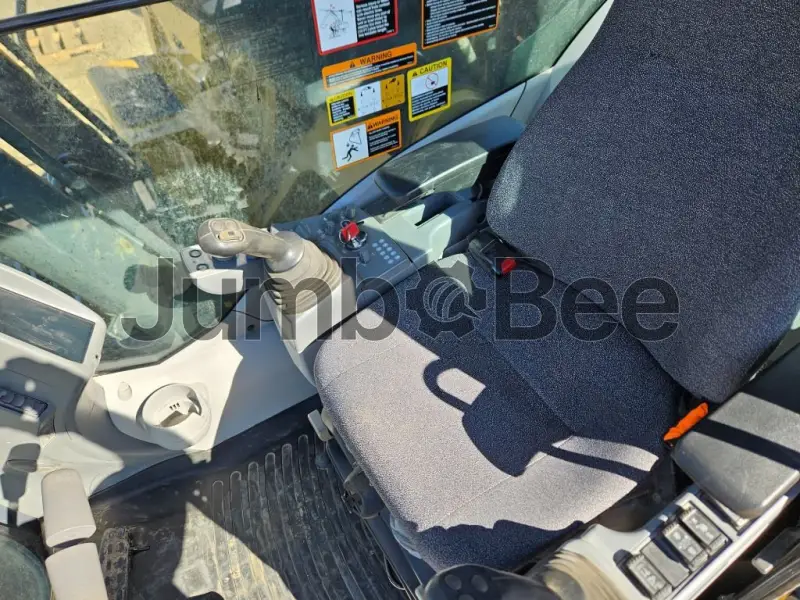
Check the undercarriage, swing bearing and swing motor, boom and stick for cracks or welds, pins and bushings, hydraulic pump performance, cylinders, the cab and engine hours. If you buy used tracked excavator equipment, ask for oil samples and dig with the machine to check power and cycle times.
USED TRACKED EXCAVATOR PRICE
Used tracked excavator price depends on size, hours, undercarriage, attachments, grade control and brand.
GRADE CONTROL
2D and 3D grade control systems help operators dig to plan with less staking and rework. Machines with integrated systems are increasingly common in the used market.
Got Questions?
Our FAQ section covers everything from shipping and listing to buying with confidence.
WHAT SHOULD YOU LOOK FOR IN A TRACKED EXCAVATOR?
- Operating weight and digging force matched to your material and application
- Track width, undercarriage condition, and ground pressure for jobsite conditions
- Boom and stick configuration for required reach and digging depth
- Bucket capacity matched to loading trucks and production goals
- Auxiliary hydraulic capability for attachments such as breakers, grapples, and augers
HOW TO CHOOSE THE RIGHT TRACKED EXCAVATOR?
ASSESS YOUR NEEDS
- Determine required digging depth, reach, and dump height
- Estimate ideal bucket size for your hauling and production requirements
- Evaluate ground conditions to choose the right track width and machine size
- Confirm attachment requirements and hydraulic flow needs
KEY FEATURES
- Operating weight, digging force, and lifting capacity
- Undercarriage track condition and width
- Boom, stick, and reach configuration options
- Auxiliary hydraulic flow for powered attachments
WHAT IS MORE PROFITABLE TO BUY A USED TRACKED EXCAVATOR OR A NEW ONE FROM A DEALER?
NEW: full warranty, the latest fuel-efficient technology, and a fresh undercarriage — but with a higher purchase price.
USED: significant savings and a wide selection of models, as tracked excavators are among the most common machines in the used construction market — but undercarriage wear, hydraulic condition, and pin and bushing play should be carefully inspected. JumboBee's pre-sale inspection option checks track wear percentage, hydraulic cylinders, and structural components before purchase.
WHAT ARE THE ADVANTAGES OF A NEW OR USED TRACKED EXCAVATOR?
New: full warranty, unworn undercarriage, latest efficiency and control systems
Used: lower cost, broad selection of sizes and operating hours, proven excavation performance
HOW CAN I ARRANGE THE SHIPPING OF A TRACKED EXCAVATOR?
JumboBee arranges lowboy and flatbed transportation, heavy-haul logistics, and required permits for tracked excavators of all operating weights.