Excavators for Sale
(6 listings)
Browse by subcategory
Only verified sellers list equipment on JumboBee.
Sort by:
Featured
Excavators Models
Explore the full lineup of excavator models from leading global manufacturers. Compare specifications, read model reviews, and find verified listings – all in one reference hub.
Heavy equipment insights from JumboBee
October 5, 2026
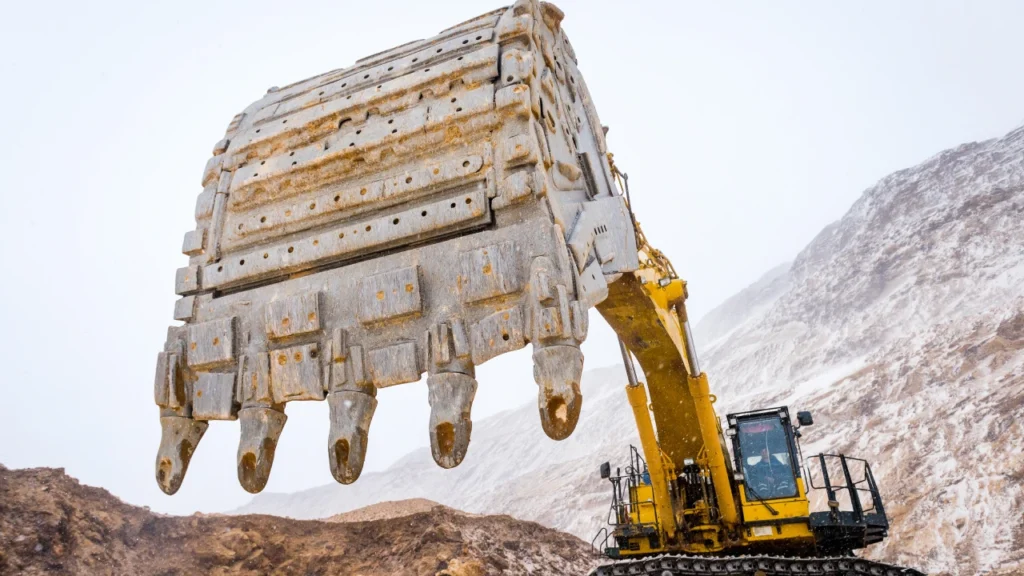
How to Choose the Right Excavator Bucket: Types, Sizes, and Contractor Buying Guide
This guide covers excavator bucket types, capacities, compatibility, and how to choose the right bucket for your jobsite.
September 28, 2026
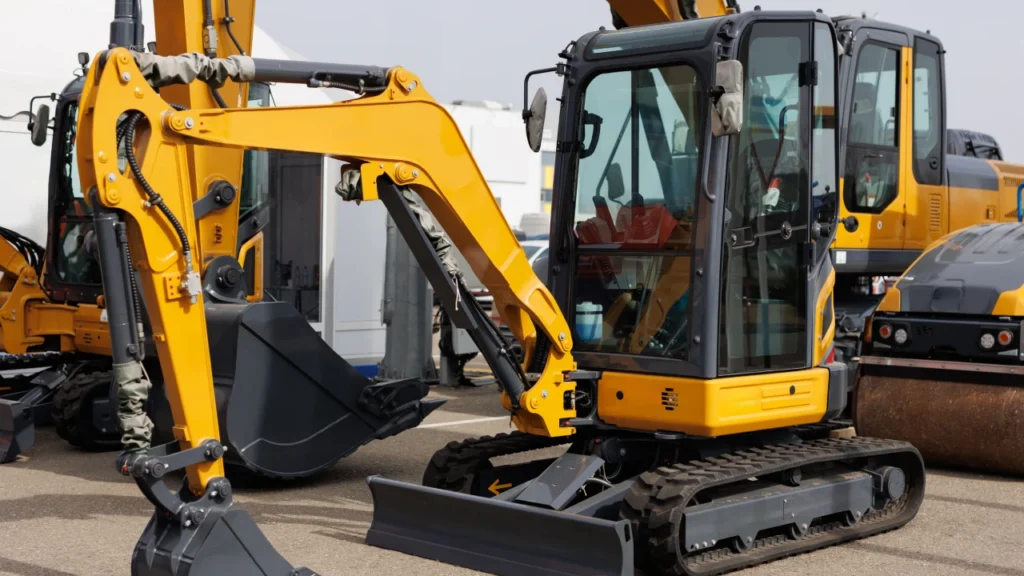
Mini Excavator Buying Guide 2026: Best Models, Sizes and How to Choose
This guide breaks down everything you need to know about compact earthmoving equipment.
September 21, 2026
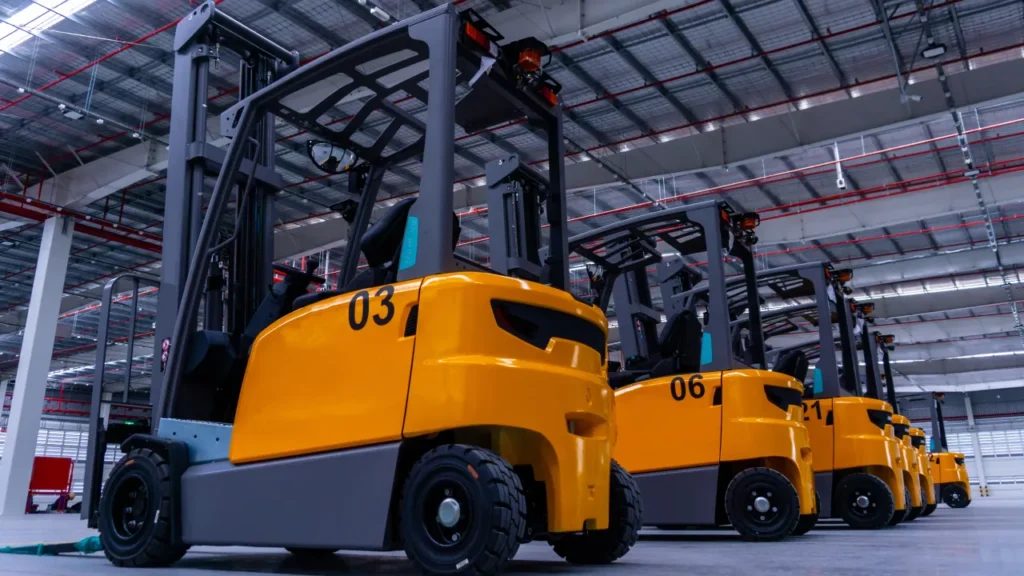
Types of Forklifts: Complete Guide to Classes, Uses, and Applications
This guide covers official forklift classes, physical machine variations, and load capacities.
August 25, 2026
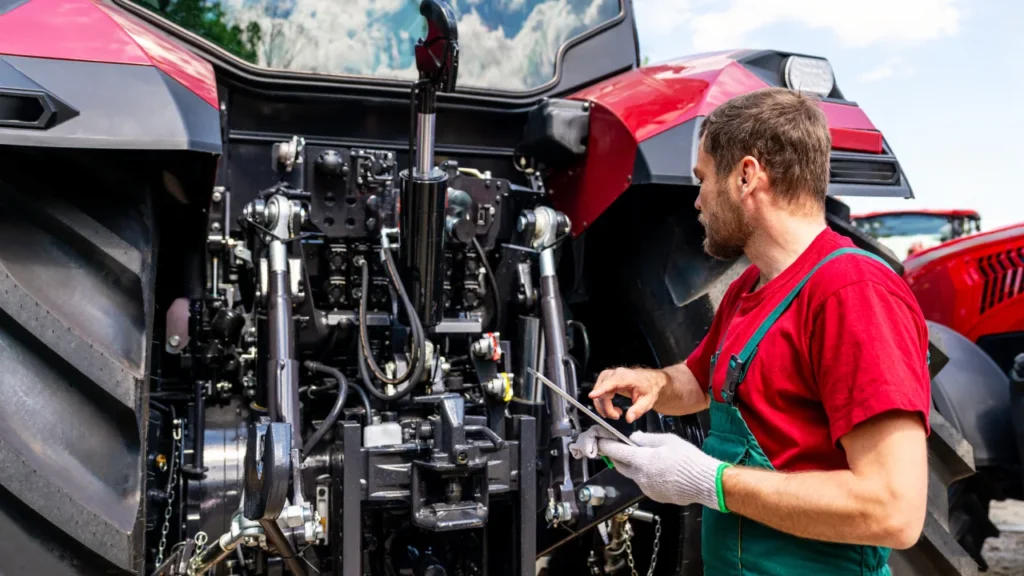
Repair, Rebuild or Replace Heavy Equipment: 2026 Cost-Based Decision Guide
This guide provides a mathematical approach to help you decide what to do with your aging machinery in 2026.

July 31, 2026
How to Inspect Used Heavy Equipment Remotely: Practical Checklist for International Buyers
This article provides a practical, step-by-step guide for evaluating machinery without physical access.

July 10, 2026
New vs Used Heavy Equipment in 2026: Cost, Risk, ROI & When Each Option Wins
This guide explores new vs. used machinery investments, from costs and risks to financing and ROI.
Got Questions?
Our FAQ section covers everything from shipping and listing to buying with confidence.
What are the different types of excavators?
Let's have a look at them and explore their unique features:
Tracked and Wheeled
Tracked
Also known as crawlers or trackhoes, these workhorses rely on continuous tracks for superior stability and traction. They excel in demanding terrain like mud, uneven surfaces, and slopes. Their tracked design makes them ideal for heavy-duty excavation, demolition, and mining.
Wheeled
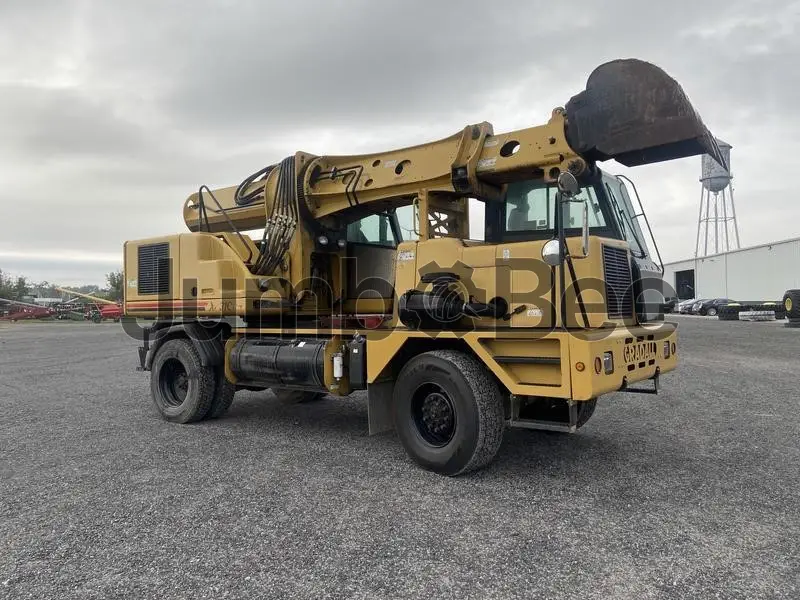
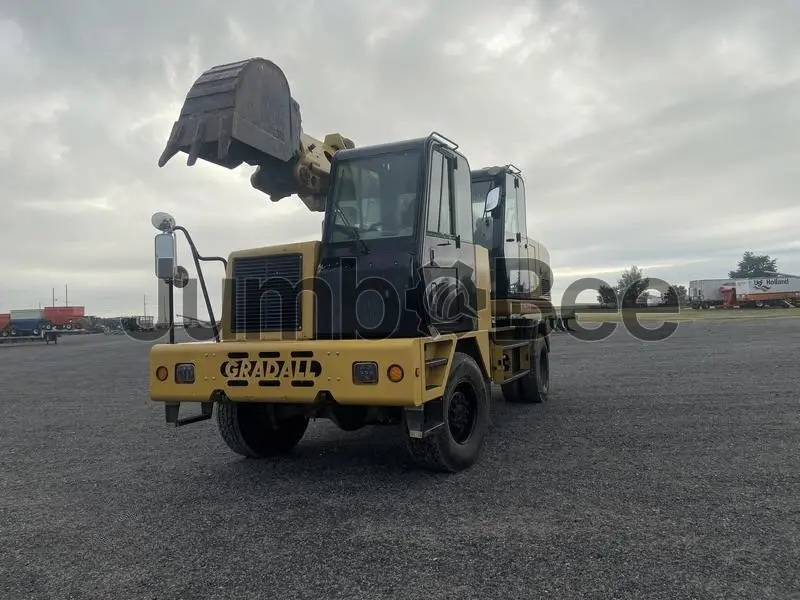
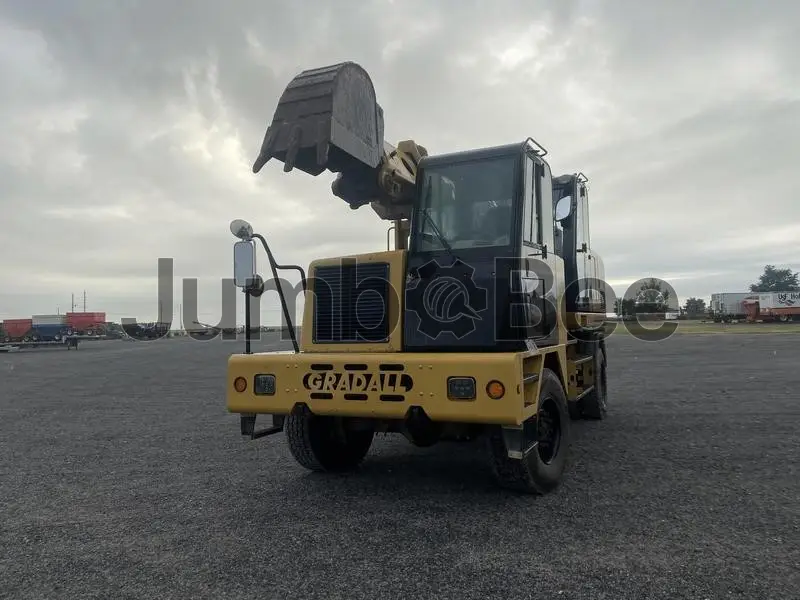
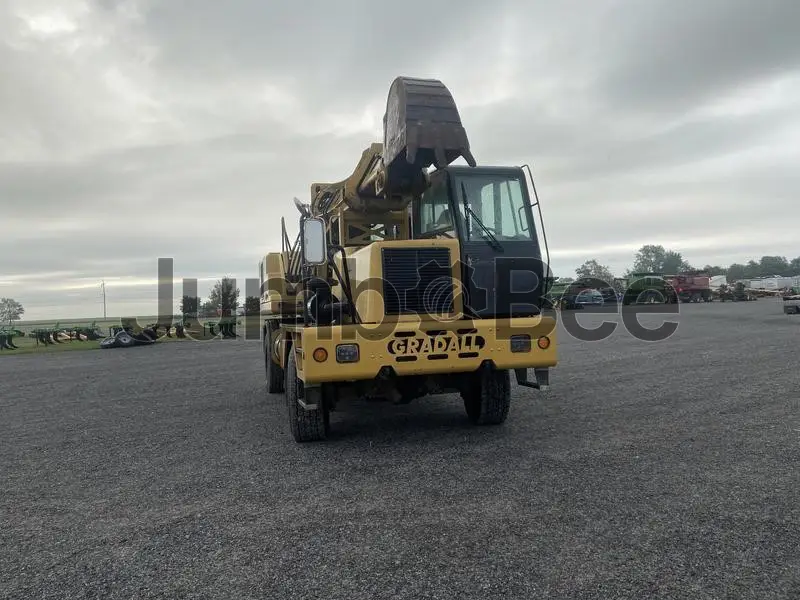
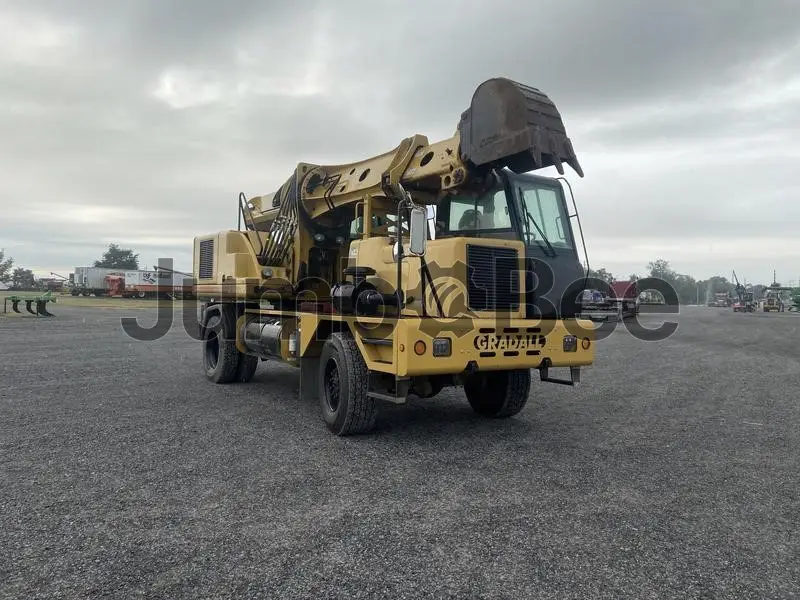
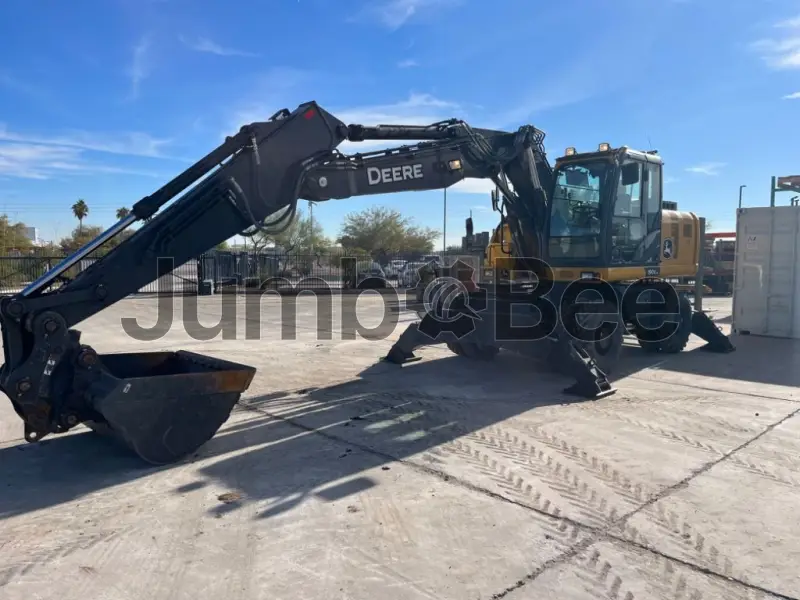
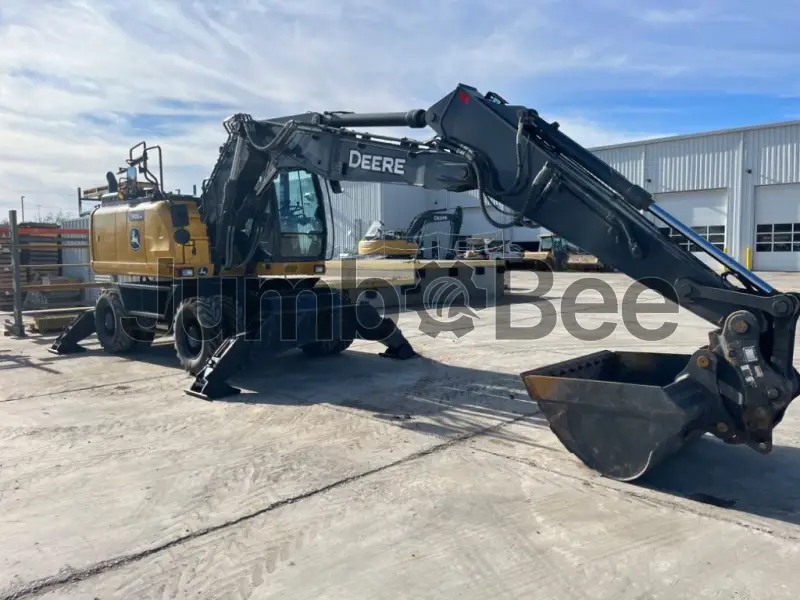
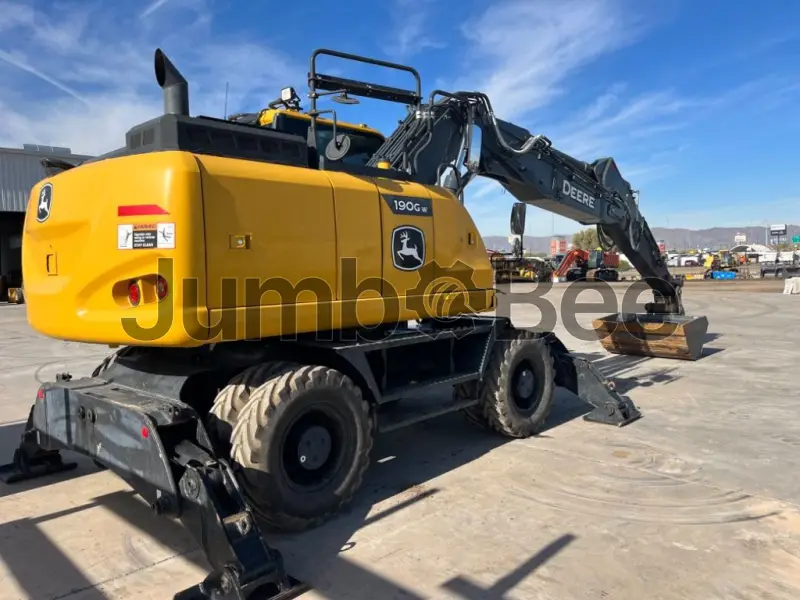
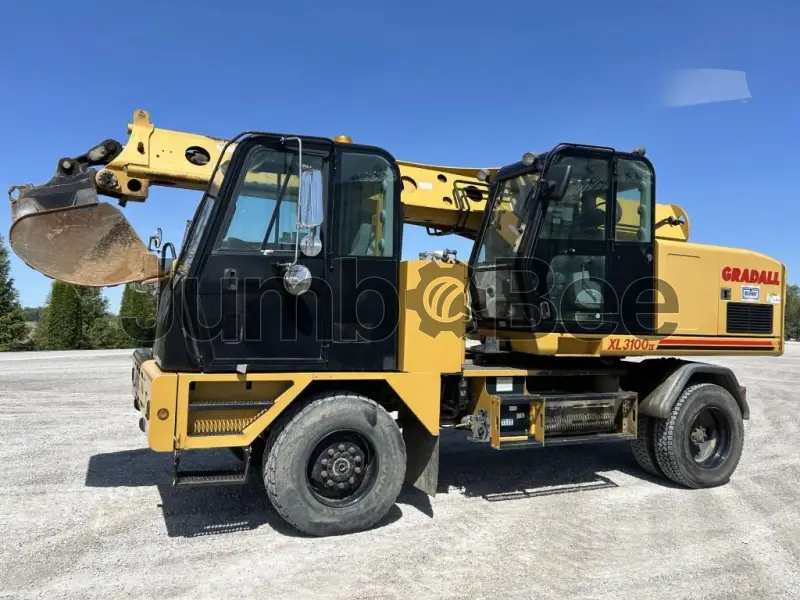
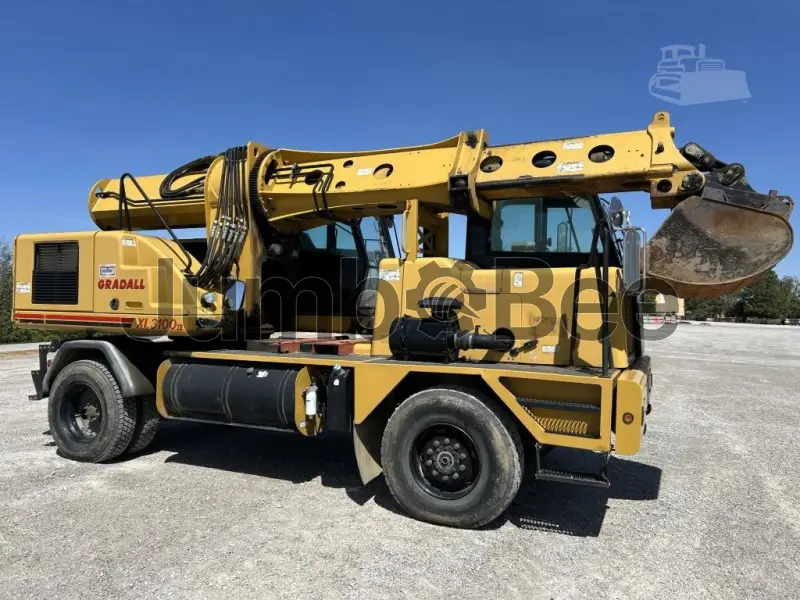
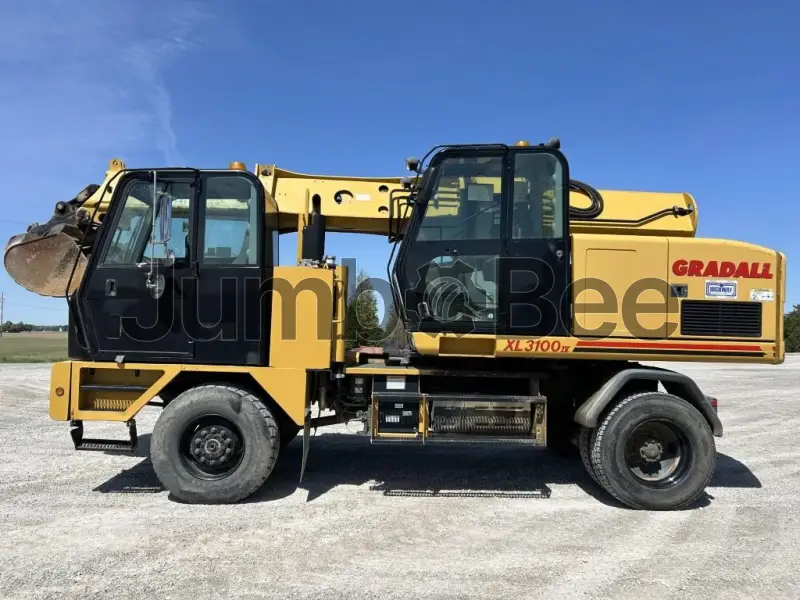
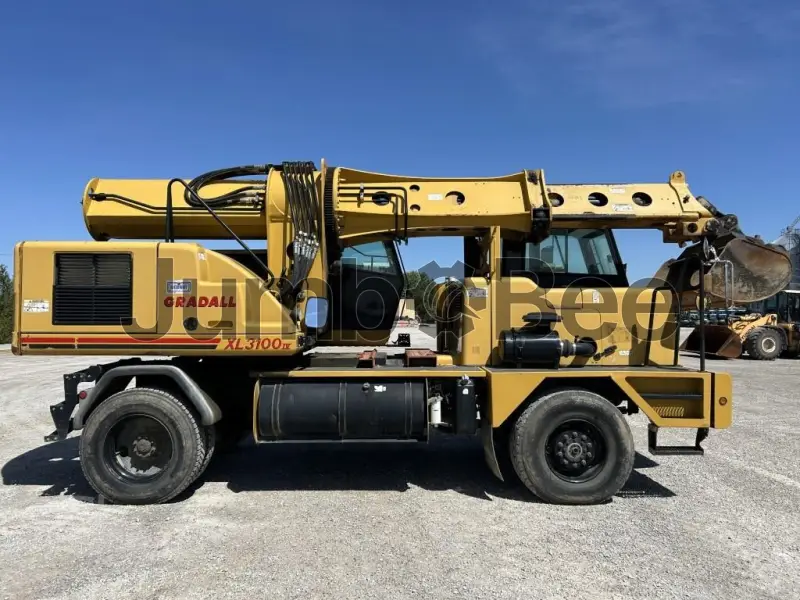
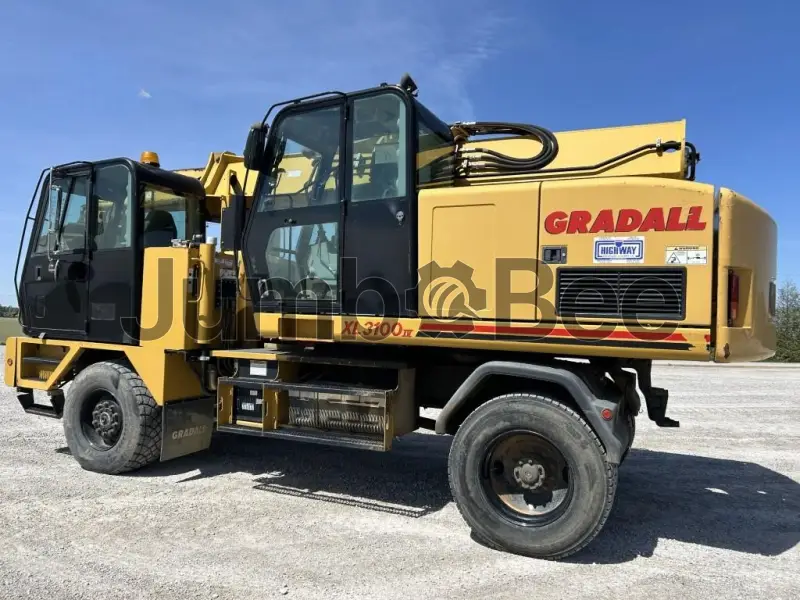
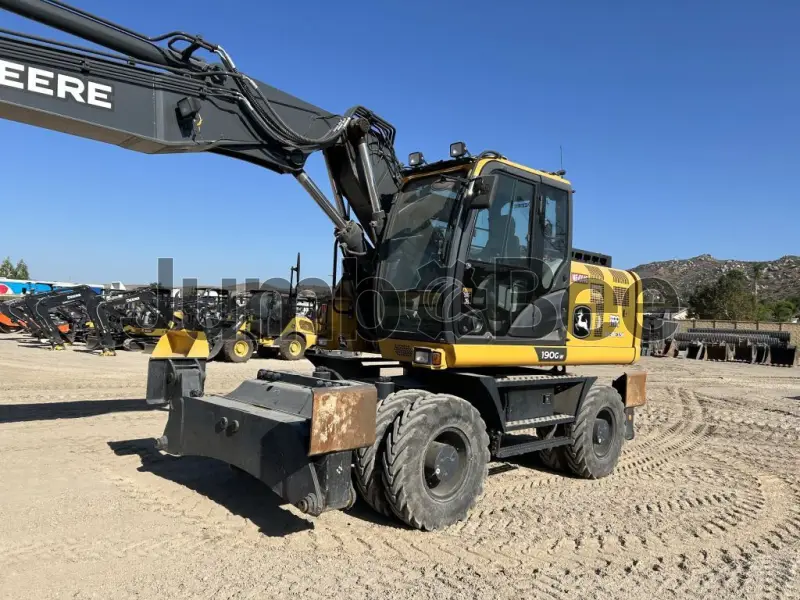
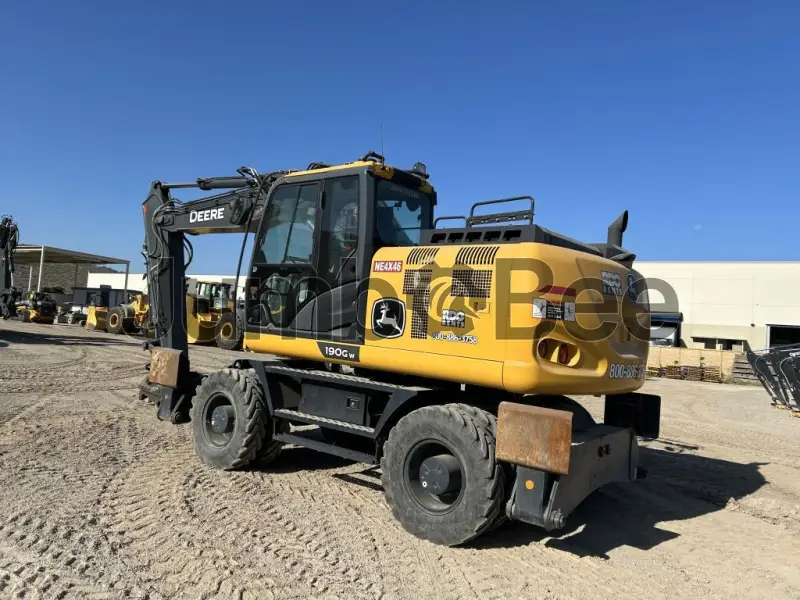
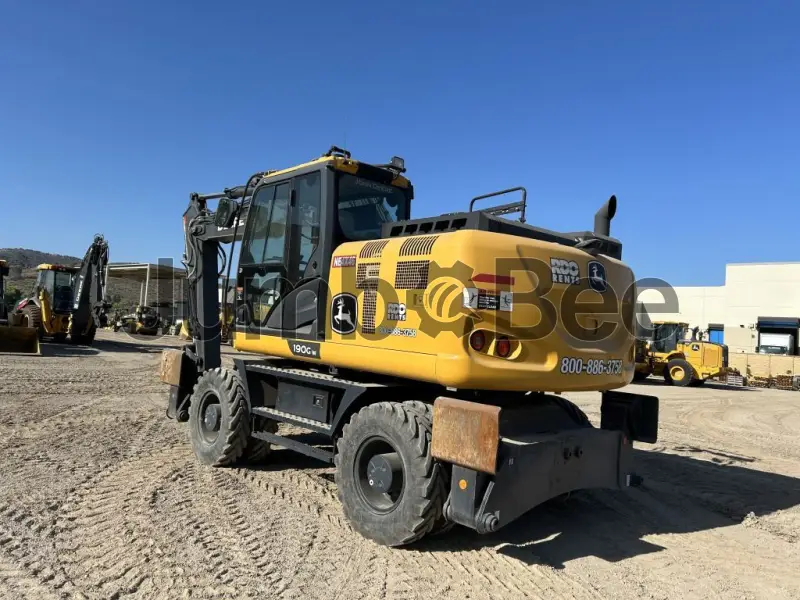
Wheeled models are heavy construction equipment that combine a traditional excavator's digging capabilities with a truck's mobility.
Size
Mini Excavators
Their weight is less than 7 metric tons. They can be characterized as compact and maneuverable. They are ideal for tight spaces and smaller projects like landscaping, trenching, and utility work.
Standard
Their weight is between 7 and 45 metric tons. These are versatile machines suitable for a wide range of construction projects, including residential and commercial buildings, road construction, and site preparation.
Large
Their weight is more than 45 metric tons, and large excavators are designed for heavy-duty tasks such as quarrying, mining, and large-scale infrastructure projects.
Specialized Solutions
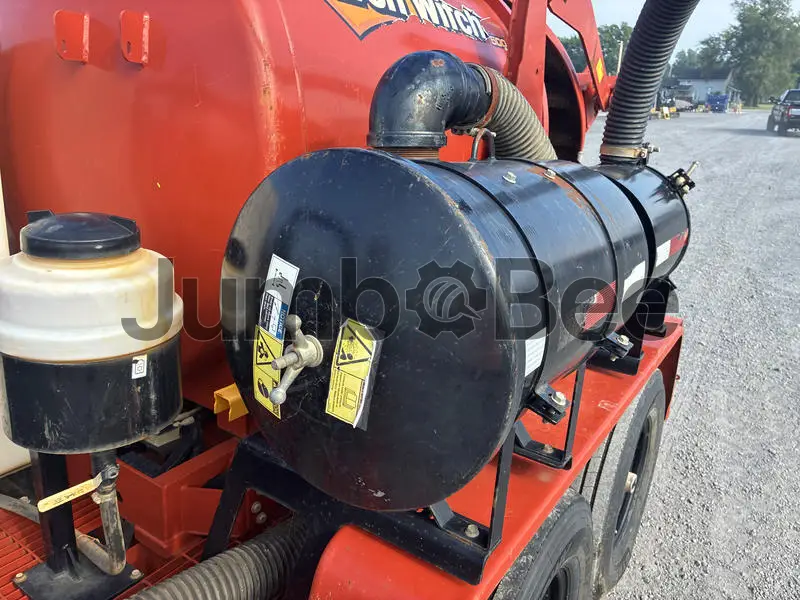
Suction excavators
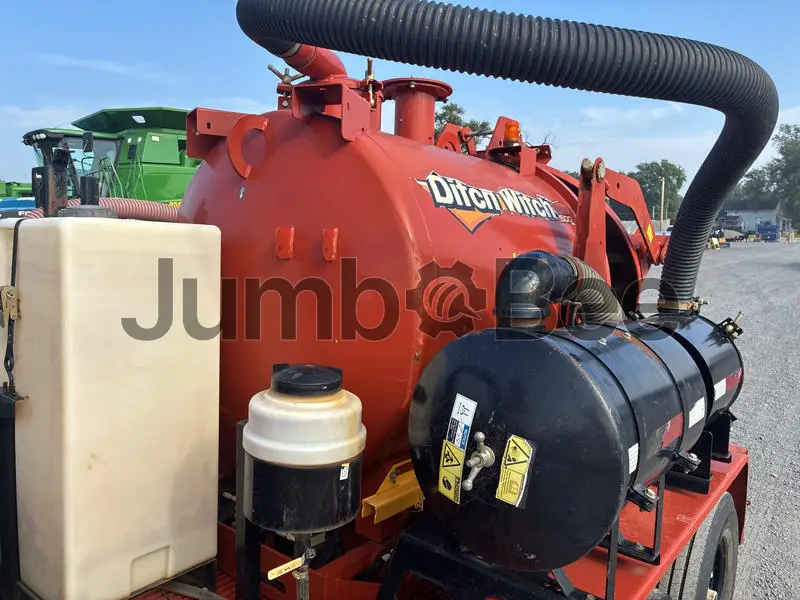
These innovative machines utilize powerful vacuums to safely extract underground utilities, like cables and pipes, without damaging them. This precision approach minimizes the risk of disruption during construction projects.
Skid steer excavators
These versatile machines combine a skid steer loader's maneuverability with small digging capabilities. They excel in demolition, trenching, and light excavation in tight spaces.
Long Reach Excavators
These giants have extended booms and arms, allowing them to dig at significant distances. They are invaluable for tasks like reaching over obstacles, dredging waterways, and demolishing tall structures.
Models with cold weather packages
These specially equipped machines come with features like heated fuel lines, batteries, and hydraulic systems to ensure optimal performance in frozen soil conditions.
The Dragline
Though less common today, draglines deserve a mention. These massive machines utilize a long cable and bucket to drag loose material over long distances. They've been instrumental in large-scale excavation projects like open-pit mining.
How to choose the right excavator?
When selecting an excavator, consider these key factors:
What tasks will the excavator perform (e.g., digging trenches, demolition, material handling)?
Are there any restrictions on size, weight, or noise levels?
Choose a machine that's powerful enough for your tasks but not too large for your worksite.
The bucket's capacity should match the volume of material you'll be moving.
Ensure the excavator can reach the required depth.
If you need to lift heavy loads, check the excavator's lifting capacity.
A comfortable and ergonomic operator's cab can improve efficiency and reduce fatigue.
Factor in the cost of fuel, repairs, and maintenance when choosing a trackhoe.
Which is more profitable: buying a new or used excavator?
Both options offer advantages, and the most profitable choice depends on your specific circumstances. Here's a breakdown to help you decide:
NEW EXCAVATOR
Pros
You will have manufacturer or seller warranties and a brand-new machine with minimal risk of immediate repairs. Additionally, such excavators offer fuel efficiency, lower emissions, and potentially higher productivity features. Lastly, scheduled maintenance costs are easier to budget for.
Cons
The biggest drawback is the hefty price tag. New ones lose value quickly, impacting resale potential.
USED EXCAVATOR
Pros
You will have significant cost savings compared to buying new. Also, used excavators can retain value well if well-maintained.
Cons
The condition of the machine might be unknown, leading to unexpected repair costs. Lower fuel efficiency and a lack of modern features could affect productivity. We offer pre-sale inspection of used excavators by the owner, and our experienced technicians can assess the machine's overall condition.
What are the advantages of a new or used excavator?
NEW EXCAVATOR
New excavators can be tailored to specific needs with optional features and attachments.
Modern manufacturing techniques often result in higher reliability and fewer breakdowns.
Knowing you're the first owner can provide a sense of security.
USED EXCAVATOR
Used excavators can be significantly cheaper than new ones, especially for older models.
A used excavator with a good track record can be a reliable choice.
Used excavators may be available sooner than new ones, especially in times of high demand.
How can I arrange the shipping of an excavator?
JumboBee offers shipping services to streamline the shipping process for your excavator:
We tailor our services to meet your specific requirements and deadlines.
Our experts handle all necessary paperwork, ensuring smooth customs clearance.
We provide competitive insurance rates to protect your investment.
We manage all aspects of port and customs procedures.
Our team oversees the entire shipping process, from pickup to delivery.