Kubota SVL95-2 Skid Steer / CTL
Kubota SVL95-2




5+
sold in last yearGeneral overview
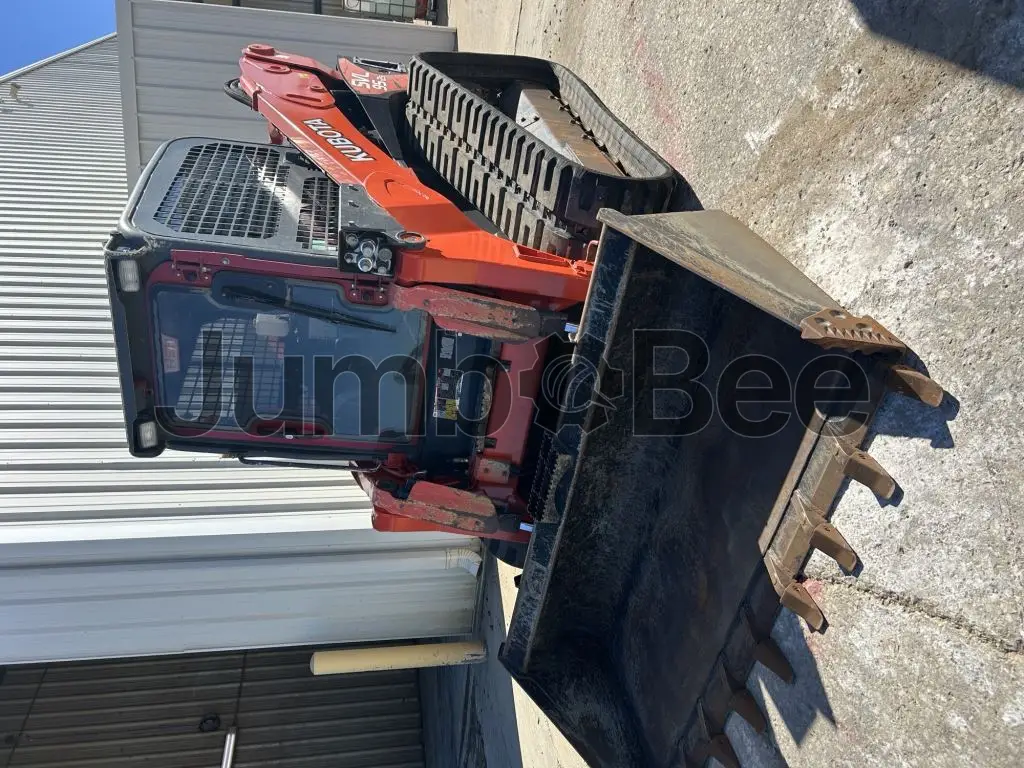
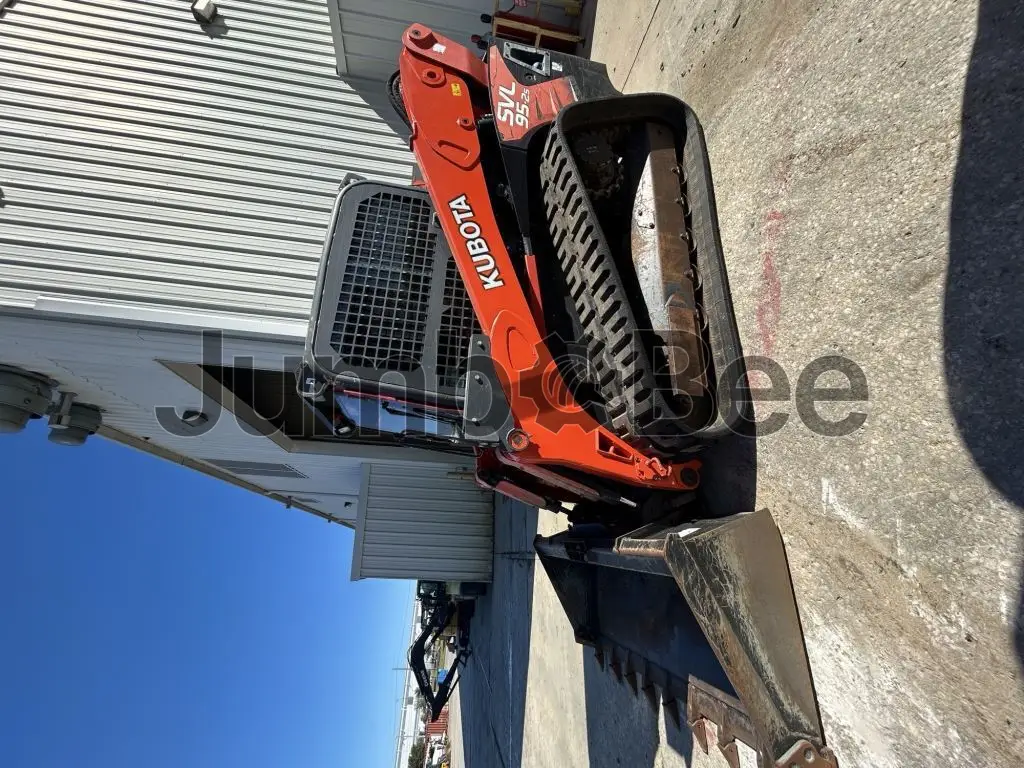
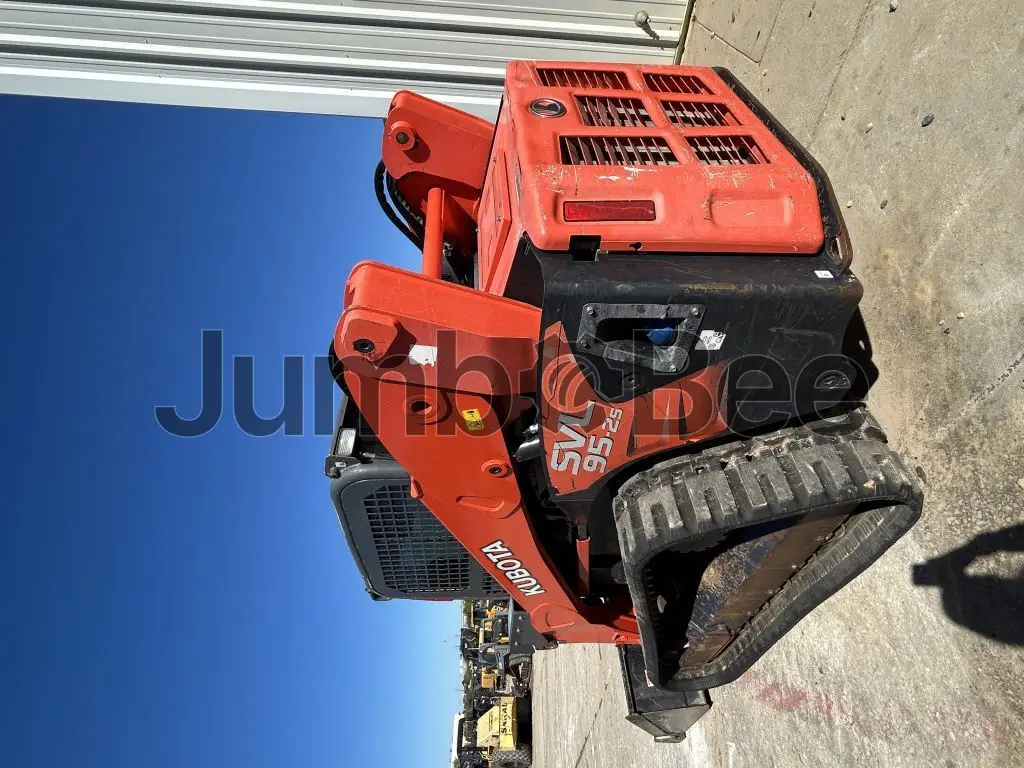
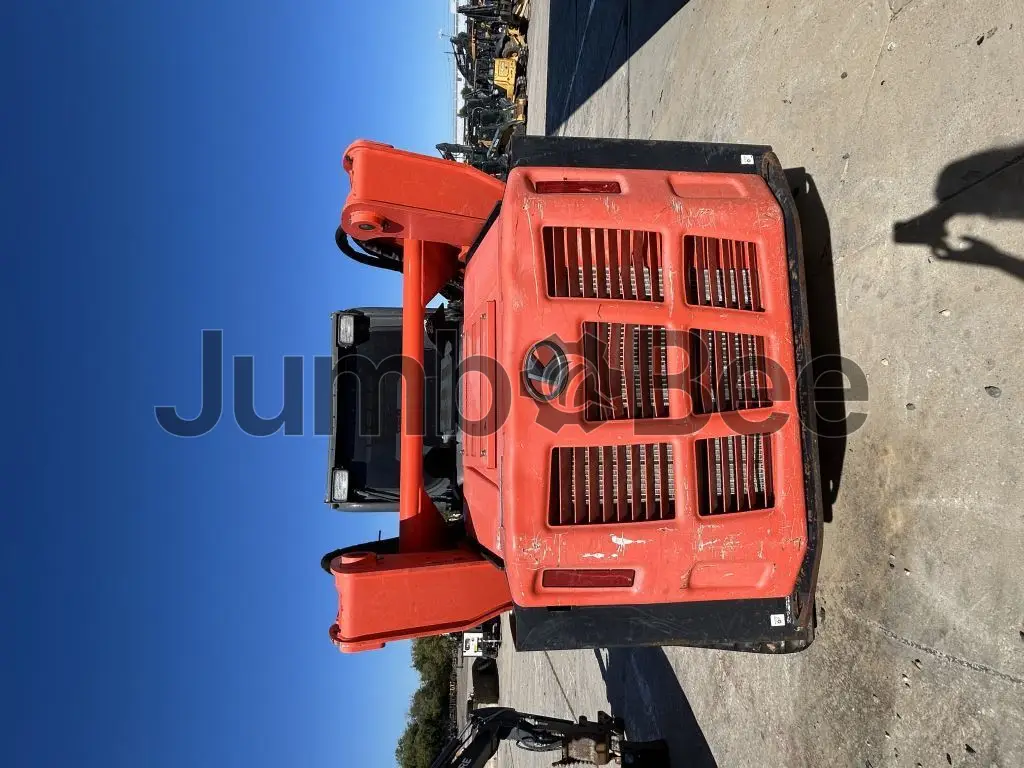
Kubota SVL95-2 is a crawler loader designed for loading and material-handling work on construction sites. The Kubota SVL95-2 uses a V3307-CR-TE4 4-cylinder engine rated at 71 kW (96.5 hp), with 64 kW (87 hp) net power, and meets Tier 4 emission standards. Its operating weight is 4,225 kg (9,310 lb).
The machine is equipped with a hydrostatic drive system, independent left and right hydrostatic steering, and pilot-operated joystick controls with ISO pattern. It has an open-center, gear-type pump system with 66 L/min (17.4 gpm) pump flow and 219.6 bar (3,185 psi) system relief pressure. Key working figures include a 0.57 m³ (0.7 cu yd) heaped bucket capacity, 27.6 kN (6,200 lbf) breakout force, and 2,980 kg (6,570 lb) static tipping load.
Year
2015, 2016, 2017, 2018, 2019, 2020
Country of manufacturing
Japan
General specifications
Dimensions
Width
Height
Length
Weight
1,727 mm
~68 in
2,083 mm
~82 in
3,576 mm
~140.8 in
4,225 kg
~9,314.5 lb
Engine Power
96.5 hp
Operating Weight
4,225 kg
Bucket Capacity - Heaped
0.57 cu(m)
Rated Operating Capacity
1,451 kg
Additional specifications
Emission standard level
Tier 4
Displacement
203.2 cu(in)
Transmission type
Hydrostatic drive system
Fuel tank
93 L
Hydraulic system type
Open-center, gear-type pump system
Number of batteries
1
Number of Cylinders
4
Battery Voltage
12 V
System Relief Pressure
3,185 psi
Undercarriage Ground Pressure
5.6 psi
Length of Track on Ground
1,443 mm
Hydraulic controls
Pilot-operated joystick controls with ISO pattern
Battery Capacity
900 A
Hydraulic System - Including Tank
60 L
Track Gauge
1,355 mm
Net Power (ISO 9249)
87 hp
Manufacturer and Model
V3,307-CR-TE4
Net Peak Torque
265 Nm
Powertrain System Relief Pressure
3,250 psi
Travel Speeds
11.5 km/h
Steering
Hydrostatic, independent left and right control
Pump Flow
66 L/min
Lift Cylinders
63.5 mm
Bucket-Dump Cylinder
69.9 mm
Alternator Rating
80 A
Grouser Width
320 mm
Track Rollers, Each Side
4
Ground Contact Area
2.93 sq(m)
Track Pitch
86 mm
Hydraulic Tank
35 L
Width of Bucket (General Purpose)
1.73 mm
Capacity Heaped
0.57 cu(m)
Bucket Weight
181 kg
Breakout Force
27.6 kN
Static Tipping Load
2,980 kg
Kubota SVL95-2 Skid Steer / CTL Listings
Looking for Kubota SVL95-2 Skid Steer / CTL?
See similar listingsCompare Kubota SVL95-2 Skid Steer / CTL to other skid steer / ctl
Not sure which equipment to choose? Use our comparison tool to easily compare equipment side by side based on key features.
Kubota SVL95-2 Skid Steer / CTL
0.57 cu(m)
4225 kg
3576 mm × 1727 mm × 2083 mm
Add model
Add model
No reviews yet
Be the first to review this model.
Leave a review. Get a promo code
Leave a review and receive a promo code for your next purchase.
No questions yet
Be the first to ask a question about this model and help other buyers learn more.
Heavy equipment insights from JumboBee
October 23, 2026
Wheel Loader Attachments Guide: Buckets, Forks, Grapples, and More
This guide breaks down how to select the right wheel loader attachments.
October 5, 2026
How to Choose the Right Excavator Bucket: Types, Sizes, and Contractor Buying Guide
This guide covers excavator bucket types, capacities, compatibility, and how to choose the right bucket for your jobsite.
September 28, 2026
Mini Excavator Buying Guide 2026: Best Models, Sizes and How to Choose
This guide breaks down everything you need to know about compact earthmoving equipment.
November 2, 2026
Buying & Selling Heavy Equipment in Canada: Market Guide for Global Buyers
This guide explains how the Canadian heavy equipment market works for international buyers and sellers.
October 9, 2026
Motor Grader Buying Guide: Sizes, Top Brands, and What Contractors Should Look For
This guide helps buyers select the right motor grader for their needs and maximize ROI across construction, mining, and snow removal.
August 25, 2026
Repair, Rebuild or Replace Heavy Equipment: 2026 Cost-Based Decision Guide
This guide provides a mathematical approach to help you decide what to do with your aging machinery in 2026.
Got Questions?
Our FAQ section covers everything from shipping and listing to buying with confidence.
Can't find what you're looking for?
Sign up and talk to an expert.
Most popular
What is the average price of a Kubota SVL95-2?
No confirmed market price is supplied for the Kubota SVL95-2. Check current listings and compare machine condition, location, configuration, attachments, service records, and undercarriage wear.
What are the key advantages of the Kubota SVL95-2?
Listed strengths include a 72 kW (96.5 hp) engine, hydrostatic drive system, independent left and right hydrostatic steering, pilot-operated joystick controls with ISO pattern, and 0.57 m³ (0.75 cu yd) heaped bucket capacity. Its ground pressure is listed as 38.6 kPa (5.6 psi).
What type of engine does the SVL95-2 use?
The SVL95-2 uses a V3307-CR-TE4 engine. The supplied specifications list 4 cylinders, 203.2 cu in displacement, and Tier 4 emissions standard level.
How much horsepower does the SVL95-2 have?
The listed engine power is 72 kW (96.5 hp). Net Power (ISO 9249) is listed as 64.9 kW (87 hp).
What fuel does the Kubota SVL95-2 use?
The supplied specifications do not confirm the fuel type for the Kubota SVL95-2. They list a fuel tank capacity of 93 L (24.6 US gal).
What jobs is this Crawler Loaders best suited for?
The supplied data does not identify specific job applications. Its listed 0.57 m³ (0.75 cu yd) bucket capacity, 27.6 kN (6,205 lbf) breakout force, and hydrostatic drive system are relevant specifications when assessing loading, material-handling, and site-work needs.
What is the expected lifespan of the SVL95-2?
No expected service-life figure is supplied for the SVL95-2. For a used machine, evaluate maintenance records, operating condition, hydraulic performance, engine condition, and track and undercarriage wear rather than relying on a general lifespan estimate.
What should a buyer check when purchasing a used Crawler Loaders?
Inspect the tracks, undercarriage, bucket, lift and dump cylinders, hydraulic hoses, and controls. Check for leaks, verify hydraulic and travel operation, review service records, and assess engine condition. Confirm that the machine’s configuration and attachments match the intended work.