Self-Propelled Windrowers for Sale
(44 listings)
Browse by subcategory
Popular brands
Only verified sellers list equipment on JumboBee.
Sort by:
Featured
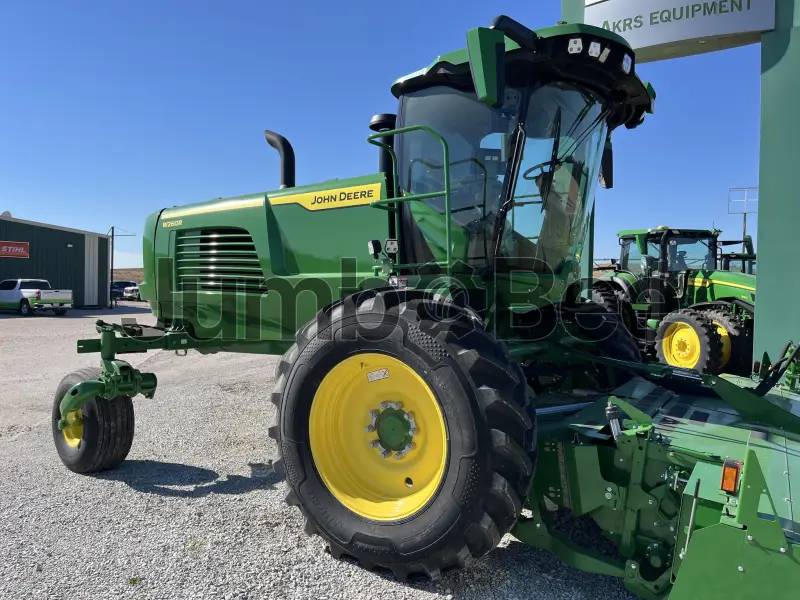
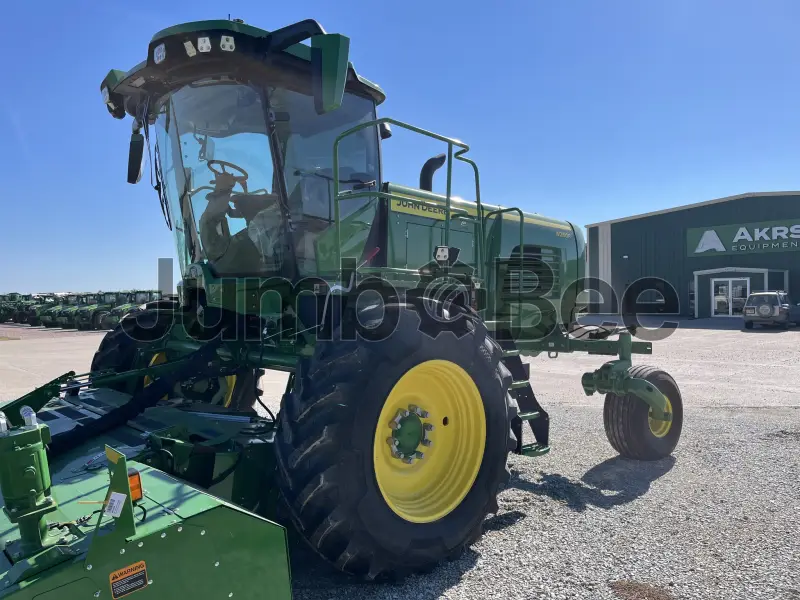
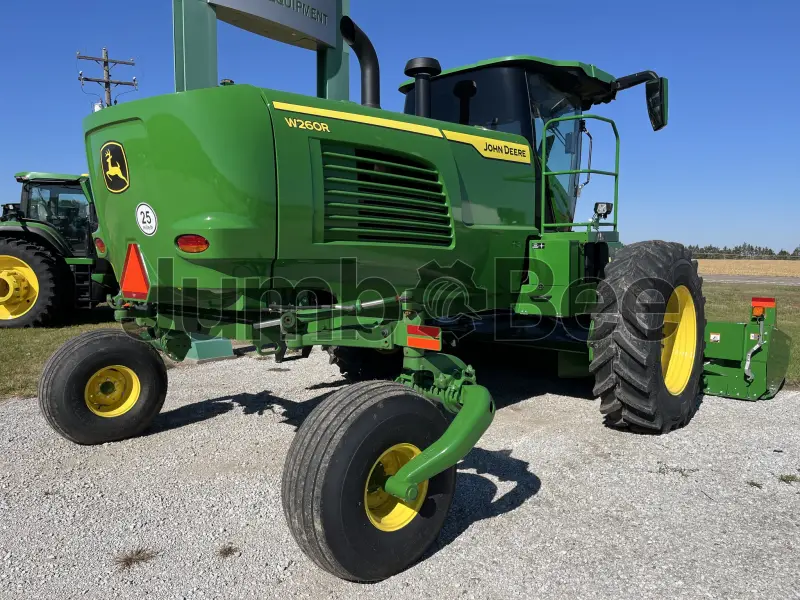
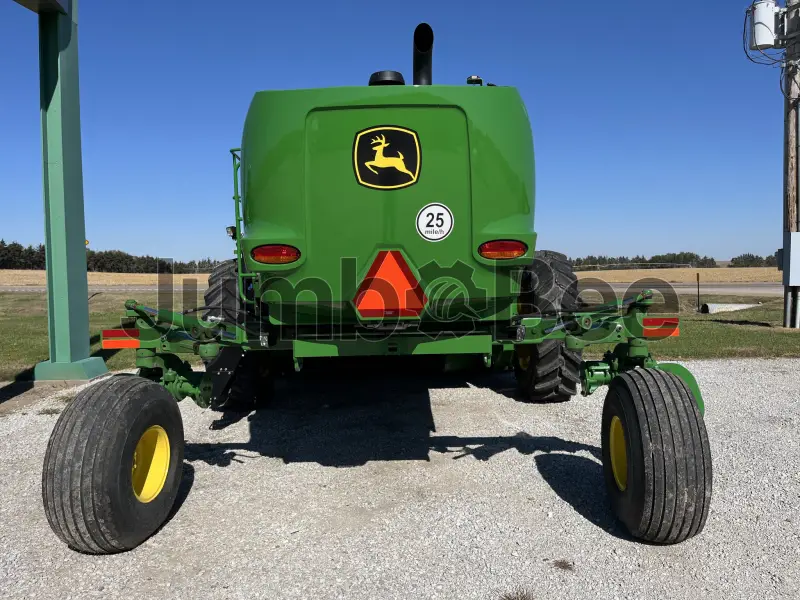
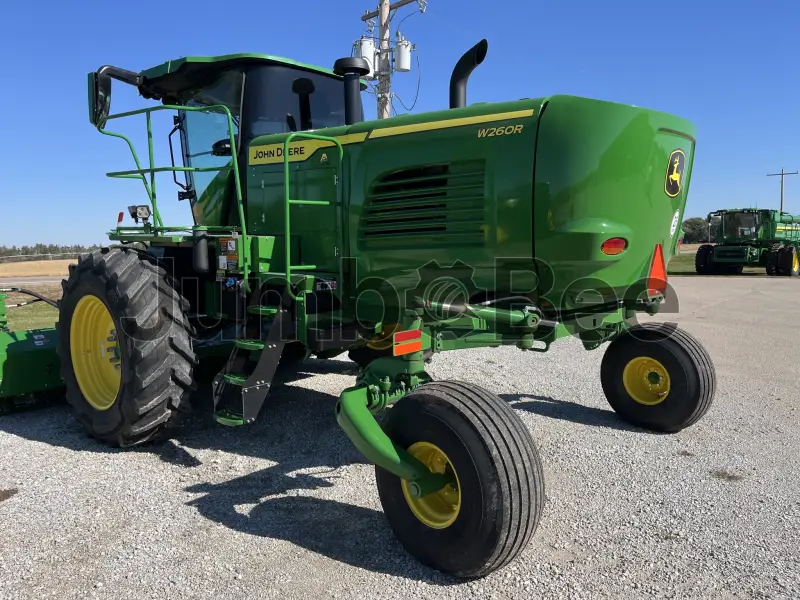
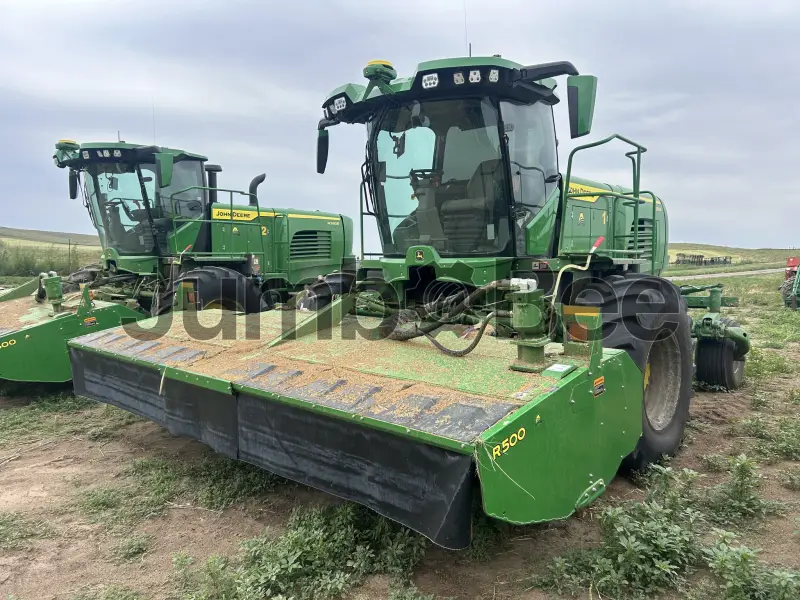
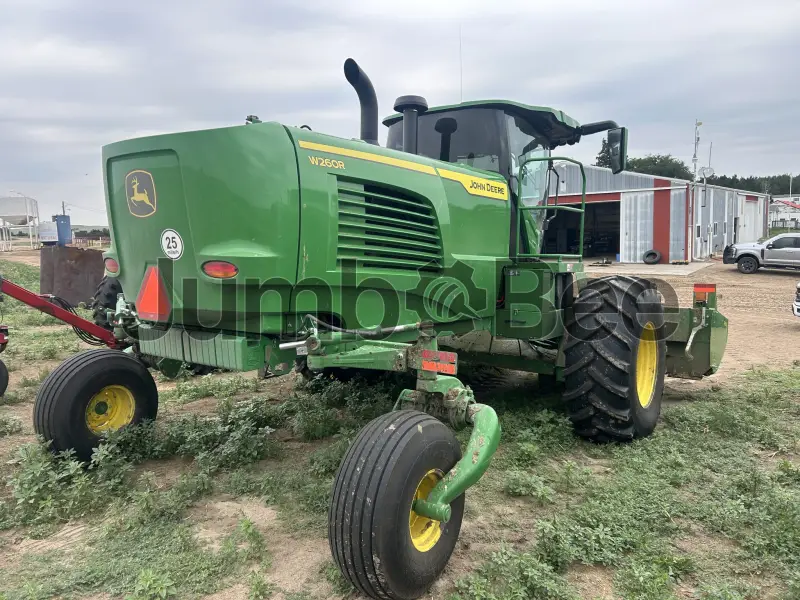
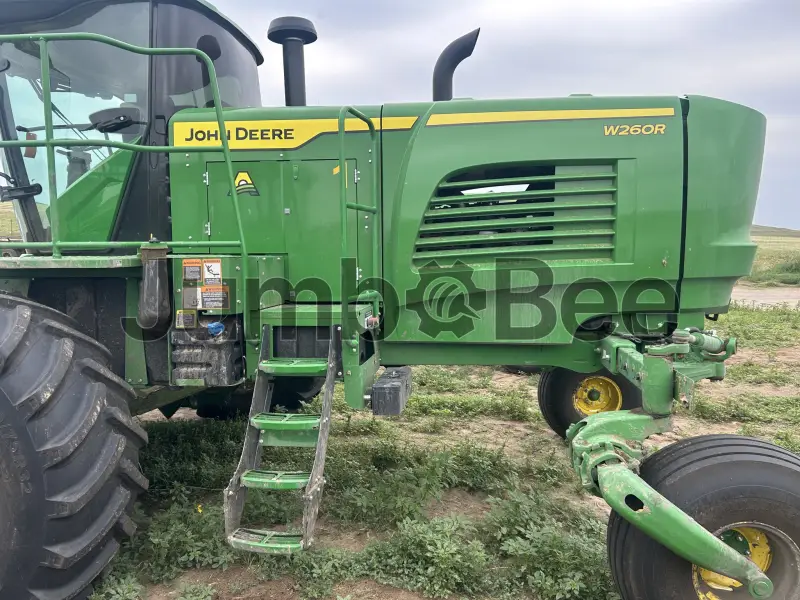
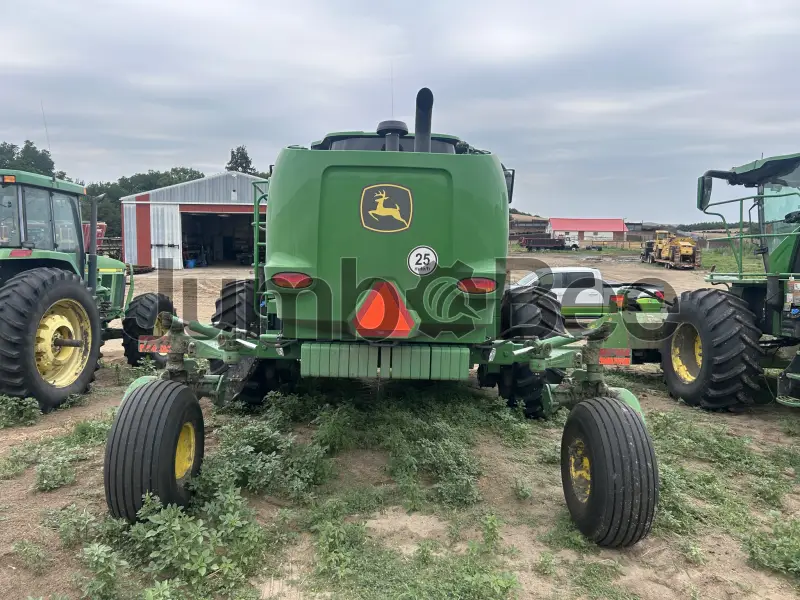
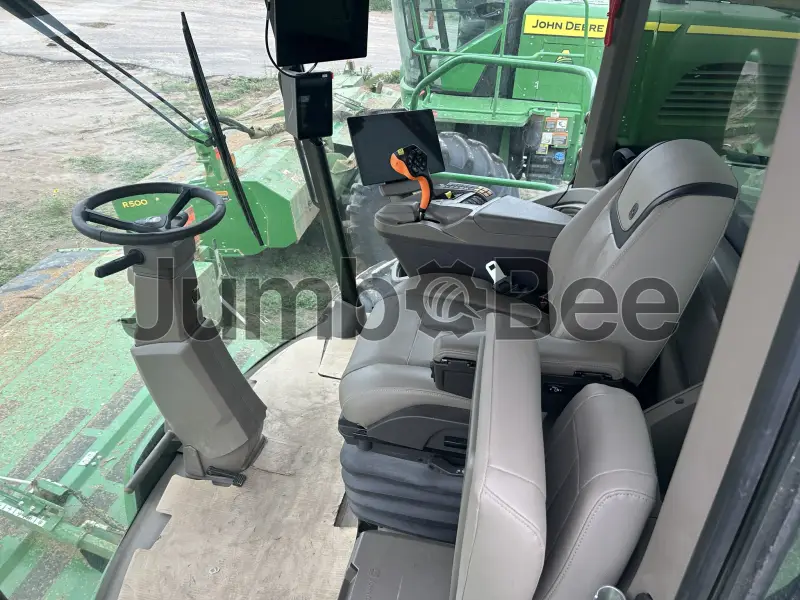
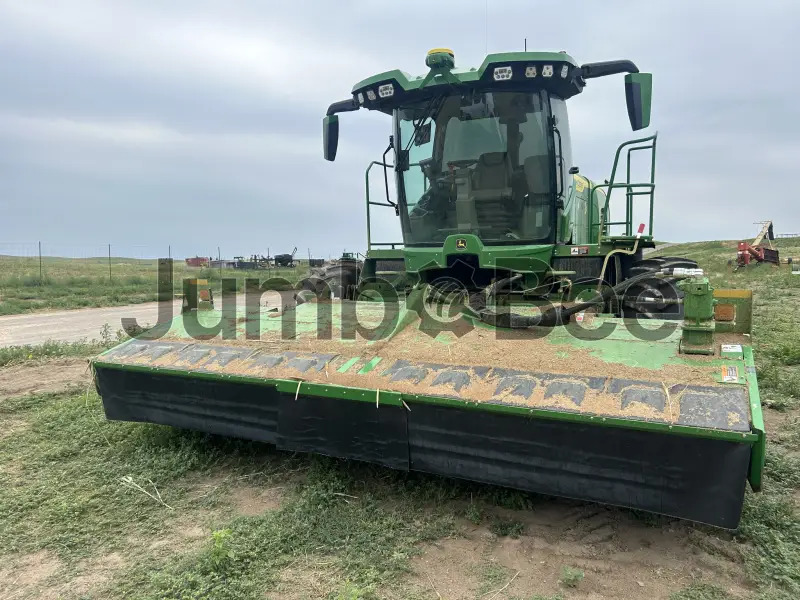
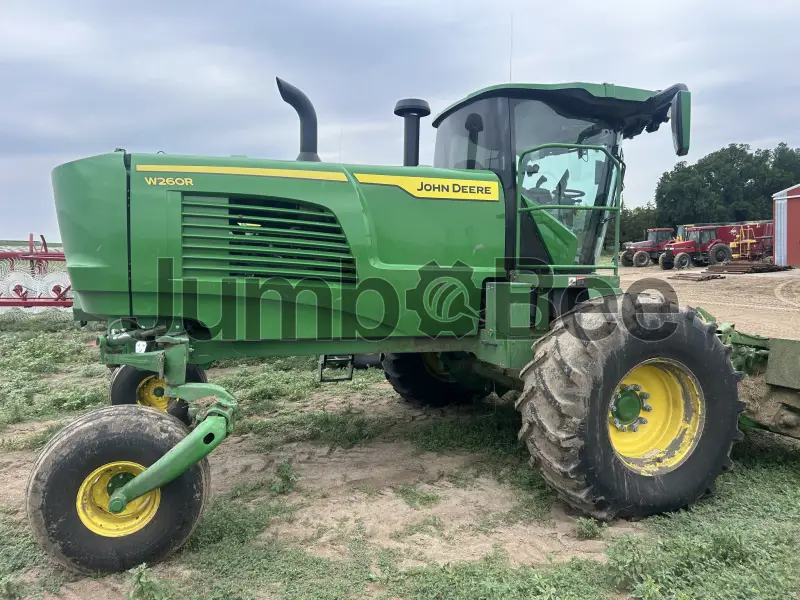
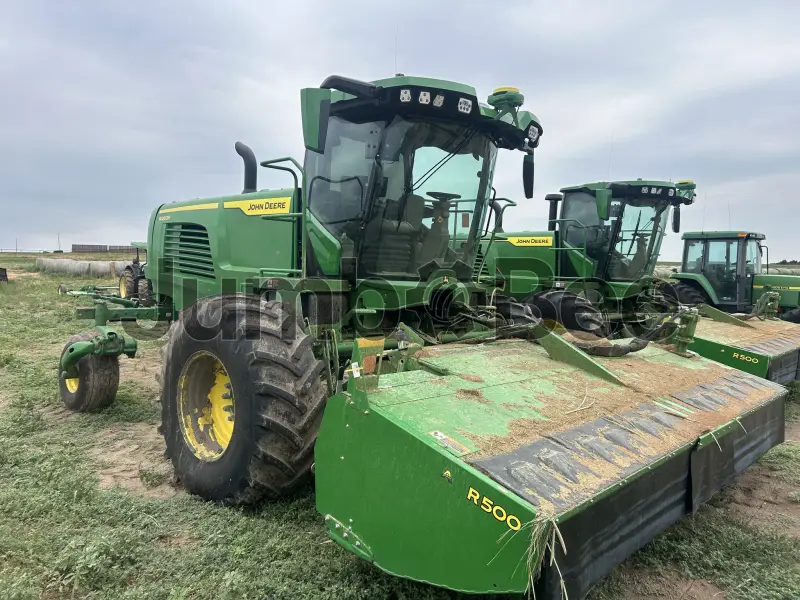
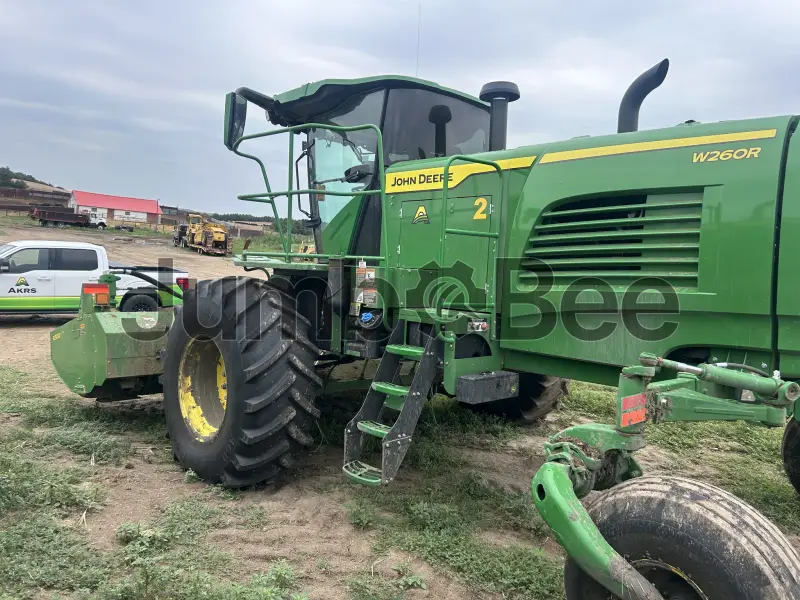
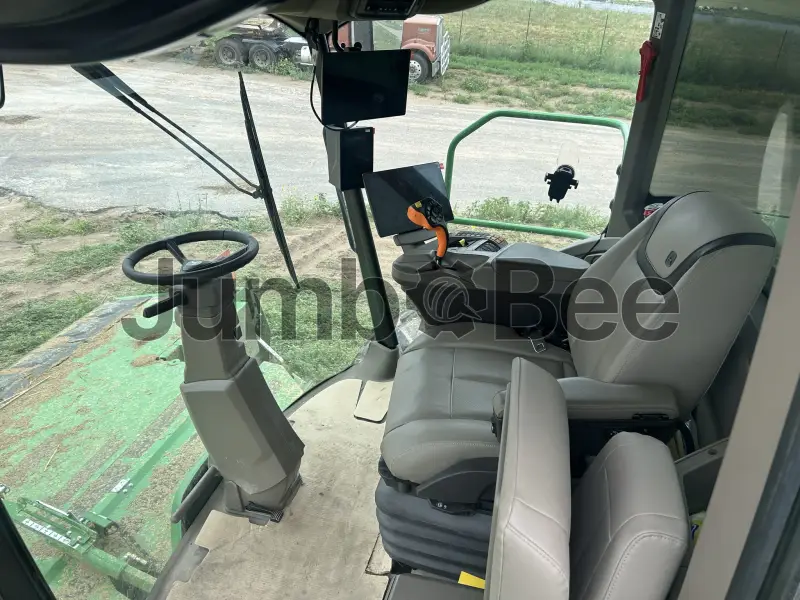
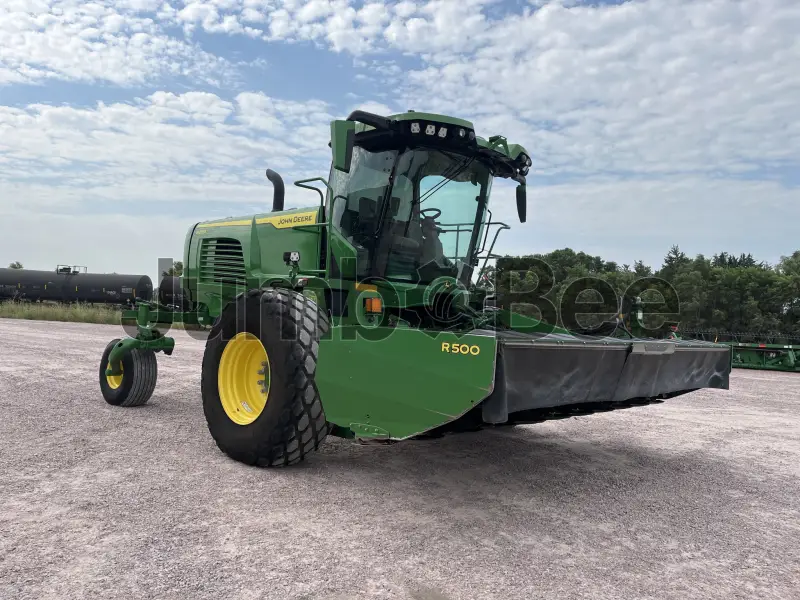
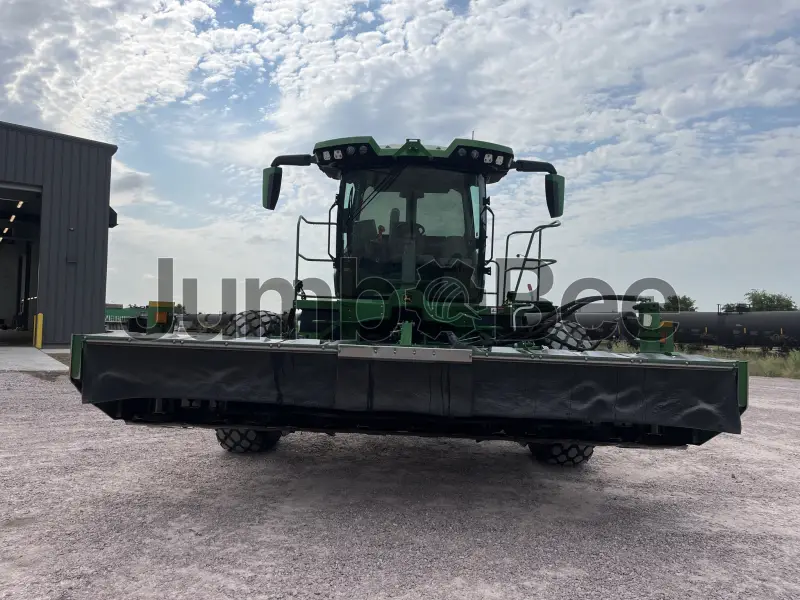
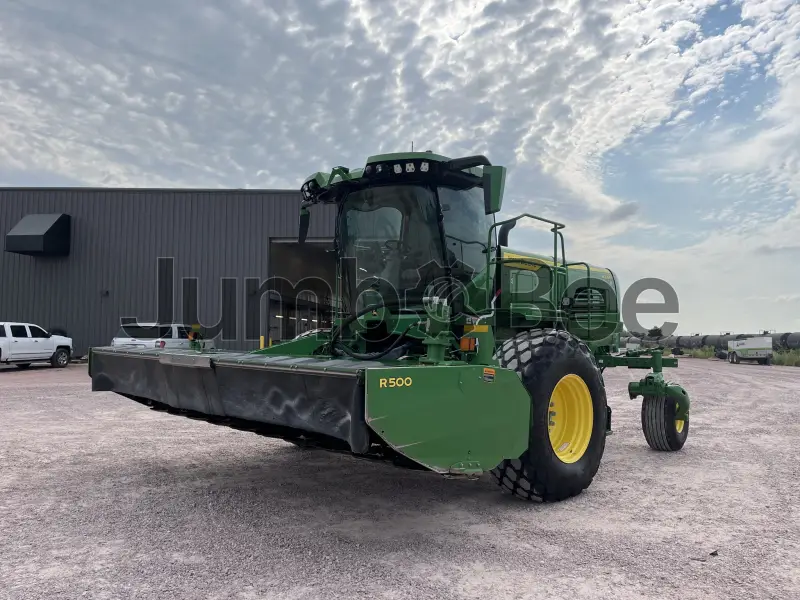
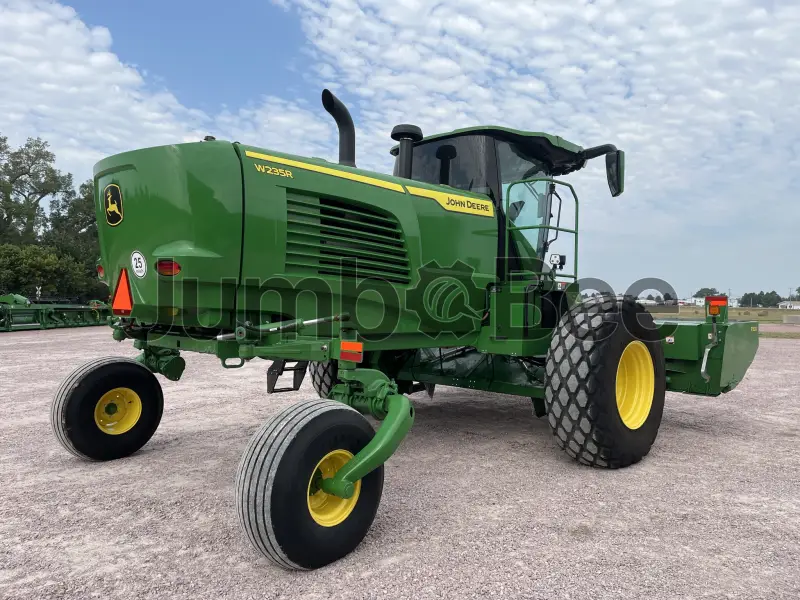
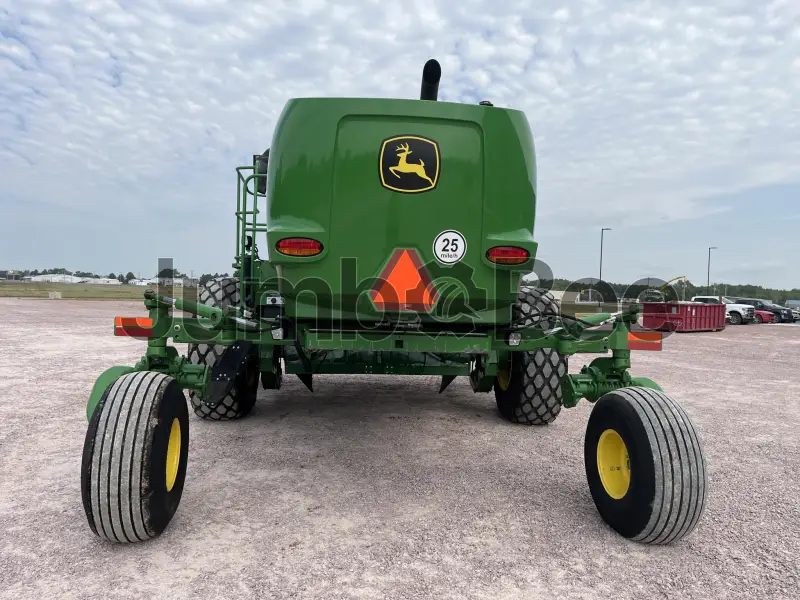
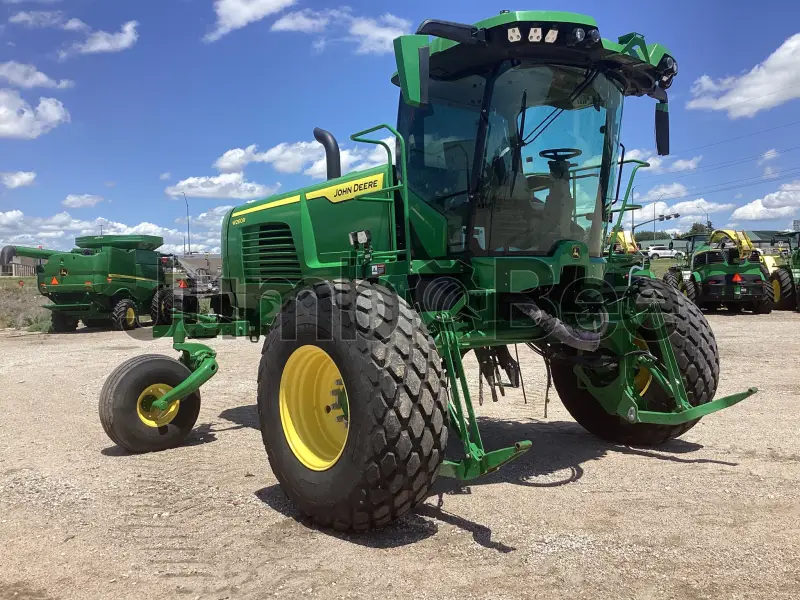
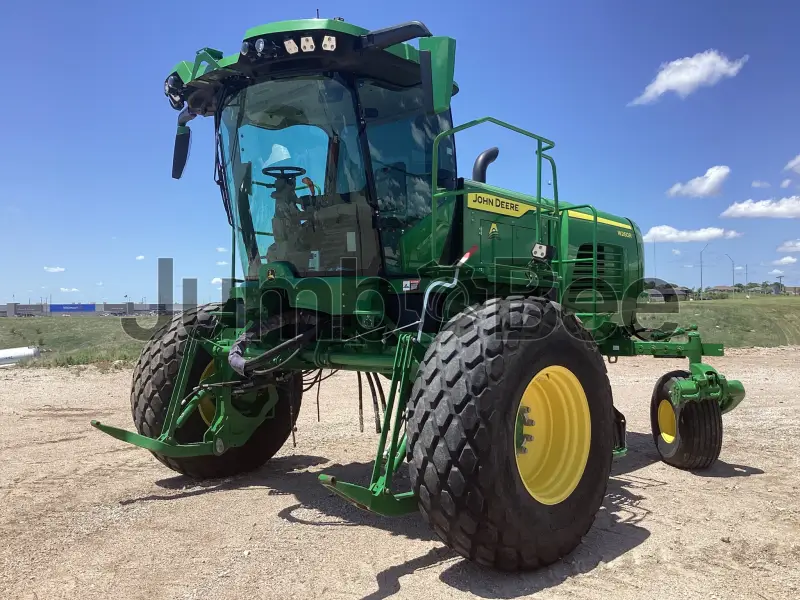
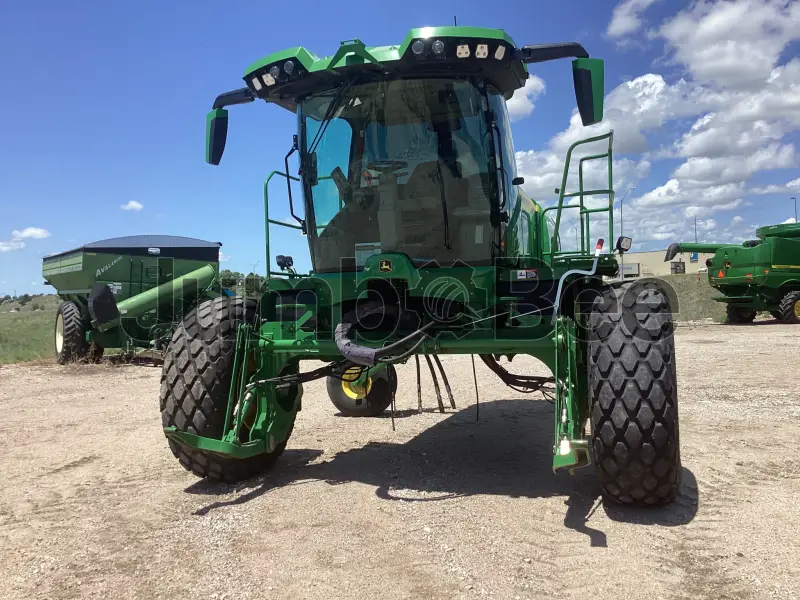
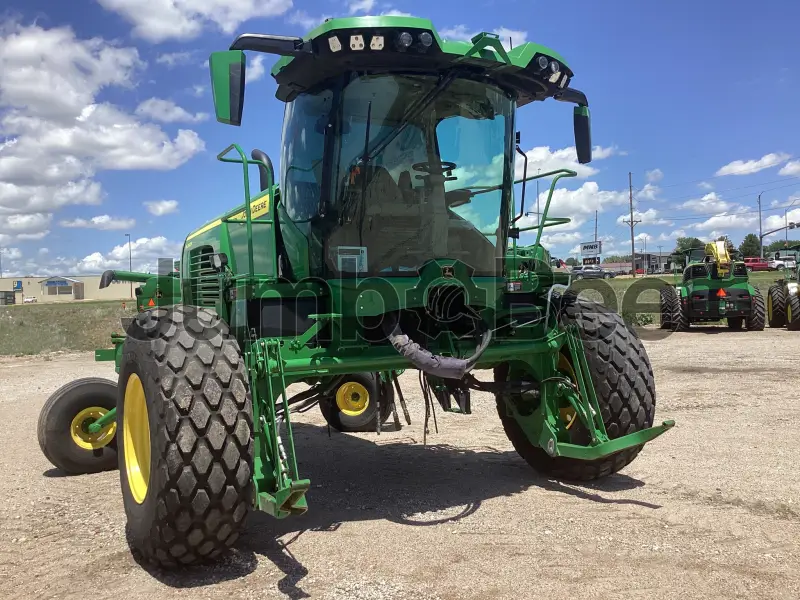
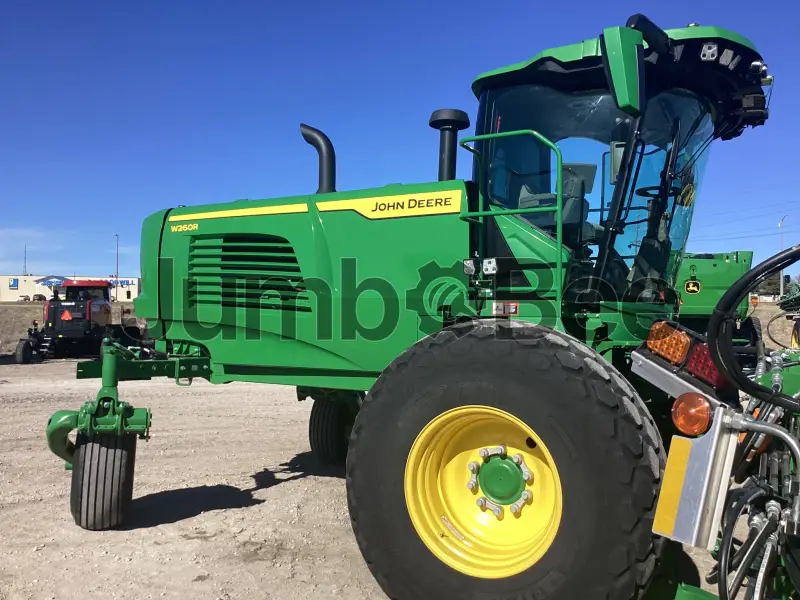
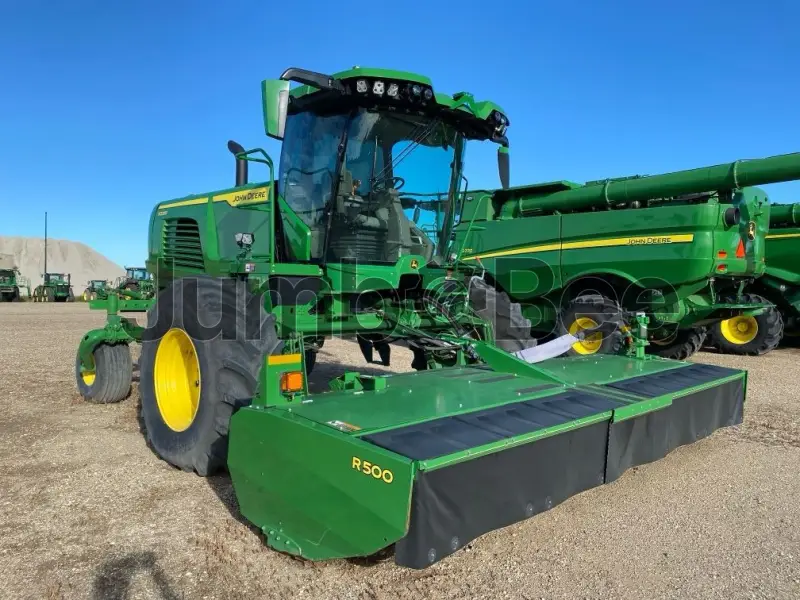
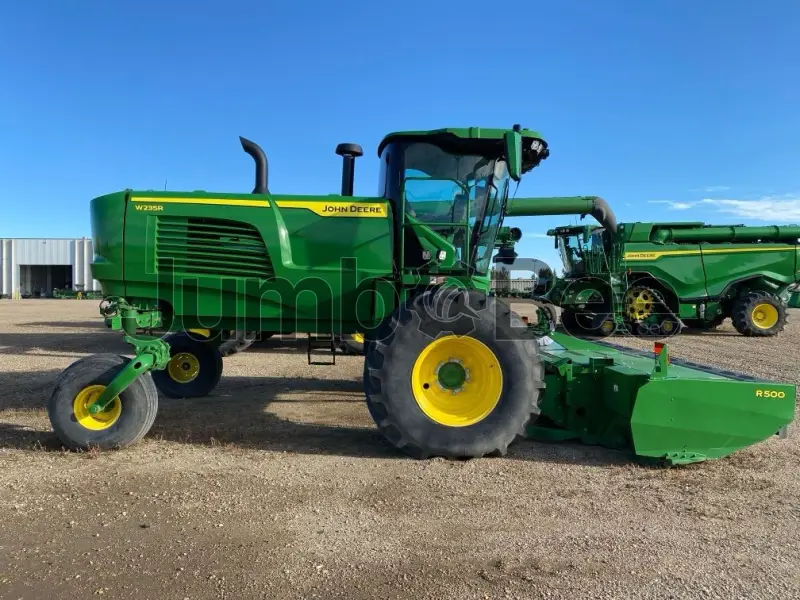
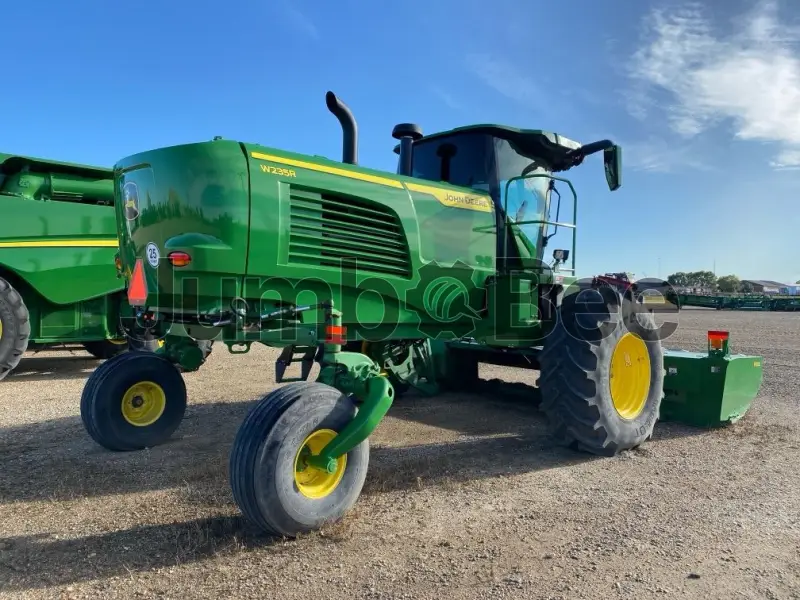
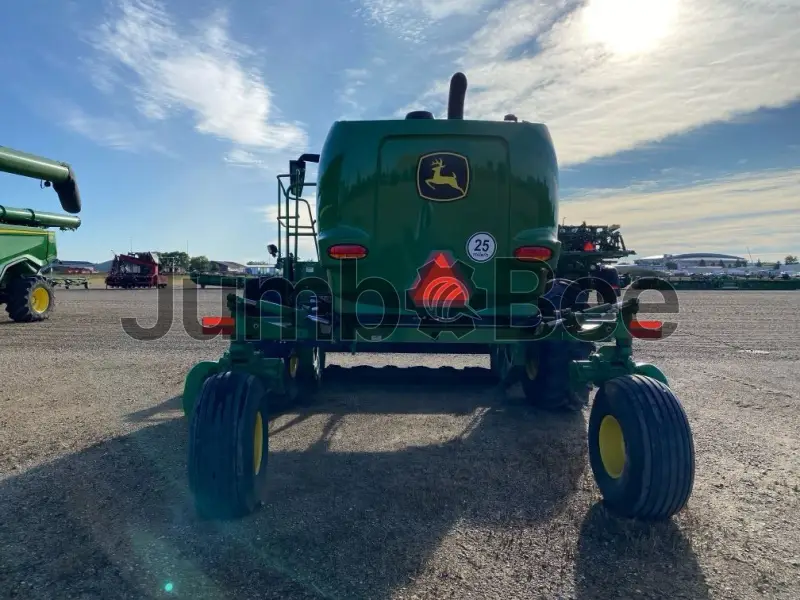
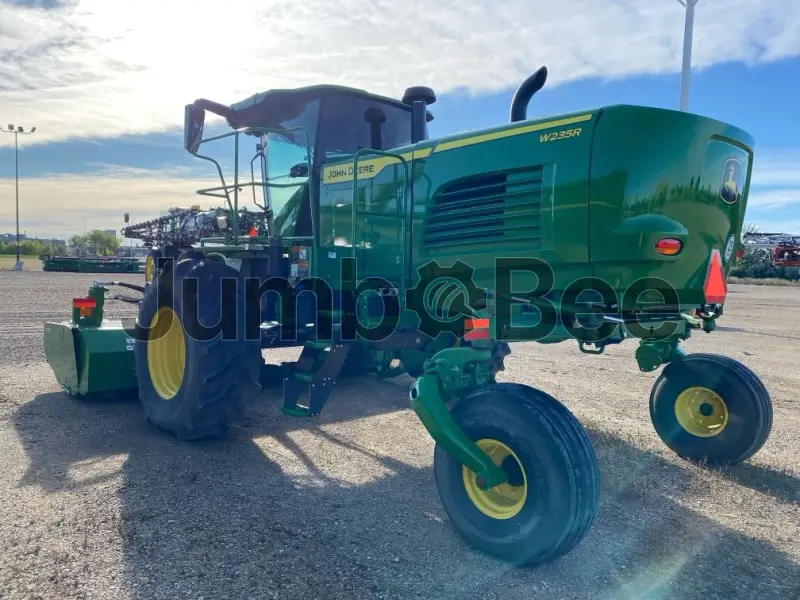
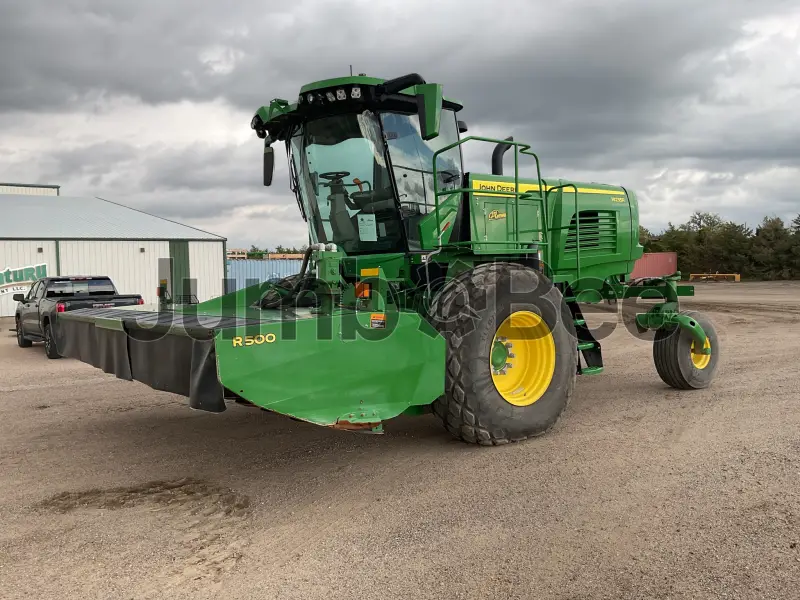
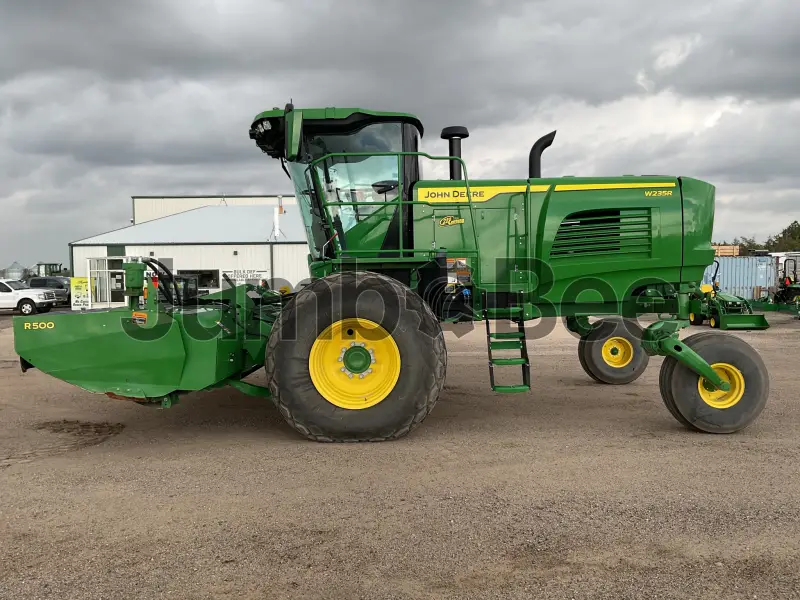
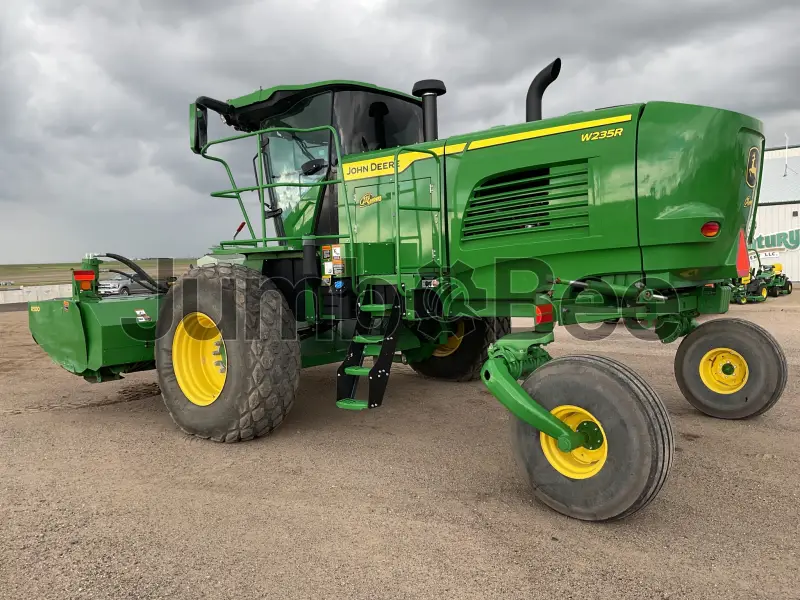
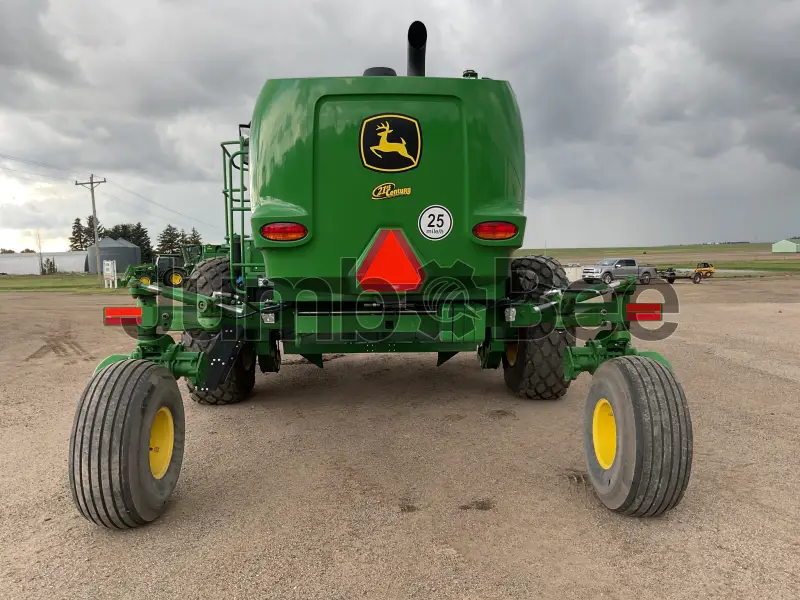
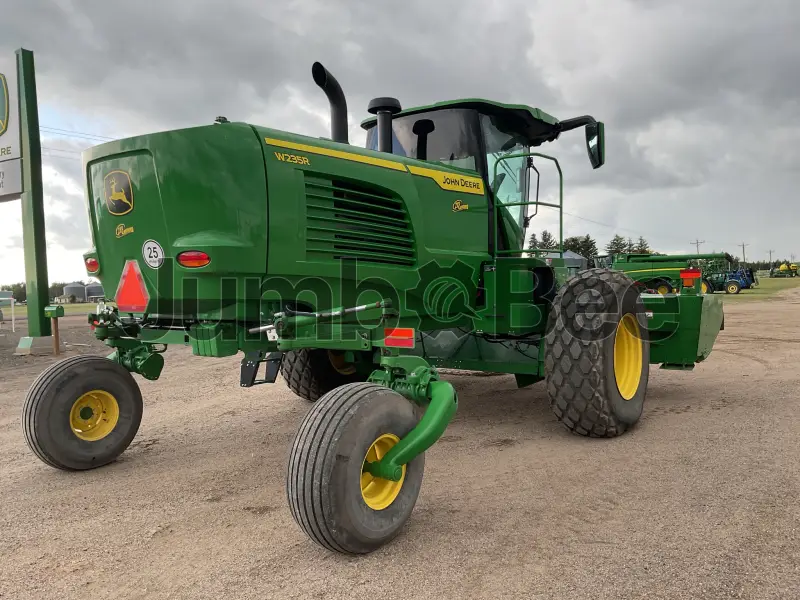
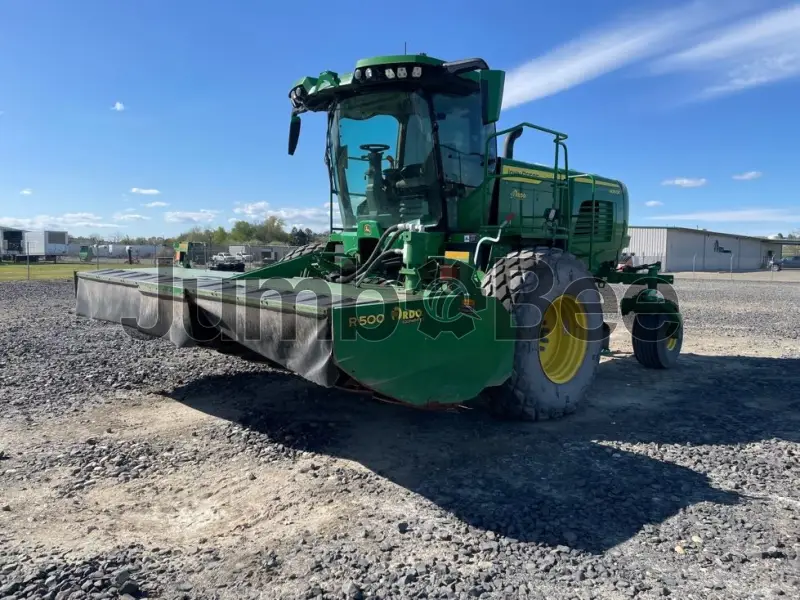
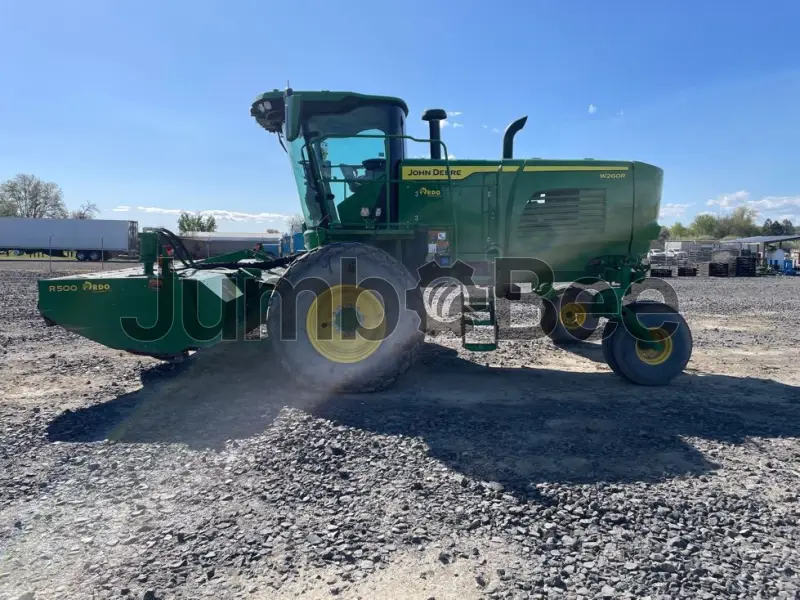
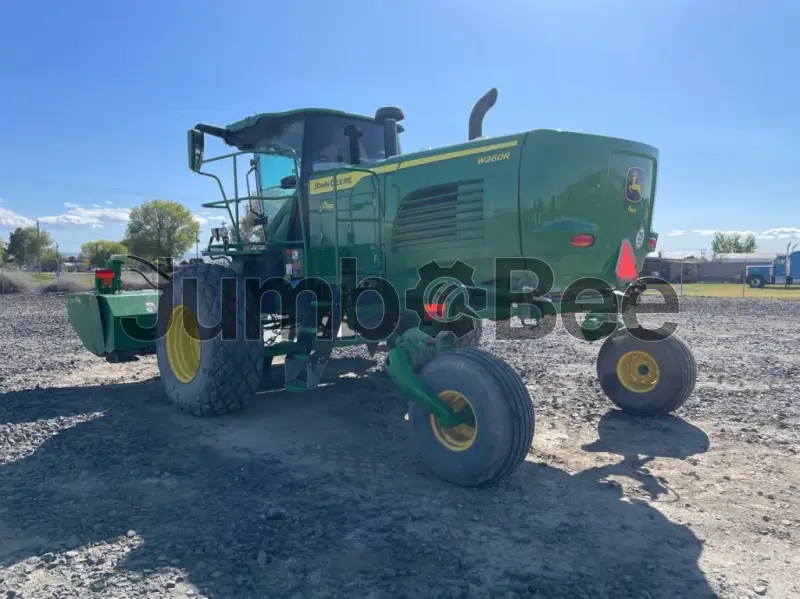
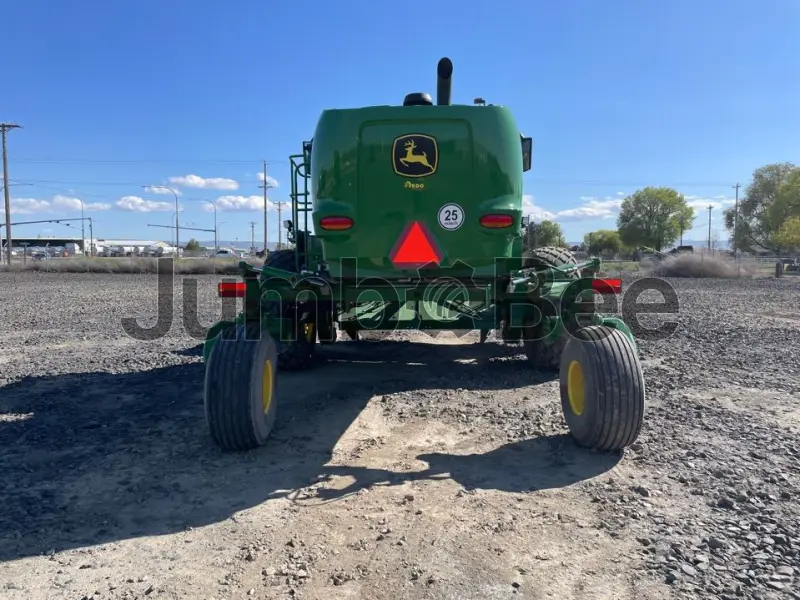
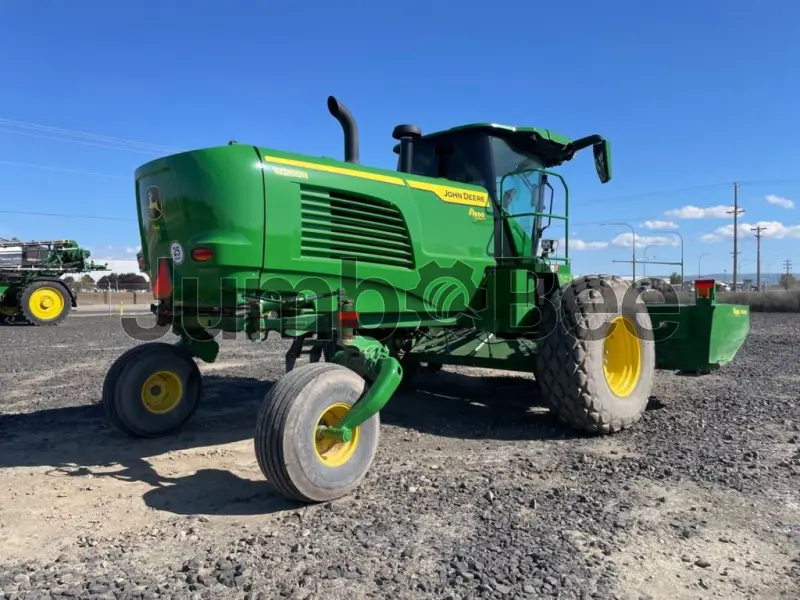
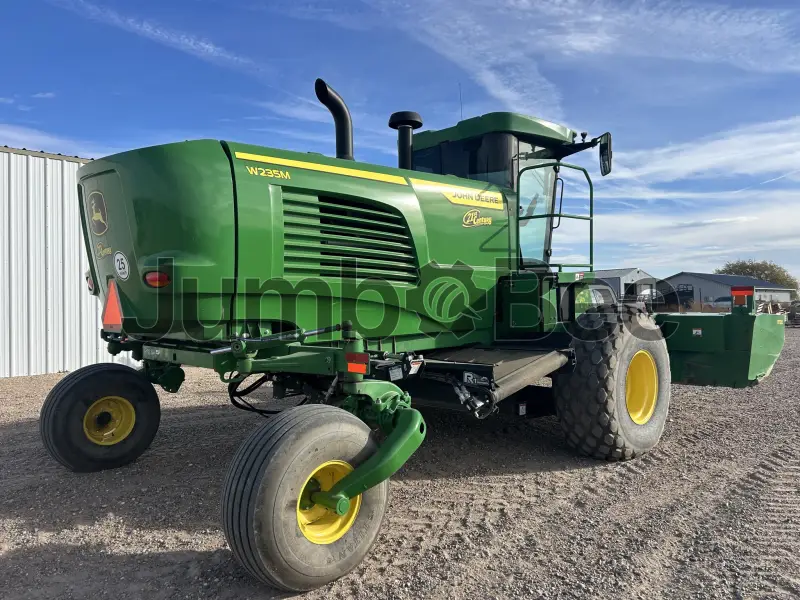
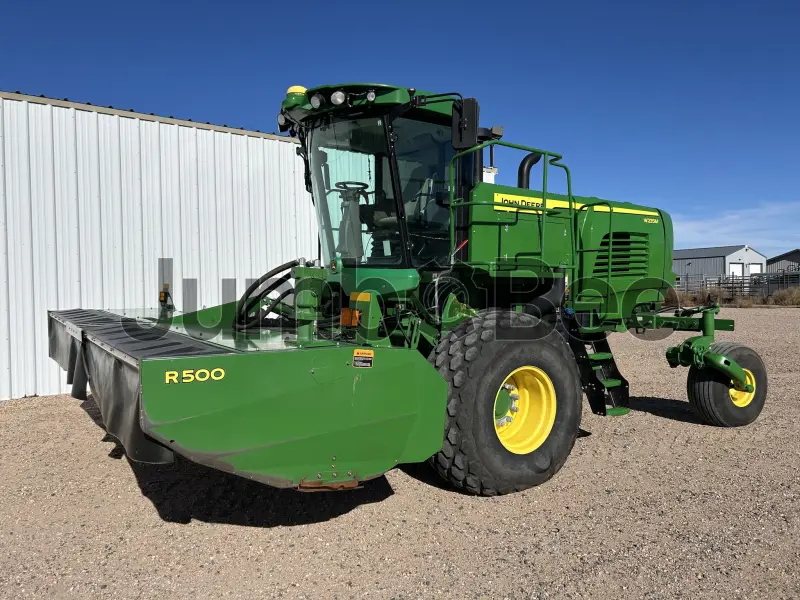
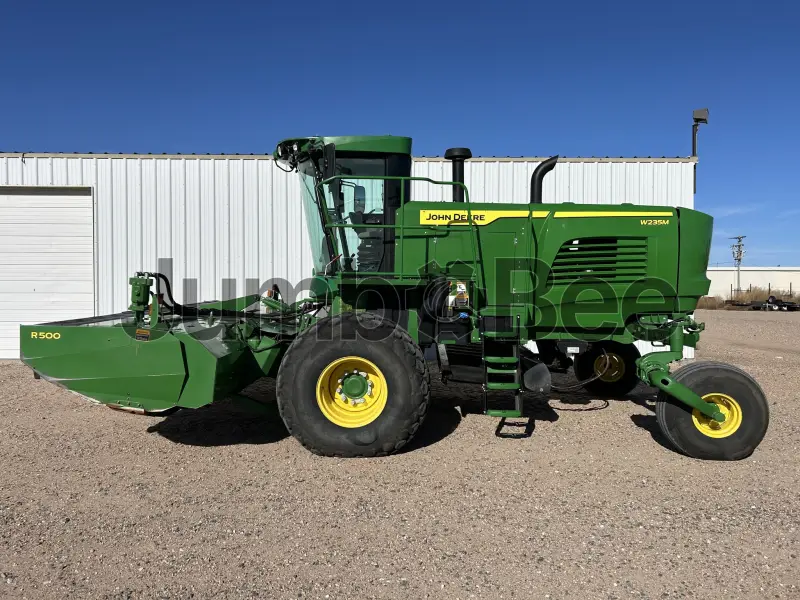
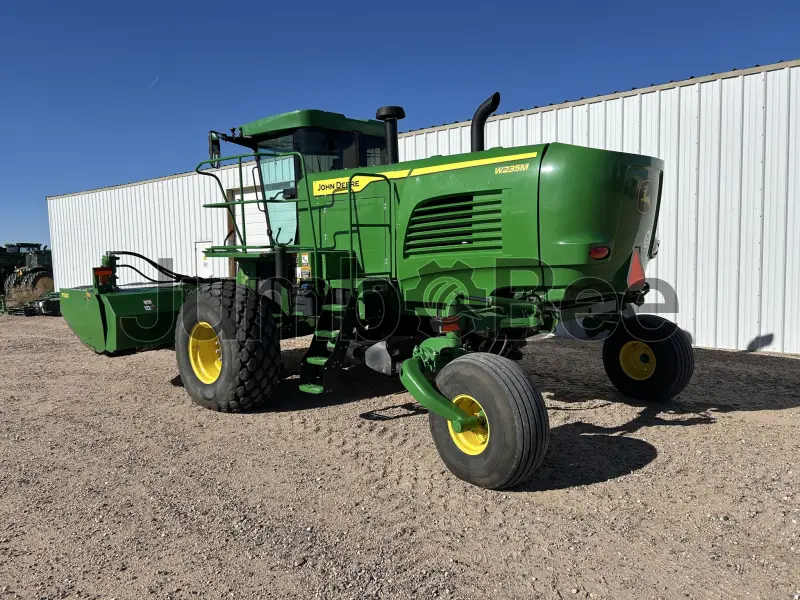
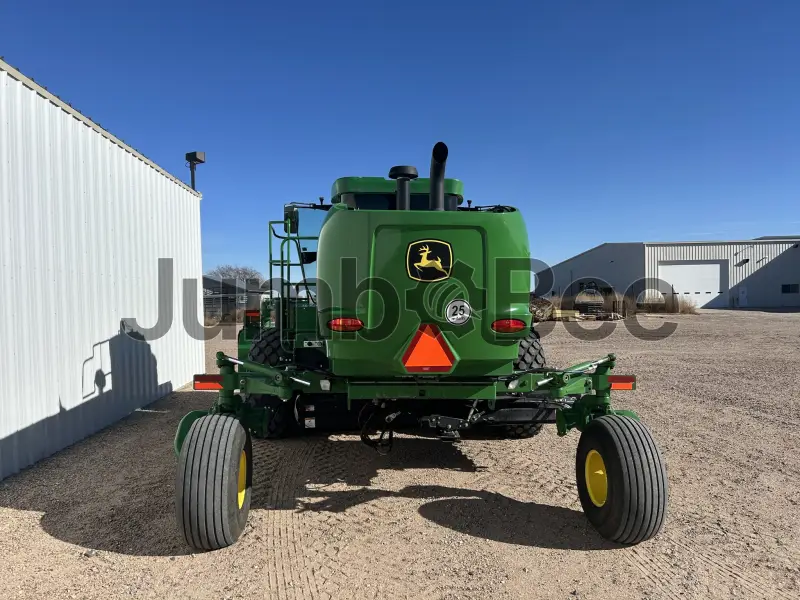
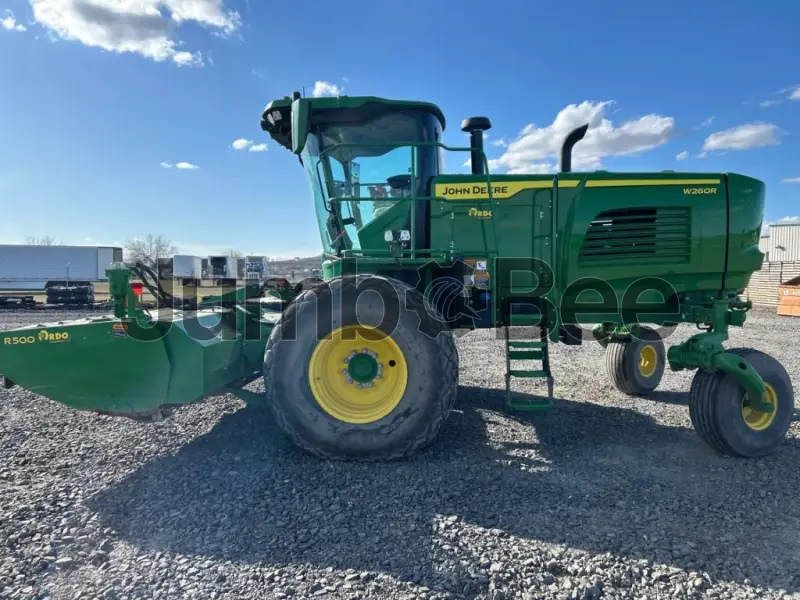
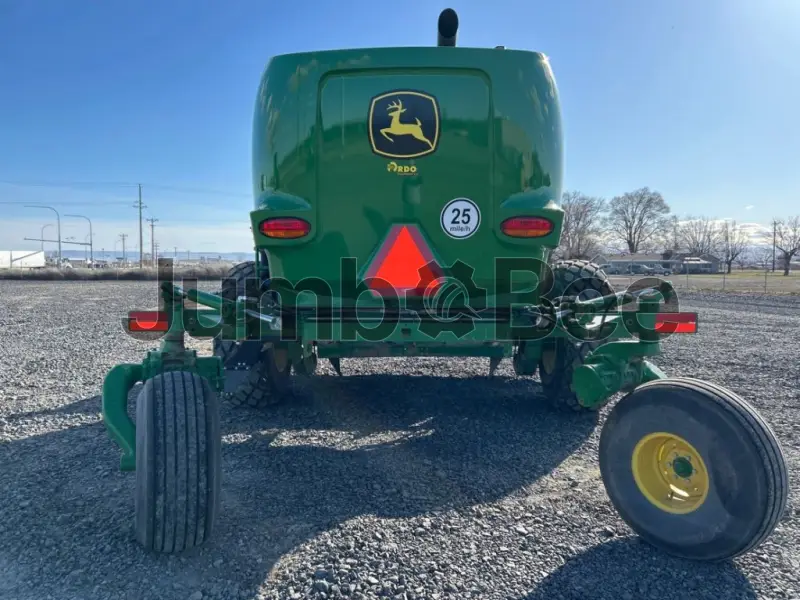
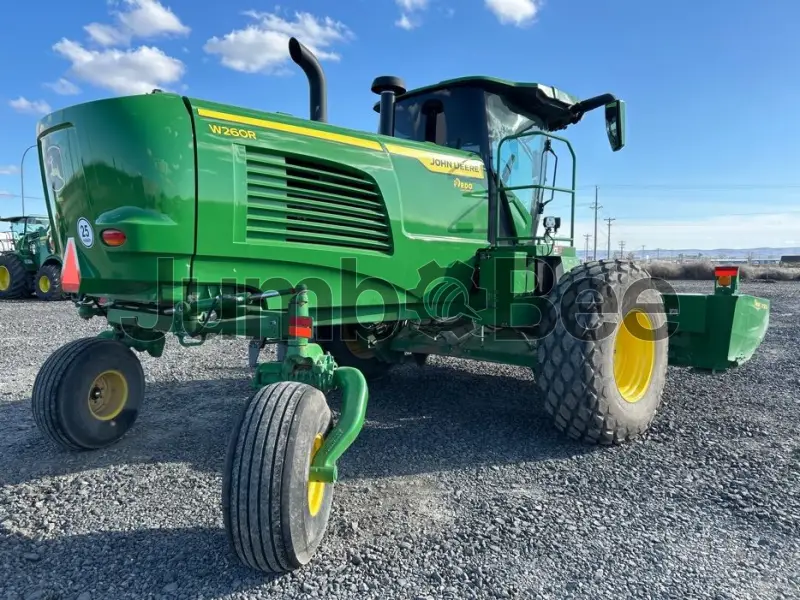
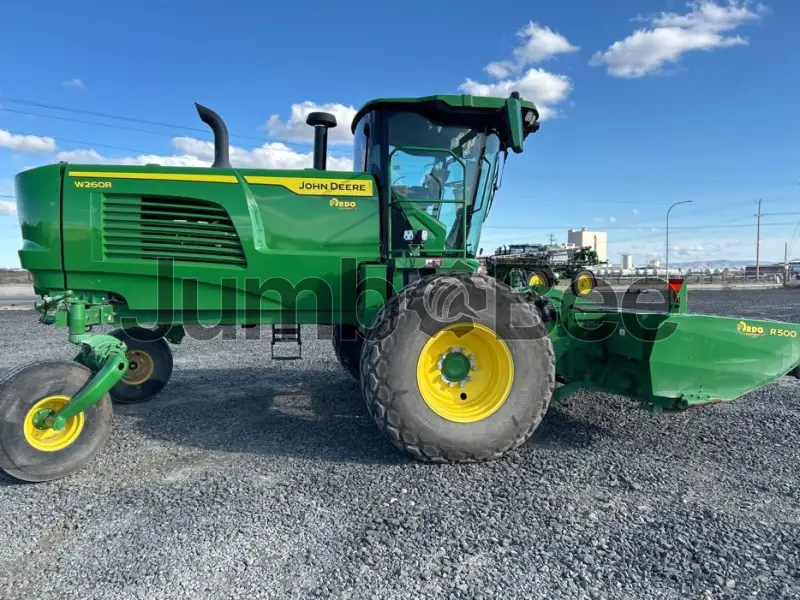
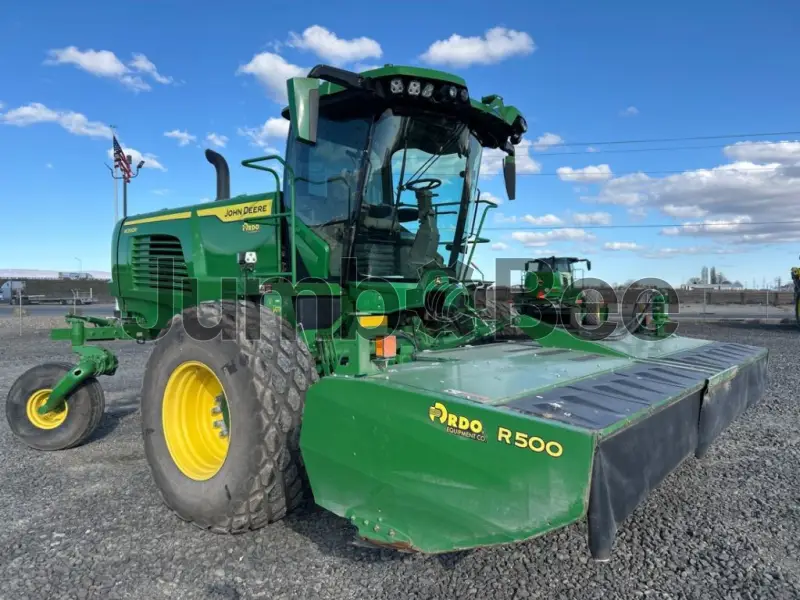
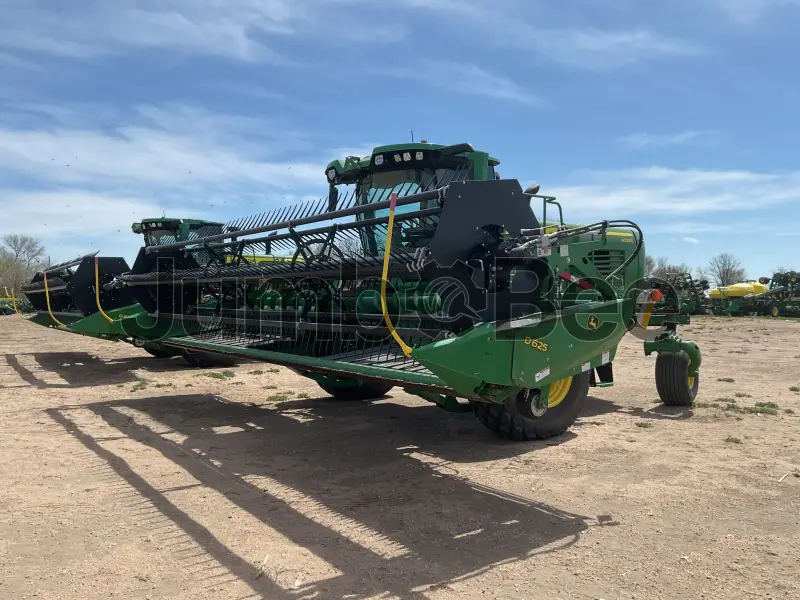
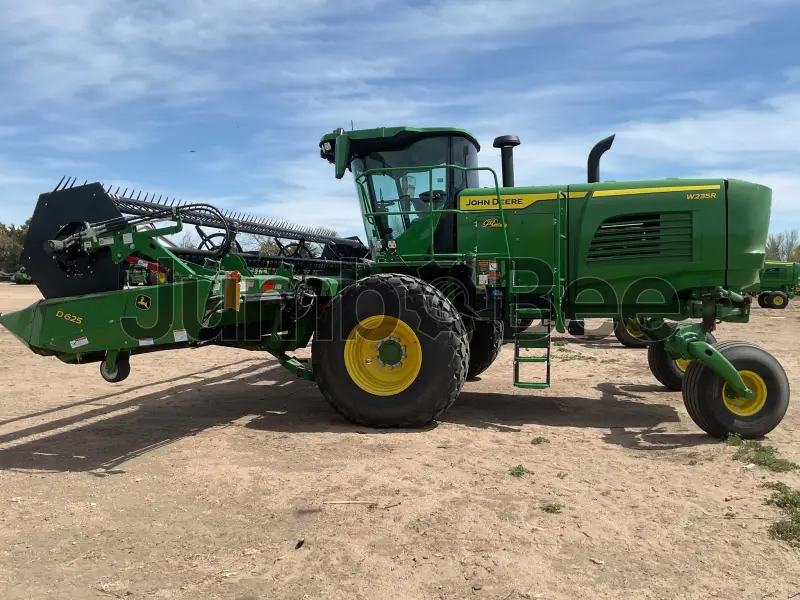
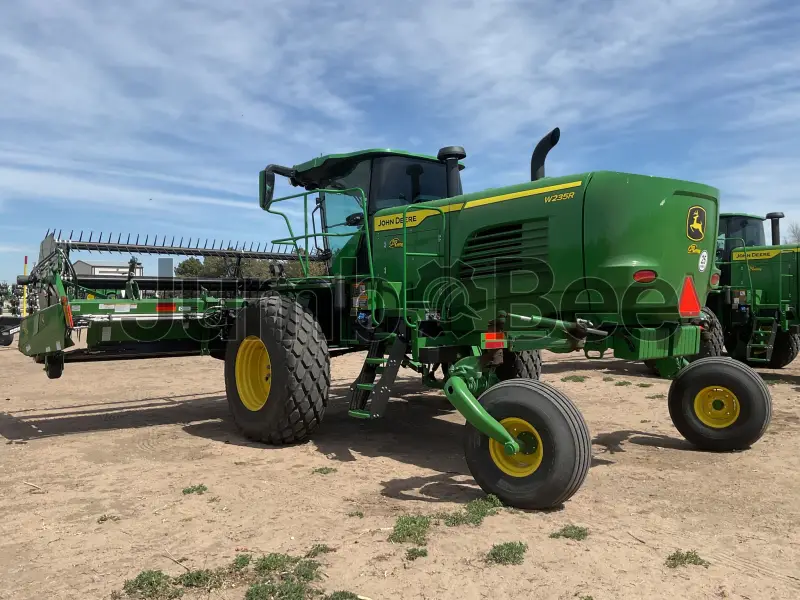
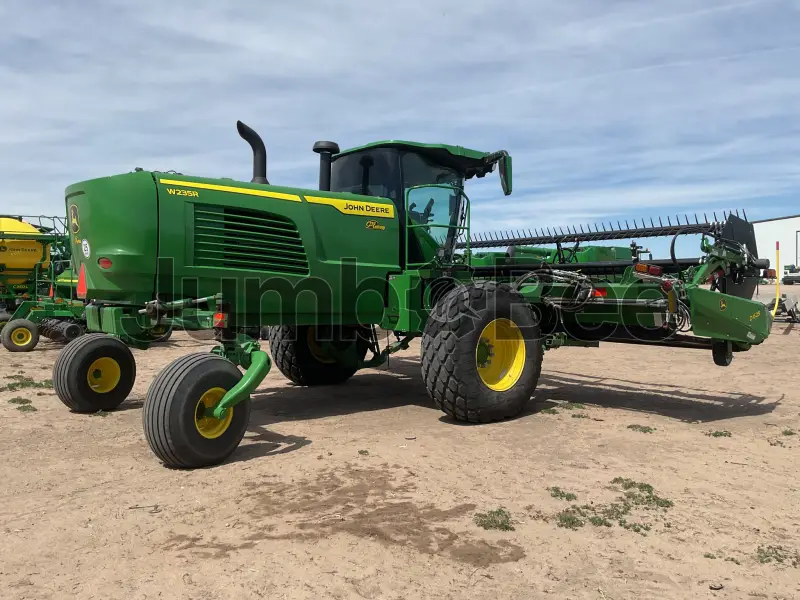
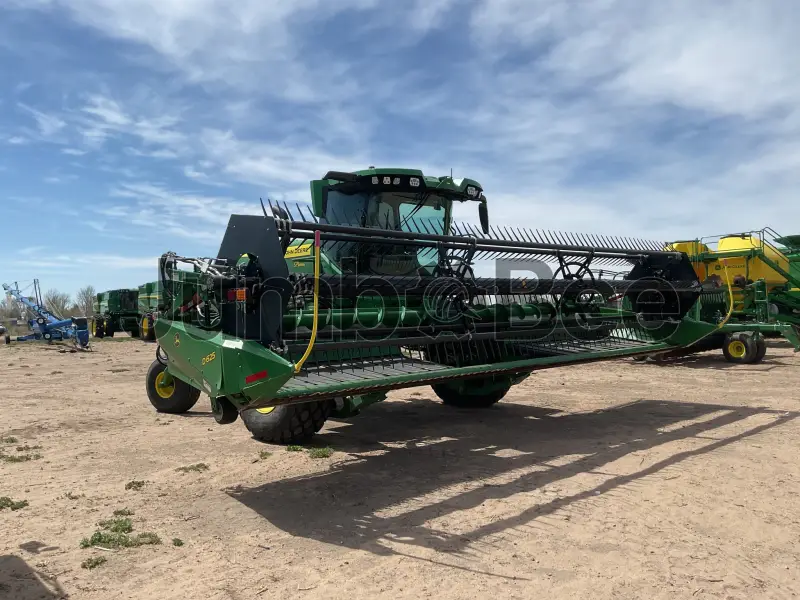
Windrowers Models
Explore the full lineup of windrower and swather models from leading global manufacturers. Compare specifications, read model reviews, and find verified listings – all in one reference hub.
Heavy equipment insights from JumboBee
November 23, 2026
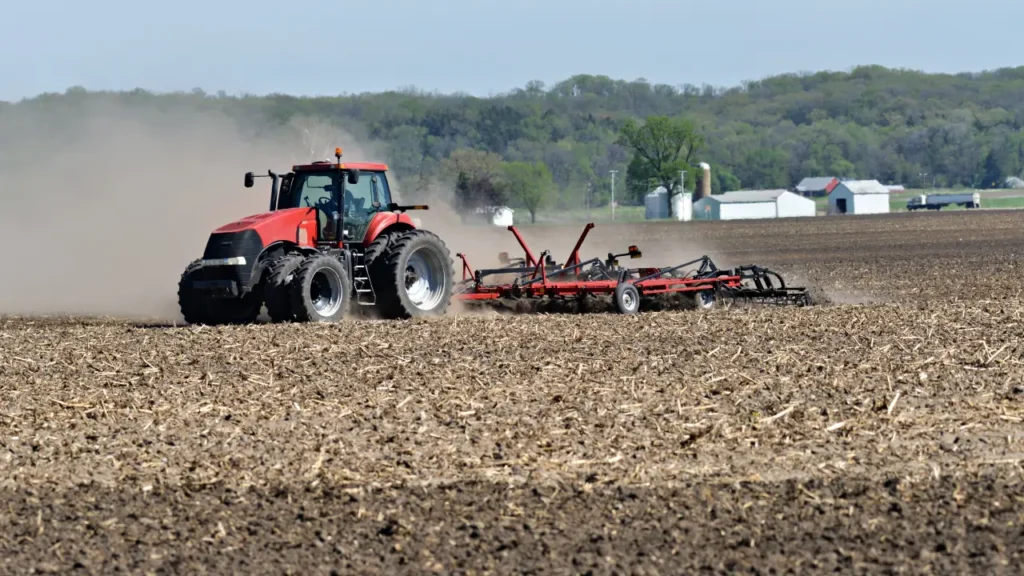
Types of Tillage Equipment: How to Choose the Right Implements for Your Farm
Compare tillage implements and learn what to look for when buying used equipment.
November 20, 2026
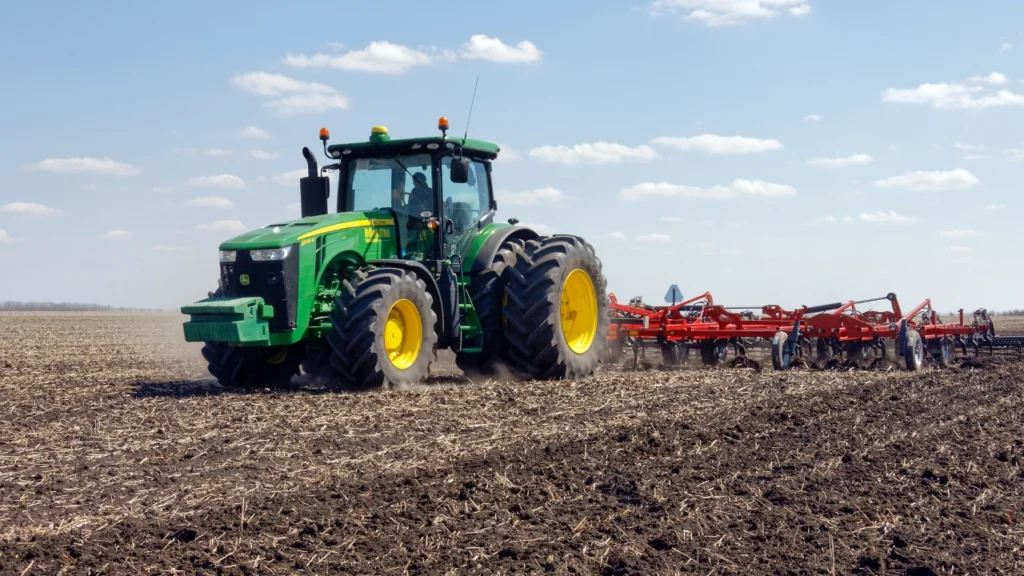
Types of Cultivators: What They Are, How They Work and How to Choose
Compare different types of farm cultivators, their uses, and what to look for when buying used.
November 9, 2026
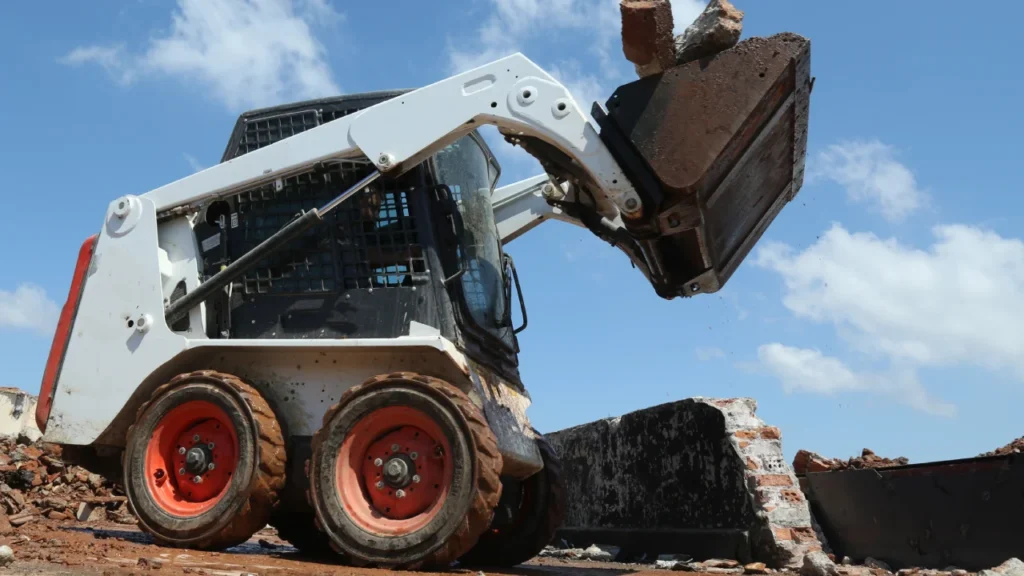
Skid Steer Loader Brands Compared: CAT vs Bobcat vs John Deere
A side-by-side comparison of CAT, Bobcat and John Deere skid steers by size class, capacity, power and hydraulics.
November 2, 2026
Buying & Selling Heavy Equipment in Canada: Market Guide for Global Buyers
This guide explains how the Canadian heavy equipment market works for international buyers and sellers.
October 9, 2026
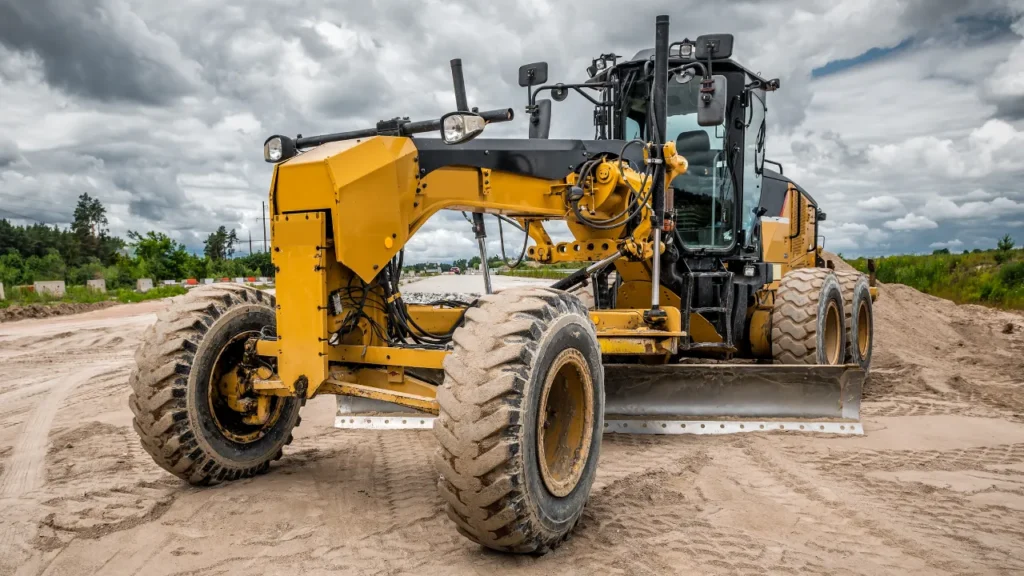
Motor Grader Buying Guide: Sizes, Top Brands, and What Contractors Should Look For
This guide helps buyers select the right motor grader for their needs and maximize ROI across construction, mining, and snow removal.
August 25, 2026
Repair, Rebuild or Replace Heavy Equipment: 2026 Cost-Based Decision Guide
This guide provides a mathematical approach to help you decide what to do with your aging machinery in 2026.
SPEED AND FLEXIBILITY
A self-propelled windrower carries its own engine, cab and header, cutting at high speed and traveling quickly between fields. Large hay farms, custom cutters and grain growers who swath canola rely on these machines to get crops down in tight windows.
DUAL-DIRECTION DRIVING
Many self-propelled windrowers can drive cab-forward in the field and engine-forward on the road, offering better visibility and higher road speeds. Check road speed and lighting if you travel far between fields. Cab comfort matters too, since operators often run long days during first cutting.
ONE POWER UNIT, SEVERAL HEADERS
The same power unit can run rotary disc headers for hay, auger headers for lighter crops and draper headers for grain and canola. A machine sold with several headers can be strong value, as long as each is in good condition.
CONDITIONING CHOICES
Steel or rubber conditioning rolls crimp stems for faster drying in alfalfa, while flail conditioners suit grass hay. Ask what conditioner is fitted and its condition. Worn rolls crimp unevenly, so hay dries slowly and can lose quality in the windrow.
INSPECTING A USED SELF-PROPELLED WINDROWER FOR SALE
Review engine hours and service records, the hydrostatic drive, the cab and air conditioning, cutterbar or knife drive, conditioner rolls, draper canvases and header float. If you buy used self-propelled windrower equipment, test both drive directions.
USED SELF-PROPELLED WINDROWER PRICE
Used self-propelled windrower price depends on hours, horsepower, model year, headers included and condition.
Got Questions?
Our FAQ section covers everything from shipping and listing to buying with confidence.
What header types fit a self-propelled windrower?
Most self-propelled windrowers take interchangeable headers, so one power unit can cover several crops.
Rotary disc headers cut fast through heavy, tangled, or lodged hay and are the most common choice for alfalfa and grass.
Auger headers use a sickle knife and reel with a cross auger. They suit lighter or more uniform hay crops and cut cleanly at lower horsepower.
Draper headers use canvas belts to move the crop gently to the windrow. They’re the standard choice for swathing canola, grain, and pulse crops, where shatter losses matter.
How do I choose the right self-propelled windrower?
Crop type and conditions. Match the header and conditioner to what you cut most. Heavy alfalfa needs a disc header with roll conditioning; canola and grain need a draper. Consider crop height and density when sizing horsepower, and check ground clearance and traction for your field topography and soil.
Farm size and capacity. Your acreage and cutting window determine the header width and horsepower you need. Custom cutters and large operations usually want wider headers, higher field speeds, and faster road travel.
Budget. Decide whether a new or used self-propelled windrower fits your plans, and set aside money for maintenance and repairs.
Is it better to buy a new or used self-propelled windrower?
It depends on your budget, your acreage, and how much downtime you can afford during cutting.
New machines come with warranties, the latest technology, and generally better reliability. They cost significantly more and may involve a wait for delivery.
Used machines cost less upfront, and prices can often be negotiated. They may have unknown histories, limited or no warranty, and older technology.
To reduce the risk, we offer a pre-sale inspection for used self-propelled windrowers, including a detailed assessment, history verification, and a performance evaluation.
What are the advantages of a new or used self-propelled windrower?
New: The warranty covers parts and labor. Newer models often bring better efficiency, fuel economy, and performance, along with improved cab ergonomics and operator comfort.
Used: A lower price, and the machine is usually available right away, so you won’t miss a cutting window waiting on delivery. A used model with a solid service record can also show a proven track record in the field.
How can I arrange shipping for a self-propelled windrower?
JumboBee can ship your windrower anywhere in the world. Our team handles every step of the process so your machine arrives ready for the field.