Self-Propelled Sprayers for Sale
(250 listings)
Popular brands
Only verified sellers list equipment on JumboBee.
Sort by:
Featured
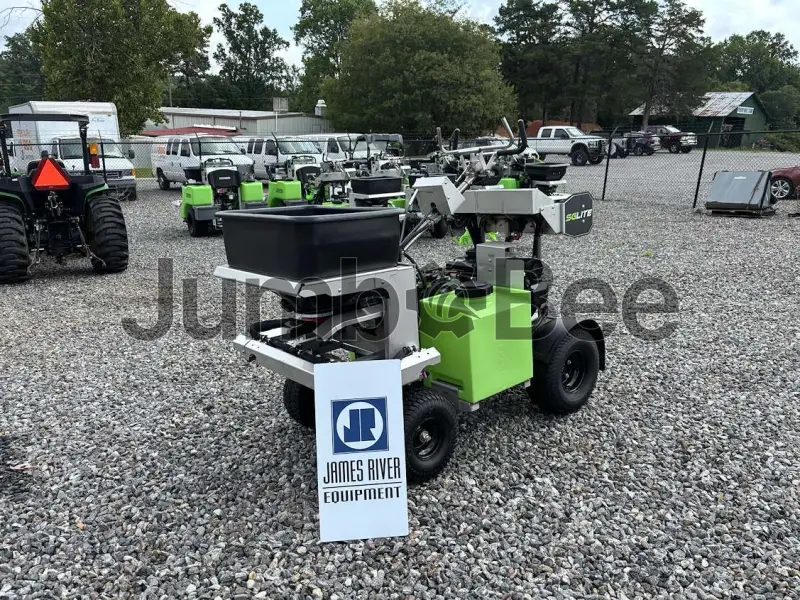
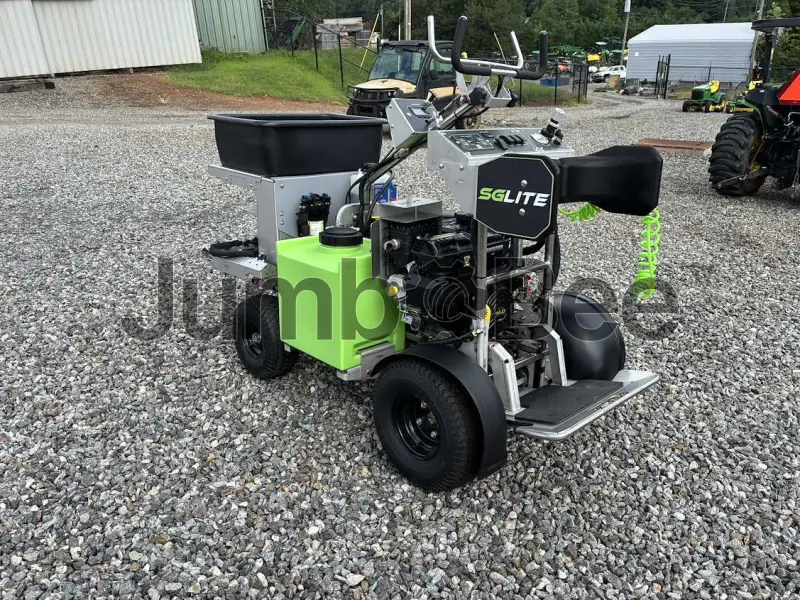

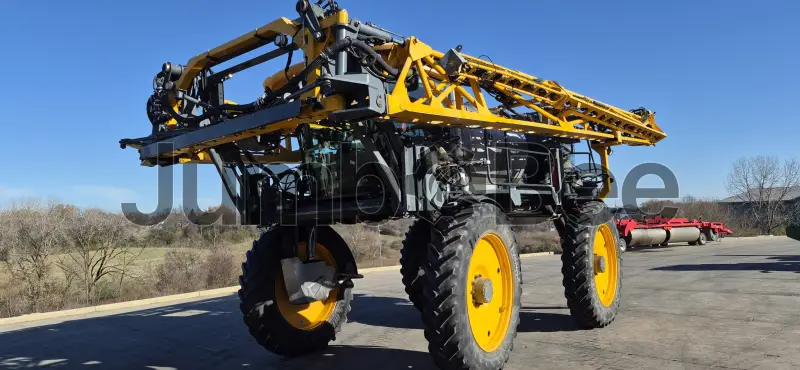
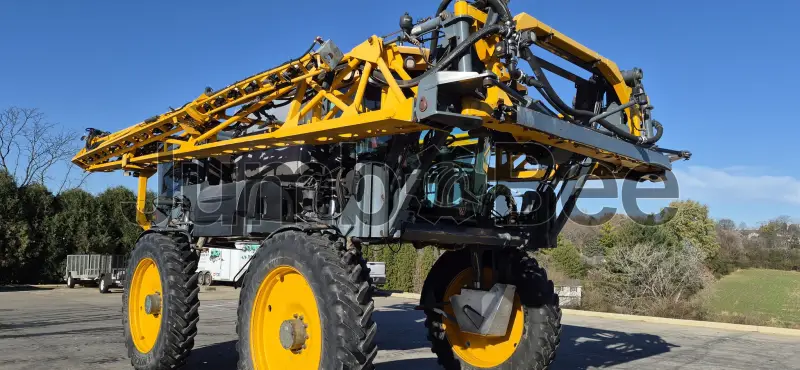
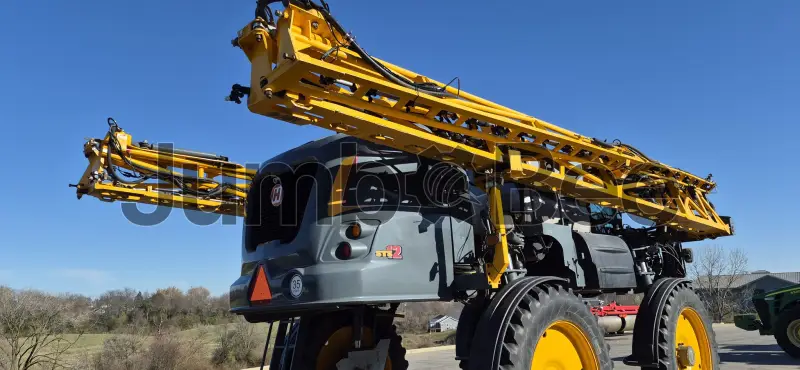
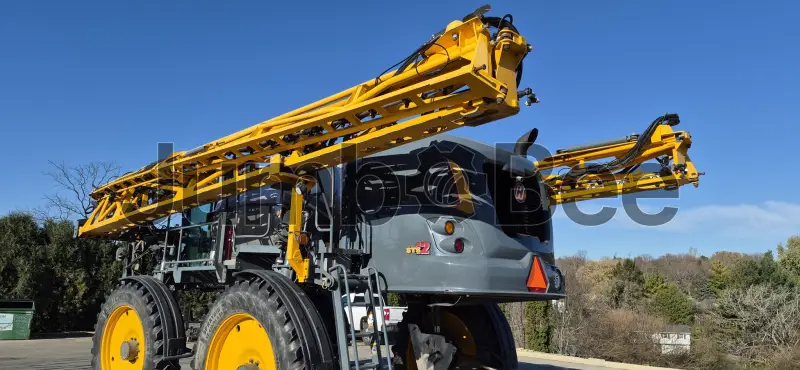
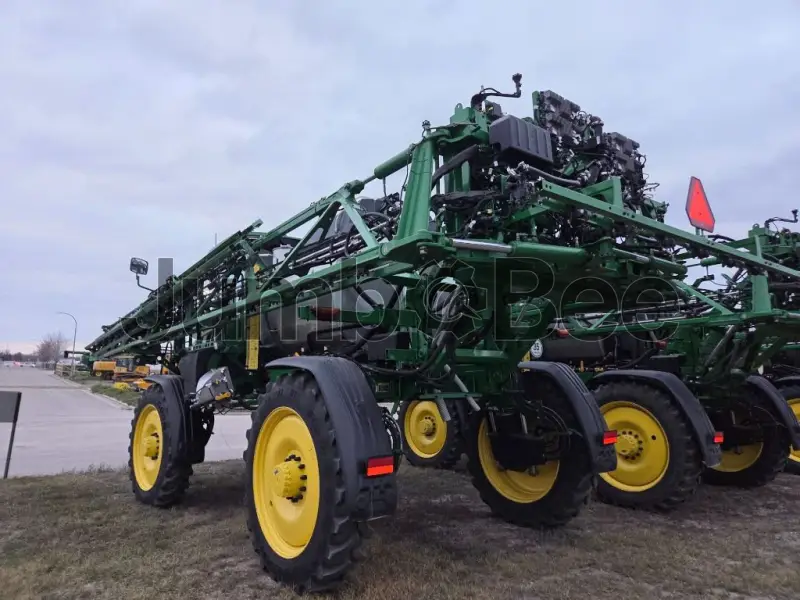
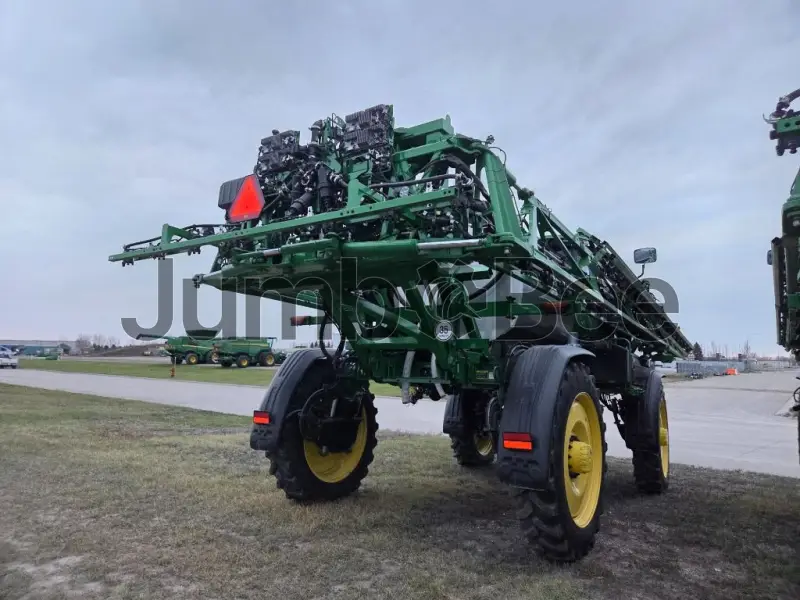
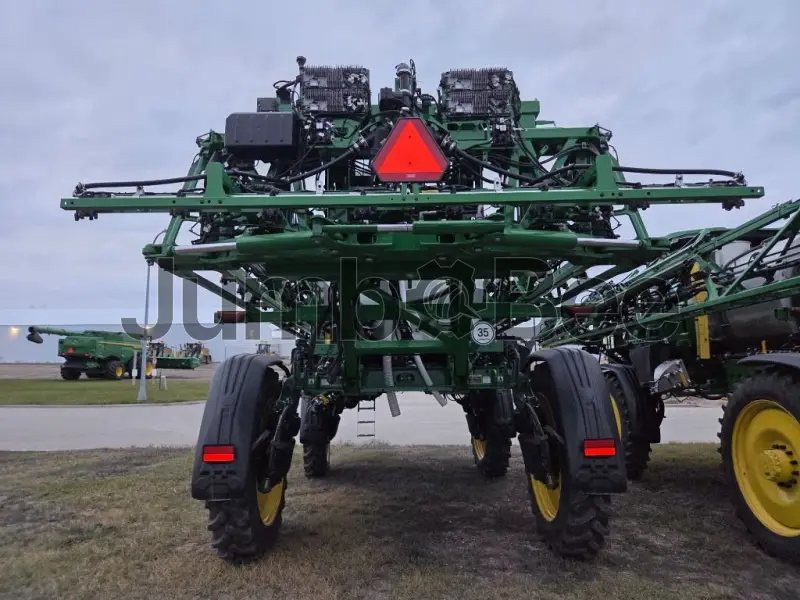
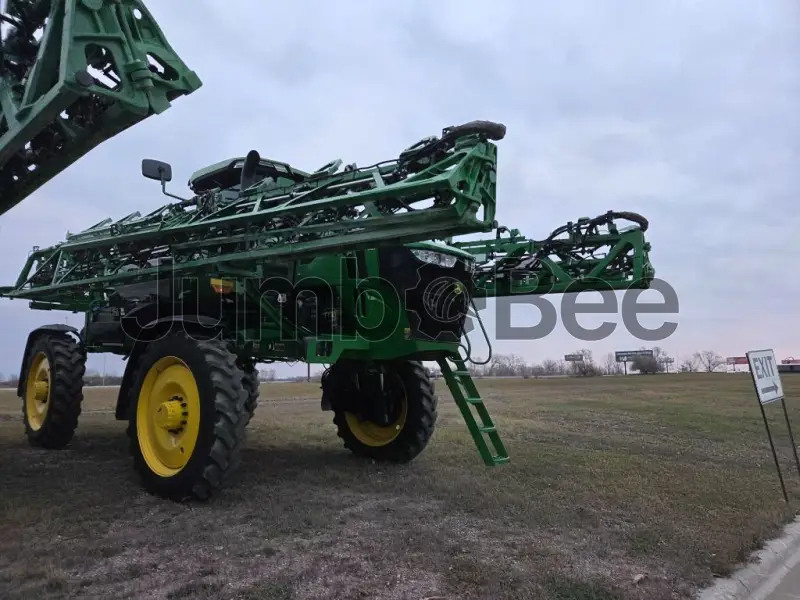
Sprayers Models
Explore the full lineup of self-propelled sprayer models from leading global manufacturers. Compare specifications, read model reviews, and find verified listings – all in one reference hub.
200+
Models
Heavy equipment insights from JumboBee
November 23, 2026
Types of Tillage Equipment: How to Choose the Right Implements for Your Farm
Compare tillage implements and learn what to look for when buying used equipment.
November 20, 2026
Types of Cultivators: What They Are, How They Work and How to Choose
Compare different types of farm cultivators, their uses, and what to look for when buying used.
November 9, 2026
Skid Steer Loader Brands Compared: CAT vs Bobcat vs John Deere
A side-by-side comparison of CAT, Bobcat and John Deere skid steers by size class, capacity, power and hydraulics.
November 2, 2026
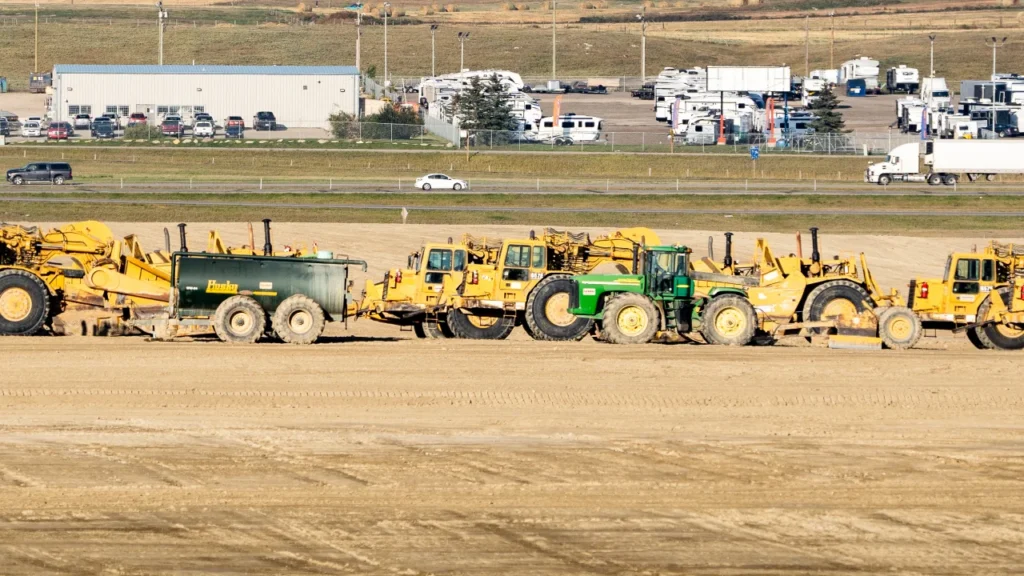
Buying & Selling Heavy Equipment in Canada: Market Guide for Global Buyers
This guide explains how the Canadian heavy equipment market works for international buyers and sellers.
October 9, 2026
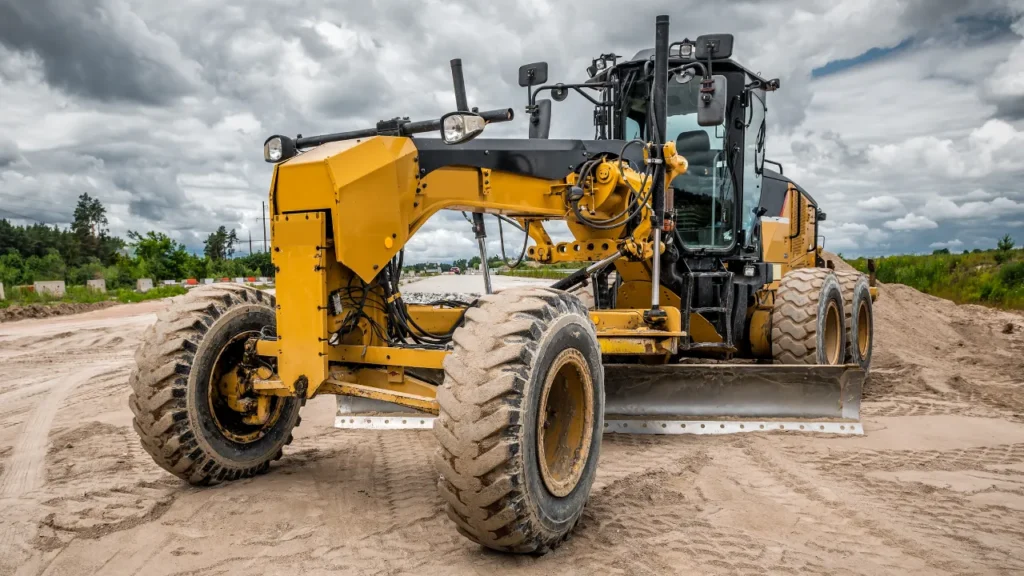
Motor Grader Buying Guide: Sizes, Top Brands, and What Contractors Should Look For
This guide helps buyers select the right motor grader for their needs and maximize ROI across construction, mining, and snow removal.
August 25, 2026
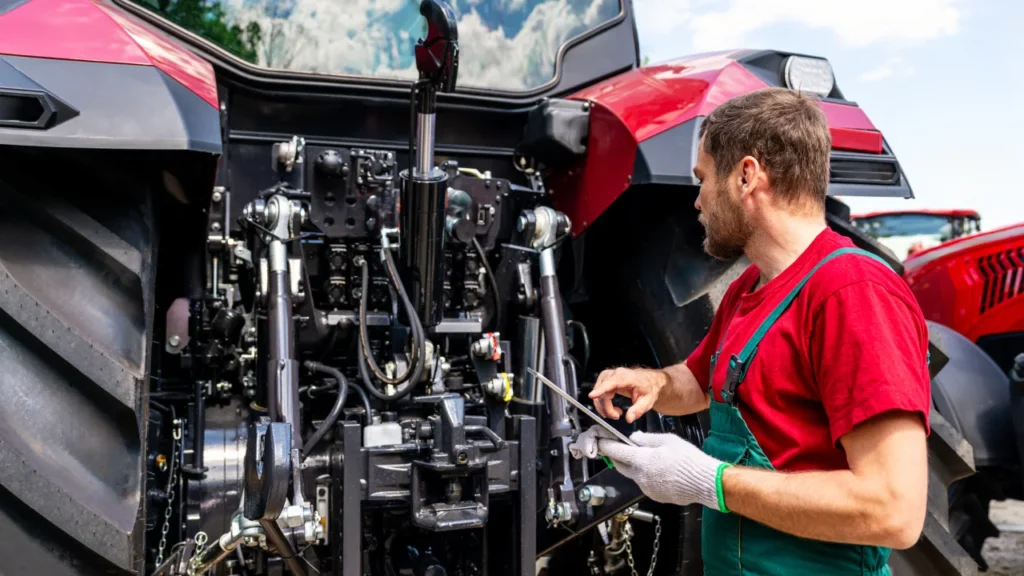
Repair, Rebuild or Replace Heavy Equipment: 2026 Cost-Based Decision Guide
This guide provides a mathematical approach to help you decide what to do with your aging machinery in 2026.
SPEED AND TIMELINESS
A self-propelled sprayer covers ground quickly with wide booms and fast road travel between fields, making it the first choice for large farms and custom applicators. Getting across every acre within the right window improves weed and disease control and makes the most of each product.
BOOM WIDTH, HEIGHT AND CLEARANCE
Booms commonly range from 90 to 132 feet. Automatic boom height control keeps nozzles at the correct distance at speed, and adjustable clearance and track width let one machine spray early-season and late-season crops.
NOZZLE TECHNOLOGY
Pulse-width modulation, individual nozzle shutoff and camera-based targeted spraying can cut chemical use substantially. These features raise both price and resale value, so compare the technology package carefully between listings.
DRIVE AND SUSPENSION
Hydrostatic drive with traction control and independent suspension provide a smoother ride and better boom stability. Front-boom designs offer good visibility, while rear-boom designs balance weight differently.
INSPECTING A USED SELF-PROPELLED SPRAYER FOR SALE
Review engine hours and service records, the hydrostatic system, suspension, boom welds, breakaways and fold cylinders, the pump and rinse system, and the cab electronics. Check for corrosion from fertilizer use. If you buy used self-propelled sprayer equipment, run the boom through a full cycle.
USED SELF-PROPELLED SPRAYER PRICE
Used self-propelled sprayer price depends on hours, boom width, tank size, nozzle technology and model year. Machines coming off lease or from custom applicators often have high hours but full dealer service histories.
NEW AND USED SELF-PROPELLED SPRAYER FOR SALE
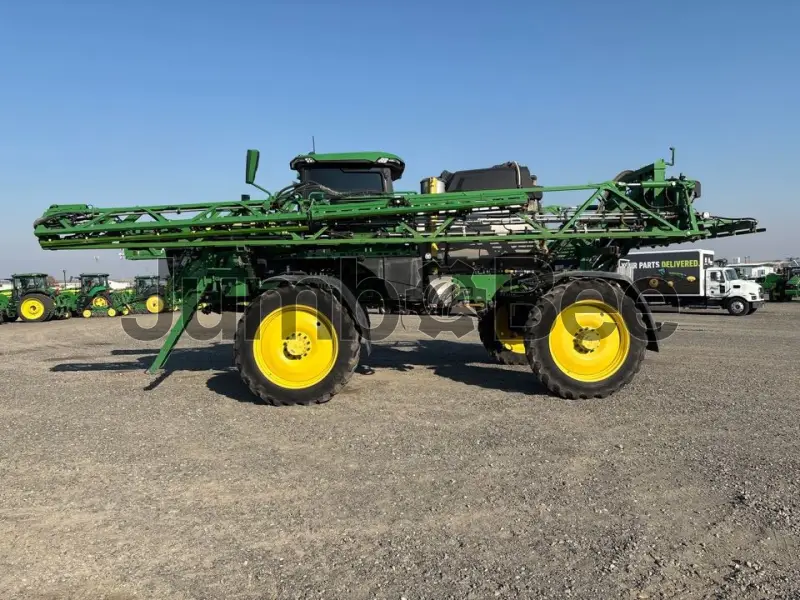
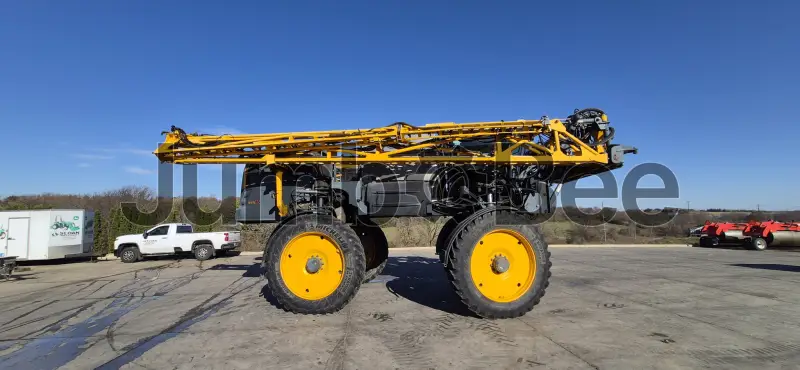
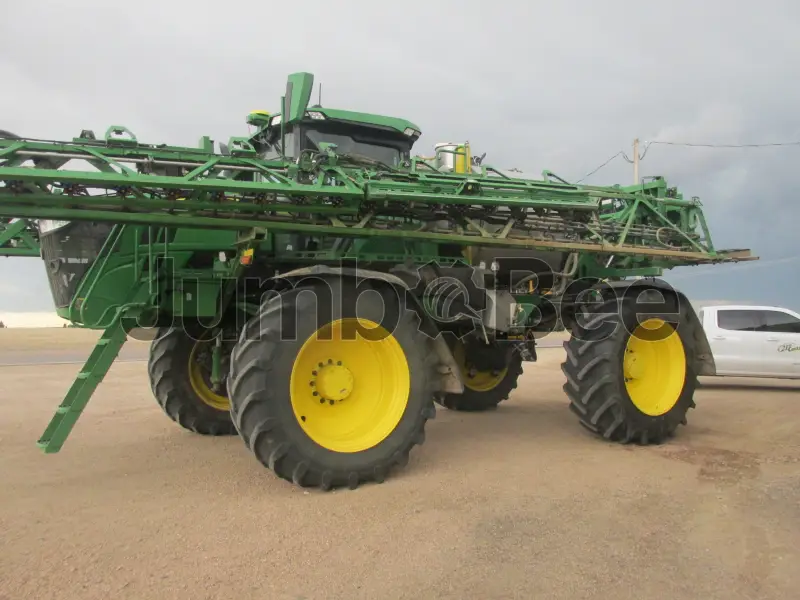
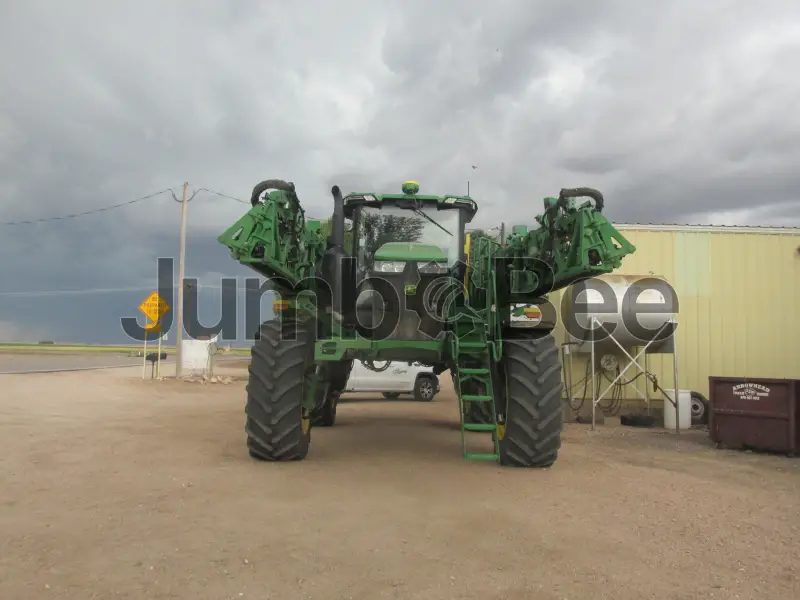
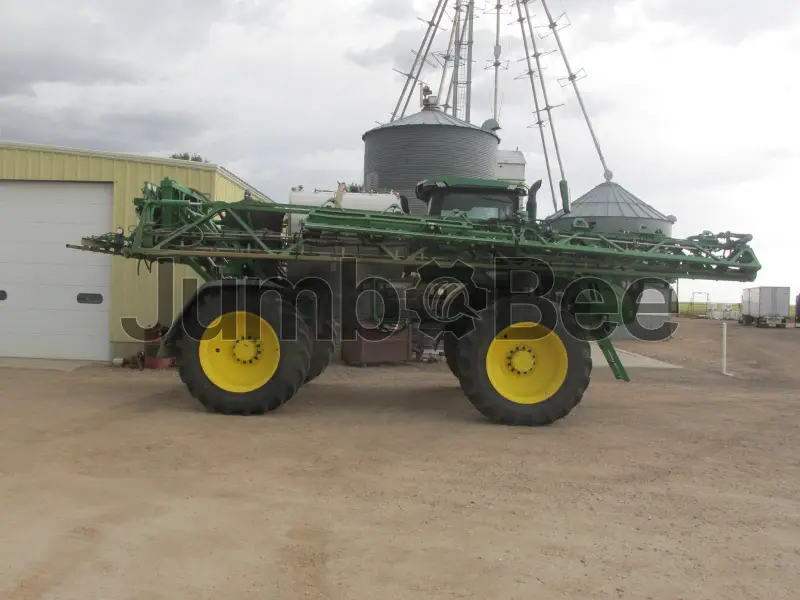
Self-propelled sprayer dealers carry John Deere, Case IH Patriot, Apache, Hagie, RoGator and New Holland. Every self-propelled sprayer for sale on JumboBee includes photos and seller details.
Got Questions?
Our FAQ section covers everything from shipping and listing to buying with confidence.
What are the different types of sprayers?
There are several types of self-propelled sprayers, each with its own unique features and applications:
Self-propelled sprayers differ mainly in boom position, clearance, and tank size.
Front-boom sprayers mount the boom ahead of the cab. You get a clear view of the boom and nozzles, and the boom doesn’t run through spray drift from the wheels.
Rear-boom sprayers mount the boom behind the machine. Weight is balanced differently, and many operators prefer the layout for stability and road travel.
High-clearance sprayers sit well above the ground, so you can spray tall crops like corn late in the season without damaging plants.
Precision and targeted sprayers use camera-based spot spraying or per-nozzle control to apply product only where it’s needed, cutting chemical costs.
How to choose the right sprayer?
Start with your acreage. Larger operations need wider booms and bigger tanks to cover ground within the spray window. Next, consider your crops, since tall or late-season crops call for more clearance. Think about the products you apply and the coverage you need, and decide how much precision technology is worth to you. Finally, set a budget: a new machine costs significantly more than a used self-propelled sprayer.
What is more profitable to buy a used sprayer or a new one from a dealer?
New. Over the long term, a new self-propelled sprayer often pays off. The latest technology improves efficiency, reduces chemical use, and boosts application accuracy, which can mean higher yields and lower operating costs. A factory warranty also protects you against unexpected repair bills.
Used. In the short term, a used self-propelled sprayer usually comes out ahead. The lower upfront cost frees up capital for other investments or helps you get through a tough season. Weigh that against the risk of higher repair and maintenance costs down the road.
To help you decide, JumboBee offers a comprehensive pre-sale inspection on self-propelled sprayers.
What are the advantages of a new or used sprayer?
New. You get the latest GPS guidance, automatic boom control, and precision nozzle technology, plus a warranty.
Used. You pay less and keep money available for other equipment or expansion. Many used self-propelled sprayers have a proven reliability record, and with proper maintenance and inspection, they remain cost-effective, productive machines for years.
How can I arrange the shipping of a sprayer?
JumboBee offers delivery services to ship your self-propelled sprayer anywhere in the world. Our team handles the entire process, including permits and documents, so your machine arrives on schedule.