Trenchers for Sale
(8 listings)
Browse by subcategory
Popular brands
Only verified sellers list equipment on JumboBee.
Sort by:
Featured
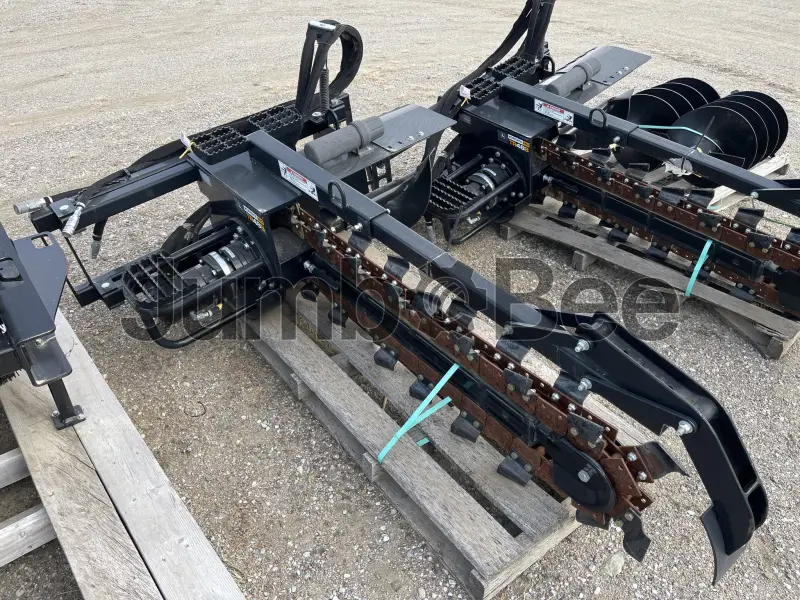
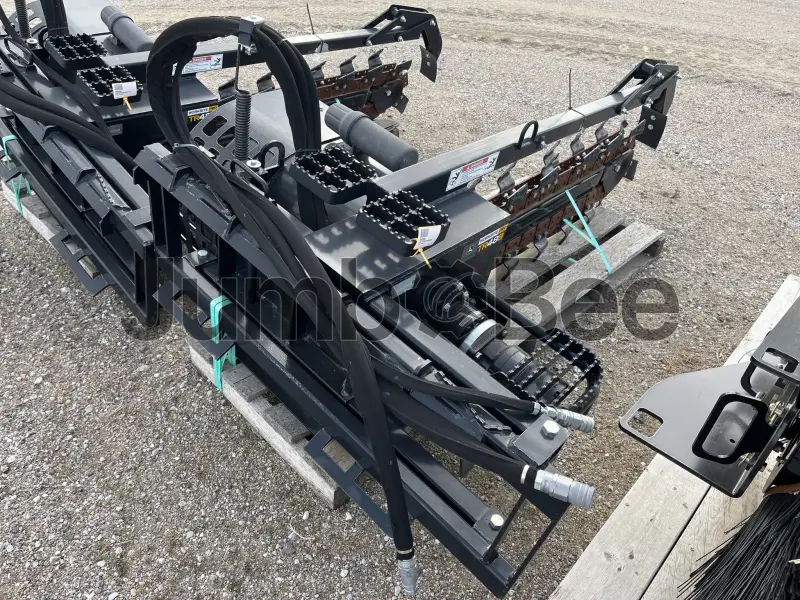
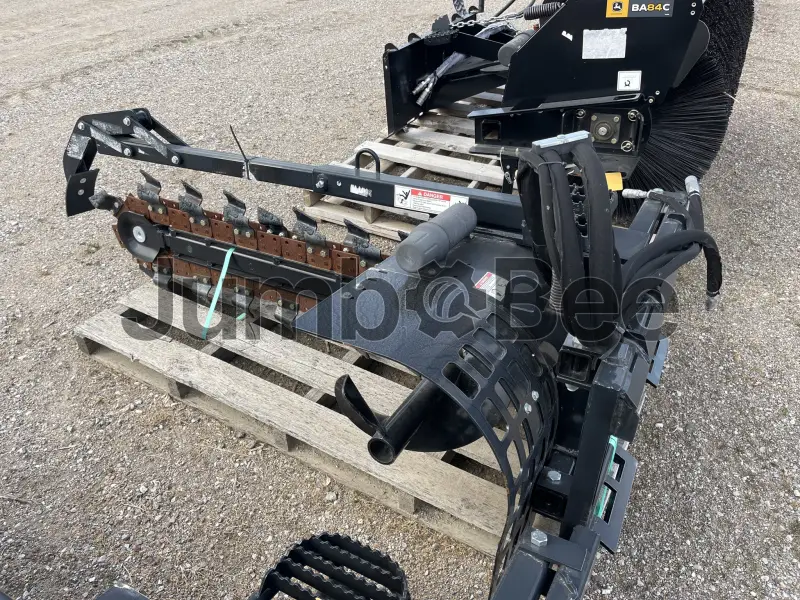
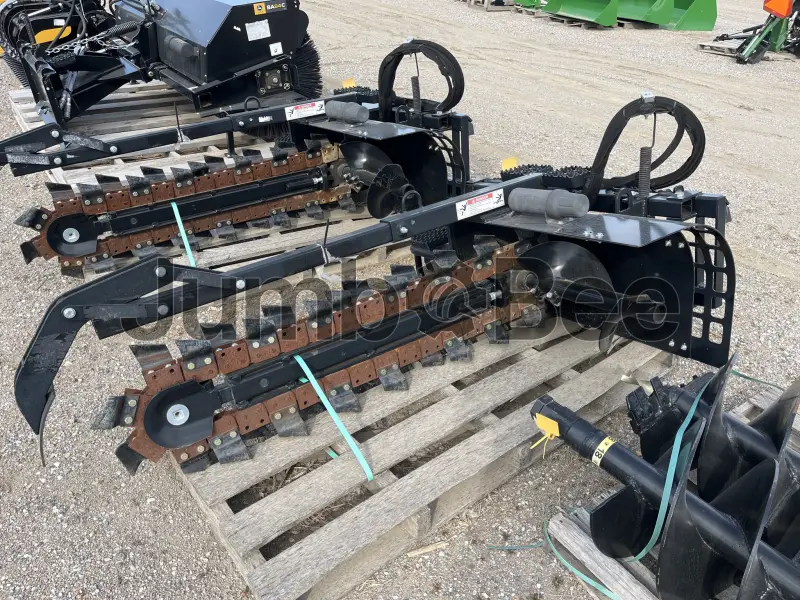
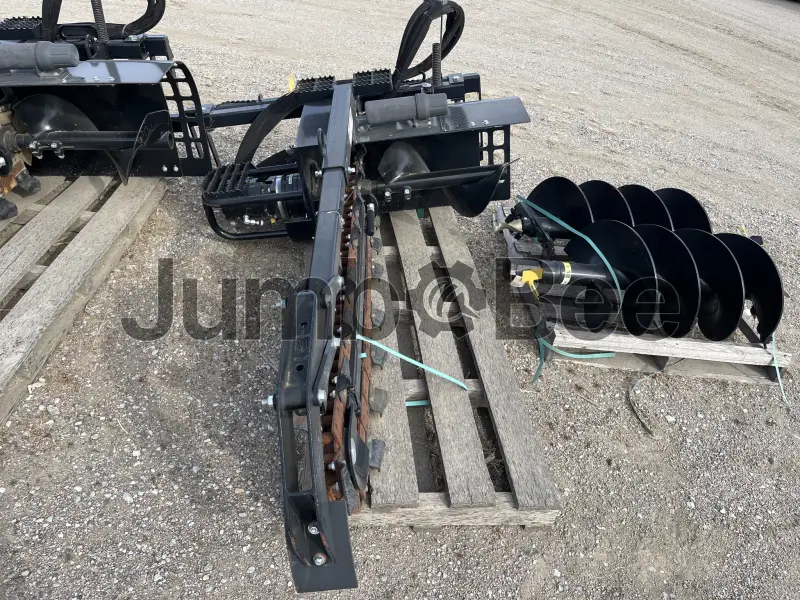
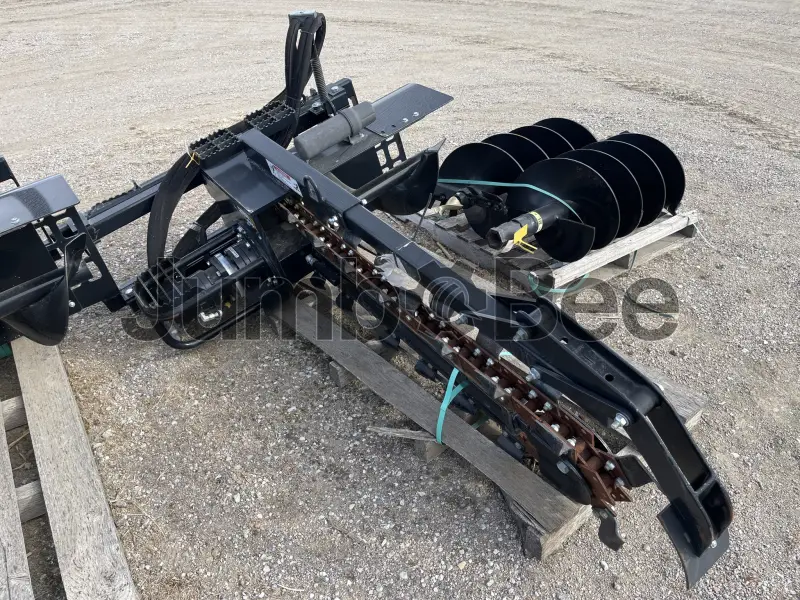
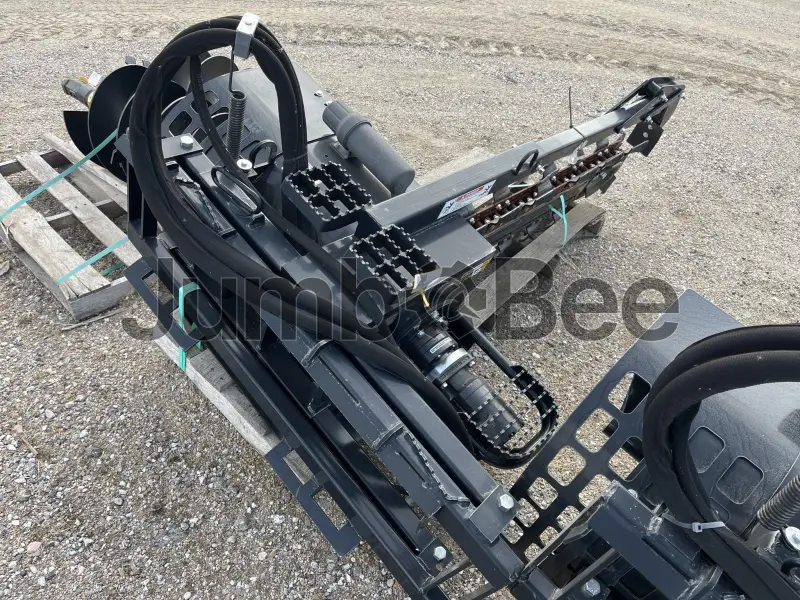
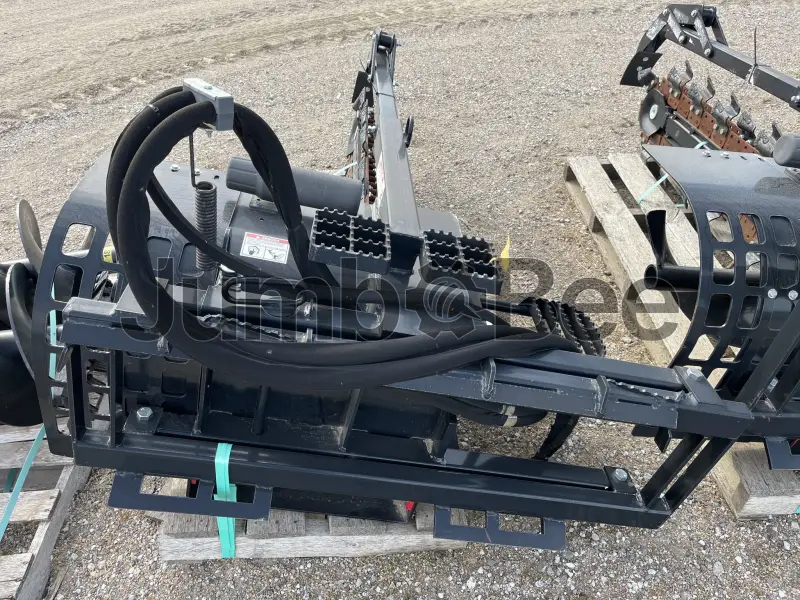
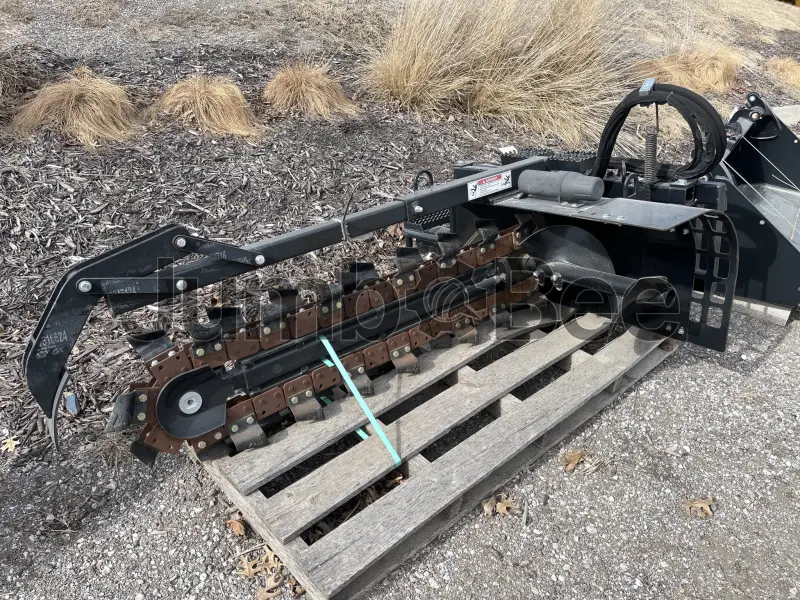
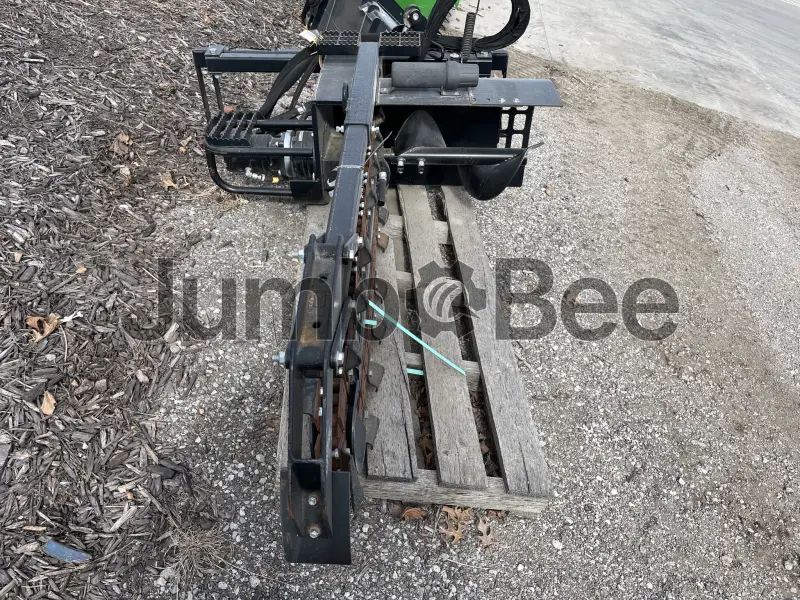
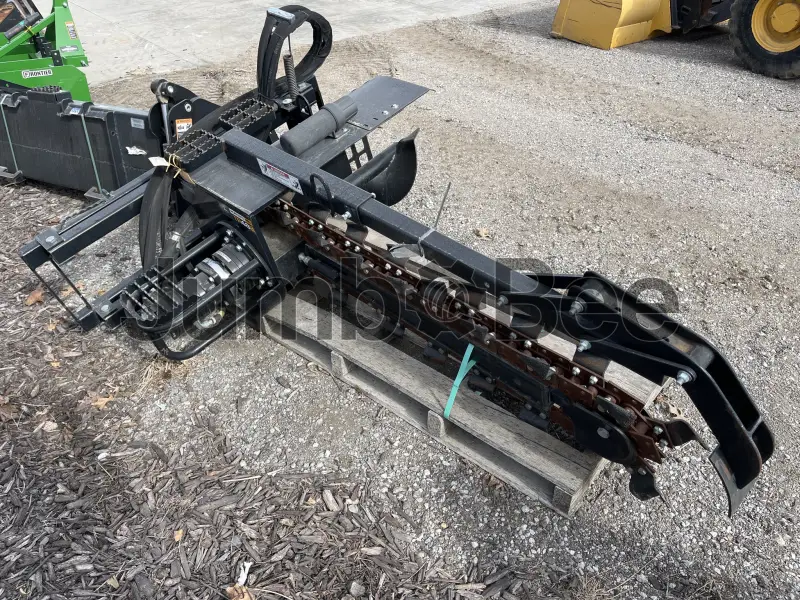
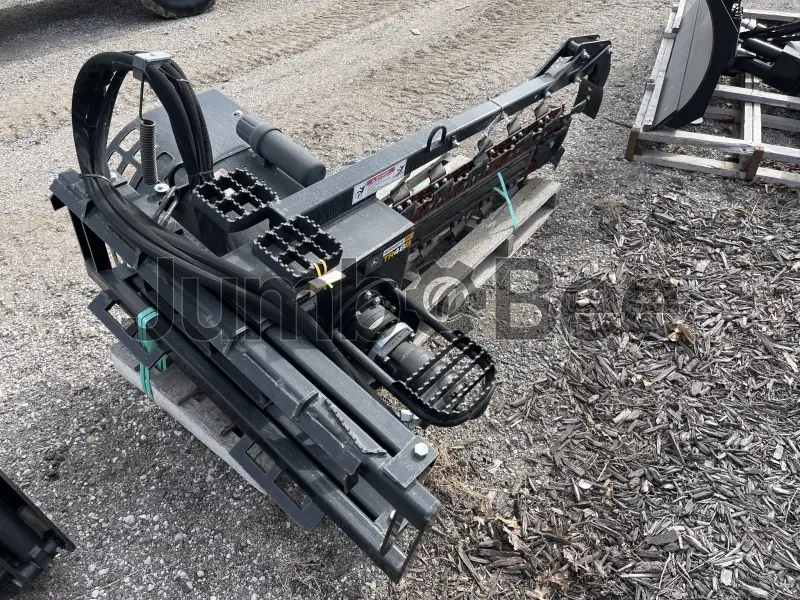
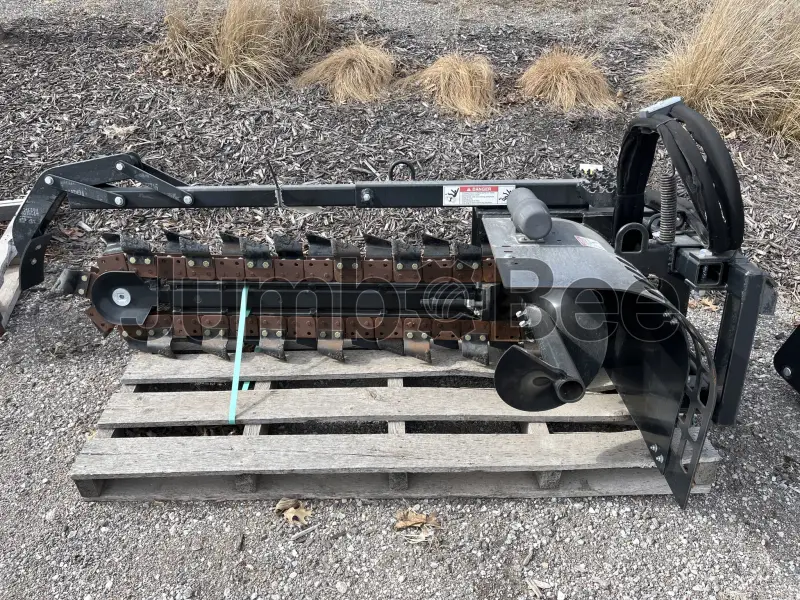
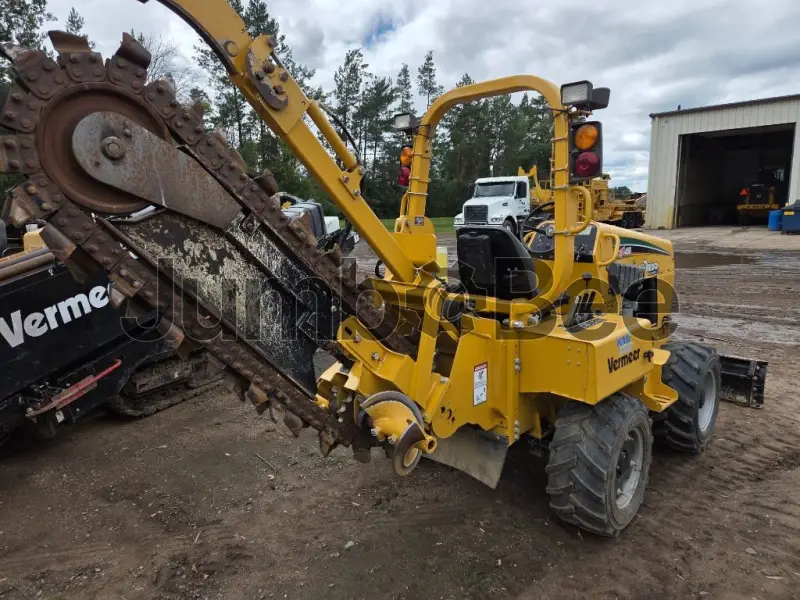
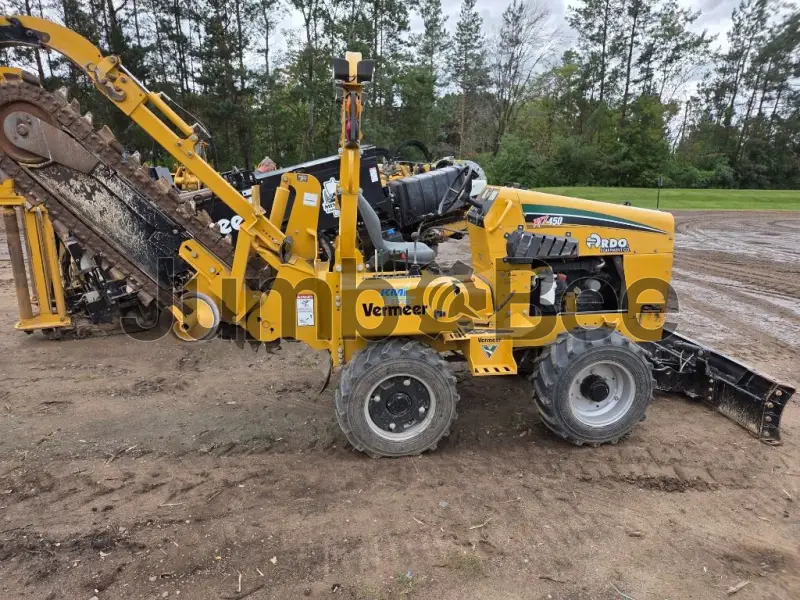
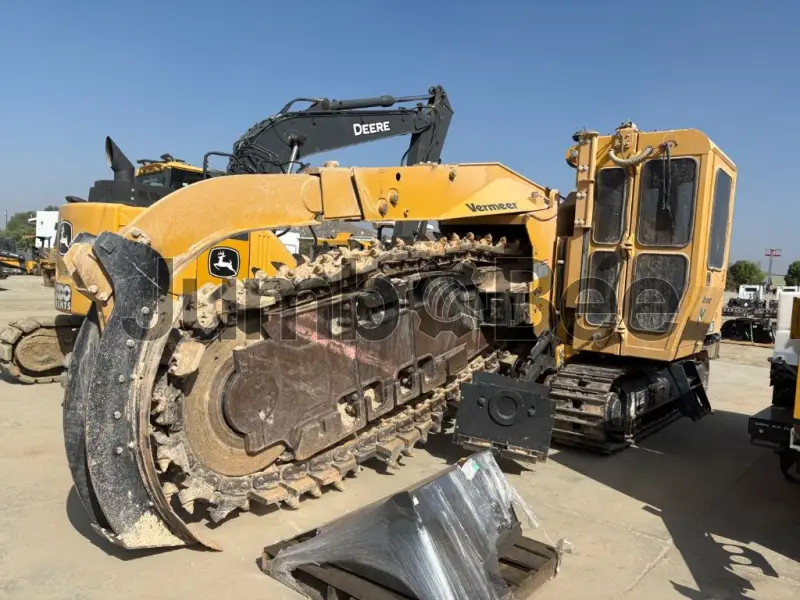
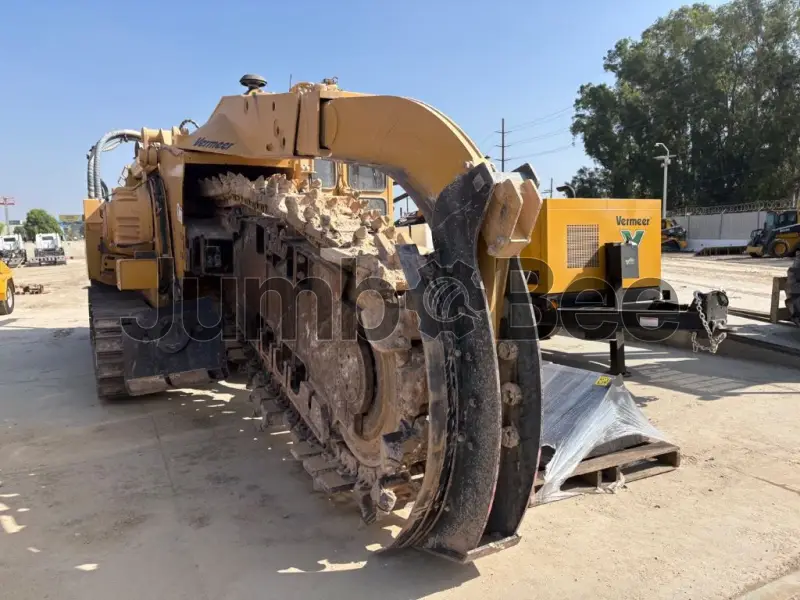
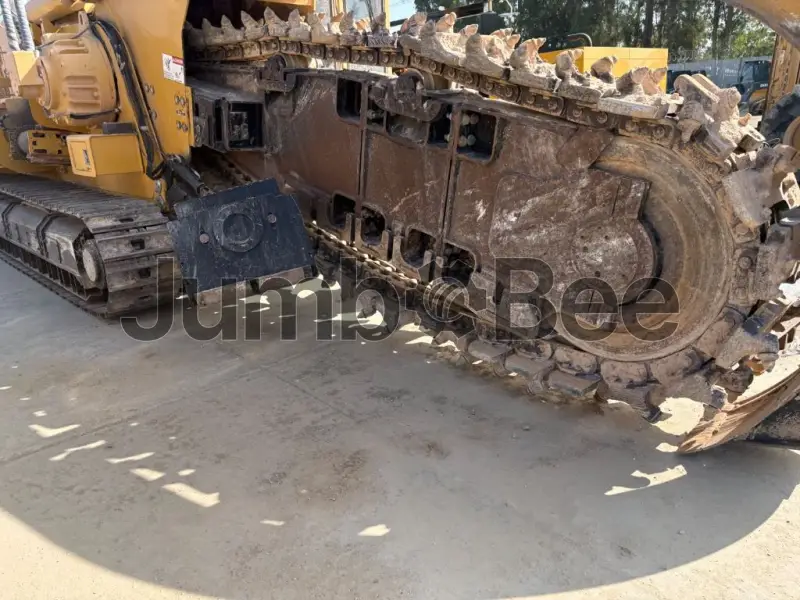
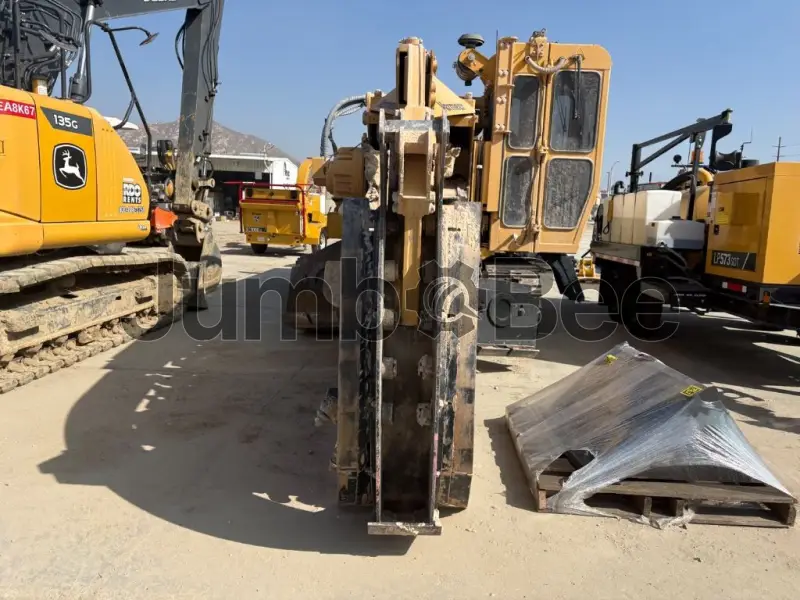
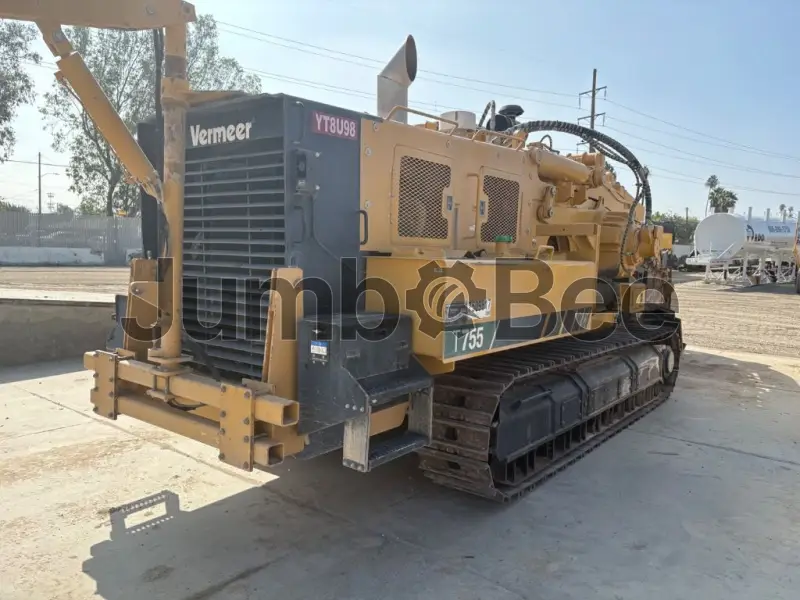
Drilling & Trenching Equipment Models
Drilling & Trenching Equipment
Heavy equipment insights from JumboBee
November 23, 2026
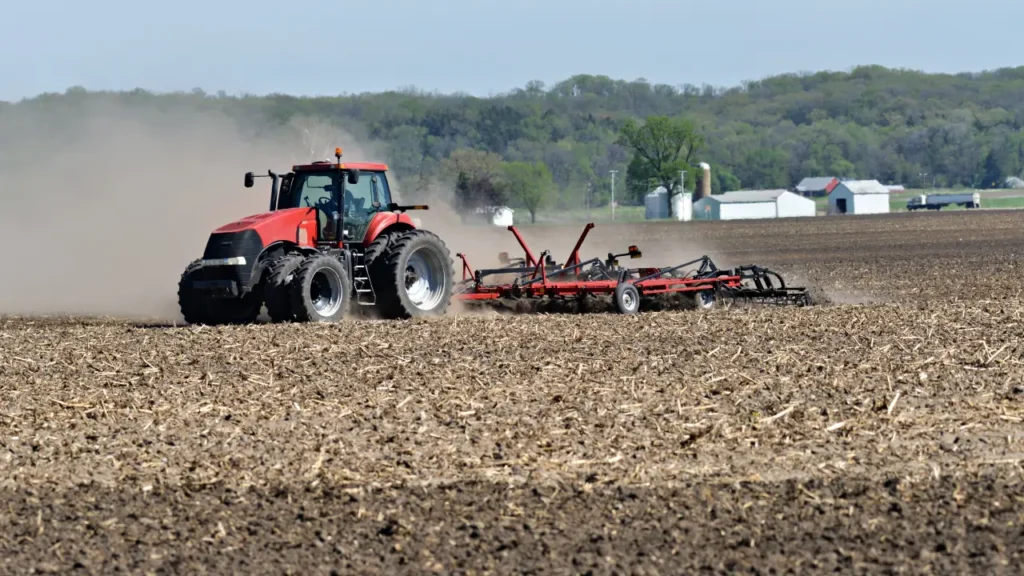
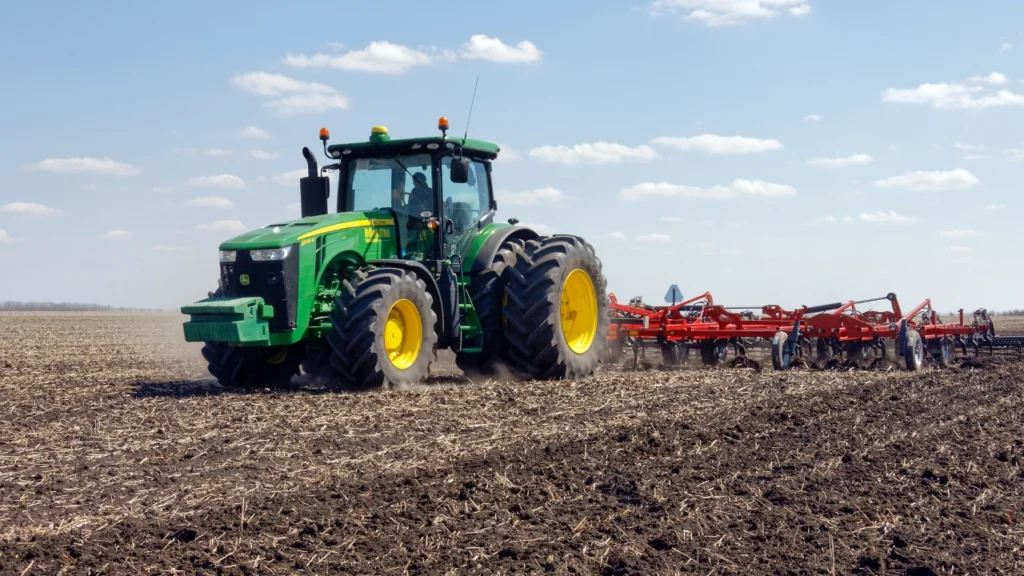
Types of Tillage Equipment: How to Choose the Right Implements for Your Farm
Compare tillage implements and learn what to look for when buying used equipment.
November 20, 2026
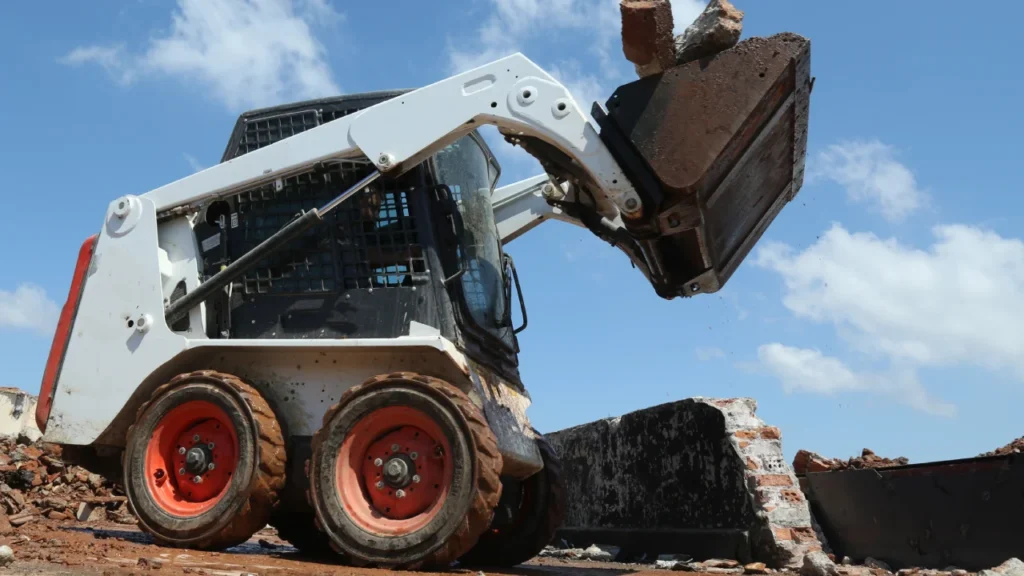
Types of Cultivators: What They Are, How They Work and How to Choose
Compare different types of farm cultivators, their uses, and what to look for when buying used.
November 9, 2026
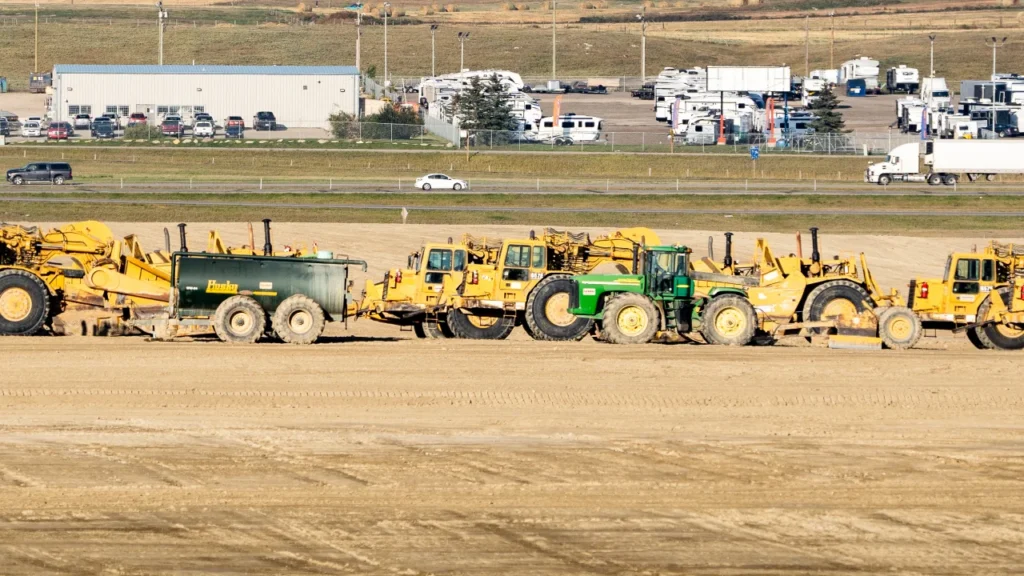
Skid Steer Loader Brands Compared: CAT vs Bobcat vs John Deere
A side-by-side comparison of CAT, Bobcat and John Deere skid steers by size class, capacity, power and hydraulics.
November 2, 2026
Buying & Selling Heavy Equipment in Canada: Market Guide for Global Buyers
This guide explains how the Canadian heavy equipment market works for international buyers and sellers.
October 9, 2026
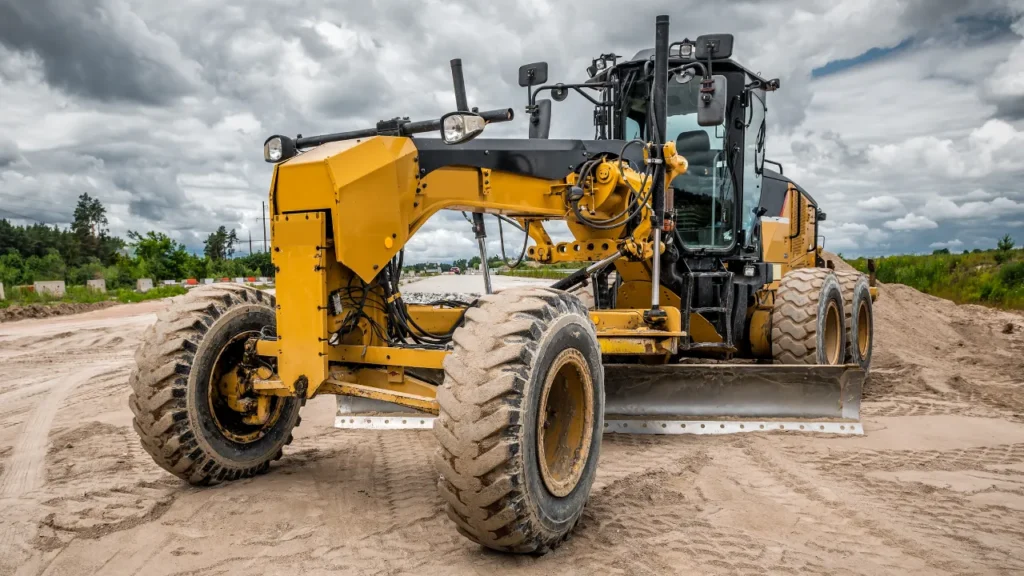
Motor Grader Buying Guide: Sizes, Top Brands, and What Contractors Should Look For
This guide helps buyers select the right motor grader for their needs and maximize ROI across construction, mining, and snow removal.
August 25, 2026
Repair, Rebuild or Replace Heavy Equipment: 2026 Cost-Based Decision Guide
This guide provides a mathematical approach to help you decide what to do with your aging machinery in 2026.
CUTTING NARROW TRENCHES FAST
A trencher cuts narrow, precise trenches for utility cable, irrigation, drainage tile, water lines and fiber. It removes far less soil than an excavator, so backfilling is faster and the surface is less disturbed. Crews can often lay cable and backfill in the same day. Less spoil also means less cleanup.
WALK-BEHIND, RIDE-ON OR LARGE
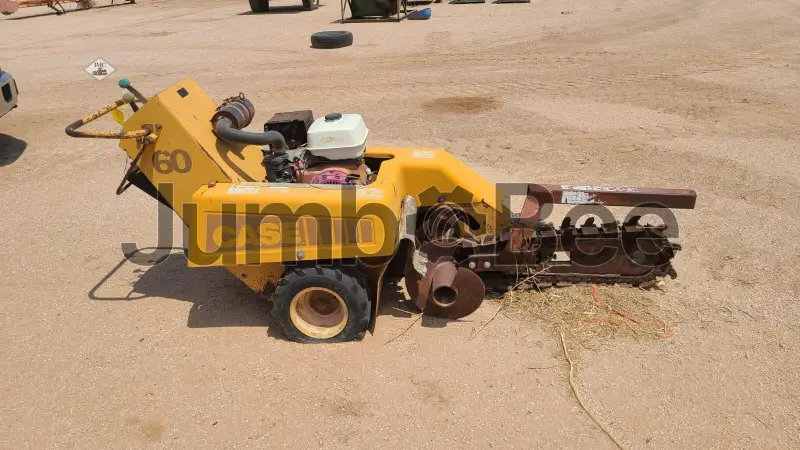
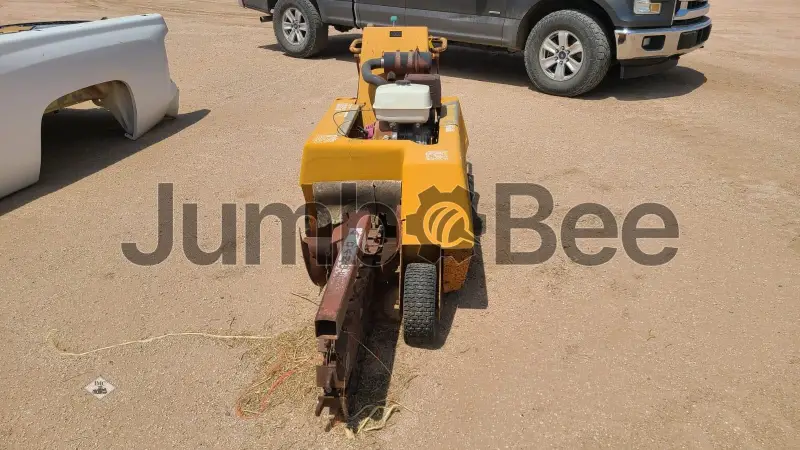
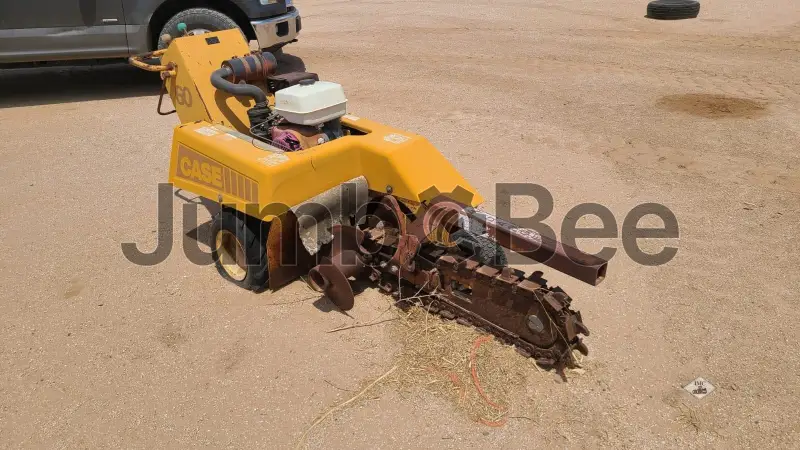
Walk-behind trenchers handle irrigation, landscape lighting and short utility runs. Ride-on trenchers, often on tracks or wheels, handle longer and deeper runs and can carry backhoes or vibratory plows. Large trenchers cut wide, deep trenches for pipelines and drainage.
CHAINS, ROCK WHEELS AND MICROTRENCHERS
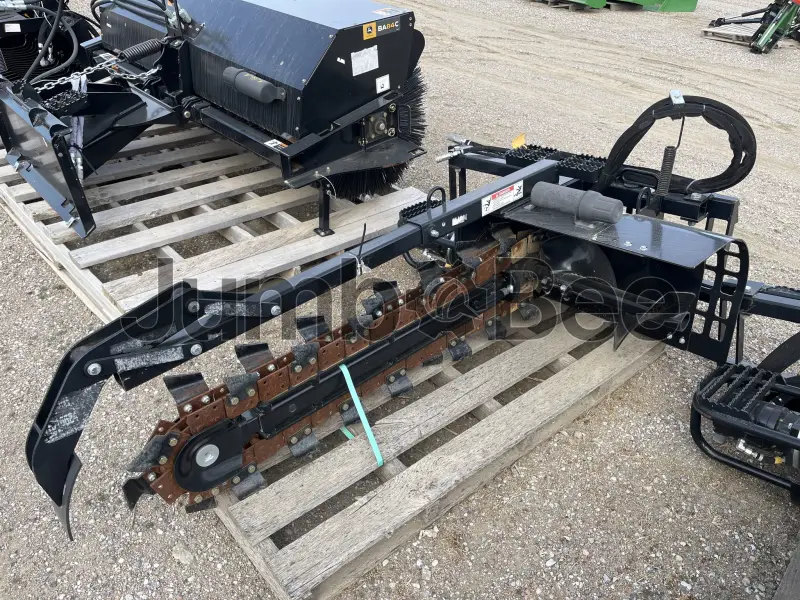
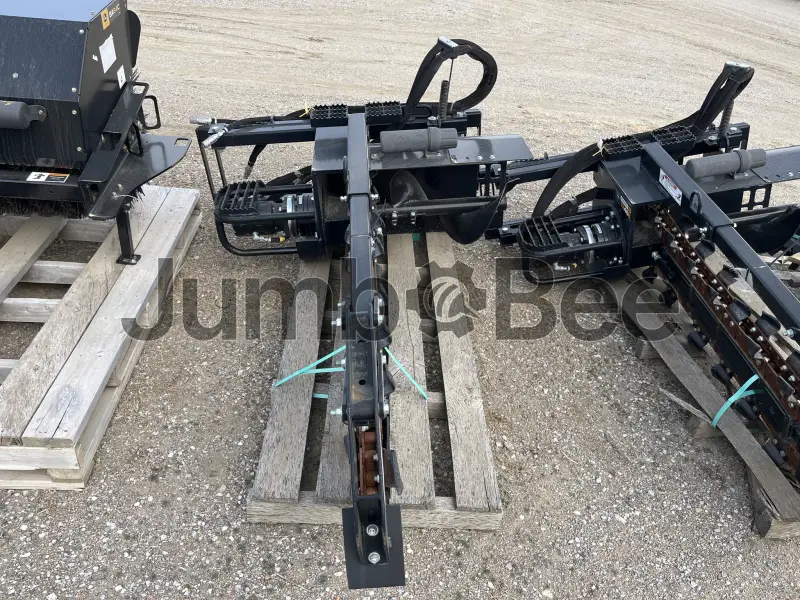
Chain trenchers work in most soils, with different teeth for dirt and rock. Rock wheels cut through hard rock and pavement. Microtrenchers cut narrow slots in pavement for fiber installation.
DEPTH AND WIDTH
Trenchers are rated by maximum depth and width. Check that the boom length and chain width suit your work. Vibratory plow attachments on ride-on trenchers install cable without a trench, useful for lawns and fiber drops.
INSPECTING A USED TRENCHER FOR SALE
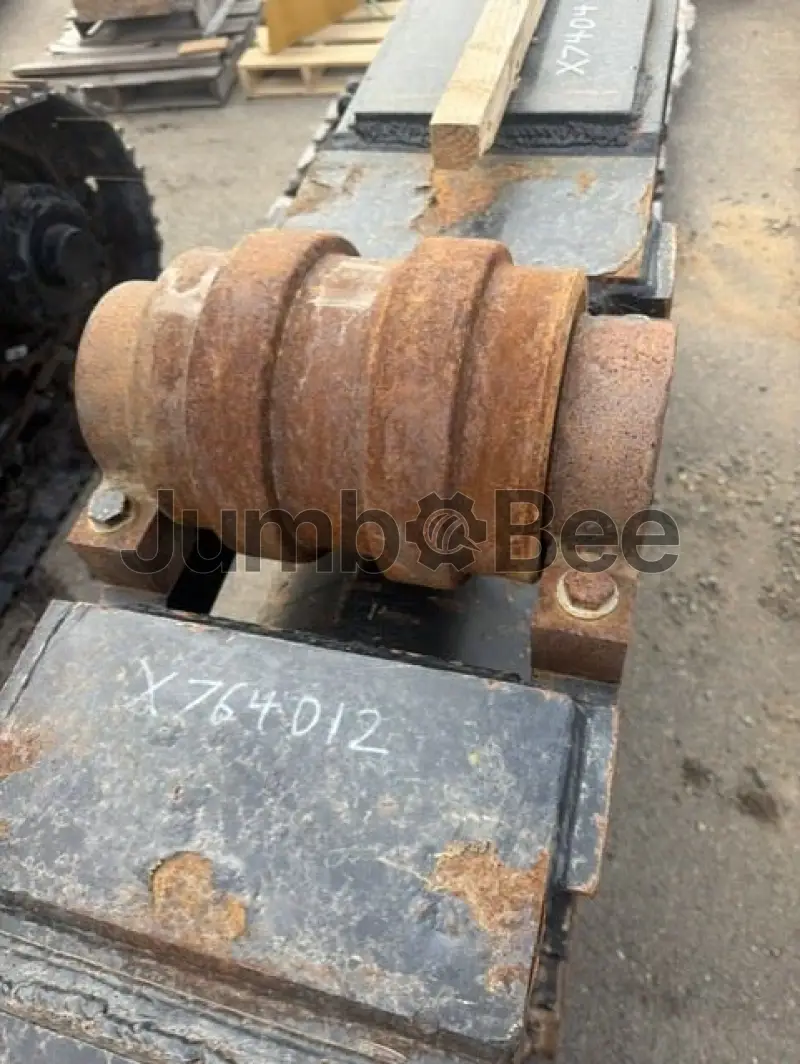
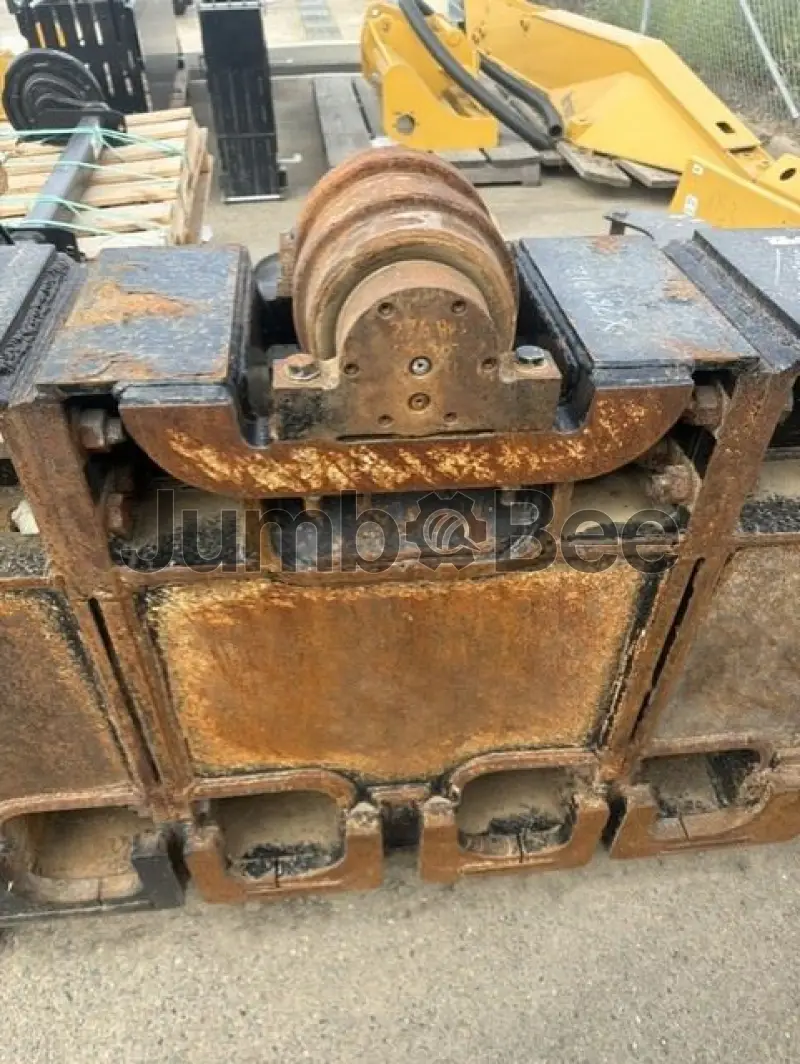
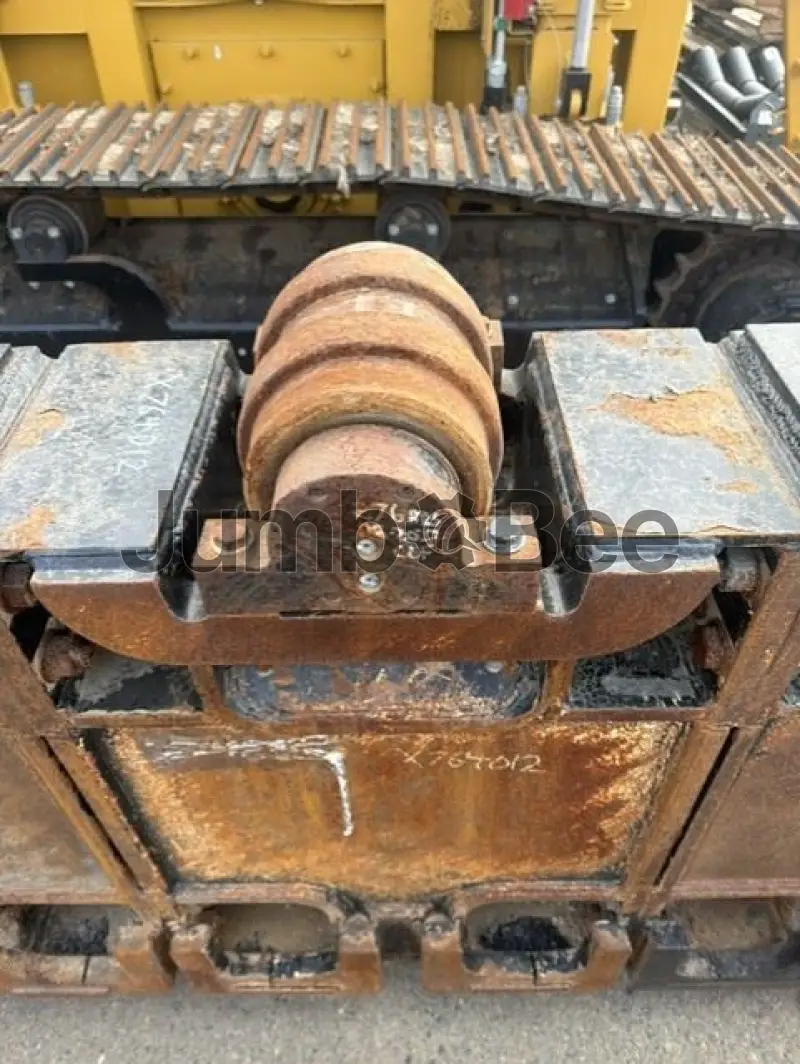
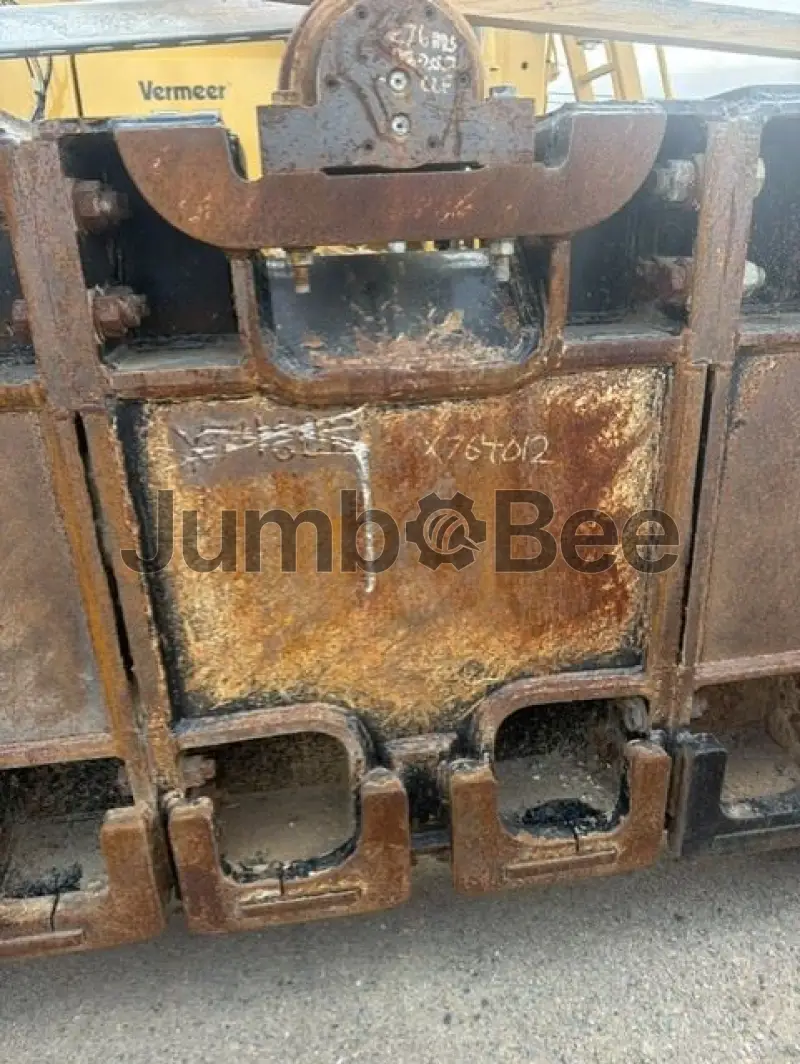
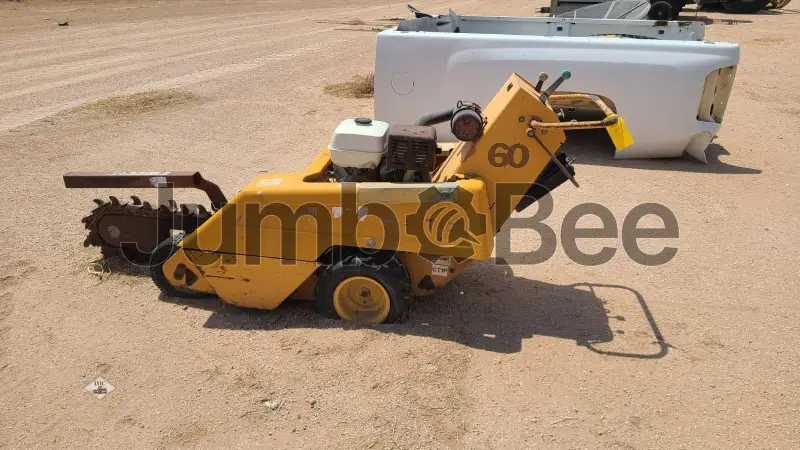
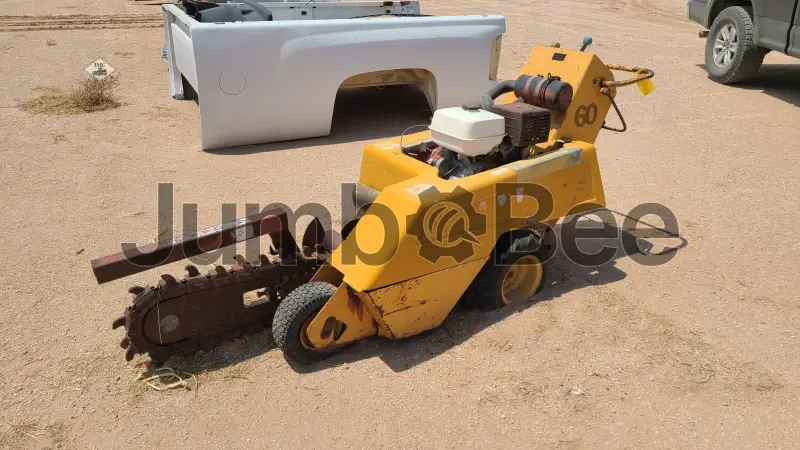
Check the digging chain and teeth, sprockets, boom and its pivot, the crumber, the drive and hydrostatic system, tracks or tires, the engine and hours. If you buy used trencher equipment, run it in the ground to check chain tension and digging speed.
USED TRENCHER PRICE
Used trencher price depends on size, depth, attachments, hours and condition. Walk-behind trenchers are affordable, while large ride-on units cost more.
UTILITY LOCATES
Always call for utility locates before trenching.
Got Questions?
Our FAQ section covers everything from shipping and listing to buying with confidence.
WHAT SHOULD YOU LOOK FOR IN A TRENCHER?
- Chain or wheel cutting system matched to your soil conditions and application
- Maximum trench depth and width for your installation requirements
- Tracked or wheeled undercarriage based on terrain and jobsite access
- Cutting chain, wheel, teeth, and wear component condition
- Spoil conveyor or discharge system for efficient material handling
HOW TO CHOOSE THE RIGHT TRENCHER?
ASSESS YOUR NEEDS
- Determine the required trench depth and width for your project
- Evaluate soil conditions, including soft soil, rocky ground, clay, or frozen terrain
- Choose between chain and wheel cutting systems based on digging requirements
- Select tracked or wheeled configurations depending on jobsite conditions
- Consider transportation needs and available working space
KEY FEATURES
- Cutting depth and trench width capabilities
- Chain or wheel cutting system and tooth condition
- Undercarriage type and traction performance
- Spoil removal and conveyor options
- Hydraulic system power and digging performance
WHAT IS MORE PROFITABLE TO BUY A USED TRENCHER OR A NEW ONE FROM A DEALER?
NEW: Full warranty coverage, new cutting components, and the latest hydraulic technology, but with a higher upfront cost.
USED: Lower purchase price and proven performance from utility and construction fleets. Since cutting components are easier to inspect than many other equipment systems, buyers can evaluate remaining service life before purchase. JumboBee's pre-sale inspection option checks digging chains, cutting wheels, hydraulics, and undercarriage condition.
WHAT ARE THE ADVANTAGES OF A NEW OR USED TRENCHER?
New
- Full warranty protection
- Fresh cutting teeth and wear components
- Latest hydraulic and control technology
Used
- Lower purchase cost
- Proven digging performance
- Wide selection of available models
HOW CAN I ARRANGE THE SHIPPING OF A TRENCHER?
JumboBee arranges transportation for trenchers of all sizes, including flatbed shipping for compact walk-behind machines and heavy-haul logistics for larger pipeline trenchers.