Directional Drills for Sale
(7 listings)
Browse by subcategory
Popular brands
Only verified sellers list equipment on JumboBee.
Sort by:
Featured
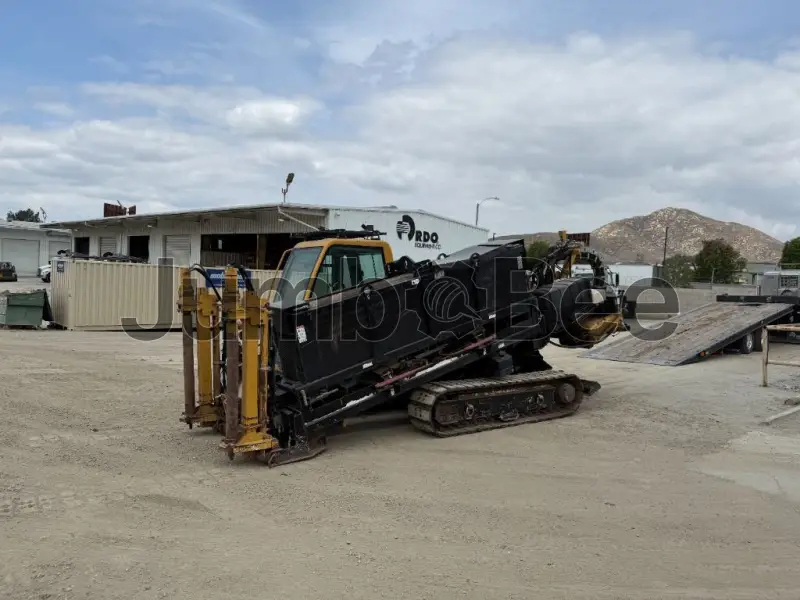
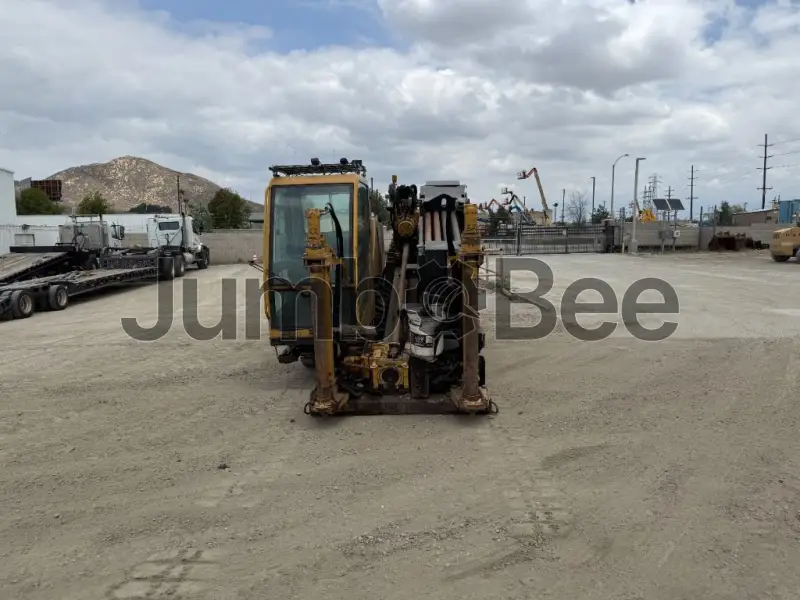
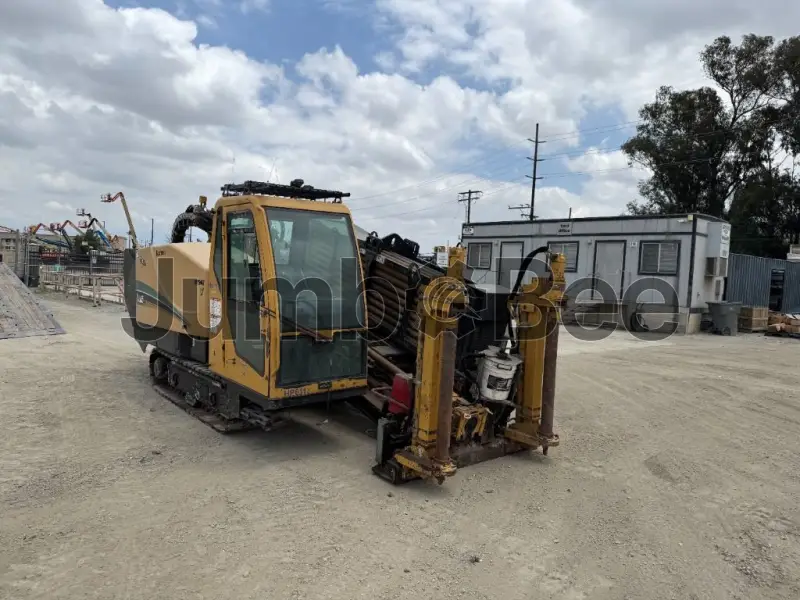
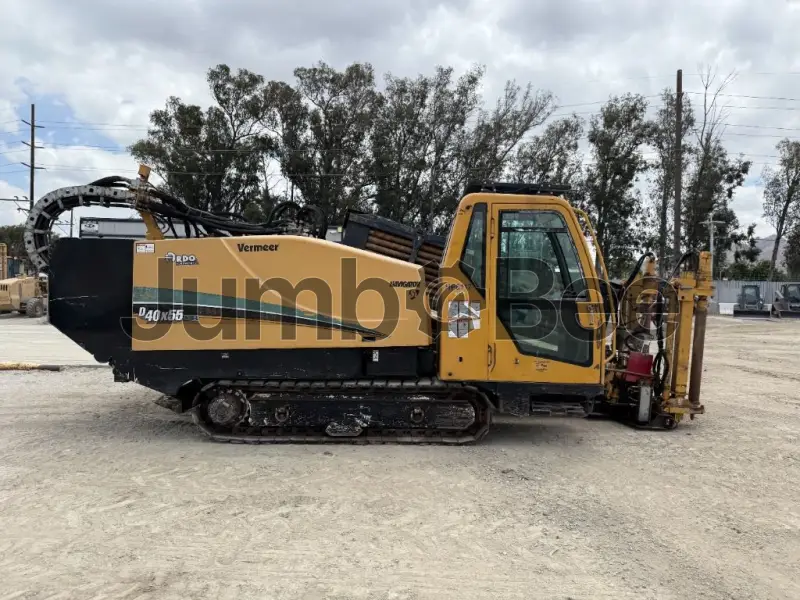
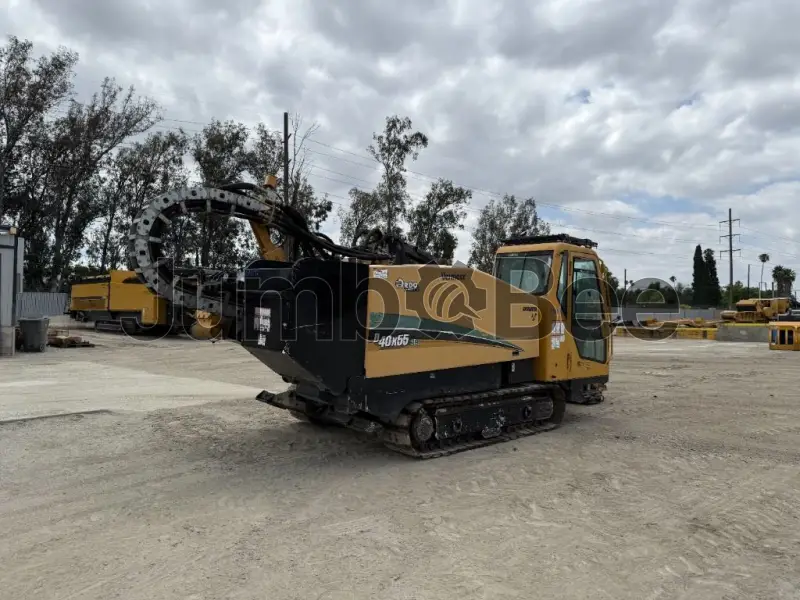
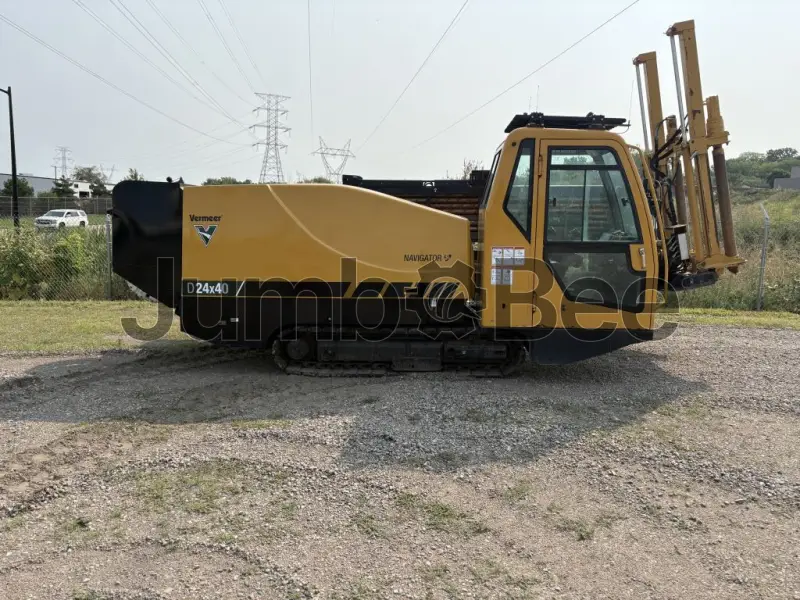
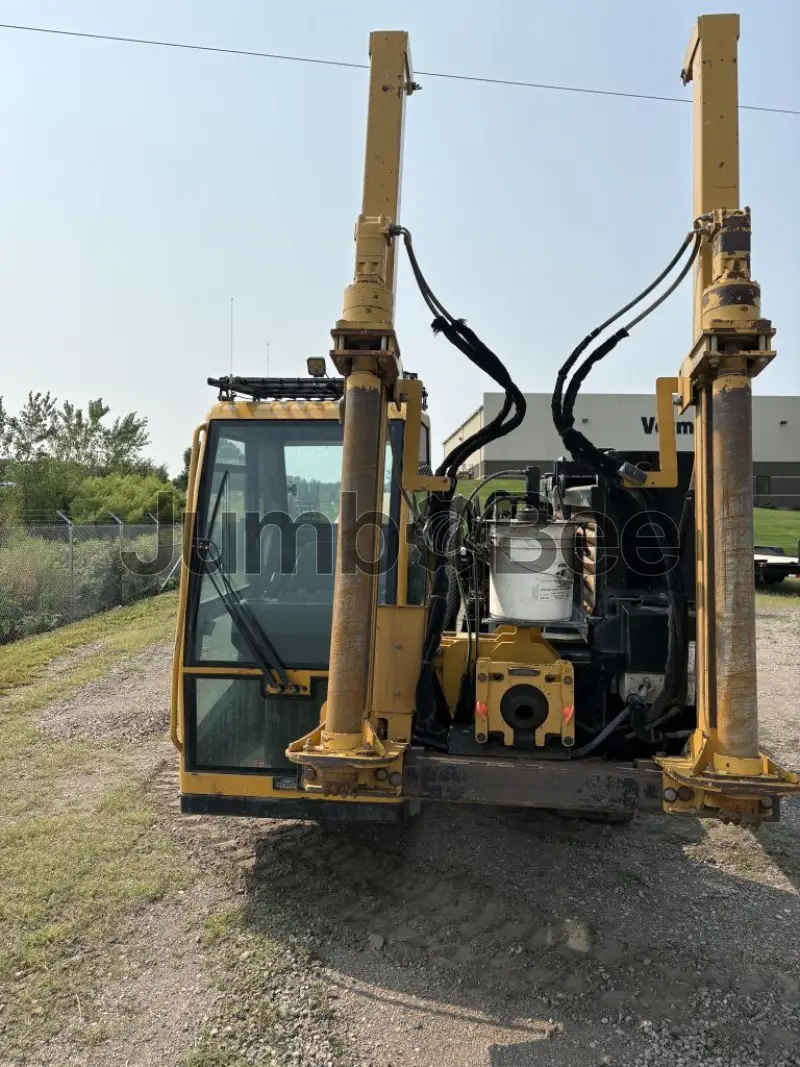
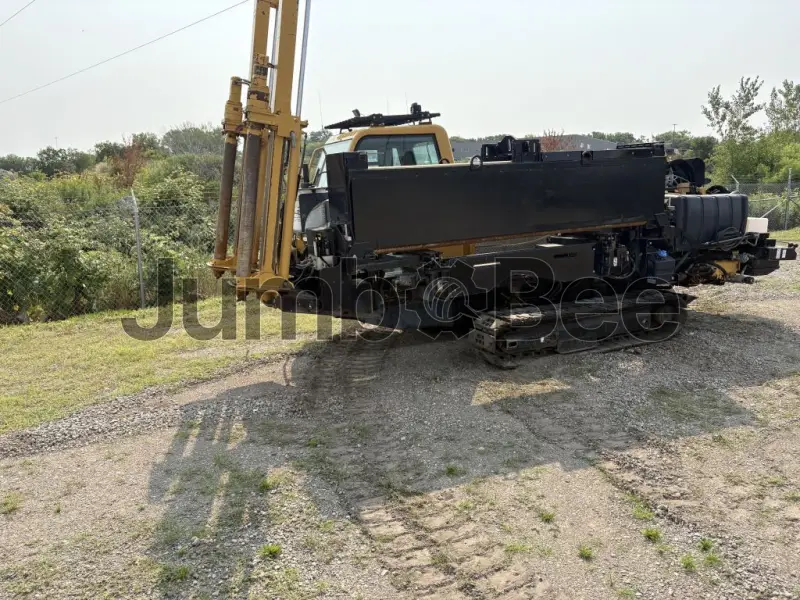
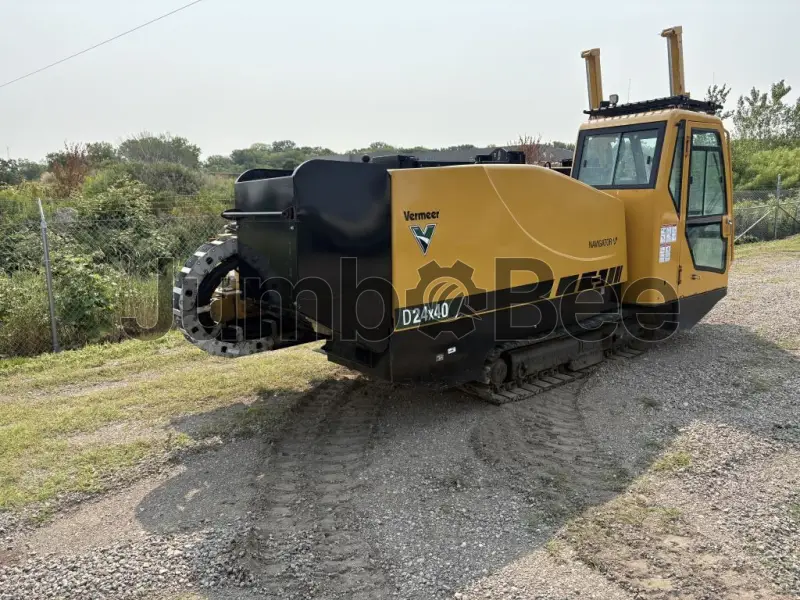
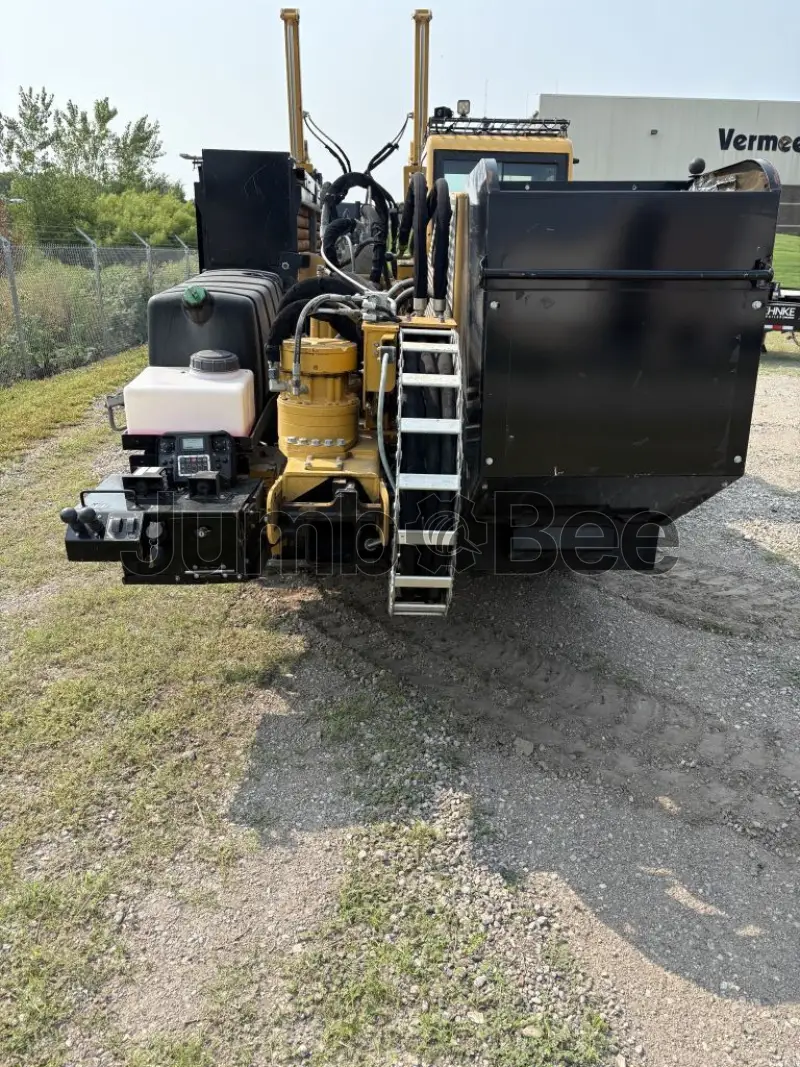
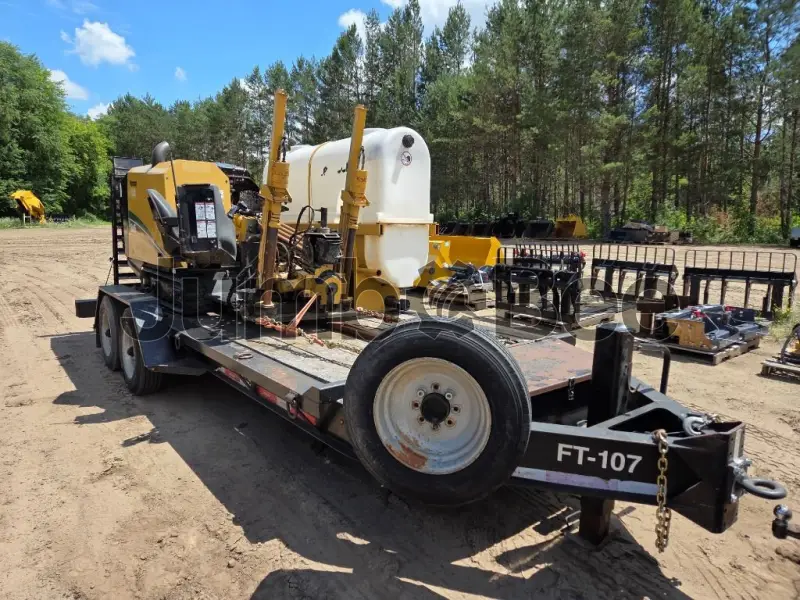
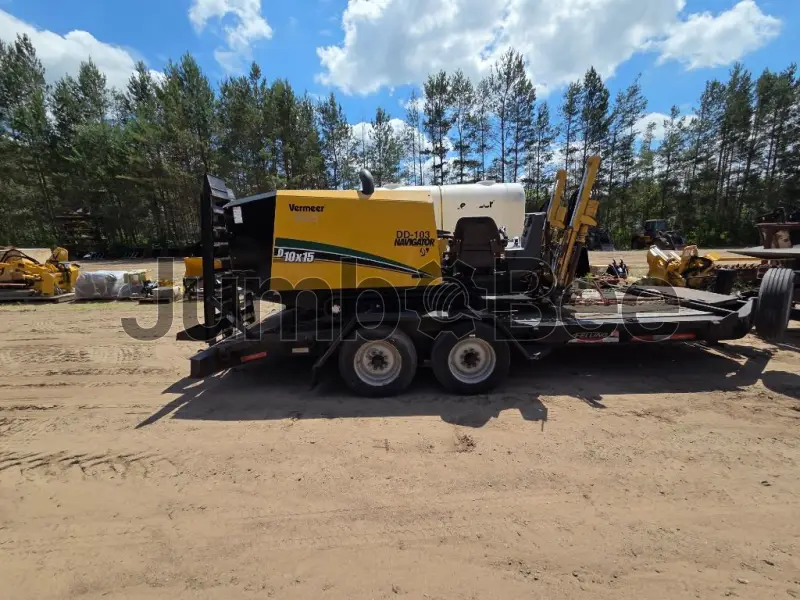
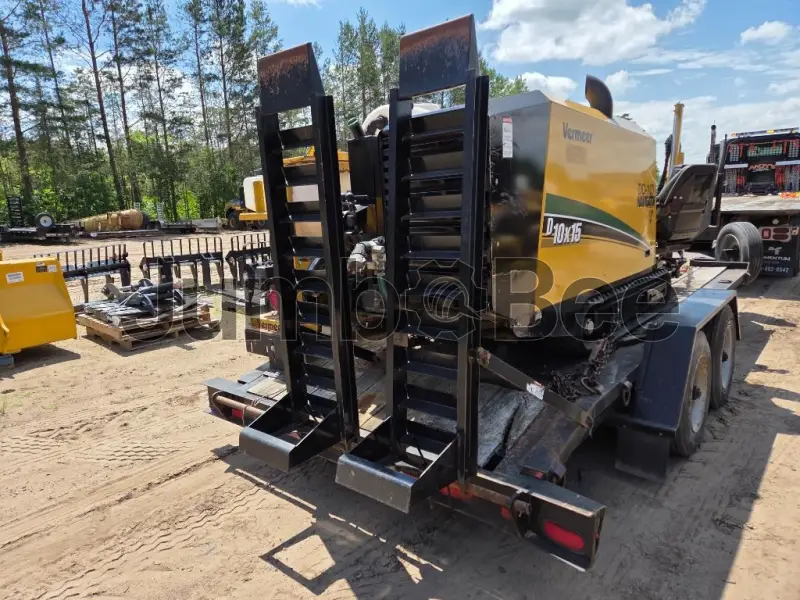
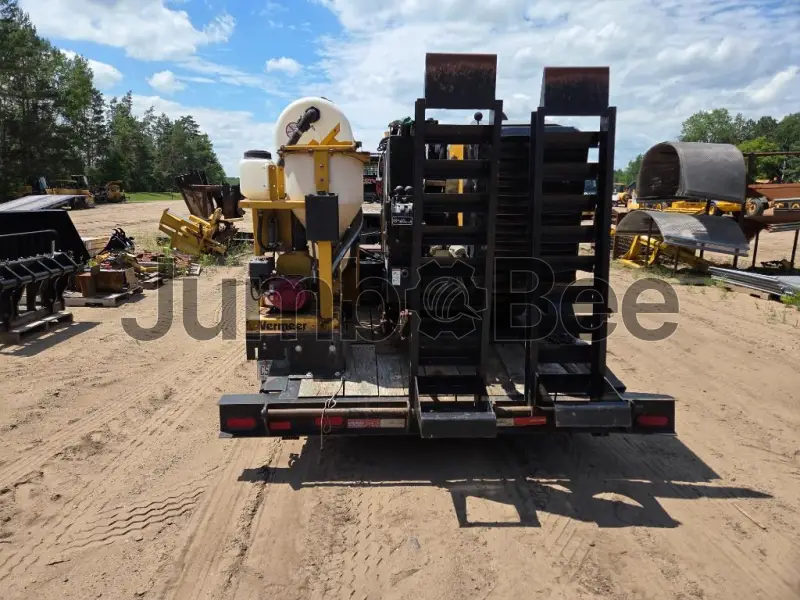
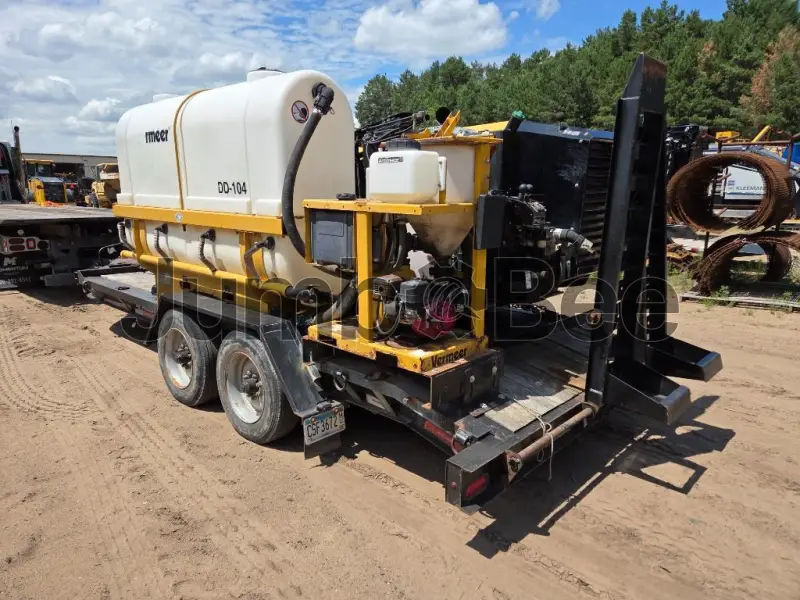
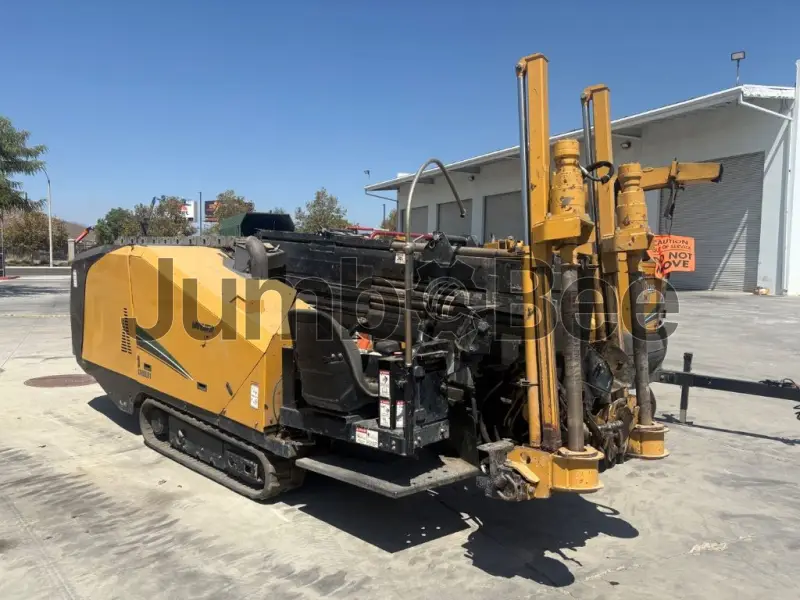
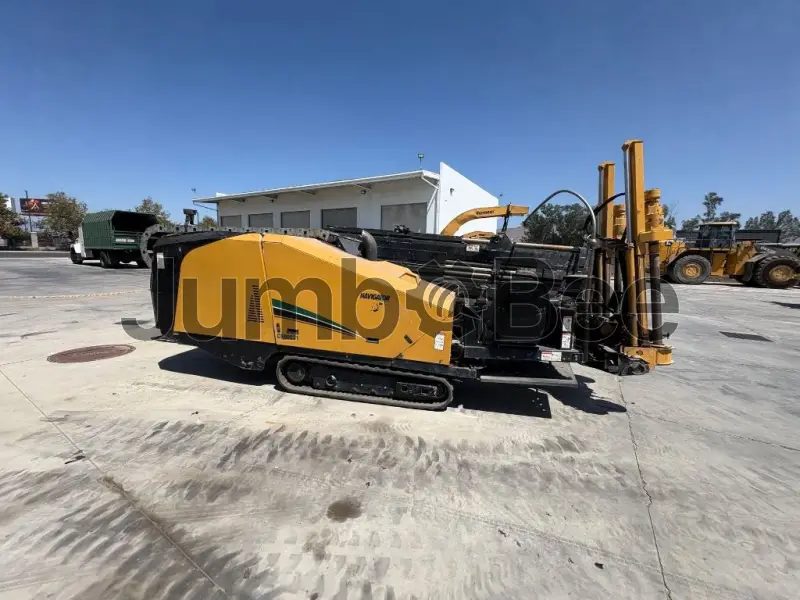
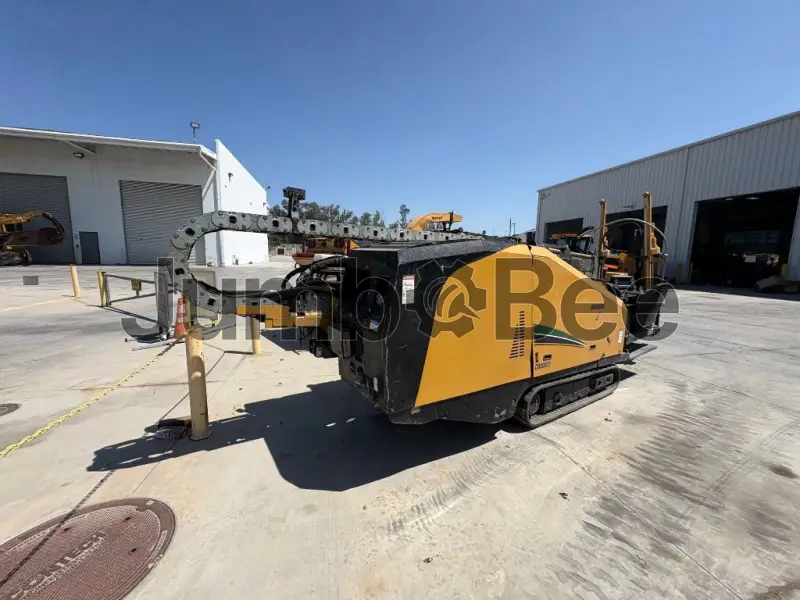
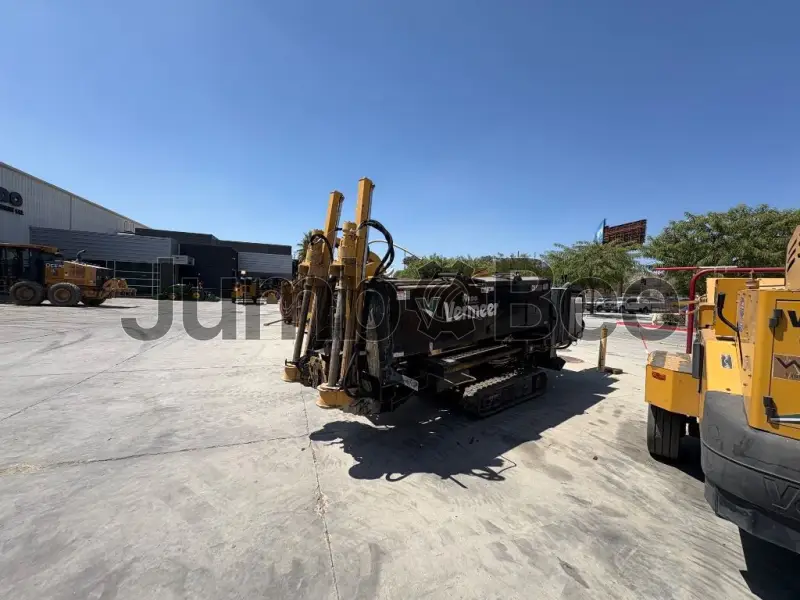
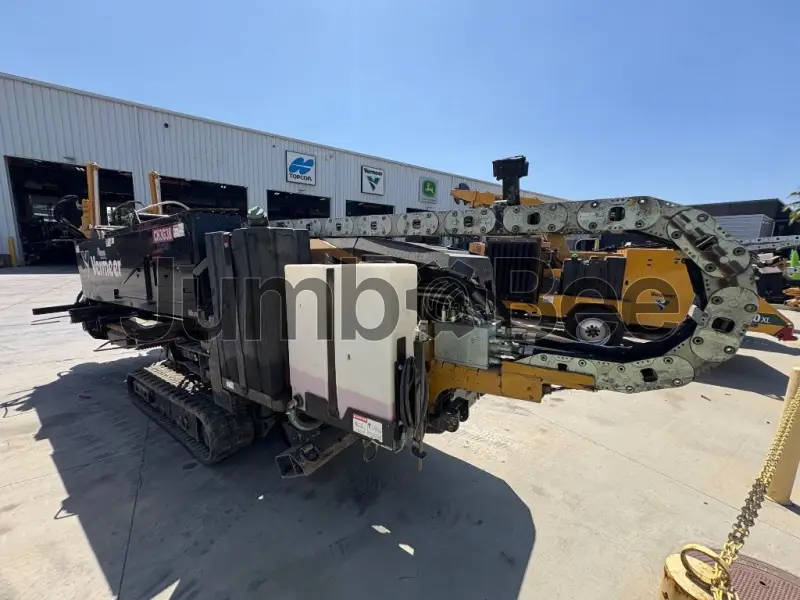
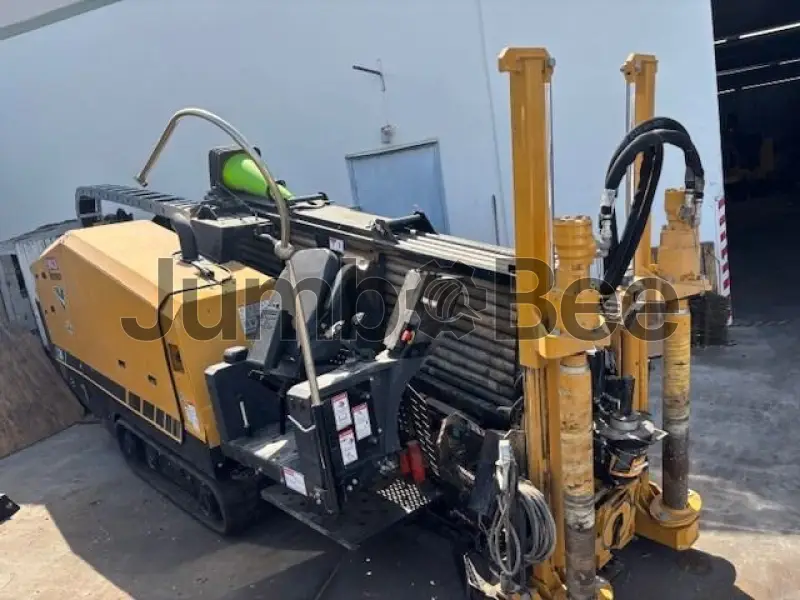
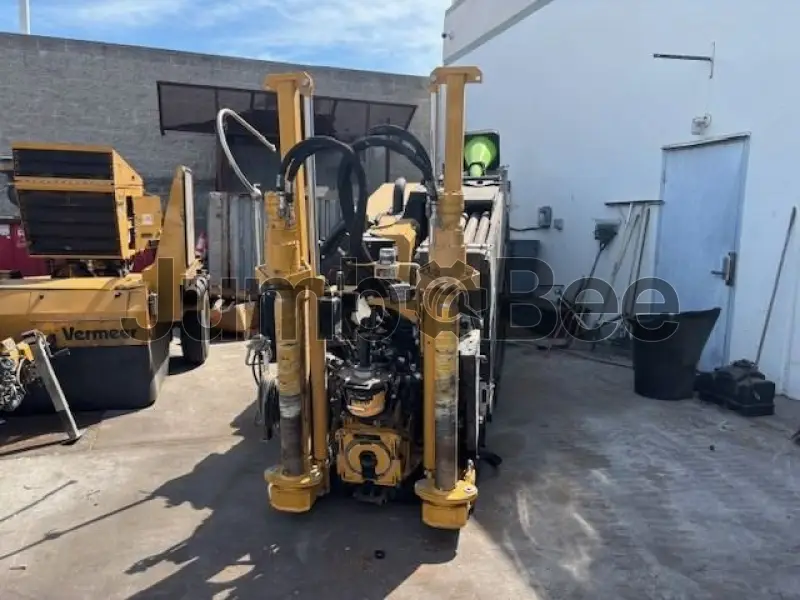
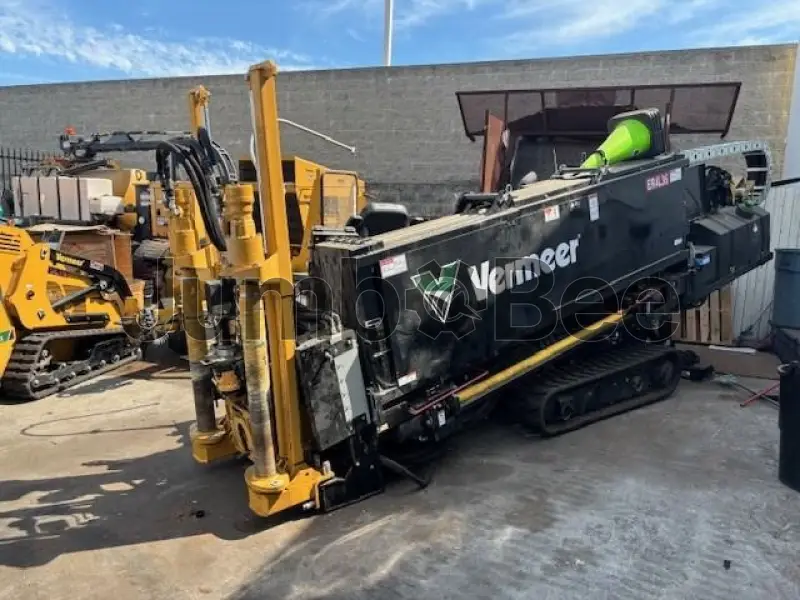
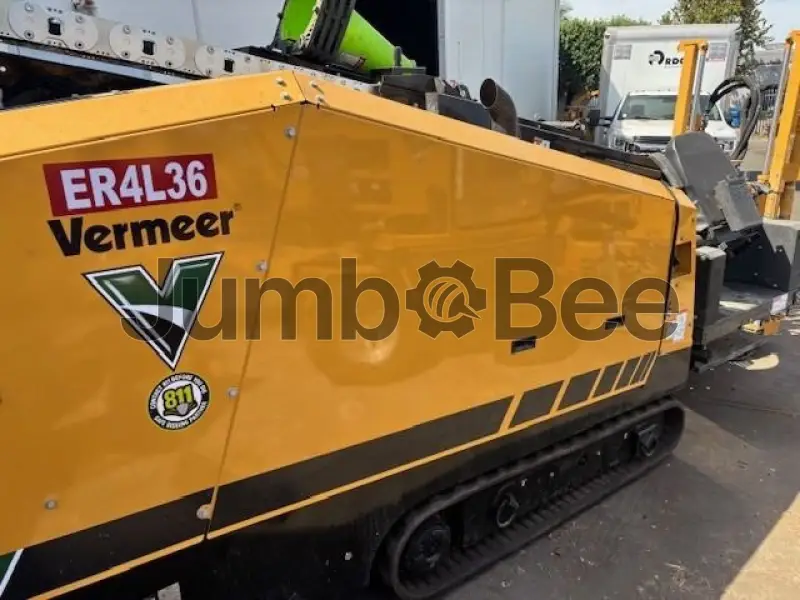
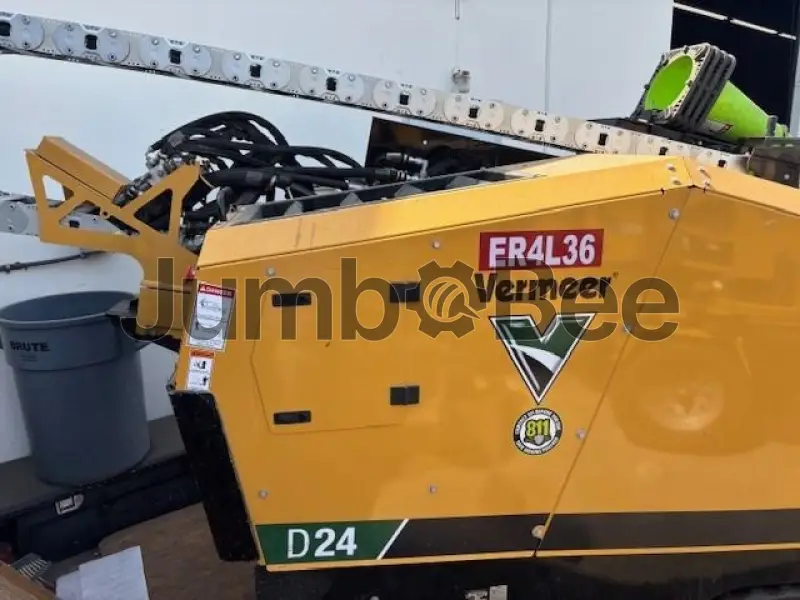
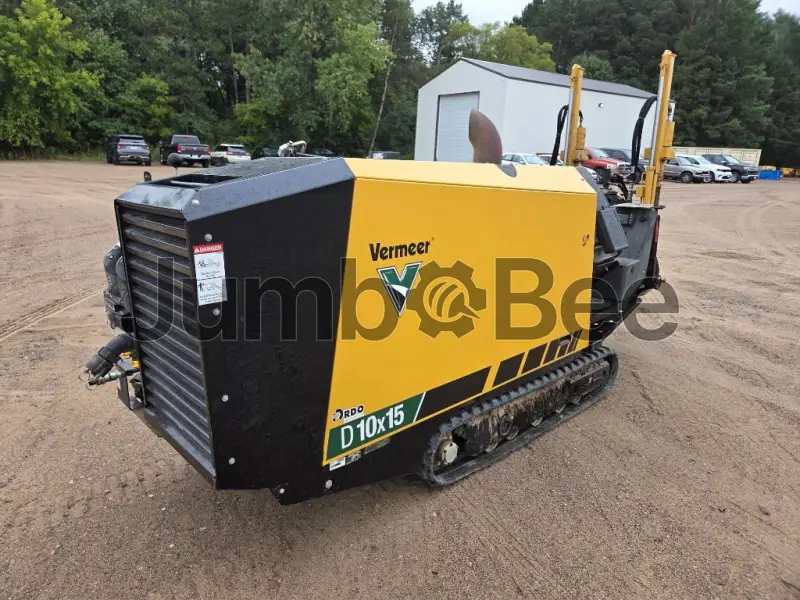
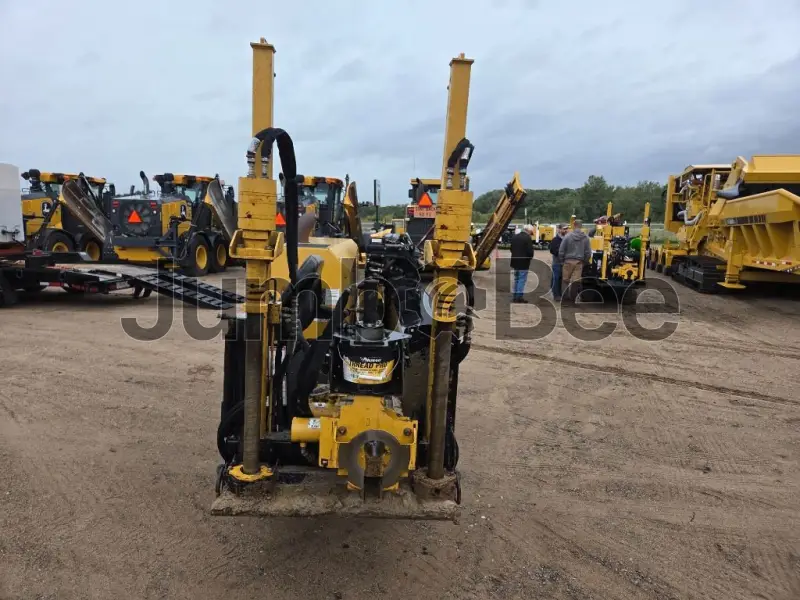
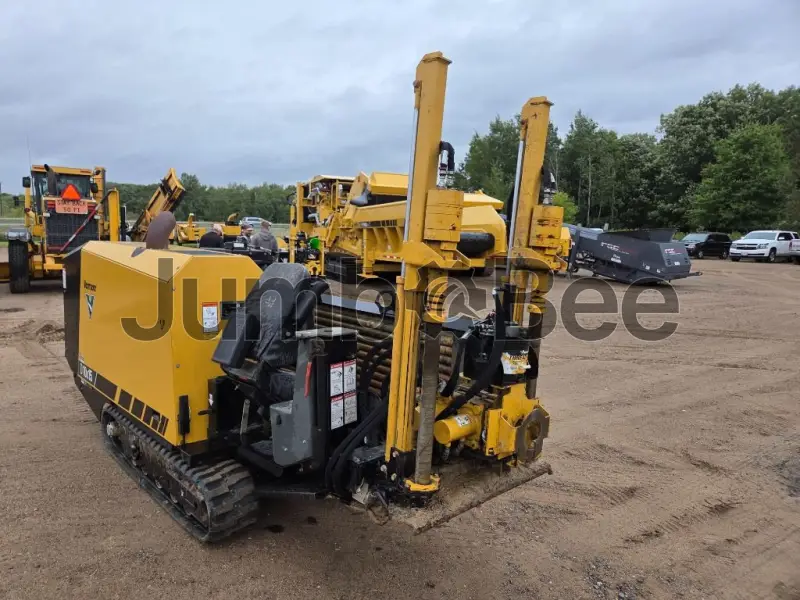
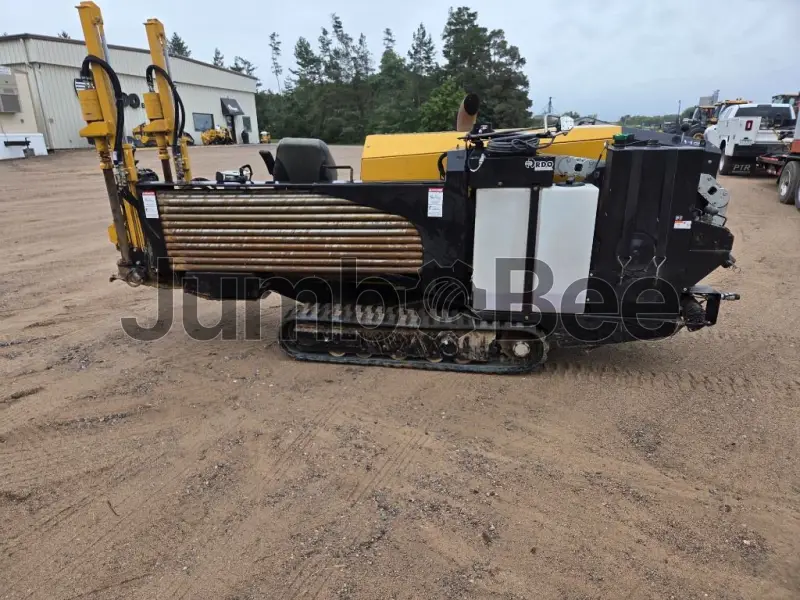
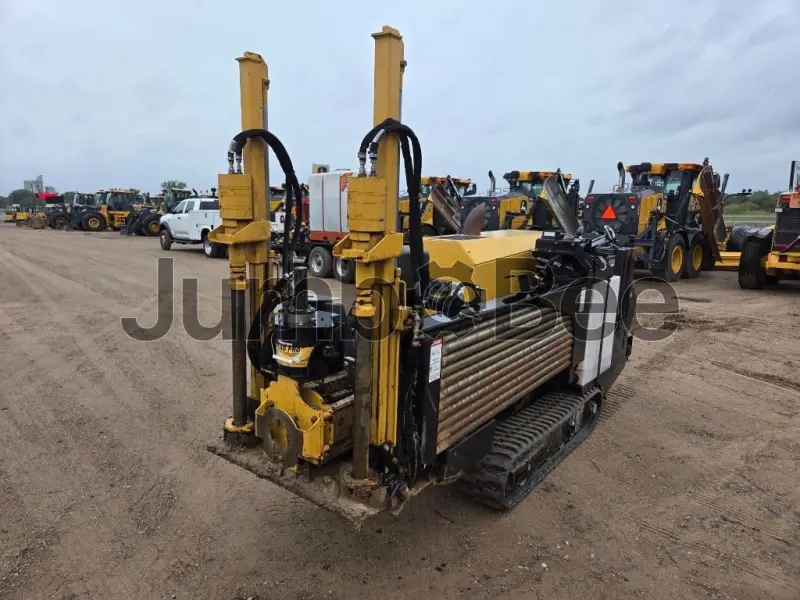
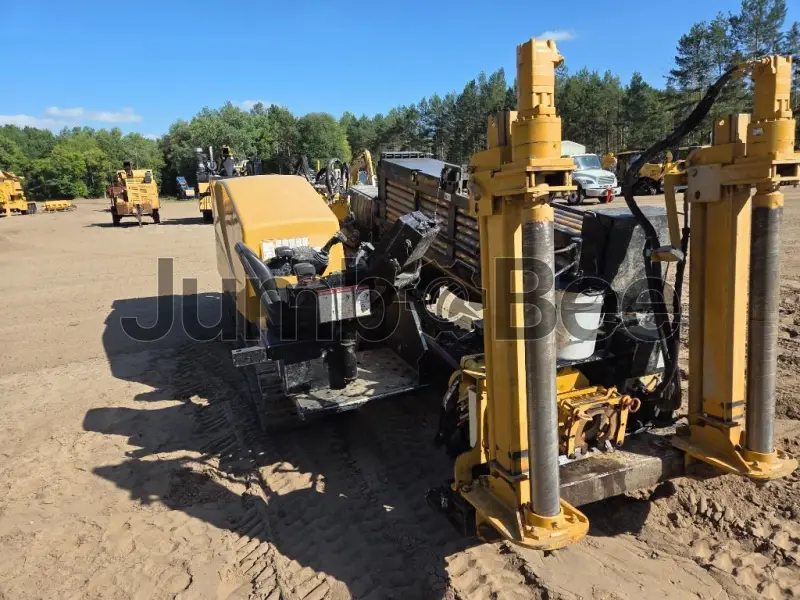
Drilling & Trenching Equipment Models
Drilling & Trenching Equipment
Heavy equipment insights from JumboBee
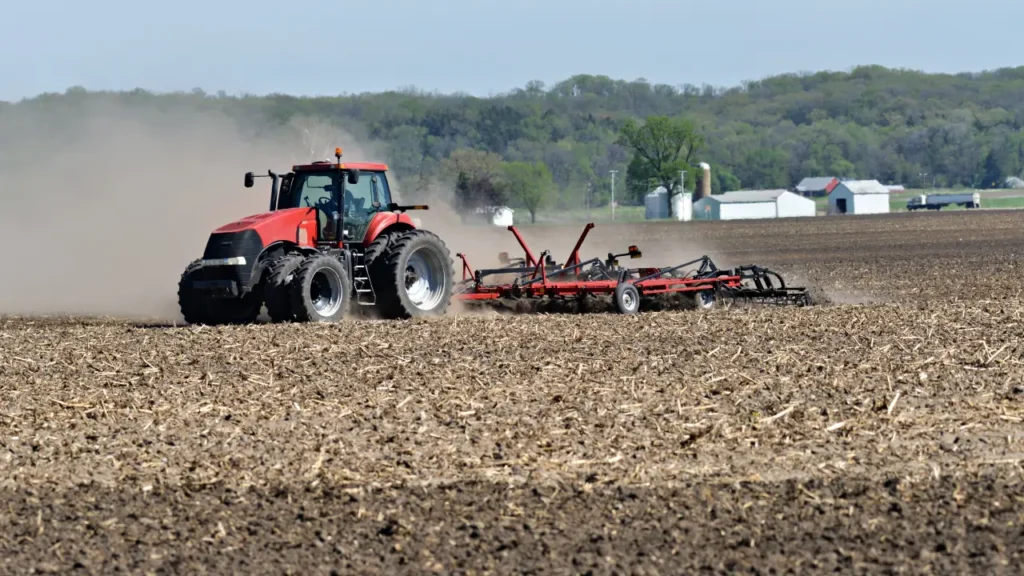
November 23, 2026
Types of Tillage Equipment: How to Choose the Right Implements for Your Farm
Compare tillage implements and learn what to look for when buying used equipment.
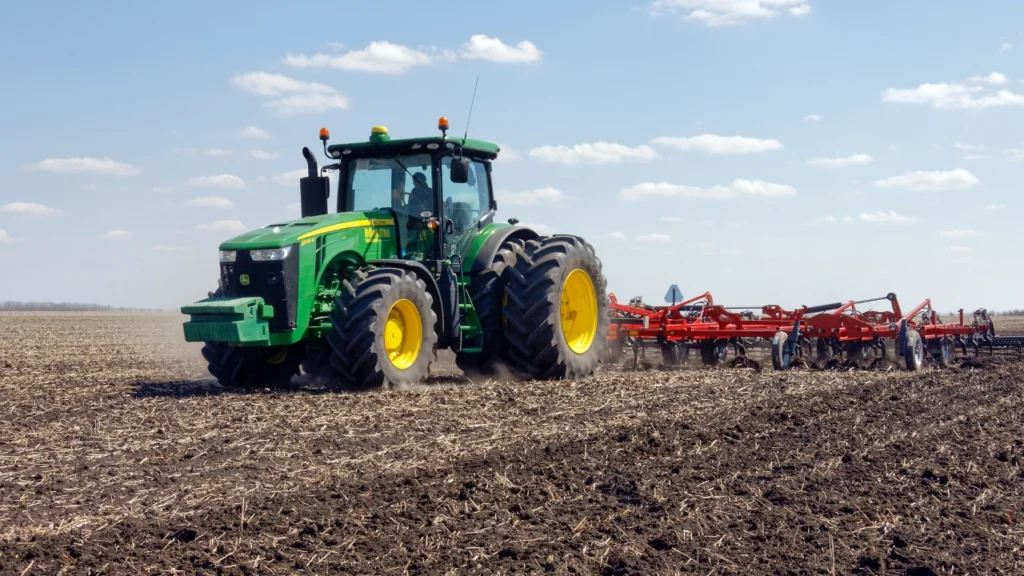
November 20, 2026
Types of Cultivators: What They Are, How They Work and How to Choose
Compare different types of farm cultivators, their uses, and what to look for when buying used.
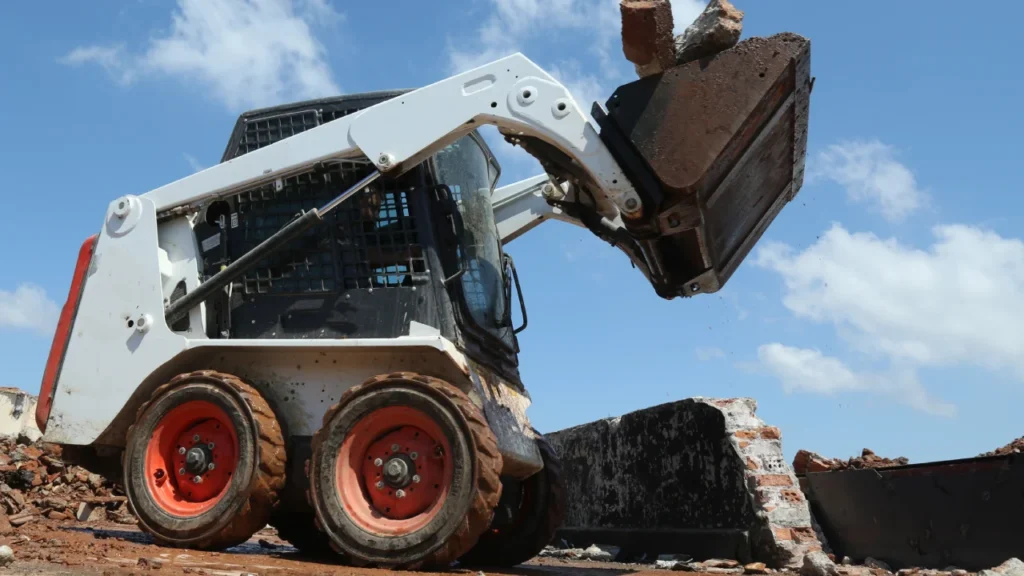
November 9, 2026
Skid Steer Loader Brands Compared: CAT vs Bobcat vs John Deere
A side-by-side comparison of CAT, Bobcat and John Deere skid steers by size class, capacity, power and hydraulics.
November 2, 2026
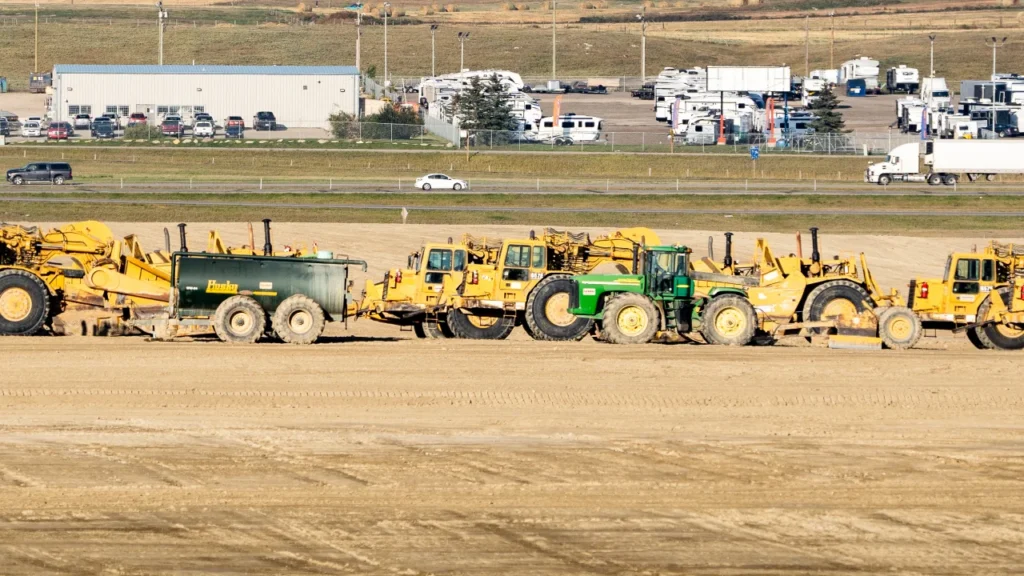
Buying & Selling Heavy Equipment in Canada: Market Guide for Global Buyers
This guide explains how the Canadian heavy equipment market works for international buyers and sellers.
October 9, 2026
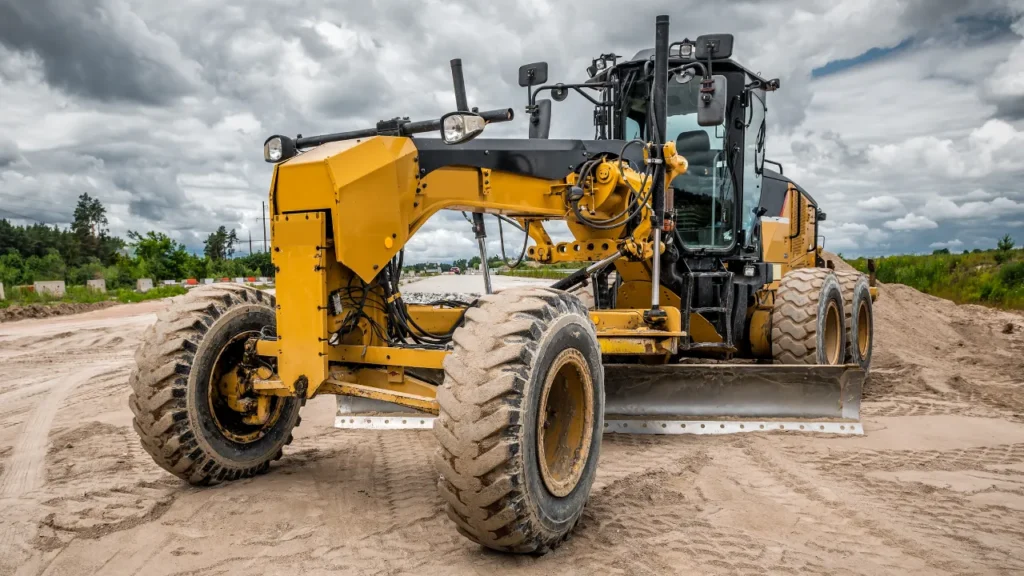
Motor Grader Buying Guide: Sizes, Top Brands, and What Contractors Should Look For
This guide helps buyers select the right motor grader for their needs and maximize ROI across construction, mining, and snow removal.
August 25, 2026
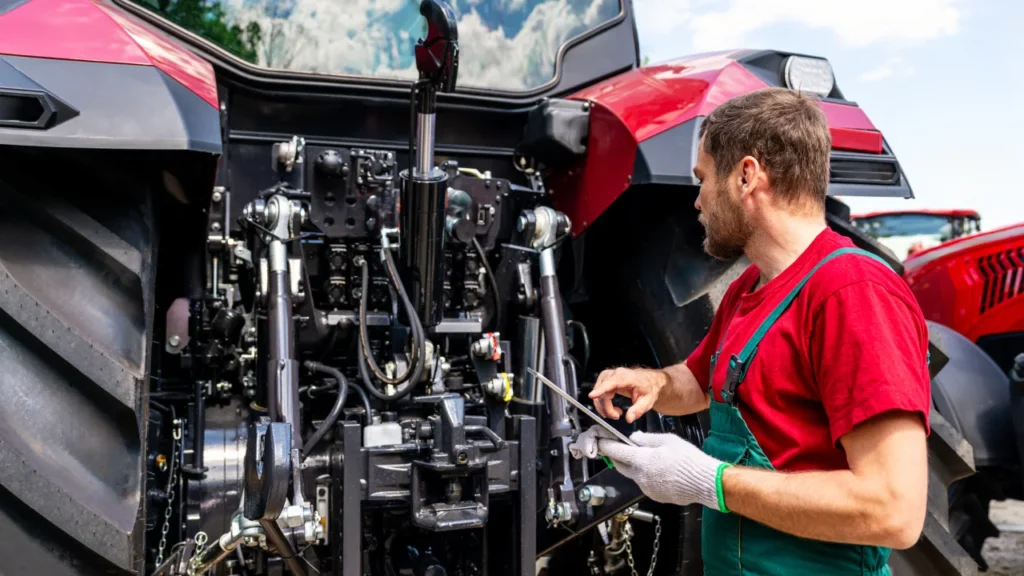
Repair, Rebuild or Replace Heavy Equipment: 2026 Cost-Based Decision Guide
This guide provides a mathematical approach to help you decide what to do with your aging machinery in 2026.
STEERING A BORE UNDERGROUND
A directional drill, or horizontal directional drill, bores a steerable path underground, then pulls back pipe or conduit through the hole. It installs fiber, gas, water, power and sewer lines under roads, rivers, yards and buildings with minimal surface disruption.
THRUST AND PULLBACK
Directional drills are rated by thrust and pullback force and by rotational torque. Small drills handle short residential fiber and utility bores, while large drills handle long river crossings and large-diameter pipe.
RODS AND TOOLING
Drill rods, bits, reamers and housings make up a big share of the investment. Check how many rods are included, their condition and whether threads are worn. Rock tooling and mud motors add capability in hard ground.
MUD SYSTEMS
Drilling fluid cools tooling and carries cuttings. Bentonite and polymer additives are mixed to suit soil conditions. Ask what was used. Check the mud pump, mixing system and, on larger jobs, recycling equipment.
TRACKING
Walkover locators and guidance systems track the bore head. Ask whether tracking equipment is included and compatible. Updated software and spare batteries for the locator add value.
INSPECTING A USED DIRECTIONAL DRILL FOR SALE
Check engine hours, the carriage and rack, the rod loader, vises and wrenches, the gearbox, hydraulic system, tracks and the operator station. If you buy used directional drill equipment, watch it make up and break out rods.
USED DIRECTIONAL DRILL PRICE
Used directional drill price depends on size, hours, rod count and condition, tooling and tracking equipment.
Got Questions?
Our FAQ section covers everything from shipping and listing to buying with confidence.
WHAT SHOULD YOU LOOK FOR IN A DIRECTIONAL DRILL?
- Maximum pullback force matched to your pipe size and ground conditions
- Bore length capability and drill head steering accuracy
- Tracking and locating system compatibility for precise underground navigation
- Mud mixing and fluid system capacity for cooling, lubrication, and cuttings removal
- Anchor and stabilization system performance during drilling and pullback operations
HOW TO CHOOSE THE RIGHT DIRECTIONAL DRILL?
ASSESS YOUR NEEDS
- Determine your typical pipe diameter and required bore distance
- Evaluate soil conditions, including sand, clay, rock, or mixed ground
- Select the appropriate locating and guidance technology for your projects
- Calculate the pullback force required for your product pipe installation
- Consider transport size and jobsite access requirements
KEY FEATURES
- Pullback force and rotational torque capacity
- Drill head steering precision and guidance systems
- Mud mixing, pumping, and recycling capabilities
- Anchor and stake-down stability
- Drill rod size, length, and wear condition
WHAT IS MORE PROFITABLE TO BUY A USED DIRECTIONAL DRILL OR A NEW ONE FROM A DEALER?
NEW: Full warranty coverage, new drill rods, modern locating systems, and lower initial maintenance requirements, but with a higher purchase cost.
USED: Lower upfront investment and proven performance from utility contractors and drilling fleets. Used rigs should be inspected for drill rod wear, mud pump condition, hydraulic performance, and locating equipment accuracy. JumboBee's pre-sale inspection option helps verify machine condition before purchase.
WHAT ARE THE ADVANTAGES OF A NEW OR USED DIRECTIONAL DRILL?
New
- Full warranty protection
- Unworn drill rods and tooling
- Latest tracking and locating technology
Used
- Lower purchase cost
- Proven performance across utility projects
- Faster availability for upcoming jobs
HOW CAN I ARRANGE THE SHIPPING OF A DIRECTIONAL DRILL?
JumboBee manages transportation and logistics for directional drills, including mud systems, drill rod trailers, and additional equipment required for regional or cross-border delivery.