John Deere 210G Tracked Excavators
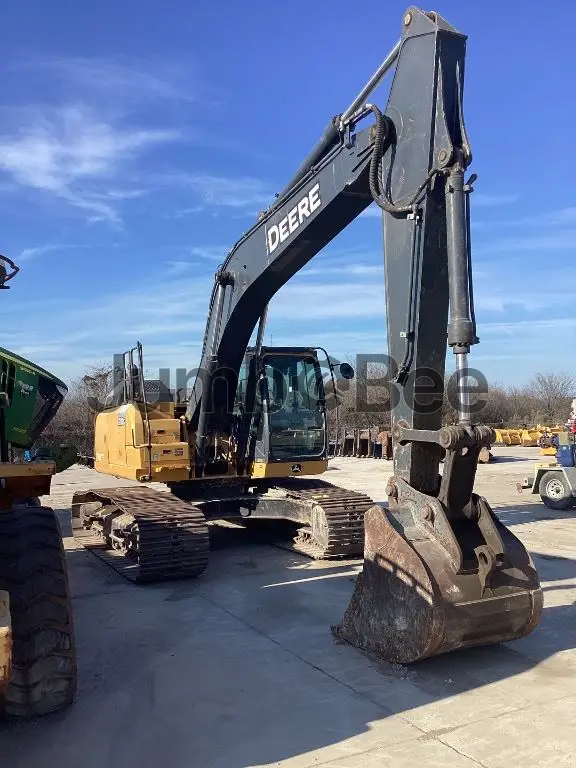
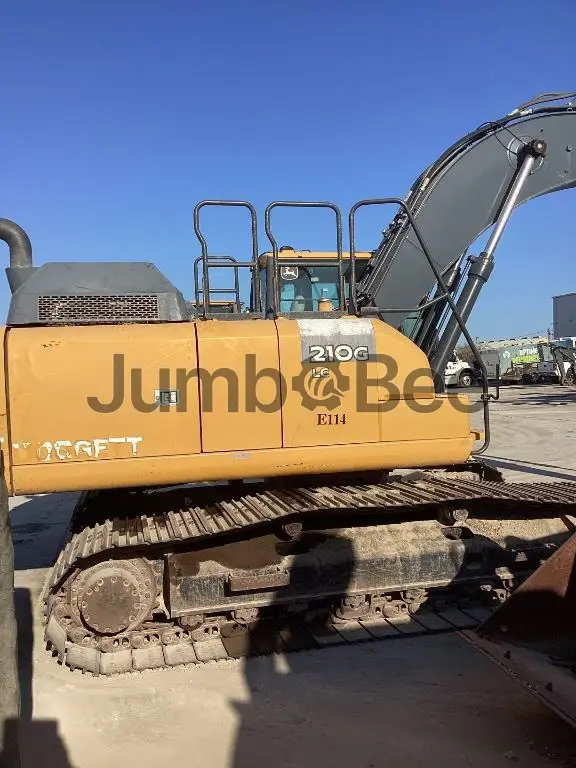
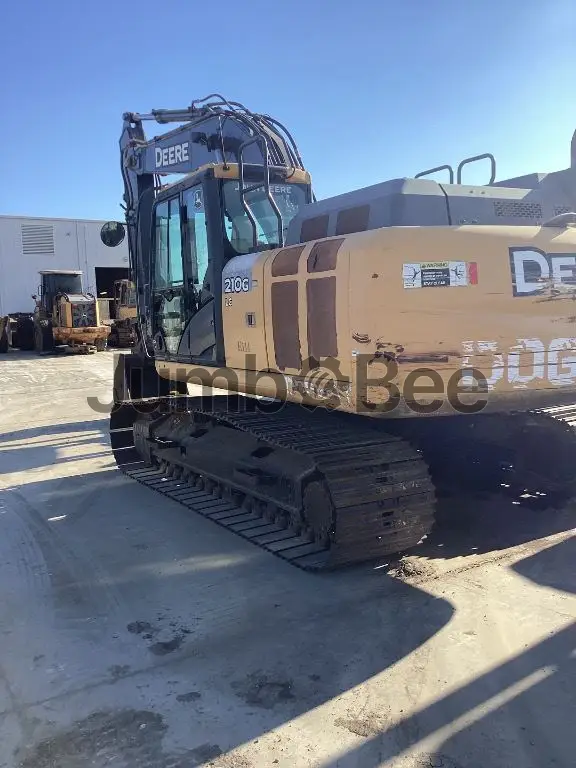
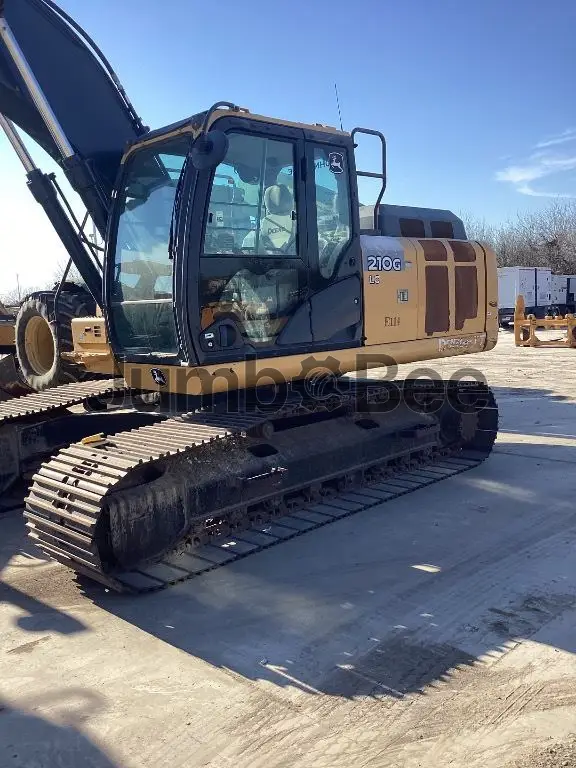
John Deere 210G
Average price
$112,980




5+
sold in last year
General overview
John Deere 210G is an excavator used for excavation, trenching, and general earthmoving on construction sites. The John Deere 210G combines 117 kW (159 hp) with an operating weight of 22,309 kg (49,180 lb), placing it in a construction excavator size and power class. The model is manufactured in the United States.
It is powered by a John Deere PowerTech 6068HT106 / PVS 6.8L engine with Stage IIIB emissions compliance. Hydraulic performance is listed at 425 L/min (112.3 gpm) and 343 bar (4,970 psi), with equipment pressure at 380 bar (5,510 psi). The machine also has a stick length of 2,420 mm (7 ft 11 in), maximum digging depth of 6,680 mm (21 ft 11 in), and maximum reach at ground level of 9,207 mm (30 ft 2 in).
Year
2018, 2019, 2020, 2021, 2022, 2023, 2024, 2025, 2026
Country of manufacturing
United States
General specifications
Dimensions
Length
Height
Width
9,540 mm
~375.6 in
3,018 mm
~118.8 in
3,200 mm
~126 in
Engine Power
159 hp
Emission standard level
Stage IIIB
Displacement
6 cu(m)
Fuel tank
403 L
Number of batteries
2
Number of Cylinders
6
Width
3,200 mm
Operating Weight
22,309 kg
Reference Bucket Capacity
0.91 cu(m)
Drawbar Pull
207 kN
Maximum Rated Flow
425 L/min
System Relief Pressure
34,300 kPa
Hydraulic Pumps
cu(cm)
Hydraulic Capacity
135 L
Engine Model
John Deere PowerTech 6,068HT,106 / PVS 6.8L
Maximum Travel Speed - Low
3 km/h
Maximum Travel Speed - High
5 km/h
Maximum Pressure - Equipment
38,000 kPa
Maximum Pressure - Travel
35,500 kPa
Maximum Pressure - Swing
33,300 kPa
Engine Oil
20 L
Hydraulic System - Including Tank
135 L
Tail Swing Radius
2,890 mm
Maximum Digging Depth
6,680 mm
Boom working ranges
mm
Stick working ranges
2.42 mm
Maximum Reach at Ground Level
9,207 mm
Maximum Cutting Height
9,630 mm
Maximum Loading Height
6,790 mm
Maximum Vertical Wall Digging Depth
5,300 mm
Bucket Digging Force - ISO
156 kN
Stick Digging Force - ISO
114 kN
Stick length
2,420 mm
Net Power (ISO 9249)
159 hp
Hydraulic Pump
Pilot controlled levers
Maximum Operating Pressure
34,300 kPa
Additional specifications
Rated power
119 kW
Axles
N/A (tracked excavator, no axles)
Ground Pressure
48 kPa
Additional Options
Cab w/ AC, control pattern select, standard boom, wide pads (32" / 800 mm), aux hydraulics
John Deere 210G Tracked Excavators Listings
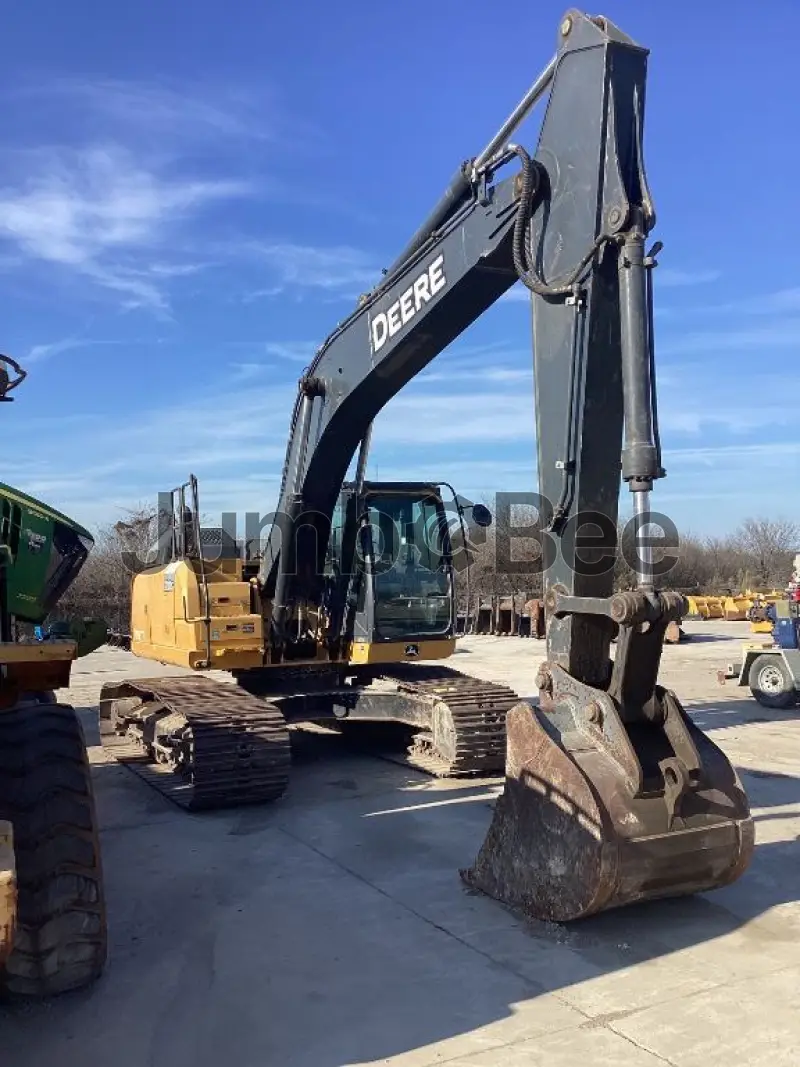
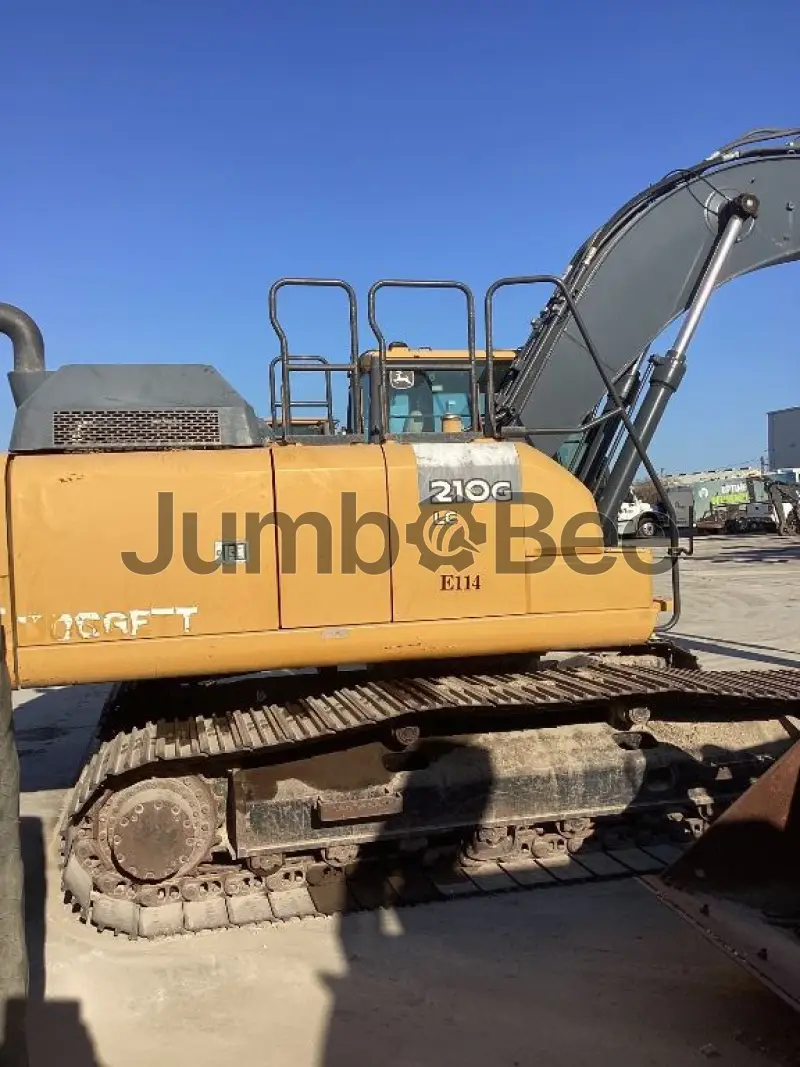
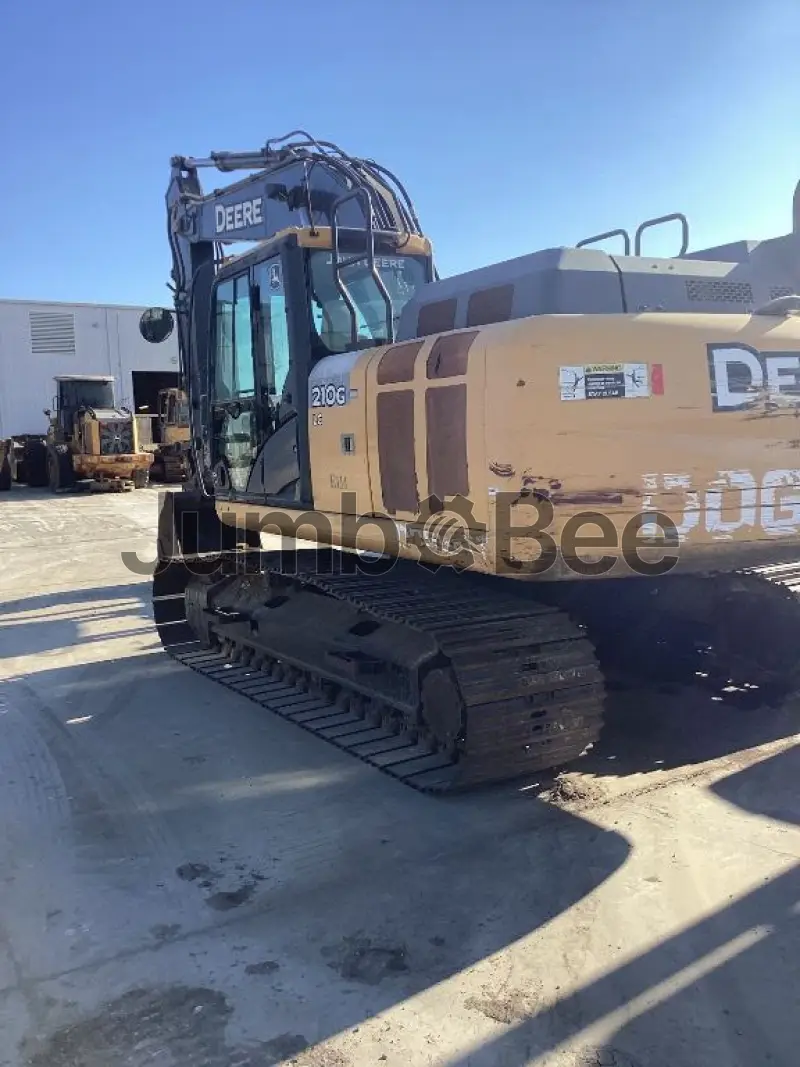
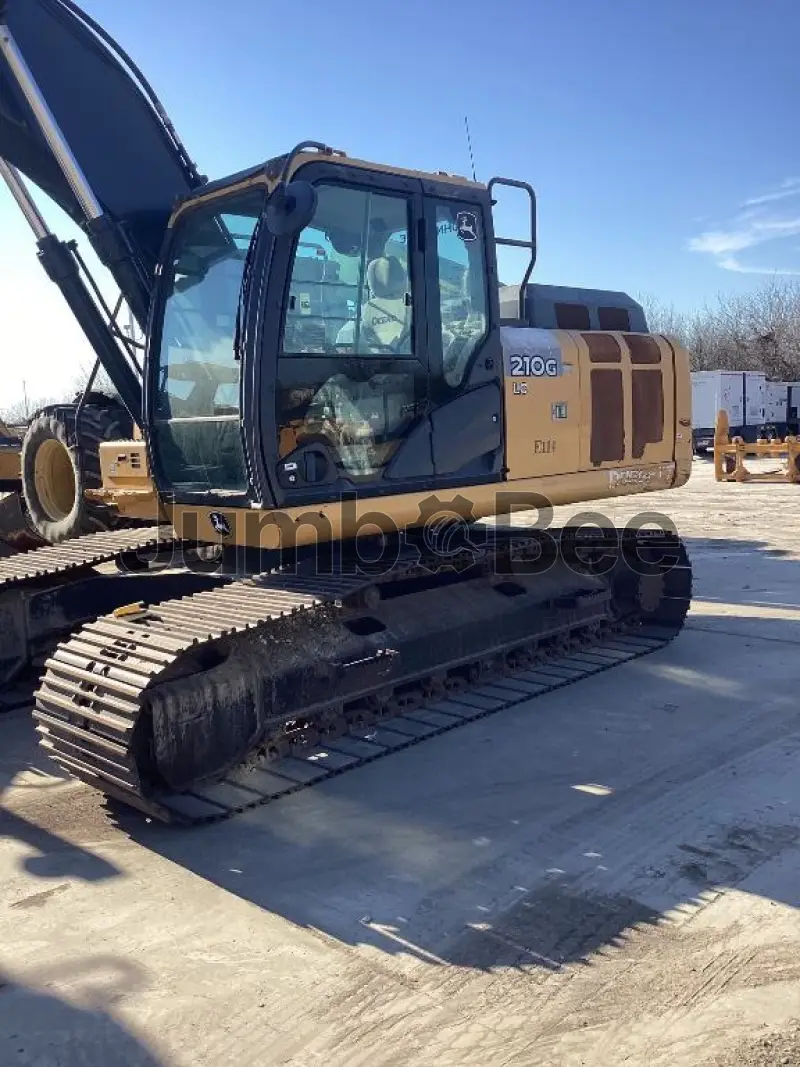
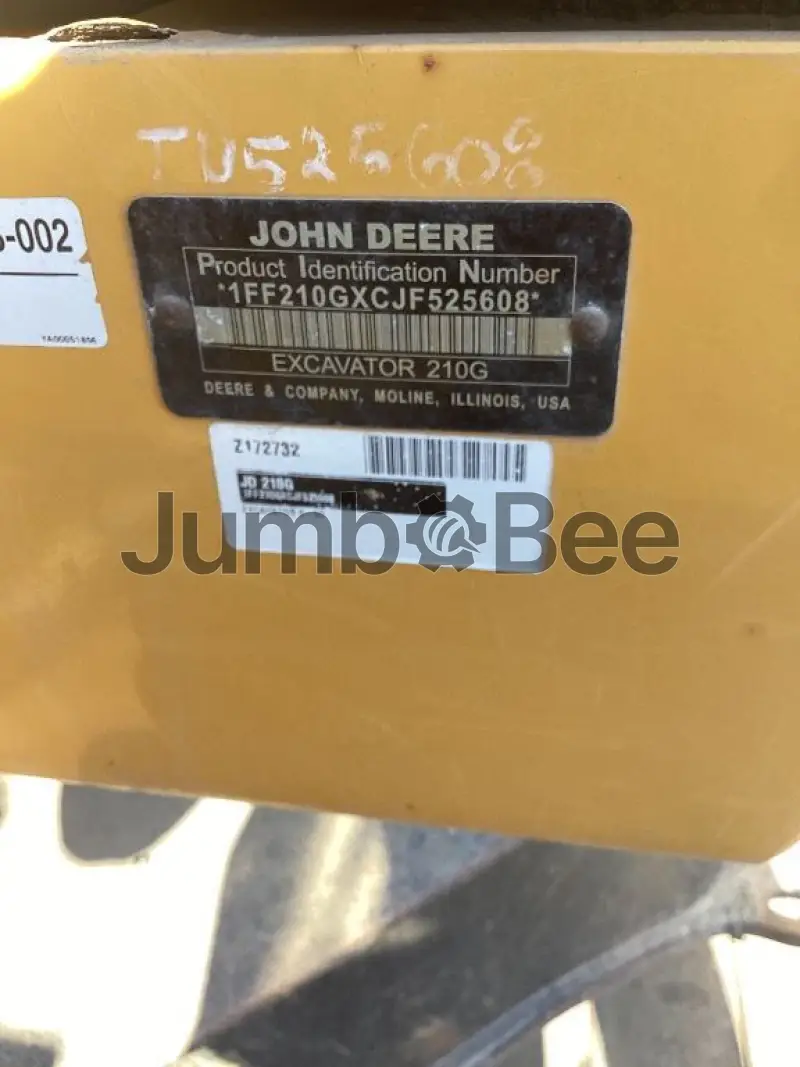
$112,980
403 L
2420 mm
159 hp
2559 hours
New Braunfels, United States
Compare John Deere 210G Tracked Excavator to other tracked excavators
Not sure which equipment to choose? Use our comparison tool to easily compare equipment side by side based on key features.
Add model
Add model
2.0
Rating
Based on ratings and reviews from verified buyers.
Overall rating
1 reviews
5
4
3
2
1
Performance & Productivity
3.0
Reliability & Durability
2.0
Comfort & Ergonomics
1.0
Safety
3.0
Technology & Features
1.0
Dale Brubaker

We bought it used with about 4,200 hours. It's smooth, quiet and quick on the utility work. Grade guidance speeds up the final grade.
No questions yet
Be the first to ask a question about this model and help other buyers learn more.
Heavy equipment insights from JumboBee
October 5, 2026
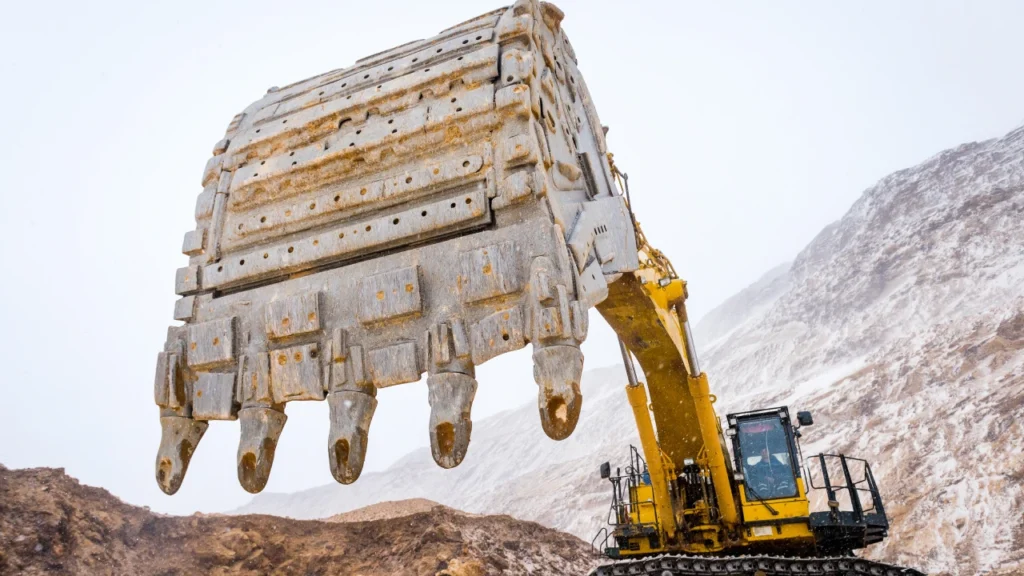
How to Choose the Right Excavator Bucket: Types, Sizes, and Contractor Buying Guide
This guide covers excavator bucket types, capacities, compatibility, and how to choose the right bucket for your jobsite.
September 28, 2026
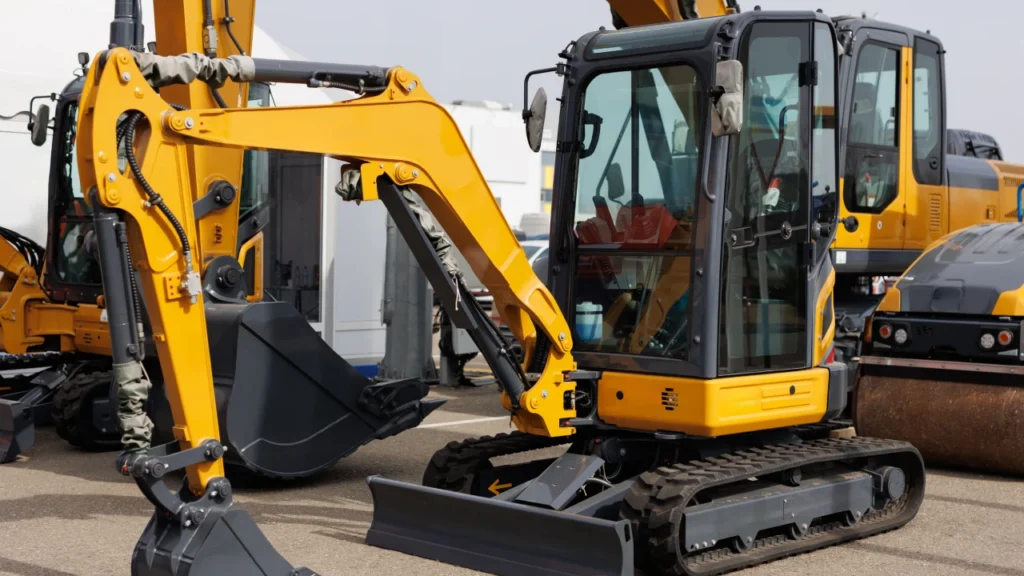
Mini Excavator Buying Guide 2026: Best Models, Sizes and How to Choose
This guide breaks down everything you need to know about compact earthmoving equipment.
September 21, 2026
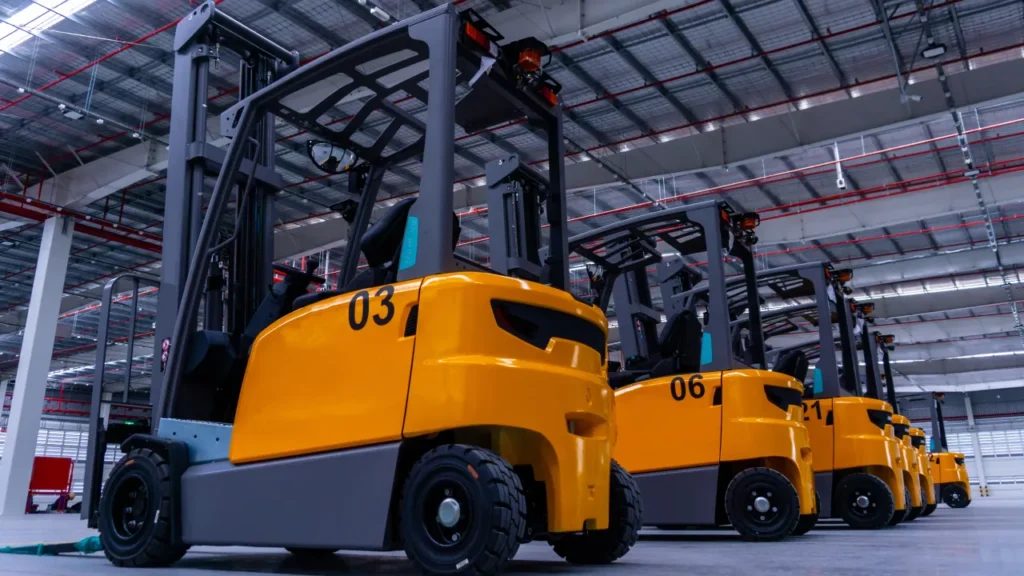
Types of Forklifts: Complete Guide to Classes, Uses, and Applications
This guide covers official forklift classes, physical machine variations, and load capacities.
August 25, 2026
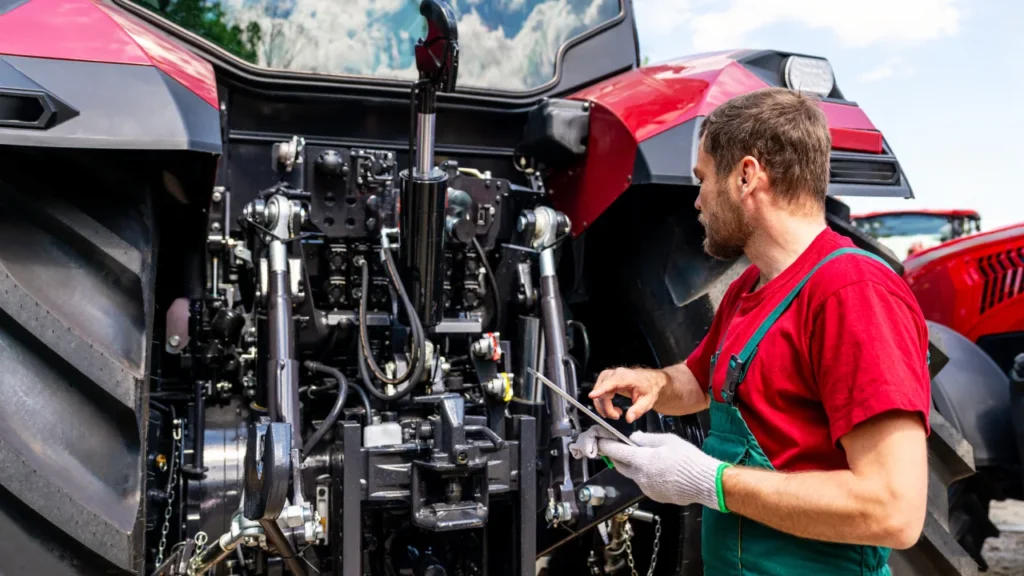
Repair, Rebuild or Replace Heavy Equipment: 2026 Cost-Based Decision Guide
This guide provides a mathematical approach to help you decide what to do with your aging machinery in 2026.

July 31, 2026
How to Inspect Used Heavy Equipment Remotely: Practical Checklist for International Buyers
This article provides a practical, step-by-step guide for evaluating machinery without physical access.
July 10, 2026
New vs Used Heavy Equipment in 2026: Cost, Risk, ROI & When Each Option Wins
This guide explores new vs. used machinery investments, from costs and risks to financing and ROI.
Got Questions?
Our FAQ section covers everything from shipping and listing to buying with confidence.
Can't find what you're looking for?
Sign up and talk to an expert.
Most popular
What is the average price of a John Deere 210G?
No confirmed market price is supplied. Check current listings and compare machine condition, location, and configuration.
What are the key advantages of the John Deere 210G?
Listed strengths include 118.6 kW (159 hp) net power, 6,680 mm (263 in) maximum digging depth, 425 L/min (112.3 gpm) maximum rated hydraulic flow, and available cab w/ AC, auxiliary hydraulics, and control pattern select.
What type of engine does the 210G use?
The 210G uses a John Deere PowerTech 6068HT106 / PVS 6.8L engine with 6 cylinders and a Stage IIIB emission standard level.
How much horsepower does the 210G have?
The 210G has 159 hp (118.6 kW) of engine power. Net Power (ISO 9249) is also listed as 118.6 kW (159 hp).
What fuel does the John Deere 210G use?
The supplied specifications do not confirm the fuel type. They list a fuel tank capacity of 403 L (106.5 US gal).
What jobs is this Excavators best suited for?
The supplied data does not specify recommended job types. Its listed operating weight, digging depth, reach, bucket digging force, and auxiliary hydraulics may be relevant when matching the excavator to site requirements and attachments.
What is the expected lifespan of the 210G?
No expected service-life estimate is supplied. For a used machine, inspect maintenance records, hydraulic performance, engine condition, undercarriage wear, structural damage, and the operation of available controls and attachments.
What should a buyer check when purchasing a used Excavators?
Check service records, engine operation, hydraulic leaks and performance, undercarriage and track wear, boom, stick, and bucket play, structural repairs, cab controls, and auxiliary hydraulics. Verify that the machine’s configuration and attachments suit the intended work.