Mowers for Sale
(141 listings)
Only verified sellers list equipment on JumboBee.
Sort by:
Featured
Heavy equipment insights from JumboBee
October 5, 2026
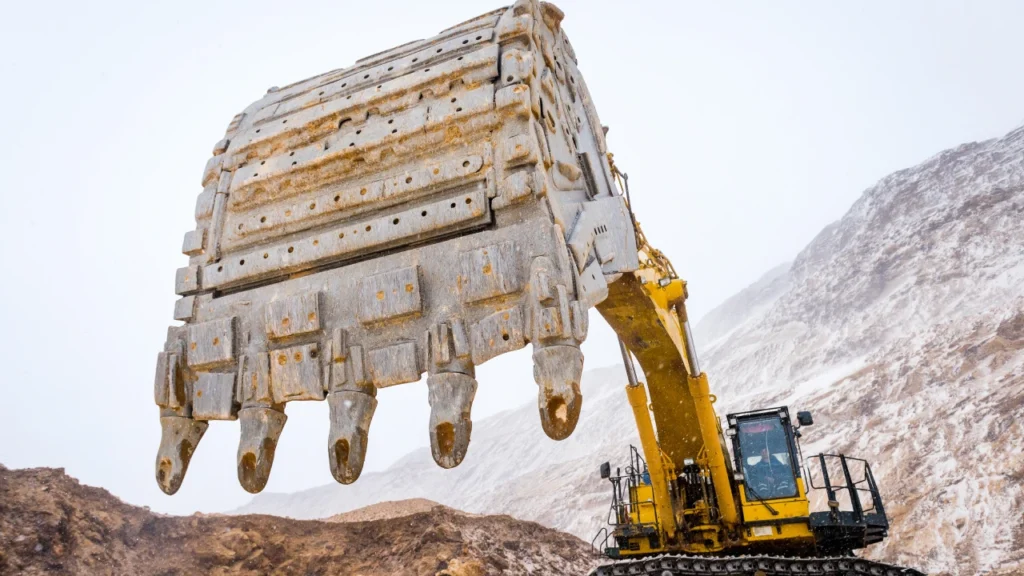
How to Choose the Right Excavator Bucket: Types, Sizes, and Contractor Buying Guide
This guide covers excavator bucket types, capacities, compatibility, and how to choose the right bucket for your jobsite.
September 28, 2026
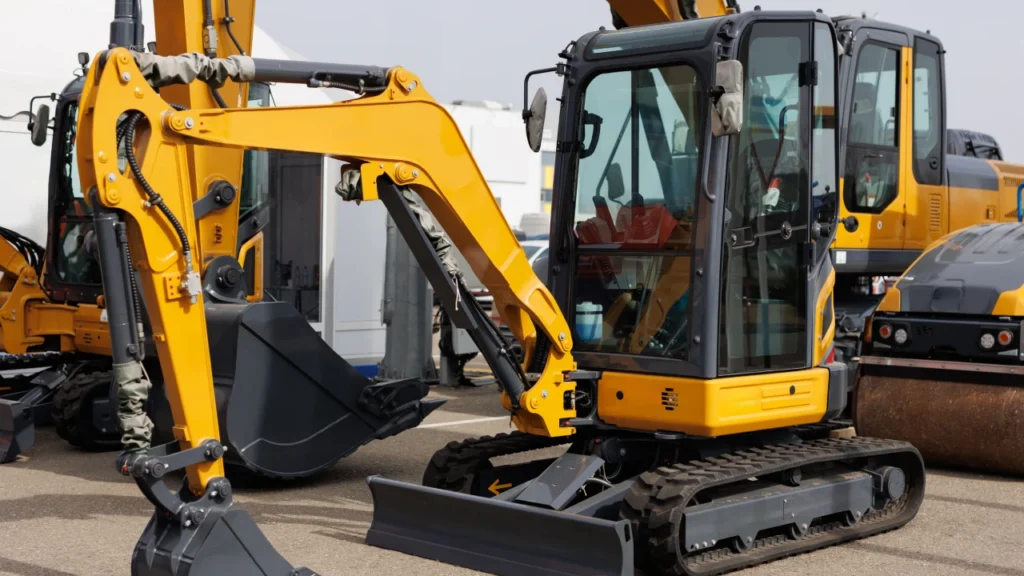
Mini Excavator Buying Guide 2026: Best Models, Sizes and How to Choose
This guide breaks down everything you need to know about compact earthmoving equipment.
September 21, 2026
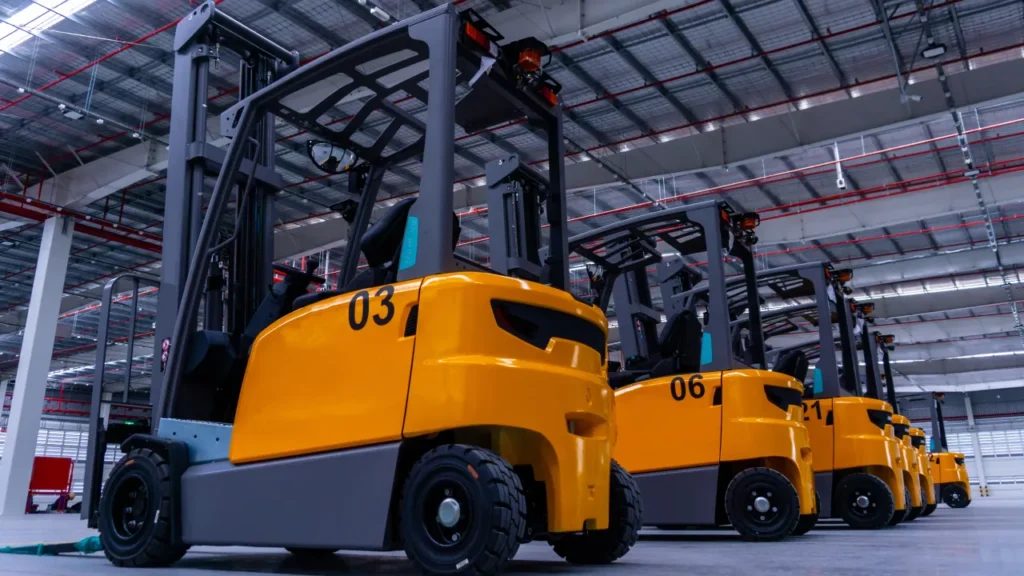
Types of Forklifts: Complete Guide to Classes, Uses, and Applications
This guide covers official forklift classes, physical machine variations, and load capacities.
August 25, 2026
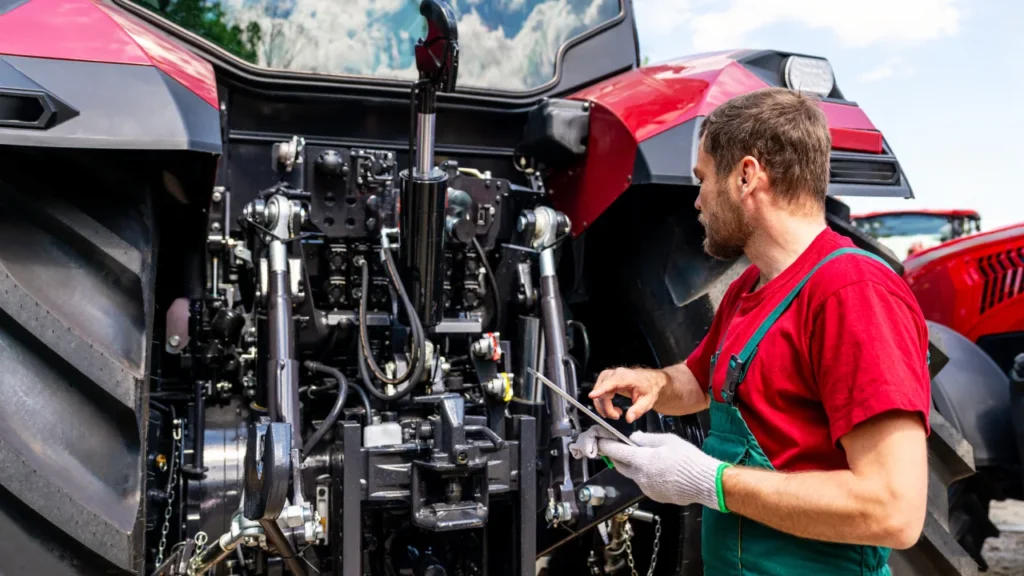
Repair, Rebuild or Replace Heavy Equipment: 2026 Cost-Based Decision Guide
This guide provides a mathematical approach to help you decide what to do with your aging machinery in 2026.

July 31, 2026
How to Inspect Used Heavy Equipment Remotely: Practical Checklist for International Buyers
This article provides a practical, step-by-step guide for evaluating machinery without physical access.
July 10, 2026
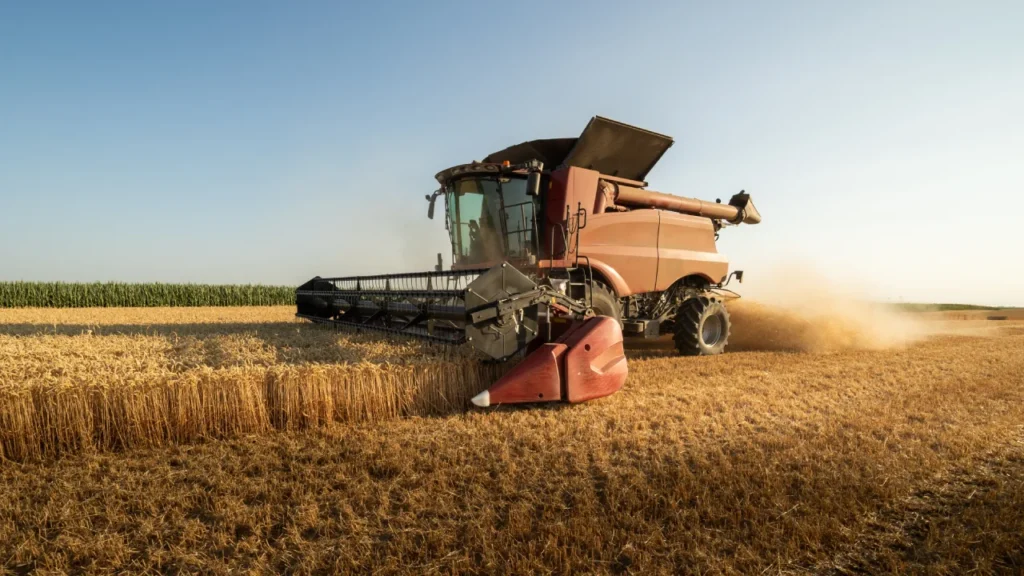
New vs Used Heavy Equipment in 2026: Cost, Risk, ROI & When Each Option Wins
This guide explores new vs. used machinery investments, from costs and risks to financing and ROI.
Got Questions?
Our FAQ section covers everything from shipping and listing to buying with confidence.
What are the different types of mowers?
Riding mowers offer a convenient and efficient solution for maintaining large lawns. They come in several types, each with its advantages and suitable applications:
Garden Tractors
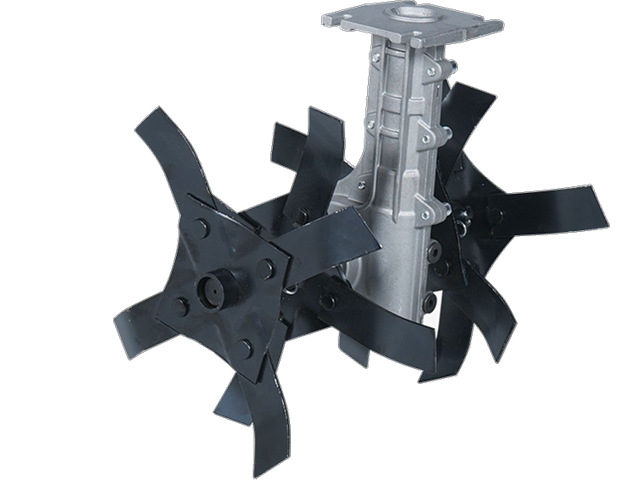
These are machines typically equipped with large rear tires and a powerful engine. They excel at handling uneven terrain and can tow attachments like tillers, plows, and carts, making them versatile for various yard work beyond mowing.
Lawn Tractors
Designed primarily for mowing, lawn tractors generally have smaller tires and a lower center of gravity for better maneuverability on flatter lawns. They are often more affordable than garden tractors and are a popular choice for homeowners with moderate-sized yards.
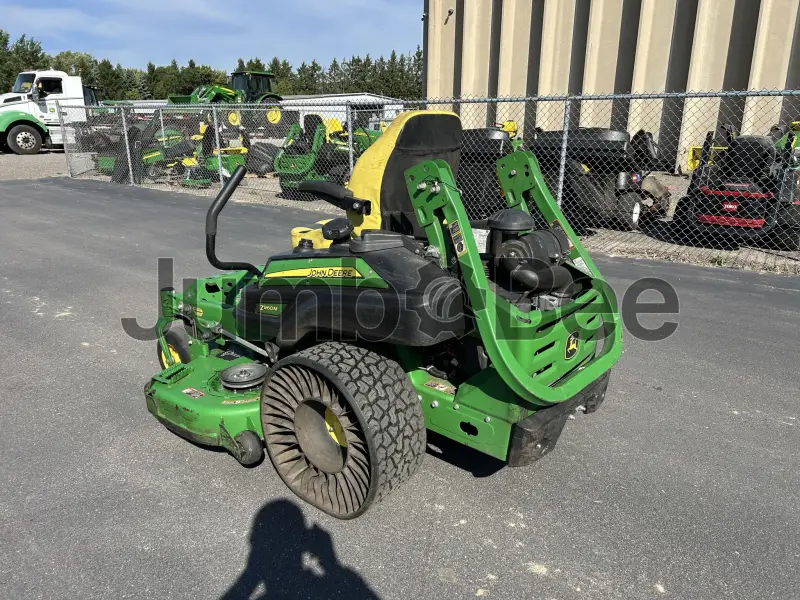
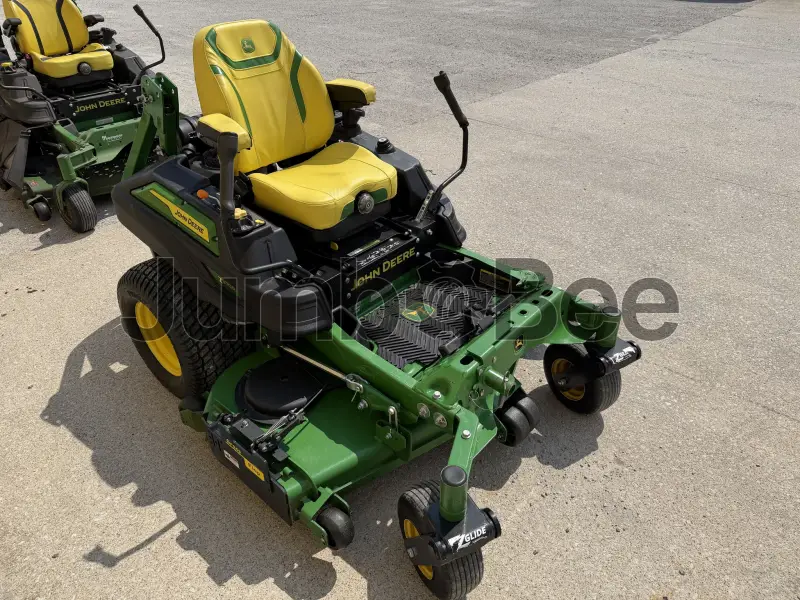
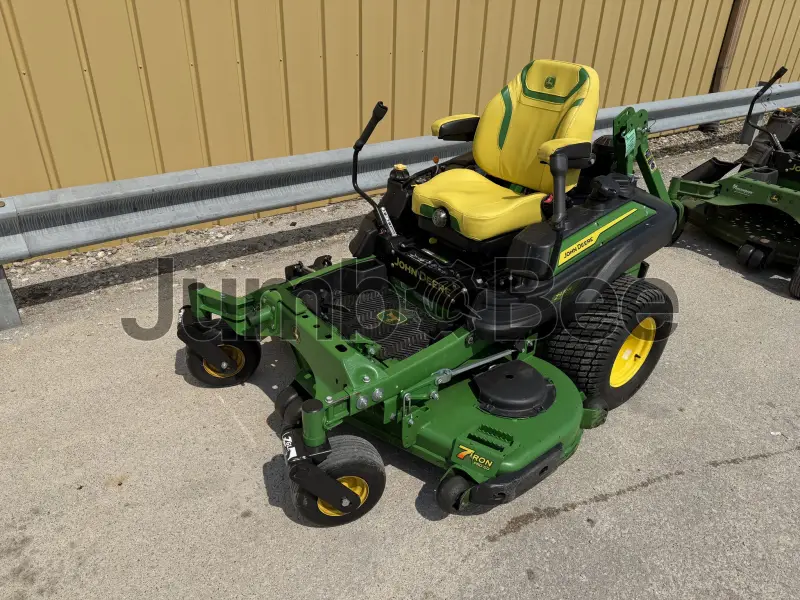
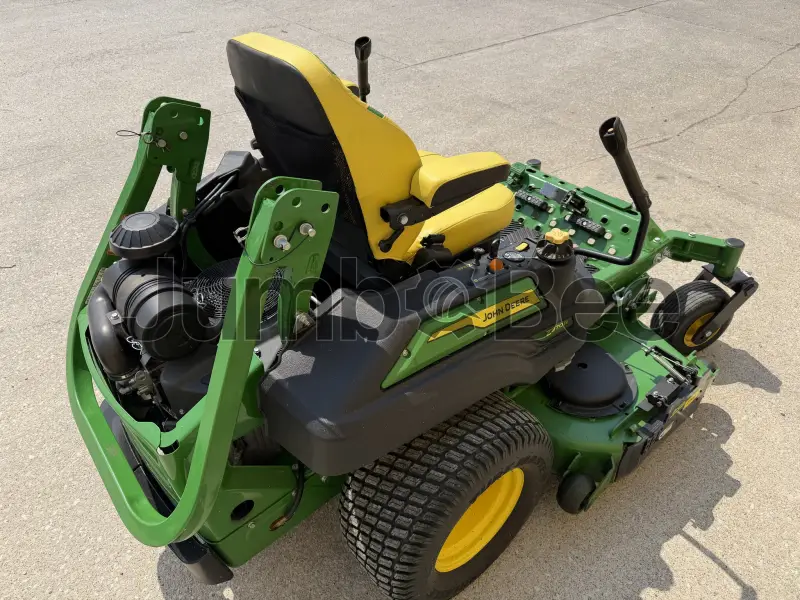
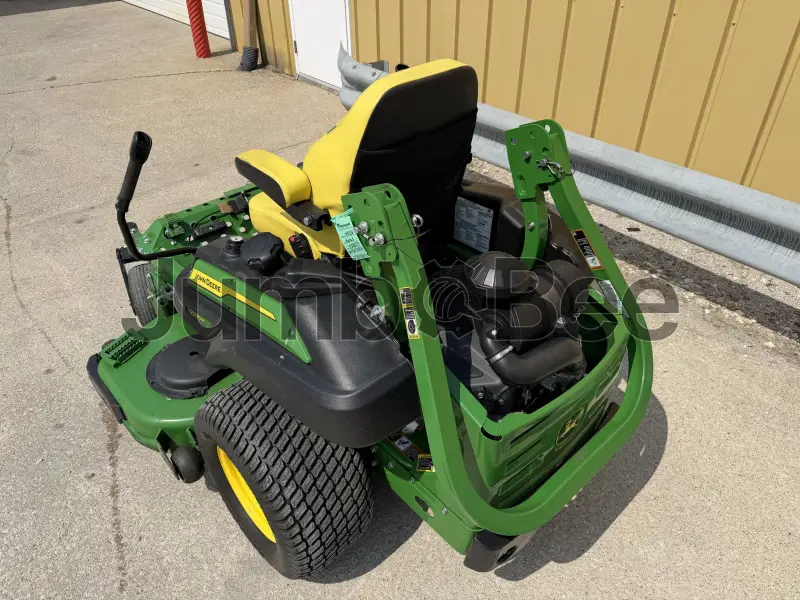
Zero-Turn Mowers
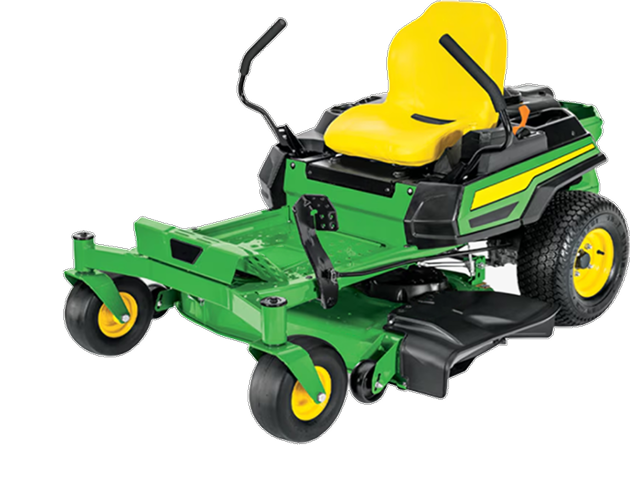
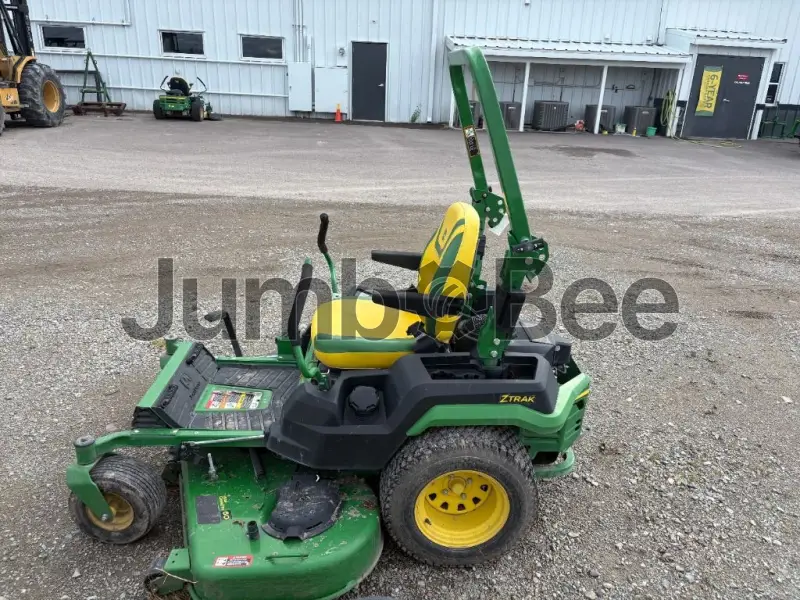
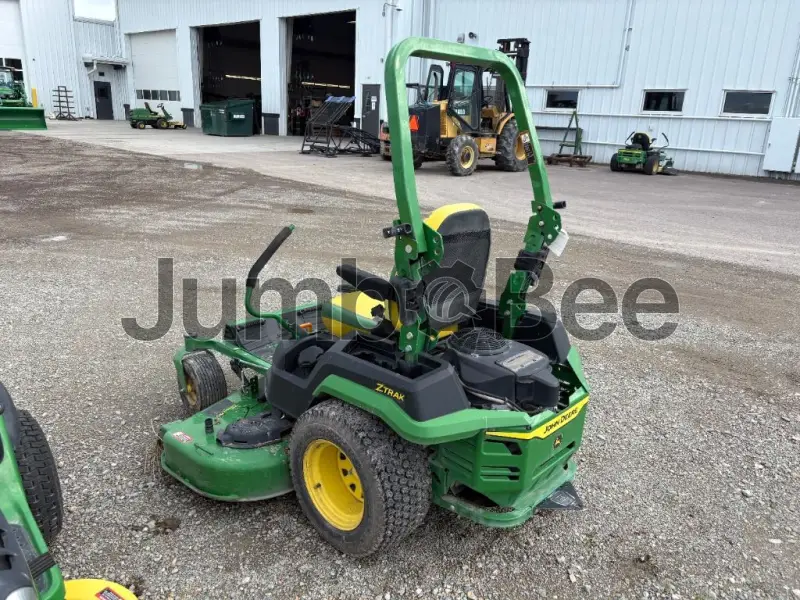
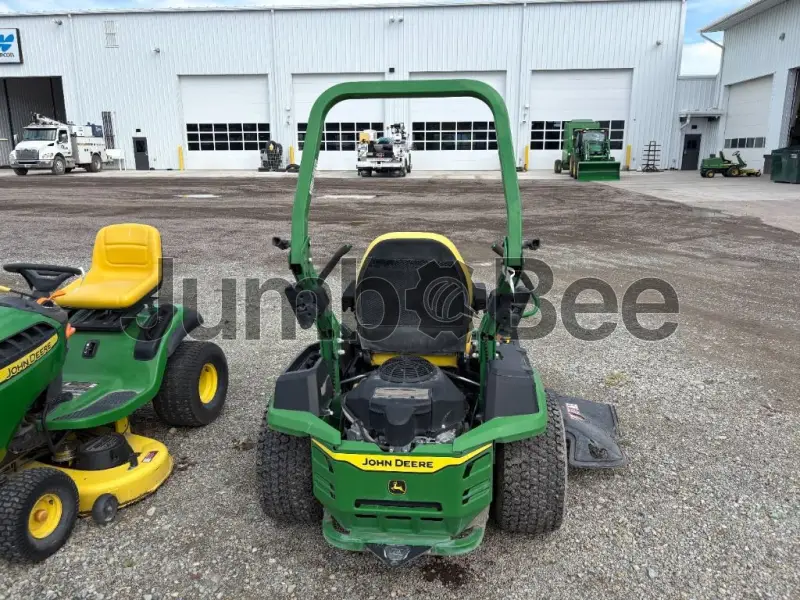
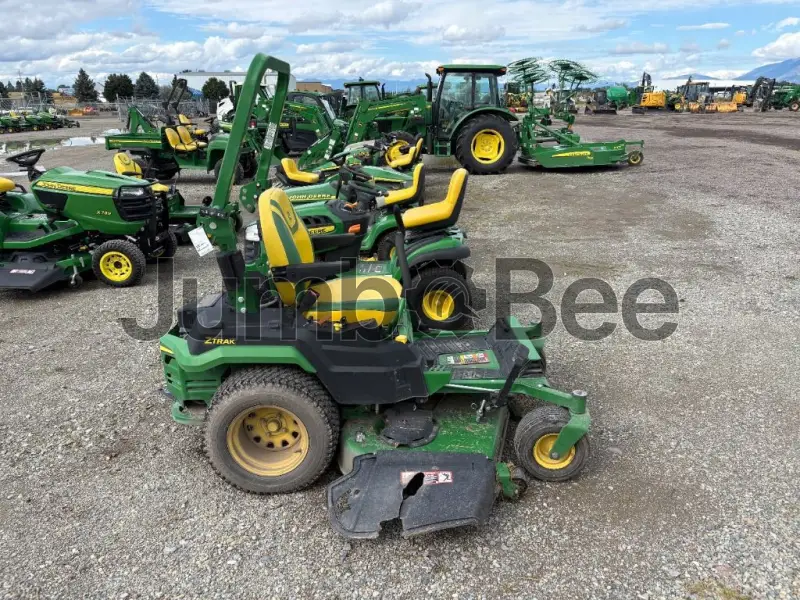
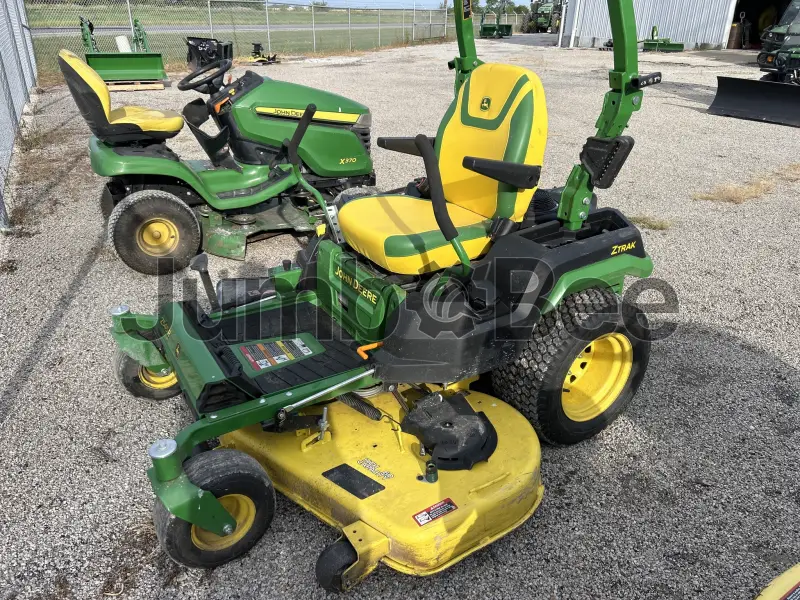
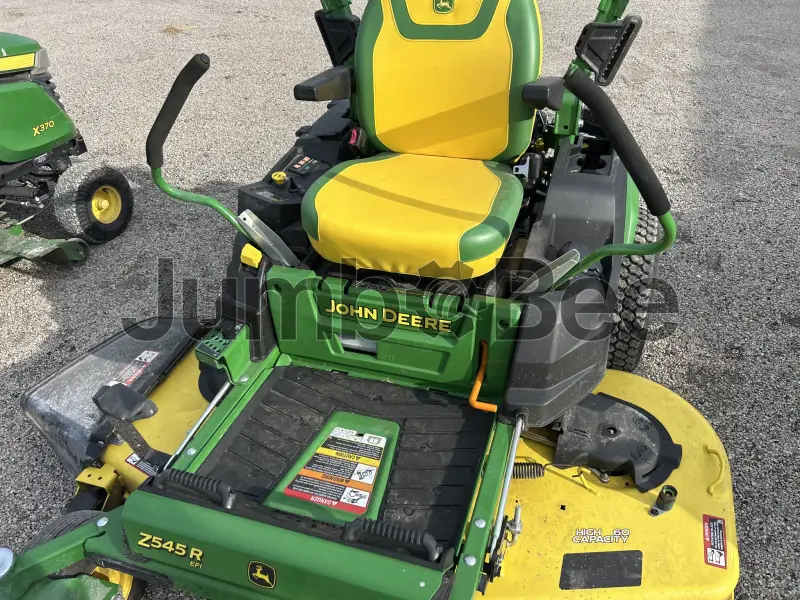
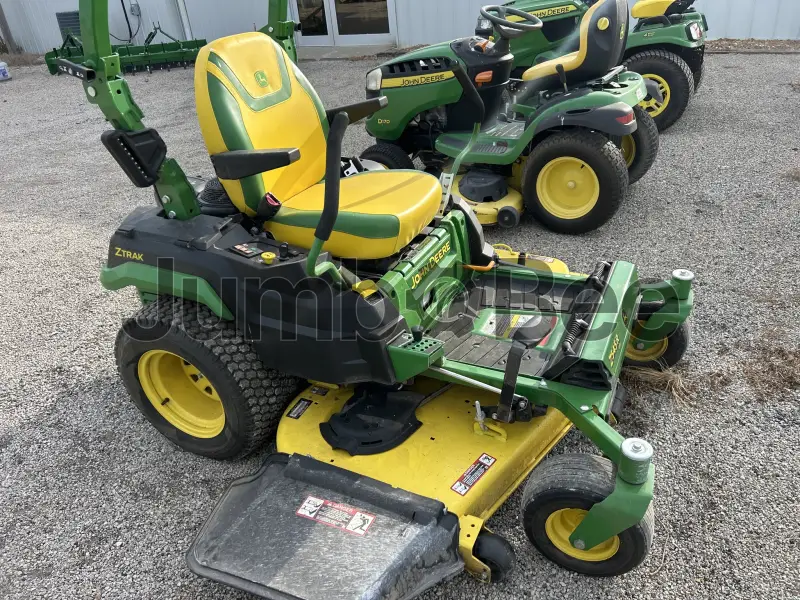
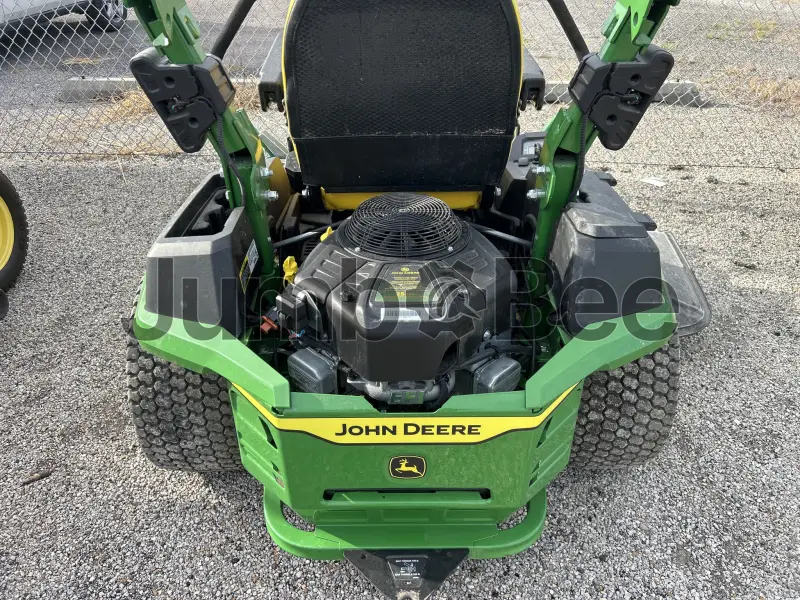
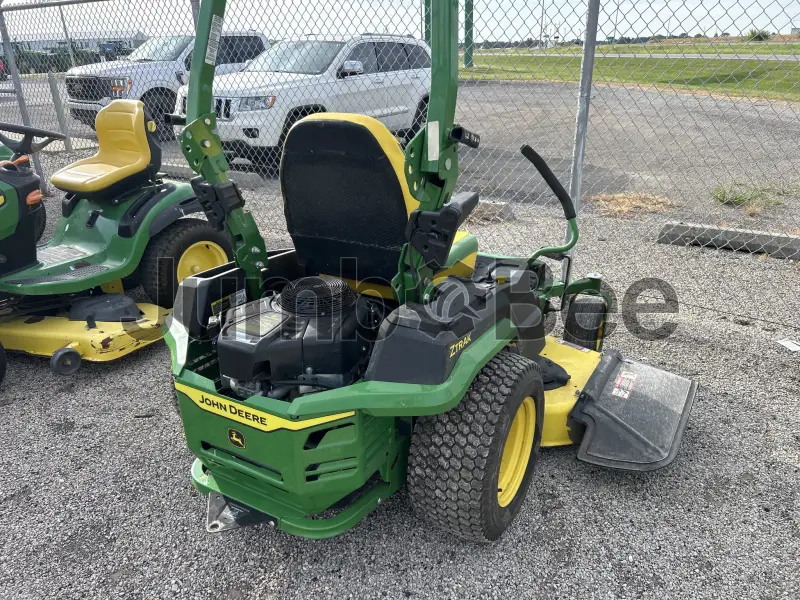
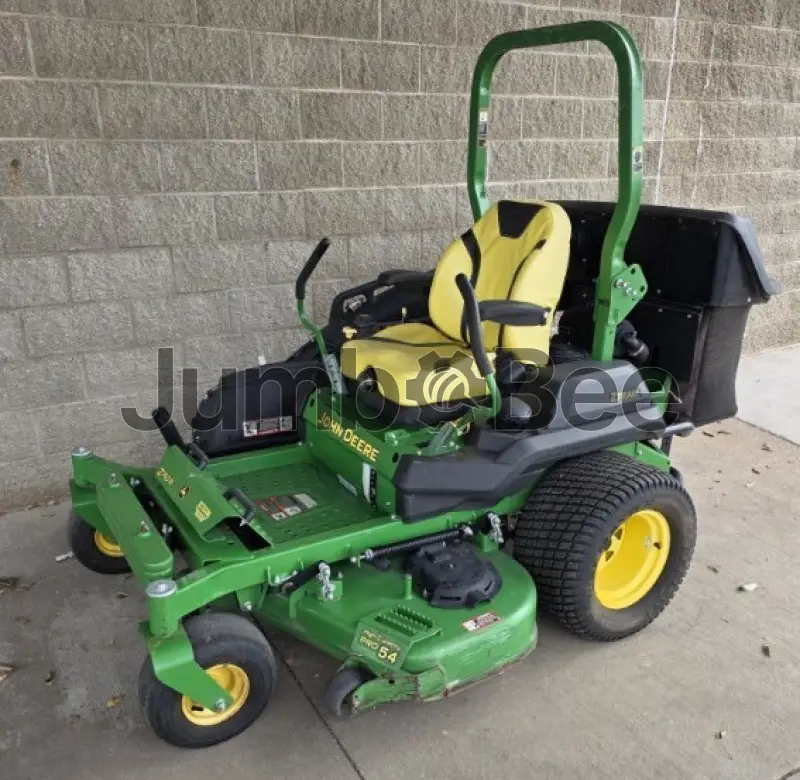
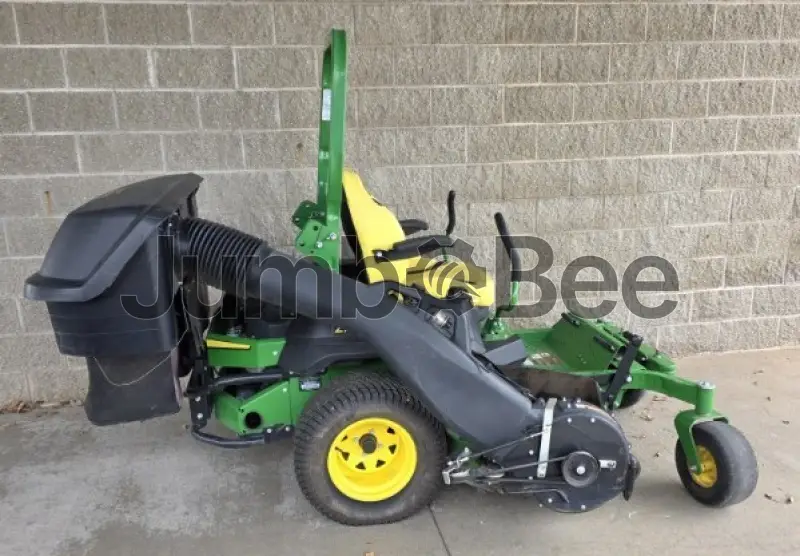
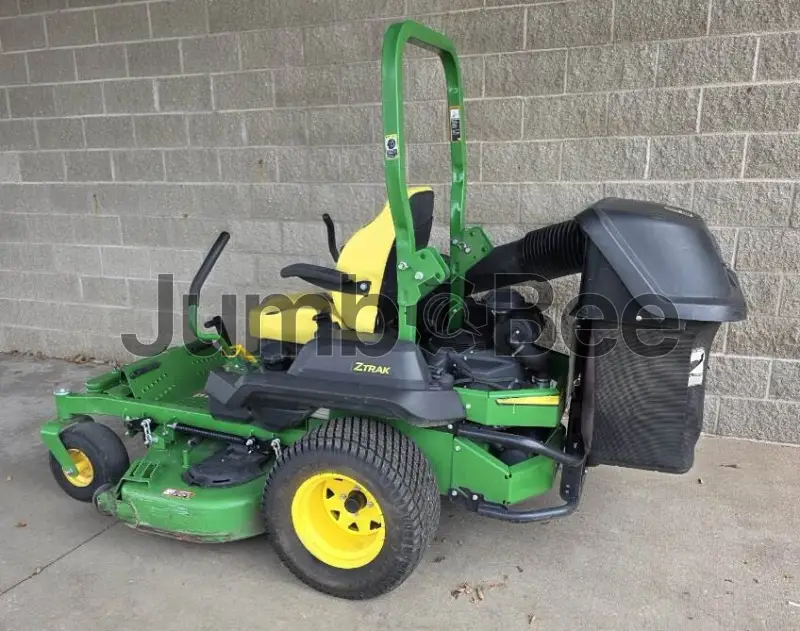
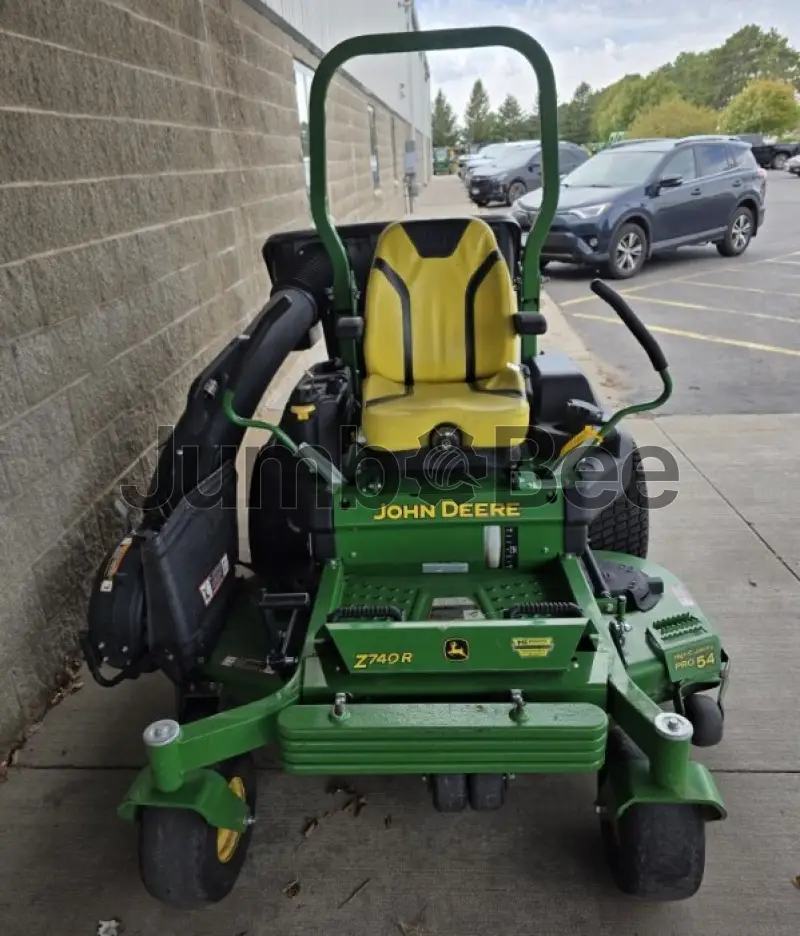
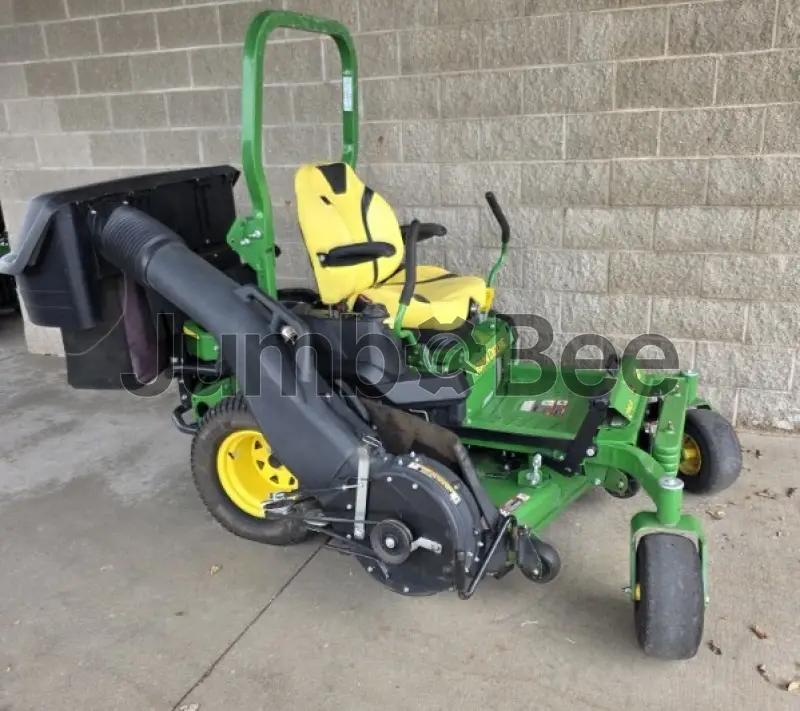
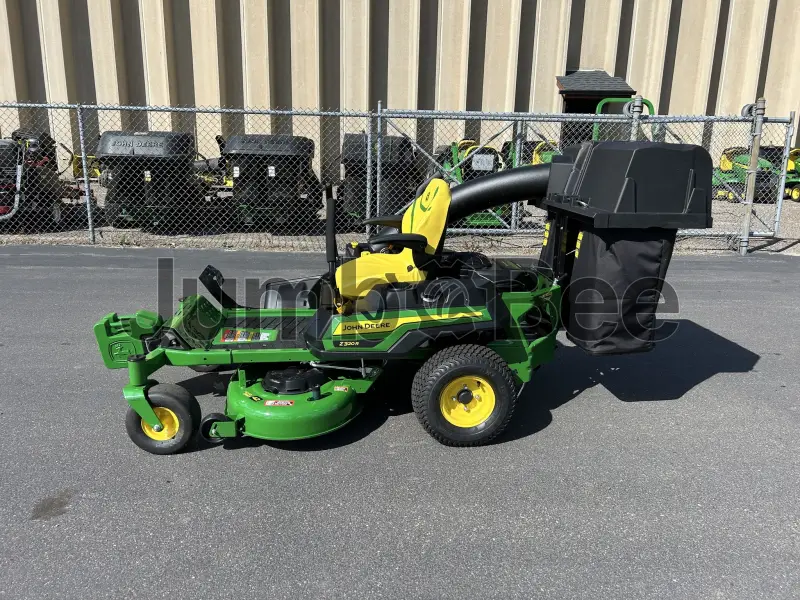
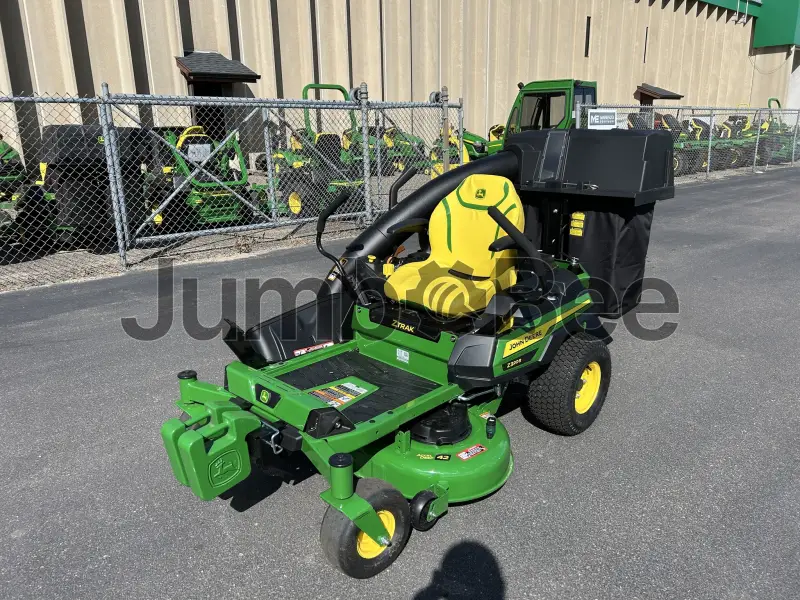
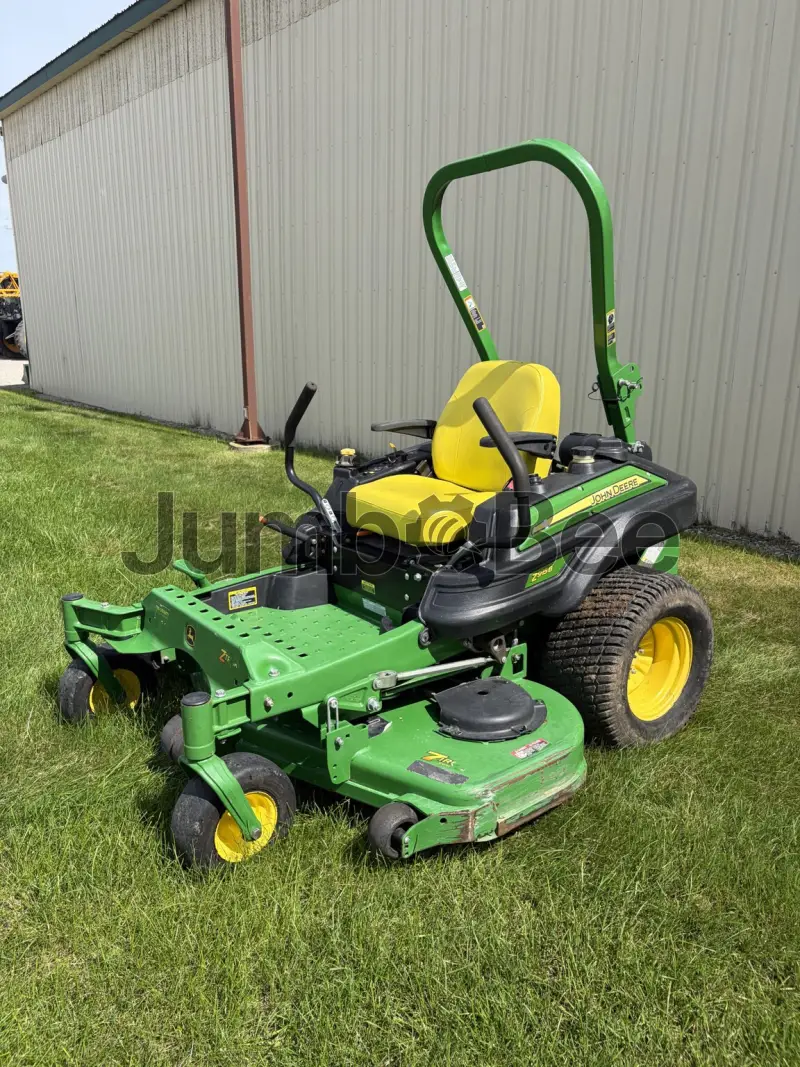
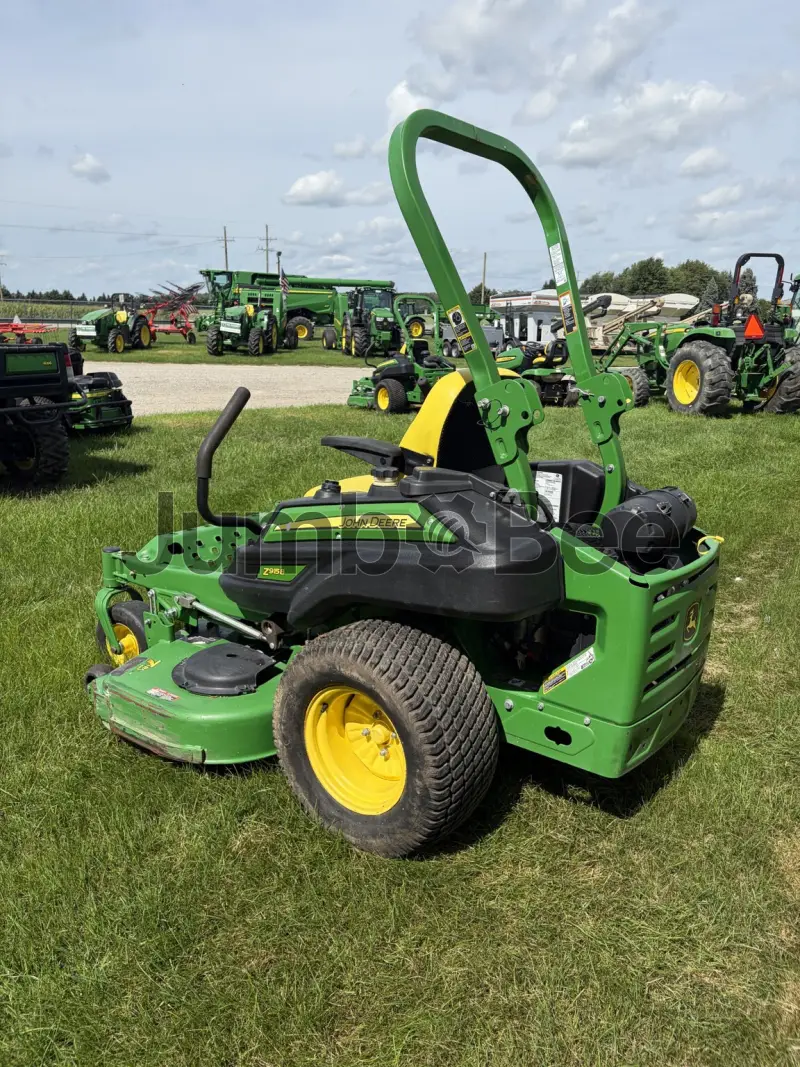
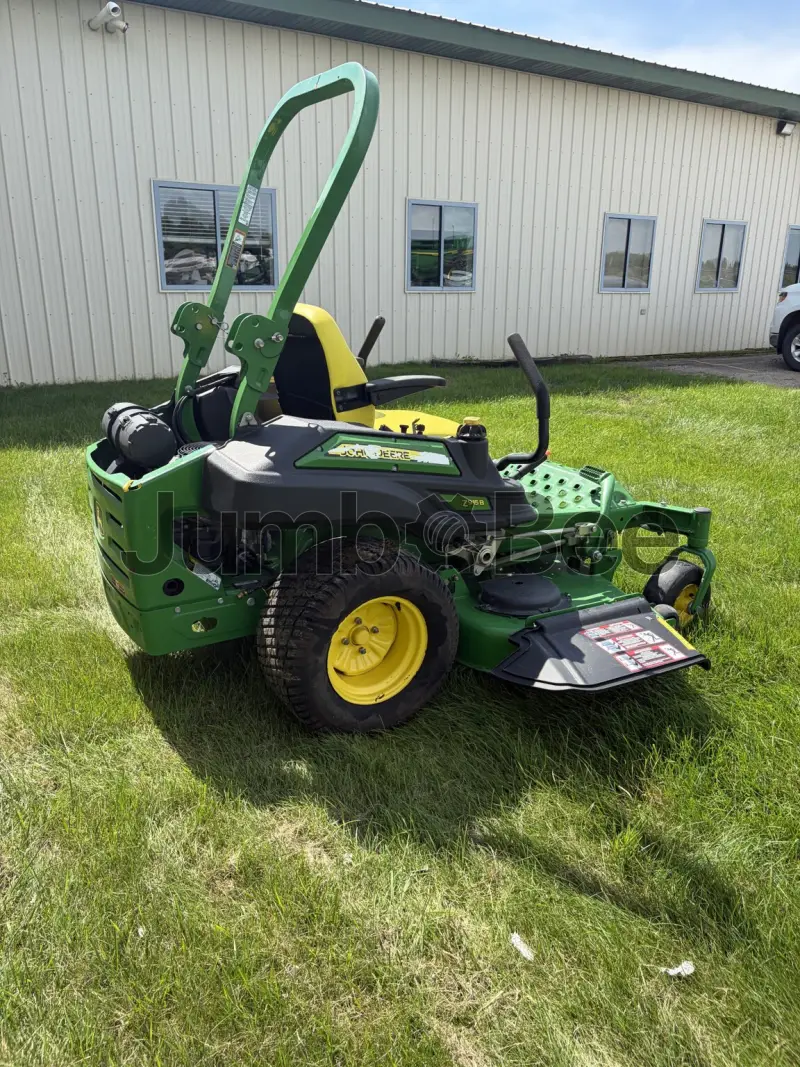
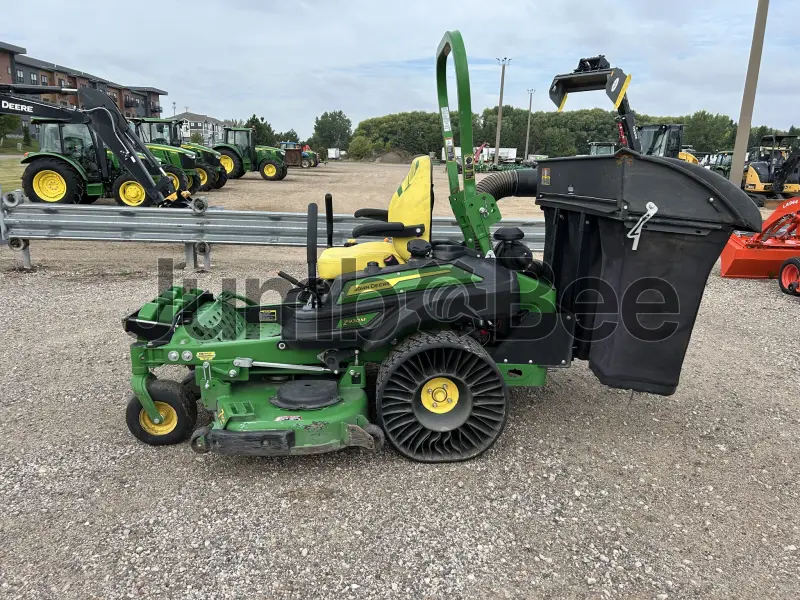
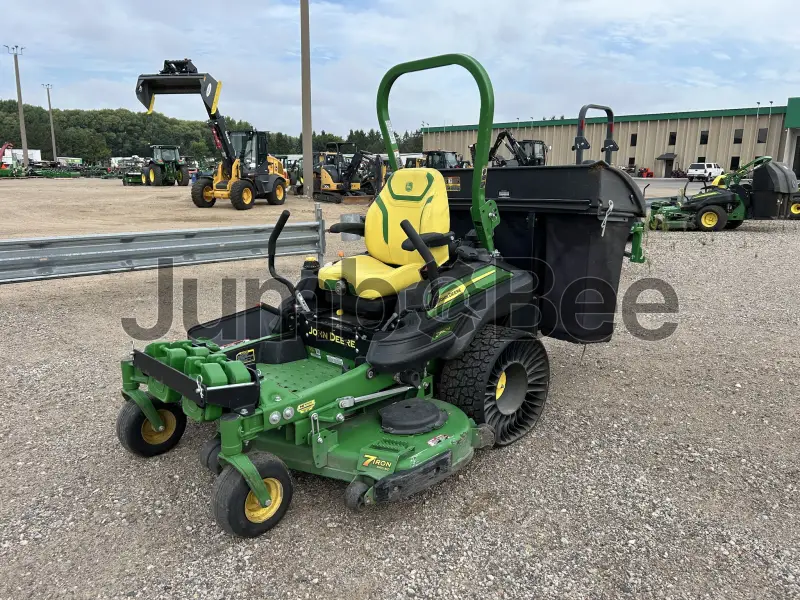
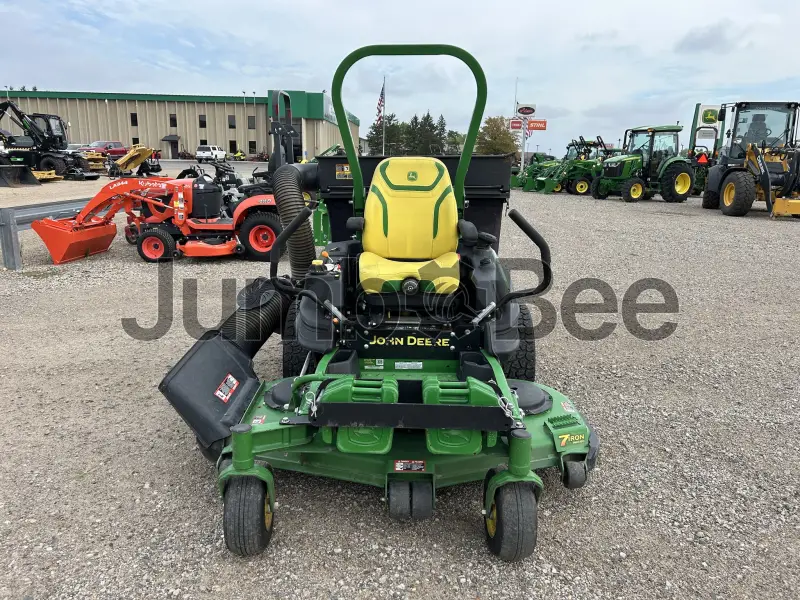
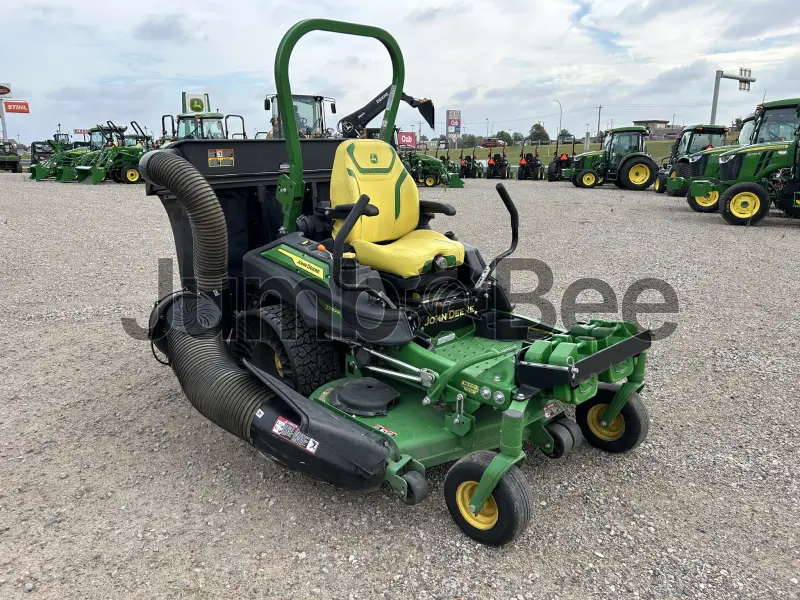
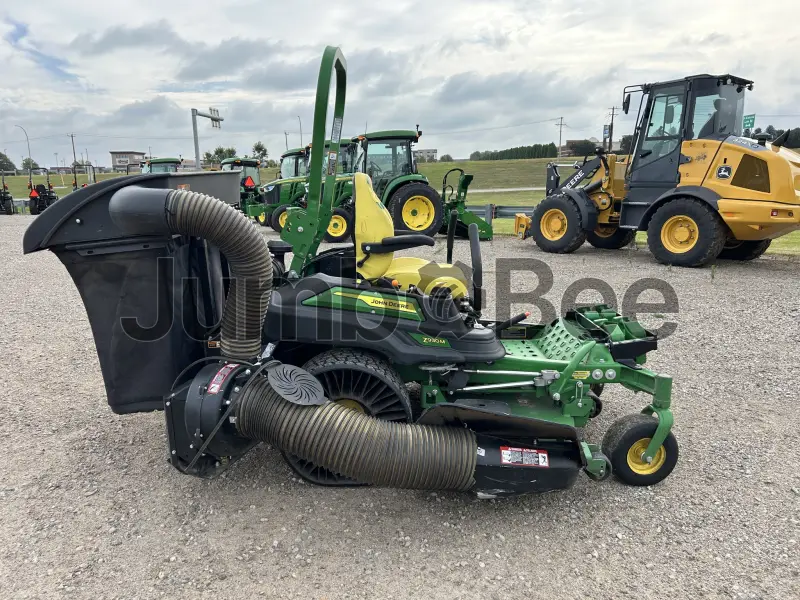
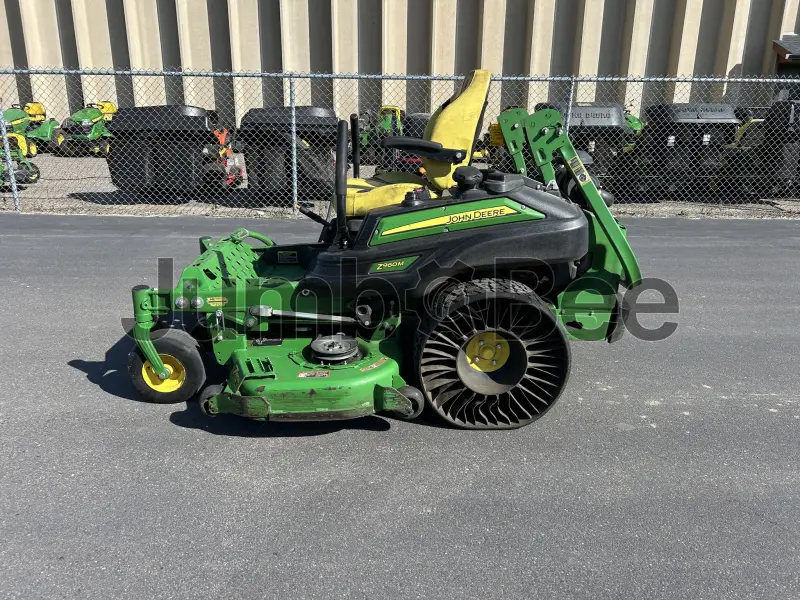
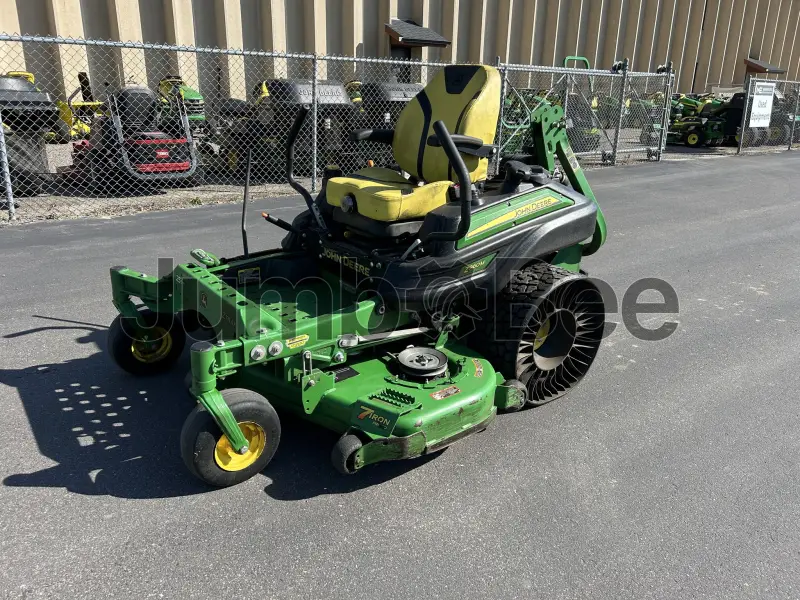
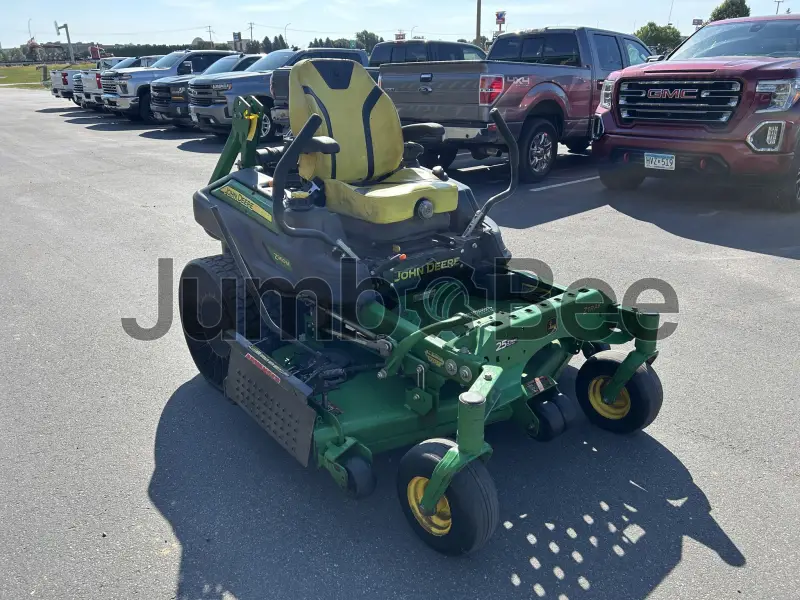
These high-performance mowers feature independent wheels that allow for tight turns and exceptional maneuverability. They are ideal for navigating around obstacles and efficiently mowing complex landscapes with intricate designs.
Stand-On Mowers
As the name suggests, these mowers require the operator to stand while operating. They offer excellent visibility and a low center of gravity, making them suitable for slopes and challenging terrain.
Compact Tractors
These are smaller versions of agricultural tractors, offering a powerful and versatile platform. They can handle a wide range of tasks, including mowing, tilling, and snow removal.
How to choose the right mower?
Selecting the ideal riding mower involves careful consideration of several key factors to ensure a perfect fit for your specific needs and preferences.
1. Lawn Size and Complexity
Small to Medium Lawns (under 1 acre)
A lawn tractor or a zero-turn mower with a smaller cutting deck of 30-42 inches is typically sufficient.
Large Lawns (over 1 acre)
Consider a garden tractor or a zero-turn mower with a wider cutting deck (42-52 inches) for increased efficiency.
Complex Lawns with Obstacles
A zero-turn mower's exceptional maneuverability excels in navigating around trees, flower beds, and other obstacles.
2. Terrain
Flat Lawns
Lawn tractors and zero-turn mowers are both suitable.
Sloped Lawns
Garden tractors with wider tires and powerful engines offer better stability on inclines.
Uneven Terrain
Garden tractors with their robust build and larger tires can handle rougher ground more effectively.
3. Budget
Budget-Conscious
Lawn tractors generally offer a more affordable option compared to garden tractors and zero-turn mowers.
Mid-Range
Zero-turn mowers provide excellent value for their maneuverability and efficiency.
Premium
Garden tractors and high-end zero-turn mowers offer top-of-the-line features and performance.
4. Desired Features
Mulching Capability
A must-have for those who prefer to recycle grass clippings.
Bagging Option
Ideal for collecting grass clippings for composting or disposal.
Power Steering
Enhances maneuverability and reduces strain on the operator.
Cruise Control
Maintains a consistent speed for efficient mowing.
Attachments
Consider the availability of attachments like tillers, plows, and carts for additional versatility.
5. Comfort and Ergonomics
Seat Comfort
Ensure a comfortable and supportive seat for extended mowing sessions.
Controls
Easy-to-reach and intuitive controls enhance the overall user experience.
Visibility
Good visibility is crucial for safe and efficient operation.
Which is more profitable: buying a new or used mower?
The decision of whether to buy a used or new riding mower is a complex one, with both options presenting potential advantages and drawbacks.
USED MOWER PROS
Lower upfront cost
This is often the most significant advantage, making used mowers an attractive option for budget-conscious buyers.
Potential for higher resale value
If well-maintained, a used mower can retain some of its value, allowing for easier resale in the future.
USED MOWER CONS
Unknown maintenance history
It's difficult to determine how well the previous owner cared for the mower, potentially leading to hidden problems.
Potential for higher repair costs
Used mowers may require more frequent repairs, leading to increased maintenance expenses over time.
Limited warranty coverage
Used mowers typically come with no warranty, leaving you responsible for any repairs.
NEW MOWER PROS
Full warranty coverage
New mowers come with a manufacturer's warranty, providing peace of mind and protection against unexpected repairs.
Known maintenance history
You're the first owner, ensuring that the mower has been properly maintained from the start.
Latest features and technology
New mowers often incorporate the latest advancements in engine technology, cutting performance, and safety features.
NEW MOWER CONS
Higher upfront cost
New mowers are significantly more expensive than used models.
Potential for depreciation
The value of a new mower will depreciate over time, potentially leading to a loss if you need to sell it later.
What are the advantages of a new or used mower?
New Riding Mowers
New mowers typically come with a warranty, providing coverage for repairs or replacements due to manufacturing defects. This offers peace of mind and protection against unexpected expenses.
As the first owner, you have complete control over the mower's maintenance schedule, ensuring proper care and longevity.
New models often incorporate the latest advancements in engine technology, cutting performance, safety features, and ergonomic design.
While all equipment depreciates, newer models generally retain their value better, potentially offering a higher resale value in the future.
Used Riding Mowers
This is the most significant advantage, making used mowers a more budget-friendly option for those seeking to save money.
Depending on the model and condition, a well-maintained used mower can still retain some of its value, allowing for potential resale at a later time.
A used mower may allow you to purchase a more powerful or feature-rich model than you could afford new.
How can I arrange the shipping of a mower?
JumboBee specializes in the efficient and reliable transportation of riding mowers. We offer comprehensive shipping solutions, providing expert guidance and customized services to meet your unique tractor transportation requirements. Our experienced team will manage all aspects of the shipping process, from initial planning and logistics to final delivery, ensuring a stress-free experience.