Ditchers for Sale
(3 listings)
Only verified sellers list equipment on JumboBee.
Sort by:
Featured
Tillage Equipment Models
Tillage Equipment
500+
Models
100+
Manufacturers
Heavy equipment insights from JumboBee
November 23, 2026
Types of Tillage Equipment: How to Choose the Right Implements for Your Farm
Compare tillage implements and learn what to look for when buying used equipment.
November 20, 2026
Types of Cultivators: What They Are, How They Work and How to Choose
Compare different types of farm cultivators, their uses, and what to look for when buying used.
November 9, 2026
Skid Steer Loader Brands Compared: CAT vs Bobcat vs John Deere
A side-by-side comparison of CAT, Bobcat and John Deere skid steers by size class, capacity, power and hydraulics.
November 2, 2026
Buying & Selling Heavy Equipment in Canada: Market Guide for Global Buyers
This guide explains how the Canadian heavy equipment market works for international buyers and sellers.
October 9, 2026
Motor Grader Buying Guide: Sizes, Top Brands, and What Contractors Should Look For
This guide helps buyers select the right motor grader for their needs and maximize ROI across construction, mining, and snow removal.
August 25, 2026
Repair, Rebuild or Replace Heavy Equipment: 2026 Cost-Based Decision Guide
This guide provides a mathematical approach to help you decide what to do with your aging machinery in 2026.
DRAINING FLAT FIELDS
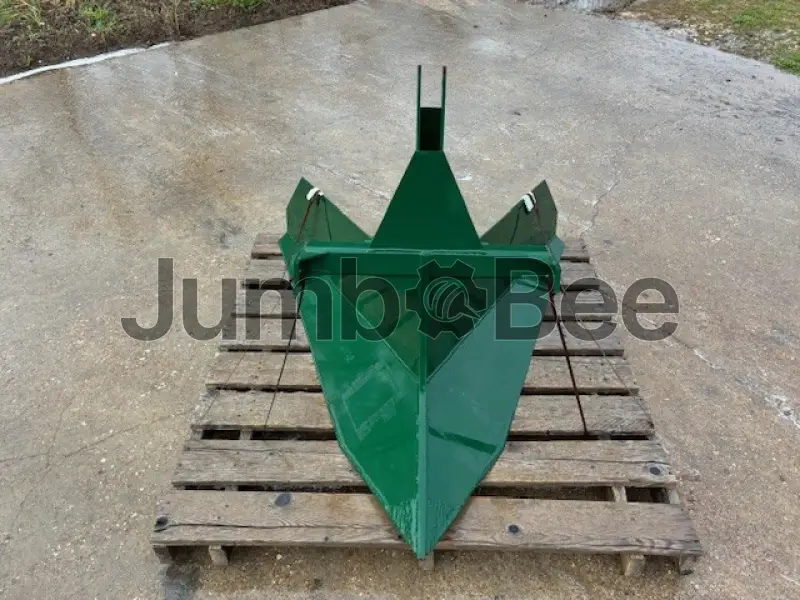
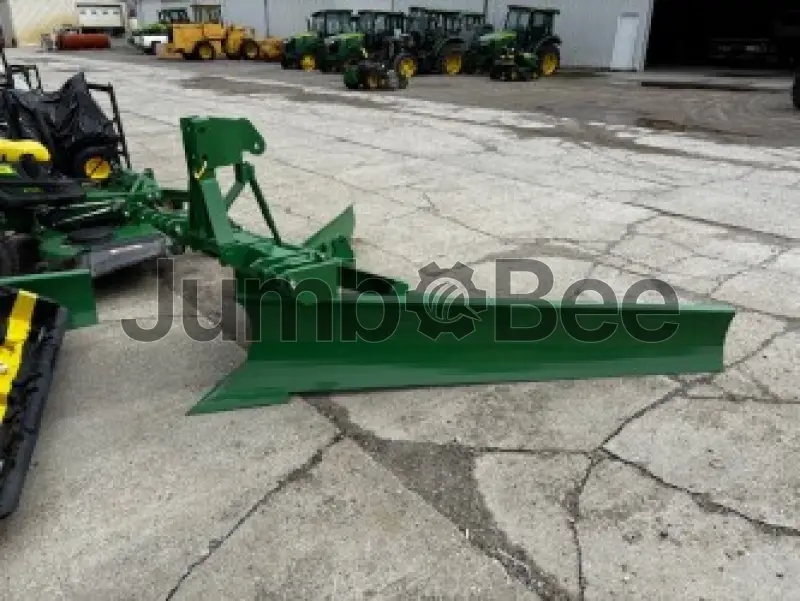
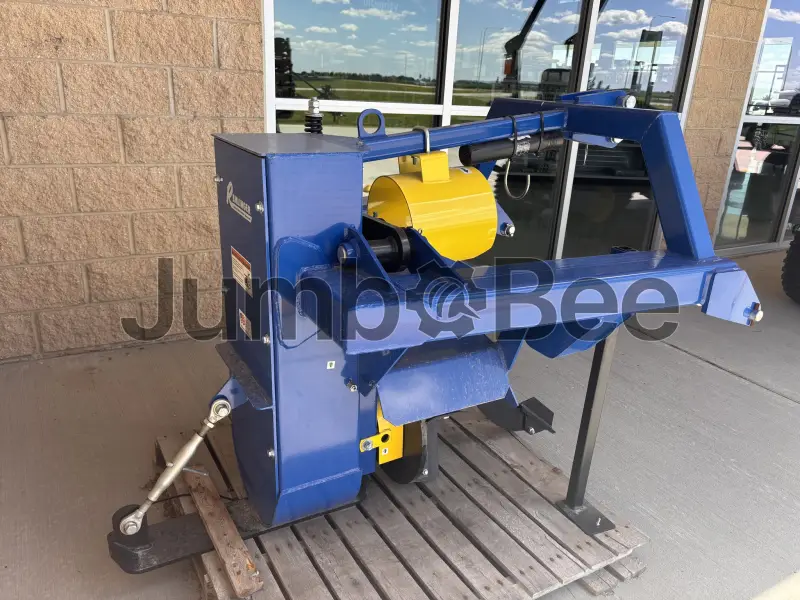
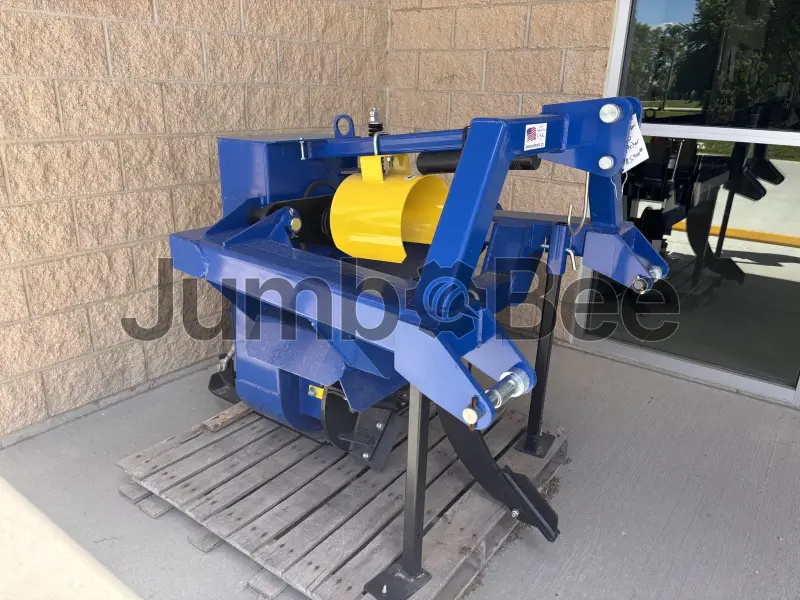
A ditcher cuts shallow drainage ditches across fields so surface water can run off quickly after heavy rain. On flat ground, even a few inches of standing water can drown seedlings or delay planting, so ditchers are an important tool in the Mississippi Delta, rice country and other low-lying regions.
ROTARY OR V-DITCHER
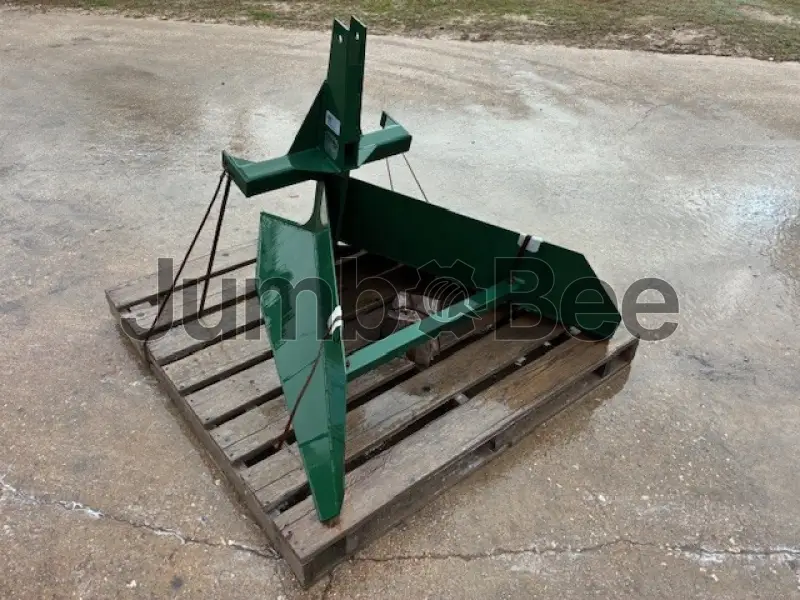
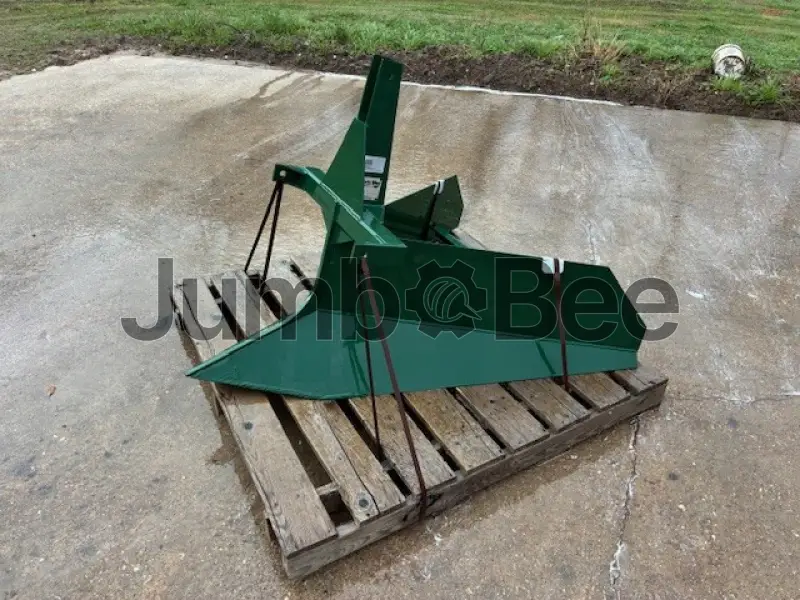
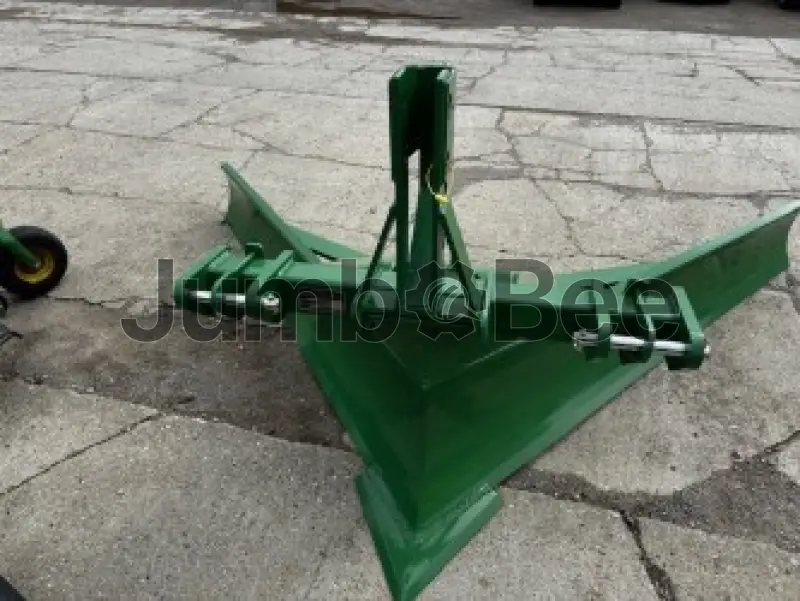
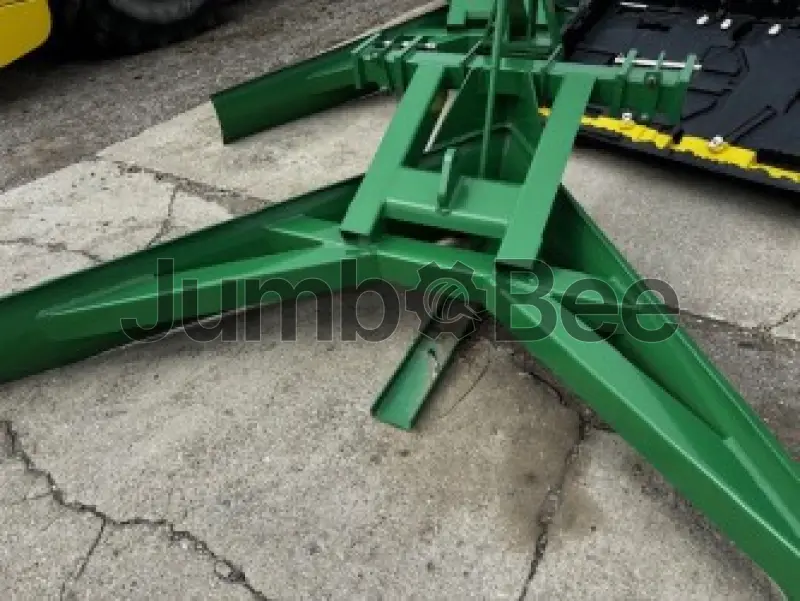
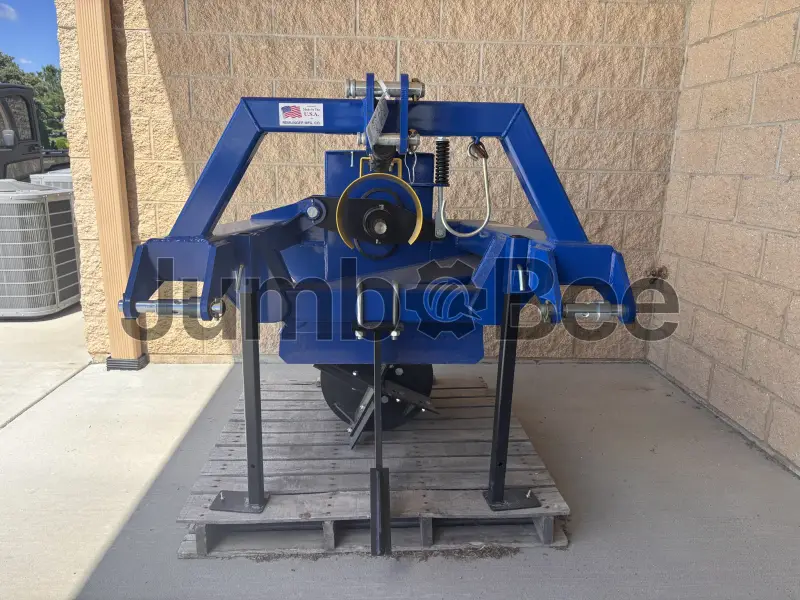
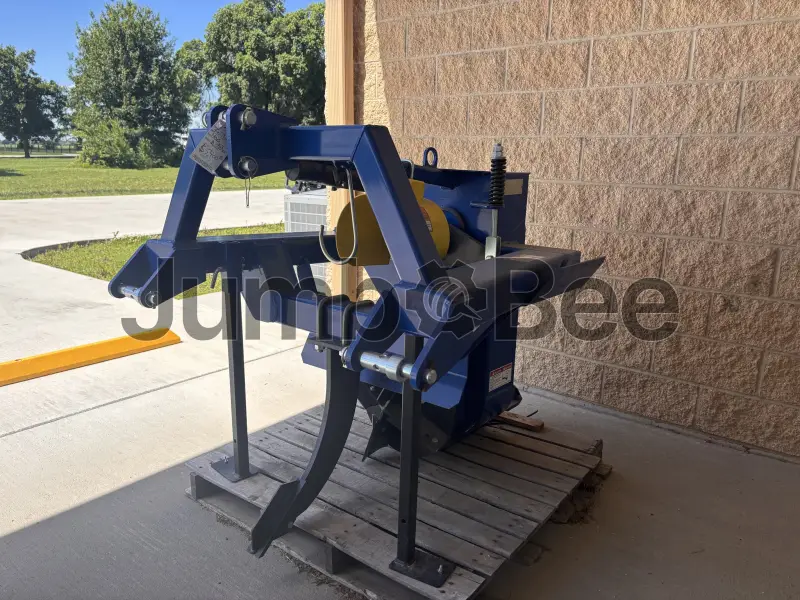
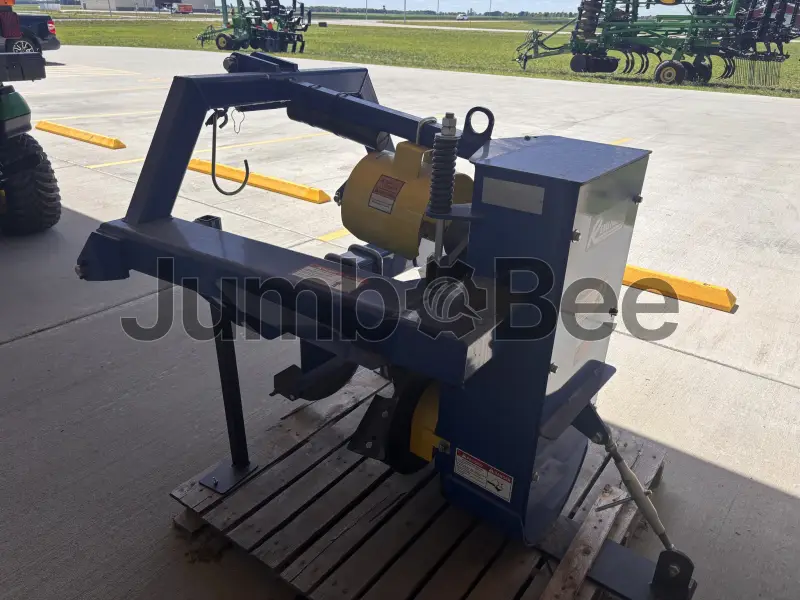
Rotary ditchers use a PTO-driven wheel with cutting blades to dig the ditch and throw soil out to the side, spreading it thinly so it does not form a ridge. V-ditchers use angled blades to cut and push soil into a V-shaped channel. Rotary models leave a cleaner field surface, while V-ditchers are simpler and cheaper. Some growers keep both, using the V-ditcher for quick seasonal maintenance and the rotary ditcher for new drainage work.
PULL-TYPE OR 3-POINT
Pull-type ditchers handle larger jobs and deeper ditches, while 3-point units suit smaller fields and maintenance work. GPS and laser guidance help place ditches along the natural fall of the field.
INSPECTING A USED DITCHER FOR SALE
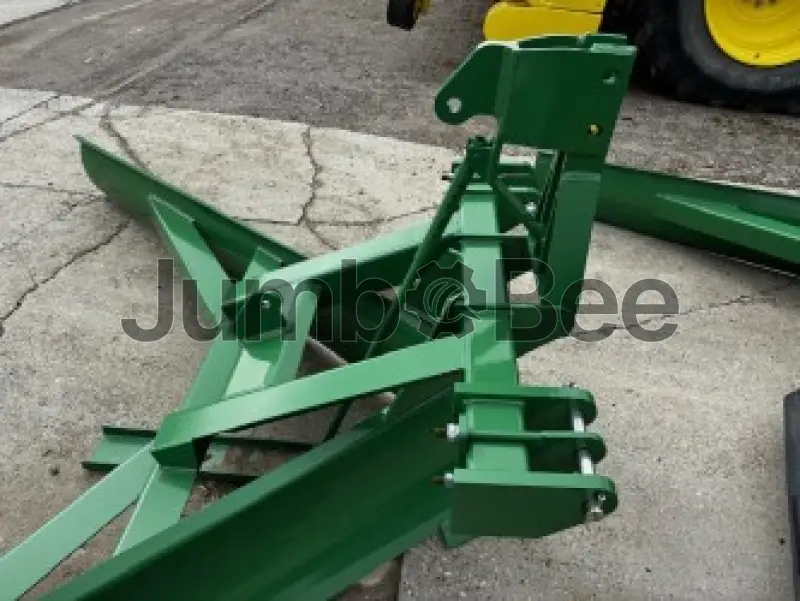
Check the rotor, cutting blades and their mounts, the gearbox and driveline, depth control and the frame. Look for cracks where the rotor housing meets the frame. Ask too whether the blades have been replaced, since worn blades throw soil poorly and leave a rough ditch. If you buy used ditcher equipment, ask how many hours the gearbox has run since its last service.
USED DITCHER PRICE
Used ditcher price depends on size, drive type, guidance compatibility and condition. Smaller 3-point models are usually affordable, while large rotary ditchers cost more.
Got Questions?
Our FAQ section covers everything from shipping and listing to buying with confidence.
WHAT SHOULD YOU LOOK FOR IN A DITCHER?
- Blade or wheel design matched to your soil type and ditch profile needed
- Depth and grade-control capability for consistent water flow
- Frame strength for the repeated heavy soil-moving work
- Hitch type and horsepower requirement for your tractor
- Wear condition of cutting edges and moldboards
- Compatibility with laser or GPS grade-control systems
HOW TO CHOOSE THE RIGHT DITCHER?
ASSESS YOUR NEEDS
- Identify your target ditch depth and profile for effective drainage.
- Match blade or wheel size to your soil type and field conditions.
- Confirm horsepower requirement against your available tractor.
- Decide if laser grade control is needed for precise water flow.
KEY FEATURES
- Blade or wheel cutting edge condition
- Depth and grade-control adjustment
- Frame strength for heavy soil-moving loads
- Laser or GPS grade-control compatibility
WHAT IS MORE PROFITABLE TO BUY: A USED DITCHER OR A NEW ONE FROM A DEALER?
A new ditcher offers full warranty and unworn cutting edges. A used ditcher costs less and can still shape effective ditches for years if the blades and frame remain structurally sound. JumboBee's pre-sale inspection option helps confirm blade and frame condition before a used purchase.
WHAT ARE THE ADVANTAGES OF A NEW OR USED DITCHER?
- New: unworn cutting edges, full warranty, precise grade-control compatibility
- Used: lower cost, proven durability, straightforward inspection of wear components
HOW CAN I ARRANGE THE SHIPPING OF A DITCHER?
JumboBee arranges flatbed pickup and delivery for ditchers, coordinating transport to your farm ahead of the drainage season.