19 - 20 over 231 results for your search
John Deere Sprayers for Sale
(231 listings)
Browse by subcategory
Popular brands
Only verified sellers list equipment on JumboBee.
Sort by:
Featured
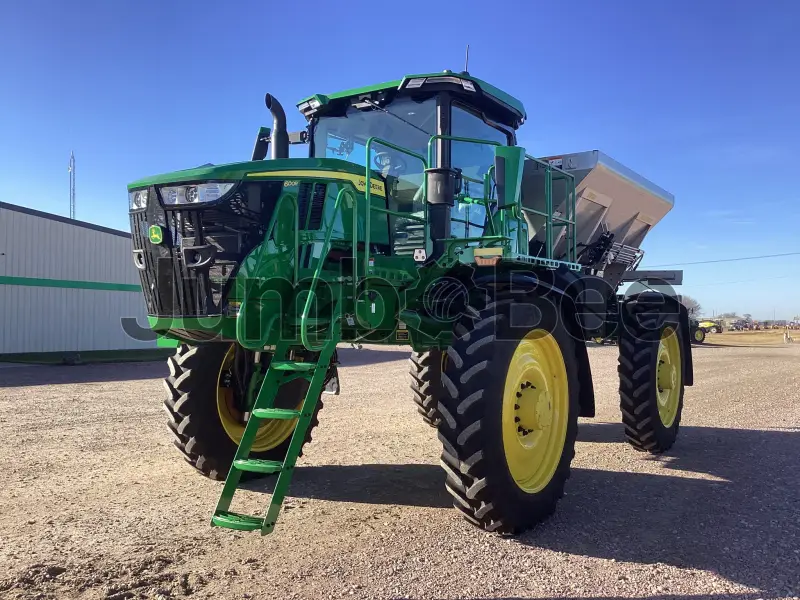
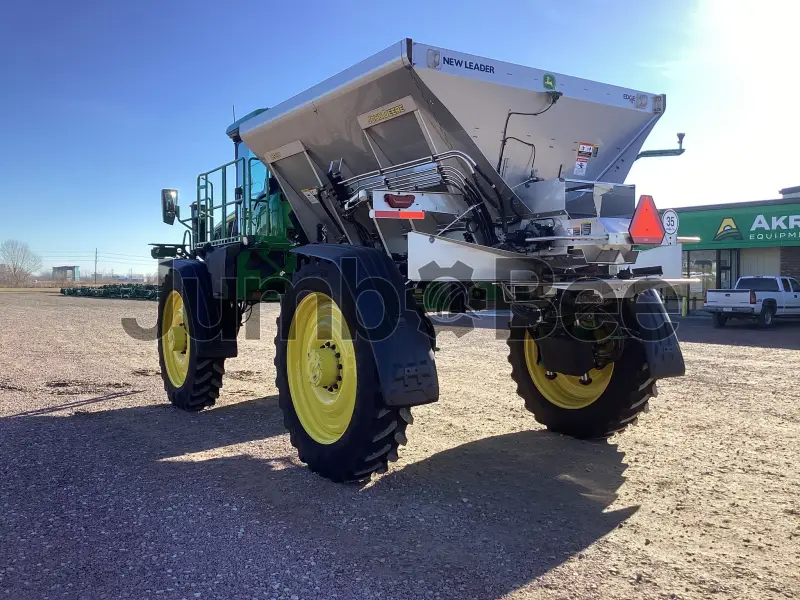
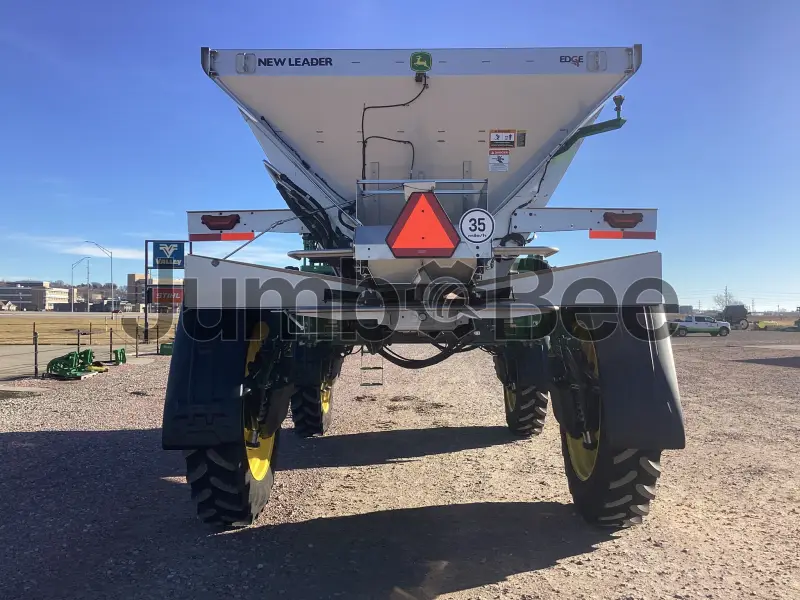
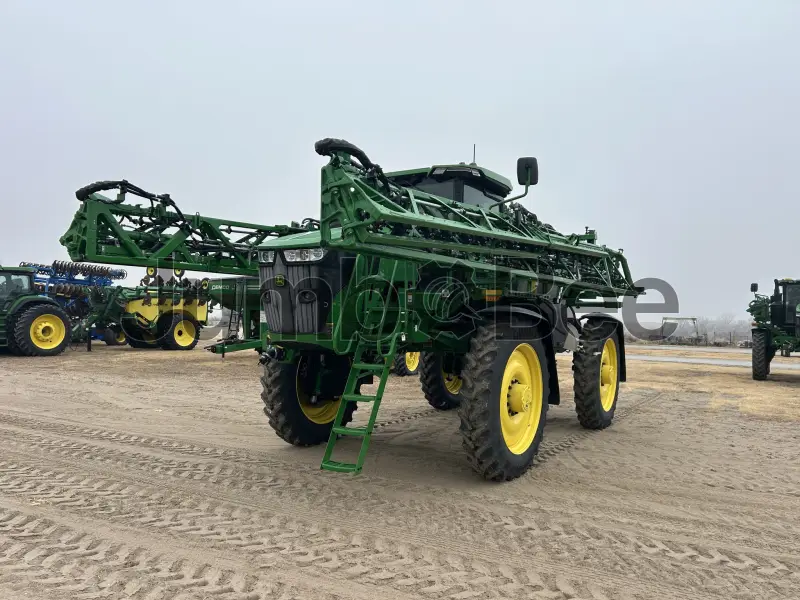
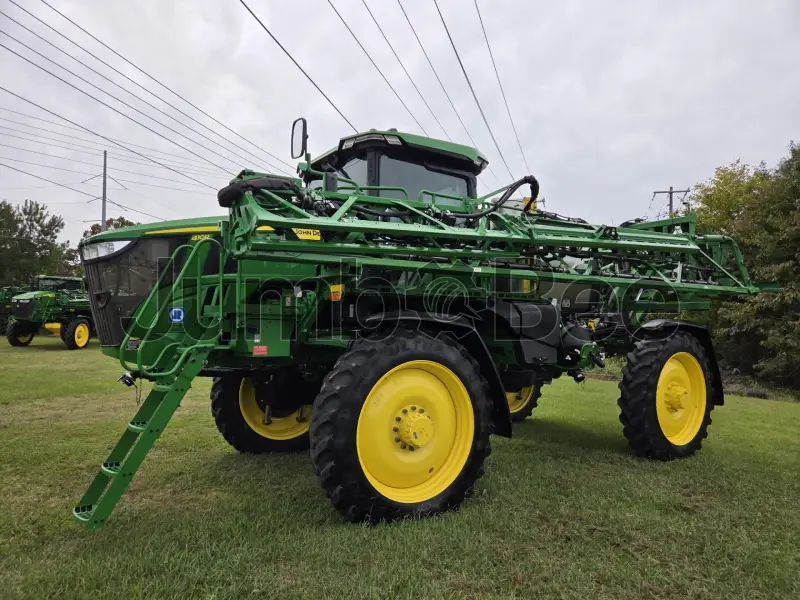
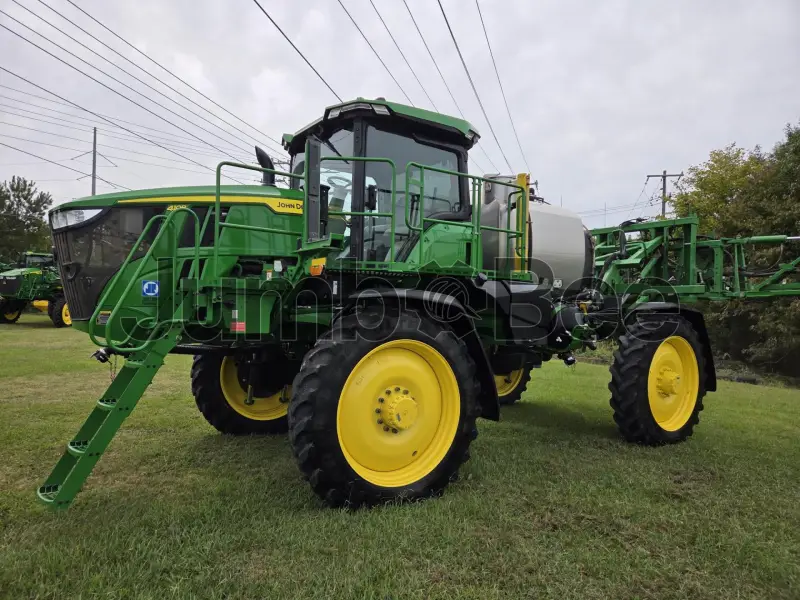
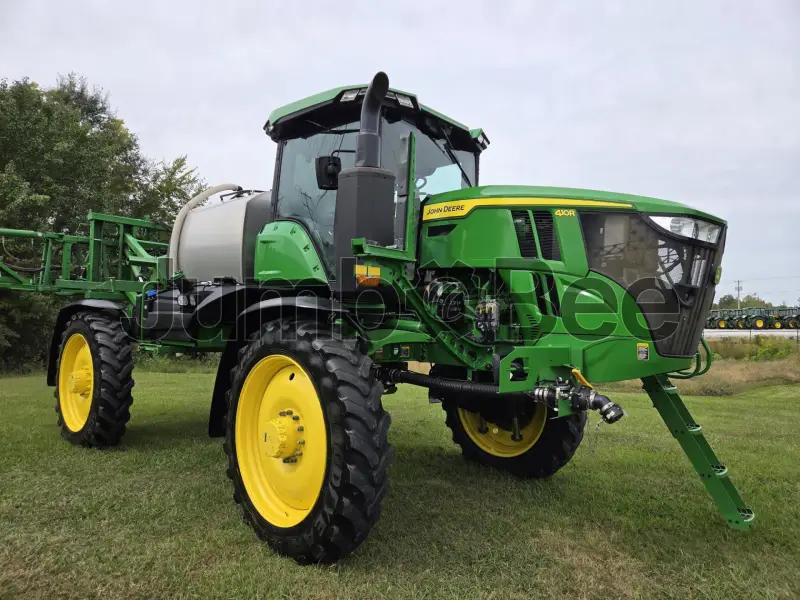
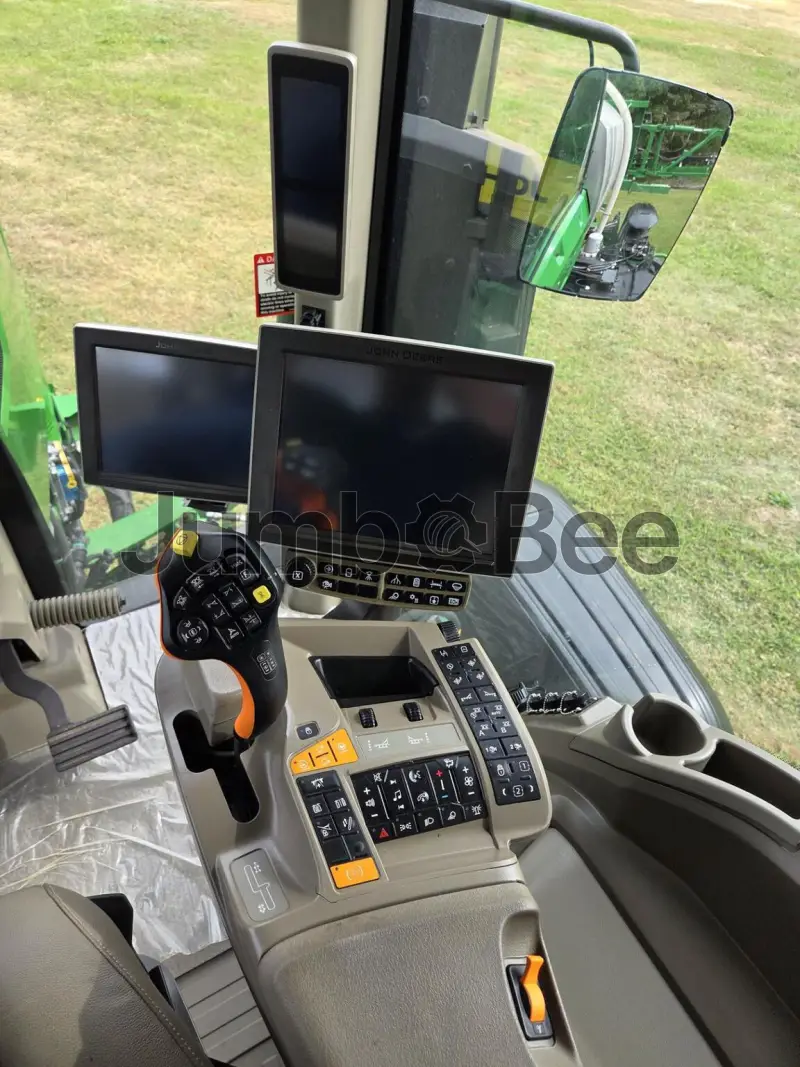
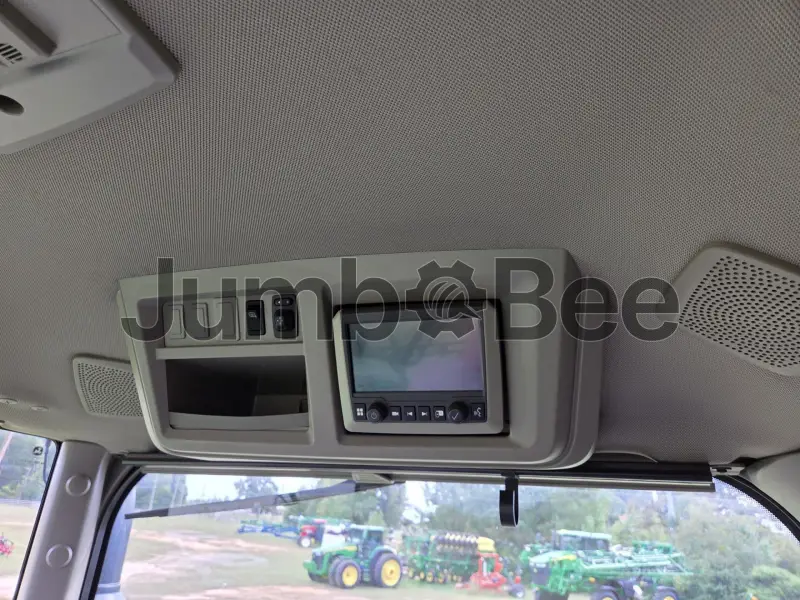
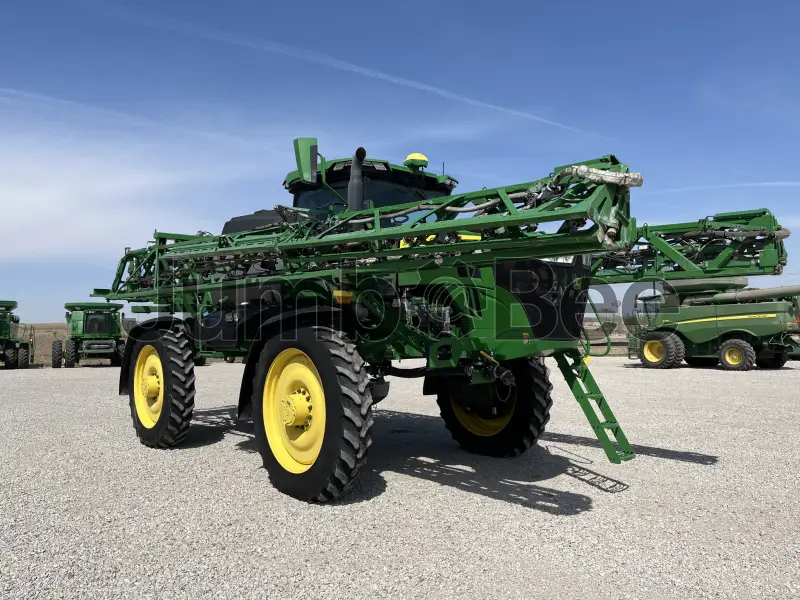
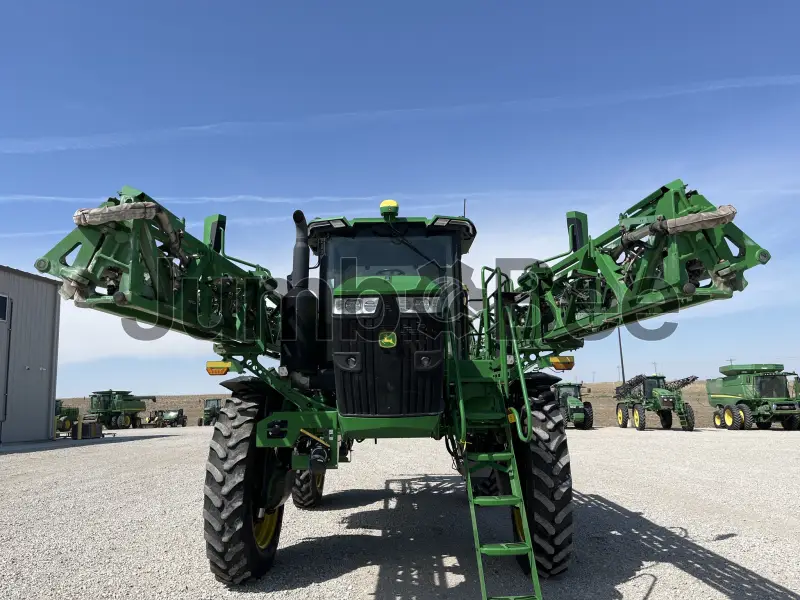
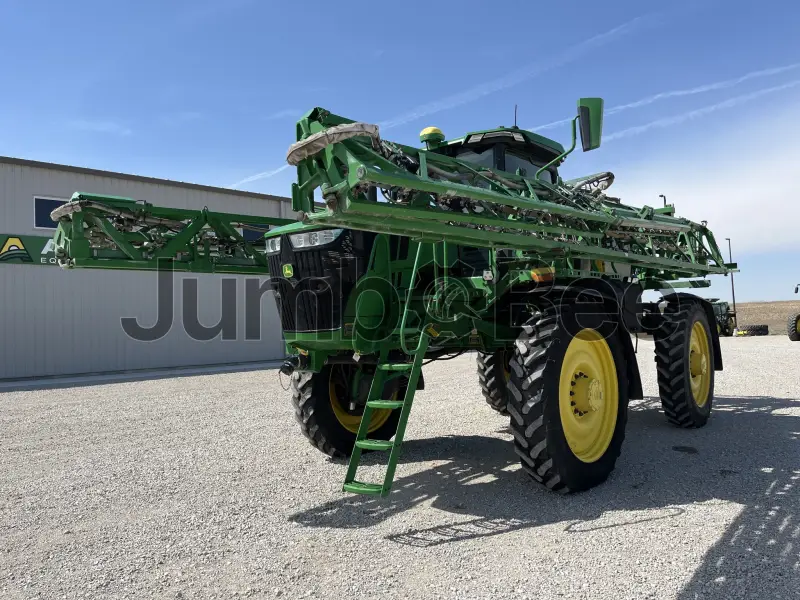
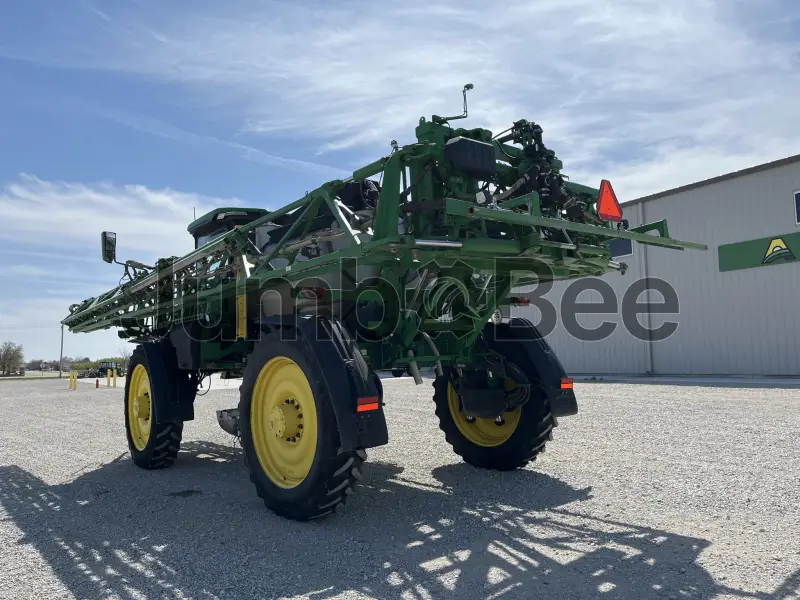
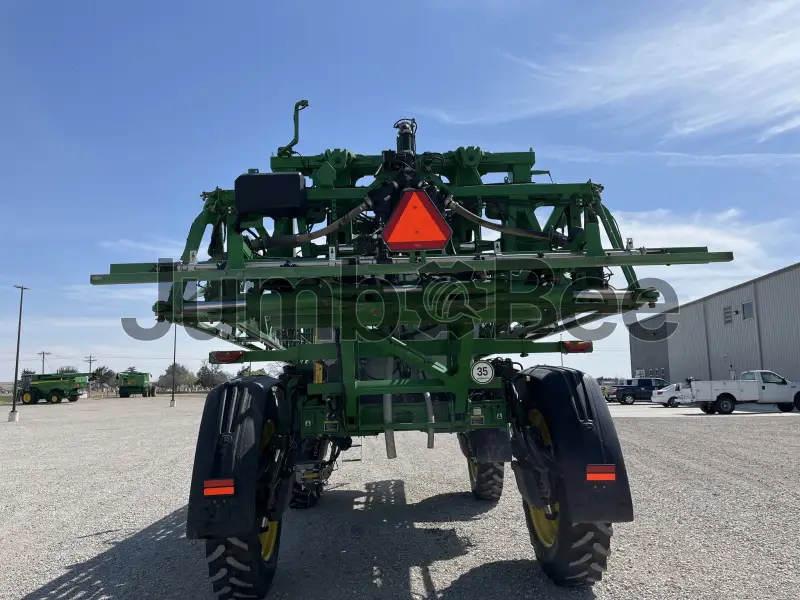
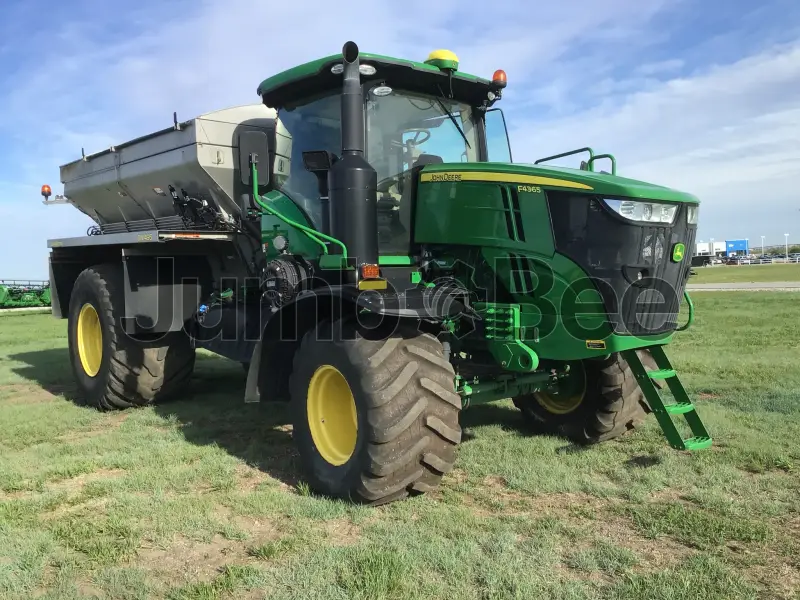
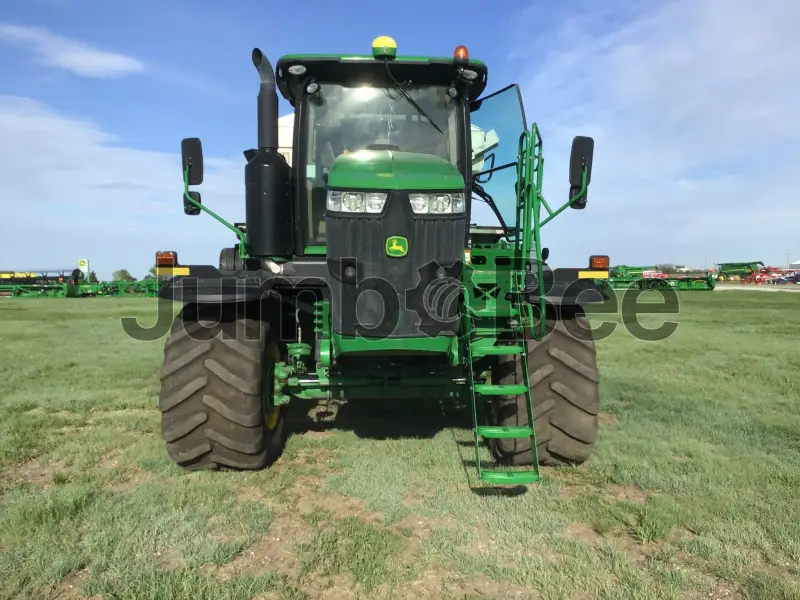
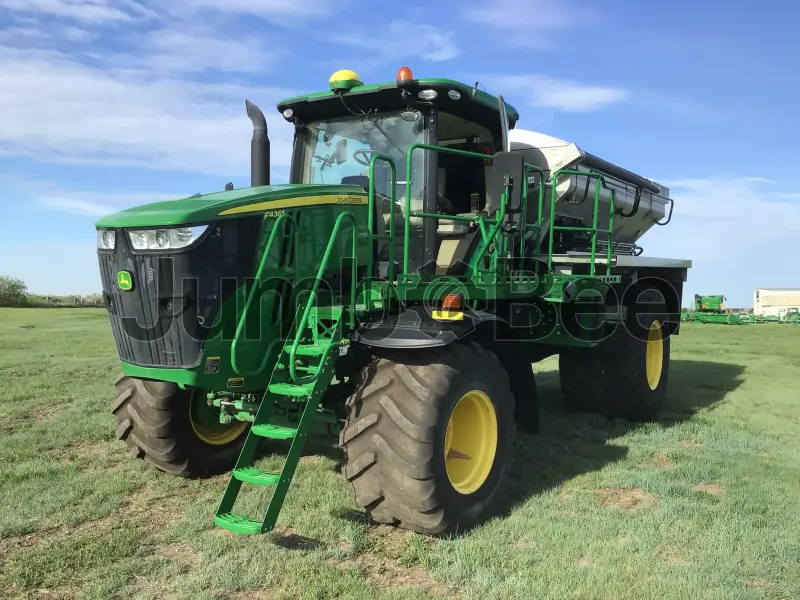
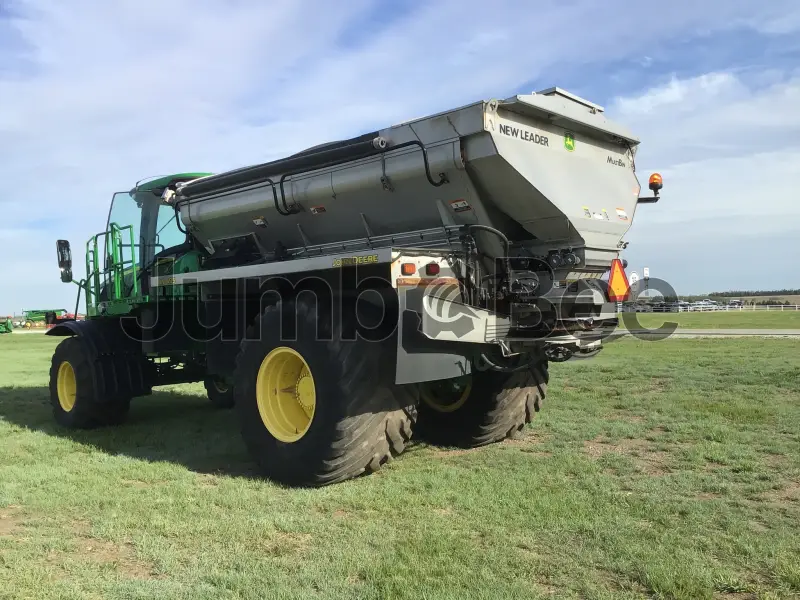
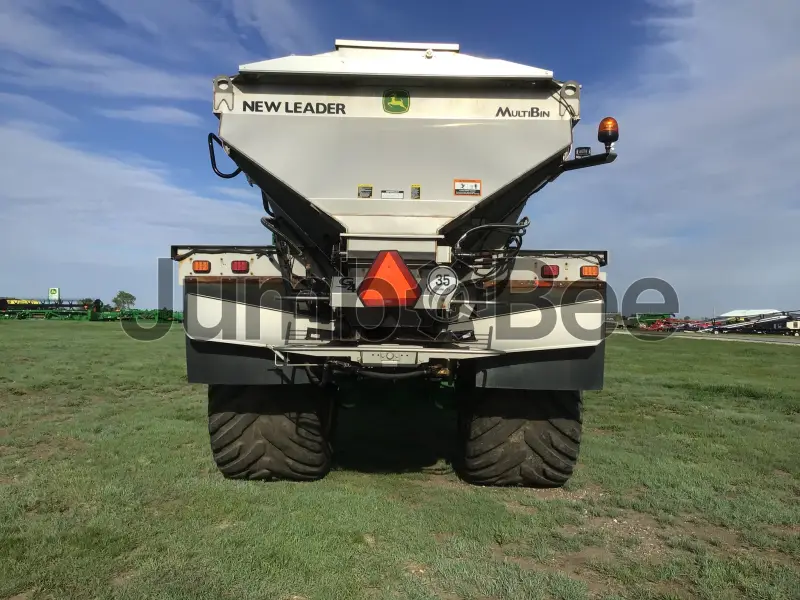
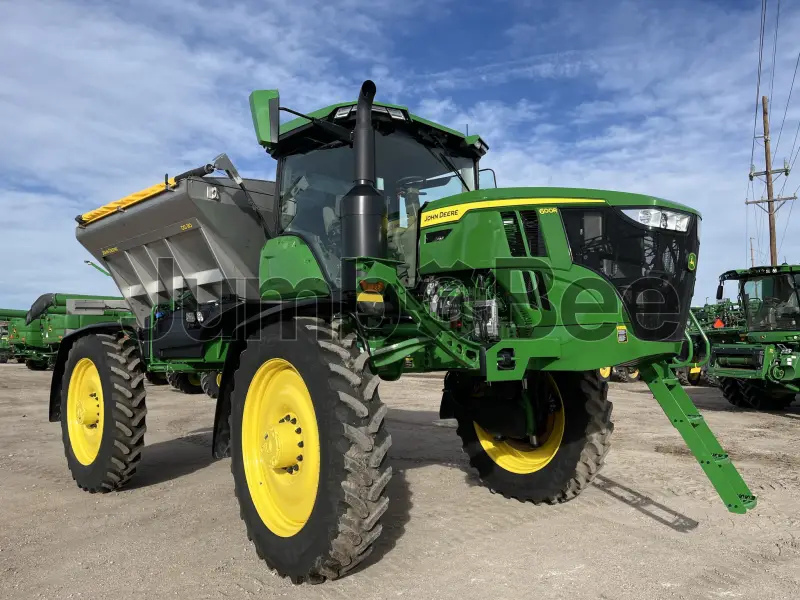
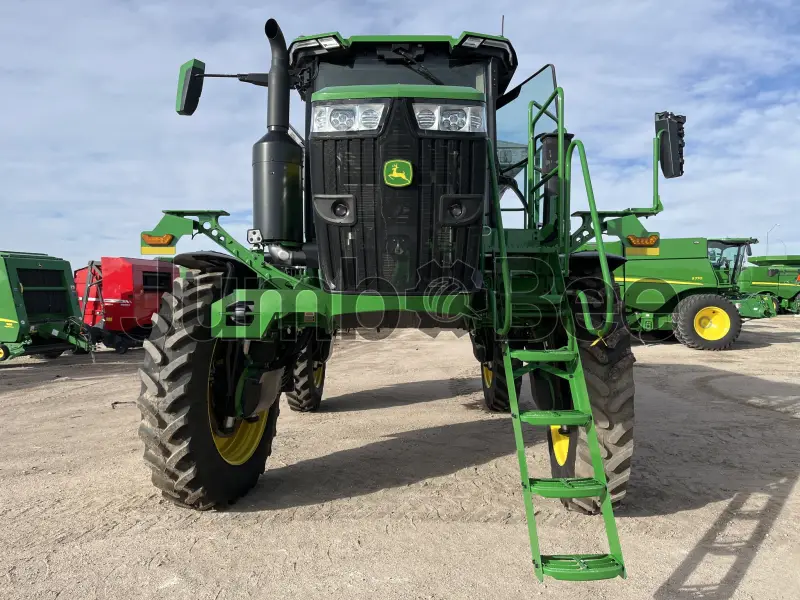
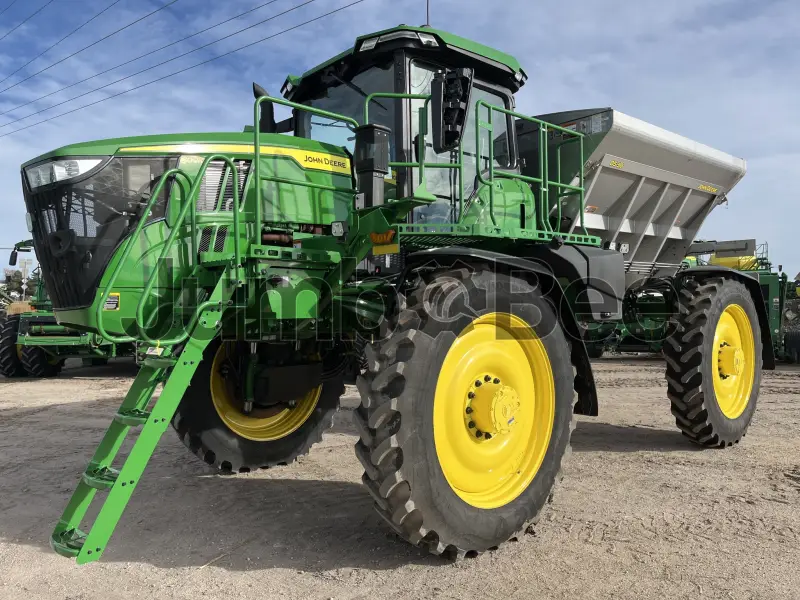
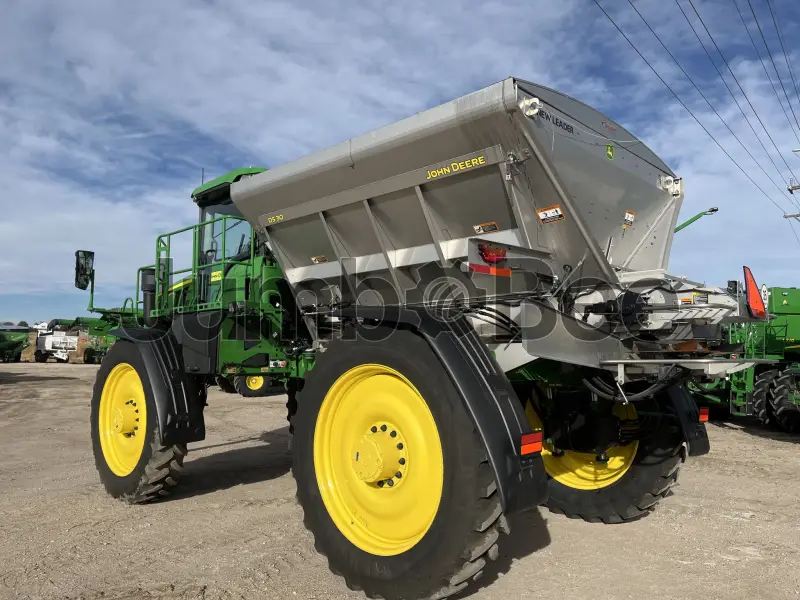
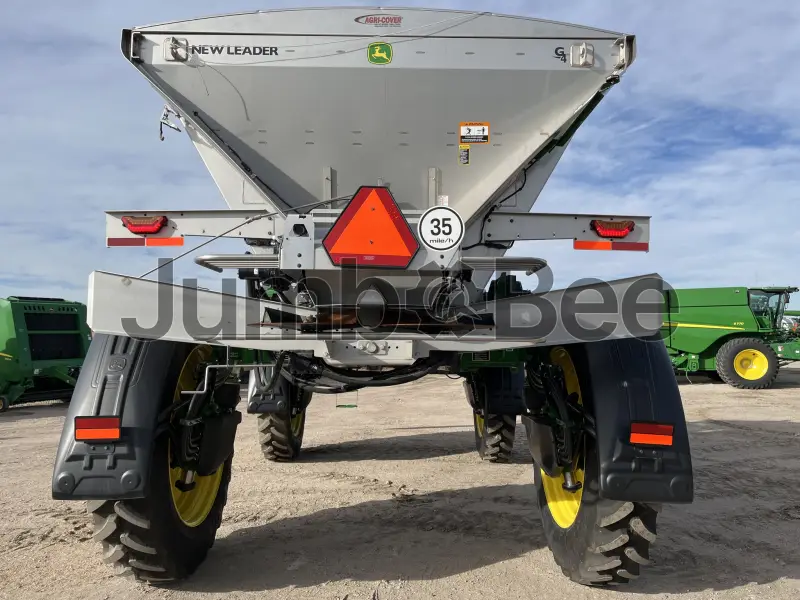
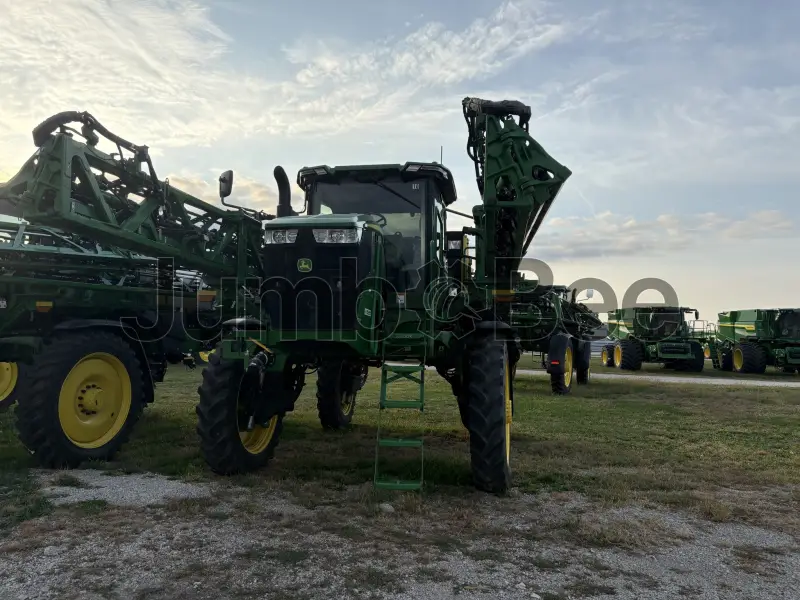
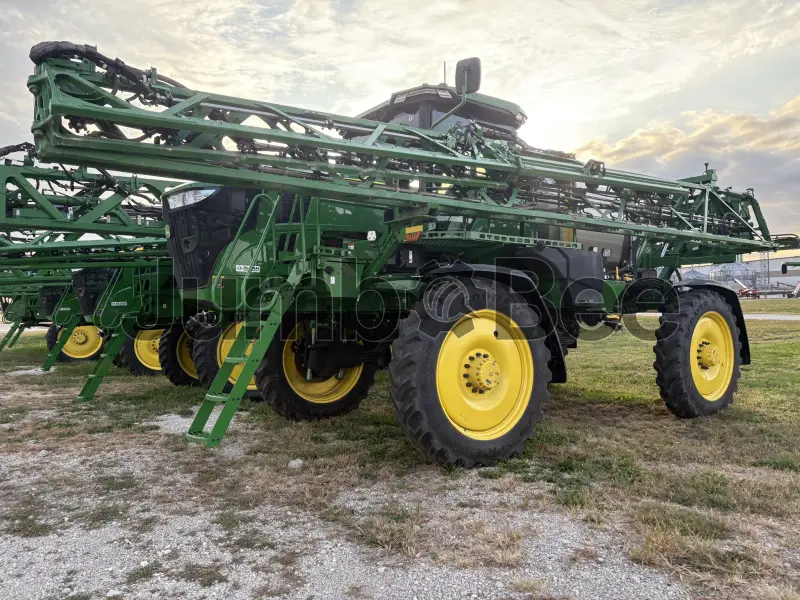
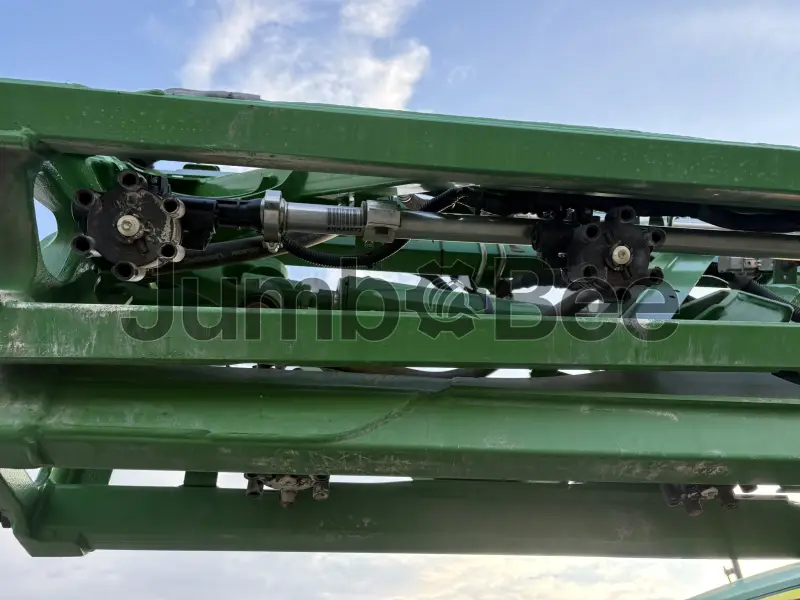
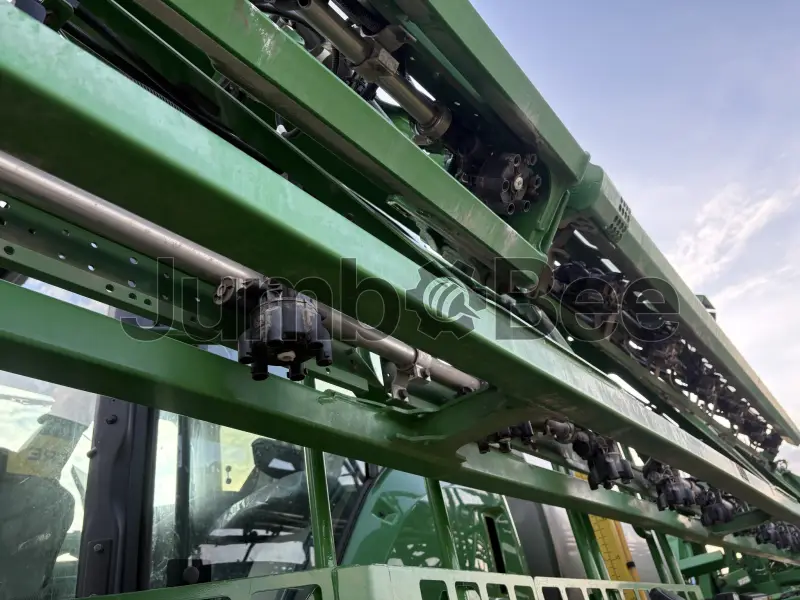
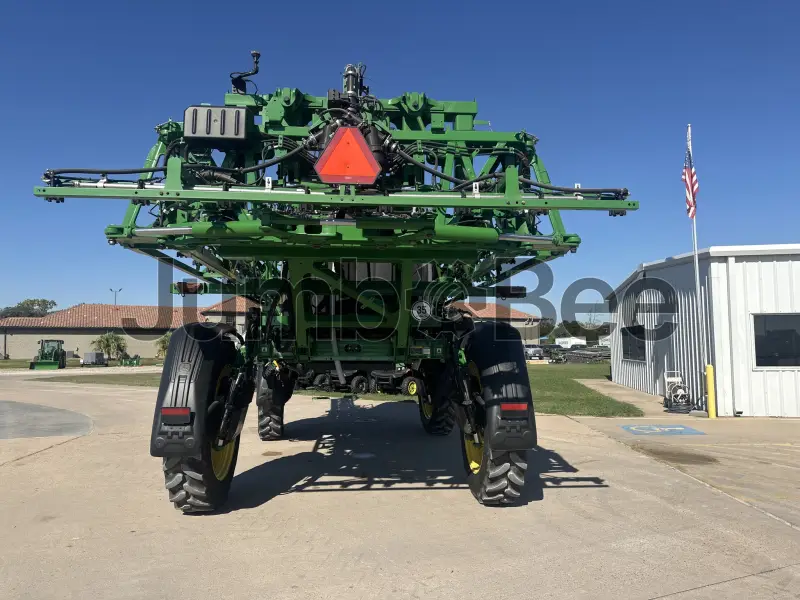
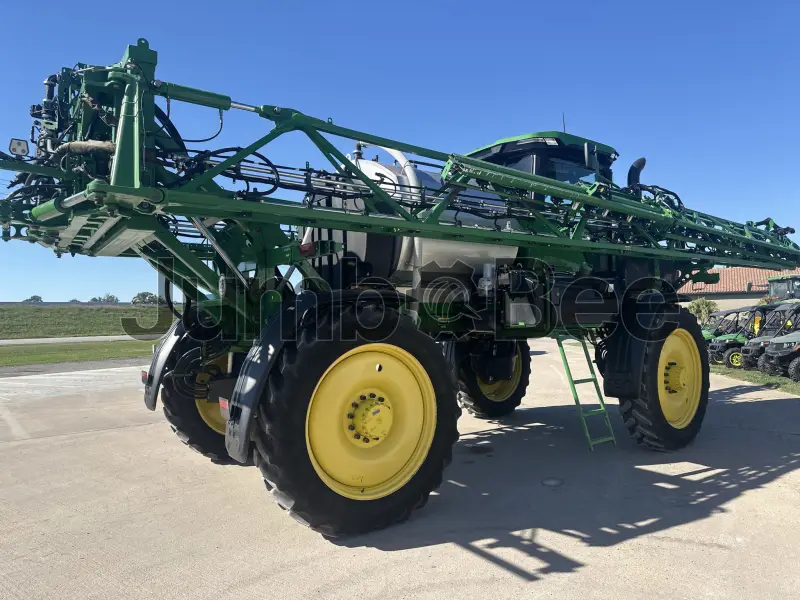
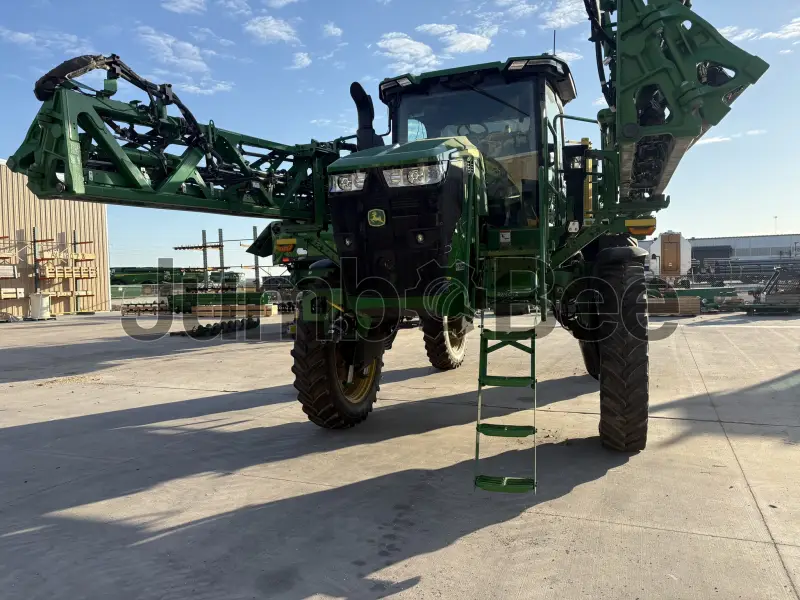
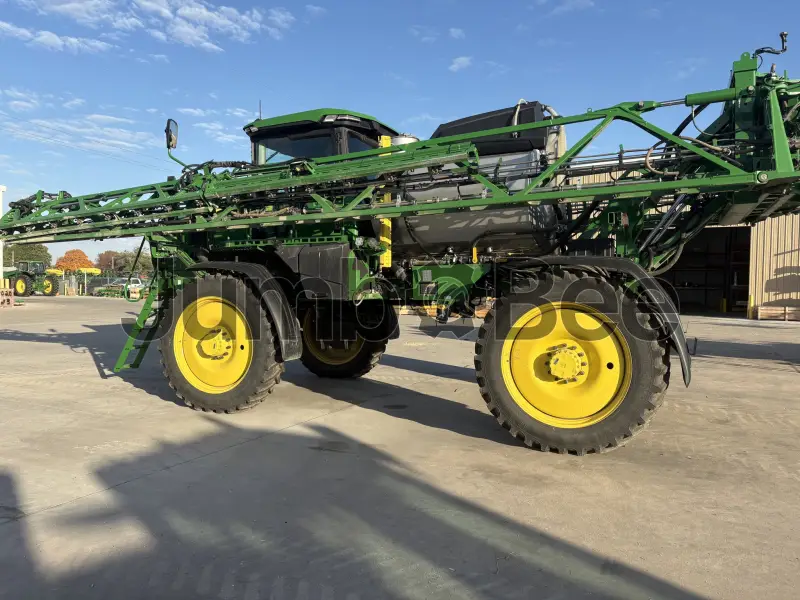
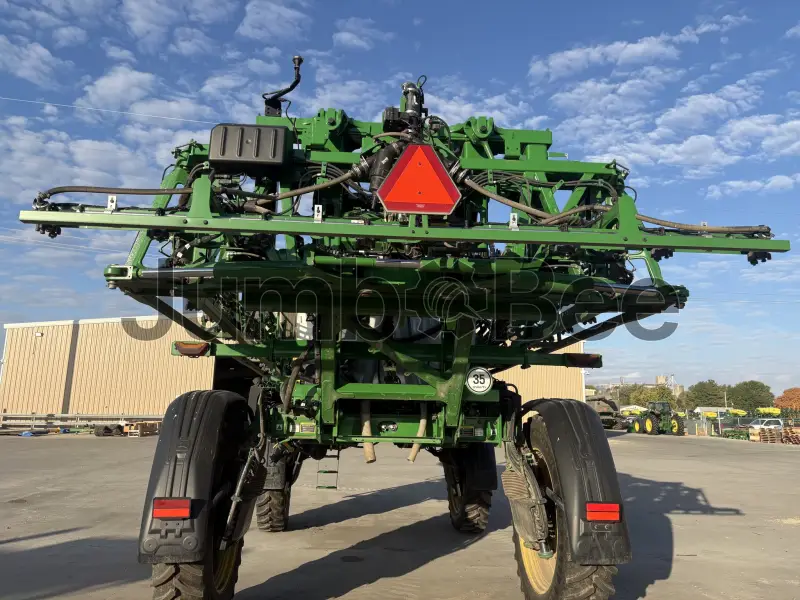
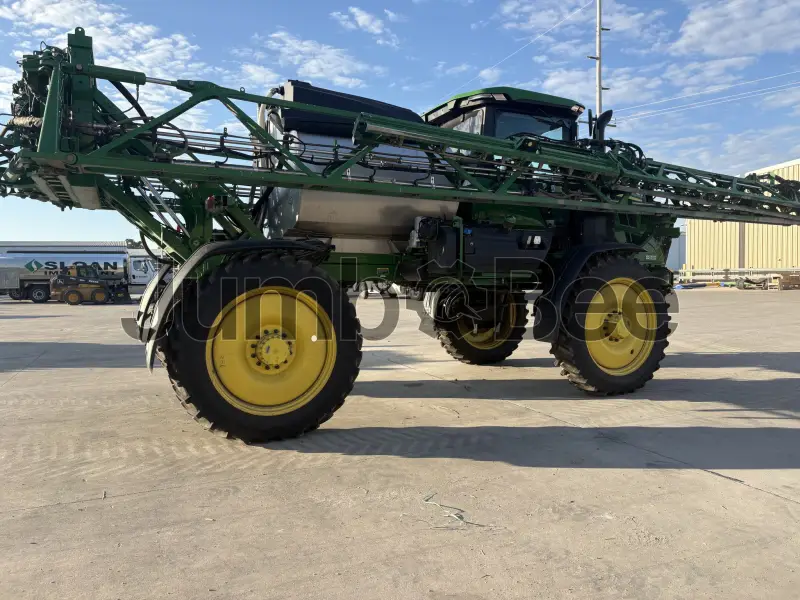
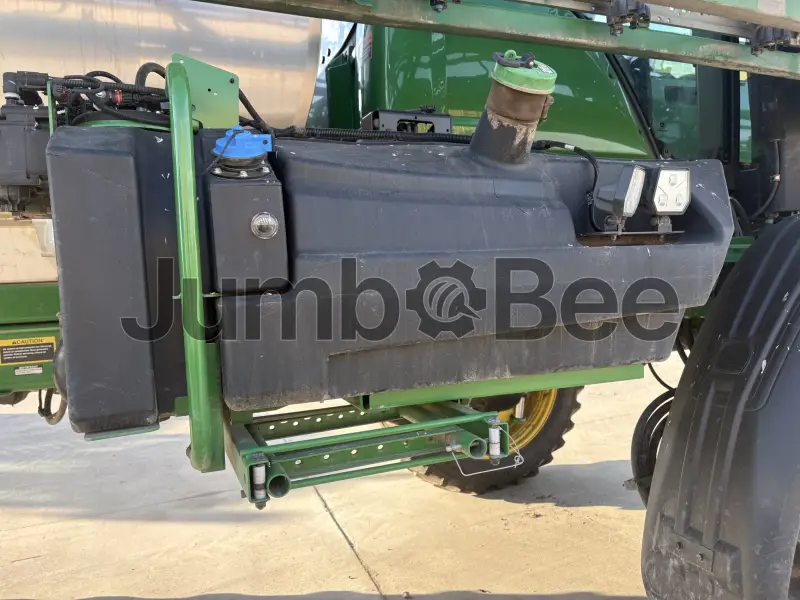
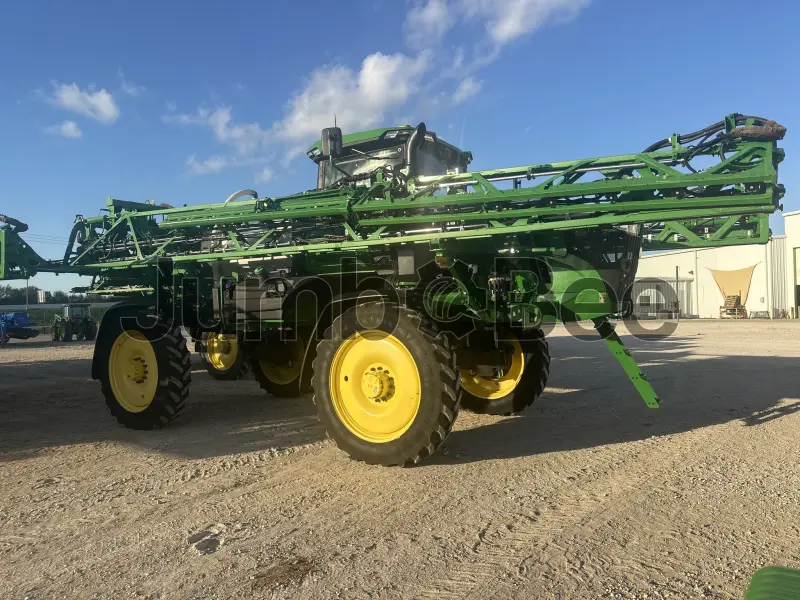
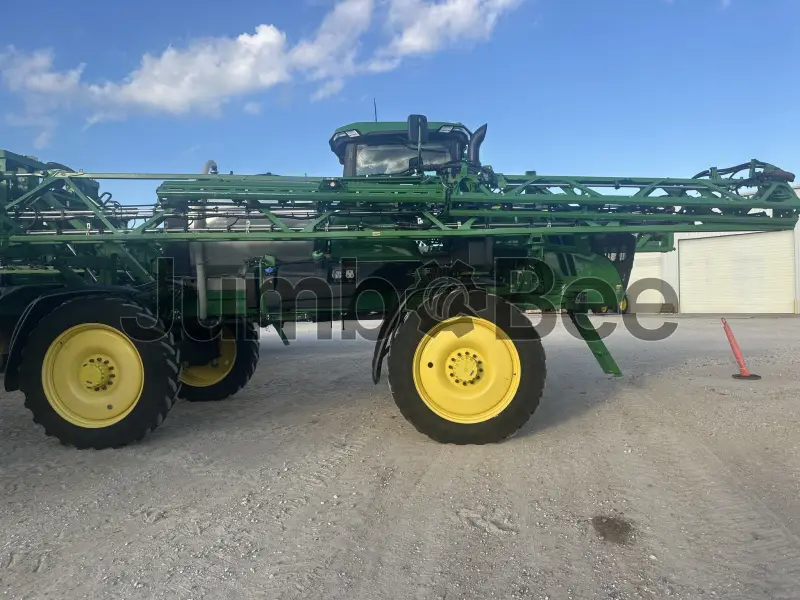
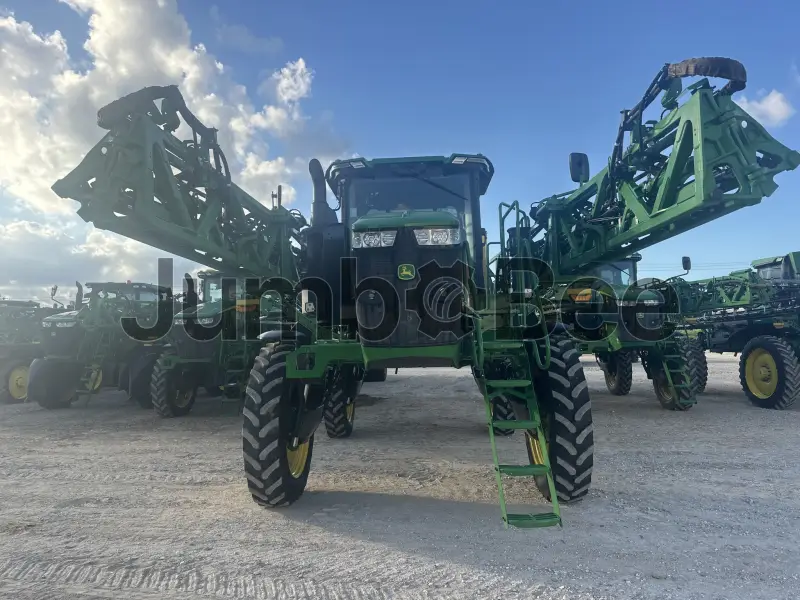
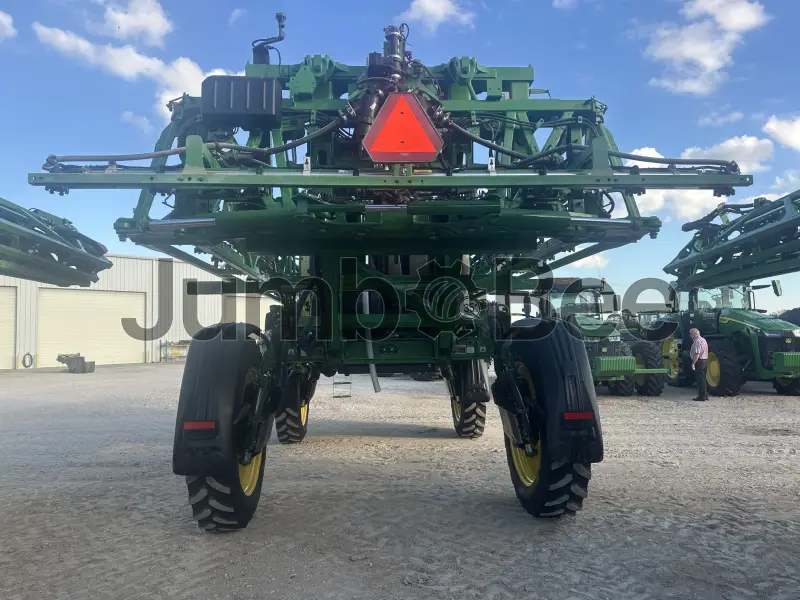
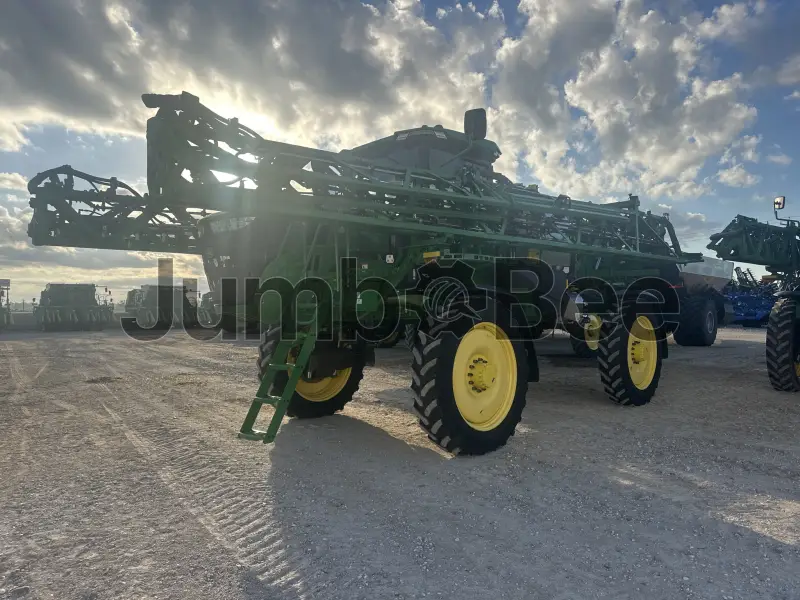
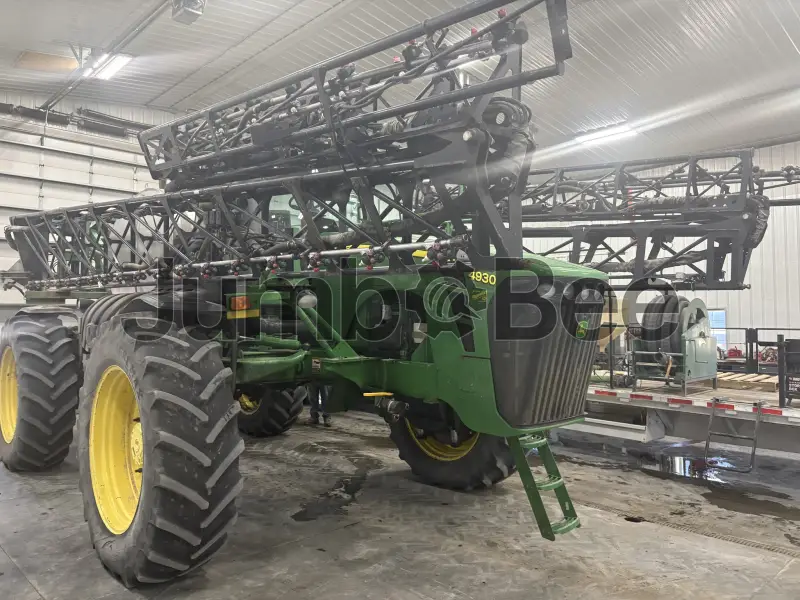
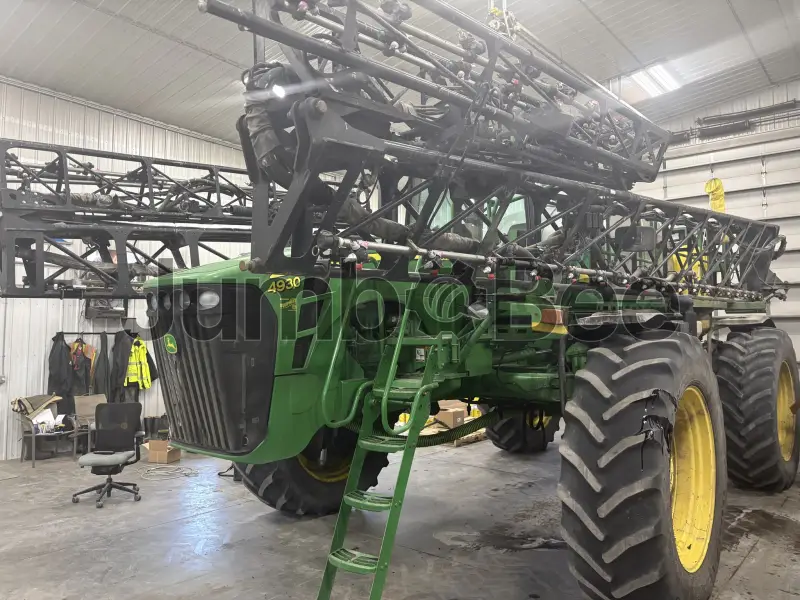
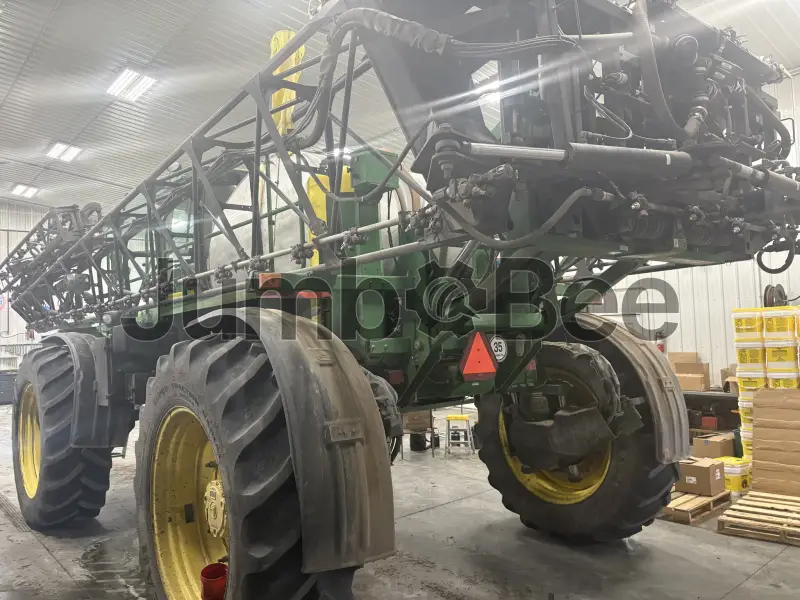
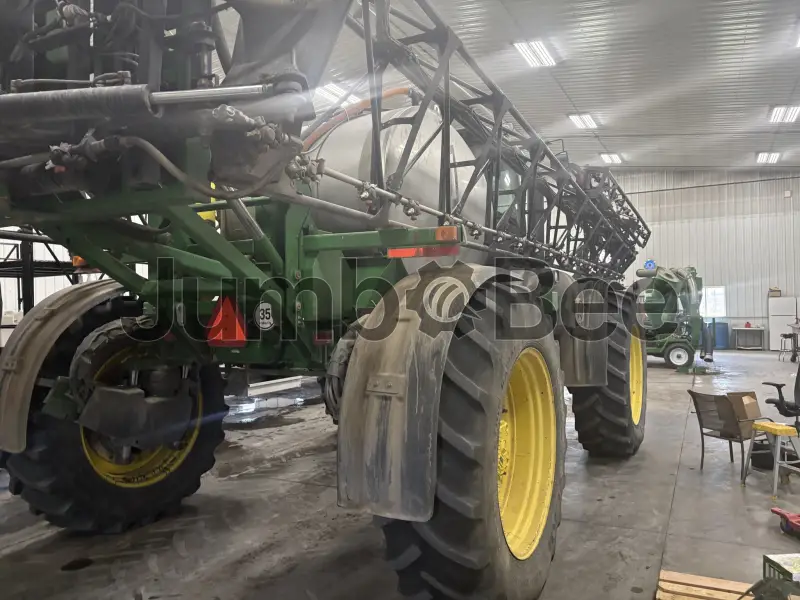
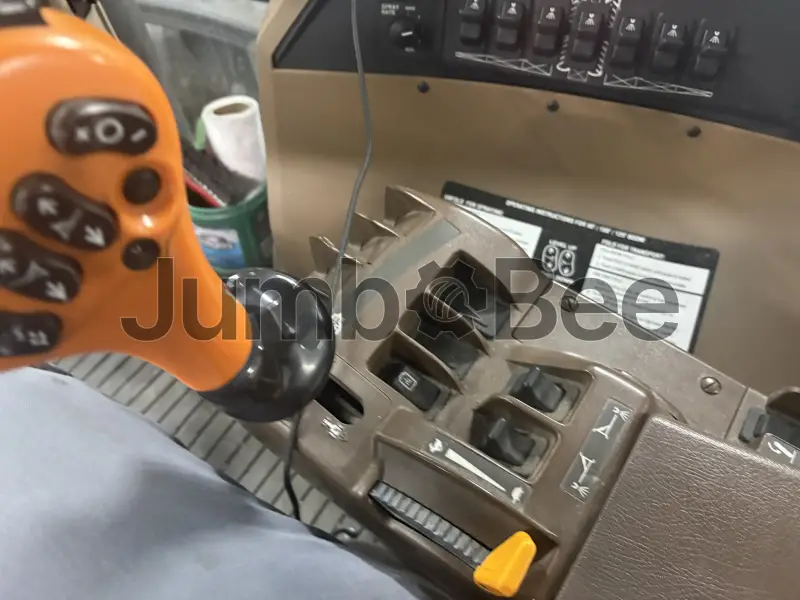
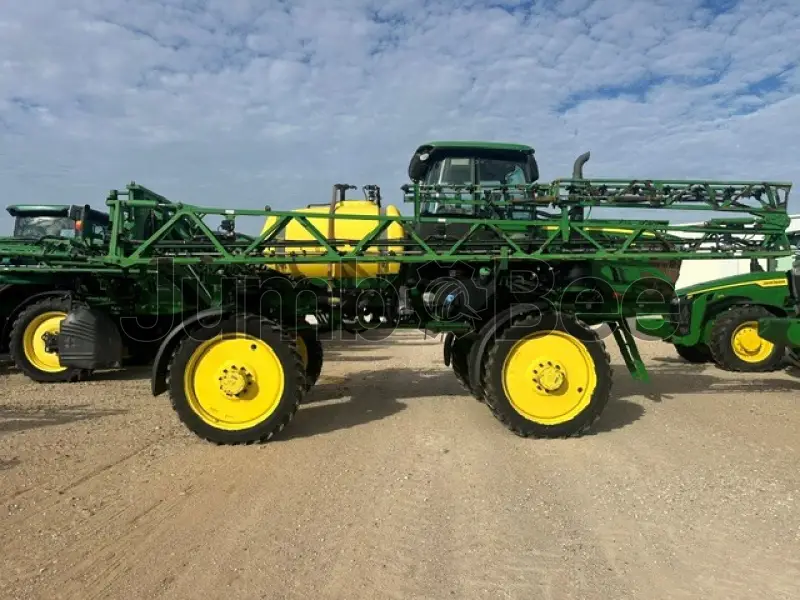
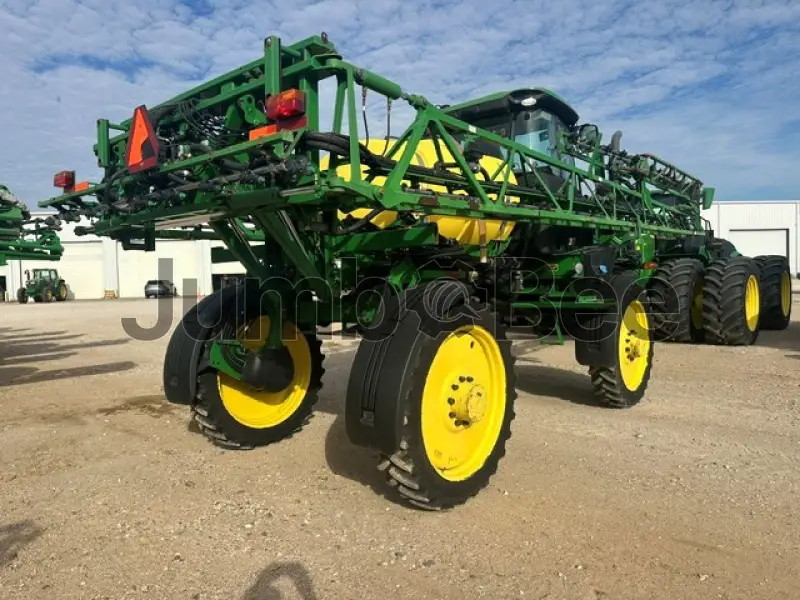
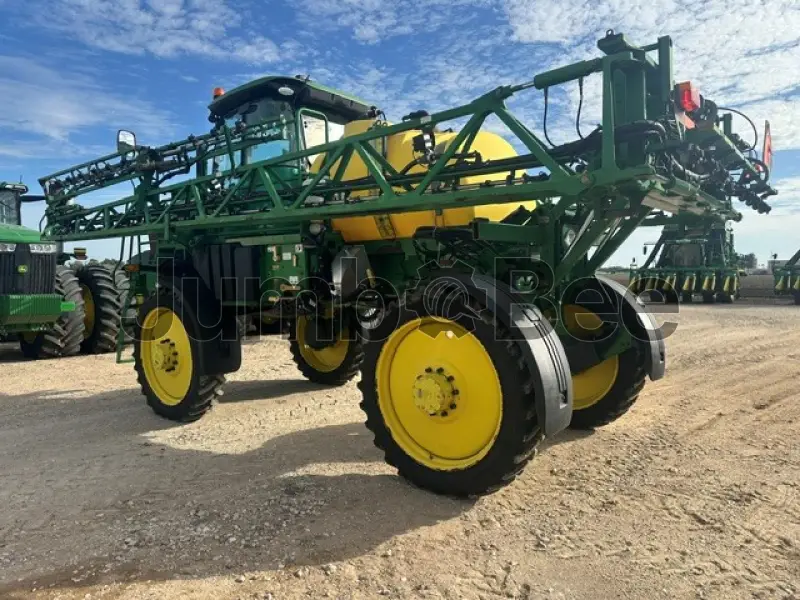
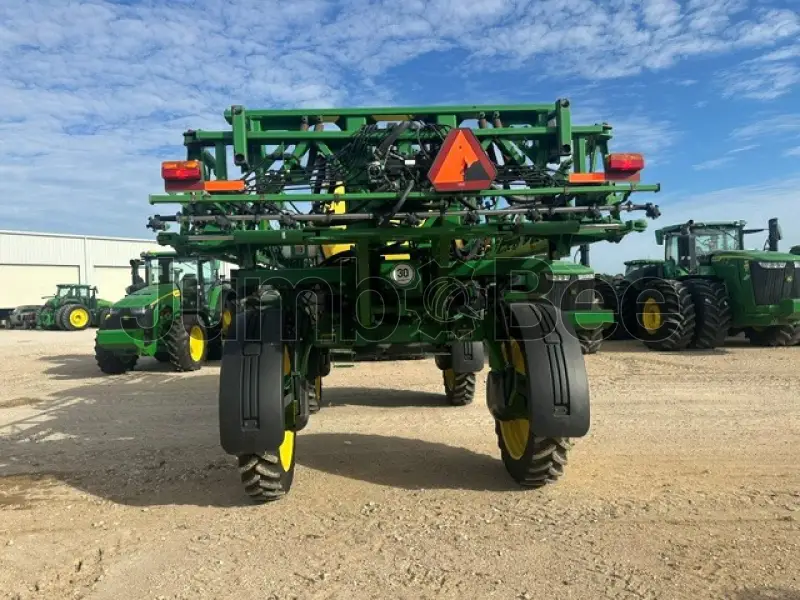
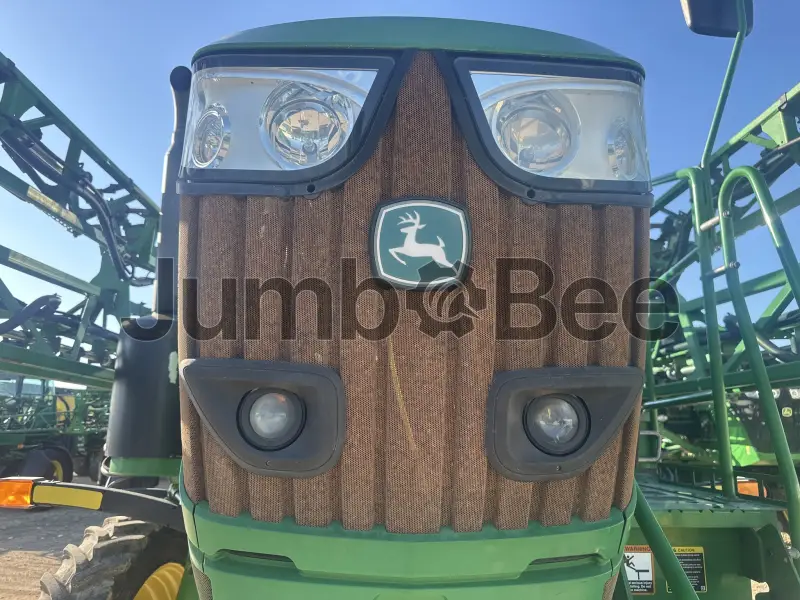
John Deere Sprayers Models
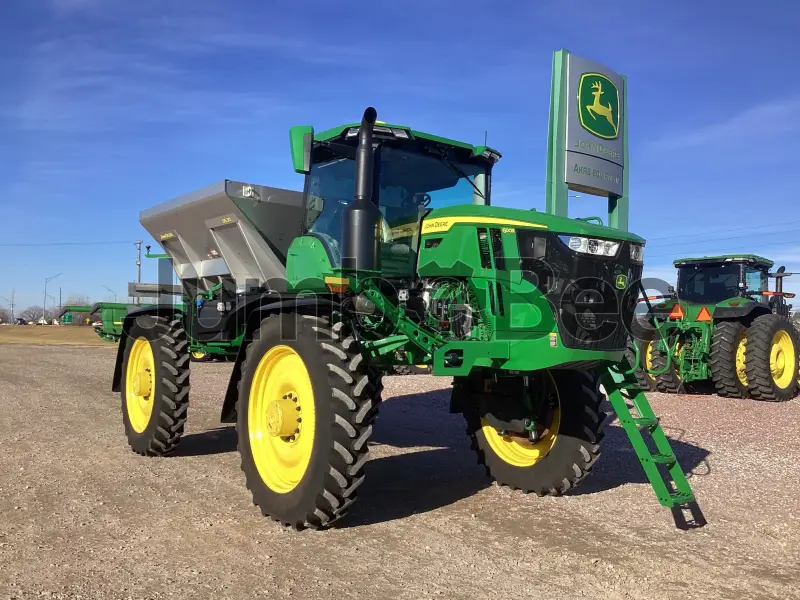
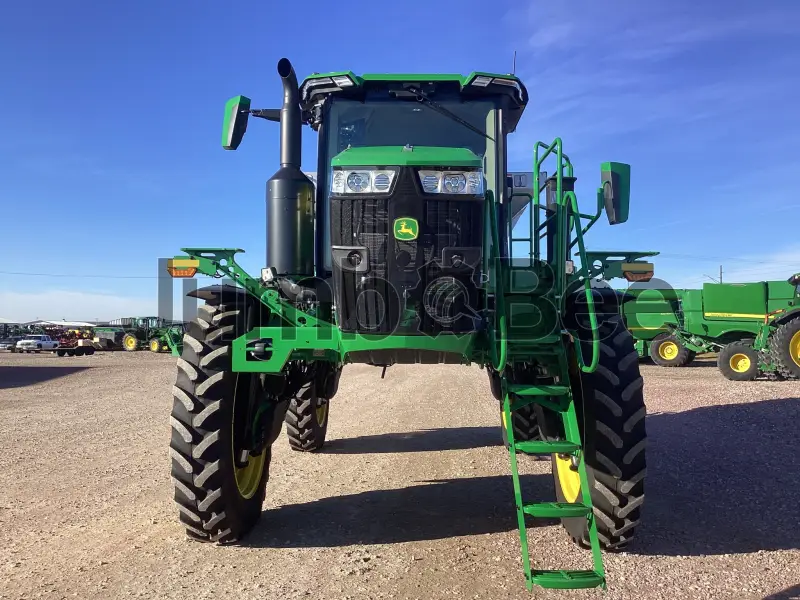
Find complete technical data for John Deere self-propelled sprayers, including tank capacity, boom width, engine output, ground clearance, and precision technology options. John Deere sprayers are built for efficient, accurate application of crop protection products across large-scale row crop operations. Compare the R4000 and 400 series models to find the right sprayer configuration for your acreage and application program.
Heavy equipment insights from JumboBee
November 23, 2026
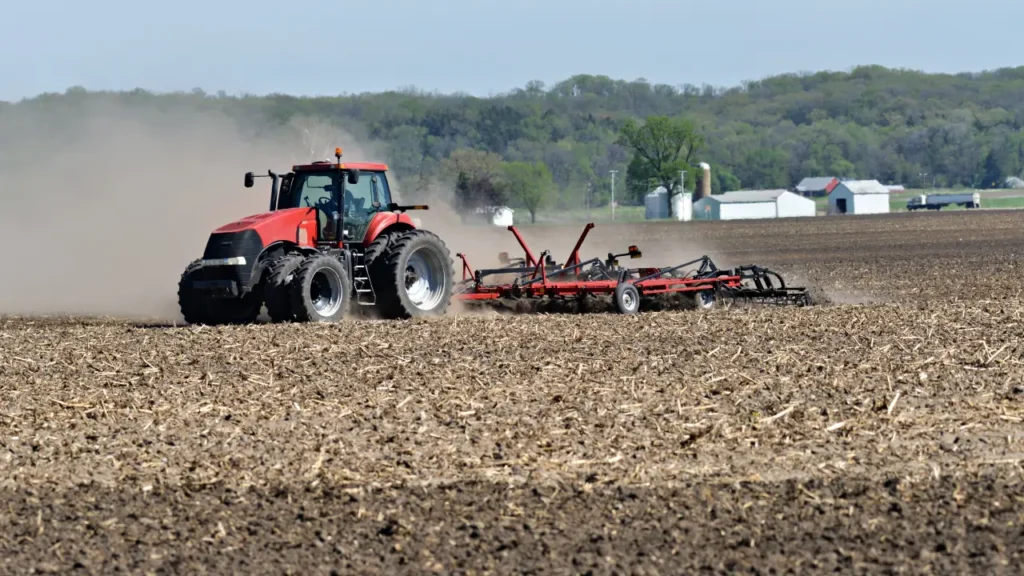
Types of Tillage Equipment: How to Choose the Right Implements for Your Farm
Compare tillage implements and learn what to look for when buying used equipment.
November 20, 2026
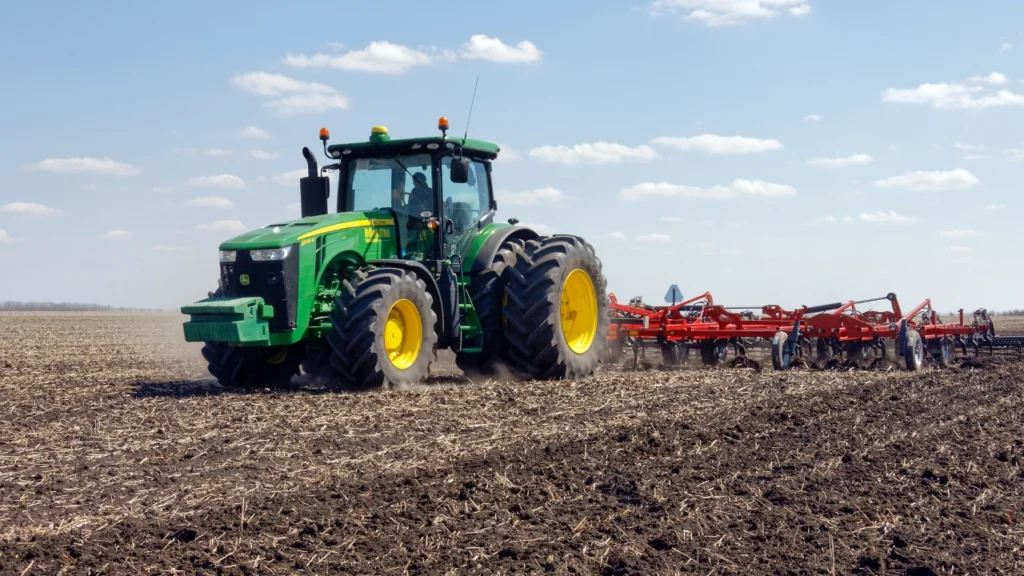
Types of Cultivators: What They Are, How They Work and How to Choose
Compare different types of farm cultivators, their uses, and what to look for when buying used.
November 9, 2026
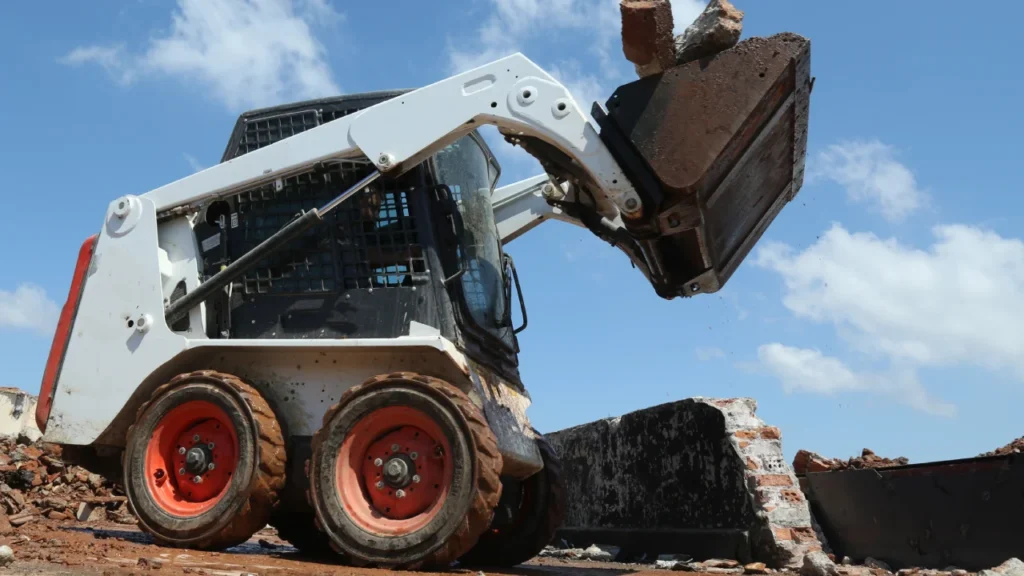
Skid Steer Loader Brands Compared: CAT vs Bobcat vs John Deere
A side-by-side comparison of CAT, Bobcat and John Deere skid steers by size class, capacity, power and hydraulics.
November 2, 2026
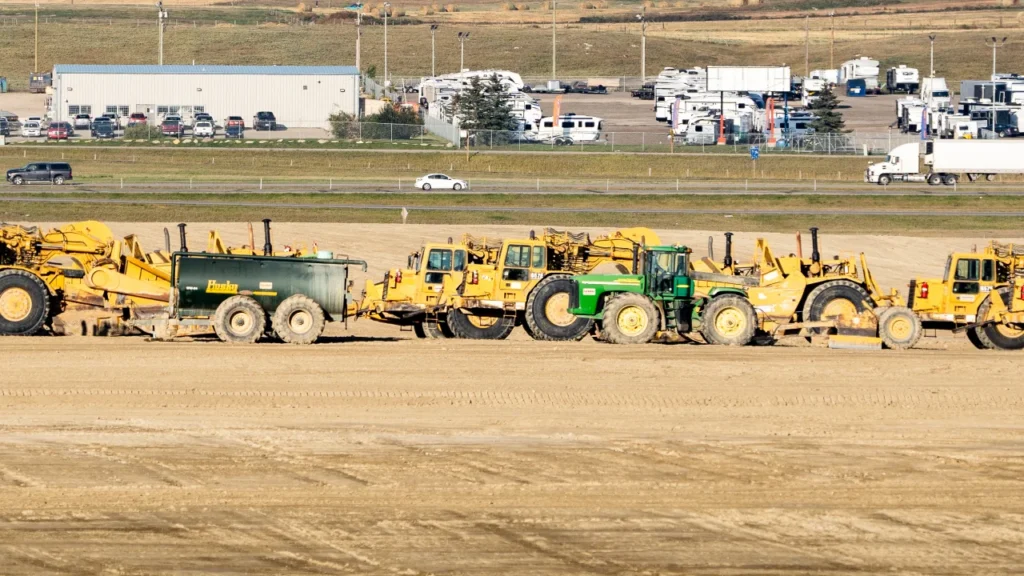
Buying & Selling Heavy Equipment in Canada: Market Guide for Global Buyers
This guide explains how the Canadian heavy equipment market works for international buyers and sellers.
October 9, 2026
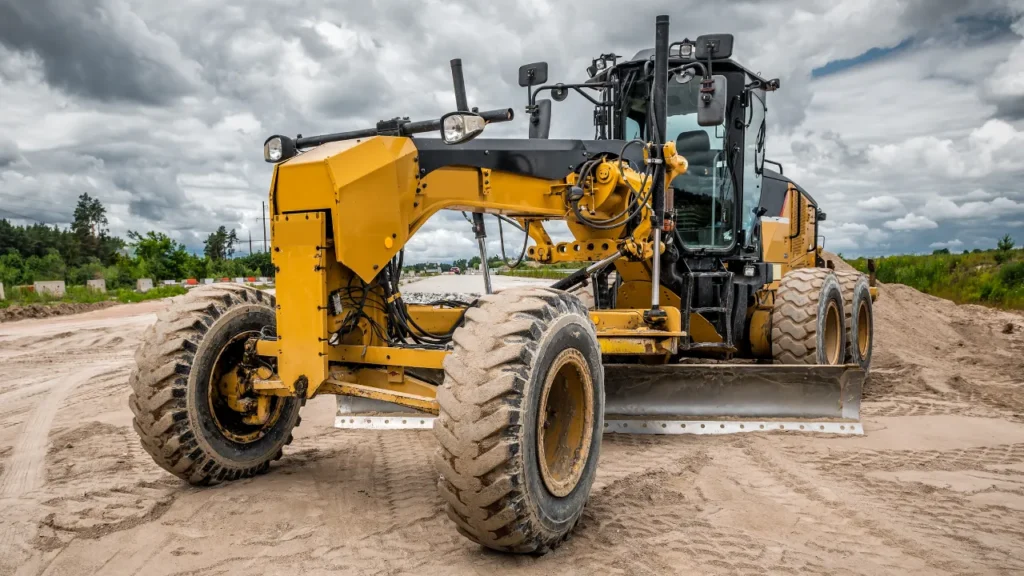
Motor Grader Buying Guide: Sizes, Top Brands, and What Contractors Should Look For
This guide helps buyers select the right motor grader for their needs and maximize ROI across construction, mining, and snow removal.
August 25, 2026
Repair, Rebuild or Replace Heavy Equipment: 2026 Cost-Based Decision Guide
This guide provides a mathematical approach to help you decide what to do with your aging machinery in 2026.
CHOOSING A SPRAYER BY ACRES AND TIMING
A sprayer has to cover every acre within narrow application windows, often while wind, rain and crop stage are working against you. Self-propelled machines cover the most ground at the highest speeds, pull-type sprayers offer large tanks at a lower cost, and 3-point sprayers handle pasture, specialty crops and small acreage. Floaters and nutrient applicators round out the category for fertilizer work.
BOOM WIDTH AND TANK SIZE
Wider booms cut the number of passes, but they need good boom height control to keep nozzles at the right distance from the target. Tank size determines how often you stop to refill. Matching boom width to your planter and other field equipment keeps tramlines and guidance consistent.
APPLICATION TECHNOLOGY
Boom section control, individual nozzle control, pulse-width modulation and automatic boom height have become standard on newer machines. These features reduce overlap, save chemical and improve coverage, so they add real value to any sprayer.
CHECK RINSING AND CORROSION
Before you buy used sprayer equipment, check the tank, plumbing and boom for corrosion and residue, especially after fertilizer use. Ask what products were applied, since some herbicide residues can damage sensitive crops if not fully rinsed.
SPRAYER PRICE AND THE MARKET
Sprayer price ranges from modest for small 3-point units to very high for late-model self-propelled machines with wide booms and nozzle control. A used sprayer for sale from a farm upgrading its technology can be strong value, since older guidance and section-control systems often still work well.
DEALERS, AUCTIONS AND LISTINGS
Browse new and used sprayer models from John Deere, Case IH, Apache, Hagie, AGCO and Hardi, and compare every sprayer for sale by type, boom width and location.
Got Questions?
Our FAQ section covers everything from shipping and listing to buying with confidence.
WHAT ARE THE DIFFERENT TYPES OF SPRAYERS?
- Floater / High-Clearance Applicator – a tall-clearance machine built to spray or spread over standing row crops later in the season.
- Mounted / 3-Point Sprayer – a compact, tractor-mounted sprayer suited to smaller fields and tighter budgets.
- Nutrient Applicator – equipment designed to apply liquid or dry nutrients with precision placement for crop uptake.
- Pull-Type Sprayer – a drawn sprayer offering larger tank capacity and wider booms than mounted units.
- Self-Propelled Sprayer – a dedicated high-speed, high-clearance sprayer with independent engine and cab for large-acreage application.
HOW TO CHOOSE THE RIGHT SPRAYER?
ASSESS YOUR NEEDS
- Determine your typical boom width and tank capacity needs based on acreage.
- Decide if you need high-clearance capability for late-season row crop application.
- Match ground speed and pump capacity to your application rate requirements.
- Confirm compatibility with your rate-control and GPS guidance systems.
KEY FEATURES
- Boom width, fold configuration, and section control
- Tank capacity and rinse/fill system
- Nozzle body type and spacing for target chemistry
- Pump capacity and pressure range
WHAT IS MORE PROFITABLE TO BUY: A USED SPRAYER OR A NEW ONE FROM A DEALER?
New sprayers bring the latest nozzle control, GPS-guided section control, and full warranty, but represent a significant investment, especially for self-propelled units. Used sprayers can dramatically lower entry cost and still deliver accurate application if booms, pumps, and plumbing were well maintained. JumboBee's pre-sale inspection option helps buyers verify boom, pump, and tank condition before a used purchase.
WHAT ARE THE ADVANTAGES OF A NEW OR USED SPRAYER?
- New: latest section-control and nozzle technology, full warranty, higher resale retention
- Used: lower purchase cost, faster payback, wide selection of boom widths and configurations
HOW CAN I ARRANGE THE SHIPPING OF A SPRAYER?
JumboBee arranges transport and delivery for sprayers of all types, including wide-load permits for folded booms and cross-border logistics.