Sugar Beet Harvesters for Sale
(1 listings)
Browse by subcategory
Only verified sellers list equipment on JumboBee.
Sort by:
Featured
Specialty Harvesters Models
Specialty Harvesters
Heavy equipment insights from JumboBee

November 23, 2026
Types of Tillage Equipment: How to Choose the Right Implements for Your Farm
Compare tillage implements and learn what to look for when buying used equipment.
November 20, 2026
Types of Cultivators: What They Are, How They Work and How to Choose
Compare different types of farm cultivators, their uses, and what to look for when buying used.
November 9, 2026
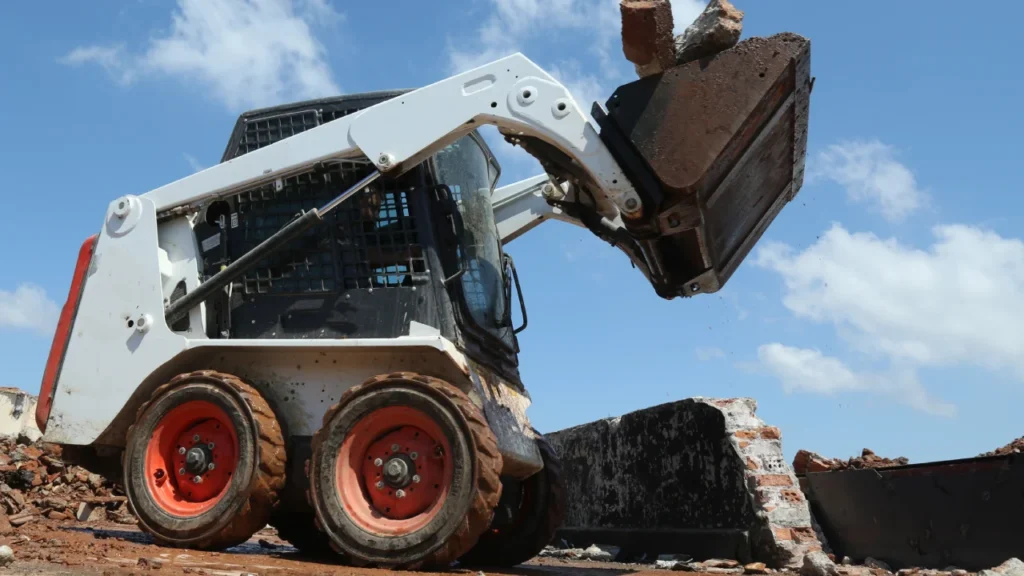
Skid Steer Loader Brands Compared: CAT vs Bobcat vs John Deere
A side-by-side comparison of CAT, Bobcat and John Deere skid steers by size class, capacity, power and hydraulics.
November 2, 2026
Buying & Selling Heavy Equipment in Canada: Market Guide for Global Buyers
This guide explains how the Canadian heavy equipment market works for international buyers and sellers.
October 9, 2026
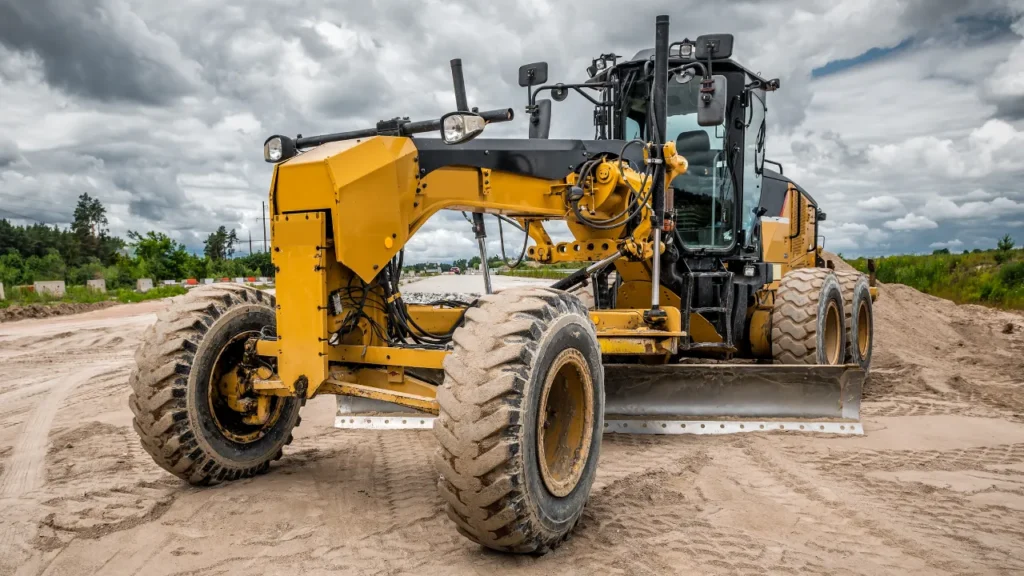
Motor Grader Buying Guide: Sizes, Top Brands, and What Contractors Should Look For
This guide helps buyers select the right motor grader for their needs and maximize ROI across construction, mining, and snow removal.
August 25, 2026
Repair, Rebuild or Replace Heavy Equipment: 2026 Cost-Based Decision Guide
This guide provides a mathematical approach to help you decide what to do with your aging machinery in 2026.
LIFTING AND CLEANING BEETS
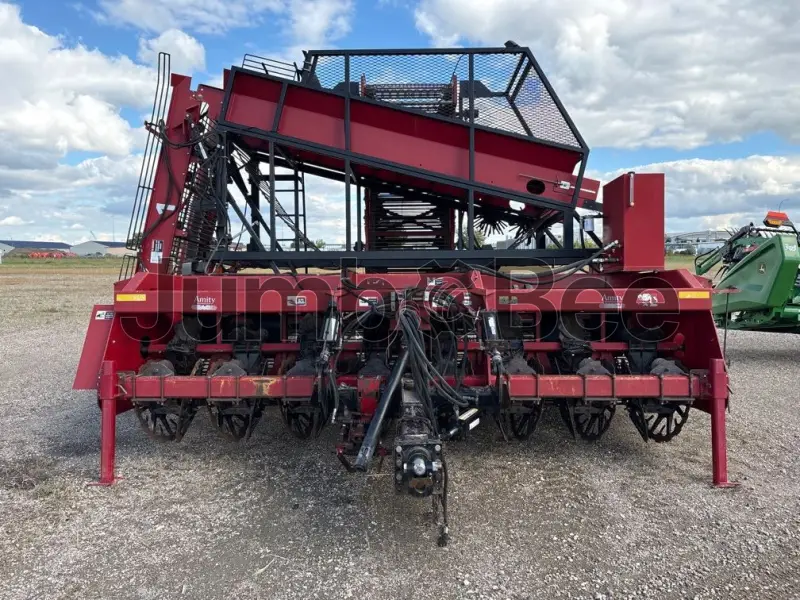
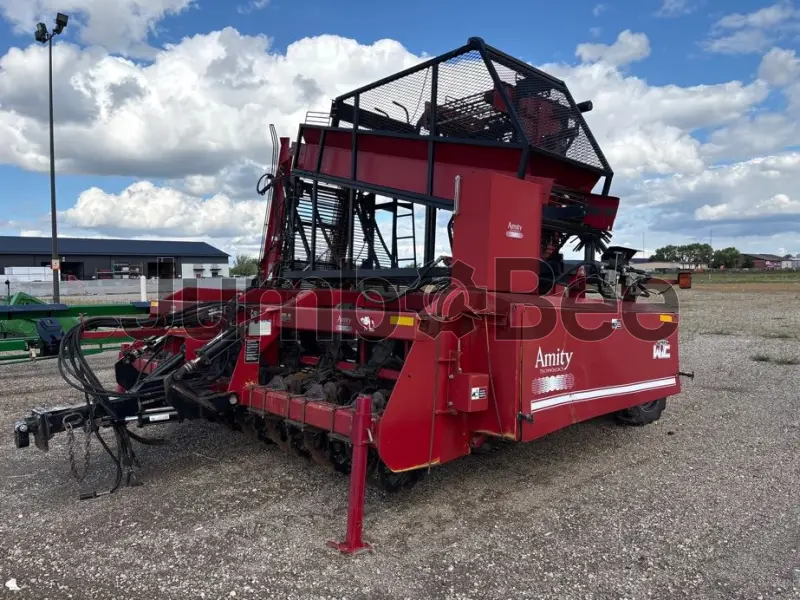
A sugar beet harvester lifts beets from the soil with lifter wheels or shares, then removes soil through grab rolls, cleaning chains or turbines before conveying beets to a truck or onboard tank. In most systems, a separate defoliator removes the leaves and crowns just ahead of the harvester.
PULL-TYPE OR SELF-PROPELLED
In North America, pull-type harvesters from six to twelve rows are most common, offloading into trucks running alongside. Self-propelled tanker harvesters, widely used in Europe, carry the defoliator, lifter and a large tank in one machine and unload at the field edge. Self-propelled machines cut labor and truck traffic, but cost far more.
WHY CLEANING MATTERS
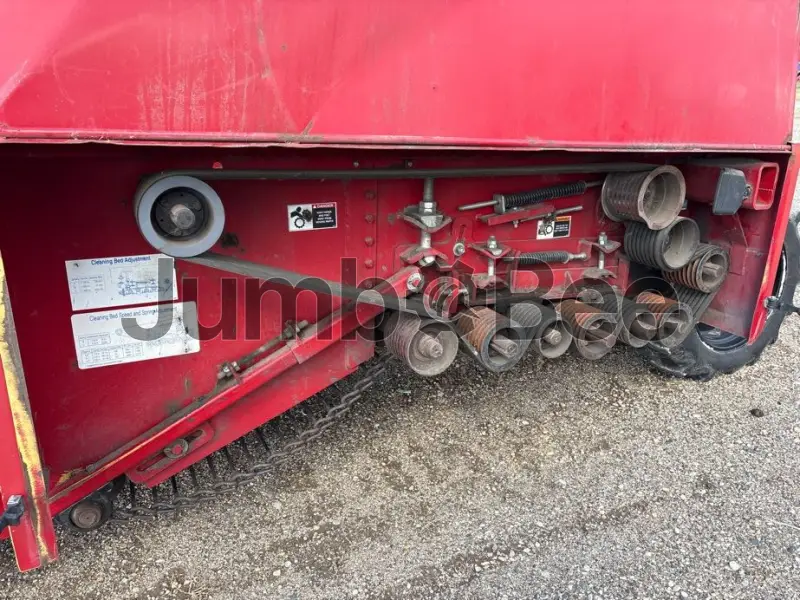
Tare, the soil delivered with beets, is deducted from payment and adds hauling cost. A well-adjusted cleaning system improves grower returns, so cleaning performance is as important as lifting capacity when comparing machines.
INSPECTING A USED SUGAR BEET HARVESTER FOR SALE
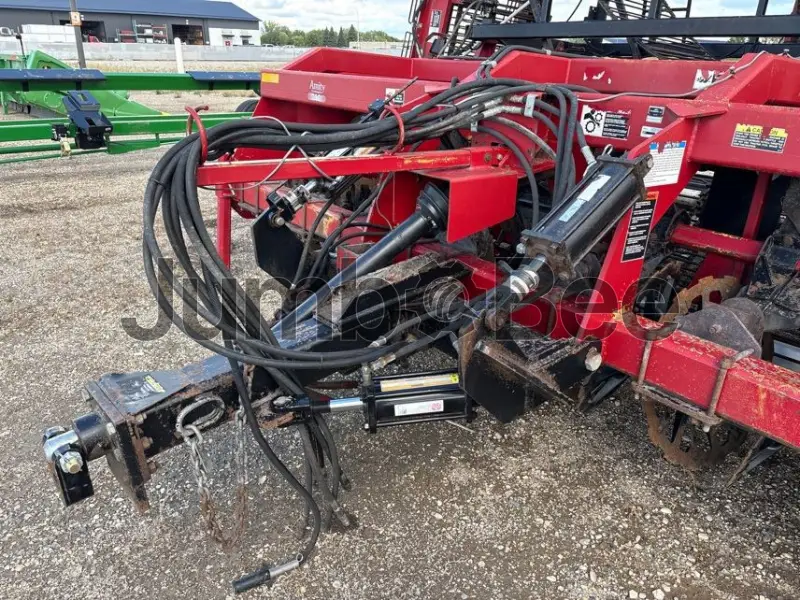
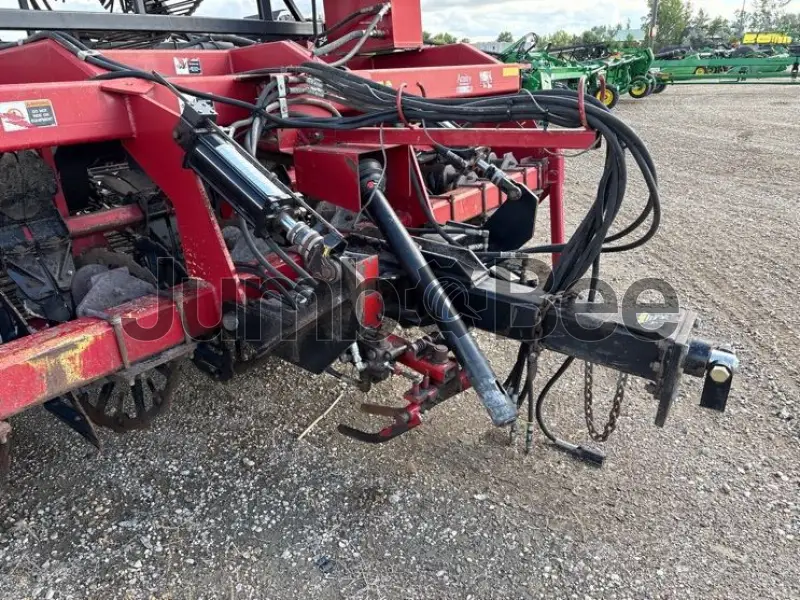
Check lifter wheels and their bearings, grab rolls and scrubber rolls, cleaning chains, the boom and elevator conveyors, and the depth control system. Look for frame cracks and worn hitch components. If you buy used sugar beet harvester equipment, check that the row spacing suits your planter.
USED SUGAR BEET HARVESTER PRICE
Used sugar beet harvester price depends on row count, pull-type or self-propelled design, cleaning system and condition. Lifter wheels and grab rolls are costly to replace, so their wear strongly affects value.
Got Questions?
Our FAQ section covers everything from shipping and listing to buying with confidence.
WHAT SHOULD YOU LOOK FOR IN A SUGAR BEET HARVESTER?
- Topping accuracy and automatic height-sensing system
- Lifting wheel or share condition for minimizing beet damage
- Cleaning turbine and web system efficiency for reducing dirt tare
- Bunker or tank capacity relative to your hauling schedule
- Row count and spacing matched to your planting setup
- Hours on lifting, cleaning, and topping components
HOW TO CHOOSE THE RIGHT SUGAR BEET HARVESTER?
ASSESS YOUR NEEDS
- Match row count and spacing to your beet planter configuration.
- Evaluate soil type, since heavier soils require stronger cleaning systems.
- Size bunker capacity to your trucking and delivery logistics.
- Confirm topping system automation suits your field uniformity.
KEY FEATURES
- Automatic topping height control
- Cleaning turbine and web configuration
- Bunker capacity and unloading conveyor reach
- Lifting share or wheel wear condition
WHAT IS MORE PROFITABLE TO BUY: A USED SUGAR BEET HARVESTER OR A NEW ONE FROM A DEALER?
A new sugar beet harvester delivers the latest topping automation and cleaning technology with full warranty, at a high price point given its specialized design. A used sugar beet harvester can still deliver low dirt-tare performance for a fraction of the cost if the cleaning and lifting systems were maintained. JumboBee's pre-sale inspection option helps confirm component wear before buying used.
WHAT ARE THE ADVANTAGES OF A NEW OR USED SUGAR BEET HARVESTER?
- New: precise topping automation, full warranty, latest cleaning turbine design
- Used: lower cost, proven regional performance, availability ahead of a tight harvest window
HOW CAN I ARRANGE THE SHIPPING OF A SUGAR BEET HARVESTER?
JumboBee arranges heavy-haul transport and delivery scheduling for sugar beet harvesters, including cross-border moves between growing regions.