Drawn Row Crop Planters for Sale
(182 listings)
Popular brands
Only verified sellers list equipment on JumboBee.
Sort by:
Featured
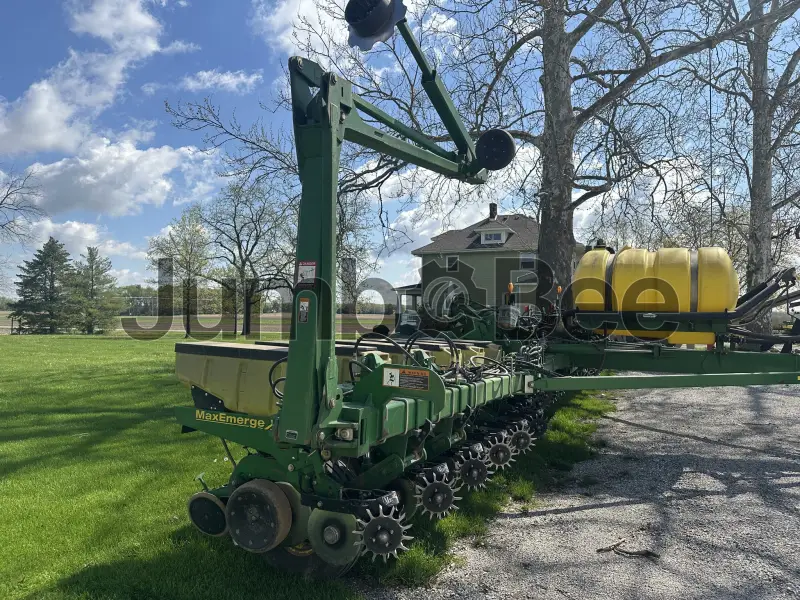
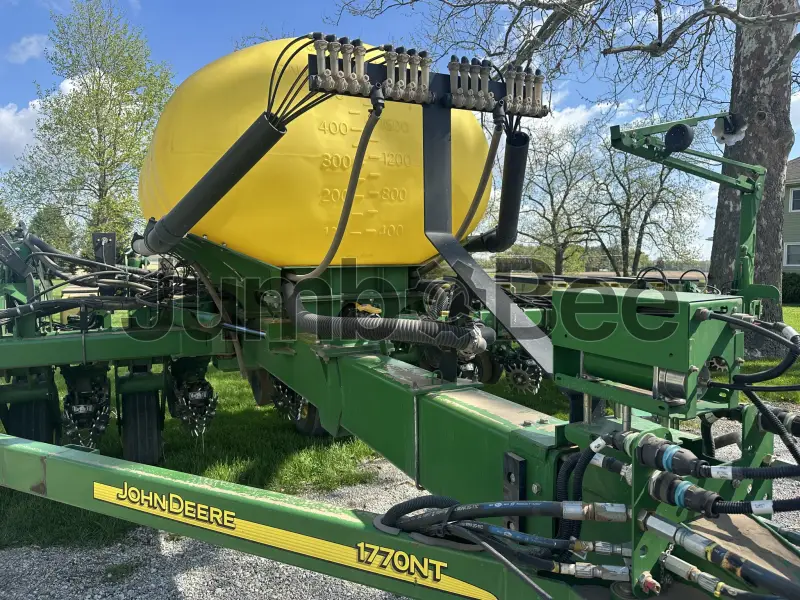
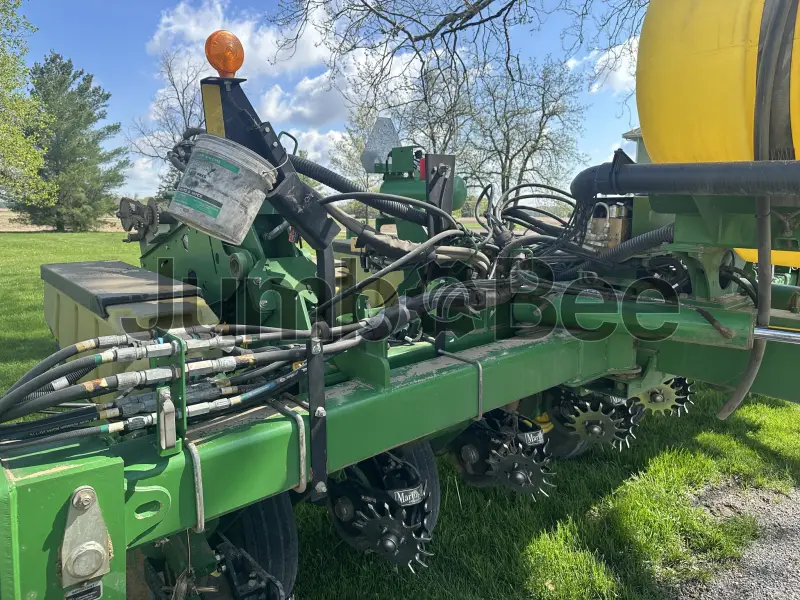
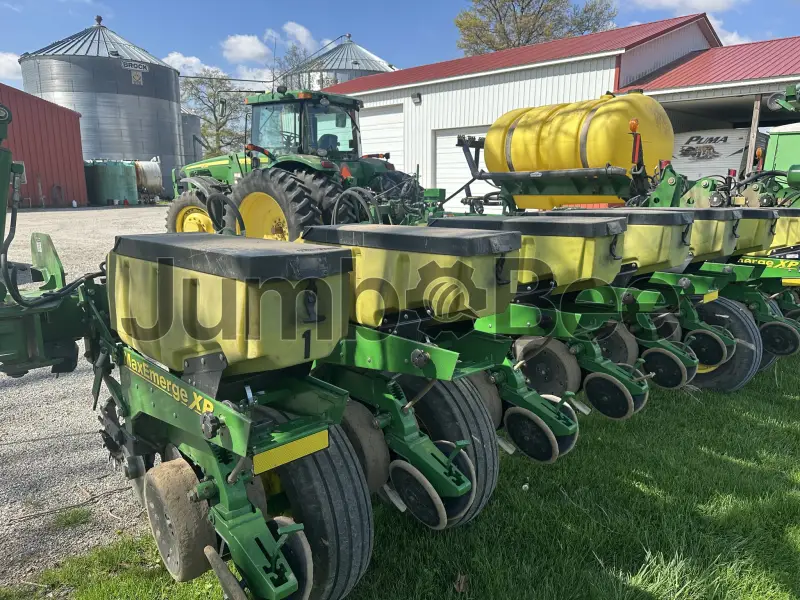
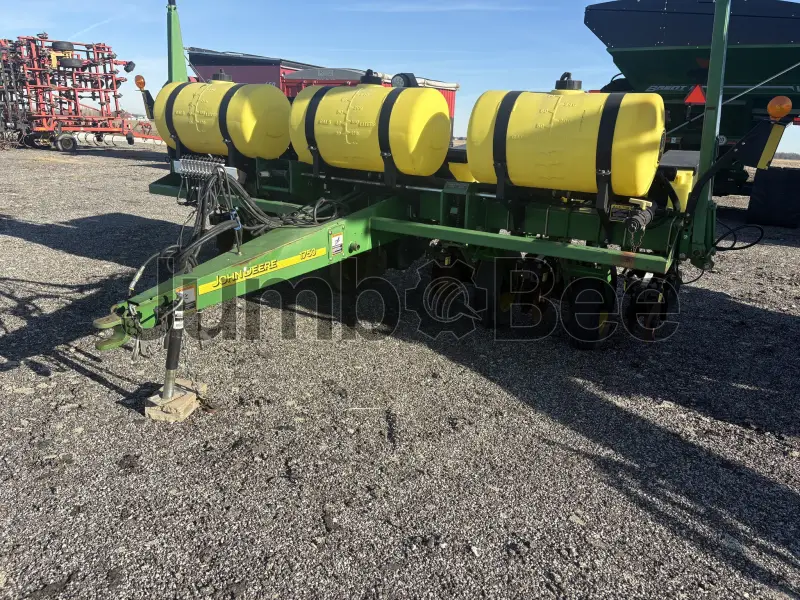
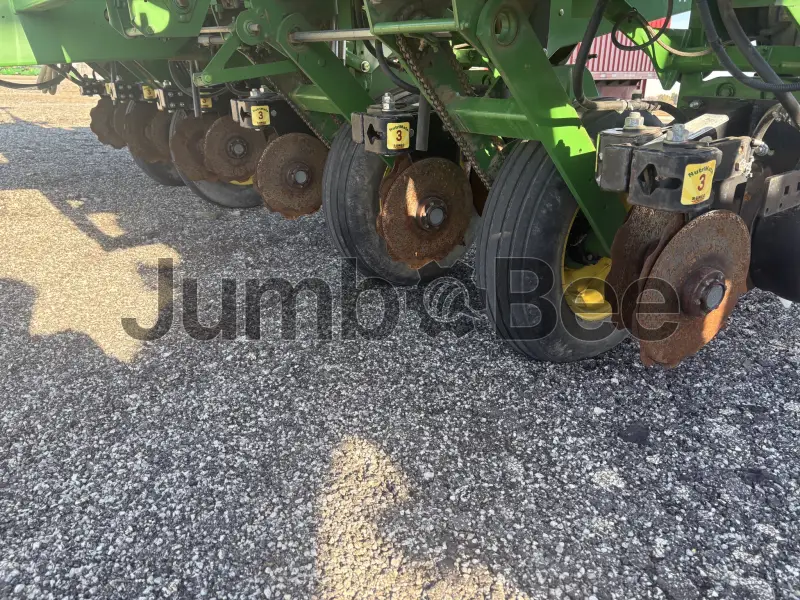
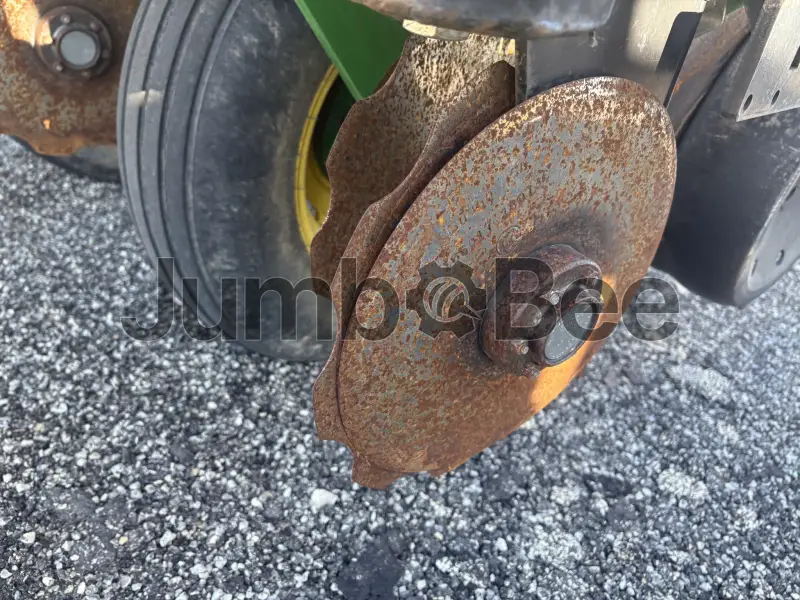
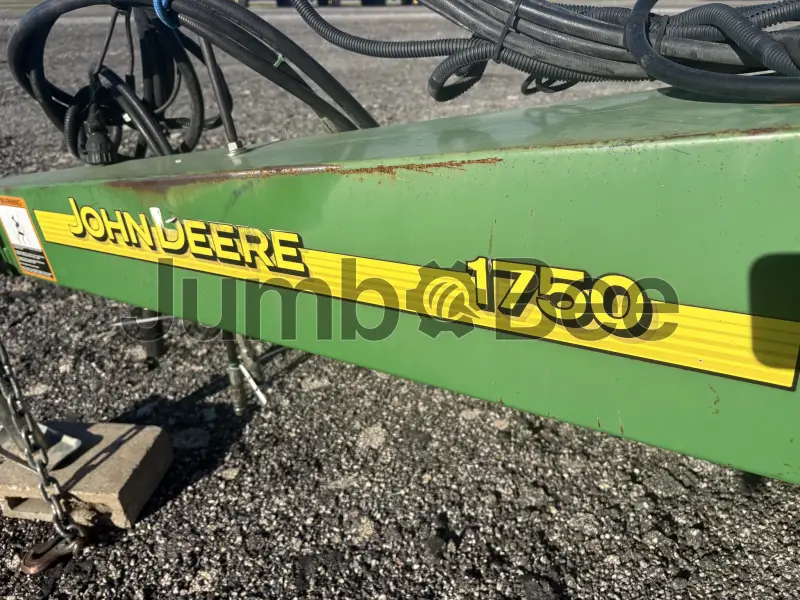
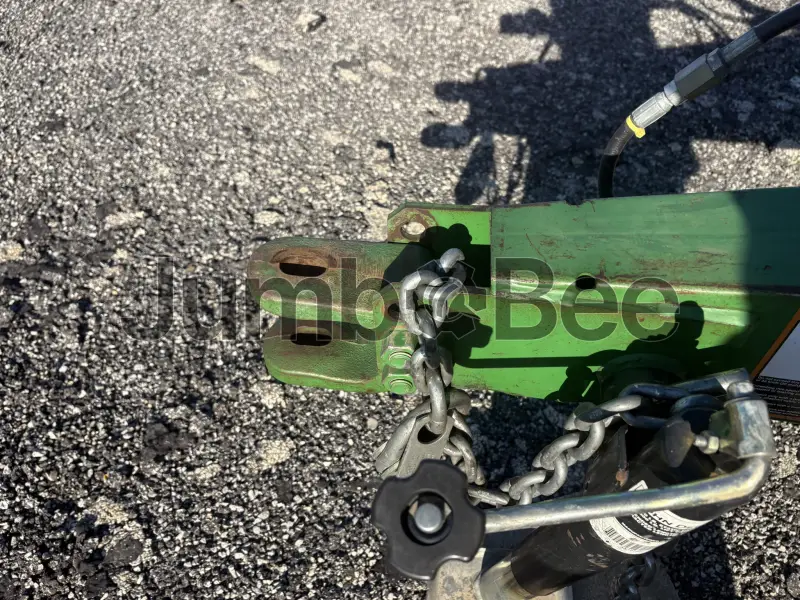
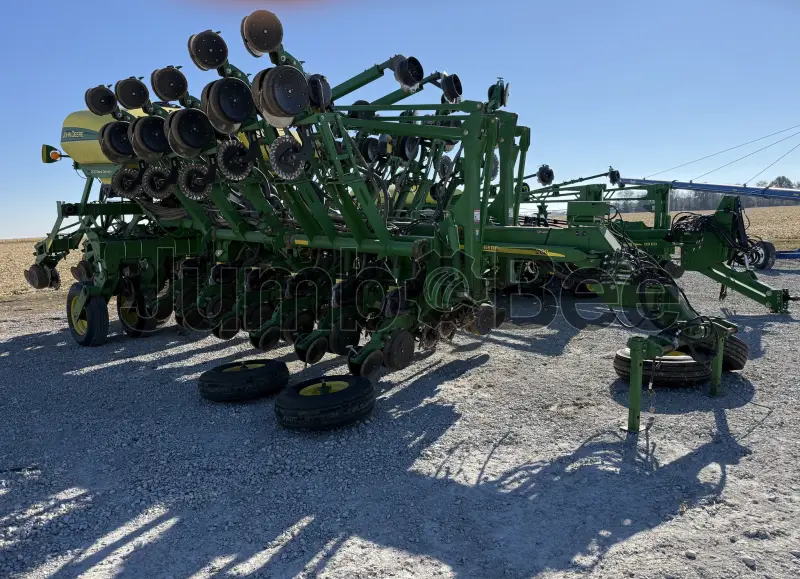
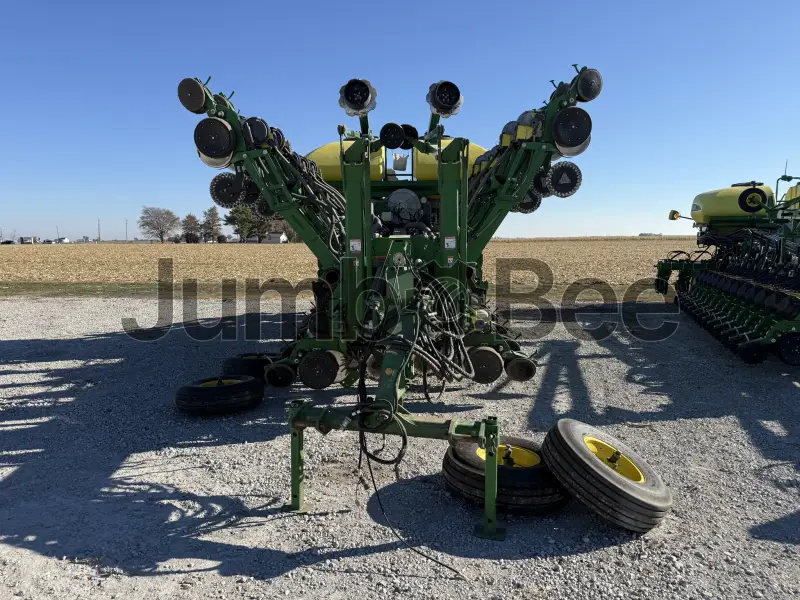
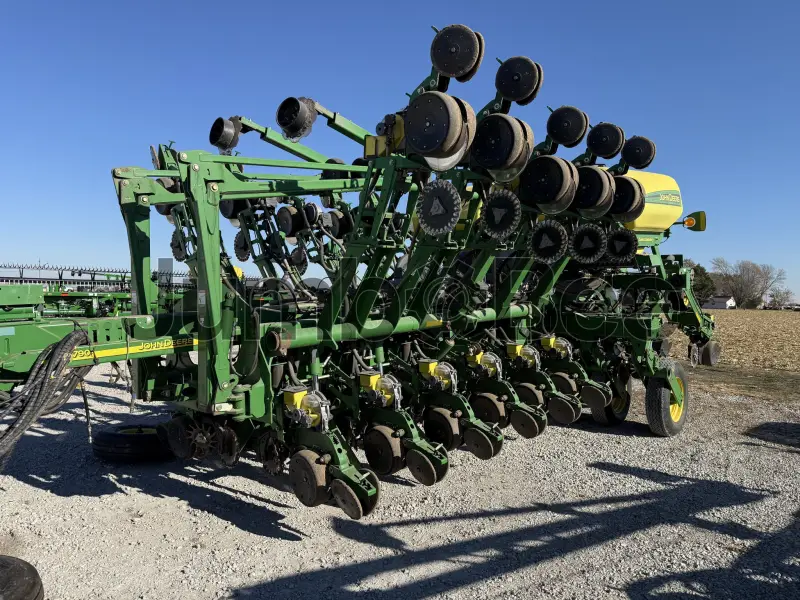
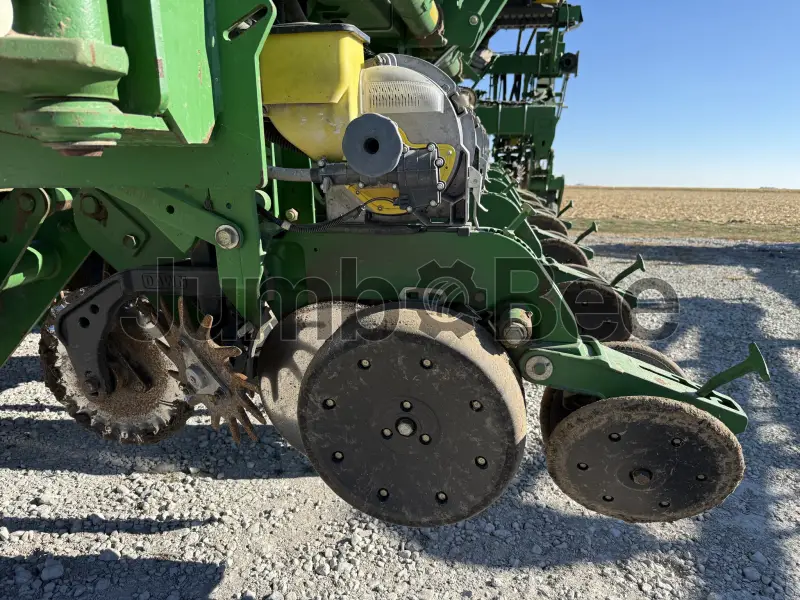
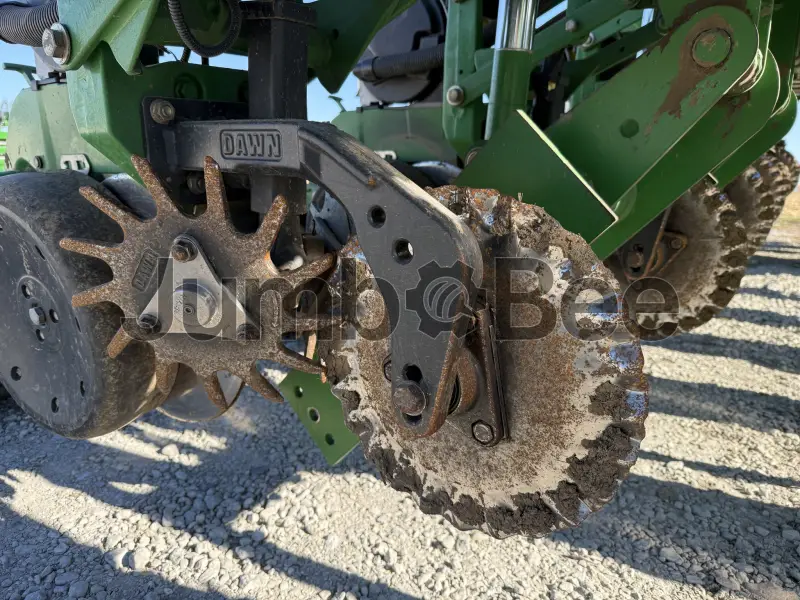
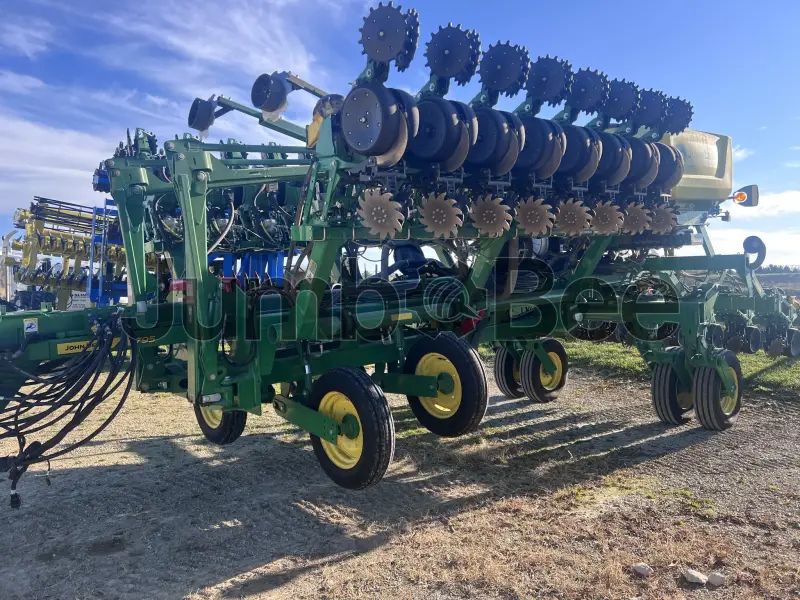
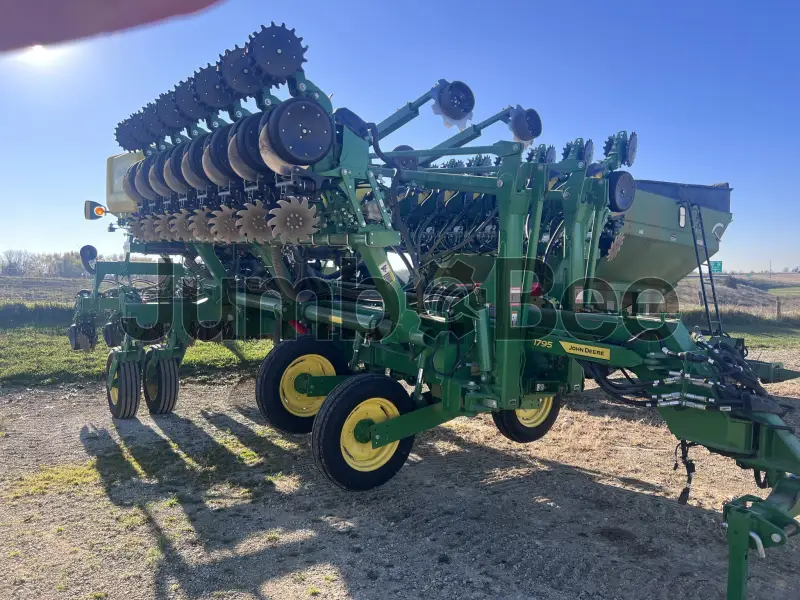
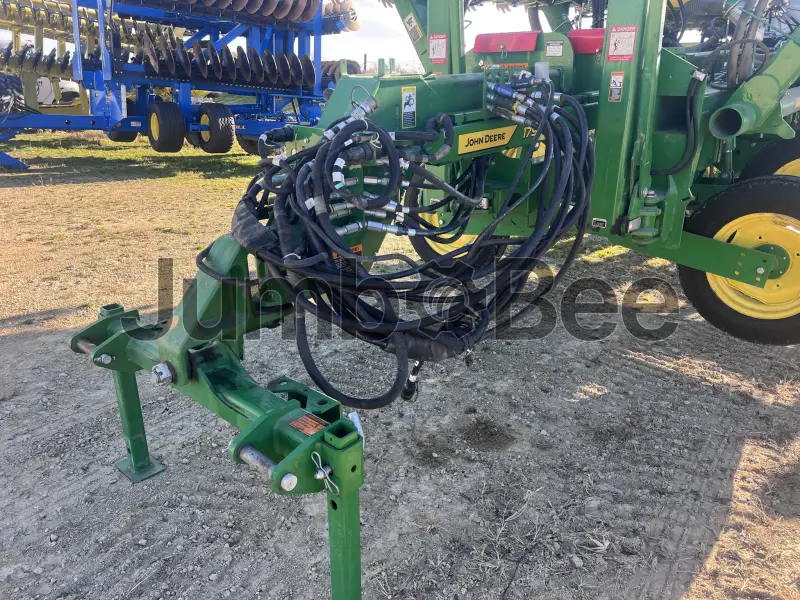
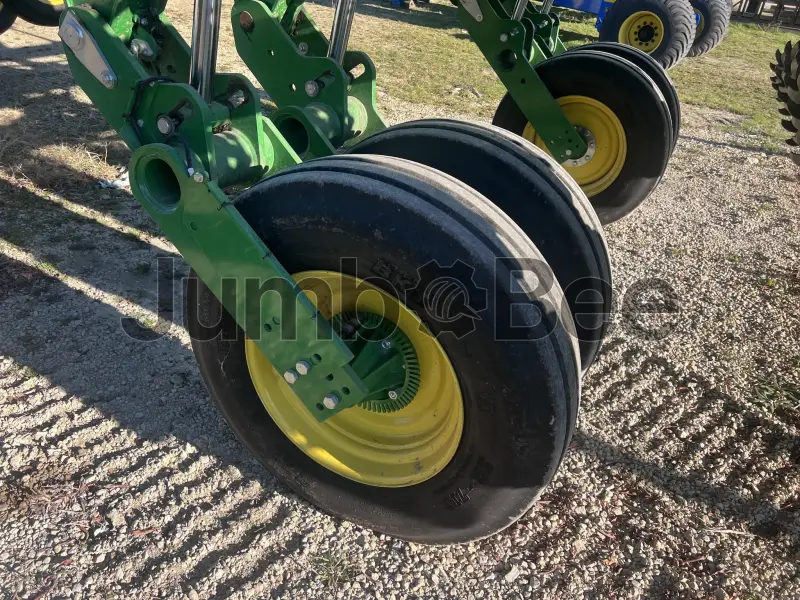
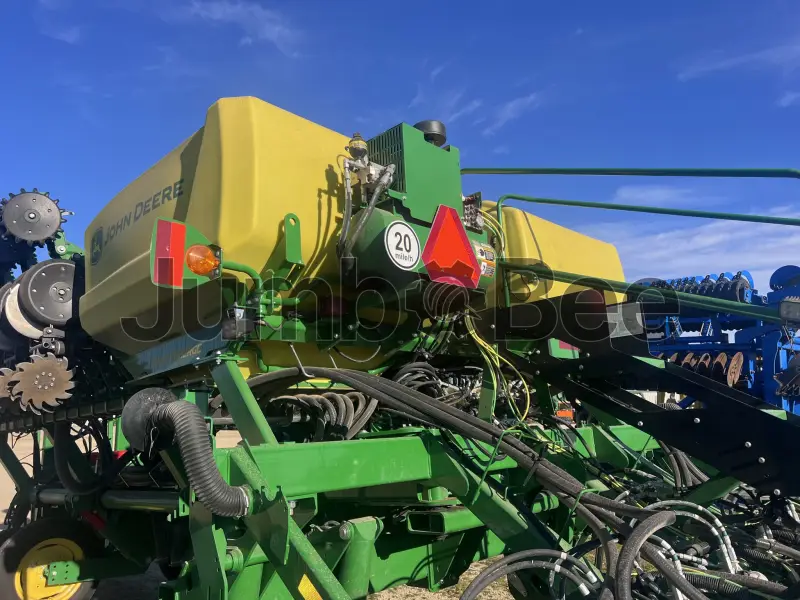
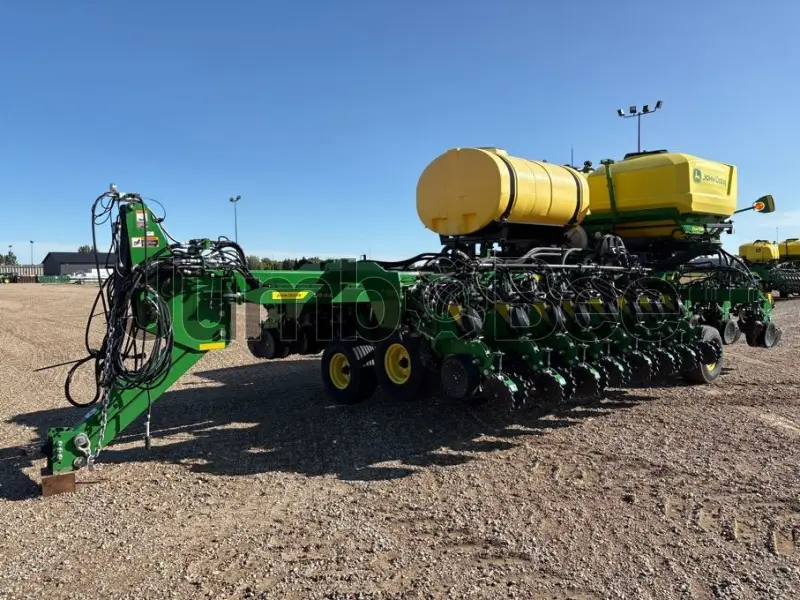
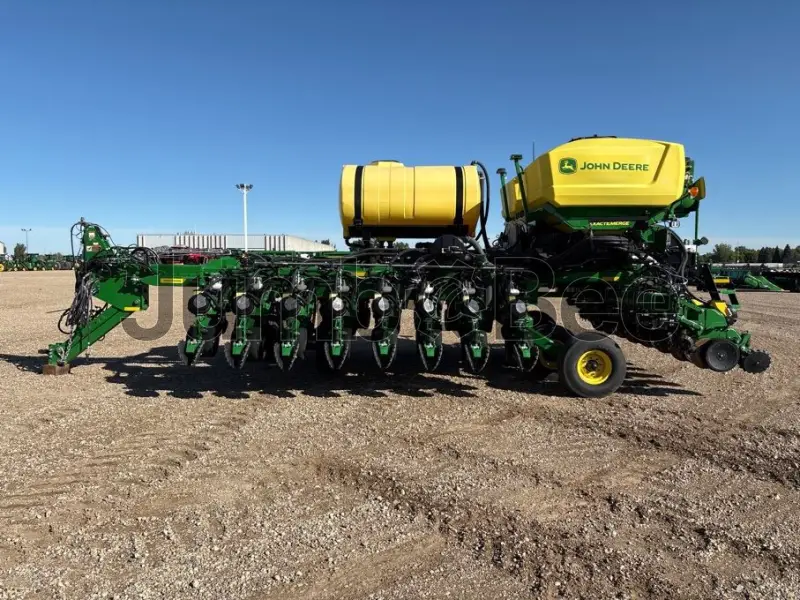
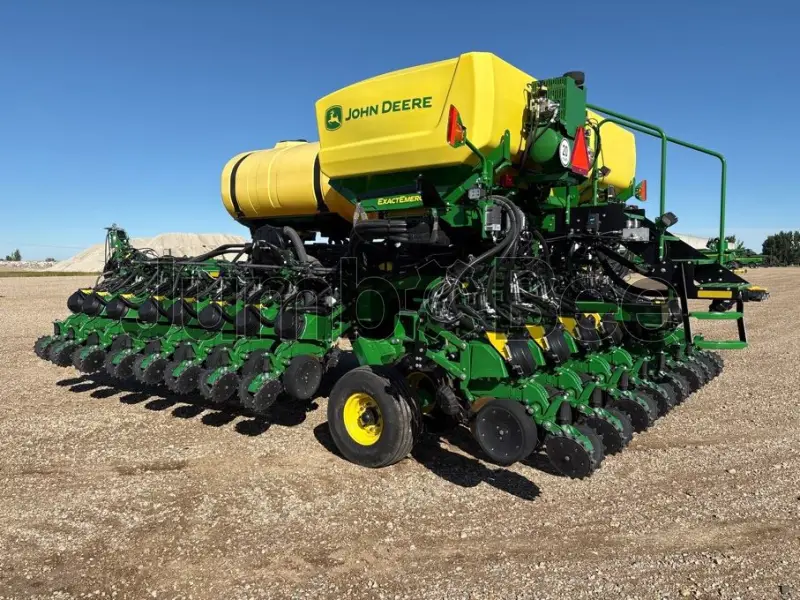
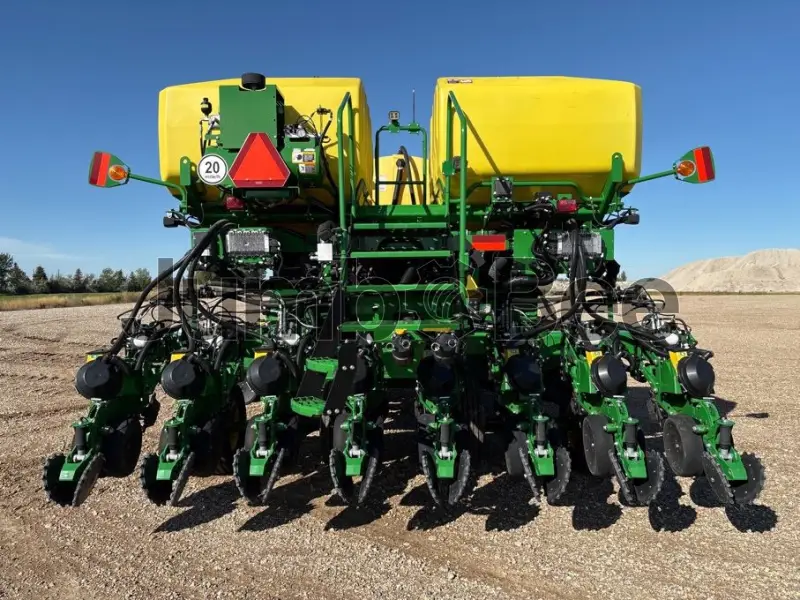
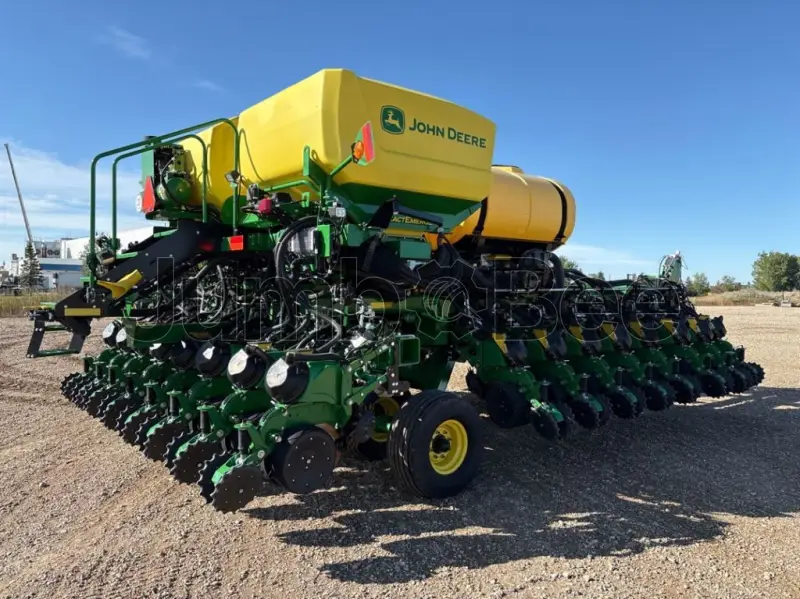
$367,790
22 in
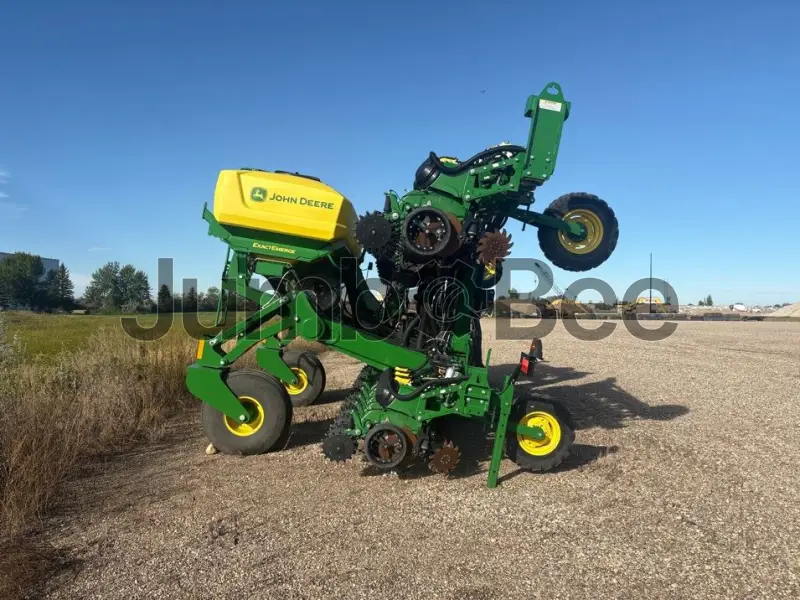
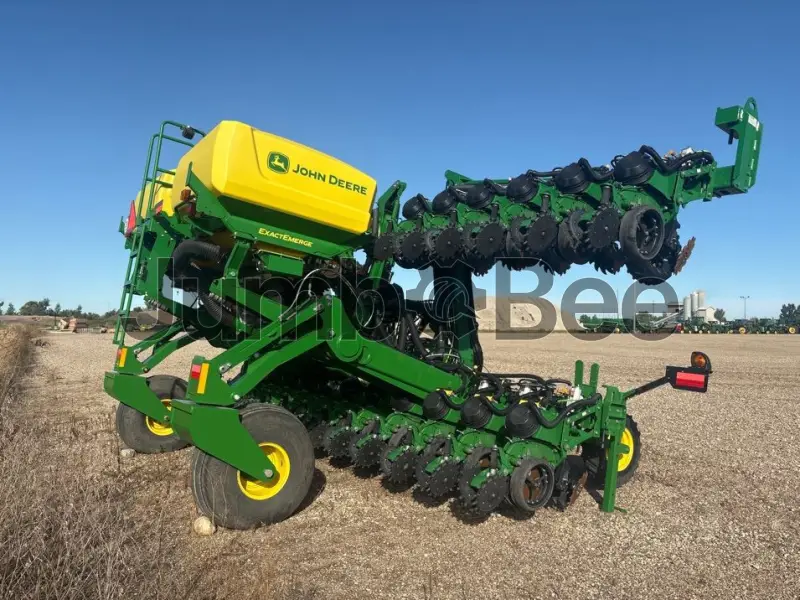
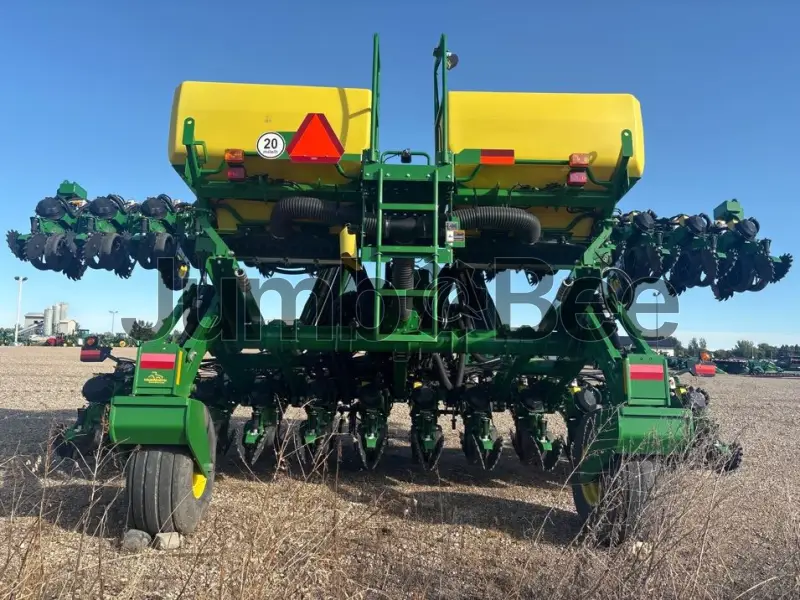
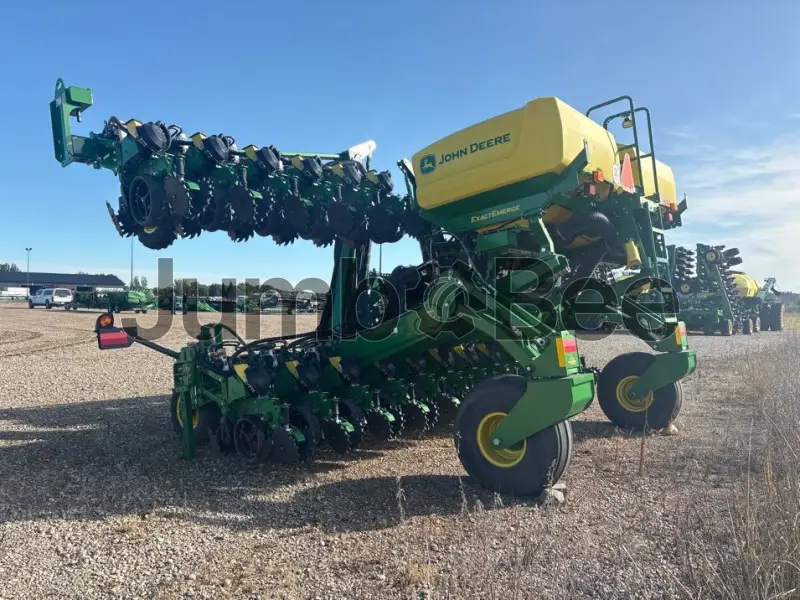
3524 L (100 bu.) central commodity system; 2.2 L (0.062 bu.) row-unit hopper
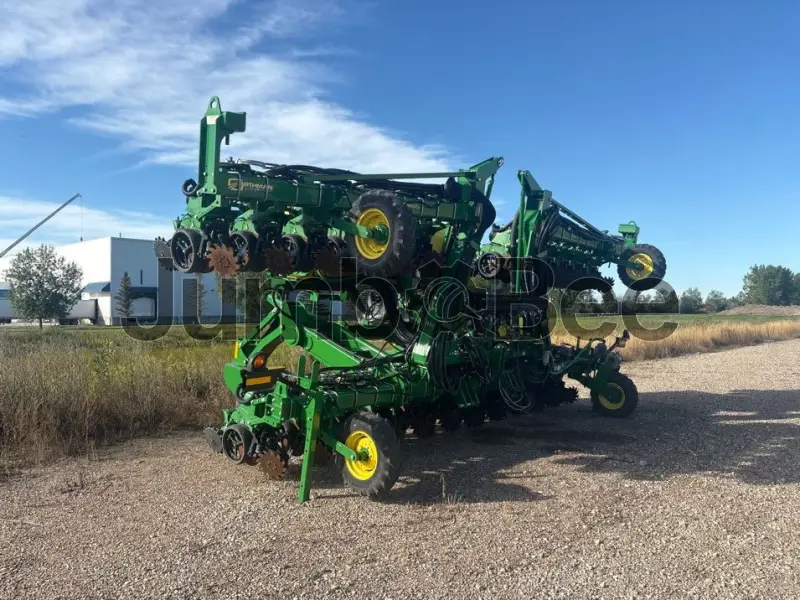
$372,230
22 in
100 bu central commodity system; 1.6- or 3.0-bu row hoppers
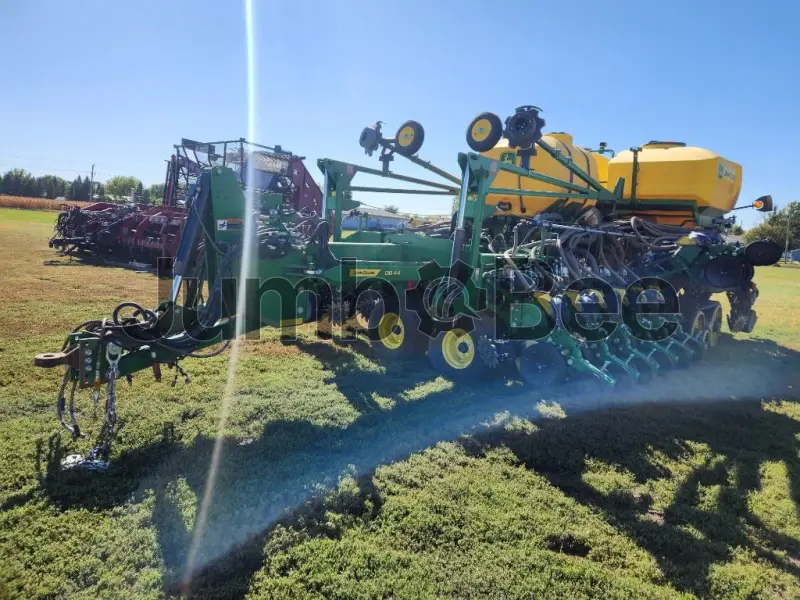
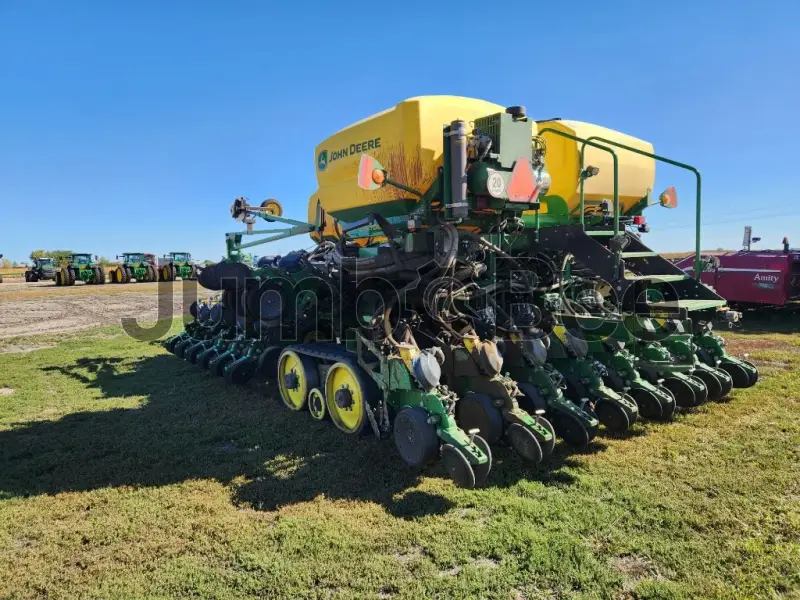
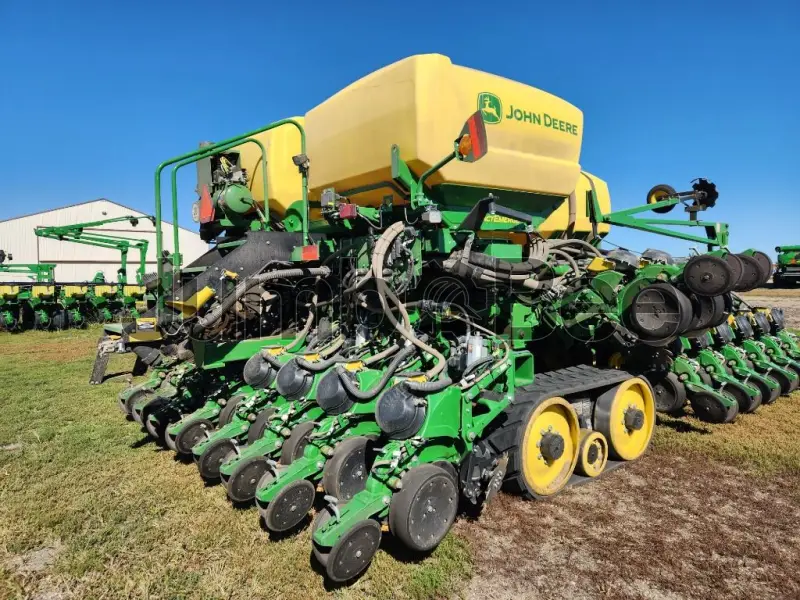
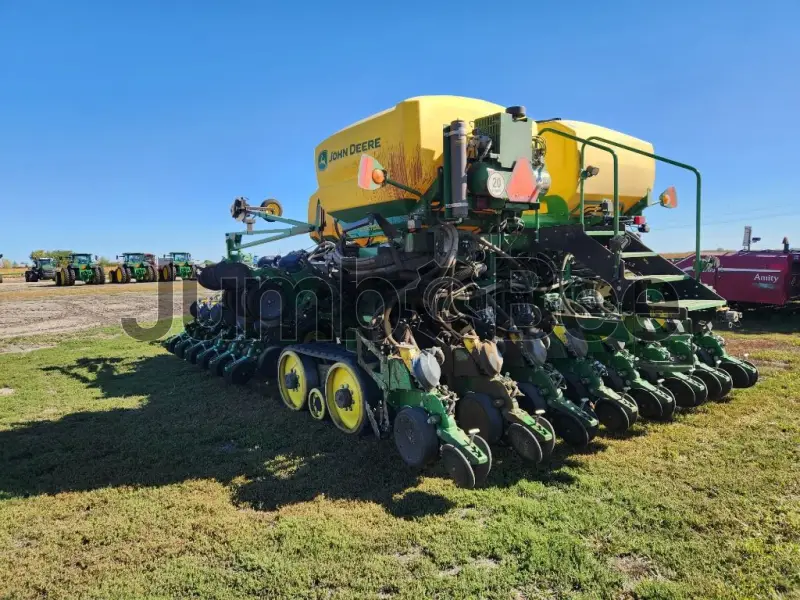
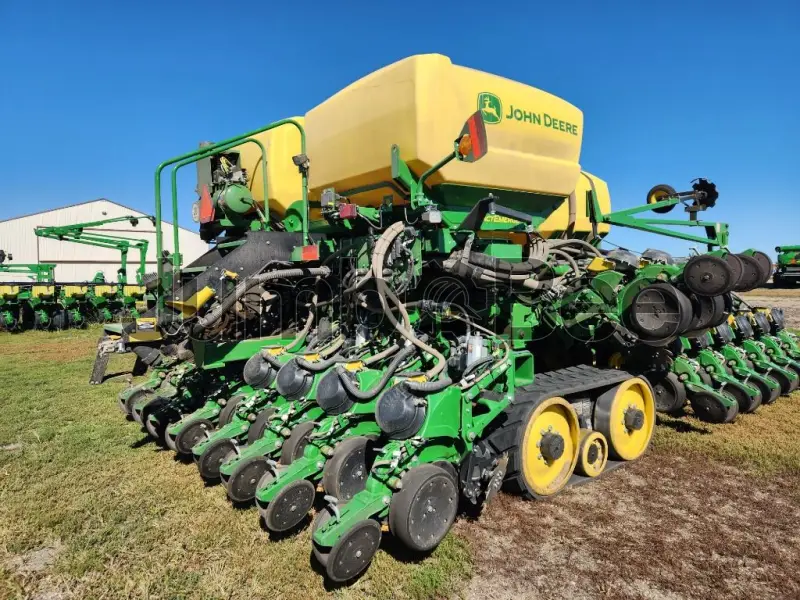
$427,630
22 in
3524 L (100 bu.) central commodity system; 2.2 L (0.062 bu.) row-unit hopper
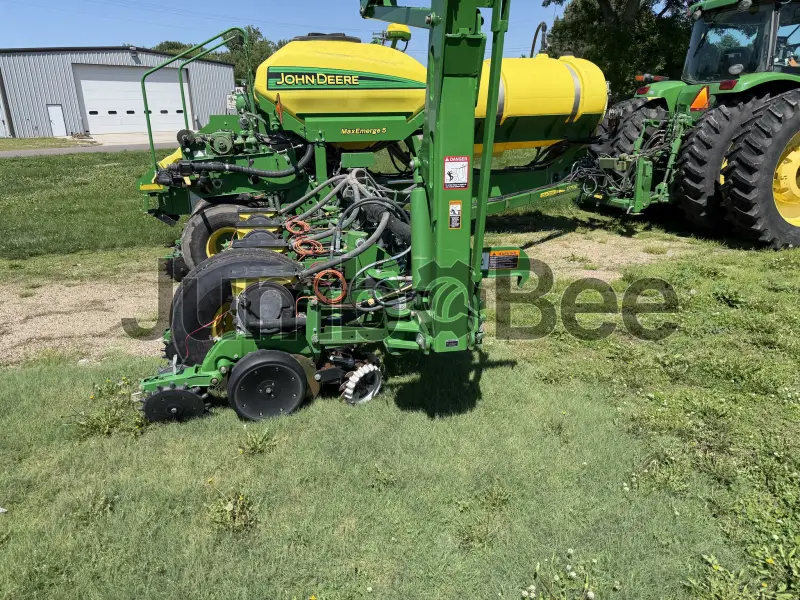
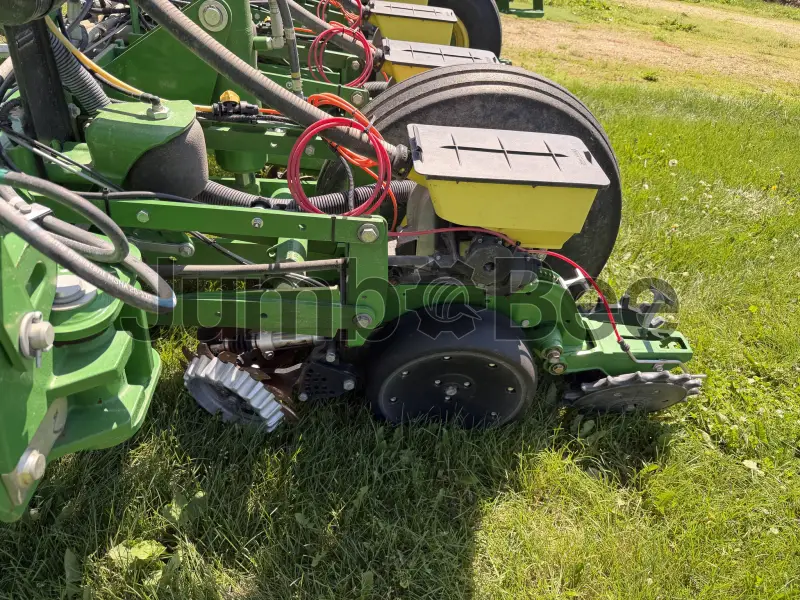
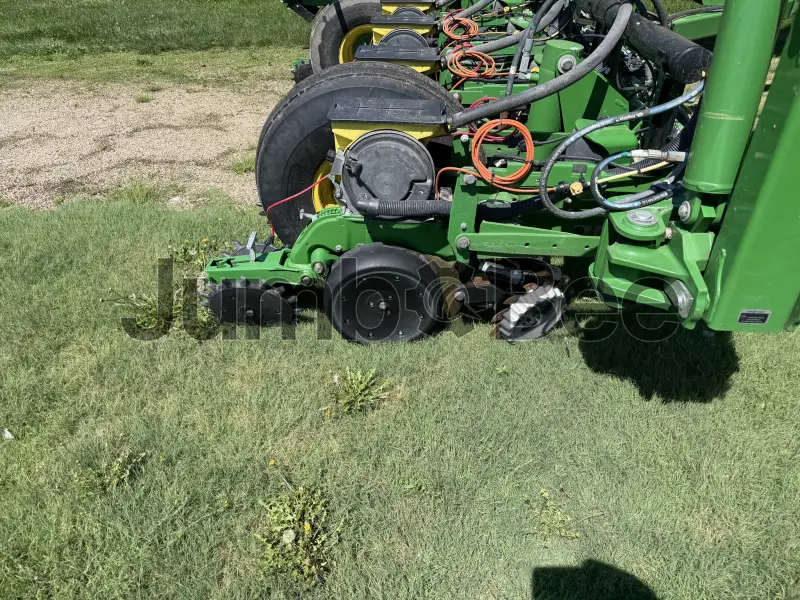
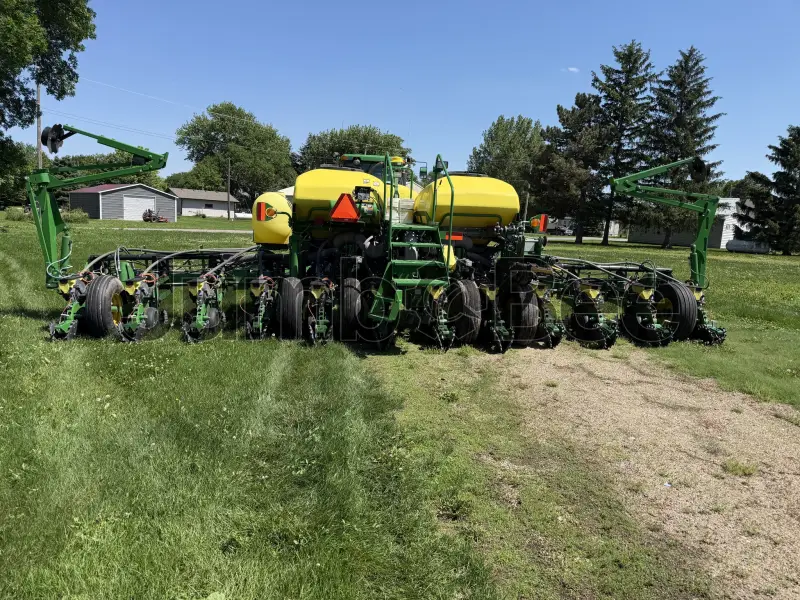
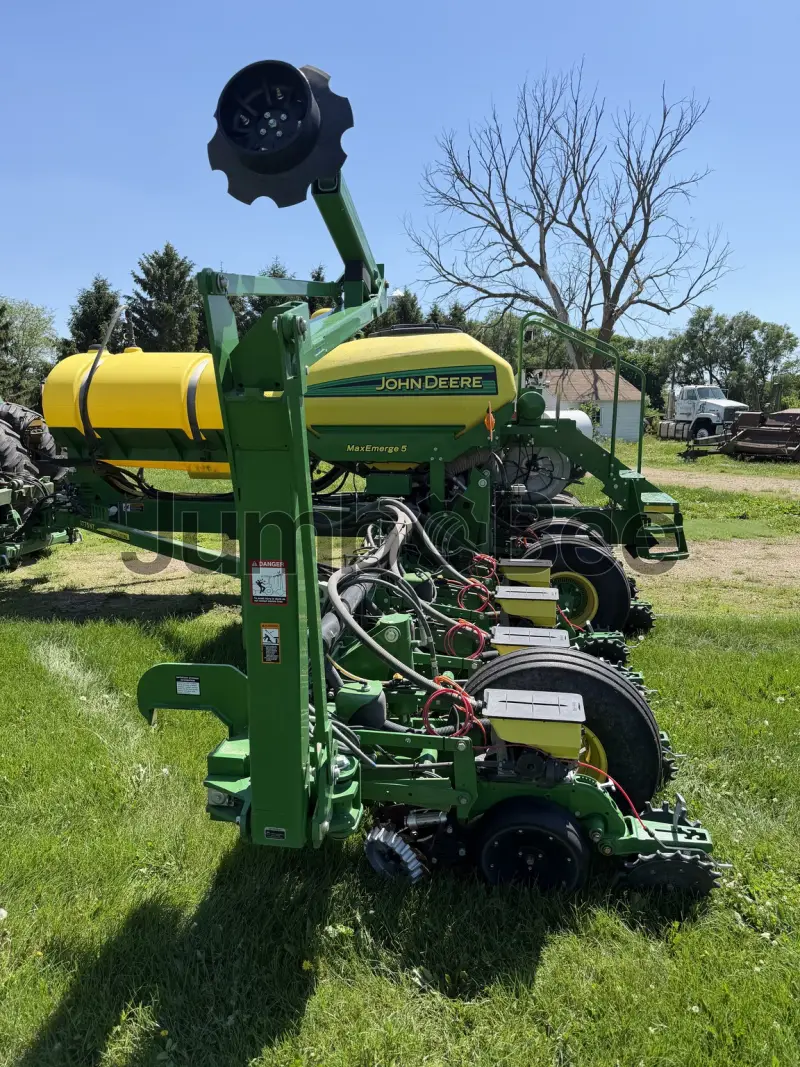
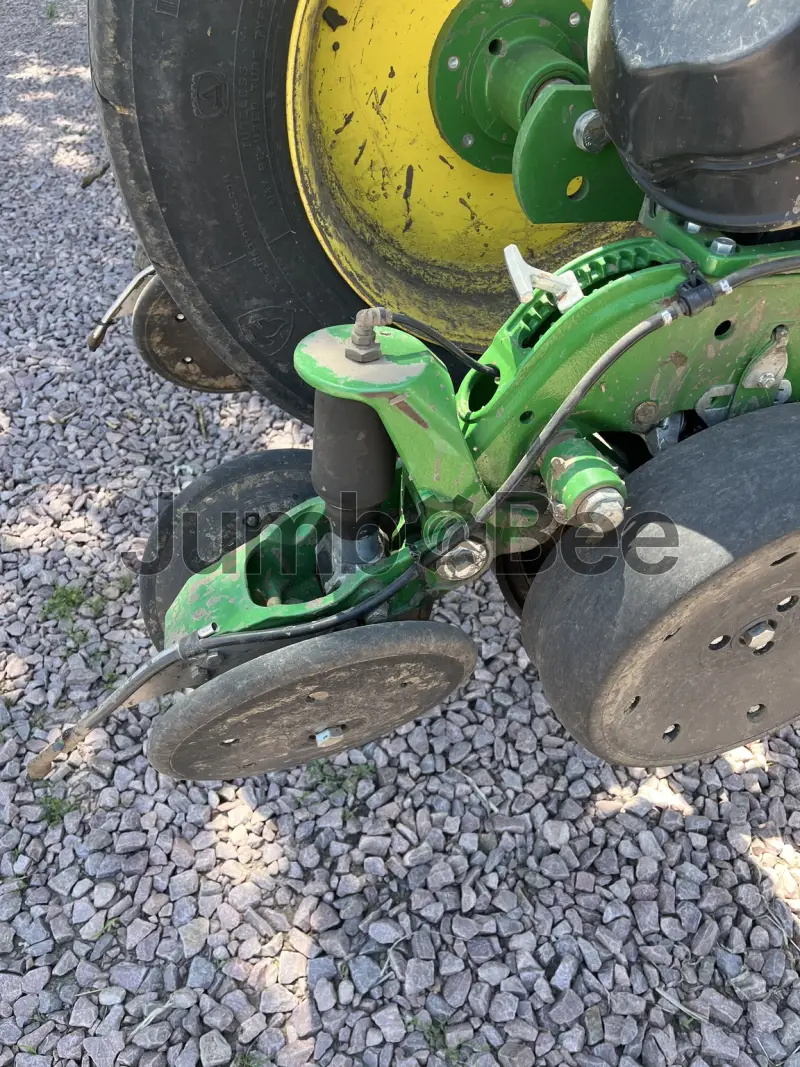
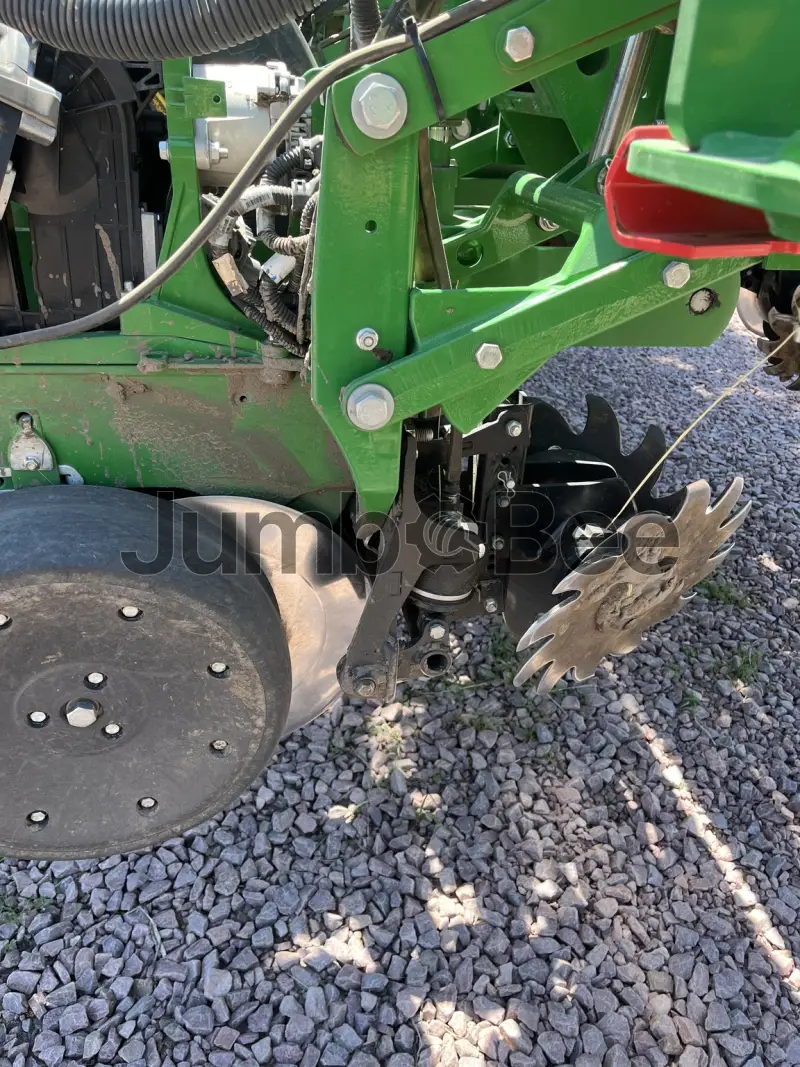
$96,500
762 mm
Capacity 2.2 L 0.062 bu 58 L 1.65 bu 106 L 3.0 bu
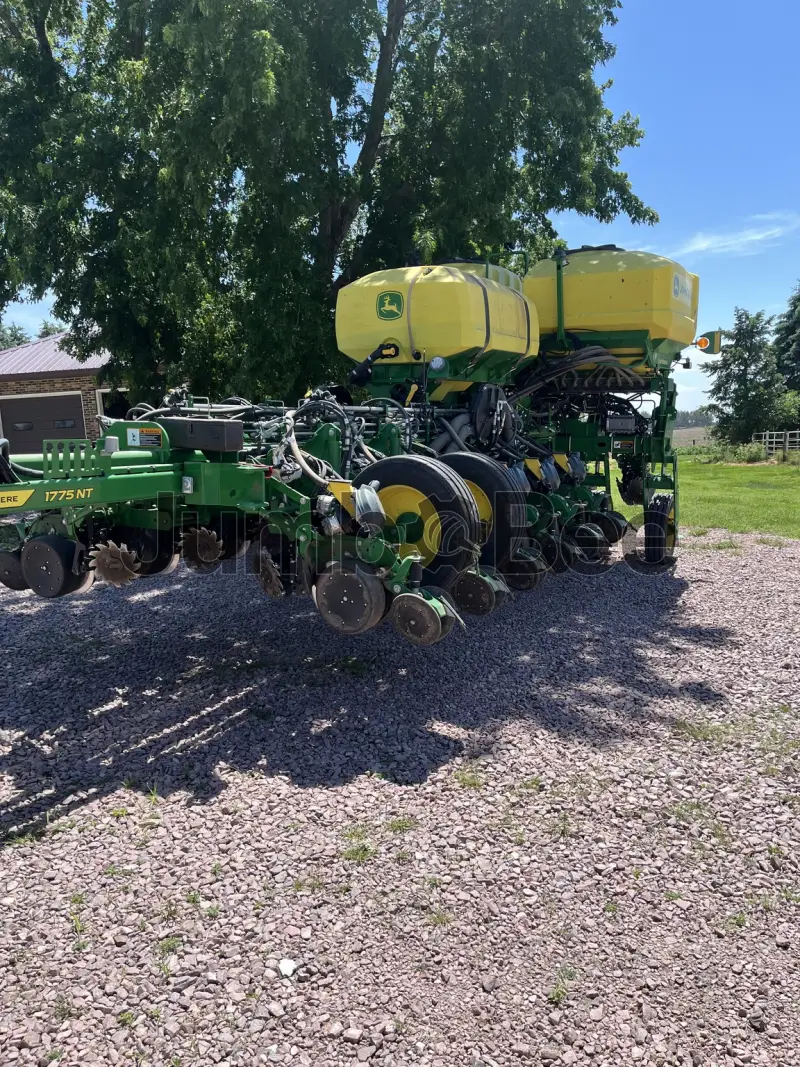
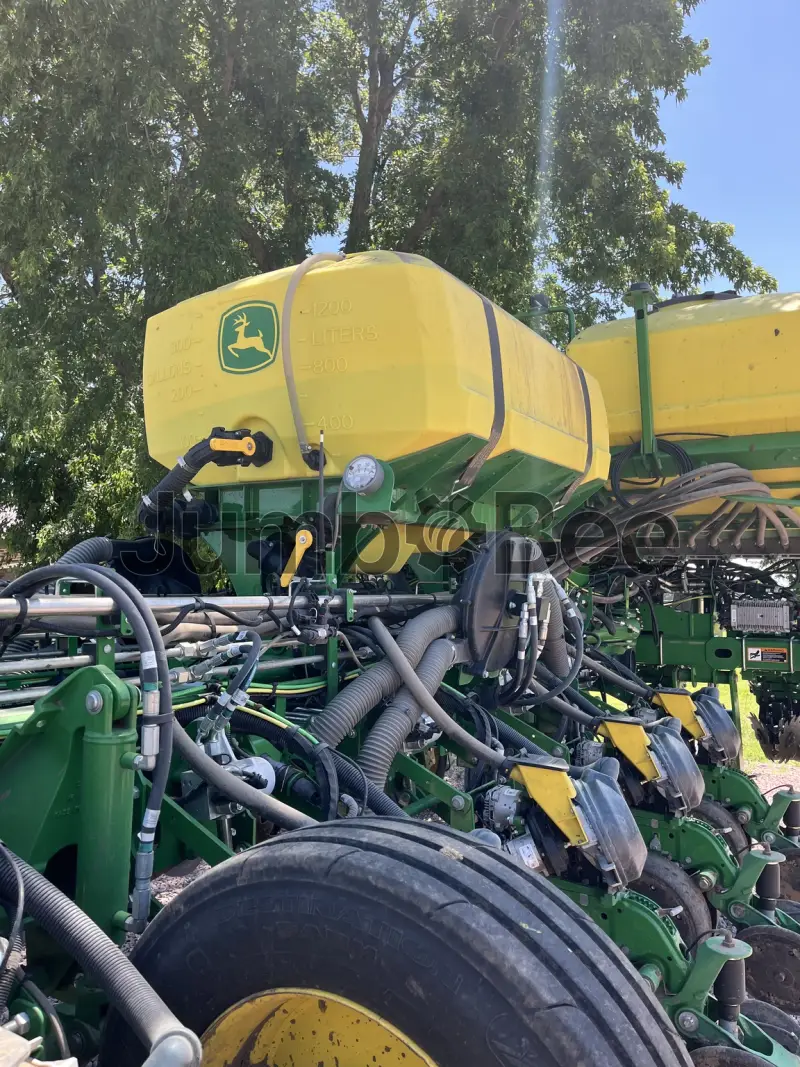
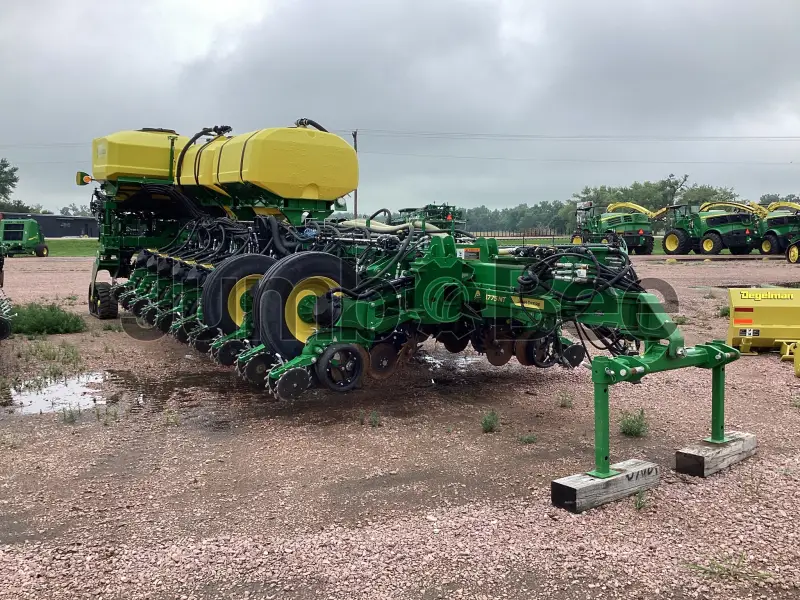
$299,995
762 mm
Capacity 2.2 L 0.062 bu 58 L 1.65 bu 106 L 3.0 bu
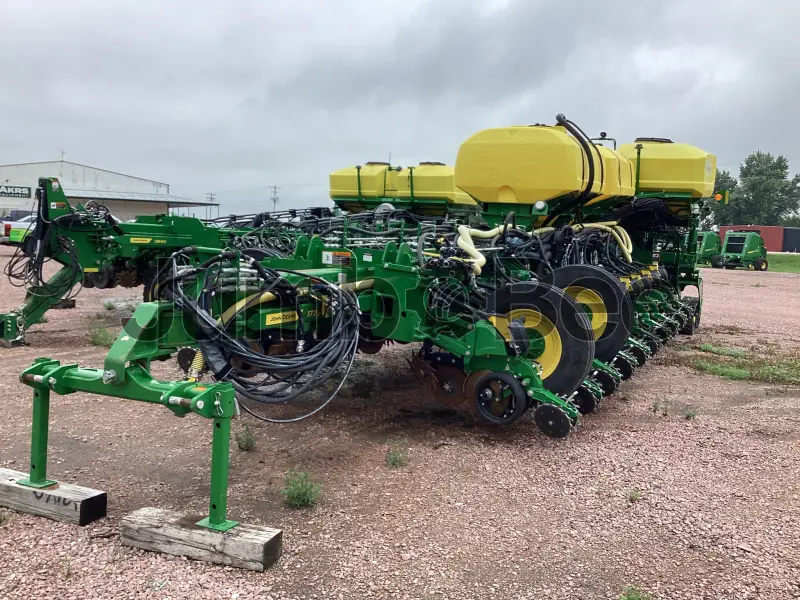
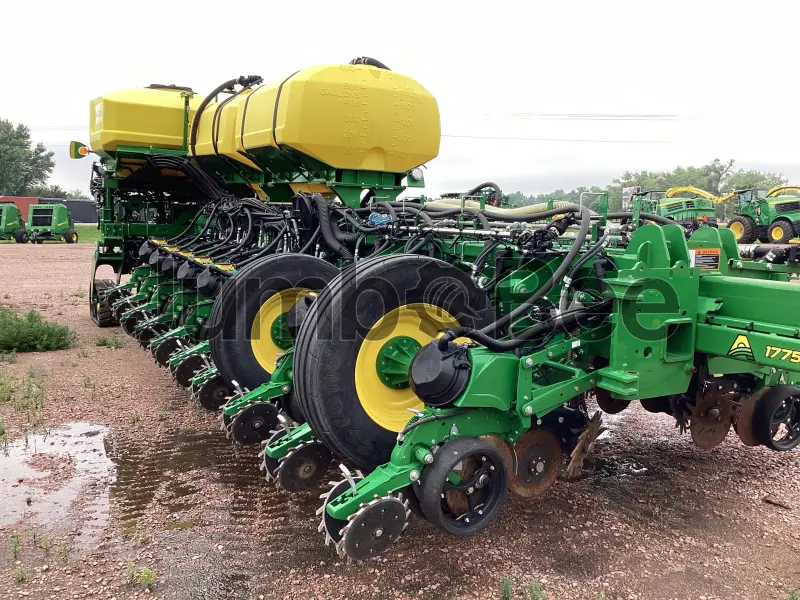
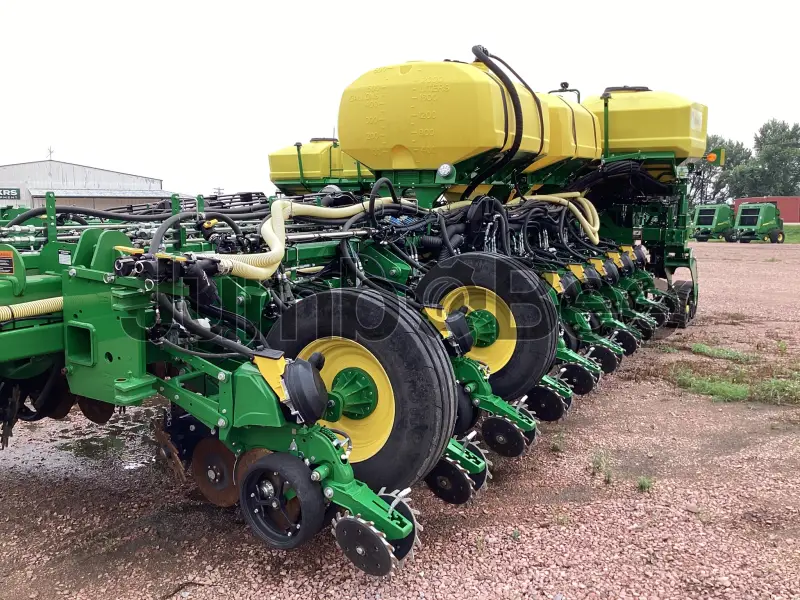
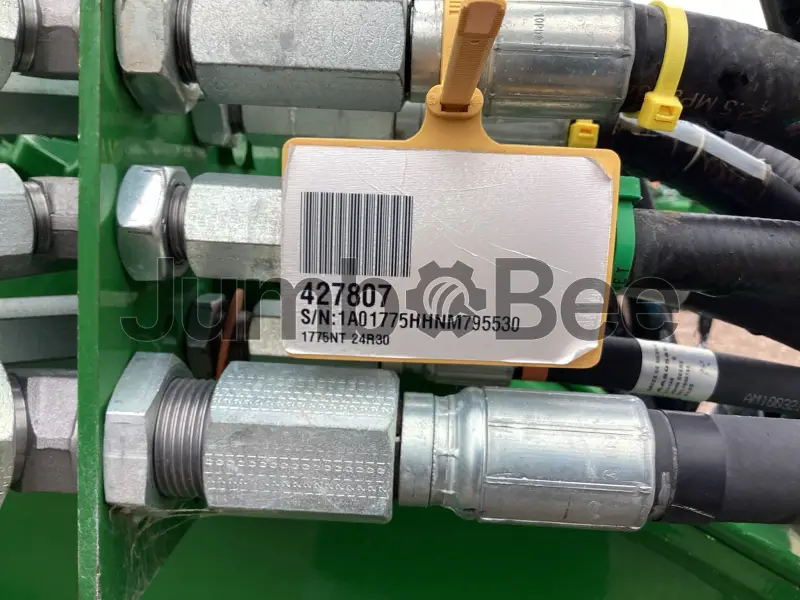
$319,000
762 mm
Capacity 2.2 L 0.062 bu 58 L 1.65 bu 106 L 3.0 bu

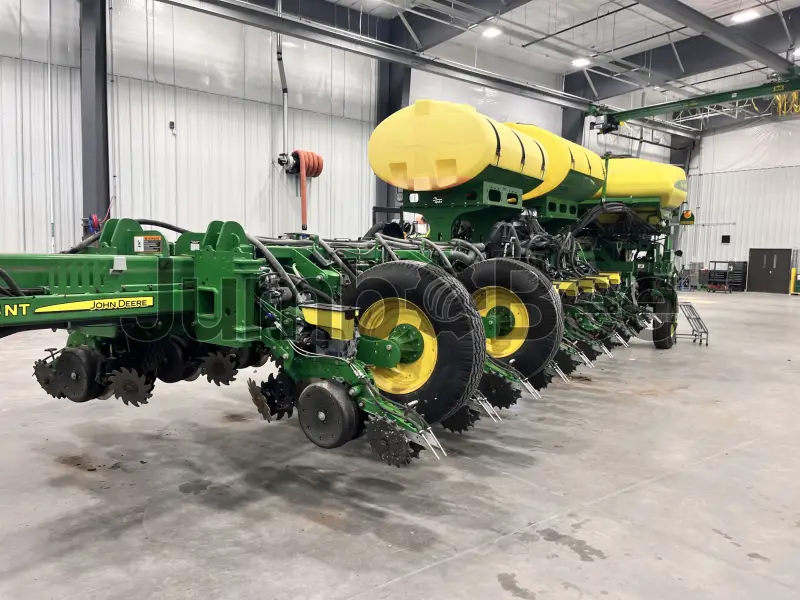
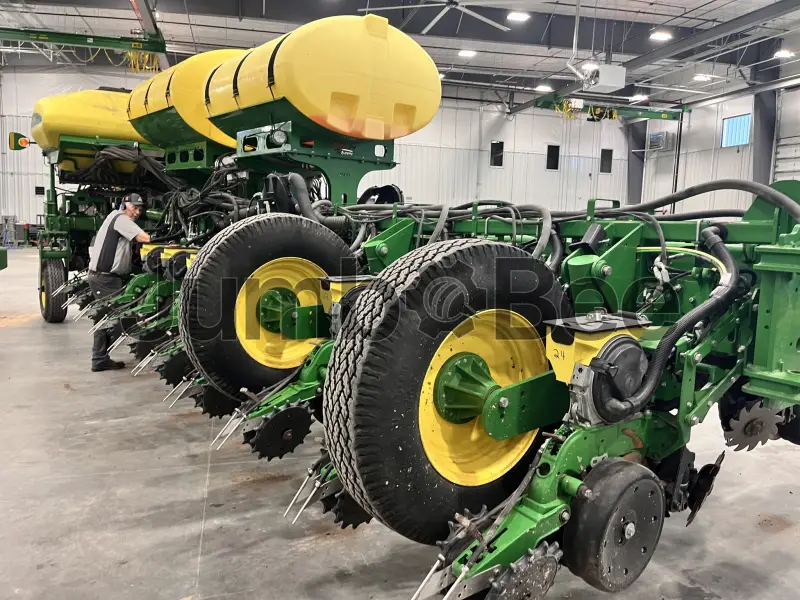
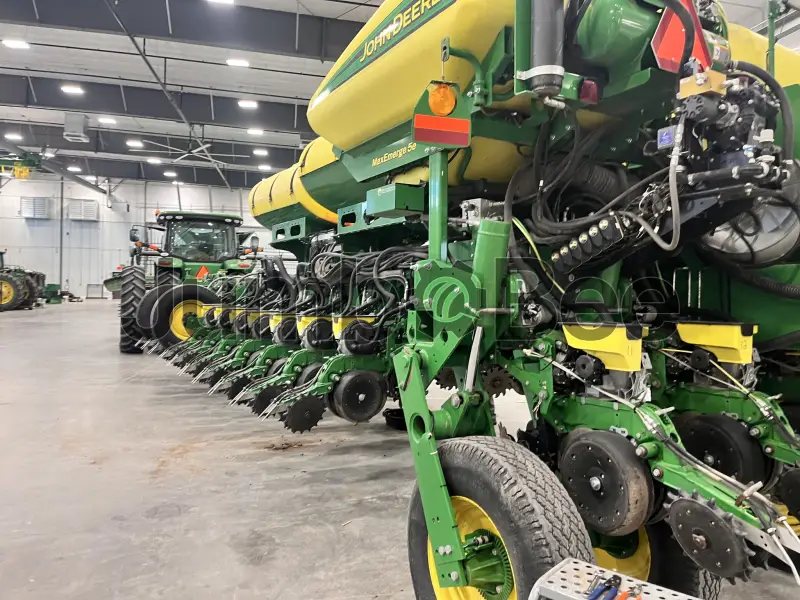
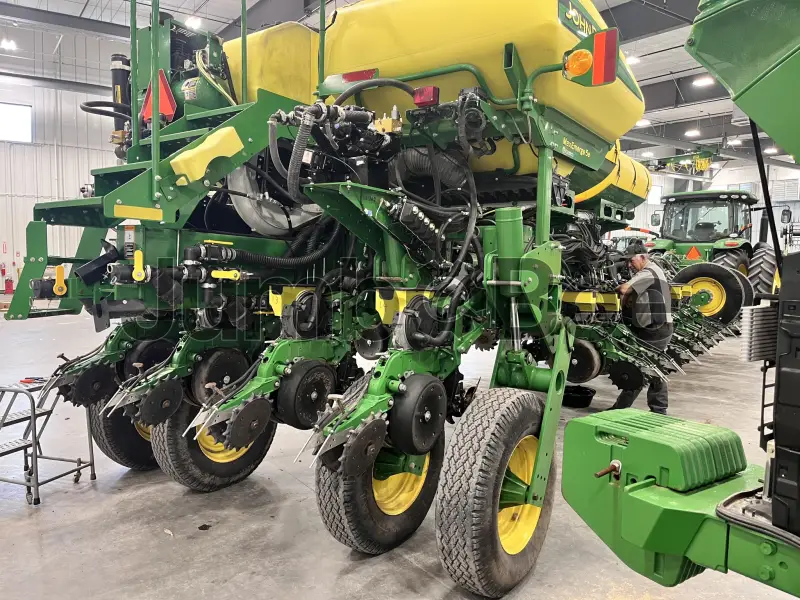
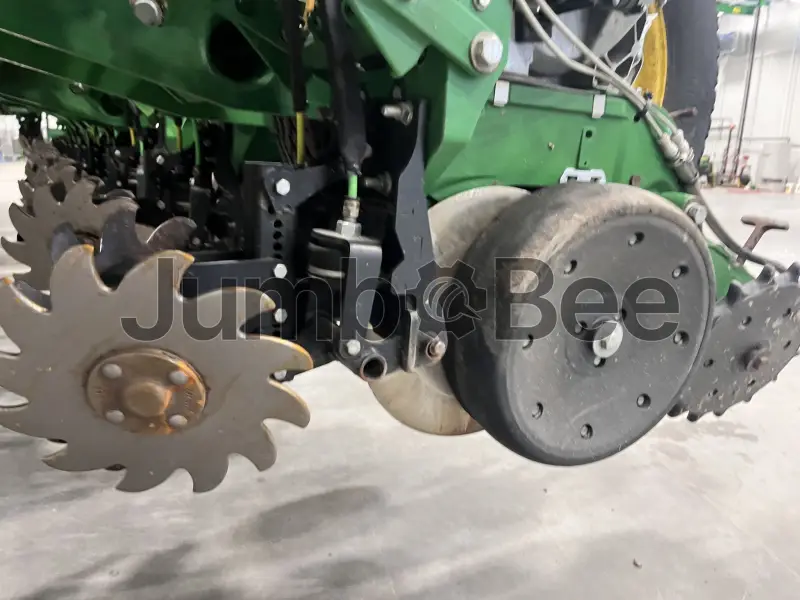
$148,000
762 mm
Capacity 2.2 L 0.062 bu 58 L 1.65 bu 106 L 3.0 bu
Planting & Seeding Equipment Models
Planting & Seeding Equipment
100+
Models
Heavy equipment insights from JumboBee
November 23, 2026
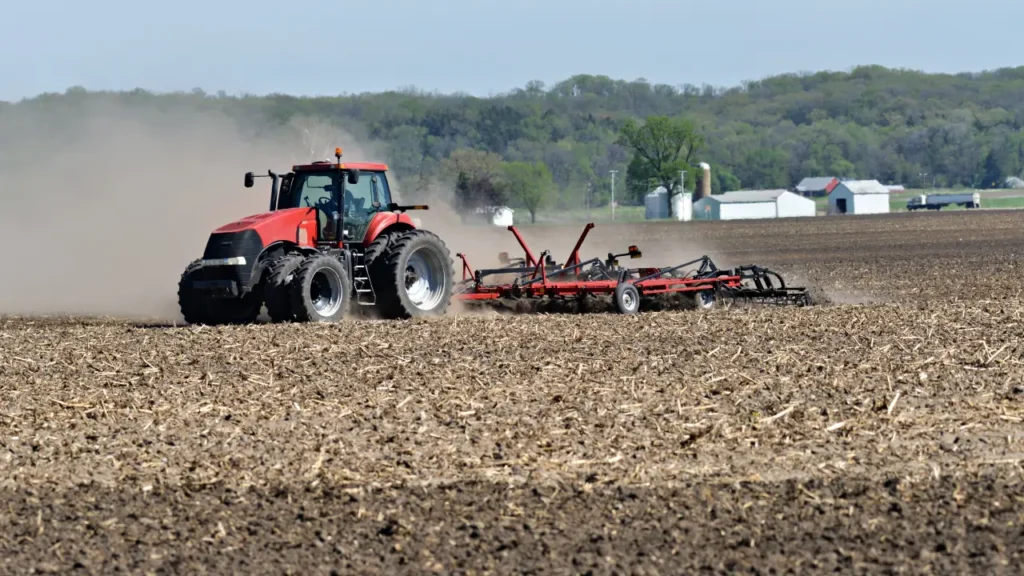
Types of Tillage Equipment: How to Choose the Right Implements for Your Farm
Compare tillage implements and learn what to look for when buying used equipment.
November 20, 2026
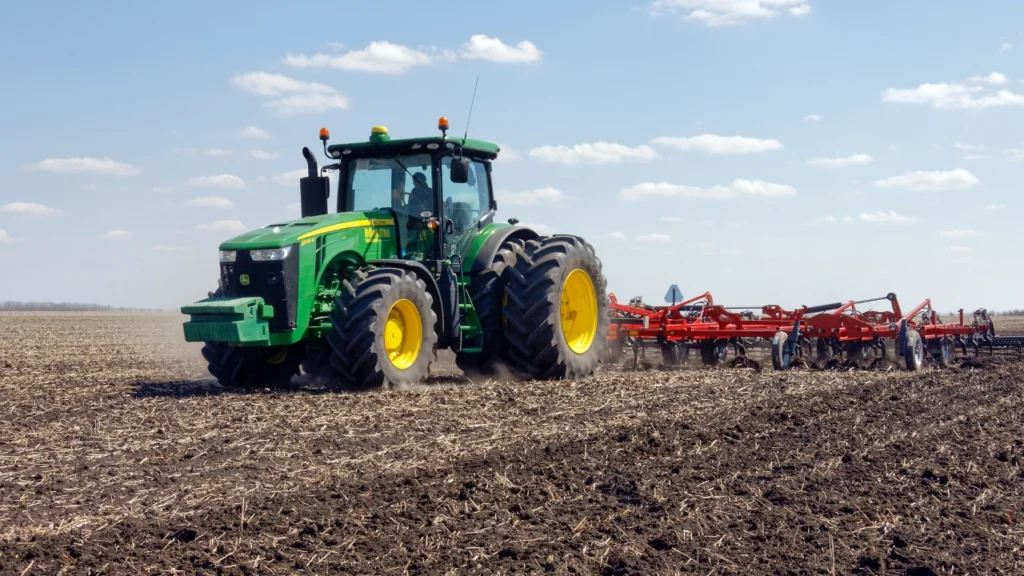
Types of Cultivators: What They Are, How They Work and How to Choose
Compare different types of farm cultivators, their uses, and what to look for when buying used.
November 9, 2026
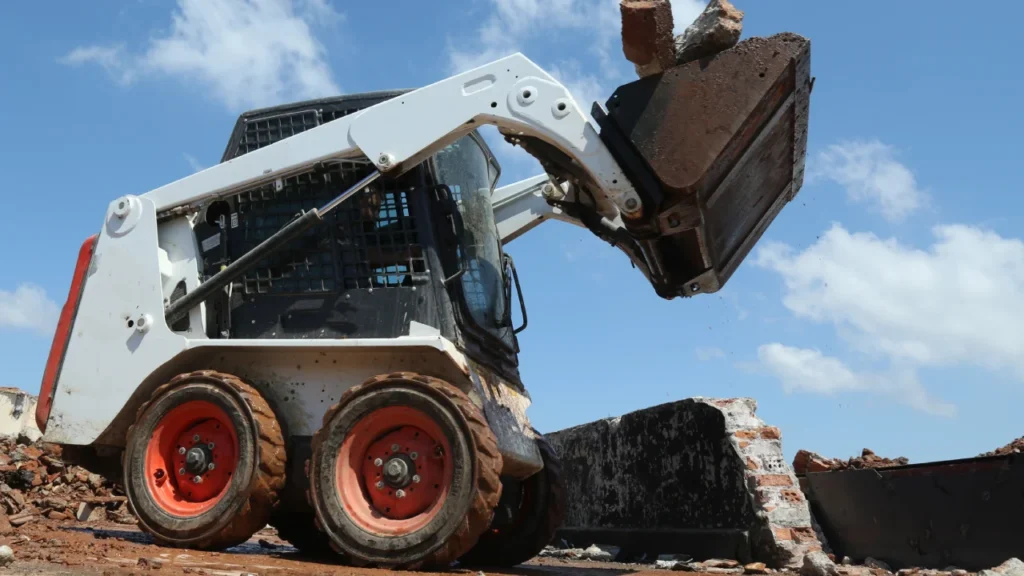
Skid Steer Loader Brands Compared: CAT vs Bobcat vs John Deere
A side-by-side comparison of CAT, Bobcat and John Deere skid steers by size class, capacity, power and hydraulics.
November 2, 2026
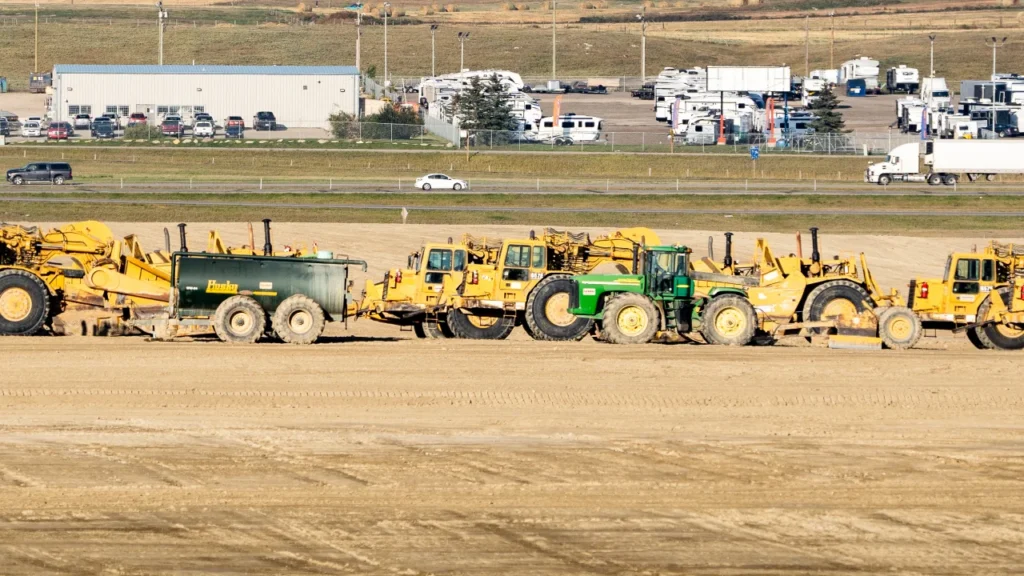
Buying & Selling Heavy Equipment in Canada: Market Guide for Global Buyers
This guide explains how the Canadian heavy equipment market works for international buyers and sellers.
October 9, 2026
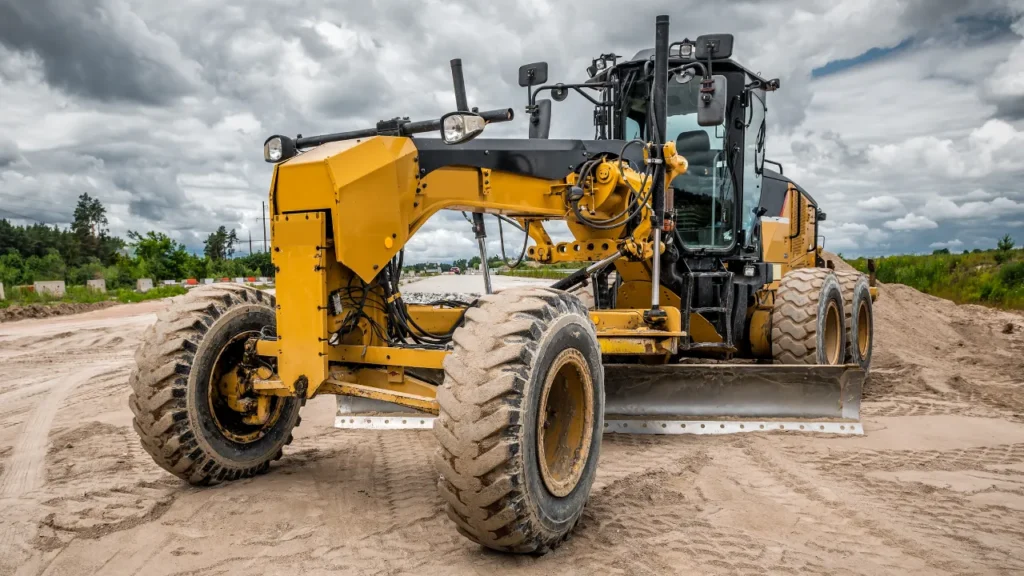
Motor Grader Buying Guide: Sizes, Top Brands, and What Contractors Should Look For
This guide helps buyers select the right motor grader for their needs and maximize ROI across construction, mining, and snow removal.
August 25, 2026
Repair, Rebuild or Replace Heavy Equipment: 2026 Cost-Based Decision Guide
This guide provides a mathematical approach to help you decide what to do with your aging machinery in 2026.
FRAMES BUILT FOR SCALE
A drawn row crop planter is pulled behind the tractor on its own wheels, allowing far more rows than a mounted unit. Common configurations range from 6 to 48 rows on rigid, stack-fold, front-fold and pivot-transport frames. The frame style determines transport width, field maneuverability and how easily the planter folds for the road.
TECHNOLOGY ON THE ROW UNIT
Vacuum meters, electric drives, hydraulic downforce, sectional control and high-speed seed delivery are the features that most influence both performance and resale value. Many owners upgrade older drawn planters with aftermarket technology, so a used frame can be fitted to plant at modern standards.
BULK FILL OR ROW BOXES
Central fill systems speed up refilling and reduce labor on large planters, while individual row boxes are simpler and cost less. Fertilizer tanks and liquid kits add capability but also weight and maintenance.
INSPECTING A USED DRAWN ROW CROP PLANTER FOR SALE
Check frame hinges and fold cylinders, transport wheels and tires, row-unit parallel arms, disc openers and gauge wheels, closing systems and meter calibration. Ask for acres planted since the last major rebuild. If you buy used drawn row crop planter equipment, confirm that the monitor and controllers work with your tractor.
USED DRAWN ROW CROP PLANTER PRICE
Used drawn row crop planter price depends on row count, frame type, meters, drives and downforce systems. Late-model planters with full electric drive and sectional control command the highest prices.
NEW AND USED DRAWN ROW CROP PLANTER FOR SALE
Drawn row crop planter dealers stock John Deere, Kinze, Case IH, Great Plains and White models. Every drawn row crop planter for sale on JumboBee includes photos and seller details.
Got Questions?
Our FAQ section covers everything from shipping and listing to buying with confidence.
WHAT SHOULD YOU LOOK FOR IN A ROW CROP PLANTER (DRAWN)?
- Row unit count and spacing suited to your large-acreage crop plan
- Hopper or bulk-fill capacity for reduced refill frequency
- Meter type and calibration accuracy across all row units
- Fold-up transport width and road-travel compliance
- Down-pressure and depth-control system consistency across the frame
- Fertilizer and insecticide attachment options for combined application
HOW TO CHOOSE THE RIGHT ROW CROP PLANTER (DRAWN)?
ASSESS YOUR NEEDS
- Size row count and spacing to your acreage and planting-window timeline.
- Decide between individual hoppers and bulk-fill seed systems.
- Confirm your tractor's horsepower and hitch can handle the drawn frame.
- Check transport width against road restrictions in your area.
KEY FEATURES
- Bulk-fill vs individual hopper seed delivery
- Row unit down-pressure and depth-control technology
- Frame fold width and transport wheel configuration
- Monitor, GPS, and section-control compatibility
WHAT IS MORE PROFITABLE TO BUY A USED ROW CROP PLANTER (DRAWN) OR A NEW ONE FROM A DEALER?
New drawn planters bring the latest bulk-fill systems, section control, and full warranty at a significant investment. Used drawn planters are widely available at lower cost and can remain productive for many seasons if row units and hydraulics were maintained. JumboBee's pre-sale inspection option helps verify row unit and hydraulic condition before buying used.
WHAT ARE THE ADVANTAGES OF A NEW OR USED ROW CROP PLANTER (DRAWN)?
- New: modern bulk-fill and section-control technology, full warranty, higher planting accuracy
- Used: lower cost per row unit, faster payback for large operations, broad model selection
HOW CAN I ARRANGE THE SHIPPING OF A ROW CROP PLANTER (DRAWN)?
JumboBee manages wide-load permits and transport scheduling for drawn planters, ensuring safe delivery whether the move is local or cross-border.