Farm Tires for Sale
(261 listings)
Popular brands
Only verified sellers list equipment on JumboBee.
Sort by:
Featured
Heavy Equipment Model Database — Specs, Reviews & Comparisons
The global reference hub for heavy equipment. Research models across agriculture, construction, mining, forestry, and material handling — compare specifications, read buyer reviews, and find verified listings in one place.
Heavy equipment insights from JumboBee
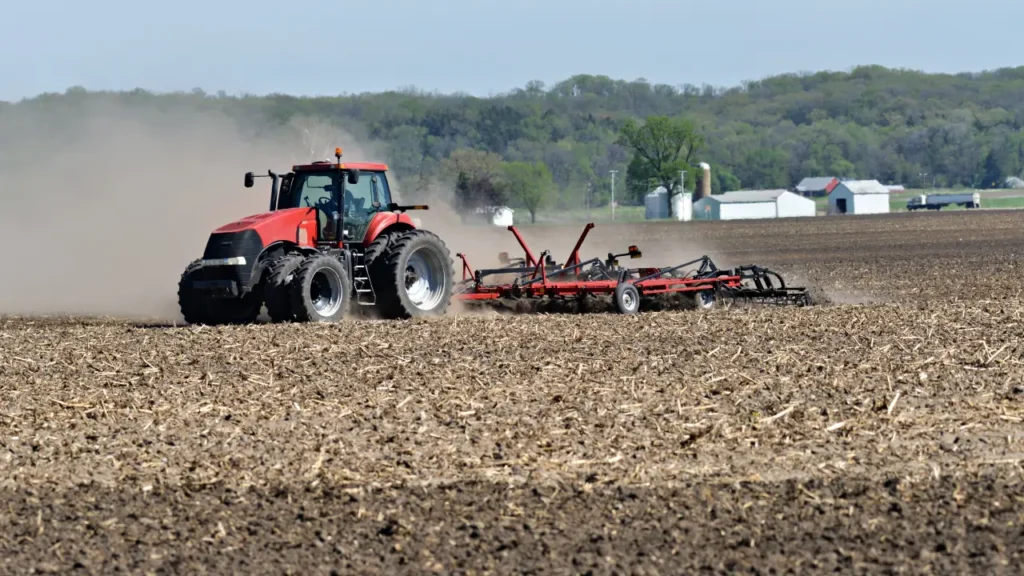
November 23, 2026
Types of Tillage Equipment: How to Choose the Right Implements for Your Farm
Compare tillage implements and learn what to look for when buying used equipment.
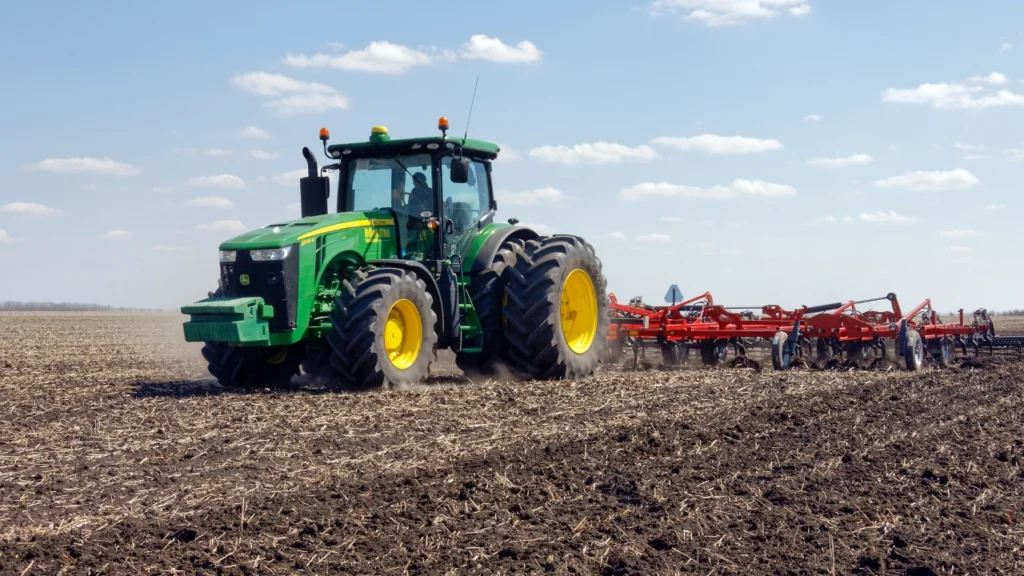
November 20, 2026
Types of Cultivators: What They Are, How They Work and How to Choose
Compare different types of farm cultivators, their uses, and what to look for when buying used.
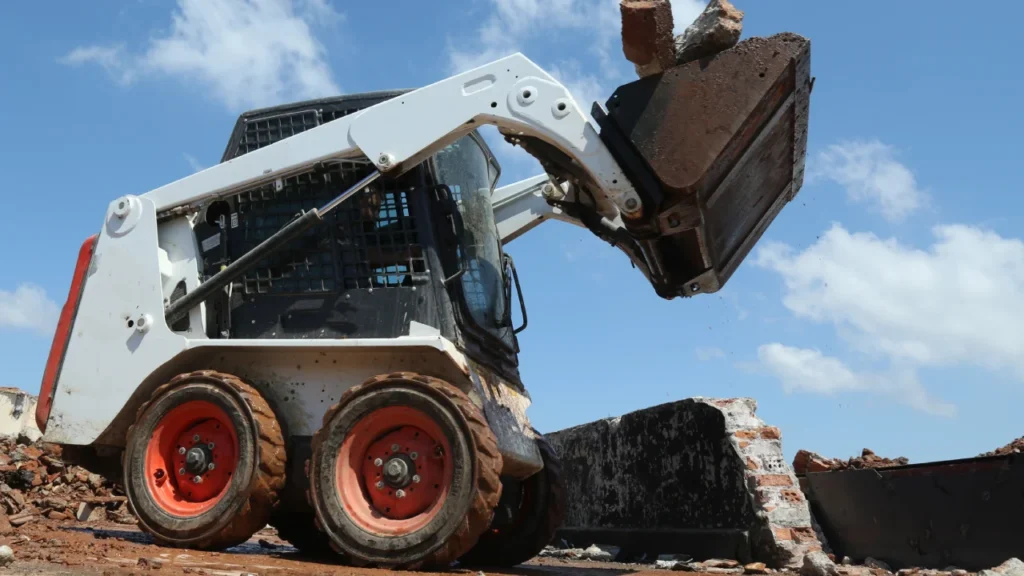
November 9, 2026
Skid Steer Loader Brands Compared: CAT vs Bobcat vs John Deere
A side-by-side comparison of CAT, Bobcat and John Deere skid steers by size class, capacity, power and hydraulics.
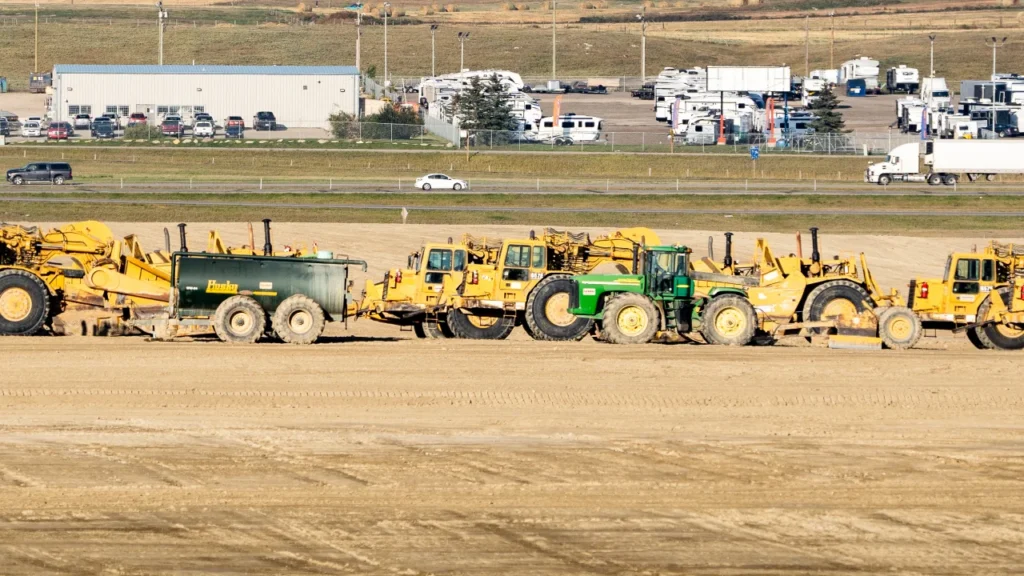
November 2, 2026
Buying & Selling Heavy Equipment in Canada: Market Guide for Global Buyers
This guide explains how the Canadian heavy equipment market works for international buyers and sellers.
October 9, 2026
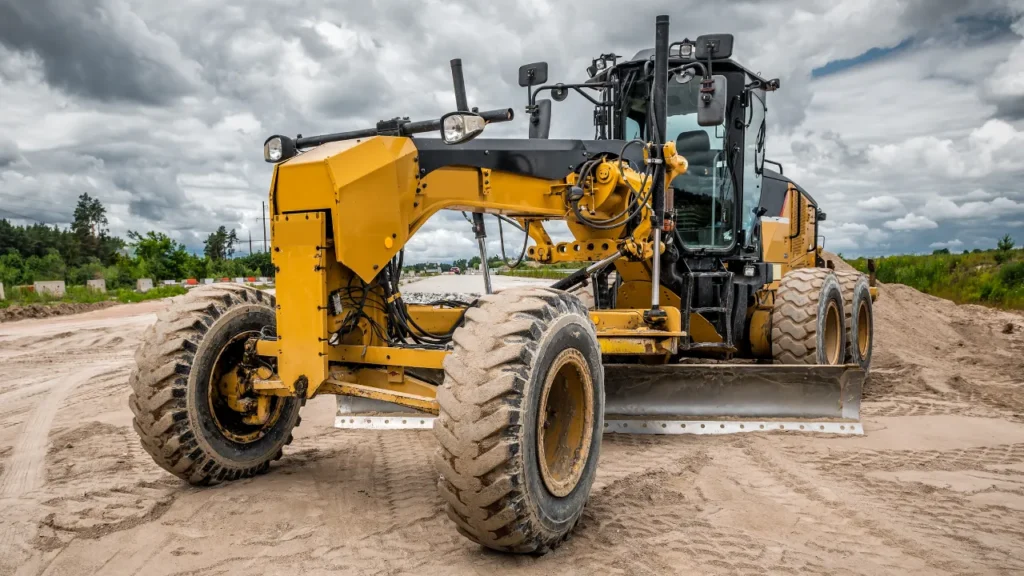
Motor Grader Buying Guide: Sizes, Top Brands, and What Contractors Should Look For
This guide helps buyers select the right motor grader for their needs and maximize ROI across construction, mining, and snow removal.
August 25, 2026
Repair, Rebuild or Replace Heavy Equipment: 2026 Cost-Based Decision Guide
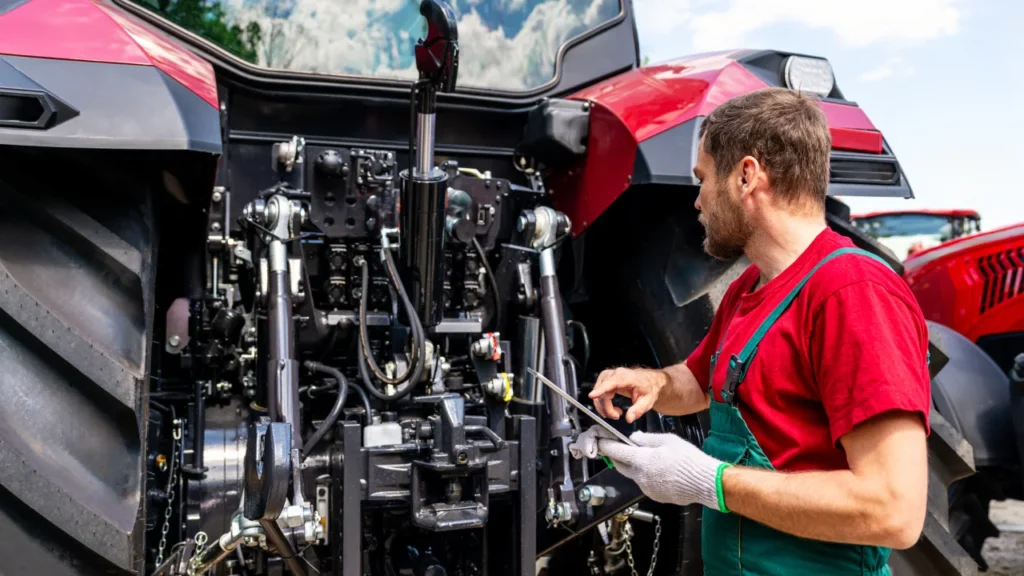
This guide provides a mathematical approach to help you decide what to do with your aging machinery in 2026.
READING A TRACTOR TIRE
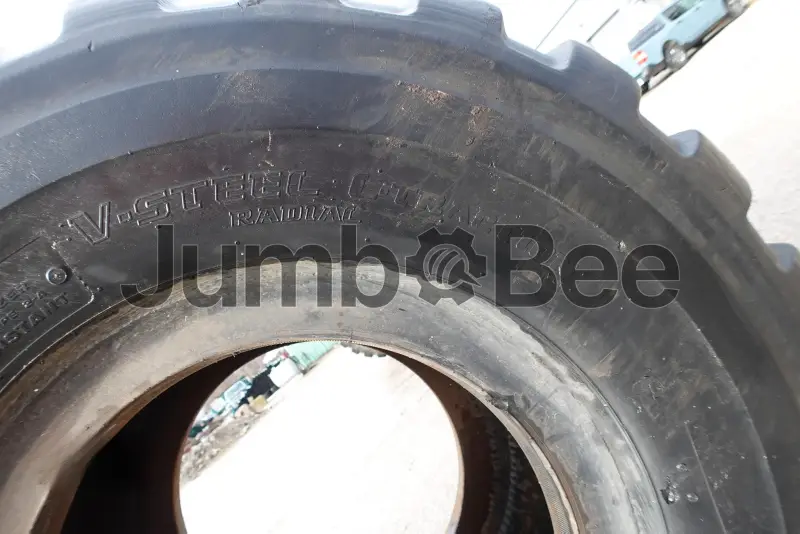
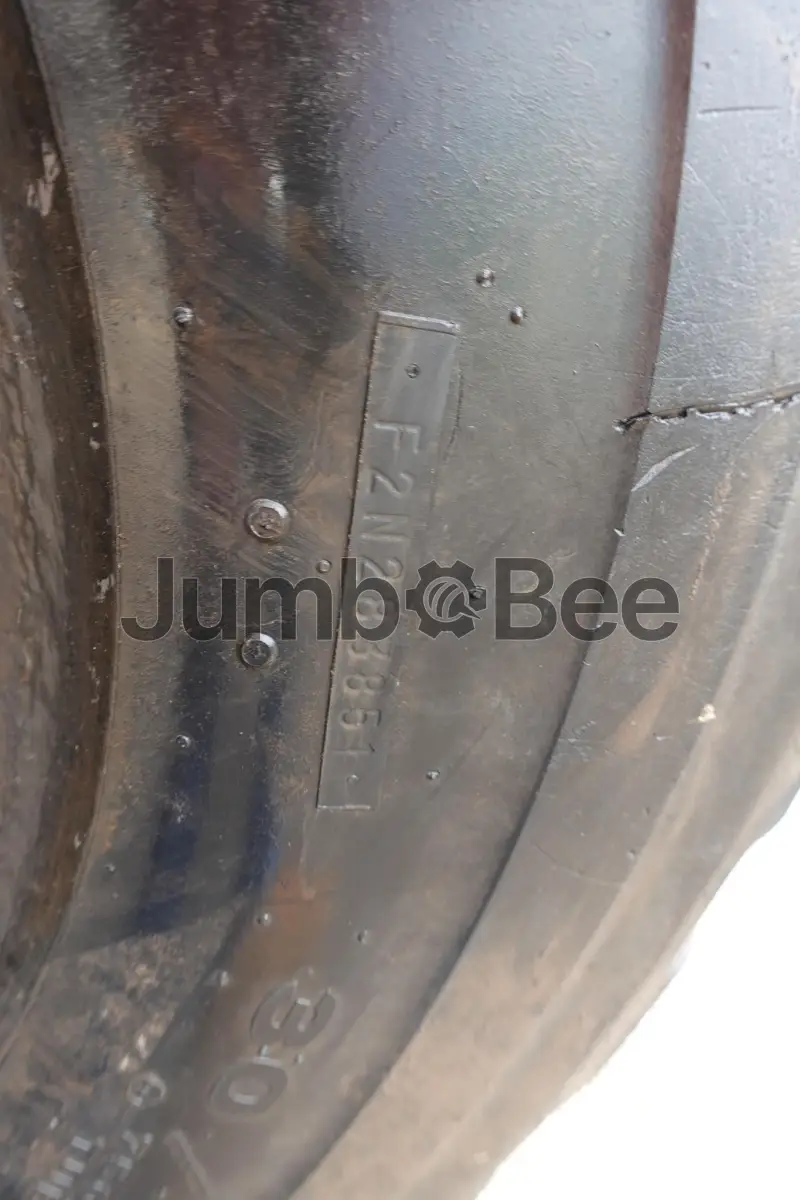
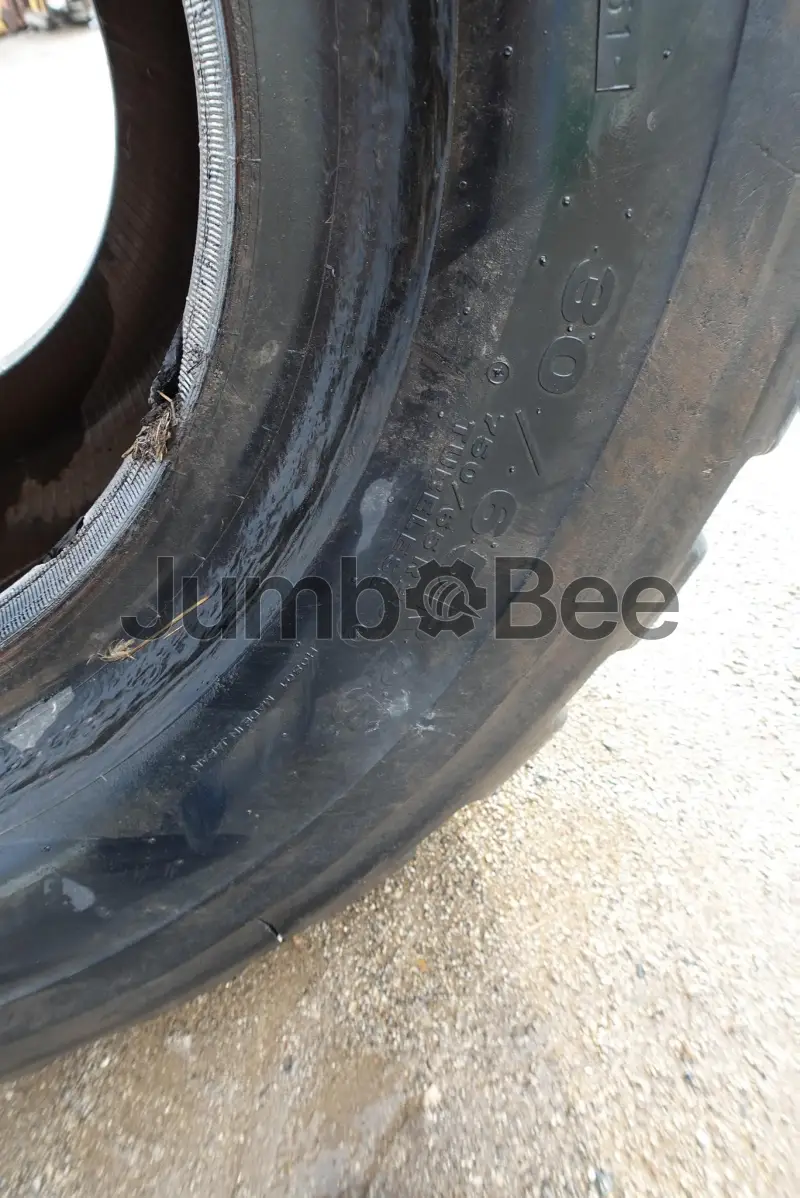
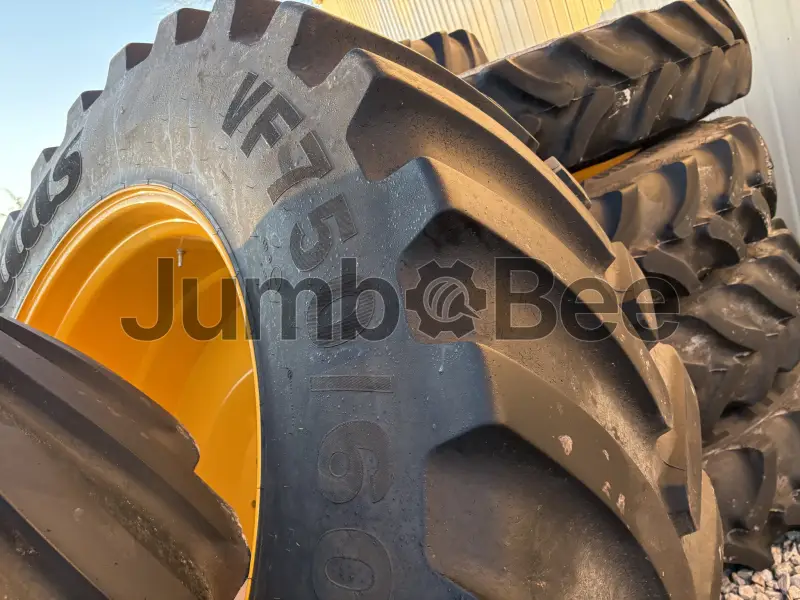
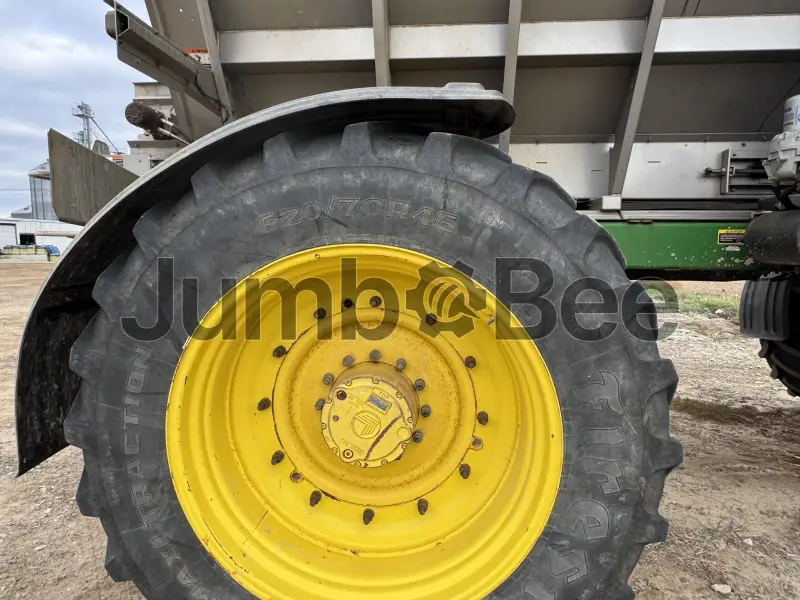
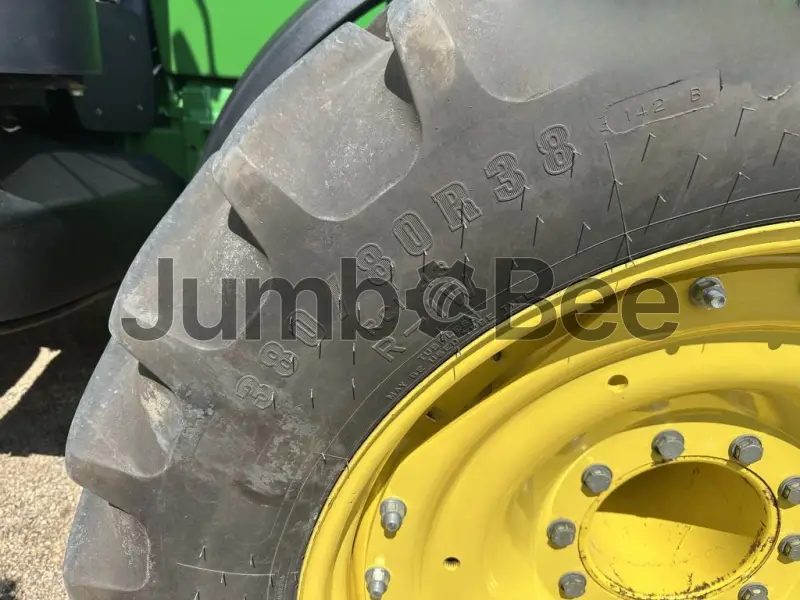
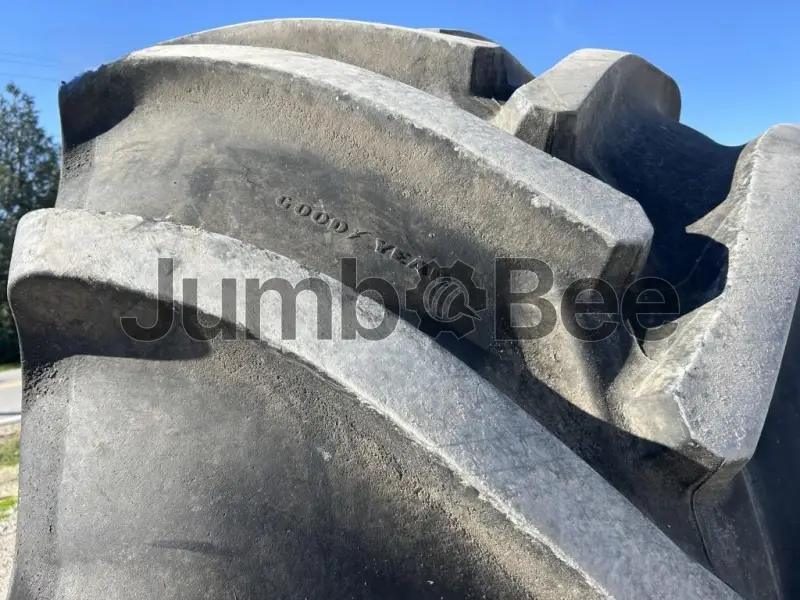
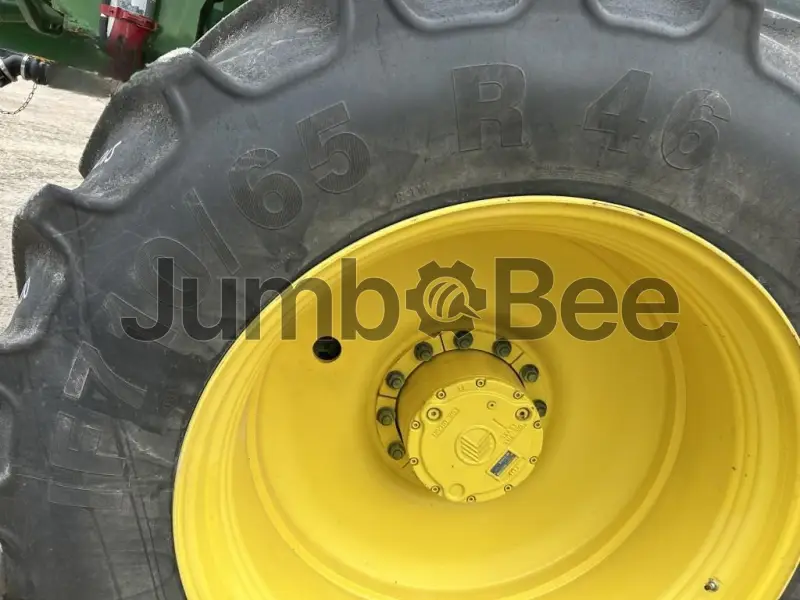
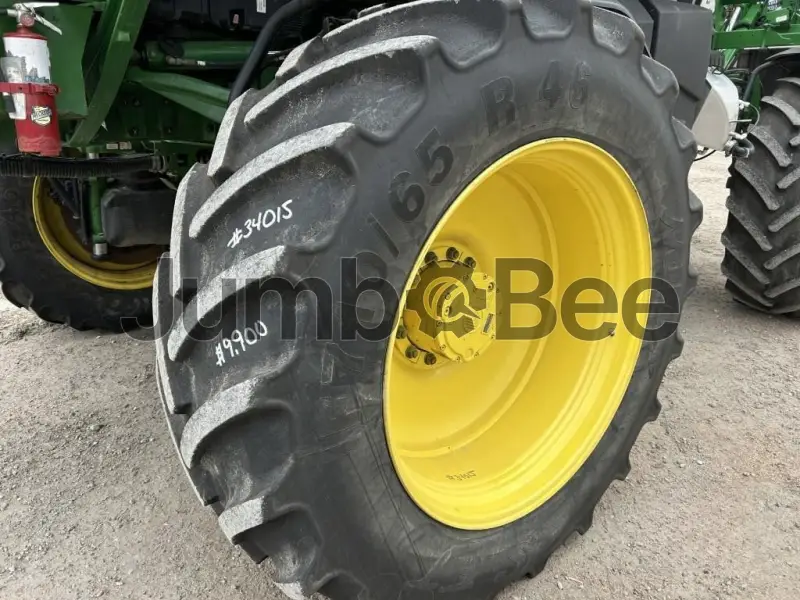
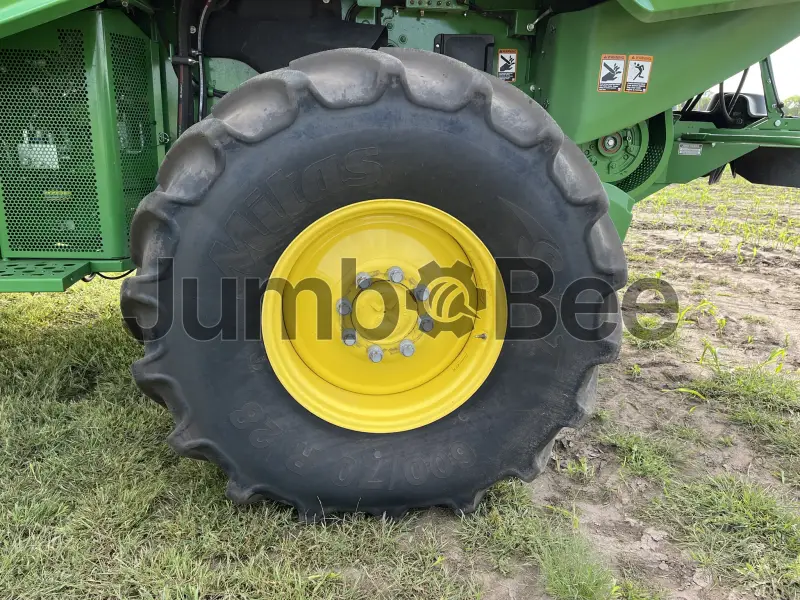
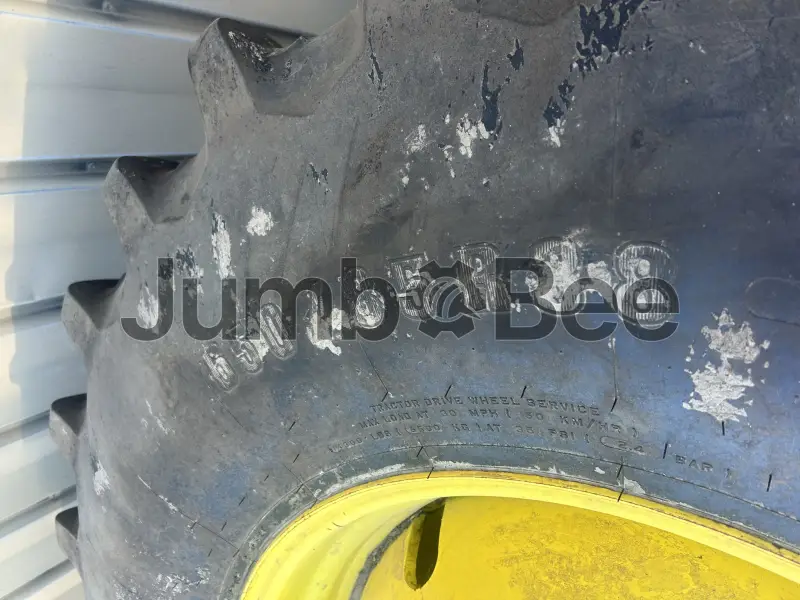
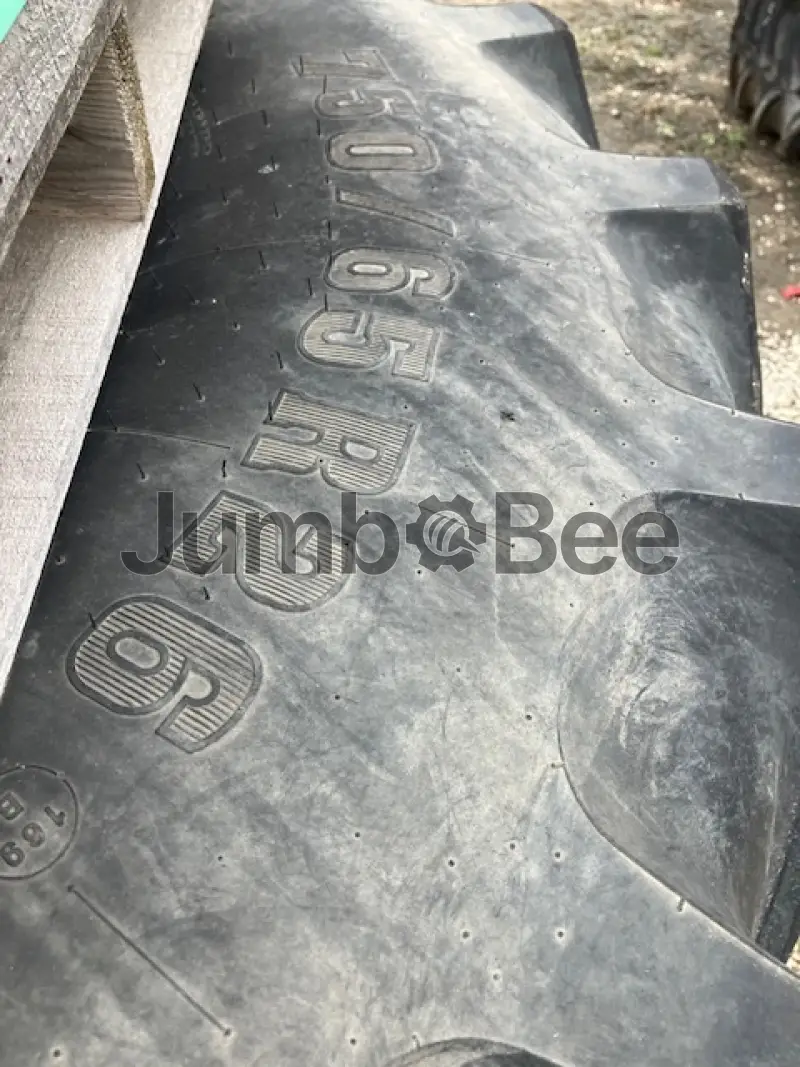
A tractor tire's sidewall shows its size, construction and load rating. Sizes are listed as width, aspect ratio and rim diameter for radials, or width and rim diameter for bias tires. The load index and speed symbol show how much weight the tire can carry and at what speed.
TREAD TYPES
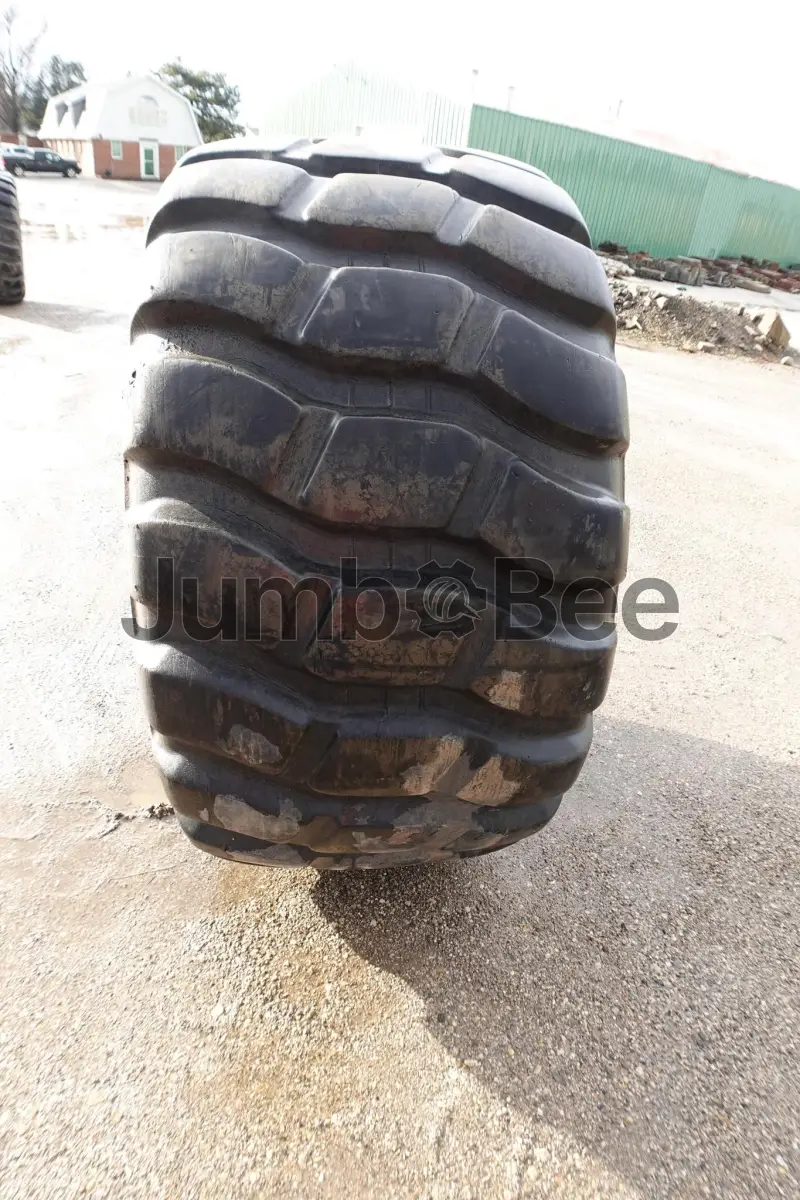
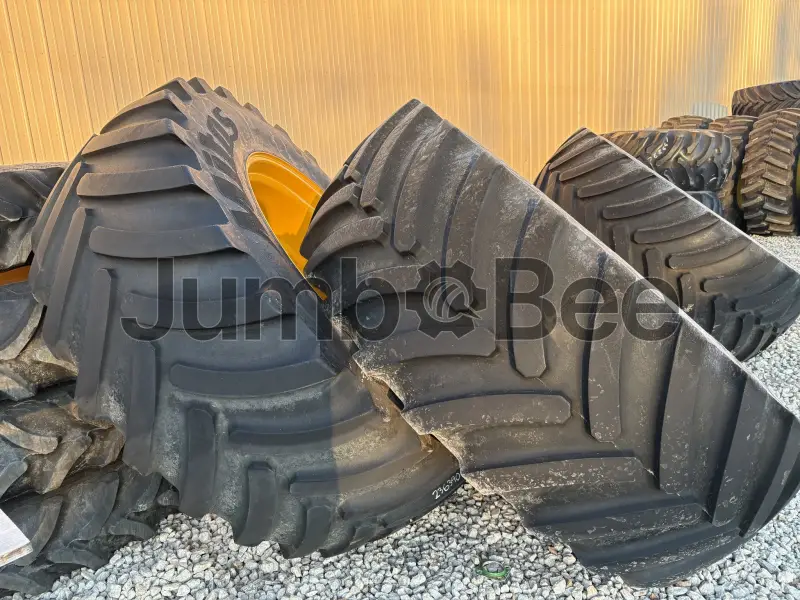
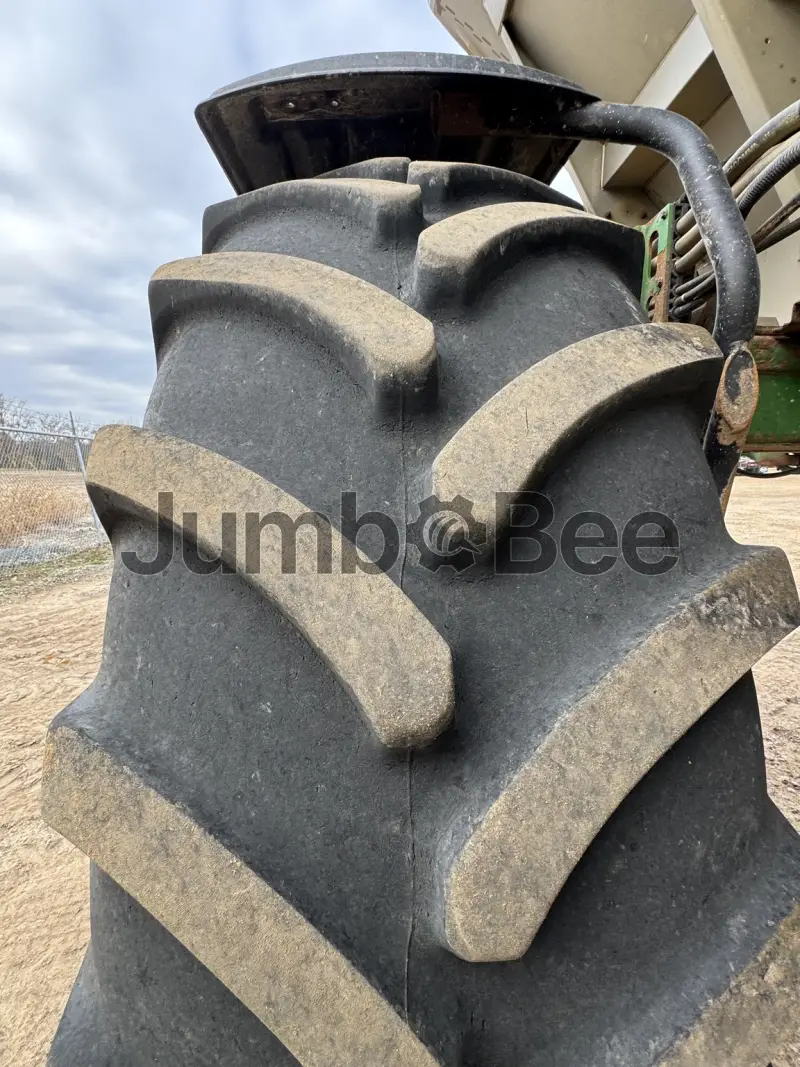
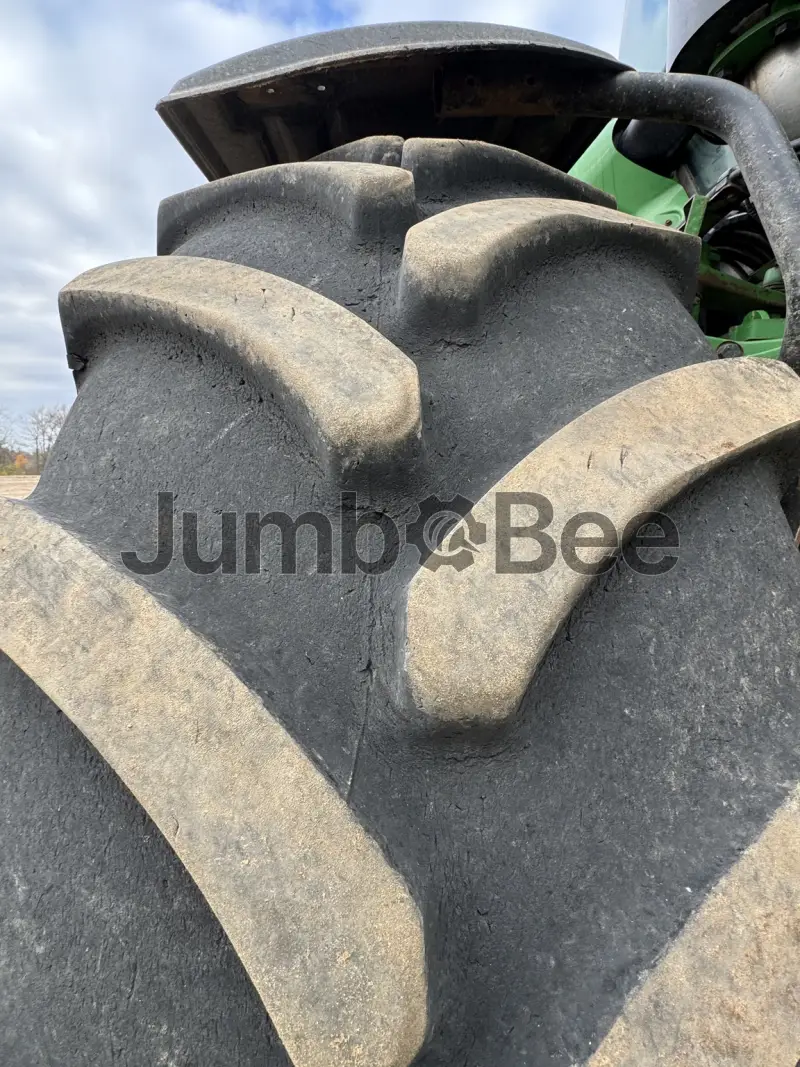
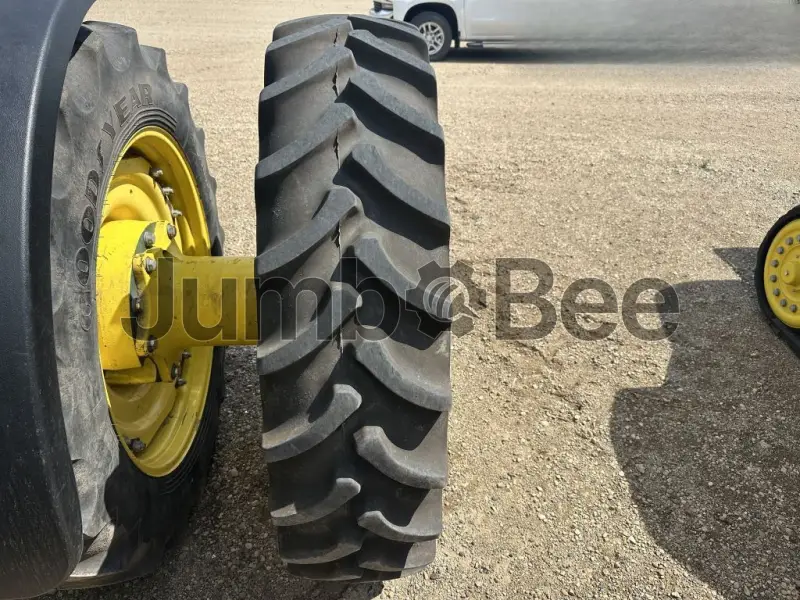
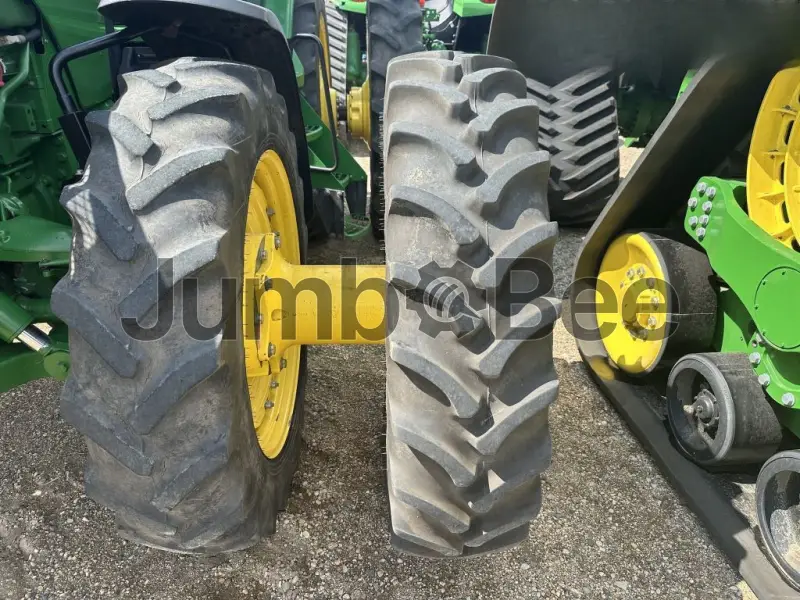
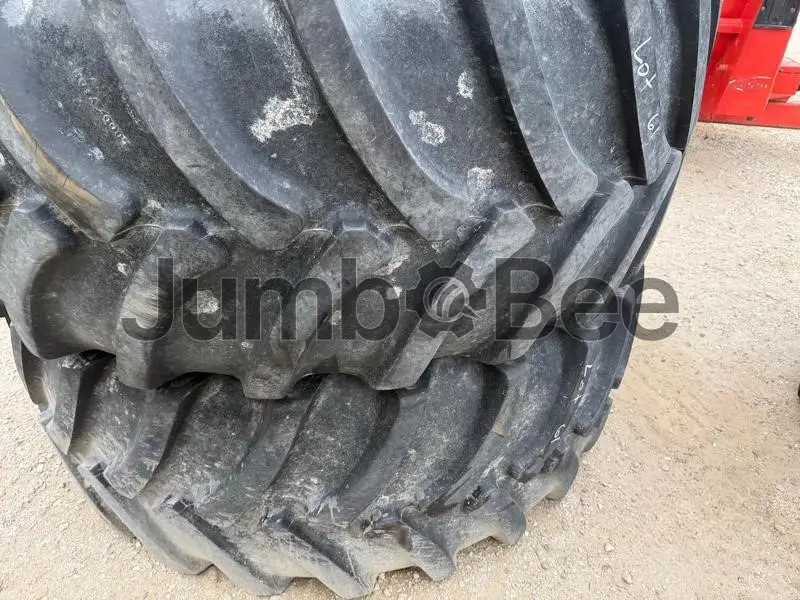
R1 tires have standard agricultural lugs for general fieldwork. R1W tires have deeper lugs for wet conditions. R2 tires have very deep lugs for rice and sugarcane. R3 turf tires protect lawns, and R4 industrial tires balance traction and durability for loader work.
RADIAL OR BIAS
Radial tires flex more in the sidewall, giving a larger footprint, better traction, smoother ride and lower compaction. Bias tires are cheaper, have stiffer sidewalls and resist sidewall damage, making them common on older tractors and loader work.
MATCHING FRONT AND REAR
On four-wheel-drive tractors, front and rear tire sizes must be matched to keep the correct lead ratio. Mismatched tires can wear the drivetrain. Check your tractor's approved combinations.
INSPECTING A USED TRACTOR TIRE FOR SALE
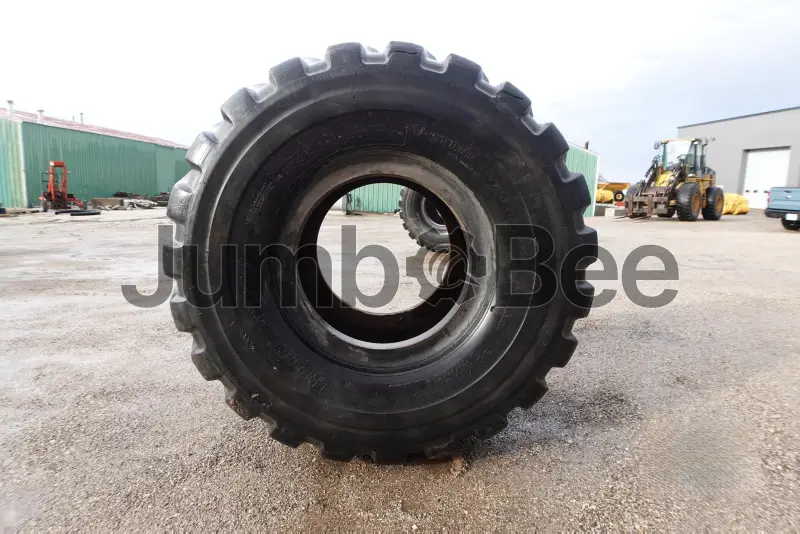
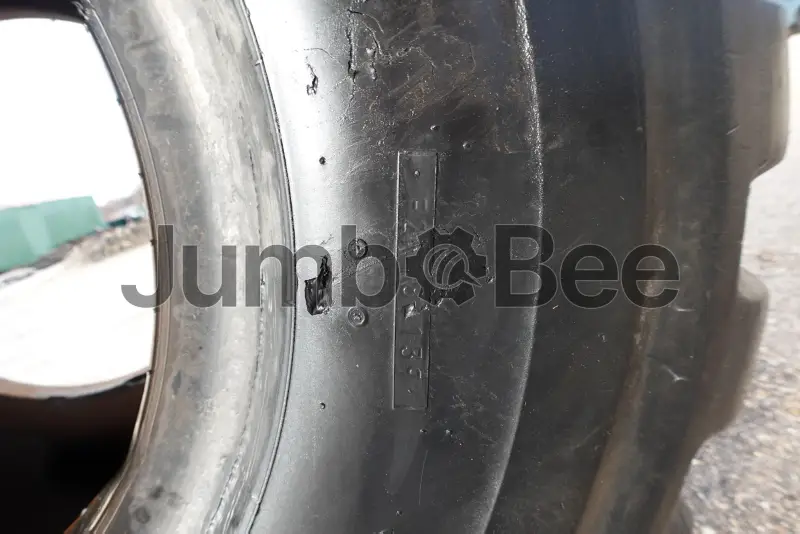
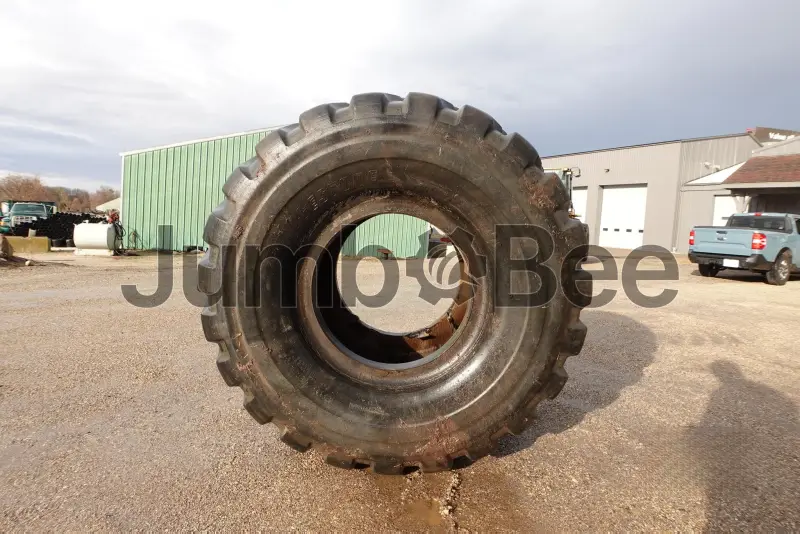
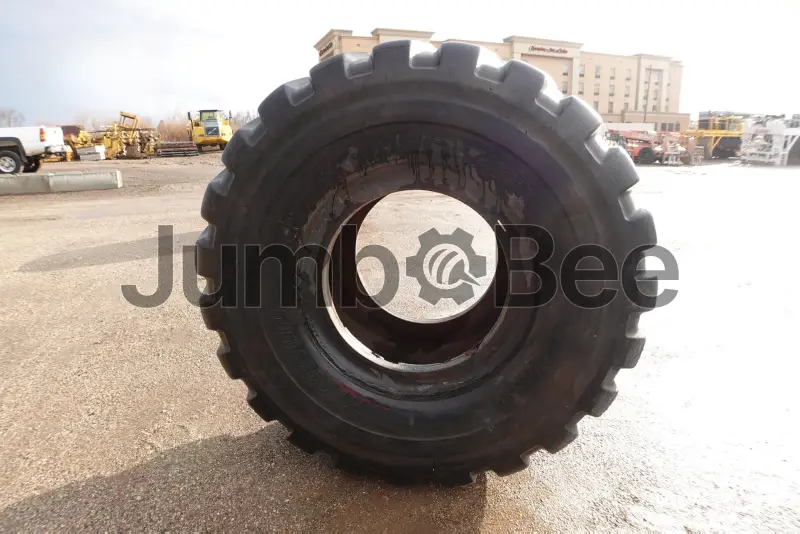
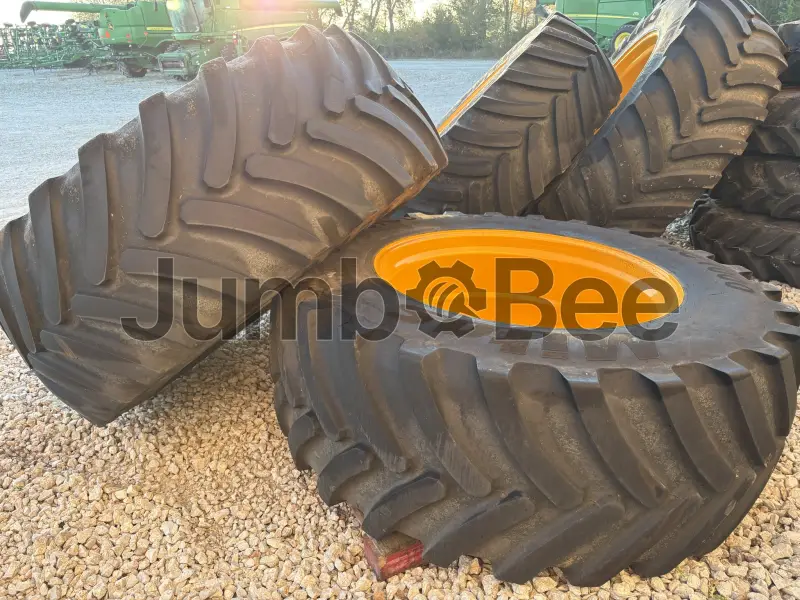
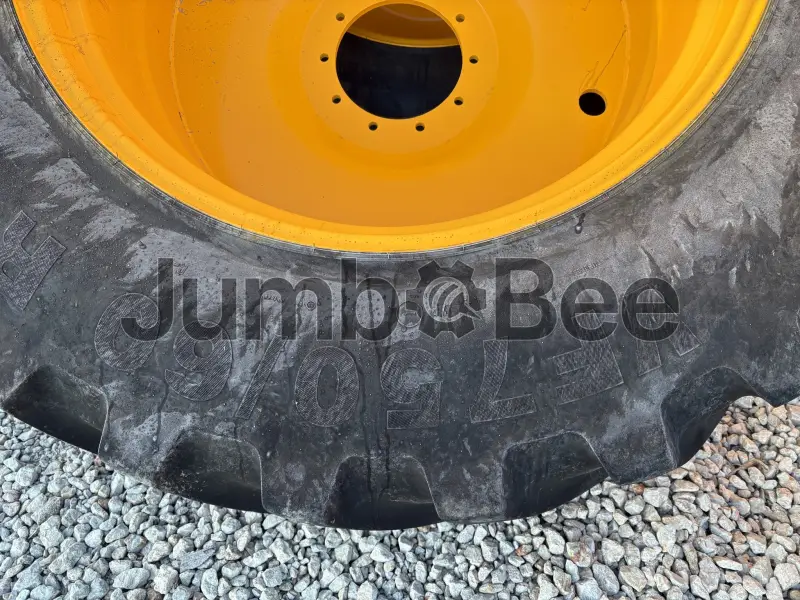
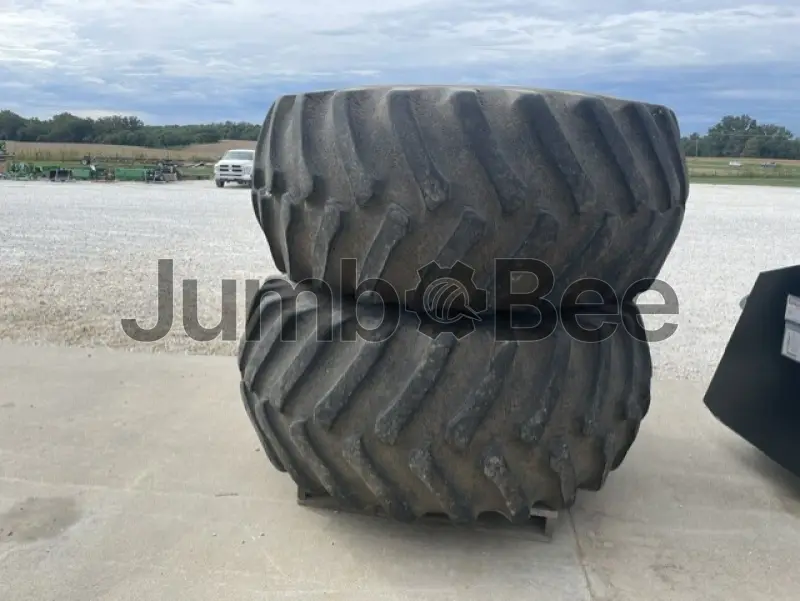
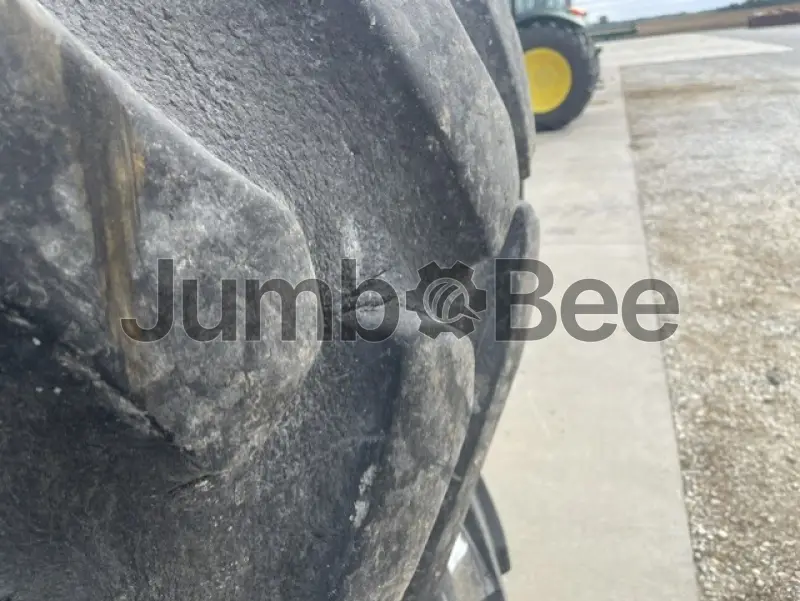
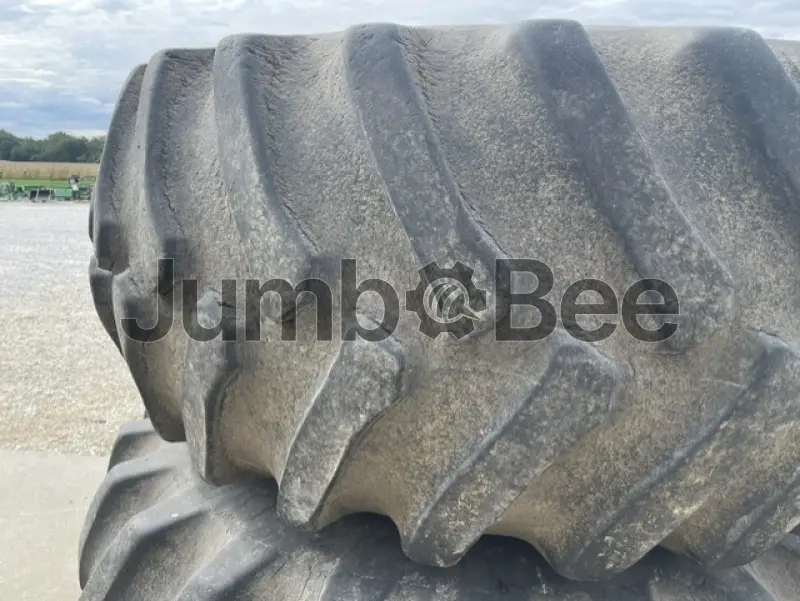
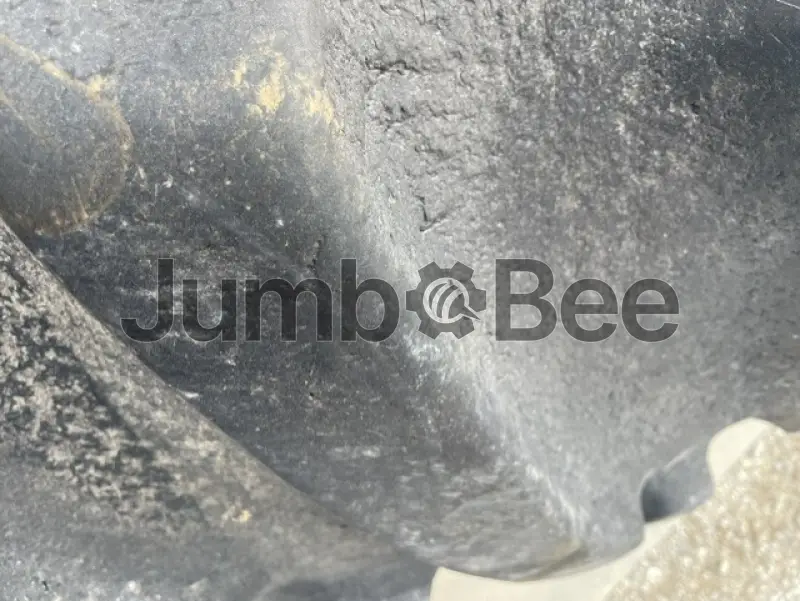
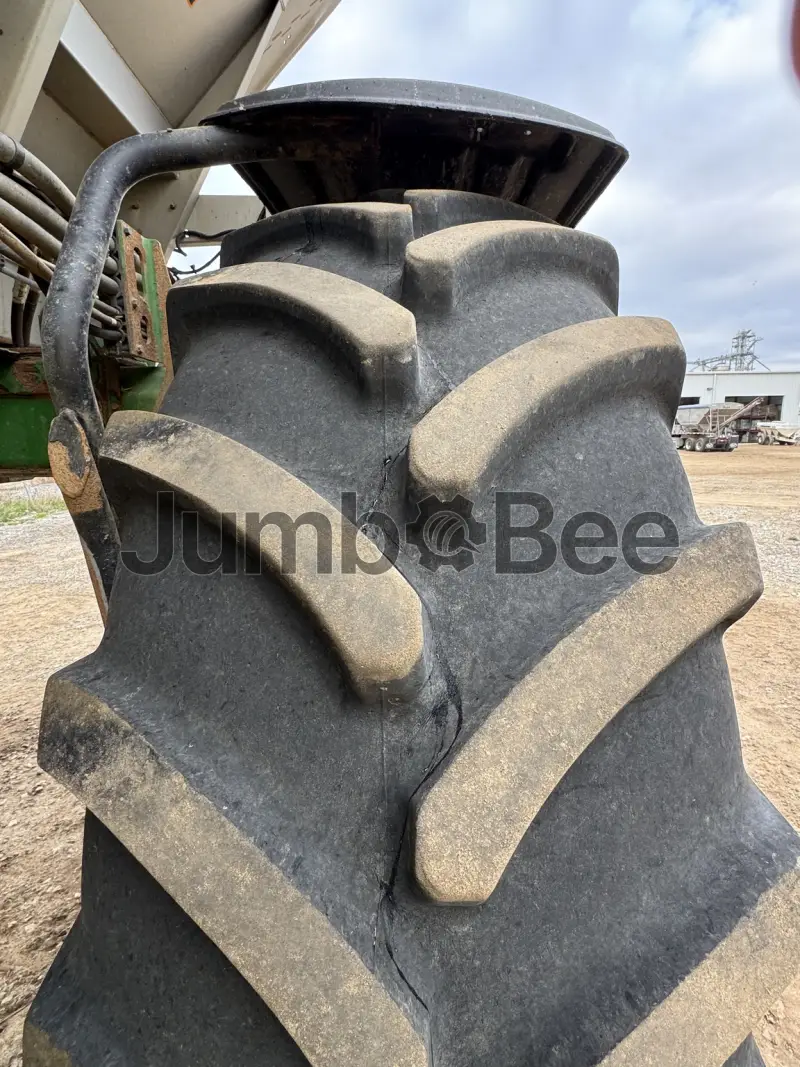
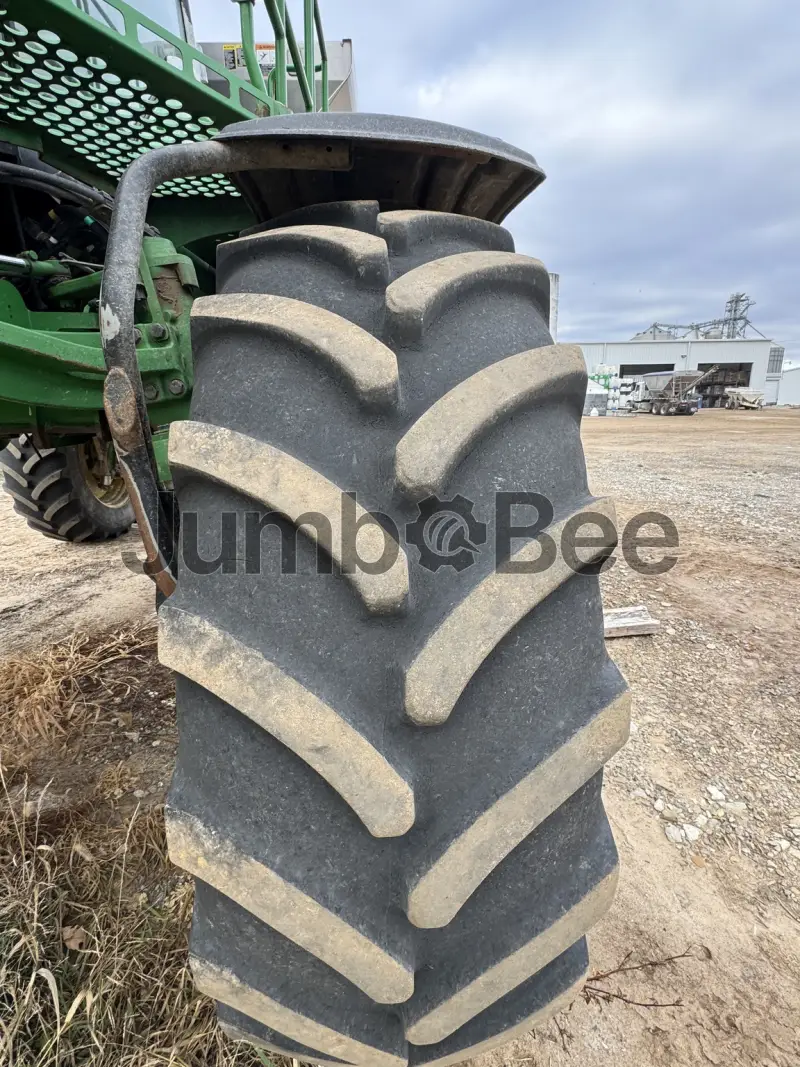
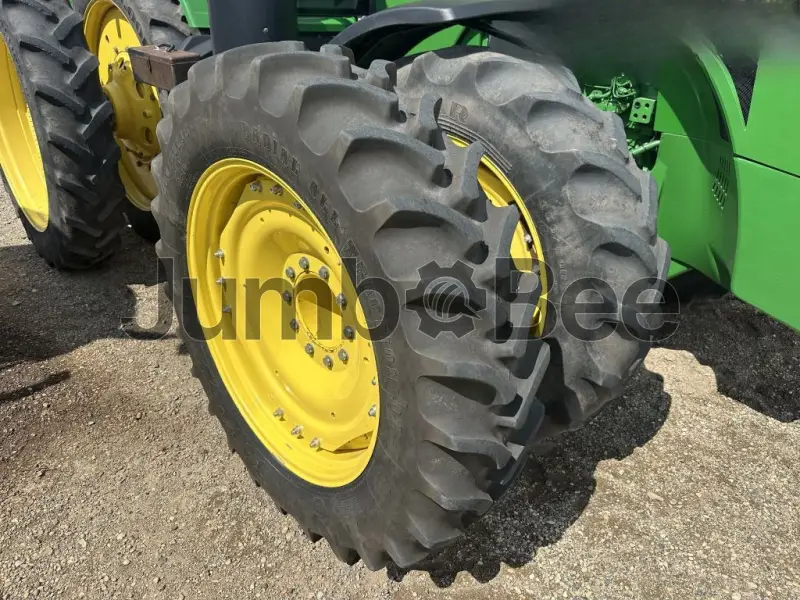
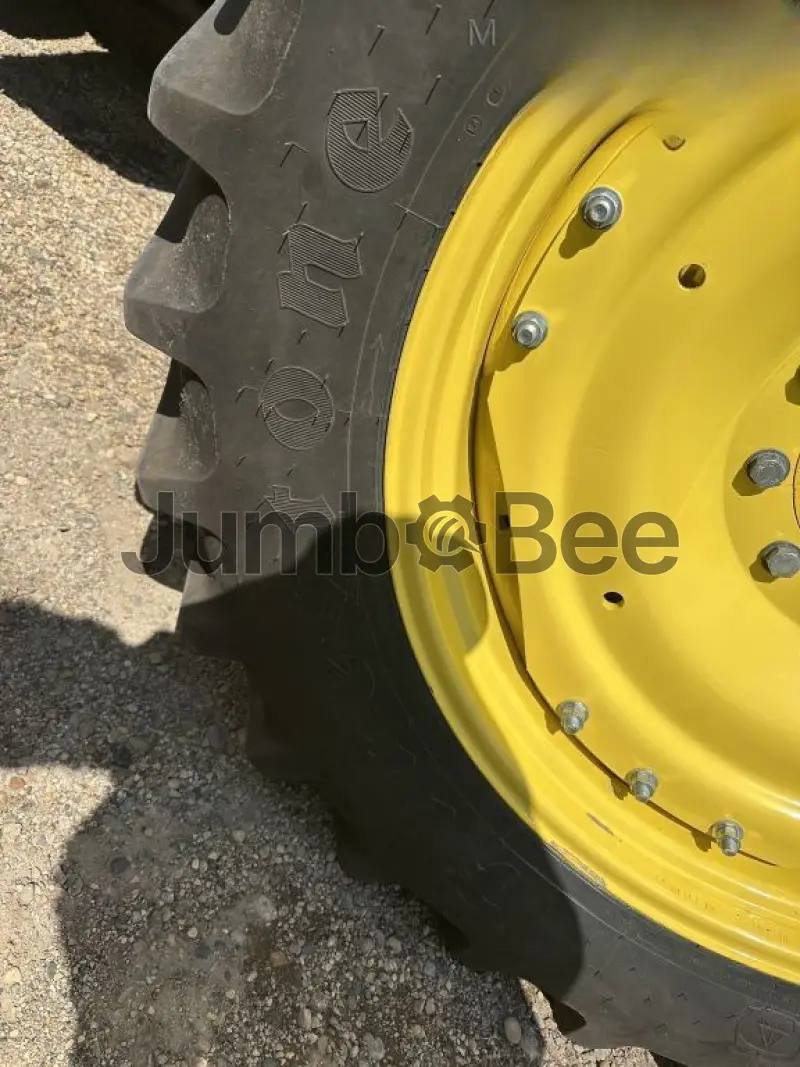
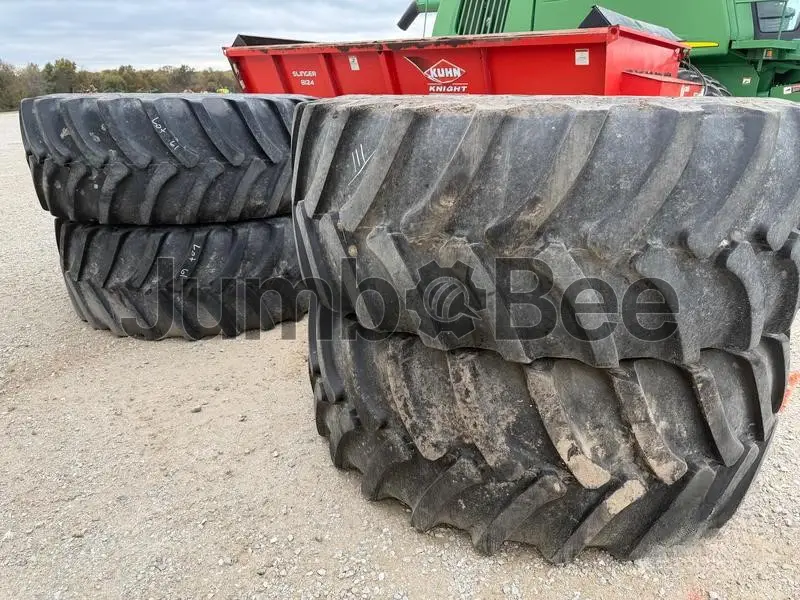
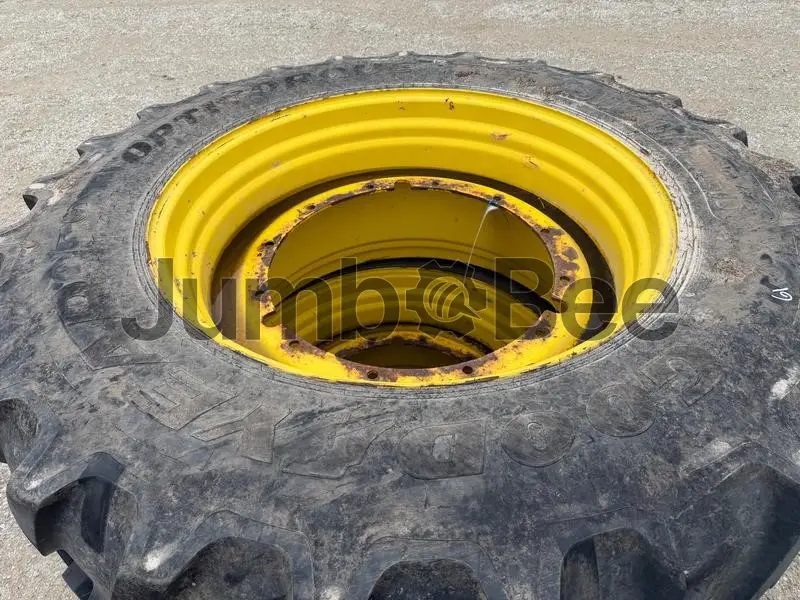
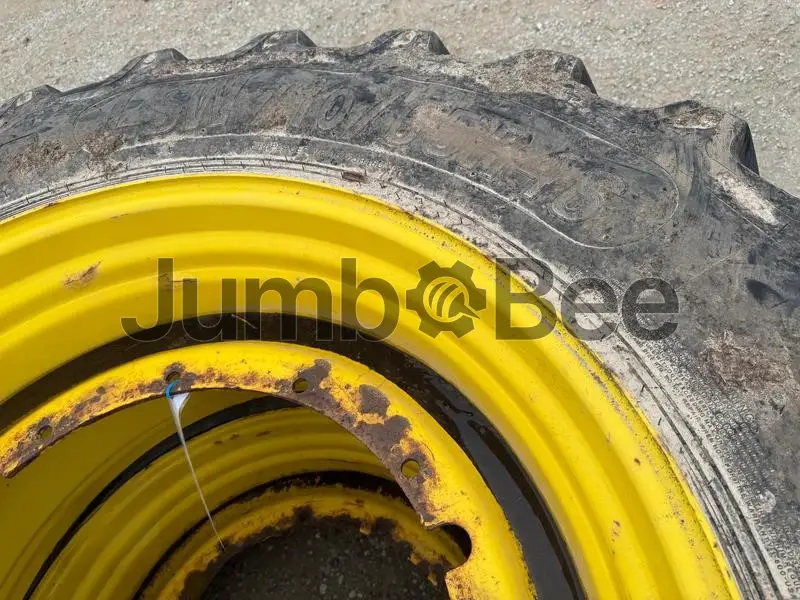
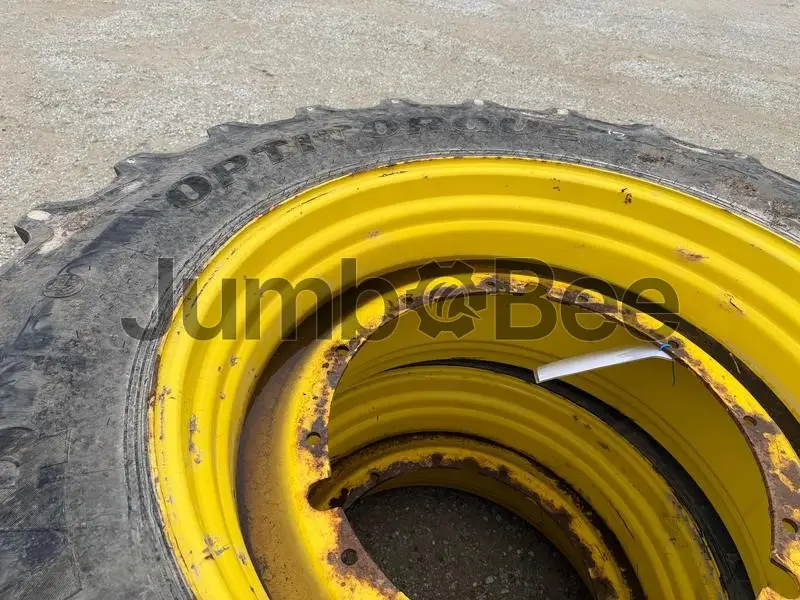
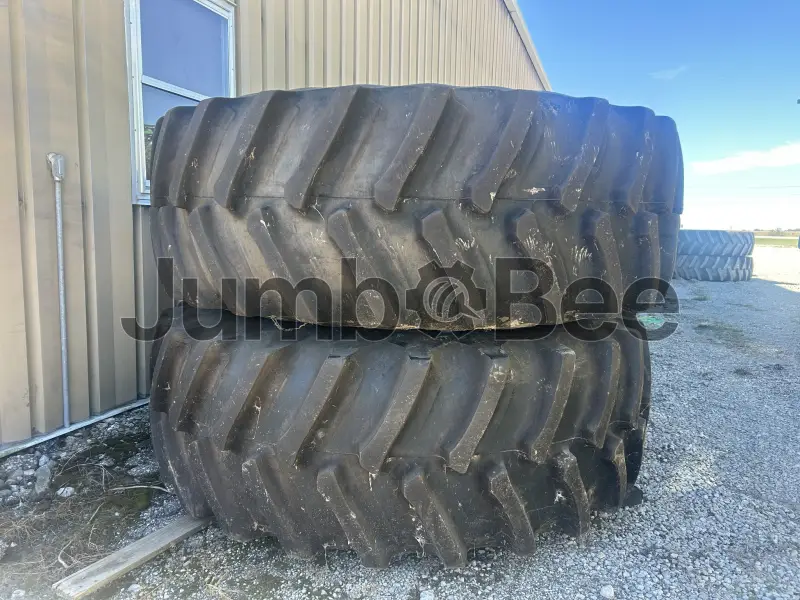
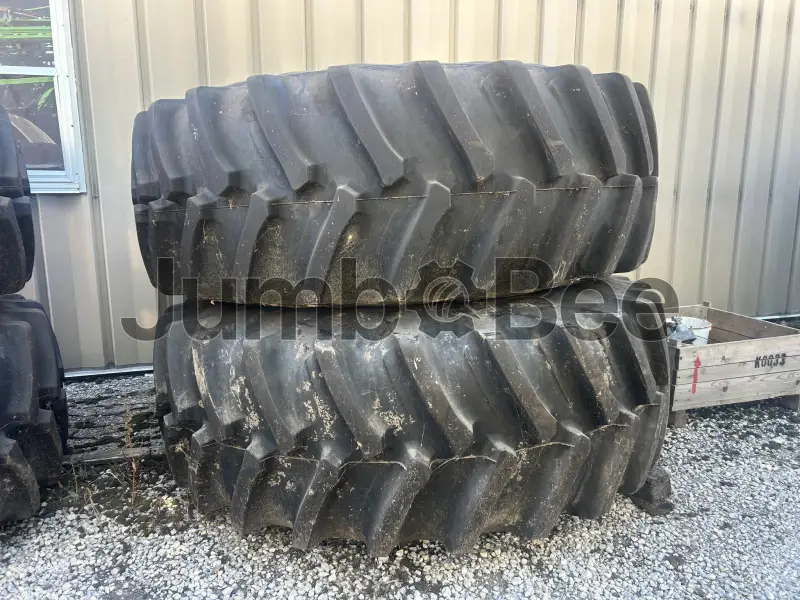
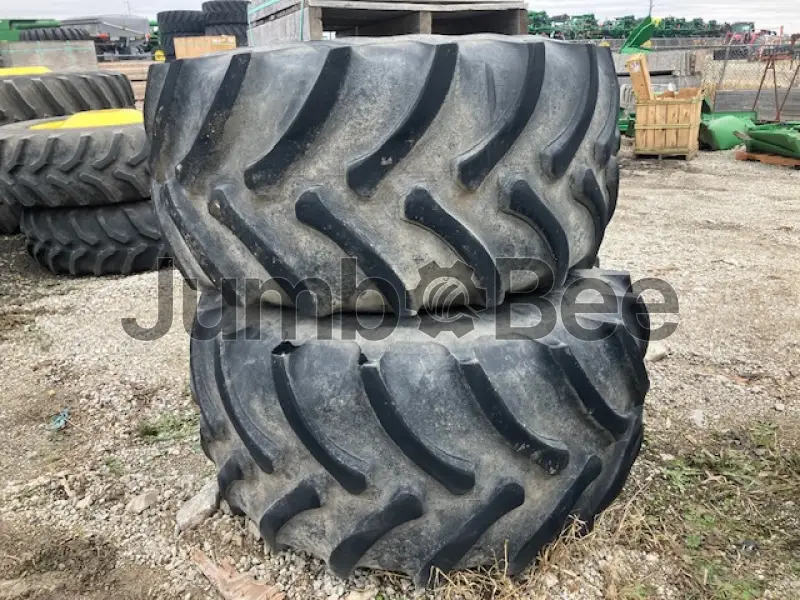
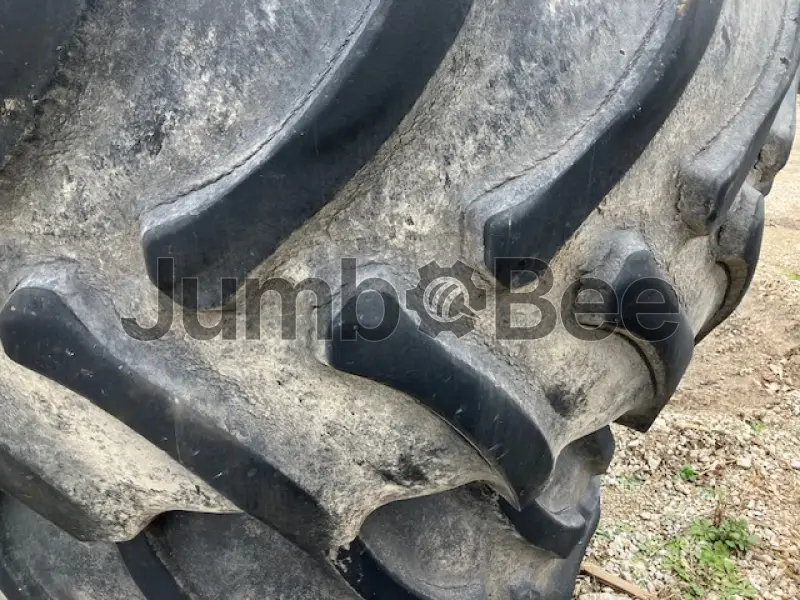
Check tread depth, sidewall cracks from age and sun, cuts, repairs and bead damage. Look for the DOT date code, since old tires can be weak even with good tread. Before you buy tractor tire replacements, confirm size and load rating.
TRACTOR TIRE PRICE
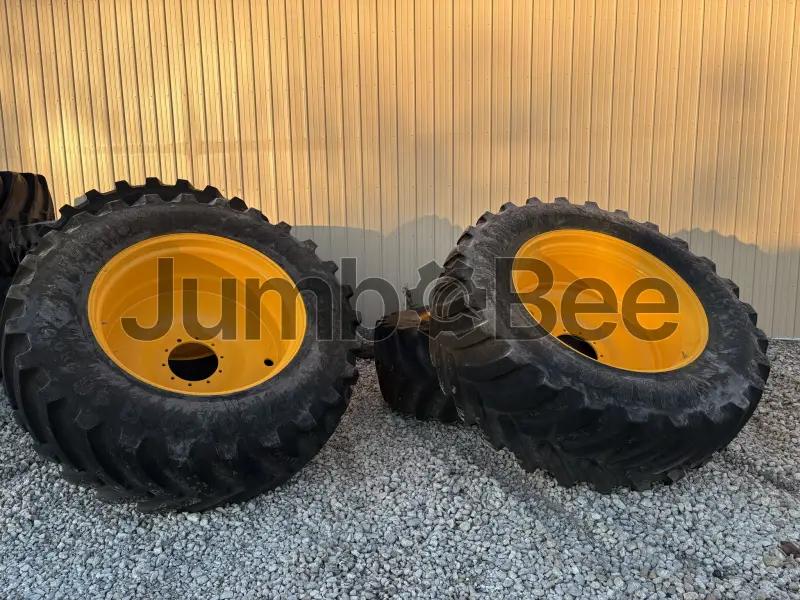
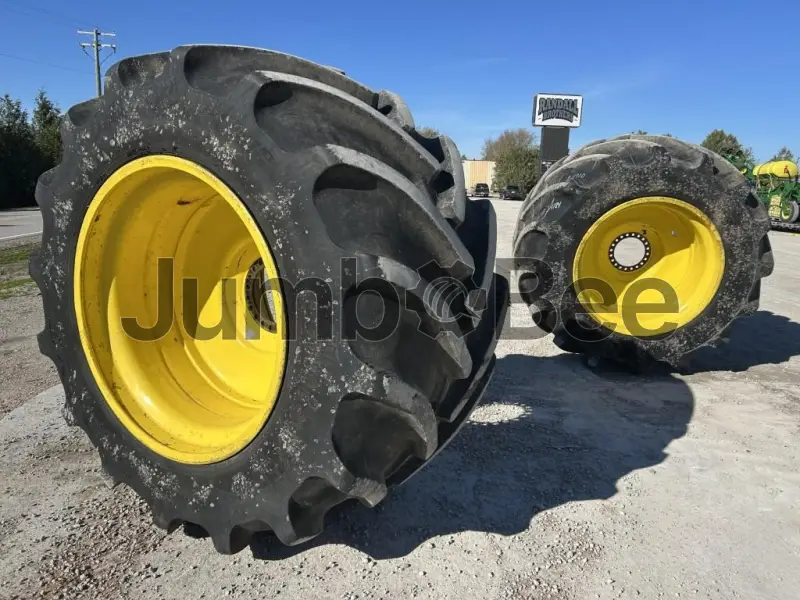
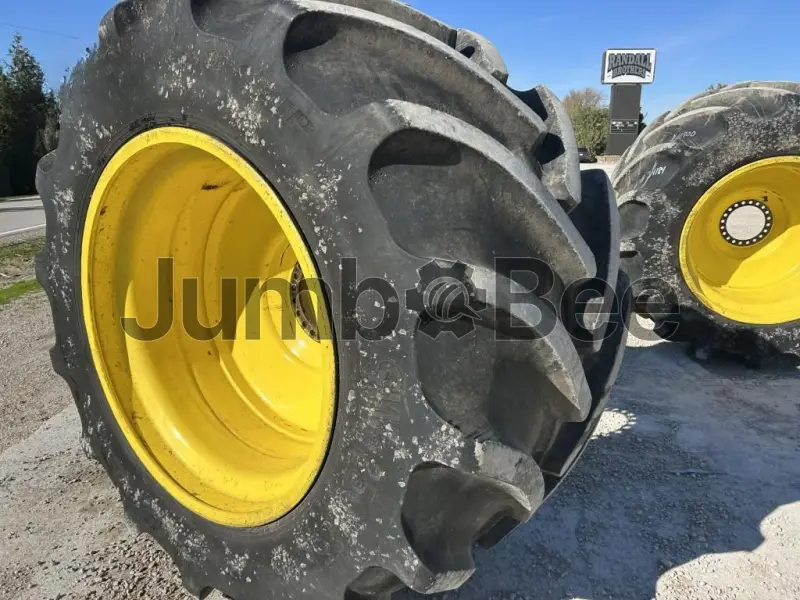
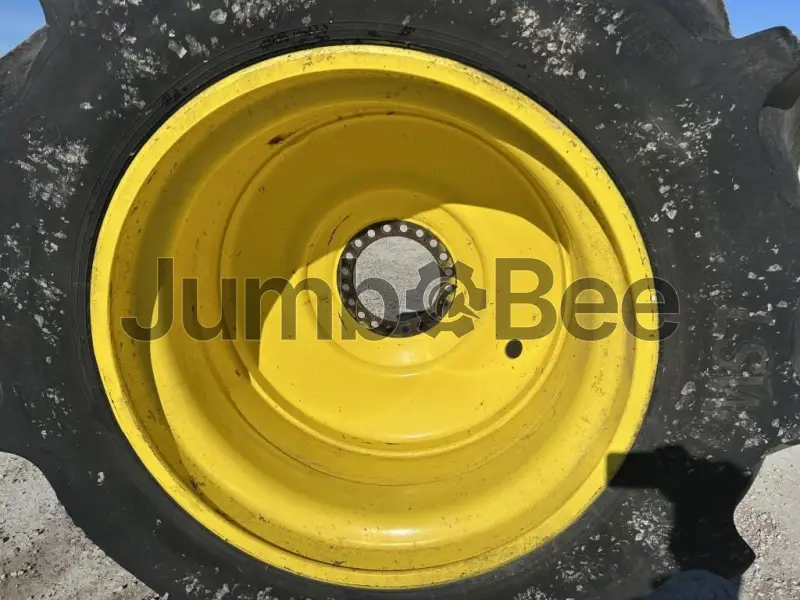
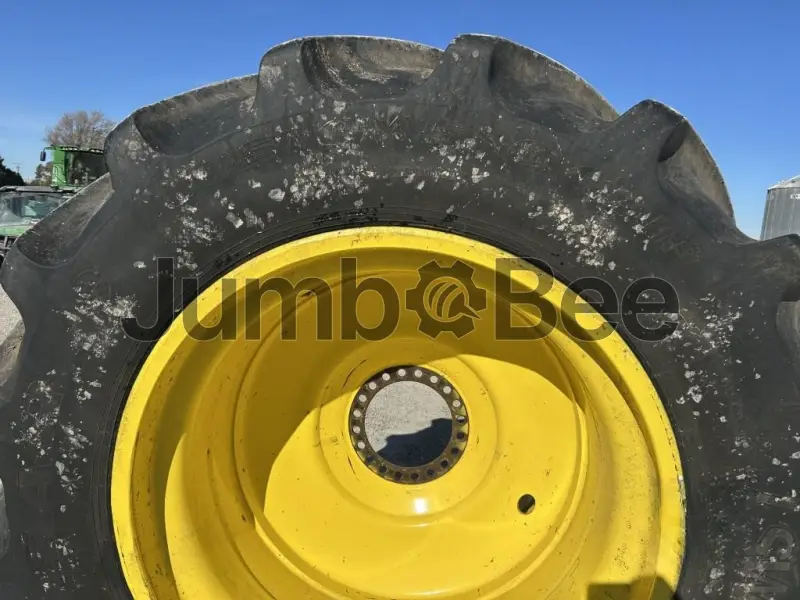
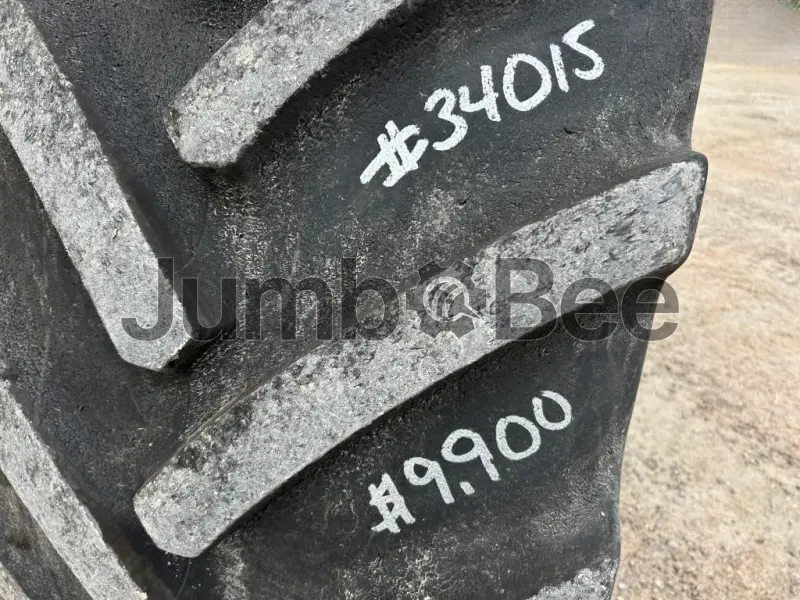
Tractor tire price depends on size, construction, tread type and brand. A cheap tractor tire for sale may suit an implement or a little-used tractor.
Got Questions?
Our FAQ section covers everything from shipping and listing to buying with confidence.
WHAT SHOULD YOU LOOK FOR IN A FARM EQUIPMENT TIRE?
- Correct tire size for your equipment
- Tread pattern suited to your field conditions and application
- Remaining tread depth and overall tire wear
- Sidewall condition with no significant cracks or damage
- Load and speed ratings appropriate for your machine
- Radial or bias-ply construction
- Compatibility with your rims and equipment specifications
HOW DO YOU CHOOSE THE RIGHT FARM EQUIPMENT TIRE?
ASSESS YOUR NEEDS
- Identify the type of equipment the tire is intended for, such as a tractor, combine, sprayer, implement, or trailer.
- Match the tire size and load capacity to the manufacturer's specifications.
- Consider your operating conditions, including soil type, terrain, crop, and weather.
- Choose the appropriate tread pattern and construction based on traction, flotation, road travel, and field performance.
KEY FEATURES
- Proper tire size and fitment
- Adequate remaining tread depth
- Good sidewall condition with no excessive cracking
- Correct load and speed ratings
- Radial or bias construction
- Even wear across the tire
- Matched sets for consistent performance when required
IS IT BETTER TO BUY USED FARM EQUIPMENT TIRES OR NEW?
New farm equipment tires provide maximum tread life, manufacturer warranty, and the latest tire technology. Used tires can be a cost-effective alternative when properly inspected. JumboBee's pre-sale inspection helps verify tread depth, sidewall condition, overall wear, and usability, helping buyers reduce costs while maintaining reliable performance.
WHAT ARE THE ADVANTAGES OF NEW AND USED FARM EQUIPMENT TIRES?
New
- Maximum tread life
- Manufacturer warranty
- Latest tire technology and compounds
- No previous wear or repairs
Used
- Lower purchase cost
- Immediate availability
- Excellent value for seasonal or lower-hour equipment
- Often available as matched sets
HOW CAN I ARRANGE SHIPPING FOR FARM EQUIPMENT TIRES?
Farm equipment tires are large, heavy, and require specialized transportation. JumboBee arranges domestic and international shipping for individual tires and complete tire sets, selecting freight solutions that ensure safe handling and efficient delivery.