Farm Machinery Belts & Chains for Sale
(6 listings)
Browse by subcategory
Only verified sellers list equipment on JumboBee.
Sort by:
Featured
Heavy Equipment Model Database — Specs, Reviews & Comparisons
The global reference hub for heavy equipment. Research models across agriculture, construction, mining, forestry, and material handling — compare specifications, read buyer reviews, and find verified listings in one place.
Heavy equipment insights from JumboBee
November 23, 2026
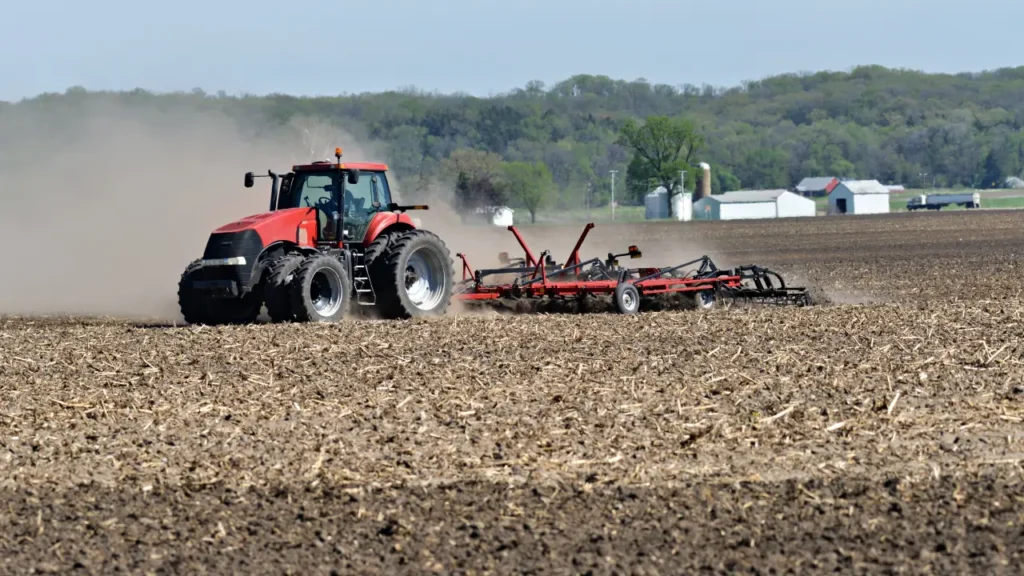
Types of Tillage Equipment: How to Choose the Right Implements for Your Farm
Compare tillage implements and learn what to look for when buying used equipment.
November 20, 2026
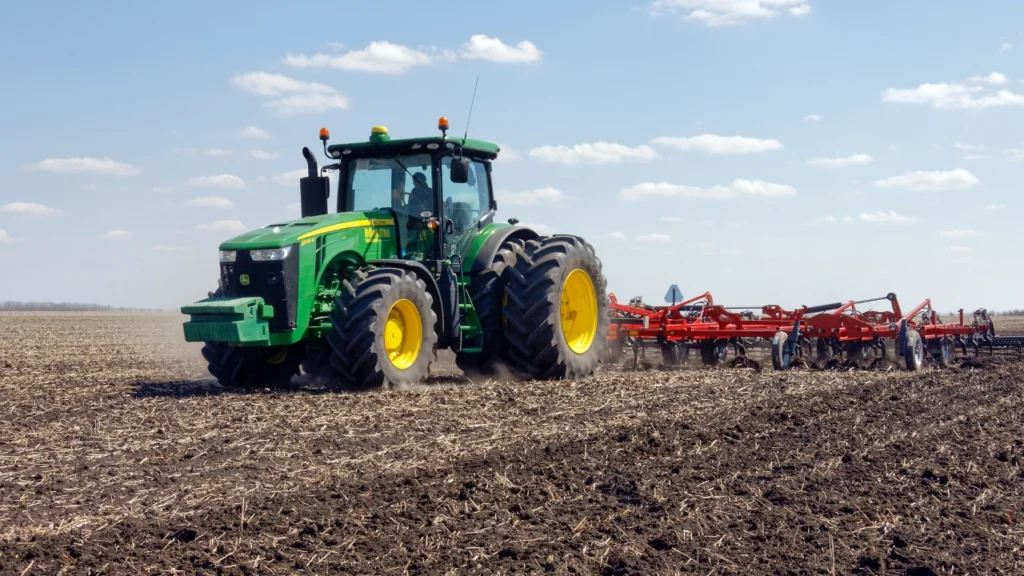
Types of Cultivators: What They Are, How They Work and How to Choose
Compare different types of farm cultivators, their uses, and what to look for when buying used.
November 9, 2026
Skid Steer Loader Brands Compared: CAT vs Bobcat vs John Deere
A side-by-side comparison of CAT, Bobcat and John Deere skid steers by size class, capacity, power and hydraulics.
November 2, 2026
Buying & Selling Heavy Equipment in Canada: Market Guide for Global Buyers
This guide explains how the Canadian heavy equipment market works for international buyers and sellers.
October 9, 2026
Motor Grader Buying Guide: Sizes, Top Brands, and What Contractors Should Look For
This guide helps buyers select the right motor grader for their needs and maximize ROI across construction, mining, and snow removal.
August 25, 2026
Repair, Rebuild or Replace Heavy Equipment: 2026 Cost-Based Decision Guide
This guide provides a mathematical approach to help you decide what to do with your aging machinery in 2026.
THE PARTS THAT TRANSMIT POWER
Belts and chains carry power from engines and gearboxes to fans, pumps, augers, conveyors, pickups and cutting systems. A tractor belt runs the alternator, water pump and fan, while chains drive balers, planters, spreaders and combines. When one breaks, the whole machine stops.
V-BELTS, BANDED BELTS AND SERPENTINE BELTS
V-belts are common on older machines and implement drives. Banded belts join several V-belts together to prevent rollover under heavy load. Serpentine belts on modern engines drive several accessories from one belt. Matching the cross-section, length and belt type is essential.
ROLLER CHAINS AND CONVEYOR CHAINS
Roller chains are sized by pitch and number, and drive planters, balers and combine components. Conveyor chains move material in spreaders, feeder houses and elevators. Measure pitch and roller width carefully when ordering.
WHEN TO REPLACE
Belts crack, glaze and stretch with age; chains wear and elongate, causing poor engagement with sprockets. Replacing worn sprockets along with chains extends chain life. Proper belt tension and chain lubrication do more to extend life than almost any other maintenance step. Keep a few spare belts and chain links in the shop for the machines you rely on most.
USED TRACTOR CHAIN FOR SALE OR NEW
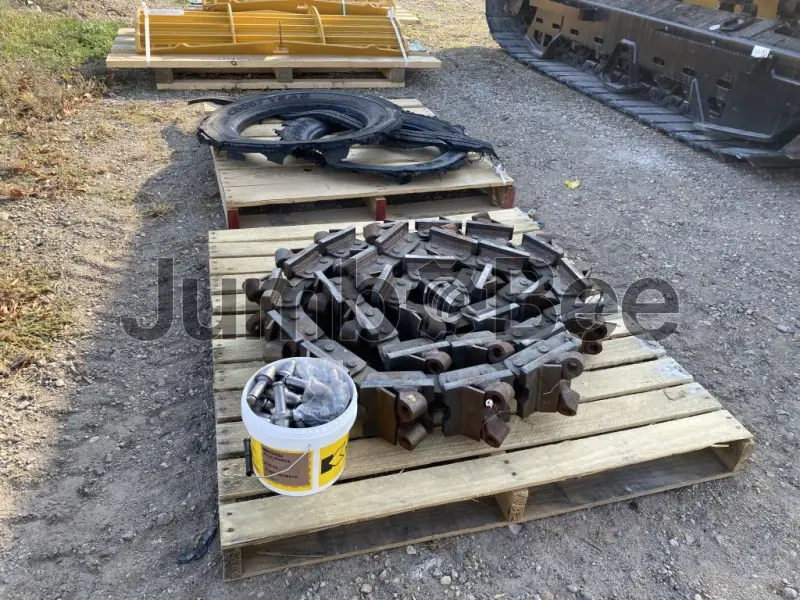
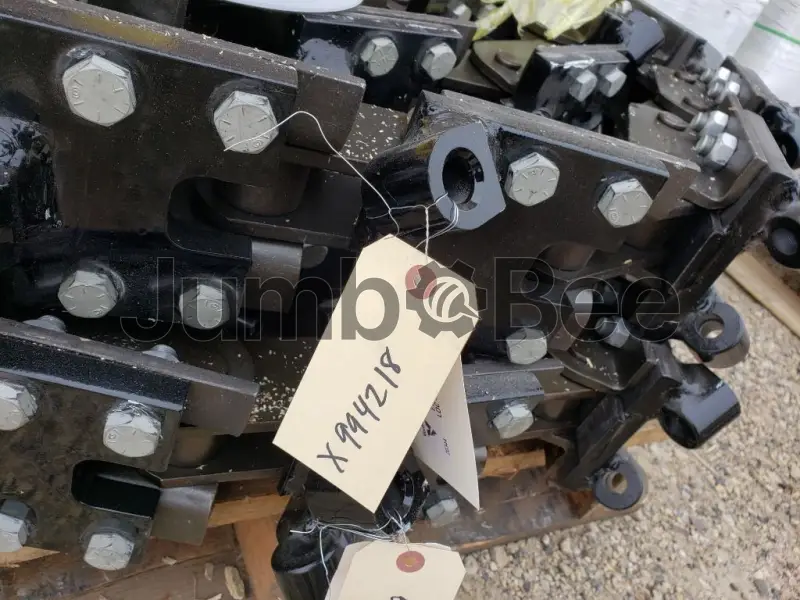
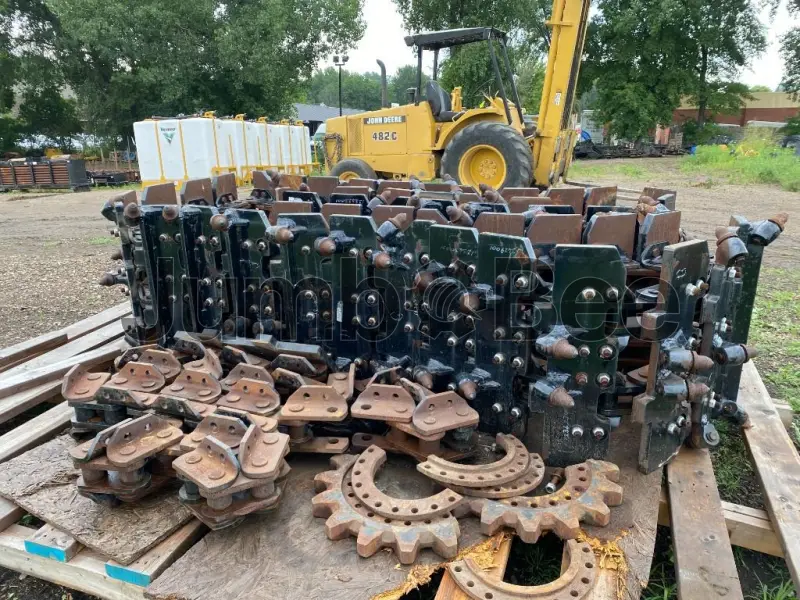
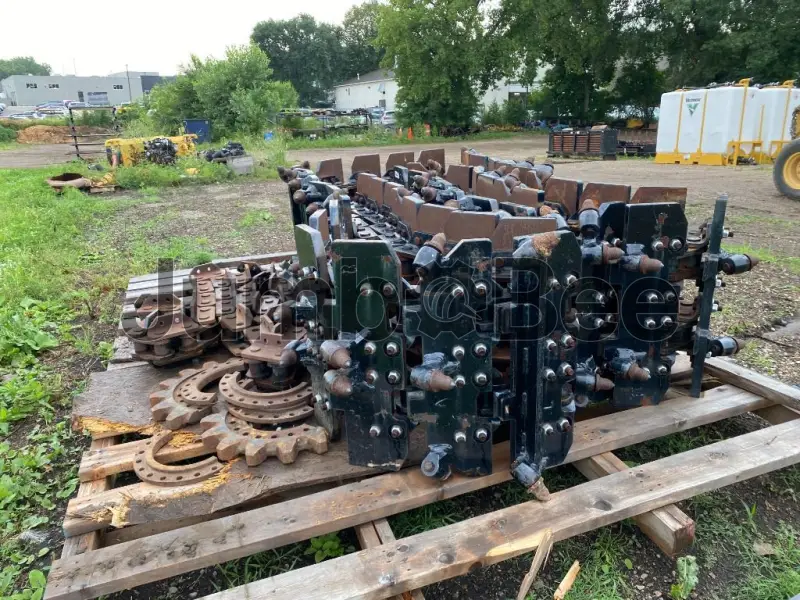
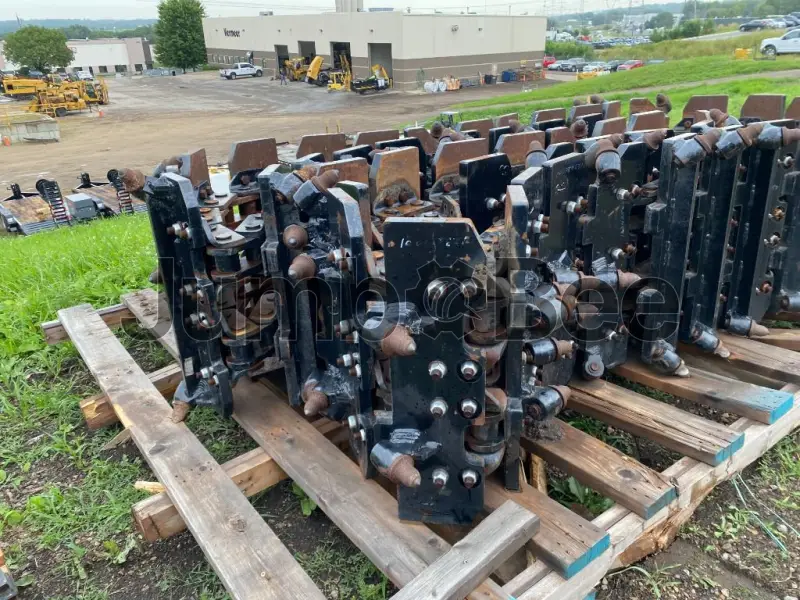
Rubber belts age even in storage, so new or new-old-stock belts are usually the safer choice. A used tractor belt for sale can work as an emergency spare if it is not cracked. Chains in good condition can be reused, so a used tractor chain for sale may be good value.
BUYING TIPS
Before you buy tractor belt replacements, find the part number or measure the old belt. Before you buy tractor chain, note pitch, chain number and length.
LISTINGS ON JUMBOBEE
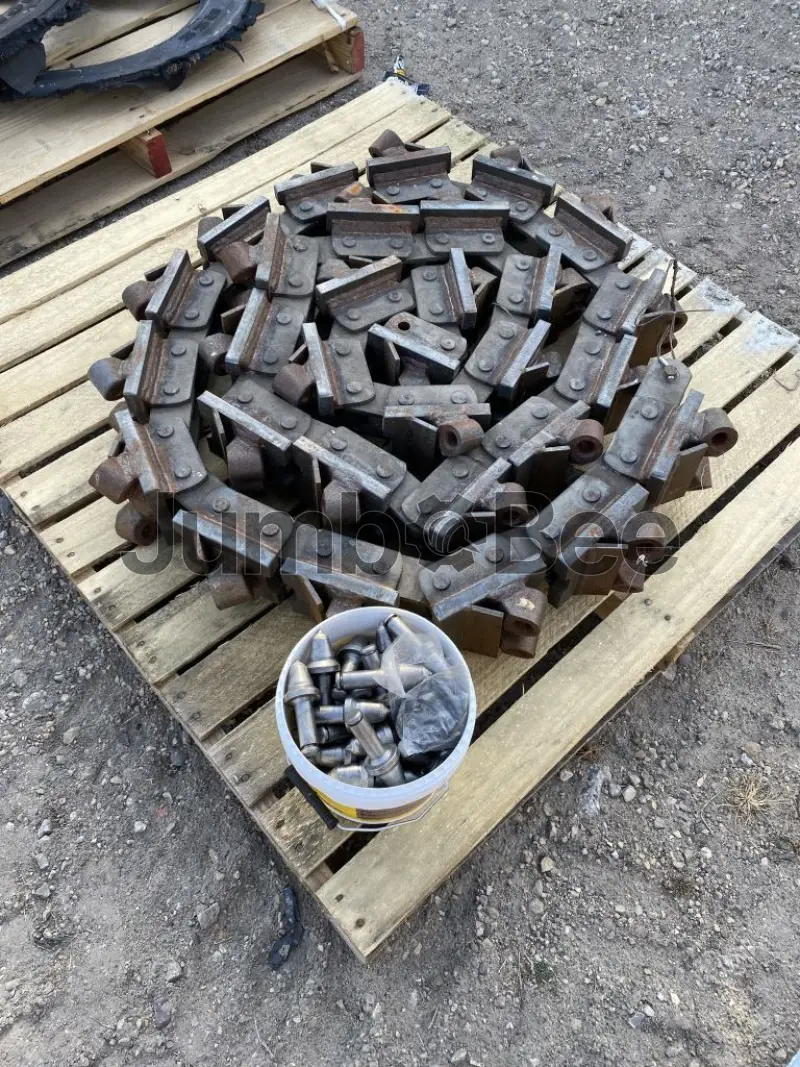
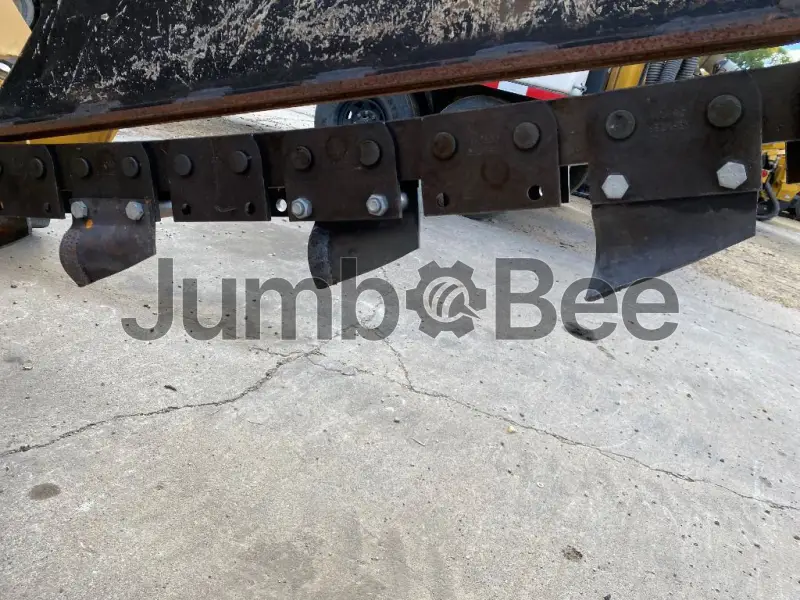
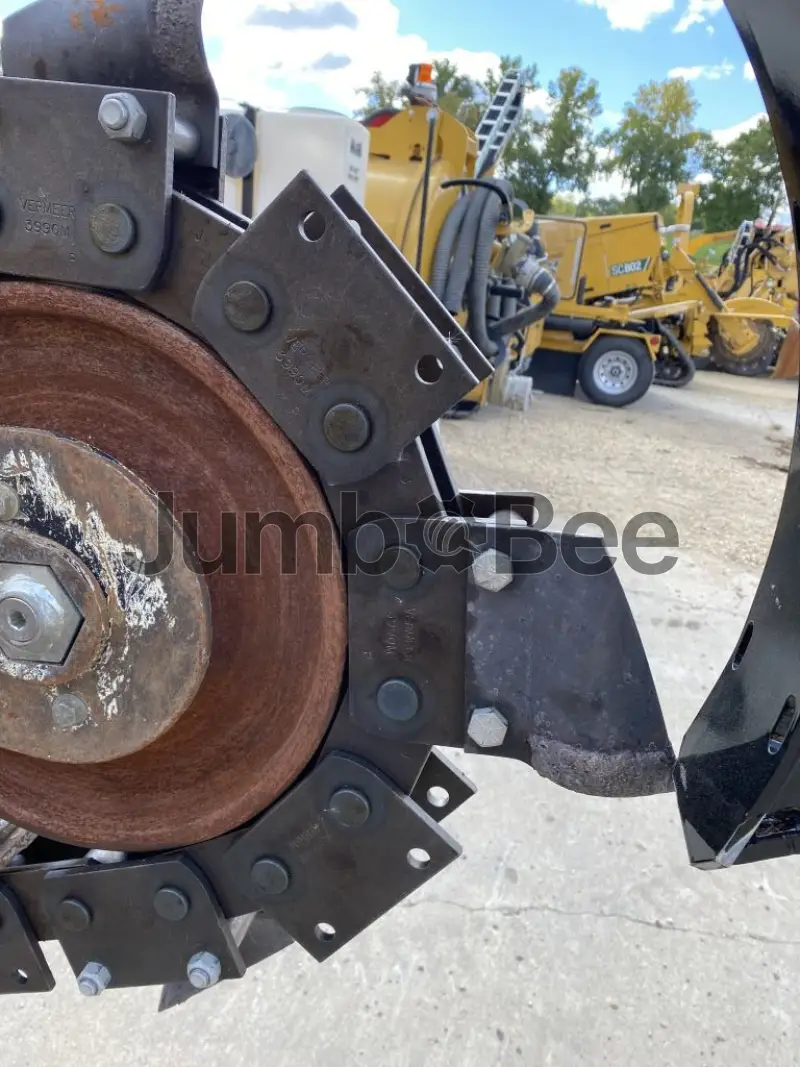
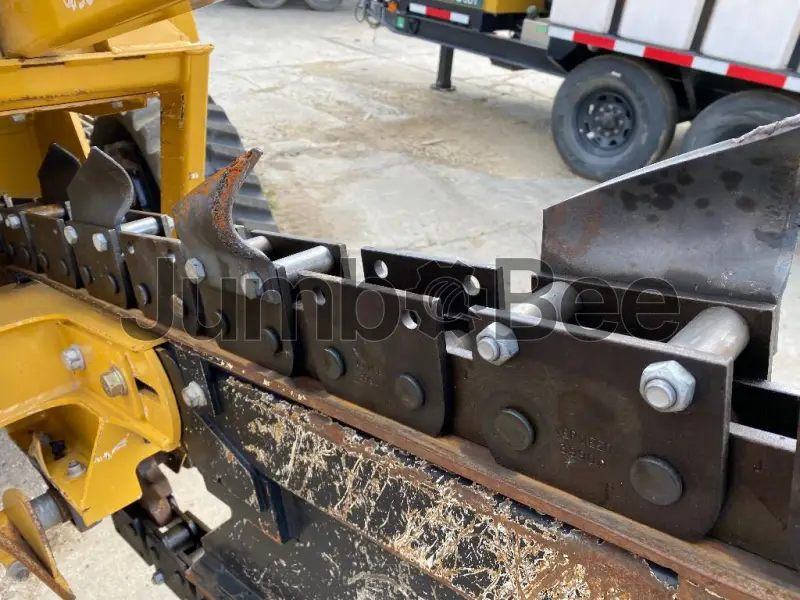
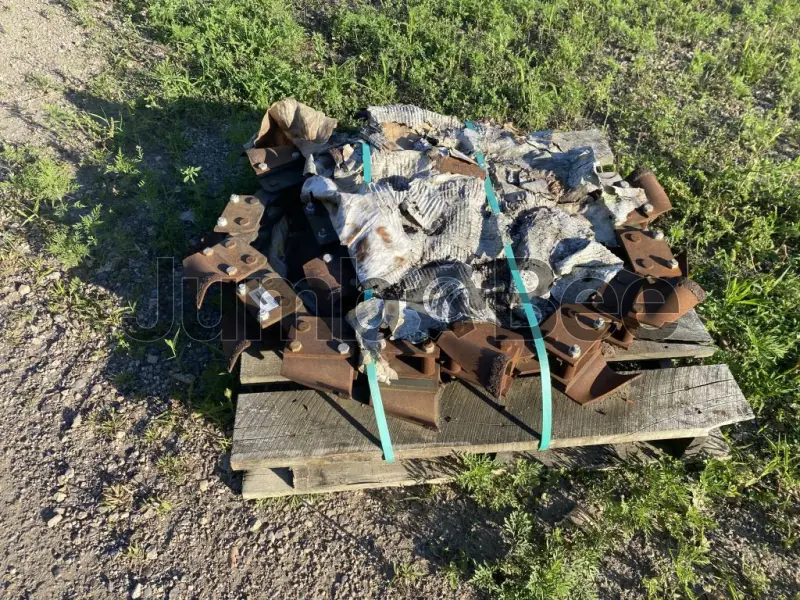
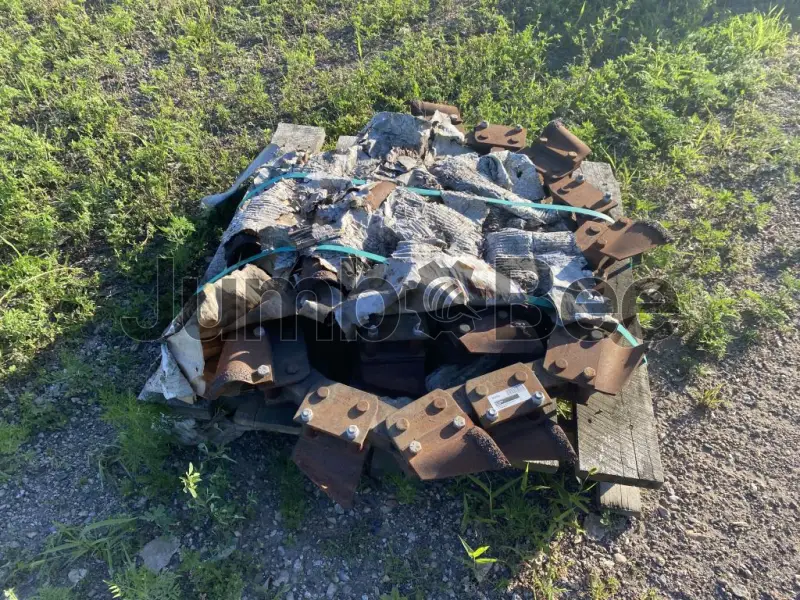
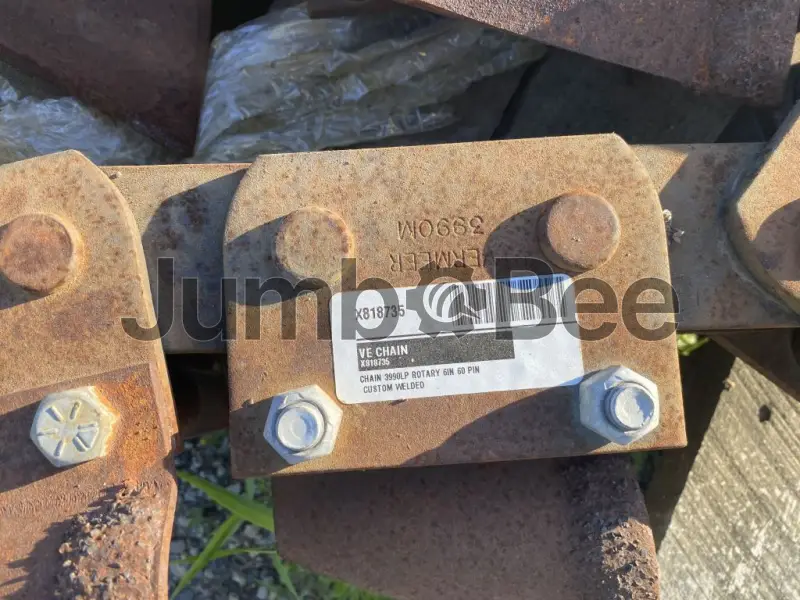
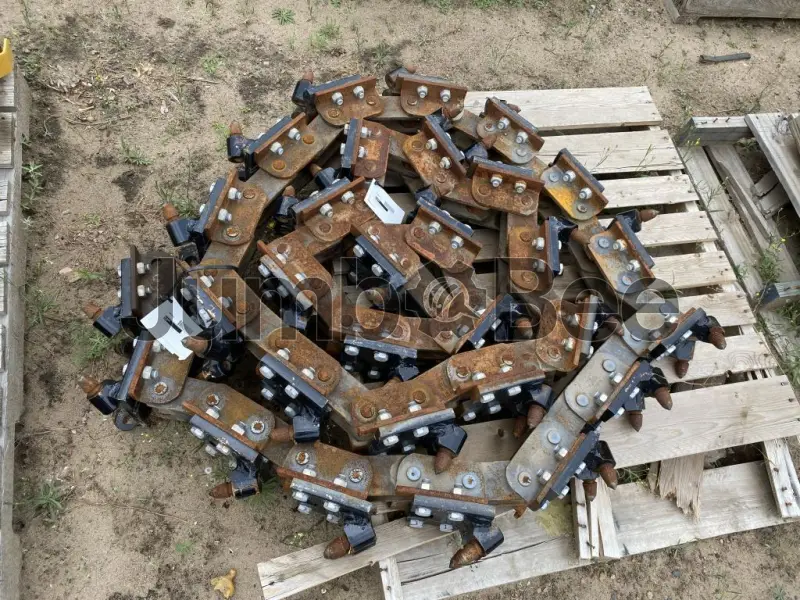
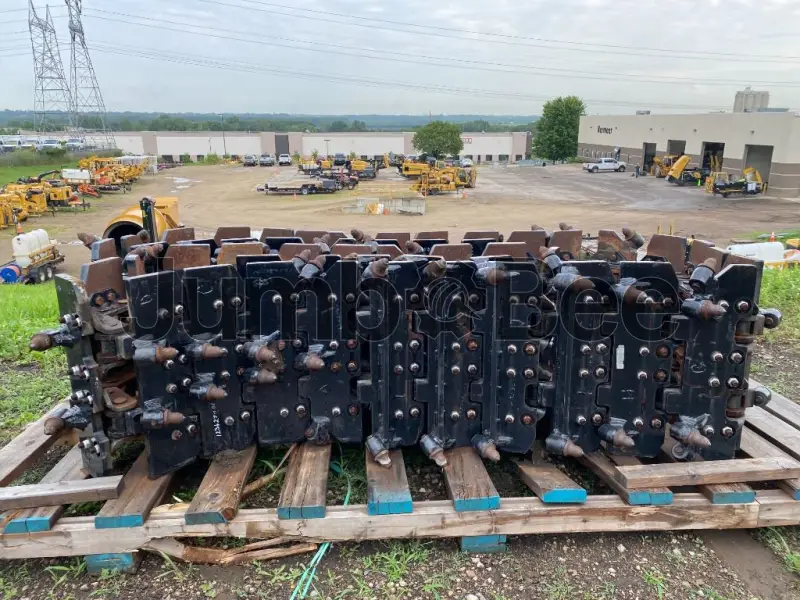
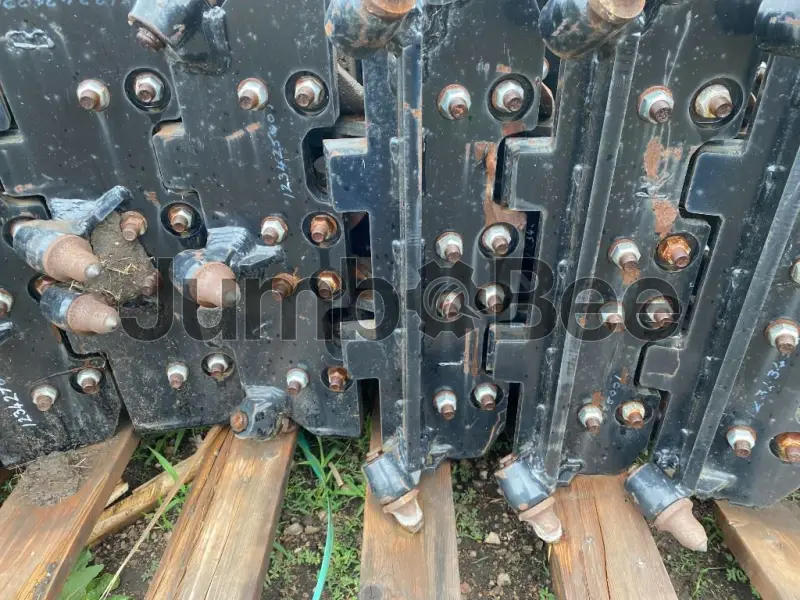
Browse every tractor belt for sale and tractor chain for sale from dealers and parts suppliers, with seller location and contact details.
Got Questions?
Our FAQ section covers everything from shipping and listing to buying with confidence.
WHAT SHOULD YOU LOOK FOR IN TRACTOR BELTS & CHAINS?
- Exact belt profile and length or chain pitch and link count
- Cracking, glazing, or fraying on used belts
- Rust or stretched links on used roller chains
- Material – rubber vs. kevlar-reinforced belts for higher load applications
- OEM part number or verified cross-reference
HOW TO CHOOSE THE RIGHT TRACTOR BELT OR CHAIN?
ASSESS YOUR NEEDS
- Measure the exact belt profile/length or chain pitch/link count from the failed part.
- Confirm whether the application needs a reinforced or heavy-duty rated belt or chain.
- Check pulley or sprocket wear at the same time, since worn pulleys accelerate belt wear.
KEY FEATURES
- Exact dimensional match to OEM specifications
- No visible cracking, glazing, or stretched links
- Appropriate load rating for the drive application
- Corrosion-resistant chain plating where relevant
WHAT IS MORE PROFITABLE TO BUY USED TRACTOR BELTS & CHAINS OR NEW FROM A DEALER?
Belts and chains are wear items best bought new in most cases, since a worn belt or stretched chain offers little savings versus the failure risk. That said, used or bulk take-off chains checked through JumboBee's pre-sale inspection can be a smart buy for low-stress, secondary drive applications.
WHAT ARE THE ADVANTAGES OF NEW OR USED TRACTOR BELTS & CHAINS?
New: guaranteed full service life, no hidden fatigue, precise sizing.
Used: very low cost for non-critical or backup applications, sometimes the only option for obsolete belt profiles.
HOW CAN I ARRANGE THE SHIPPING OF TRACTOR BELTS & CHAINS?
Belts and chains are compact and ship easily. JumboBee arranges fast parcel shipping so you're not waiting on a critical drive component.