Plate Compactors for Sale
(3 listings)
Browse by subcategory
Only verified sellers list equipment on JumboBee.
Sort by:
Featured
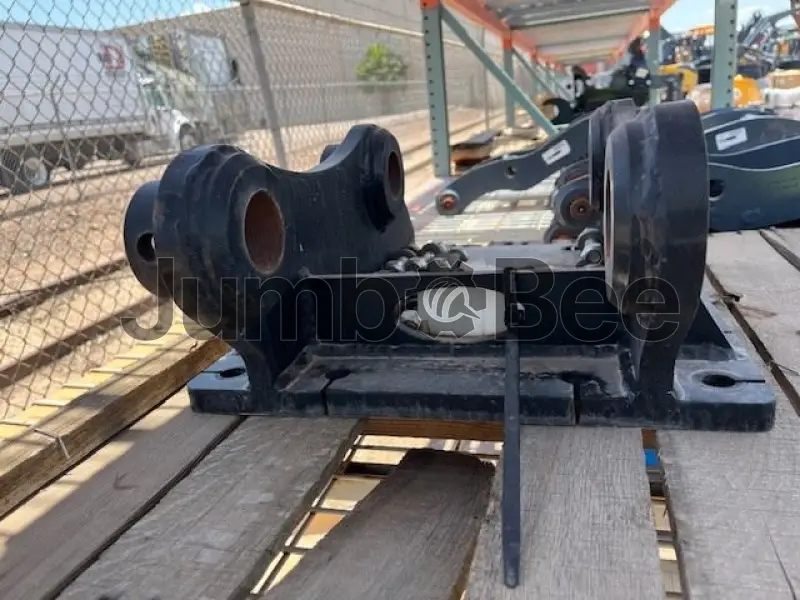
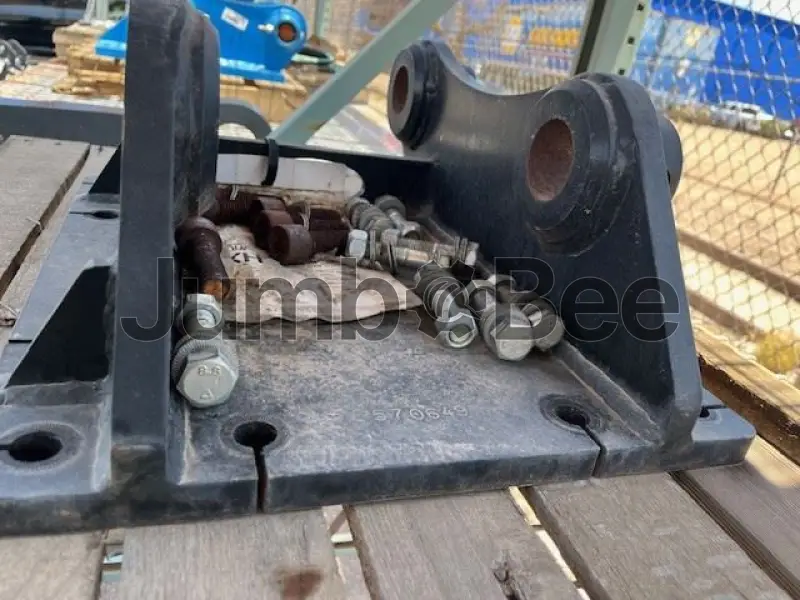
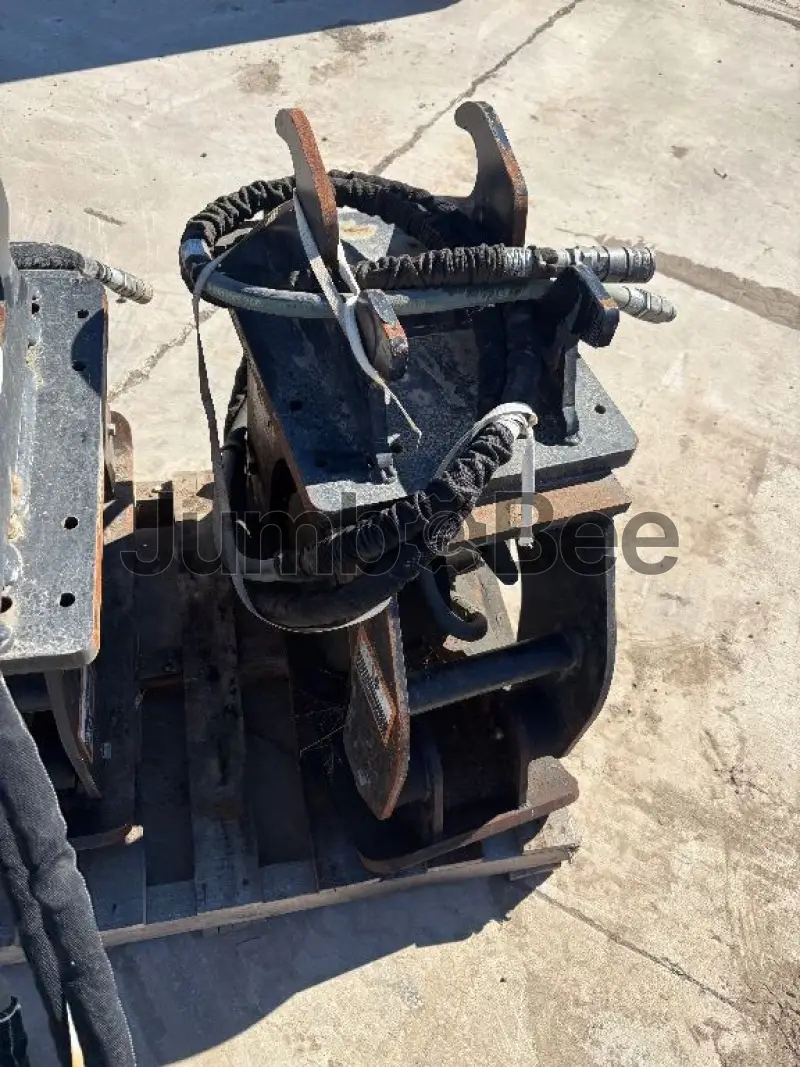
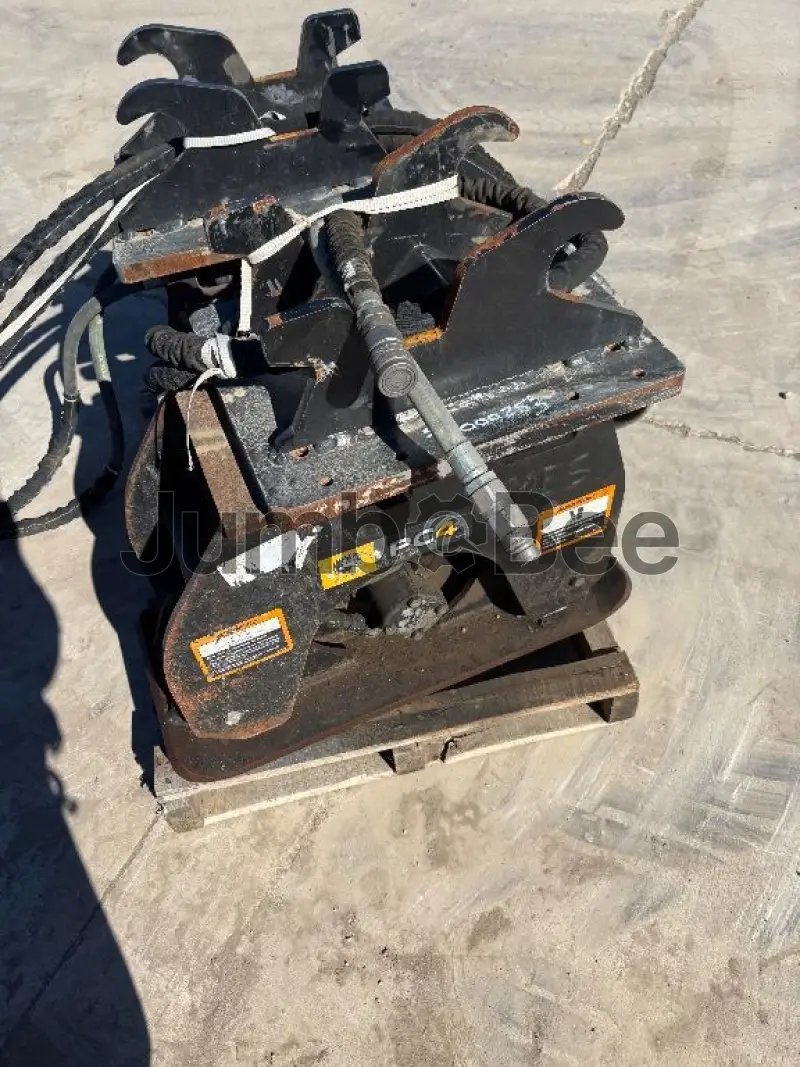
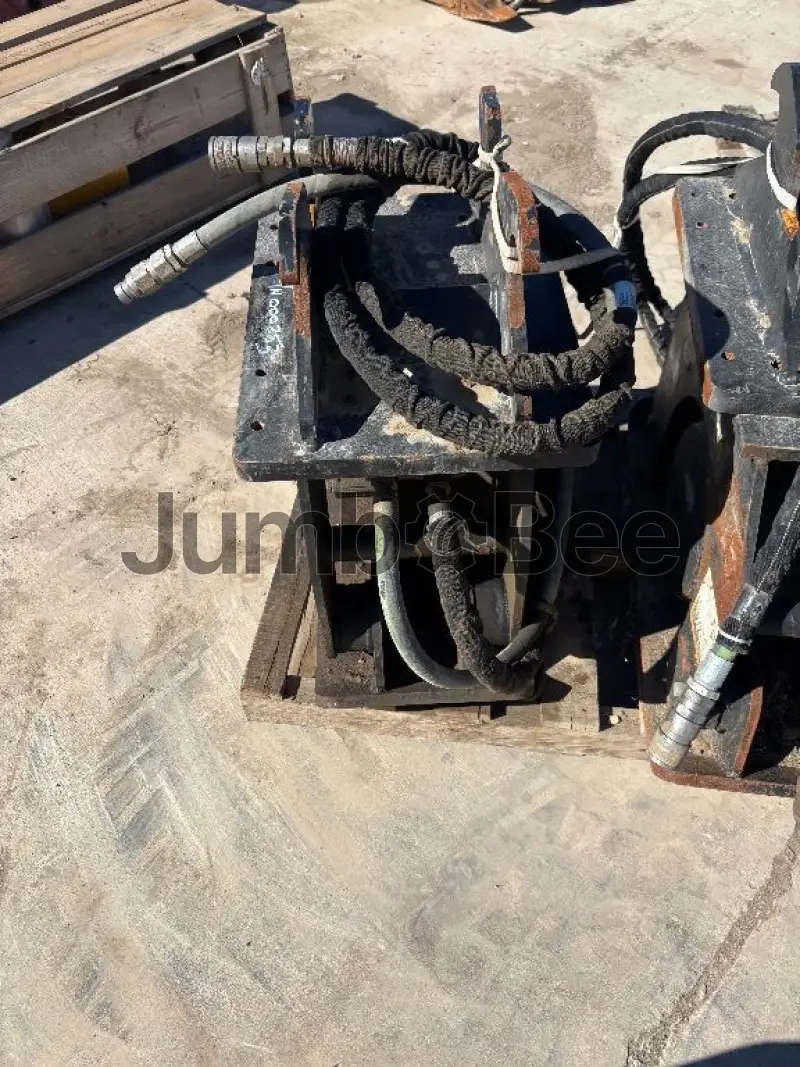
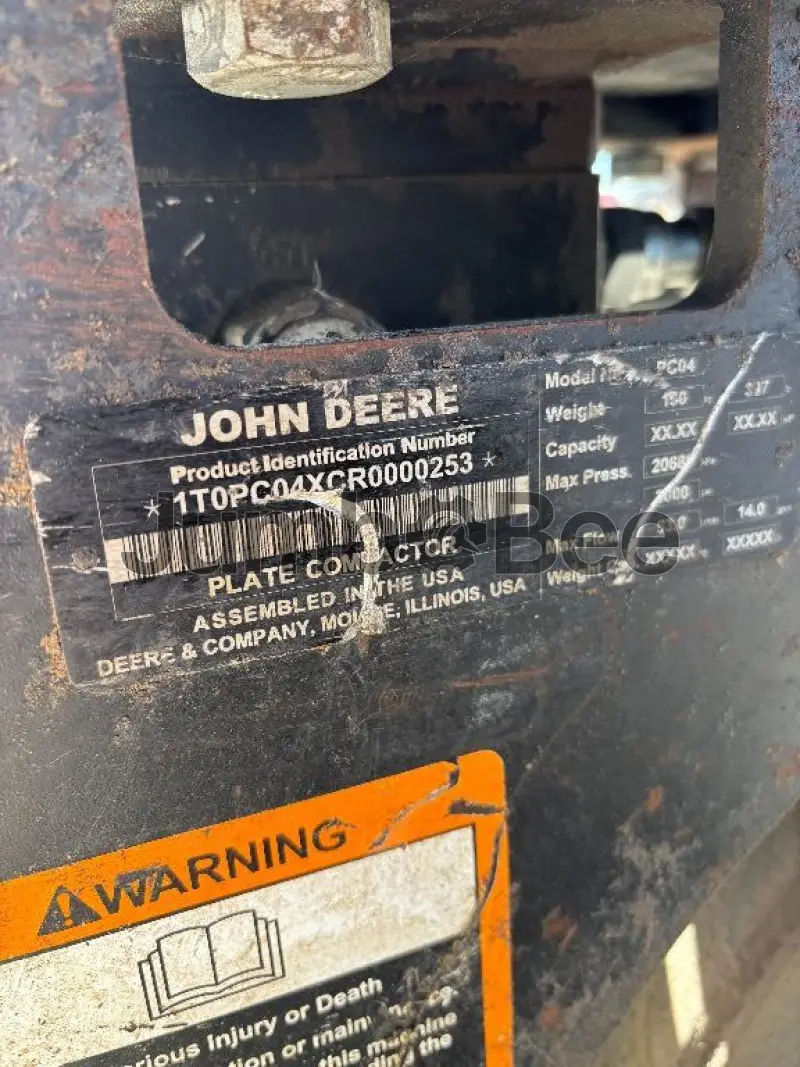
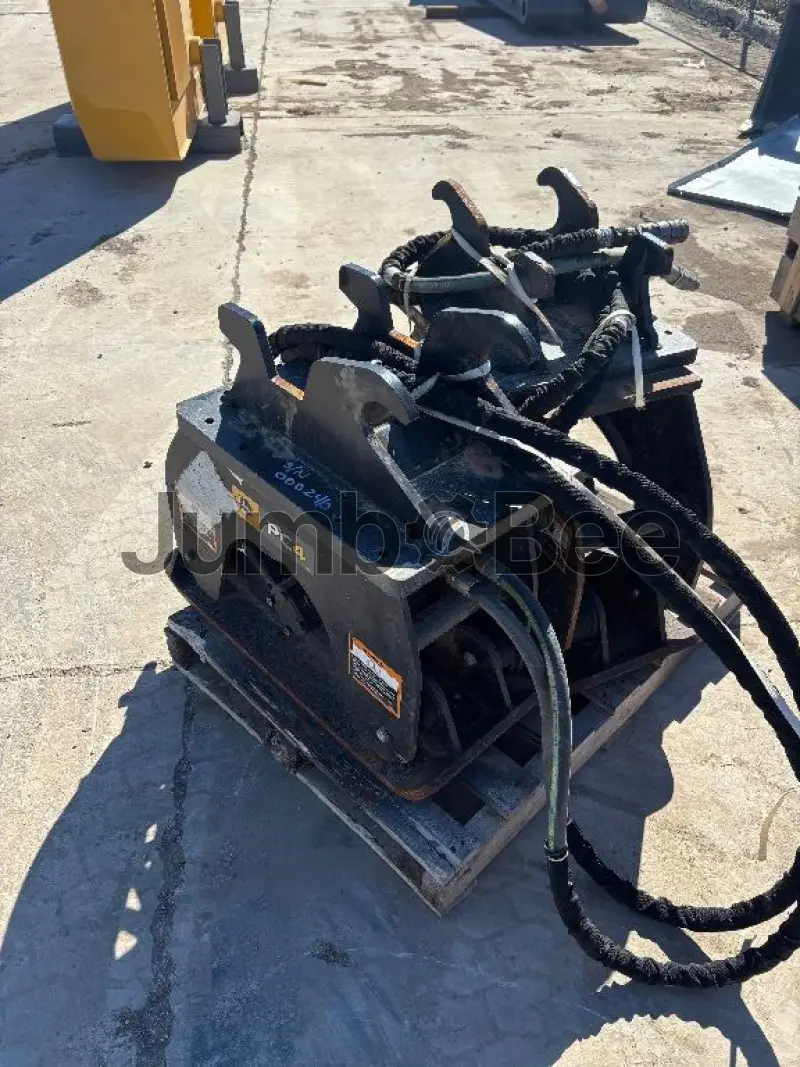
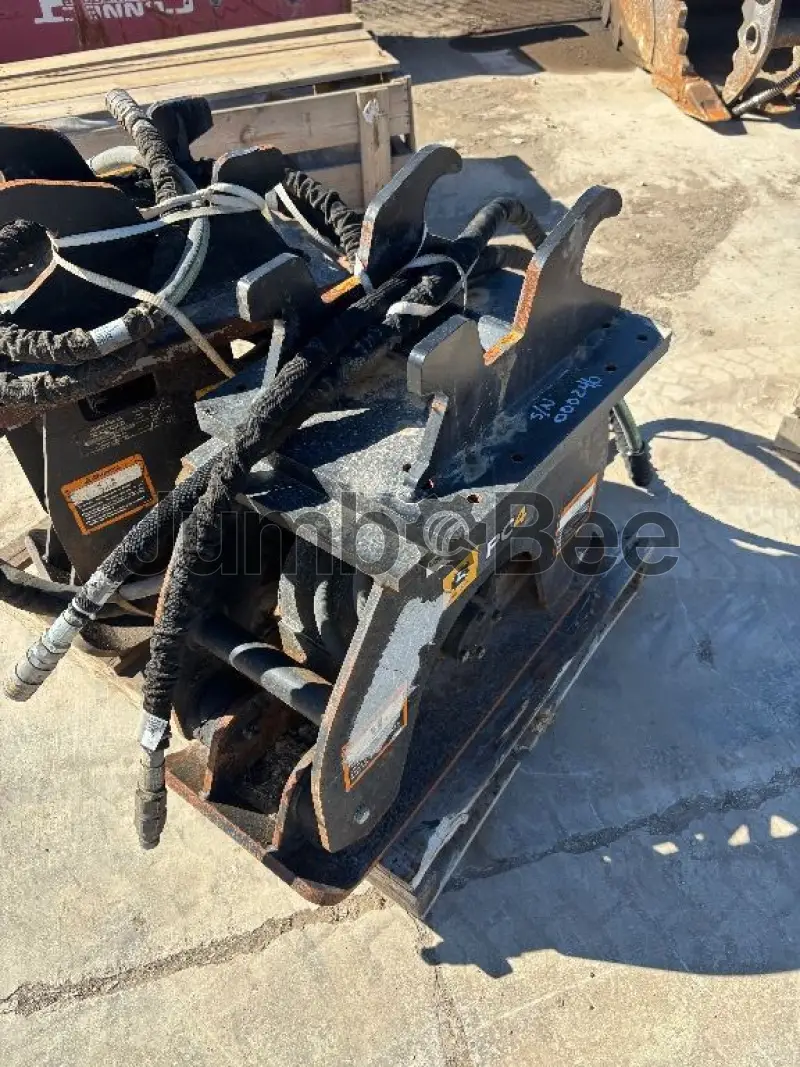
Compaction Equipment Models
Compaction Equipment
Heavy equipment insights from JumboBee
November 23, 2026
Types of Tillage Equipment: How to Choose the Right Implements for Your Farm
Compare tillage implements and learn what to look for when buying used equipment.
November 20, 2026
Types of Cultivators: What They Are, How They Work and How to Choose
Compare different types of farm cultivators, their uses, and what to look for when buying used.
November 9, 2026
Skid Steer Loader Brands Compared: CAT vs Bobcat vs John Deere
A side-by-side comparison of CAT, Bobcat and John Deere skid steers by size class, capacity, power and hydraulics.
November 2, 2026
Buying & Selling Heavy Equipment in Canada: Market Guide for Global Buyers
This guide explains how the Canadian heavy equipment market works for international buyers and sellers.
October 9, 2026
Motor Grader Buying Guide: Sizes, Top Brands, and What Contractors Should Look For
This guide helps buyers select the right motor grader for their needs and maximize ROI across construction, mining, and snow removal.
August 25, 2026
Repair, Rebuild or Replace Heavy Equipment: 2026 Cost-Based Decision Guide
This guide provides a mathematical approach to help you decide what to do with your aging machinery in 2026.
COMPACTION FOR SMALL AREAS
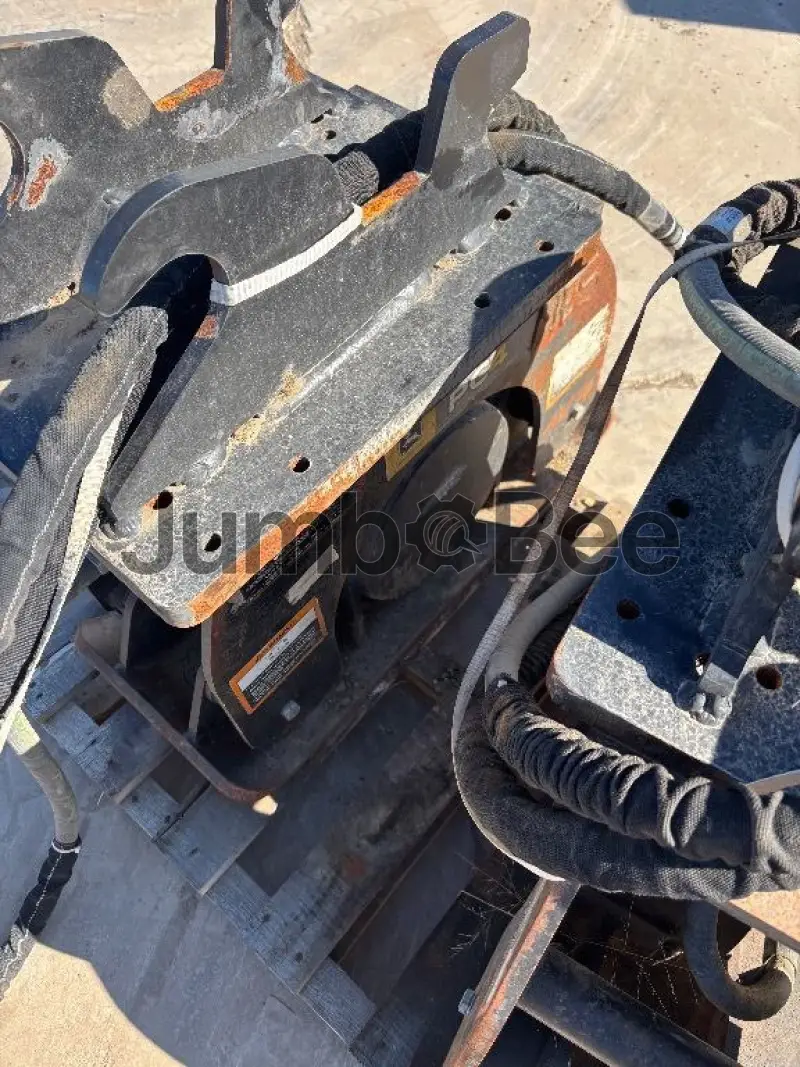
A plate compactor uses a vibrating steel plate to compact granular soil, gravel, sand and asphalt in small areas. Landscapers, paver installers, utility crews, concrete contractors and homeowners use them for patios, walkways, driveways, footings and patching.
FORWARD OR REVERSIBLE
Forward plate compactors are light, affordable and easy to handle, best for thin lifts of granular material and paver installation. Reversible plate compactors are heavier, can move forward and backward, and compact deeper lifts and tougher materials, making them ideal for trenches and larger jobs.
CENTRIFUGAL FORCE AND WEIGHT
Plate compactors are rated by centrifugal force and operating weight. Higher force compacts deeper. Choose based on lift thickness and material type. As a rule, lighter plates suit pavers and thin lifts, while heavy reversible plates handle deep base courses.
PAVER PADS AND WATER TANKS
Urethane pads protect pavers from scratching during setting. Water tanks keep asphalt from sticking to the plate when patching.
INSPECTING A USED PLATE COMPACTOR FOR SALE
Check the base plate for wear and cracks, shock mounts, the exciter housing and its oil, the drive belt and clutch, the engine and starting, and the handle. Before you buy used plate compactor equipment, run it on gravel to feel vibration.
USED PLATE COMPACTOR PRICE
Used plate compactor price depends on forward or reversible design, weight, engine and condition. Many are affordable for small contractors and homeowners.
RAMMERS FOR COHESIVE SOILS
For clay and other cohesive soils, a rammer usually works better than a plate compactor.
Got Questions?
Our FAQ section covers everything from shipping and listing to buying with confidence.
What are the different types of plate compactors?
Plate compactors are essential tools for preparing and compacting soil, asphalt, and gravel. They come in many forms, grouped by their power source, size, and design. Here’s a breakdown of common categories:
By power source
- Gas-powered plate compactors: The most common type, offering mobility and power for various job sites.
- Diesel-powered plate compactors: Used for larger, heavy-duty applications where greater power and fuel efficiency are needed.
- Electric plate compactors: Quieter and emit no fumes, ideal for indoor or poorly ventilated areas.
By design
- Forward plate compactors: Move in one direction (forward) and are best for general-purpose compaction jobs on granular soils.
- Reversible plate compactors: Can move both forward and backward, making them highly versatile for tight spaces, trenches, and cohesive soils.
- High-frequency plate compactors: Deliver more vibrations per minute, which is ideal for compacting cohesive materials like clay and silt.
By size
- Walk-behind compactors: Smaller and lighter, ideal for residential projects, trenches, and sidewalks.
- Heavy-duty compactors: Larger and heavier, used for commercial and industrial projects like foundations, roads, and large parking lots.
- Remote-controlled compactors: Used for working in hazardous areas, such as steep slopes or deep trenches, to keep the operator safe.
How do I choose the right plate compactor?
Application & material
- Granular soil (sand, gravel) – a forward plate compactor is often sufficient.
- Cohesive soil (clay, silt) – a reversible or high-frequency compactor is more effective.
- Working in trenches or confined areas – a reversible plate compactor offers greater maneuverability.
Job size & site access
- Small residential jobs can be handled by a compact, walk-behind compactor.
- Large commercial projects require a heavier, more powerful compactor.
- Indoor jobs require an electric or battery-powered compactor to avoid fumes.
Tractor compatibility
- Some large compactors may be towable, requiring a compatible vehicle.
- For very large projects, a compactor attachment for an excavator or loader may be an option, but these are more specialized.
Budget & condition
- Decide between new compactors with warranties or used ones at a lower cost.
- Factor in maintenance history and expected lifespan.
Which is more profitable: buying a new or used plate compactor?
New plate compactor
- Pros – comes with a manufacturer's warranty, the latest features, and reliable performance.
- Cons – higher upfront cost and faster initial depreciation.
Used plate compactor
- Pros – lower purchase price, slower ongoing depreciation, and proven performance.
- Cons – may lack warranty, have unknown maintenance history, and have older technology.
JumboBee offers pre-sale inspections so you can buy used compactors with confidence—our team checks condition, functionality, and overall value before purchase.
What are the advantages of a new or used plate compactor?
New plate compactor
- Latest materials and design for durability
- Advanced efficiency and safety features
- Customizable options and full warranty support
Used plate compactor
- Proven track record in real-world use
- Predictable market value and less initial investment
- Greater room to negotiate price
How can I arrange the shipping of a plate compactor?
Shipping is simple with JumboBee. Our experts manage every step:
- We choose the safest, fastest transport (truck, rail, or sea).
- We secure all necessary paperwork and customs clearance.
- From pickup and loading to final delivery, we handle it all.
Relax—your compactor will arrive safely, on time, and ready to work.