Telehandler Buckets for Sale
(5 listings)
Browse by subcategory
Popular brands
Only verified sellers list equipment on JumboBee.
Sort by:
Featured
Heavy Equipment Model Database — Specs, Reviews & Comparisons
The global reference hub for heavy equipment. Research models across agriculture, construction, mining, forestry, and material handling — compare specifications, read buyer reviews, and find verified listings in one place.
Heavy equipment insights from JumboBee
November 23, 2026
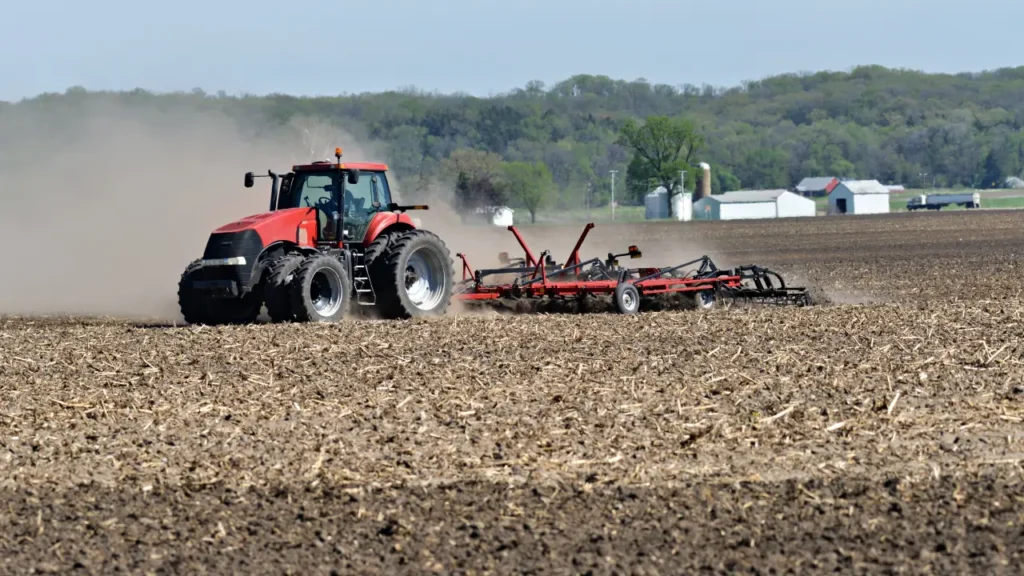
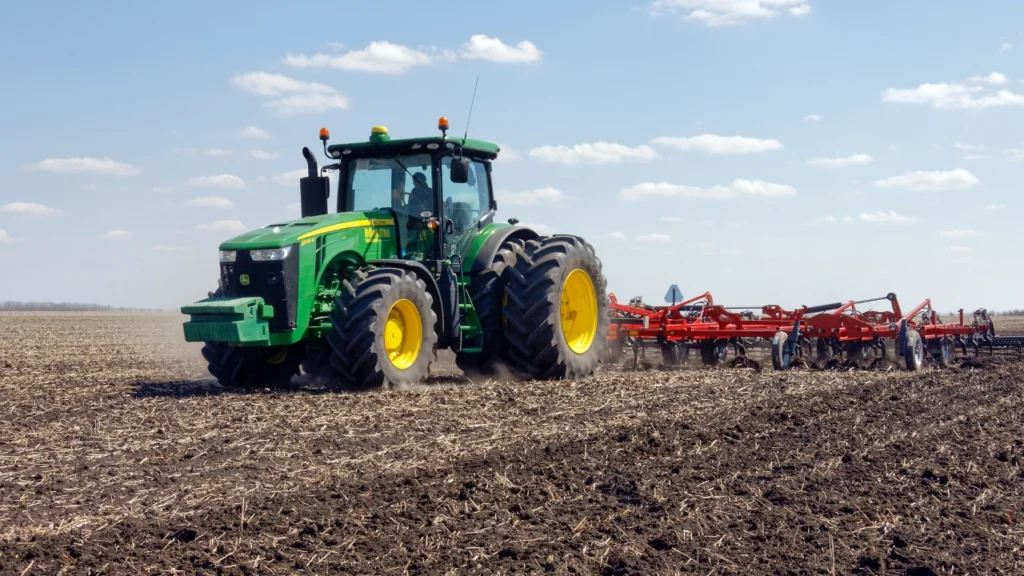
Types of Tillage Equipment: How to Choose the Right Implements for Your Farm
Compare tillage implements and learn what to look for when buying used equipment.
November 20, 2026
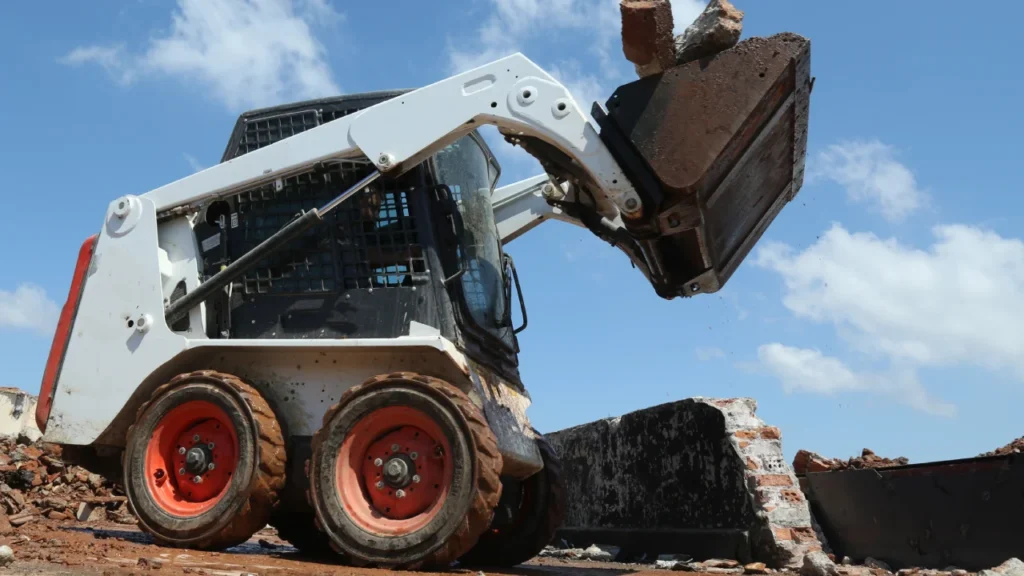
Types of Cultivators: What They Are, How They Work and How to Choose
Compare different types of farm cultivators, their uses, and what to look for when buying used.
November 9, 2026
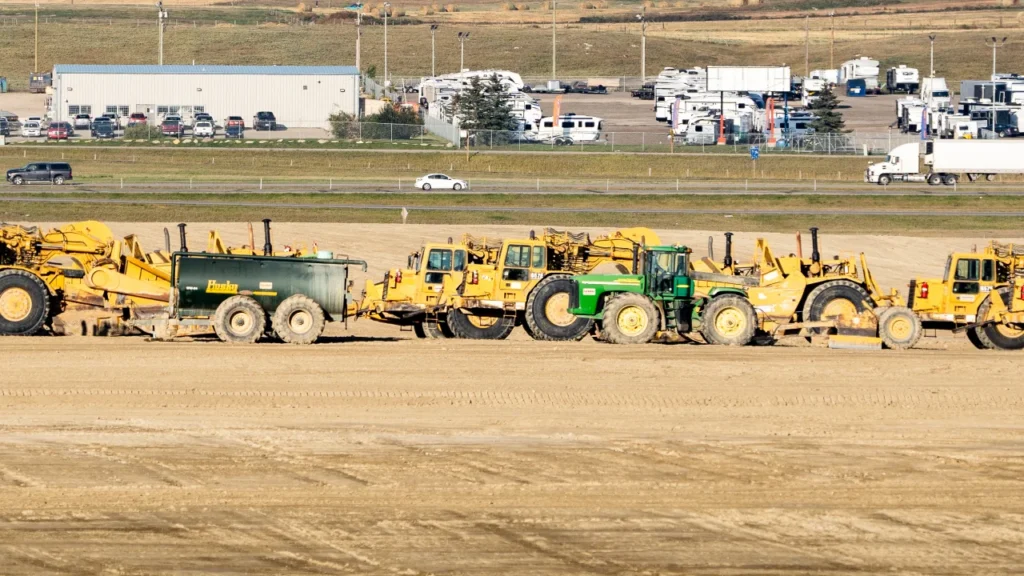
Skid Steer Loader Brands Compared: CAT vs Bobcat vs John Deere
A side-by-side comparison of CAT, Bobcat and John Deere skid steers by size class, capacity, power and hydraulics.
November 2, 2026
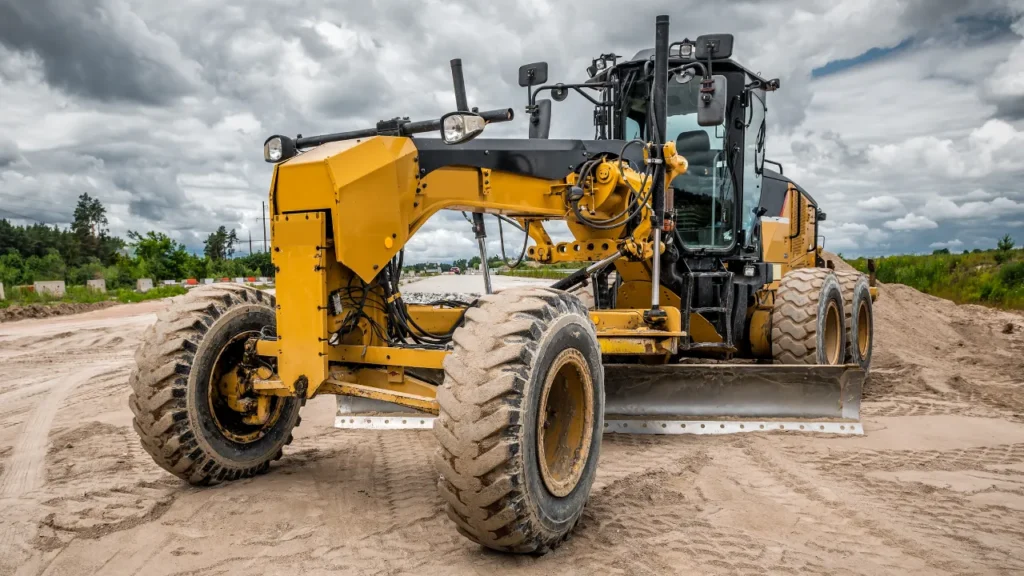
Buying & Selling Heavy Equipment in Canada: Market Guide for Global Buyers
This guide explains how the Canadian heavy equipment market works for international buyers and sellers.
October 9, 2026
Motor Grader Buying Guide: Sizes, Top Brands, and What Contractors Should Look For
This guide helps buyers select the right motor grader for their needs and maximize ROI across construction, mining, and snow removal.
August 25, 2026
Repair, Rebuild or Replace Heavy Equipment: 2026 Cost-Based Decision Guide
This guide provides a mathematical approach to help you decide what to do with your aging machinery in 2026.
LOADING WITH REACH
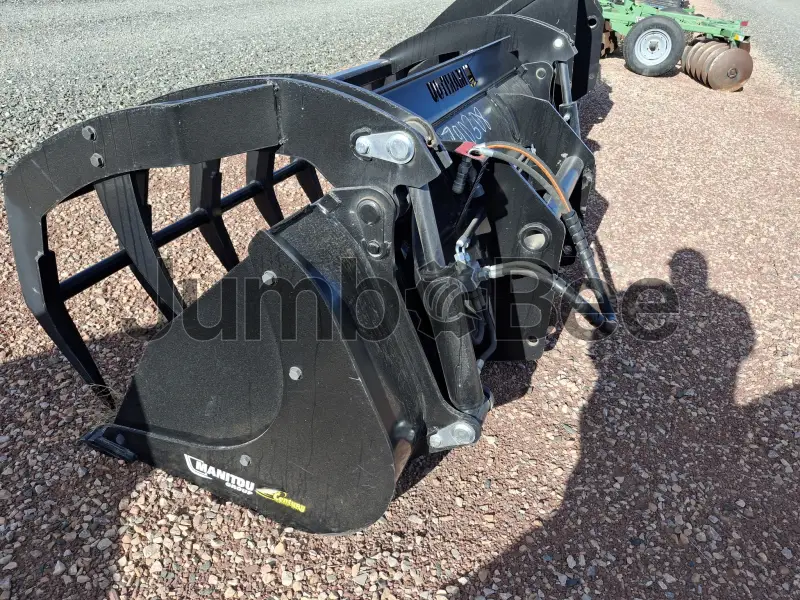
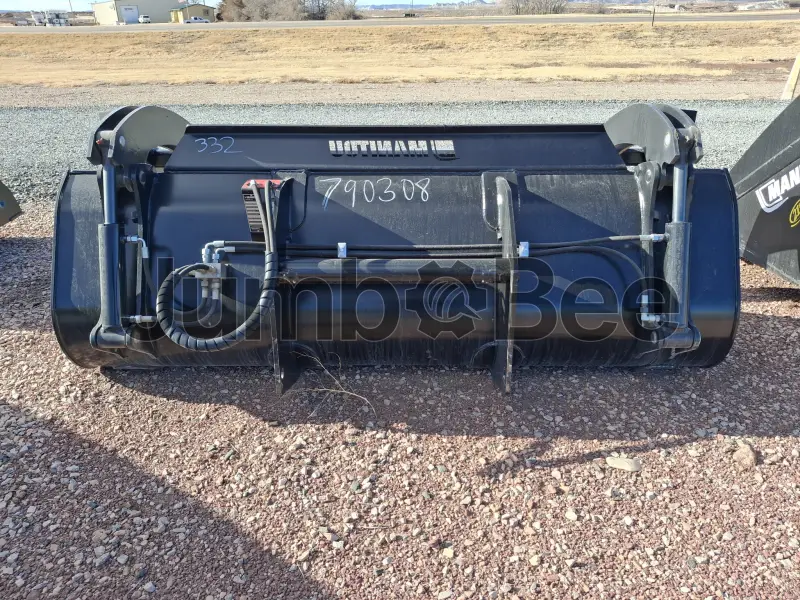
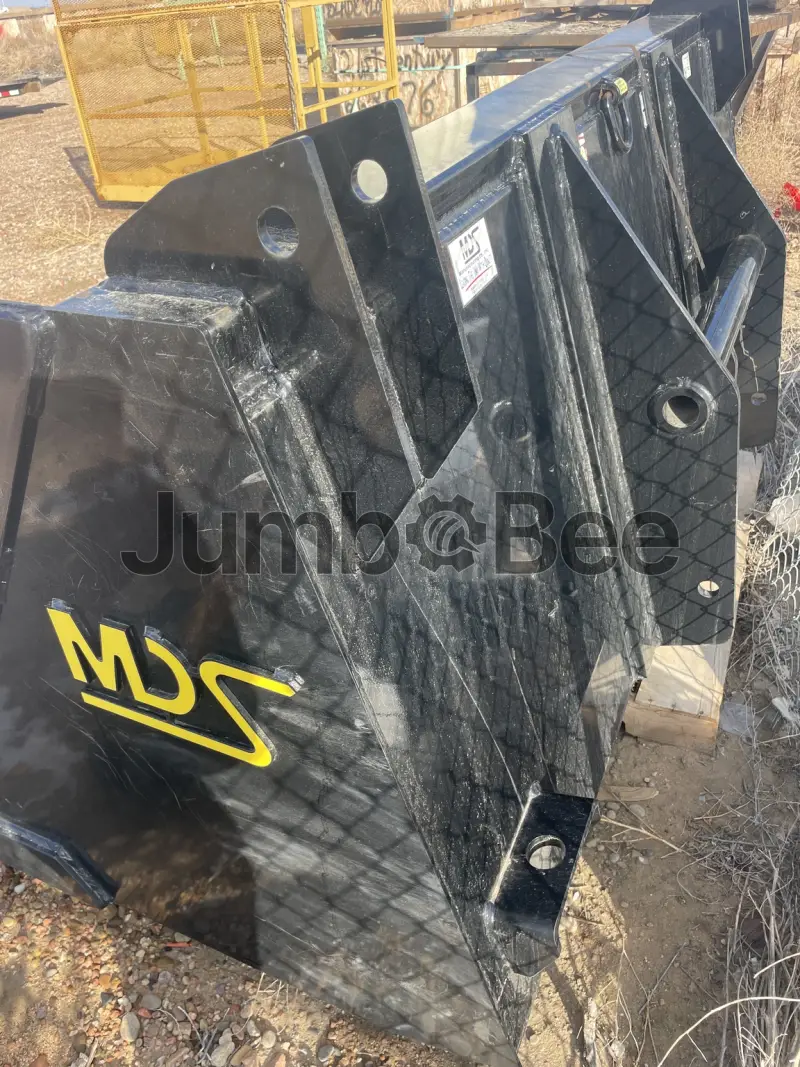
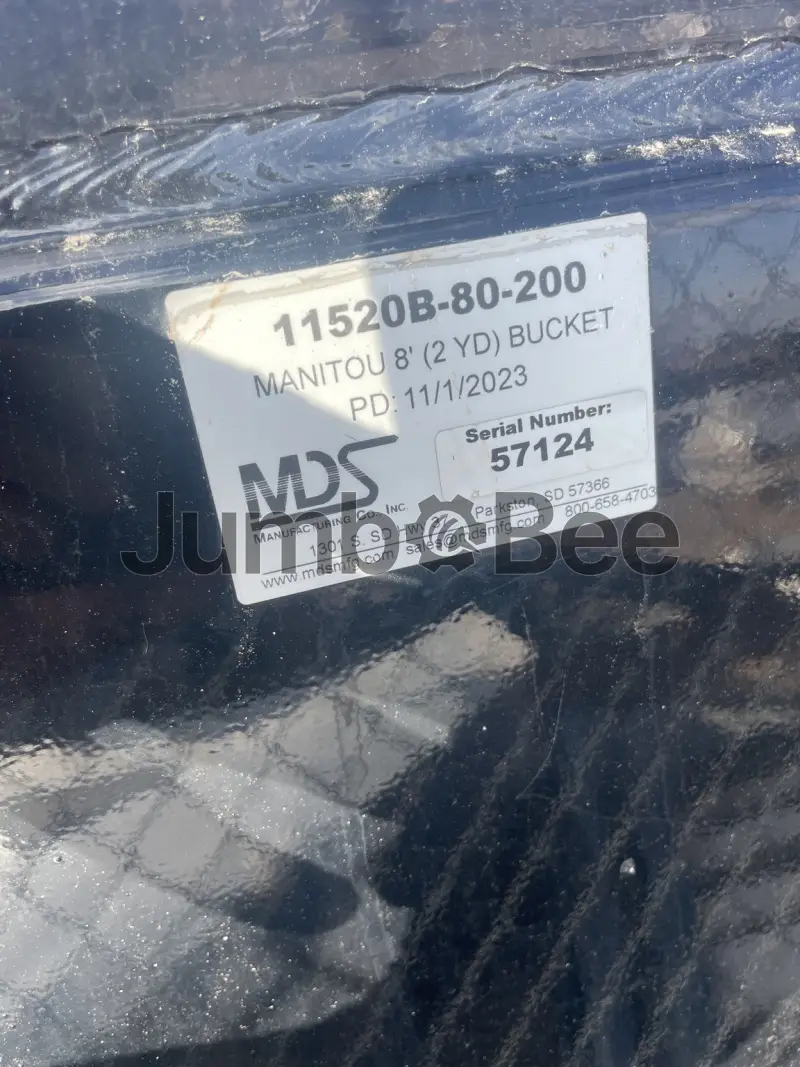
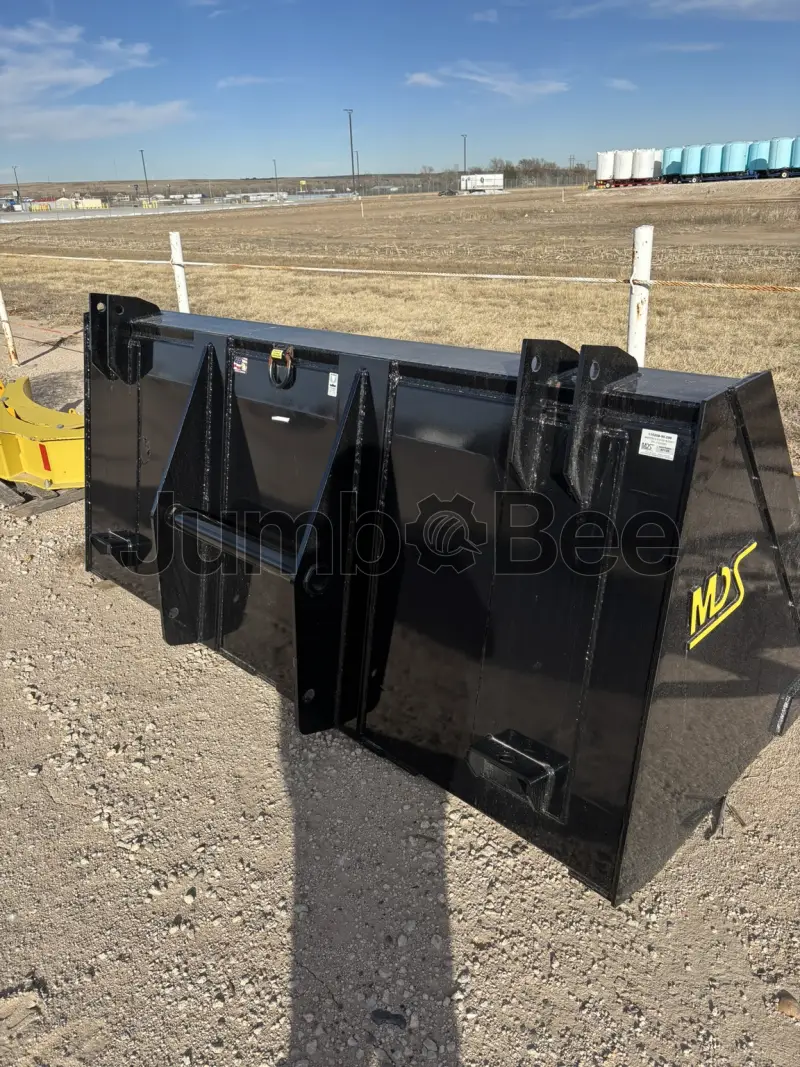
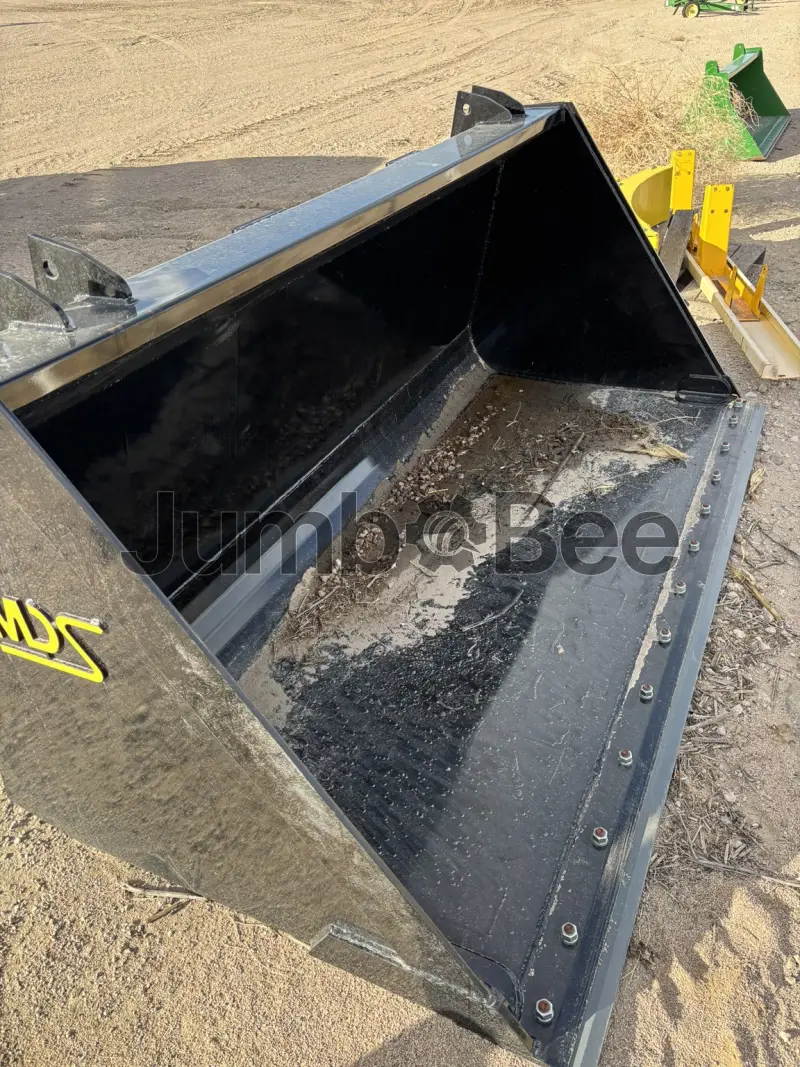
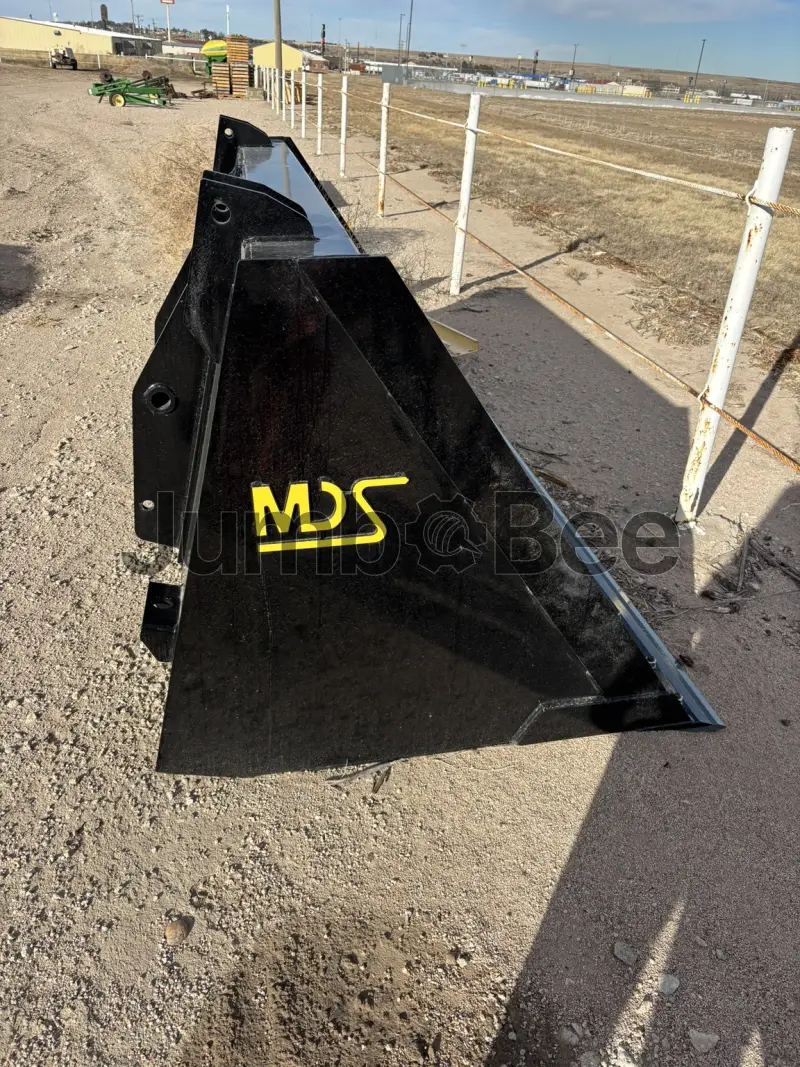
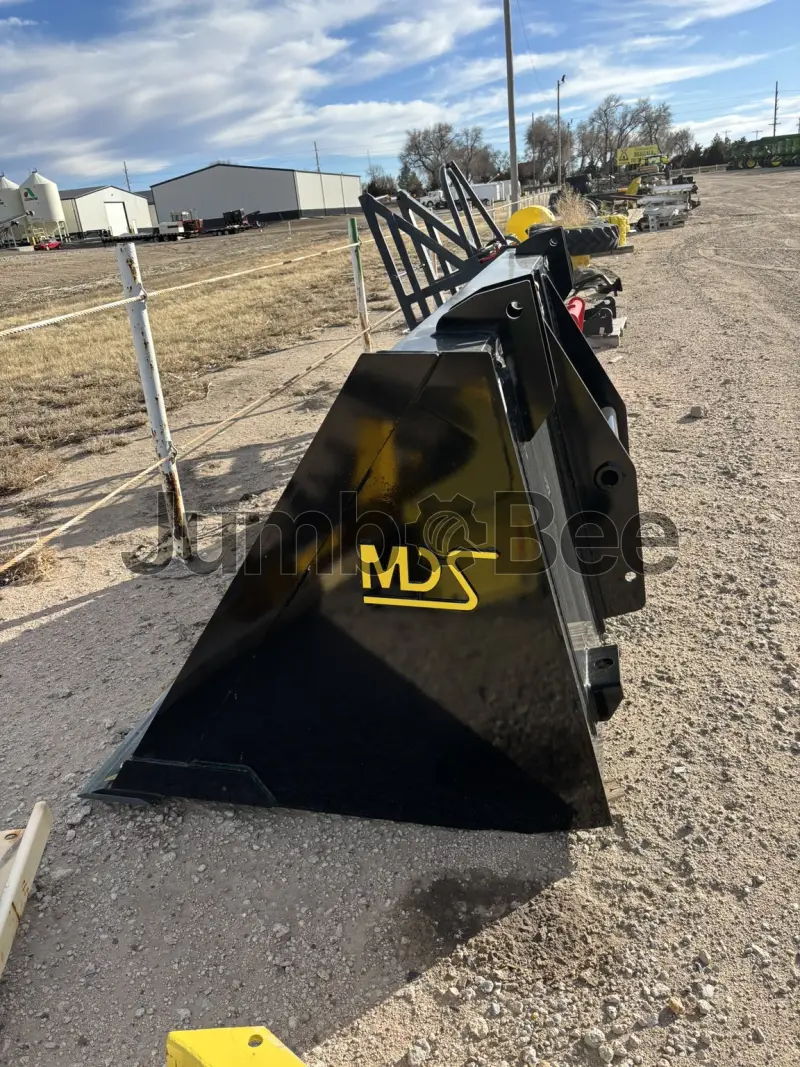
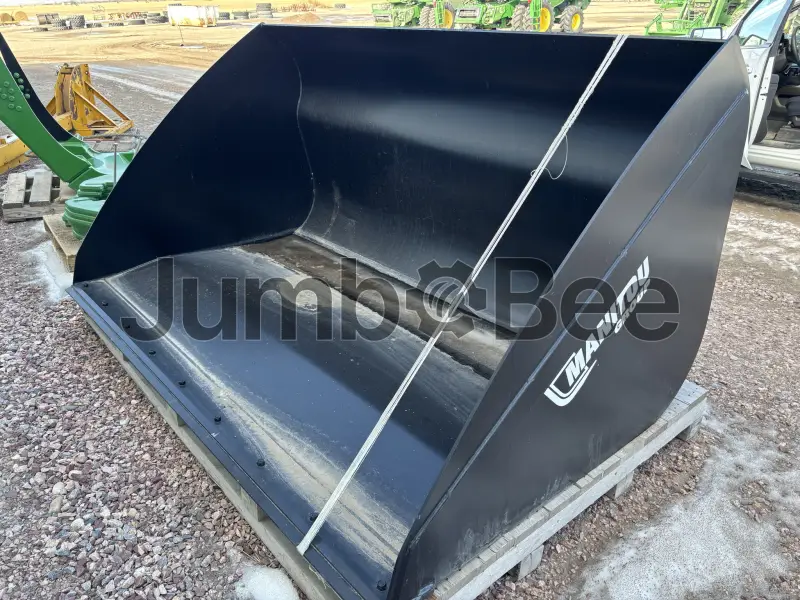
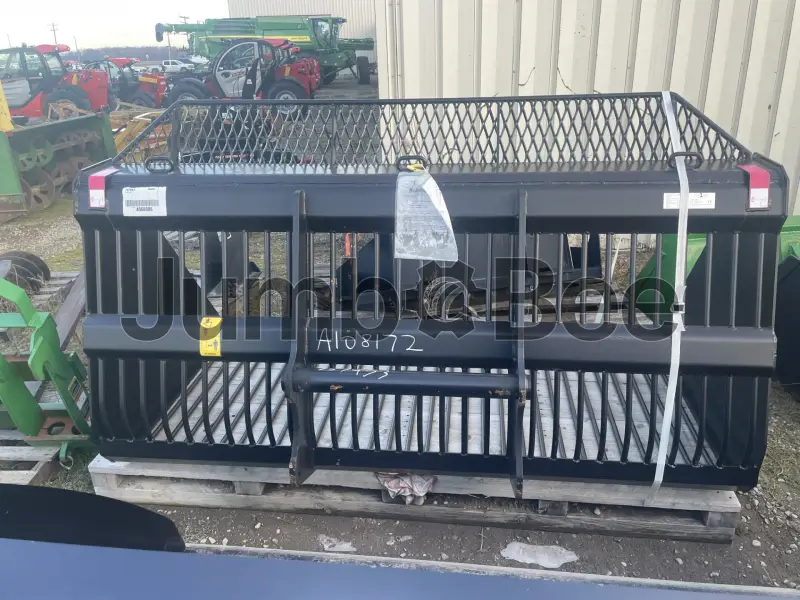
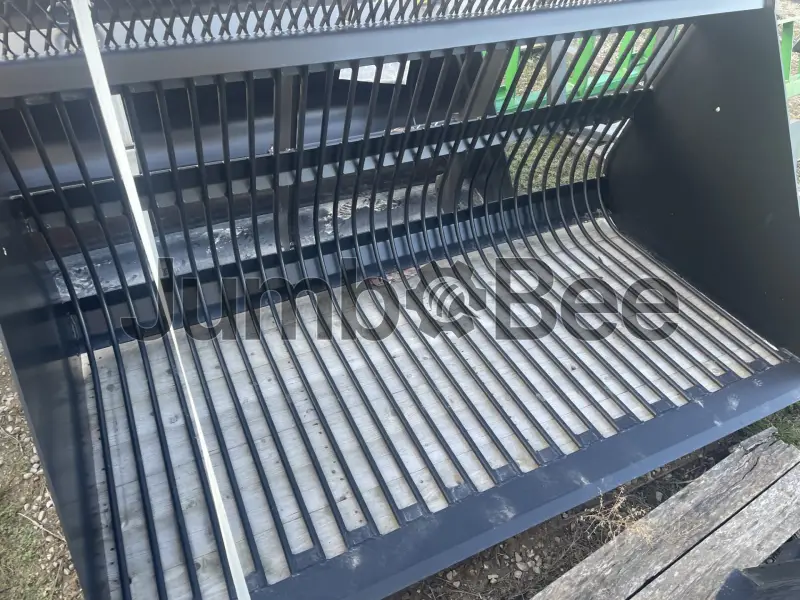
A telehandler bucket turns a telehandler into a loader with extended reach and height. Farms use telehandler buckets to load grain, feed, manure and bedding into high-sided trailers and bins. Builders and landscapers use them to move soil, gravel and debris.
GENERAL-PURPOSE OR LIGHT MATERIAL
General-purpose buckets handle soil, gravel and sand. Light material buckets are larger for grain, feed, snow, wood chips and mulch. Choose capacity based on material density, since overloaded buckets exceed lift charts.
HIGH-DUMP BUCKETS
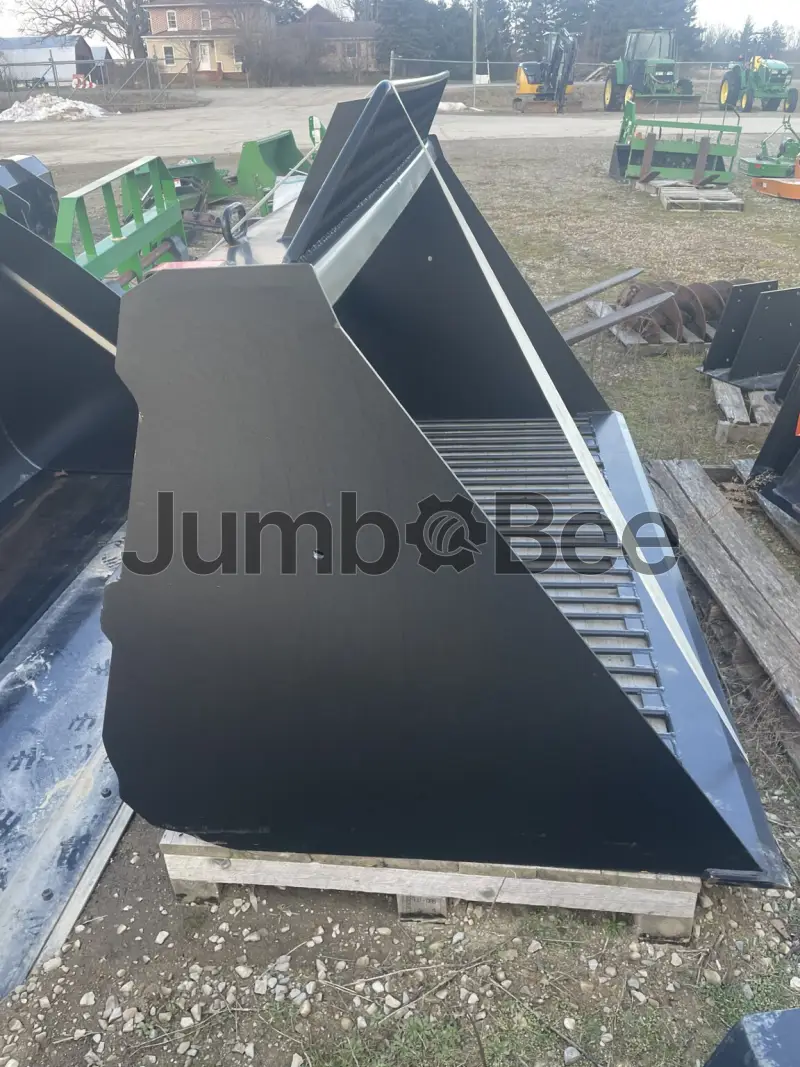
High-dump buckets add extra dumping height for tall trucks and bins, extending a telehandler's reach.
COUPLER AND LOAD CHARTS
Telehandler buckets must match your machine's coupler, and an approved load chart for the bucket should be available. Check both before buying.
INSPECTING A USED TELEHANDLER BUCKET FOR SALE
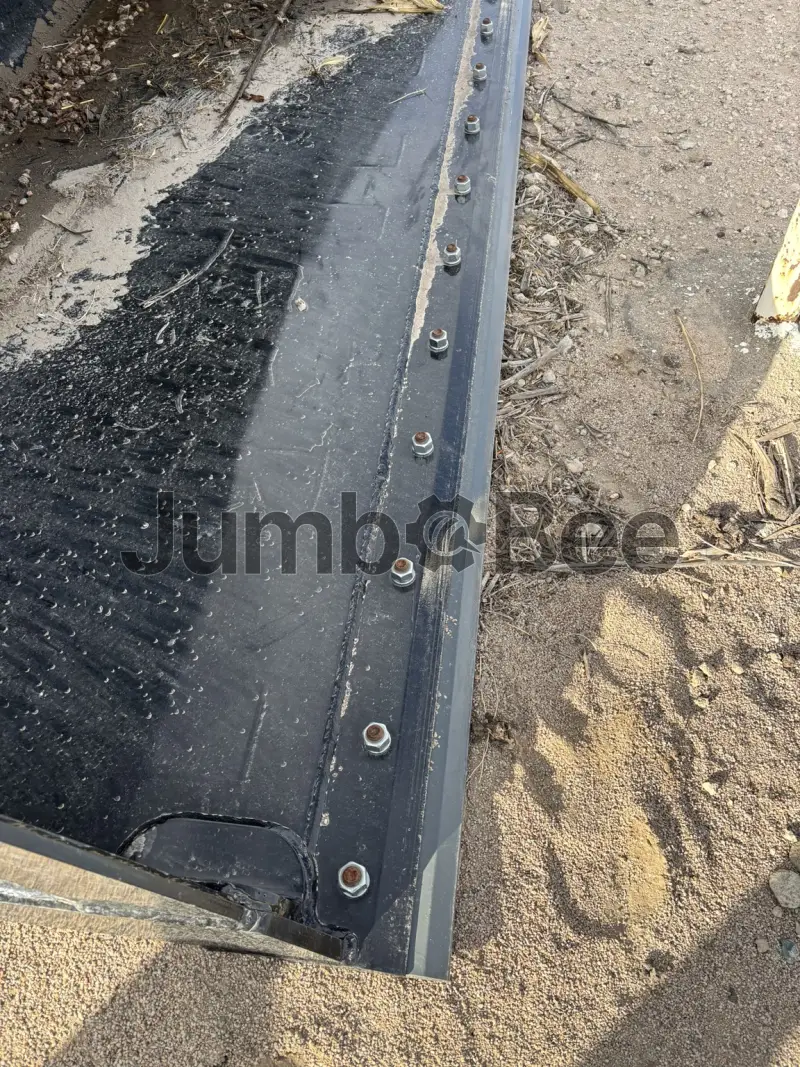
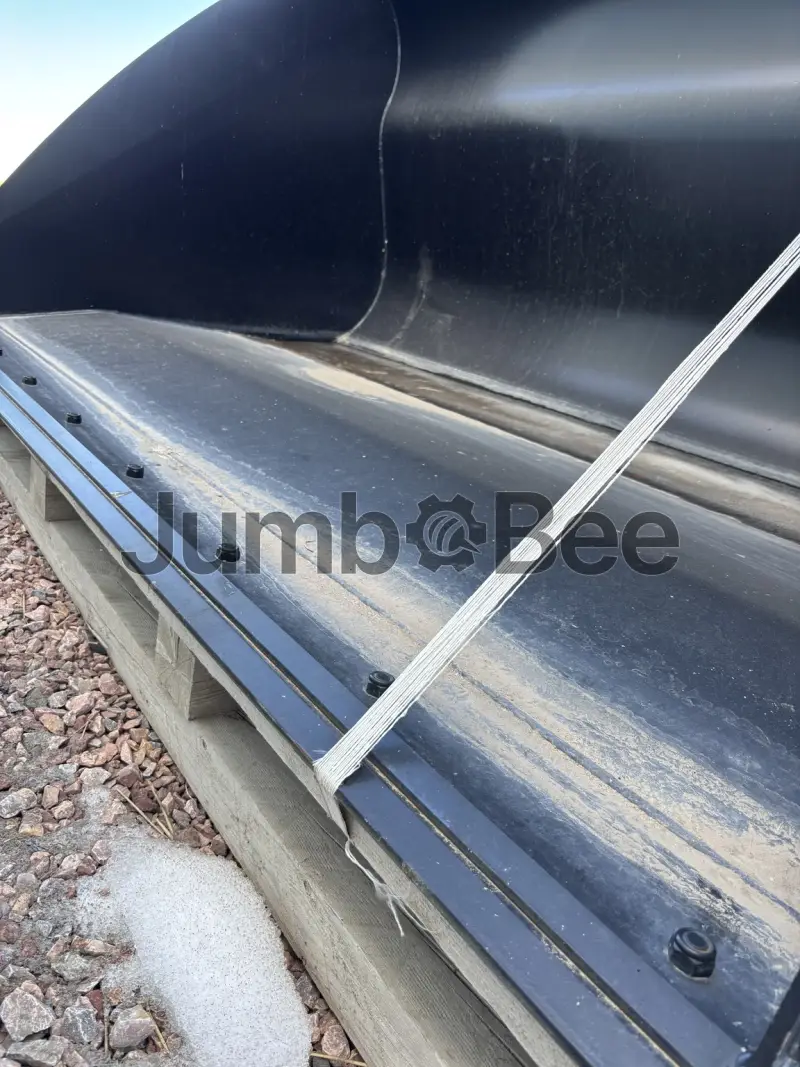
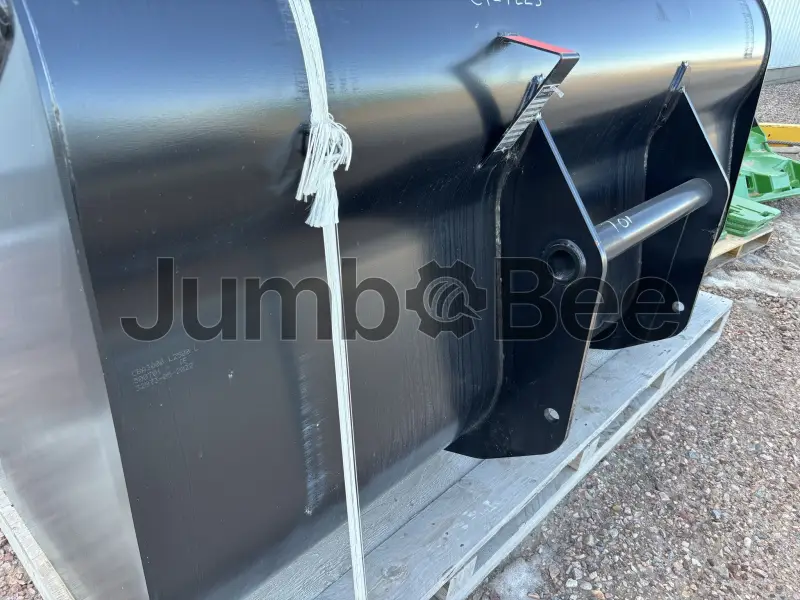
Check the cutting edge and wear strips, the bucket shell, side plates, the coupler and its locking pins, and welds. On high-dump buckets, check cylinders and hoses. Before you buy telehandler bucket attachments, confirm coupler compatibility.
TELEHANDLER BUCKET PRICE
Telehandler bucket price depends on size, type, coupler and condition. A cheap telehandler bucket for sale may need a new cutting edge.
AGRICULTURE
Farm telehandlers often run grain and feed buckets daily, so wear strips and edges are important to check. Ask the seller which materials the bucket handled most, since abrasive gravel wears edges faster than feed. Ask about bucket capacity. Ask whether the bucket was used for grain or feed, since food-grade use is often gentler on the bucket than gravel or demolition work.
Got Questions?
Our FAQ section covers everything from shipping and listing to buying with confidence.
WHAT SHOULD YOU LOOK FOR IN A TELEHANDLER BUCKET?
Carriage compatibility – The bucket mounting system must match your telehandler’s specific carriage type and attachment interface.
Capacity and width – Select a bucket size that matches your telehandler’s rated capacity at the working height and reach you typically use.
Cutting edge condition – A worn cutting edge reduces digging performance and makes loading loose material less efficient.
Tilt cylinder operation – Smooth hydraulic tilt control is important for accurate positioning and dumping when working at elevation.
Structural condition – Inspect welds, side plates, and carriage mounting points for cracks or signs of heavy use.
HOW TO CHOOSE THE RIGHT TELEHANDLER BUCKET?
ASSESS YOUR NEEDS
- Confirm your telehandler’s carriage class and lifting capacity at your typical operating reach.
- Identify the materials you handle most often, such as aggregate, sand, soil, or general debris.
- Choose bucket width and capacity based on your required load volume and machine limits.
- Consider the type of work environment and attachment durability requirements.
KEY FEATURES
- Reinforced cutting edge
- Heavy-duty bucket construction
- Smooth hydraulic tilt control
- Compatible telehandler carriage mounting
- Replaceable wear components
WHAT IS MORE PROFITABLE TO BUY A USED TELEHANDLER BUCKET OR A NEW ONE FROM A DEALER?
NEW: A new telehandler bucket provides full cutting-edge thickness, factory specifications, and warranty coverage. It is a strong choice for operators who need maximum service life and consistent performance.
USED: Used buckets offer lower purchase costs and can provide excellent value for general material-handling applications. JumboBee’s pre-sale inspection checks cutting-edge wear, structural condition, welds, and mounting points before purchase.
WHAT ARE THE ADVANTAGES OF A NEW OR USED TELEHANDLER BUCKET?
New
- Maximum wear life and factory-quality construction
- Precise carriage fit and reliable performance
- Full manufacturer warranty
Used
- Lower upfront cost
- Practical option for routine material handling
- Immediate availability for active projects
- Proven performance from previous job-site use
HOW CAN I ARRANGE THE SHIPPING OF A TELEHANDLER BUCKET?
JumboBee arranges freight shipping for telehandler buckets, including secure handling and shipment coordination. Multiple attachments can often be combined into one delivery to reduce transportation costs.