Dozer Buckets for Sale
(17 listings)
Browse by subcategory
Popular brands
Only verified sellers list equipment on JumboBee.
Sort by:
Featured
Heavy Equipment Model Database — Specs, Reviews & Comparisons
The global reference hub for heavy equipment. Research models across agriculture, construction, mining, forestry, and material handling — compare specifications, read buyer reviews, and find verified listings in one place.
Heavy equipment insights from JumboBee
November 23, 2026
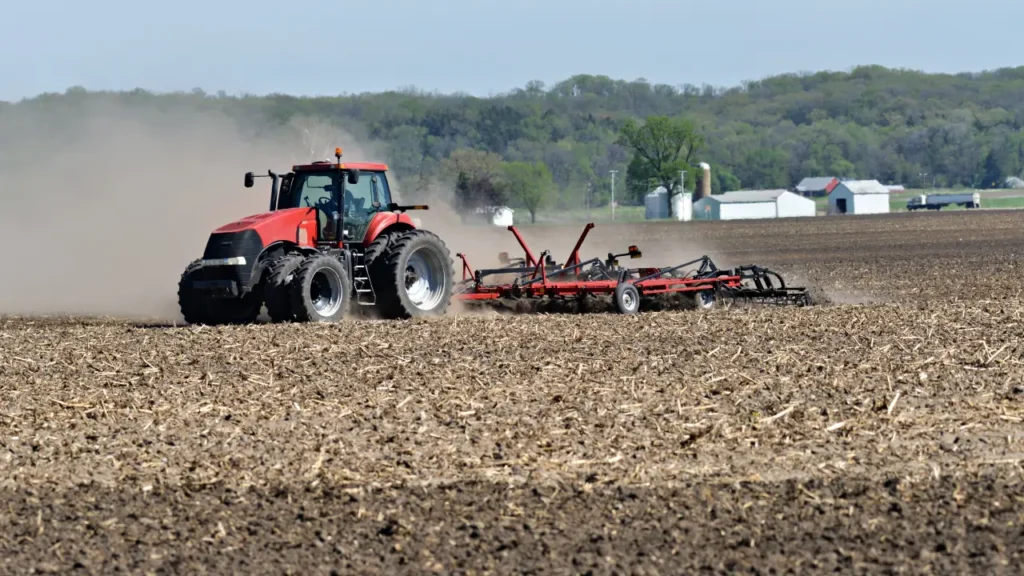
Types of Tillage Equipment: How to Choose the Right Implements for Your Farm
Compare tillage implements and learn what to look for when buying used equipment.
November 20, 2026
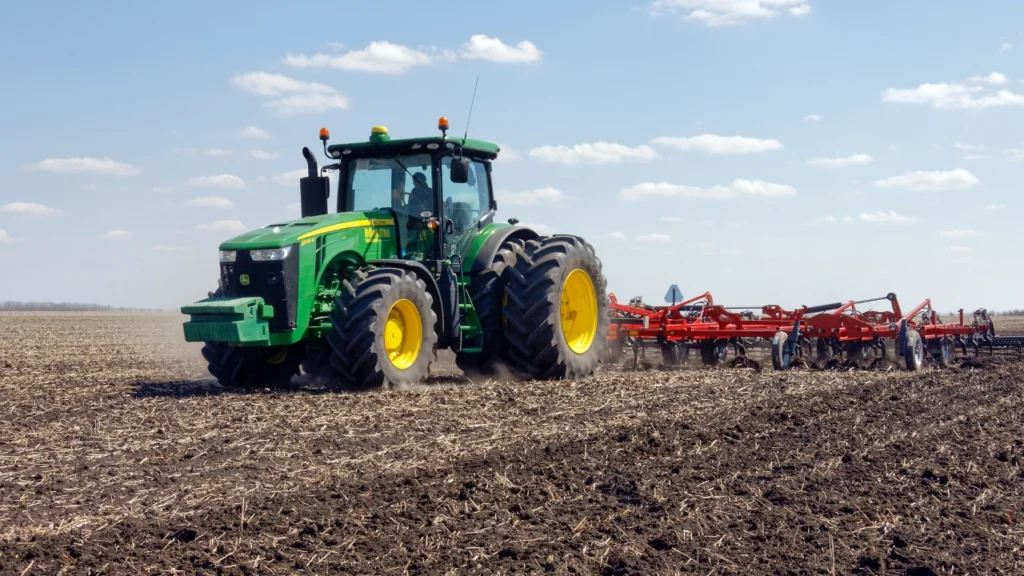
Types of Cultivators: What They Are, How They Work and How to Choose
Compare different types of farm cultivators, their uses, and what to look for when buying used.
November 9, 2026
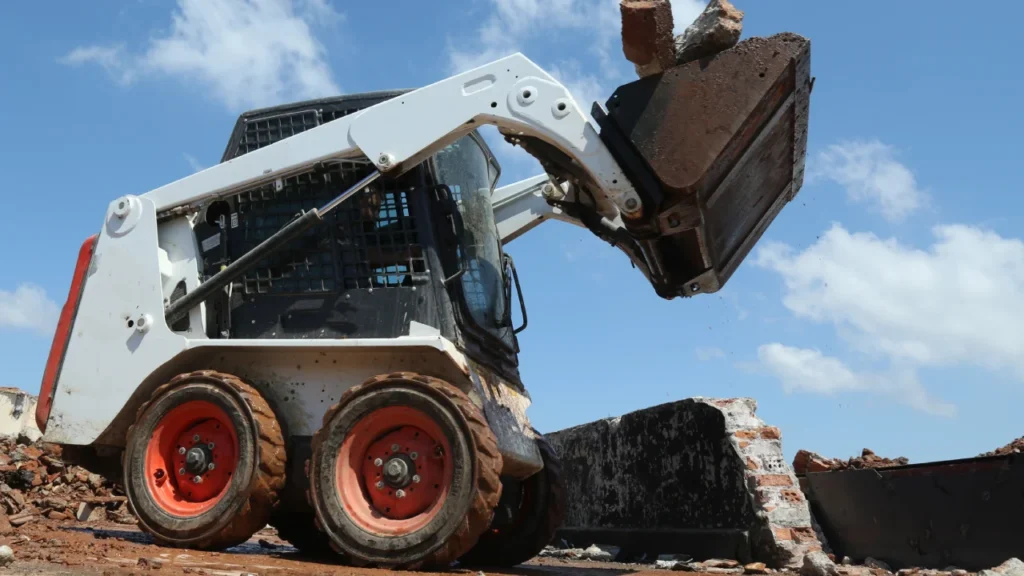
Skid Steer Loader Brands Compared: CAT vs Bobcat vs John Deere
A side-by-side comparison of CAT, Bobcat and John Deere skid steers by size class, capacity, power and hydraulics.
November 2, 2026
Buying & Selling Heavy Equipment in Canada: Market Guide for Global Buyers
This guide explains how the Canadian heavy equipment market works for international buyers and sellers.
October 9, 2026
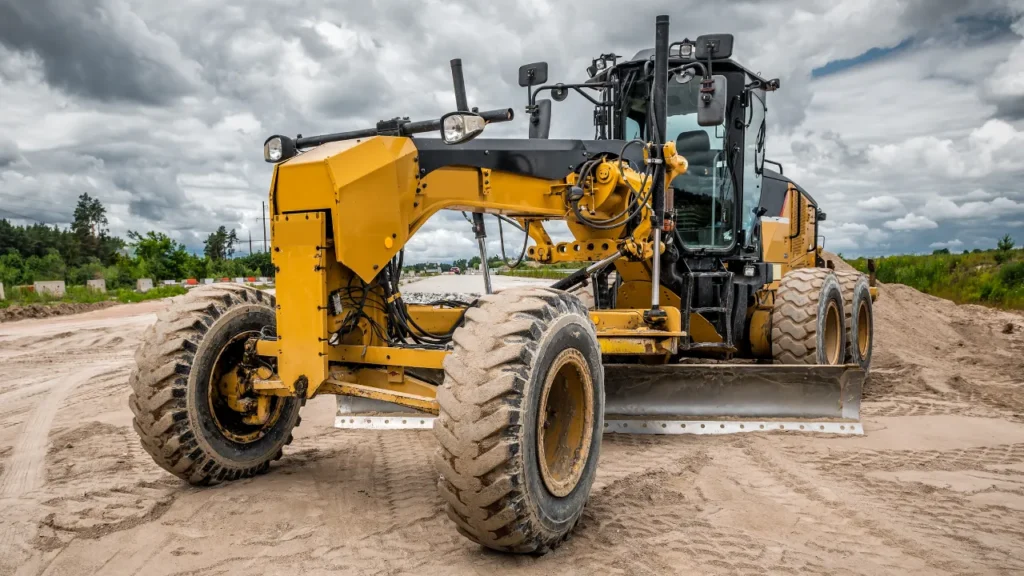
Motor Grader Buying Guide: Sizes, Top Brands, and What Contractors Should Look For
This guide helps buyers select the right motor grader for their needs and maximize ROI across construction, mining, and snow removal.
August 25, 2026
Repair, Rebuild or Replace Heavy Equipment: 2026 Cost-Based Decision Guide
This guide provides a mathematical approach to help you decide what to do with your aging machinery in 2026.
MORE WORK FROM ONE MACHINE
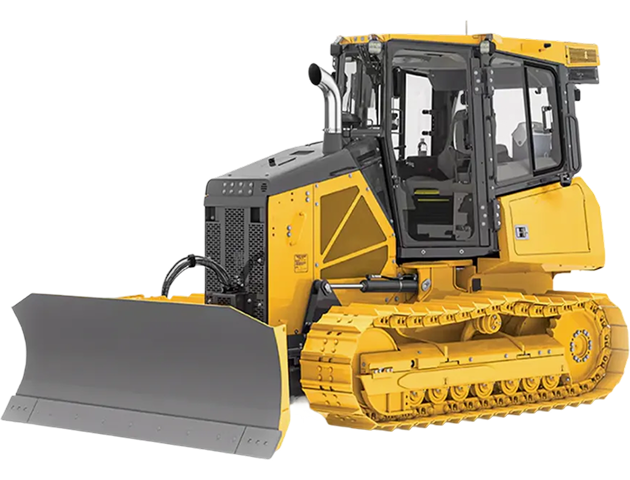
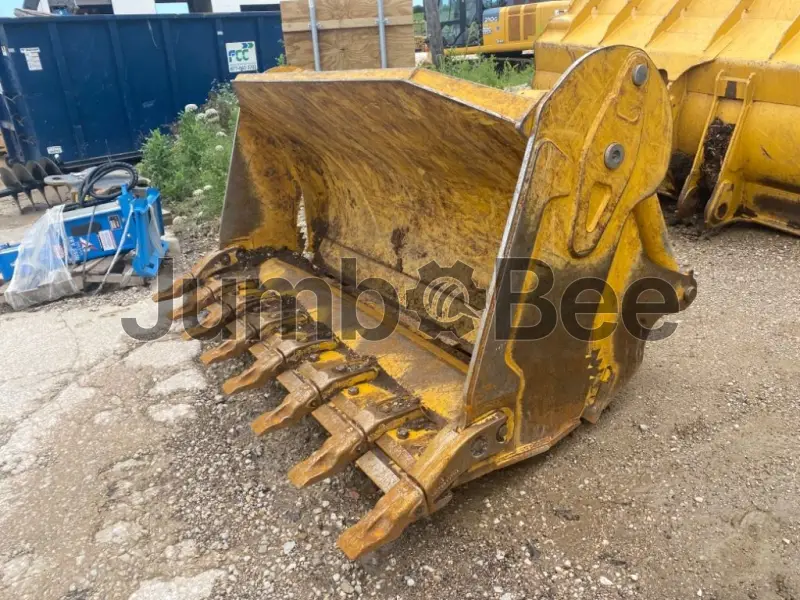
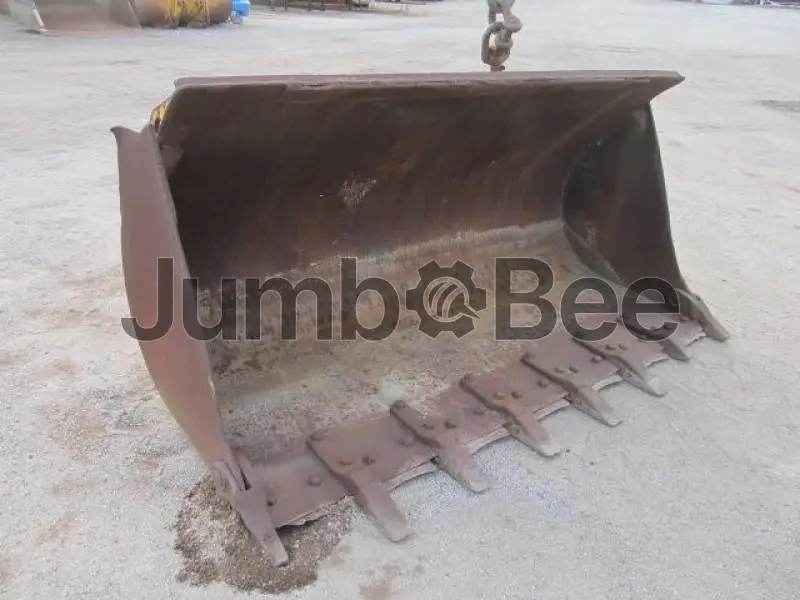
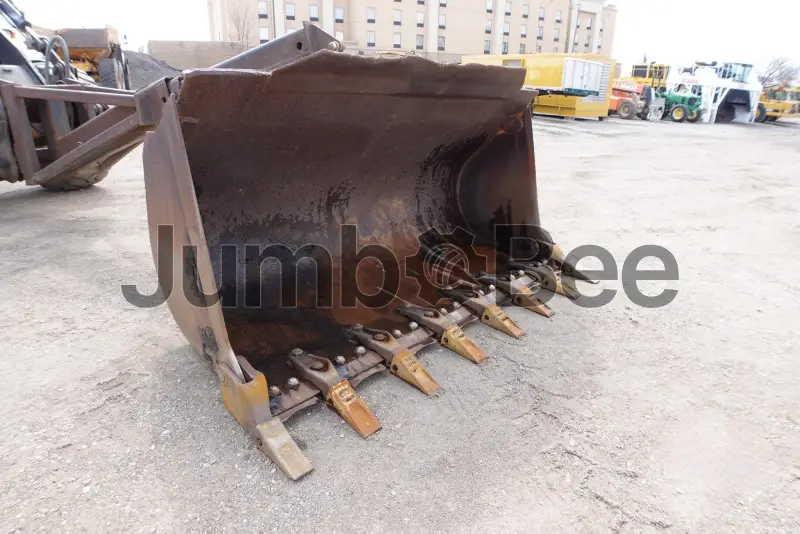
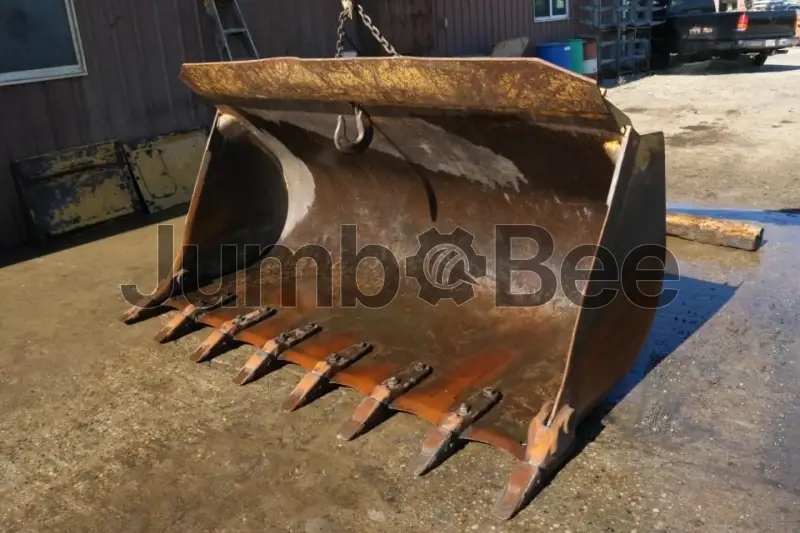
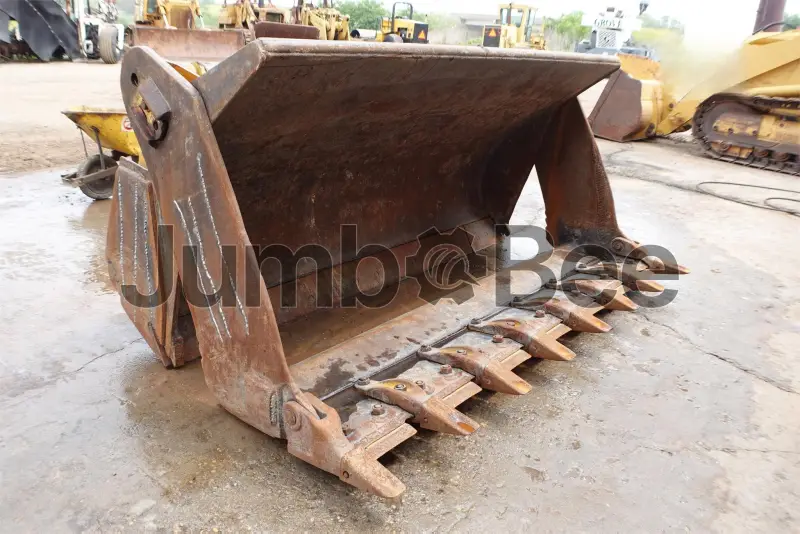
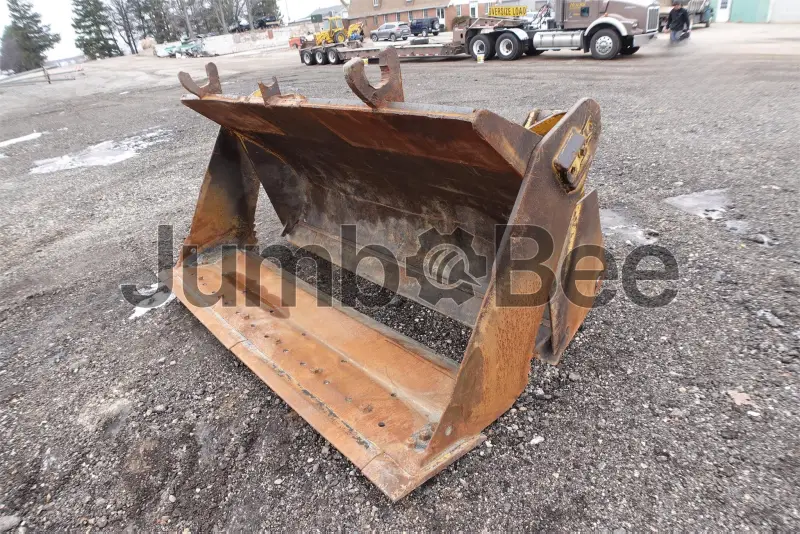
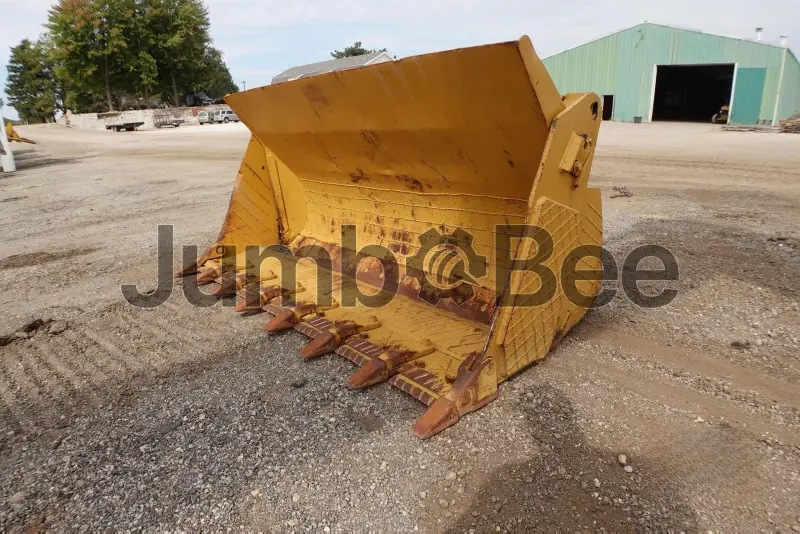
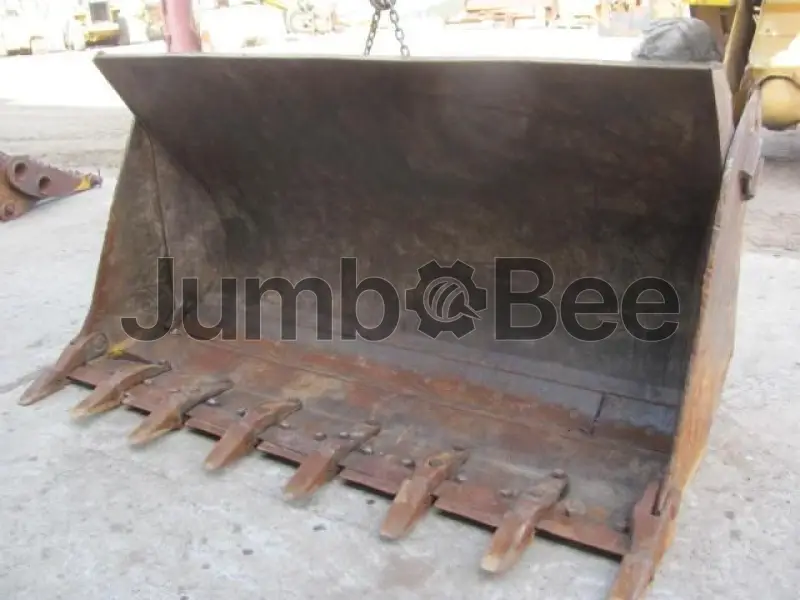
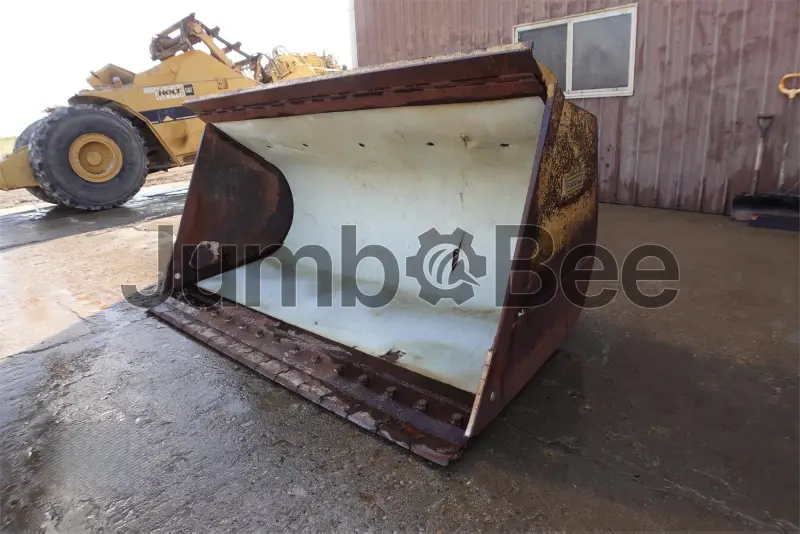
A dozer bucket gives a crawler loader the ability to dig, load and carry, not just push. Track-type loaders with buckets can excavate basements, load trucks, move stockpiles and clean up job sites in soft or muddy ground where wheeled machines struggle. The right bucket lets one tracked machine do the work of a dozer and a loader together.
GENERAL-PURPOSE, 4-IN-1 AND SPECIALTY BUCKETS
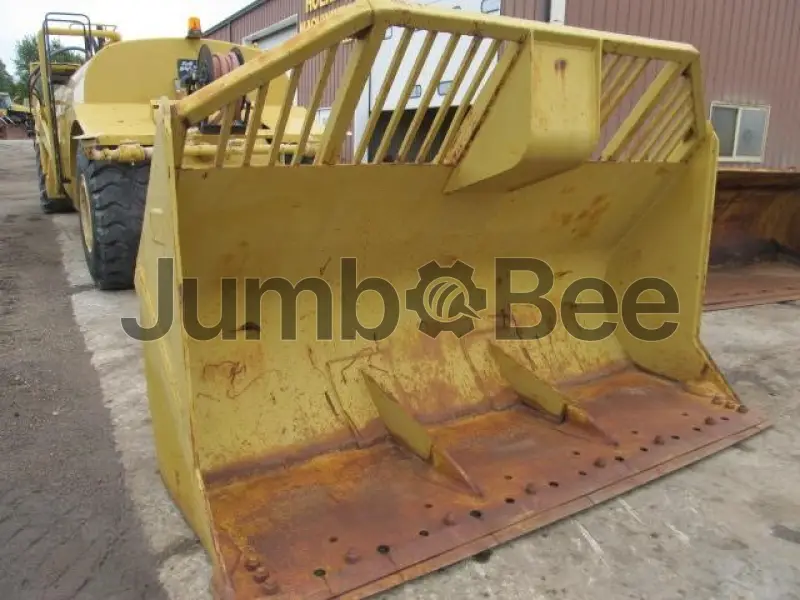
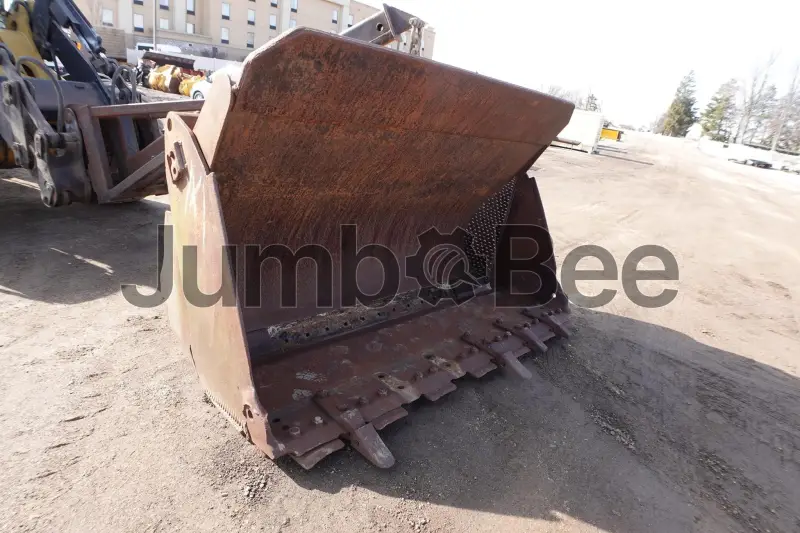
General-purpose buckets handle everyday digging and loading of soil, sand and gravel. Multi-purpose 4-in-1 buckets open like a clam, so they can doze, grade, grab and dump from one attachment. Rock buckets with reinforced sides and heavy teeth suit quarries and rough ground, while wider light-material buckets move loose soil, snow or wood chips in fewer passes. Many contractors keep a general-purpose bucket on the machine and a specialty bucket for particular jobs.
CHECK FIT BEFORE YOU BUY
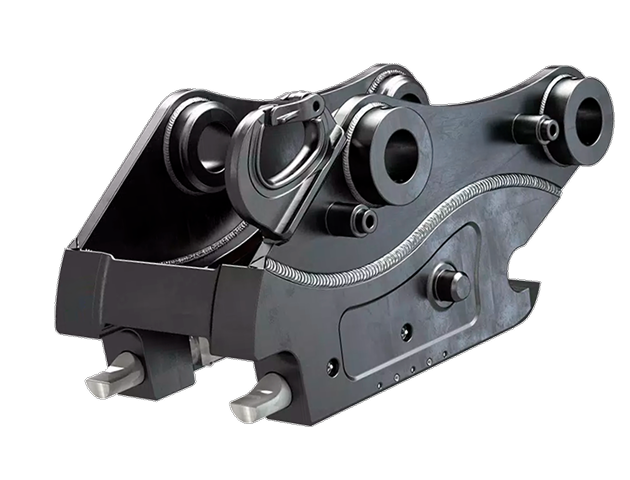
Before you buy a dozer bucket, confirm your machine’s make and model, pin diameter and spacing, or the quick coupler type. Check bucket width compared with track width, the bucket’s capacity and weight against your machine’s rated operating load, and the hydraulic connections needed for 4-in-1 buckets. Teeth, adapters and cutting edges should match the material you plan to move.
VALUE IN THE USED MARKET
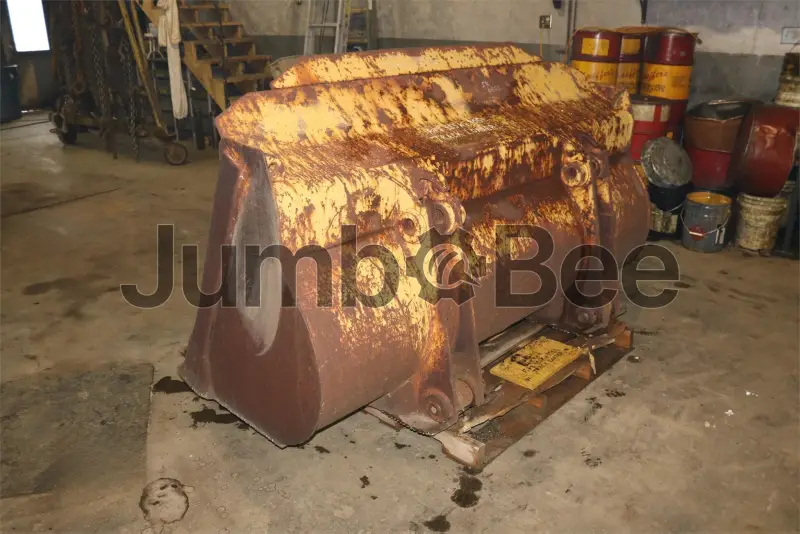
Buckets are heavy steel structures that last a long time. Teeth, adapters, cutting edges and wear strips are replaceable, so a used bucket with a sound shell and straight pin bosses can go back to work after simple repairs. When contractors sell or trade machines, they often sell matching buckets too, and a cheap dozer bucket for sale can be an affordable way to expand what your crawler loader can do.
DOZER BUCKET PRICE
Dozer bucket price depends on type, width, capacity, steel thickness, wear protection and condition. Standard general-purpose buckets are the most affordable, while 4-in-1 buckets with hydraulic cylinders and heavy-duty rock buckets cost more. Buckets with new teeth and cutting edges, or those built by the original machine manufacturer, usually hold their value best.
ASK FOR DETAILS AND PHOTOS
Ask sellers for the bucket model, width, capacity, pin size and photos of the cutting edge, teeth, welds, pin bosses and any cylinders so you can check wear and confirm compatibility with your machine.
Got Questions?
Our FAQ section covers everything from shipping and listing to buying with confidence.
What are the different types of buckets?
Buckets are a fundamental attachment for loaders, excavators, and skid steers, designed for digging, loading, and moving materials. Here’s a breakdown of common categories:
By machine type
- Excavator buckets: Designed for digging and trenching. Common types include trenching buckets, digging buckets, and heavy-duty rock buckets.
- Loader buckets: Wide and shallow, used for scooping and carrying materials like soil, sand, and gravel. General-purpose buckets are most common.
- Skid steer buckets: A wide variety of buckets designed for compact loaders, including dirt buckets, rock buckets, and grapple buckets.
- Backhoe buckets: Smaller buckets used on the back of a backhoe loader for digging trenches and foundations.
By task
- Digging & trenching: standard digging buckets, trenching buckets, and rock buckets.
- Loading & scooping: general-purpose loader buckets, light-material buckets.
- Handling irregular materials: grapple buckets for handling logs, rocks, or debris.
- Grading & leveling: grading buckets with a smooth, flat edge for finishing surfaces.
By size
- Narrow: trenching buckets, ideal for digging narrow, deep trenches for utilities.
- Standard: general-purpose buckets for loaders and excavators, used for everyday tasks.
- Wide: light-material or high-capacity buckets for moving large volumes of soil, snow, or other light materials.
How do I choose the right bucket?
Machine compatibility
- Check the model and make of your machine (excavator, loader, skid steer) to ensure the bucket’s mounting pins or quick-attach system is compatible.
- Verify hydraulic line connections if the bucket has hydraulic functions (e.g., grapples).
Usage purpose
- Digging a foundation – choose a heavy-duty digging bucket.
- Trenching for a pipe – select a narrow trenching bucket.
- Loading gravel – a general-purpose loader bucket is ideal.
- Clearing brush or debris – a grapple bucket is the best choice.
Material & work environment
- Hard, rocky soil requires a heavy-duty or rock bucket with reinforced teeth.
- Light materials like snow or wood chips can be moved with a wide, light-material bucket.
Budget & condition
- Decide between new buckets with warranties or used ones at a lower cost.
- Factor in maintenance history and expected lifespan.
Which is more profitable: buying a new or used bucket?
New bucket
- Pros – comes with a manufacturer's warranty, the latest design for durability, and reliable performance.
- Cons – higher upfront cost and faster initial depreciation.
Used bucket
- Pros – lower purchase price, slower ongoing depreciation, and proven performance.
- Cons – may have wear and tear, unknown maintenance history, and may require repairs.
JumboBee offers pre-sale inspections so you can buy used buckets with confidence—our team checks condition, functionality, and overall value before purchase.
What are the advantages of a new or used bucket?
New bucket
- Latest materials and design for durability
- Advanced features for efficiency and performance
- Full warranty support and peace of mind
Used bucket
- Proven track record in real-world use
- Predictable market value and less initial investment
- Greater room to negotiate price
How can I arrange the shipping of a bucket?
Shipping is simple with JumboBee. Our experts manage every step:
- We choose the safest, fastest transport (truck, rail, or sea).
- We secure all necessary paperwork and customs clearance.
- From pickup and loading to final delivery, we handle it all.
Relax—your bucket will arrive safely, on time, and ready to work.