Miller
About Miller
Founded
Headquarter
Categories
Models in database
Active listings
Browse Miller by category
All equipment categories Miller manufactures, with model counts per segment.
Sprayers

Tillage Equipment
Popular Miller models
Most viewed and most listed Miller equipment on JumboBee this month.
4 Miller units listed right now
Ready to buy a Miller? Browse active listings from verified sellers worldwide — filter by series, year, hours, and location. Financing and global shipping supported.
4
Sprayers
Heavy equipment insights from JumboBee
November 23, 2026
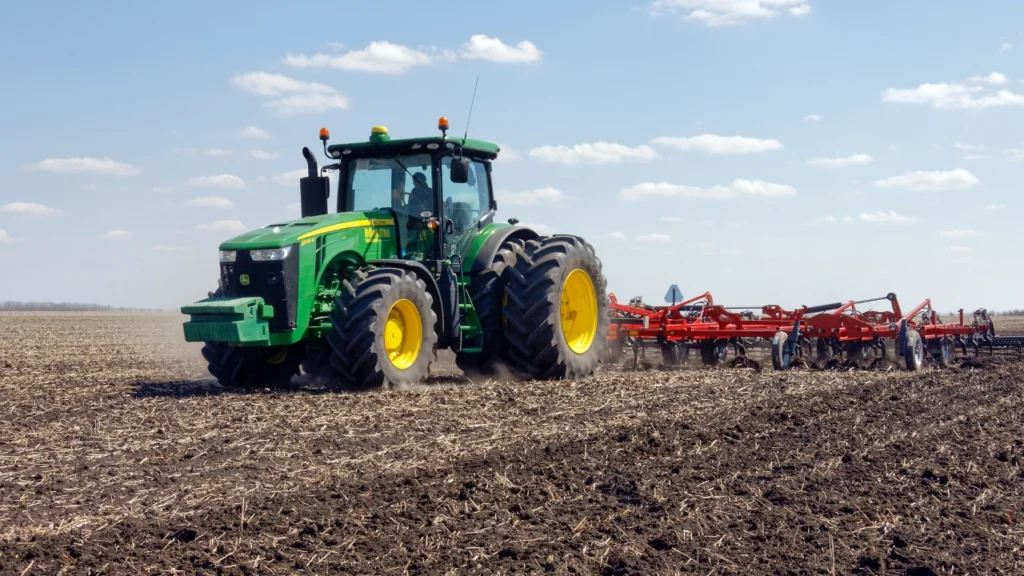
Types of Tillage Equipment: How to Choose the Right Implements for Your Farm
Compare tillage implements and learn what to look for when buying used equipment.
November 20, 2026
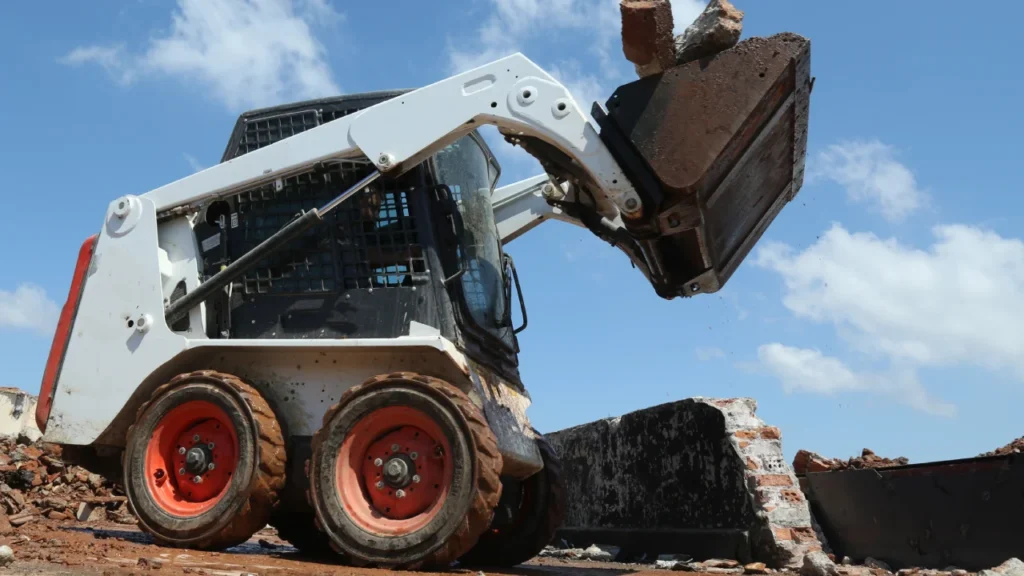
Types of Cultivators: What They Are, How They Work and How to Choose
Compare different types of farm cultivators, their uses, and what to look for when buying used.
November 9, 2026
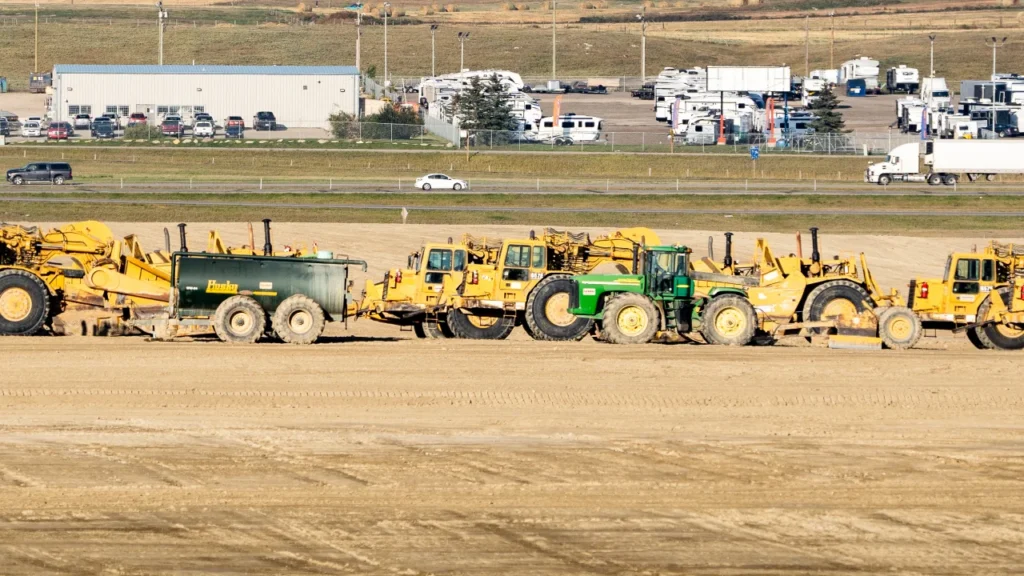
Skid Steer Loader Brands Compared: CAT vs Bobcat vs John Deere
A side-by-side comparison of CAT, Bobcat and John Deere skid steers by size class, capacity, power and hydraulics.
November 2, 2026
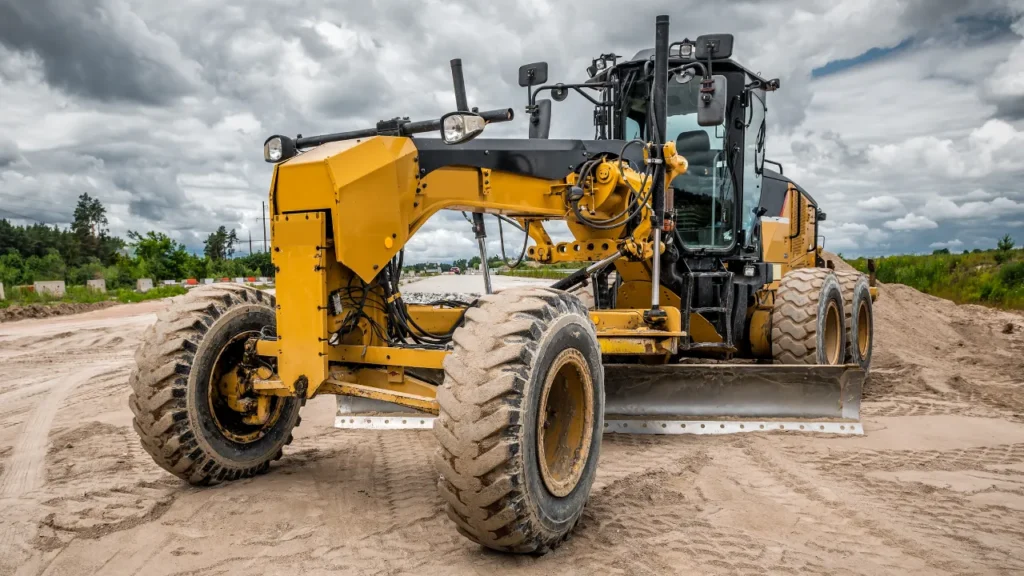
Buying & Selling Heavy Equipment in Canada: Market Guide for Global Buyers
This guide explains how the Canadian heavy equipment market works for international buyers and sellers.
October 9, 2026
Motor Grader Buying Guide: Sizes, Top Brands, and What Contractors Should Look For
This guide helps buyers select the right motor grader for their needs and maximize ROI across construction, mining, and snow removal.
August 25, 2026
Repair, Rebuild or Replace Heavy Equipment: 2026 Cost-Based Decision Guide
This guide provides a mathematical approach to help you decide what to do with your aging machinery in 2026.
Got Questions?
Our FAQ section covers everything from shipping and listing to buying with confidence.
What is the average price of a Miller Equipment machine?
Miller Equipment's used market sits firmly in the premium segment of the self-propelled sprayer category – a reflection of the machine's build quality, its application precision, and the large-scale commercial operations that typically run them and maintain them accordingly. Older, higher-hour Nitro series machines in operational condition can be found from around $80,000, while mid-life examples with reasonable hours and current boom technology commonly run from $150,000 to $300,000 depending on tank capacity, boom width, and specification. Recent, low-hour examples from well-documented commercial farm operations push from $300,000 to $500,000 or more depending on configuration and the technology packages fitted. Miller holds resale value reliably in the North American market where its dealer network and parts supply are strongest – buyers sourcing a used Miller for operations outside that geography should verify parts availability and technical service access before committing, as the brand's international infrastructure is less developed than its domestic footprint.
How can I search for a specific Miller Equipment model?
Type the model name or series directly into the search bar, or start from the Miller Equipment manufacturer page and filter by category.
Do I need to create an account to browse Miller Equipment listings?
No. All listings and model pages are open to browse without an account. You'll only need to register when you're ready to contact a seller, save a listing, or use the platform's buyer tools.
Does the platform provide pricing or valuation guidance for Miller Equipment?
JumboBee reflects live market activity – active listings and sold machines give you a current picture of where Miller Equipment prices are sitting across model years and specifications. The sprayer category is an actively traded segment on the platform, and Miller's listing volume – concentrated primarily in North American sellers – provides sufficient pricing data to support reliable benchmarking across the most commonly traded Nitro series configurations. For highly specified or unusually configured machines where exact comparables are limited, the platform's directional pricing is best used alongside dealer valuations and inspection-based assessments.
What year was Miller Equipment founded, and are they still in production?
Miller Equipment was founded in 1970 in Breckenridge, Minnesota, initially developing and manufacturing spraying equipment for the large-scale grain and row-crop farming operations of the northern plains. The company built its reputation through successive generations of the Nitro sprayer platform, refining boom design, suspension systems, and application control technology across decades of close engagement with commercial farming customers whose operational scale made precision and productivity the non-negotiable design criteria. Miller Equipment became part of the AGCO Corporation family, giving the brand access to AGCO's engineering resources, precision agriculture technology, and international distribution infrastructure while continuing to manufacture in Breckenridge. The brand remains in full production today, with current Nitro series generations incorporating AGCO's Fuse Technologies precision agriculture platform and updated boom and suspension systems that reflect the continued evolution of large-scale spray application requirements.
What engine technology does Miller Equipment use in its machines?
Miller Equipment sources engines from established third-party suppliers for the Nitro sprayer lineup – a pragmatic approach that prioritizes proven performance and broad service availability over proprietary development. Cummins diesel engines power the current Nitro series, providing access to one of the most widely distributed engine service networks in North American agriculture – a practical advantage for operators running equipment across large operations where downtime during the spray window carries significant agronomic and economic consequences. Cummins powerplants in the Nitro series are specified and integrated to deliver the sustained high-output performance that self-propelled sprayer work demands: long operating days at consistent road and field speeds, with the power reserve needed to maintain boom height and application rate accuracy even in challenging field conditions. Current production meets Tier 4 Final emissions standards in North America.
What transmission and drivetrain options does Miller Equipment offer?
Miller Equipment's Nitro sprayer lineup uses drivetrain configurations developed specifically around the high-speed field and road transport demands of large-scale spray application – a use profile that differs meaningfully from tillage or harvesting equipment and requires drivetrain engineering calibrated accordingly. The hydrostatic drive system used across the Nitro range delivers stepless ground speed control that allows operators to maintain precise application rates across variable field conditions without the speed interruptions that stepped transmissions introduce – a characteristic that matters directly to application accuracy when the sprayer's rate controller is managing output relative to ground speed. Four-wheel drive with individual wheel speed management provides the traction and turning precision needed to operate at high speeds on wet or variable soils without the wheel slip or boom oscillation that degrades application uniformity. The overall drivetrain design reflects Miller's core engineering priority: keeping the machine moving consistently and accurately across the field for as many hours as the crop protection window allows.
What is the fuel efficiency of Miller Equipment?
Fuel efficiency in self-propelled sprayers is evaluated differently than in tillage or harvesting equipment – what matters most to commercial spray operators is fuel cost per acre covered or per tank applied, and the machine's ability to sustain operating speed and application consistency across a full day's work without the unplanned stops that disrupt the efficiency of large-area operations. Miller Equipment's Nitro series addresses this through Cummins engine management systems that optimize fuel injection and turbo response relative to actual load demand across varying field and transport conditions, reducing consumption during the lighter load phases of road transport and empty field passes without compromising power availability during boom-extended field work at full application rates. AGCO's Fuse Technologies telematics integration, available on current Nitro generation machines, provides per-machine operational data including fuel consumption per hour and per area – information that fleet managers and individual operators can use to benchmark performance across spray seasons and identify where machine condition or operating practice is costing more than it should. When evaluating a used Miller Equipment sprayer, telematics history alongside service records and boom inspection documentation represents the most complete available picture of what the machine is worth and what it will cost to operate – and in a category where the spray window is short and the consequences of downtime are measured in acres and yield, that documentation is worth taking seriously before committing to a purchase.