Liebherr
About Liebherr
Founded
Headquarter
Categories
Models in database
Active listings
Browse Liebherr by category
All equipment categories Liebherr manufactures, with model counts per segment.
No image
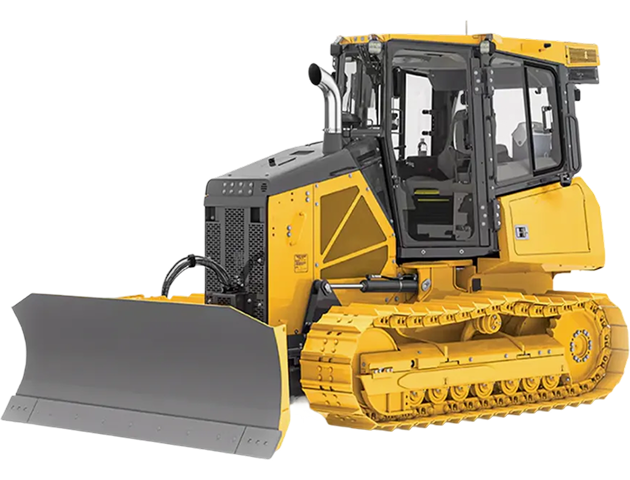
Crawler Dozer
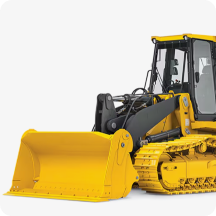
Crawler Loaders
No image
Rigid Haul Dump Trucks
No image
Tracked Excavators
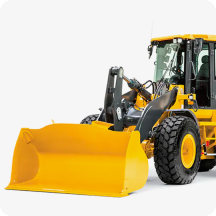
Wheel Loaders
Popular Liebherr models
Most viewed and most listed Liebherr equipment on JumboBee this month.
2014 Liebherr PR724 Crawler Dozer
160 hp
4750 mm × 2500 mm × 3200 mm
2025 Liebherr PR 754 Litronic Crawler Dozer
336 hp
28947 kg
4870 mm × 3140 mm × 3630 mm
2025 Liebherr PR 776 Litronic Crawler Dozer
590 hp
64725 kg
5770 mm × 3720 mm × 4350 mm
Heavy equipment insights from JumboBee
October 5, 2026
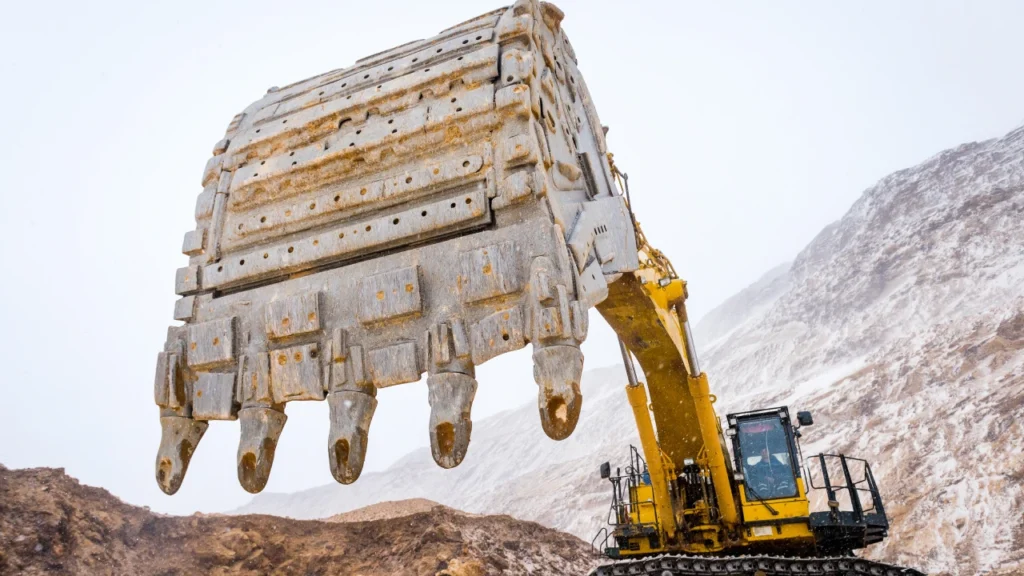
How to Choose the Right Excavator Bucket: Types, Sizes, and Contractor Buying Guide
This guide covers excavator bucket types, capacities, compatibility, and how to choose the right bucket for your jobsite.
September 28, 2026
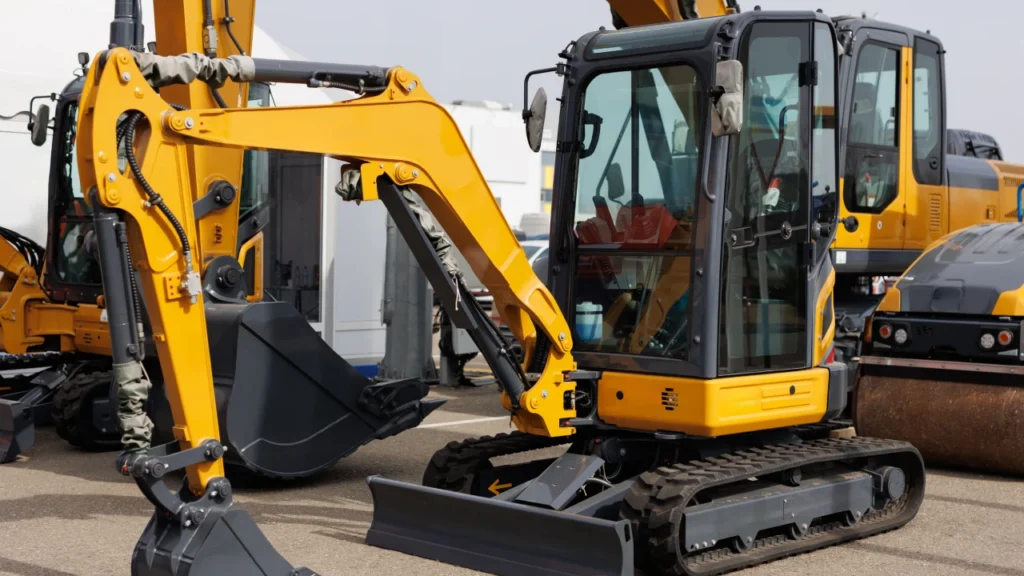
Mini Excavator Buying Guide 2026: Best Models, Sizes and How to Choose
This guide breaks down everything you need to know about compact earthmoving equipment.
September 21, 2026
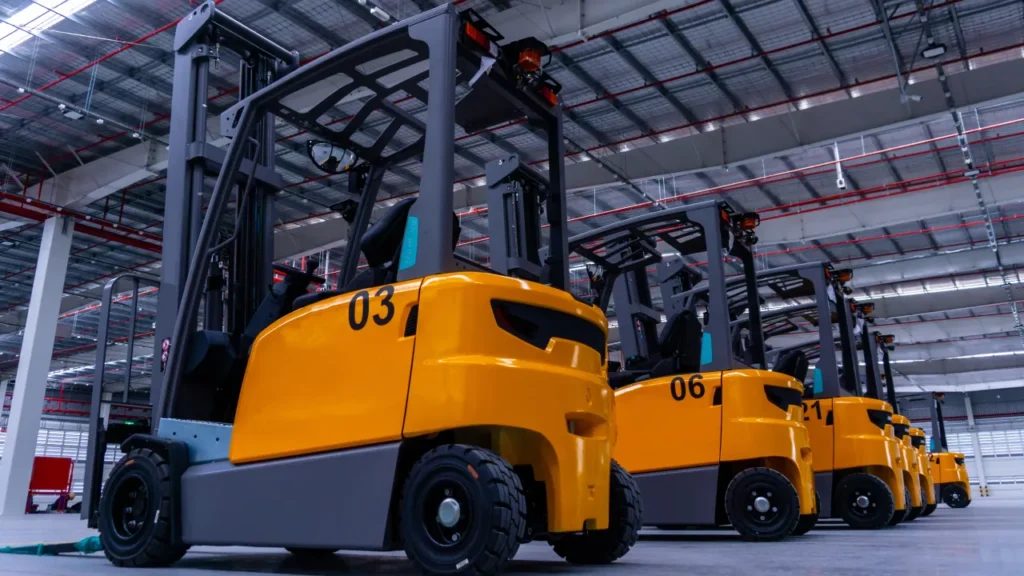
Types of Forklifts: Complete Guide to Classes, Uses, and Applications
This guide covers official forklift classes, physical machine variations, and load capacities.
October 9, 2026
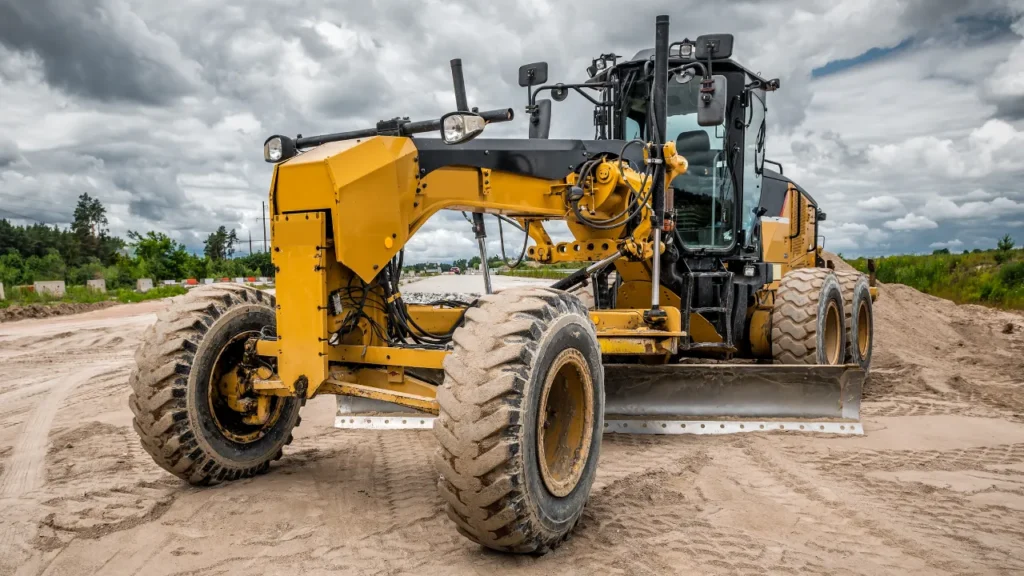
Motor Grader Buying Guide: Sizes, Top Brands, and What Contractors Should Look For
This guide helps buyers select the right motor grader for their needs and maximize ROI across construction, mining, and snow removal.
August 25, 2026
Repair, Rebuild or Replace Heavy Equipment: 2026 Cost-Based Decision Guide
This guide provides a mathematical approach to help you decide what to do with your aging machinery in 2026.

July 31, 2026
How to Inspect Used Heavy Equipment Remotely: Practical Checklist for International Buyers
This article provides a practical, step-by-step guide for evaluating machinery without physical access.
Got Questions?
Our FAQ section covers everything from shipping and listing to buying with confidence.
What is the average price of a Liebherr machine?
Liebherr pricing reflects the brand's engineering premium, and it is consistent across categories. Compact excavators in the R 9 and R 914 class typically start from $60,000 for older examples and rise to $150,000 for recent, low-hour units in clean condition. Mid-size excavators in the R 920 to R 945 range – the most actively traded segment on the used market – commonly sit between $100,000 and $300,000. Large excavators in the R 950 to R 980 class push from $250,000 to $600,000 for well-maintained examples, while mining-class machines and large material handlers operate at price levels that start well above $1,000,000. Wheel loaders run from $80,000 for smaller L 5 series machines to $400,000 or more for large L 5 86 units with low hours. Mobile cranes carry some of the widest price ranges of any used equipment category – a Liebherr LTM of any significant capacity can sit anywhere from $200,000 to several million dollars depending on configuration, certification status, and inspection history. Across all categories, Liebherr holds resale value more durably than most competing brands, sustained by the combination of engineering quality, parts availability through Liebherr's own branch network, and a buyer base that consistently prioritizes total cost of ownership over acquisition price.
How can I search for a specific Liebherr model?
Type the model name or series directly into the search bar, or start from the Liebherr manufacturer page and filter by category.
Do I need to create an account to browse Liebherr listings?
No. All listings and model pages are open to browse without an account. You'll only need to register when you're ready to contact a seller, save a listing, or use the platform's buyer tools.
Does the platform provide pricing or valuation guidance for Liebherr equipment?
JumboBee reflects live market activity – active listings and sold machines give you a current picture of where Liebherr prices are sitting across categories and model years. Excavators and wheel loaders are the brand's most consistently listed categories on the platform, and pricing data across the mid-size excavator and L-series wheel loader segments is now typically deep enough to give buyers a reliable reference before they approach a seller. For cranes and large mining equipment, where individual machine configuration significantly affects value, the platform's listing database gives useful directional pricing even when exact comparables are limited.
What year was Liebherr founded, and are they still in production?
Liebherr was founded in 1949 by Hans Liebherr in Kirchdorf an der Iller, Baden-Württemberg, Germany, with the development of a mobile tower crane that could be assembled without specialist equipment or large crews – a direct response to the labor and logistical constraints of postwar reconstruction. The company grew through the 1950s and 1960s by expanding its crane range and adding earthmoving equipment, entering the hydraulic excavator market in 1969 with a machine whose design principles remain visible in the current lineup. Hans Liebherr's children – Sophie and Isolde Liebherr – lead the group today as the second generation of family ownership, with the third generation already active in management roles. The company remains in full production across all major equipment categories, with manufacturing facilities in Germany, Austria, France, Switzerland, the United Kingdom, the United States, Brazil, and India, and an engineering development program that operates with the kind of long-term horizon that family ownership enables and public companies rarely sustain.
What engine technology does Liebherr use in its machines?
Liebherr designs and manufactures its own diesel engines – a capability shared by very few construction equipment manufacturers and one that the company considers central to its engineering identity. The Liebherr engine division, based in Bulle, Switzerland, produces a range of diesel powerplants specifically designed around the duty cycles and performance demands of Liebherr's own machine lineup, rather than adapted from engines developed for on-highway or general industrial applications. The result is closer integration between engine output characteristics and hydraulic system demand than any external sourcing arrangement can achieve – Liebherr can tune fuel injection, turbocharger response, and cooling system capacity specifically to how each machine model operates in the field. Liebherr engines are recognized for high power density, long overhaul intervals, and the ability to sustain rated output under continuous load conditions that would push conventionally designed engines into thermal management compromises. Current production meets Tier 4 Final standards in North America and Stage V in Europe.
What transmission and drivetrain options does Liebherr offer?
Liebherr develops its own hydraulic drive and transmission systems in-house – an extension of the same vertical integration philosophy that applies to its engines. Excavators use Liebherr's proprietary positive-flow hydraulic control system, which regulates pump output based on the precise position of the operator's control inputs rather than pressure feedback from the work circuit – a design that delivers faster response and more predictable control feel than load-sensing systems, particularly during simultaneous multi-function movements. Wheel loaders use Liebherr's hydrostatic drive transmission – a system the company pioneered in wheel loaders and has refined across multiple generations – which eliminates the mechanical torque converter and powershift gearbox in favor of a continuously variable hydrostatic circuit that delivers smooth, stepless speed control and full tractive effort from a standstill. The practical benefit in load-and-carry work is significant: operators can maintain precise speed control during bucket fill without the momentum disruption that conventional transmissions introduce.
What is the fuel efficiency of Liebherr equipment?
Fuel efficiency in Liebherr equipment benefits from the same vertical integration that defines the brand's engineering approach: when the company that builds the machine also builds the engine and the hydraulic system, it can optimize the interaction between all three in ways that assembled-from-components competitors cannot easily replicate. The Liebherr Power Efficiency system, available across current excavator and wheel loader generations, combines variable-speed engine management with hydraulic energy recovery to reduce consumption during the deceleration and lowering phases of work cycles – phases where conventional machines dissipate energy as heat rather than recapturing it. Liebherr's Litronic control system, fitted across most current models, manages the integration between engine output, hydraulic demand, and drive system load in real time, maintaining efficiency across the variable conditions that a typical working day produces. When evaluating a used Liebherr, Liebherr's own service network records – accessible through the brand's dealer branches in most major markets –å provide the most reliable maintenance history available, and a machine serviced through Liebherr's own branches carries a provenance that independent service records cannot fully replicate.