Case TV380 Skid Steer / CTL
Case TV380




5+
sold in last yearGeneral overview
Case TV380 is a skid steer loader designed for construction loading and material-handling work in confined jobsite conditions. It uses an FPT F5H (Turbo) engine rated at 66 kW (89.8 hp) and a 0.76 m³ (1 cu yd) bucket, placing it in a compact loader class suited to moving bulk material.
The TV380 uses a hydrostatic transmission and a planetary final drive system. Base machine weight is 4,625 kg (10,200 lb), rated operating capacity is 1,723 kg (3,800 lb), and dump height is 2.49 m (8 ft 2 in). Maximum travel speed is 12.2 km/h (7.6 mph), and the engine is listed with T4i emission standard level.
Year
2017, 2018, 2019, 2020, 2021, 2022, 2023, 2024
Country of manufacturing
United States
General specifications
Dimensions
Width
Height
Length
Weight
1,930 mm
~76 in
2,040 mm
~80.3 in
3,600 mm
~141.7 in
4,625 kg
~10,196.4 lb
Engine Power
89.8 hp
Operating Weight
4,625 kg
Rated Operating Capacity
1,723 kg
Dump Height
2.49 m
Bucket volume
0.76 cu(m)
Max. speed
12.2 km/h
Additional specifications
Emission standard level
T4i
Displacement
207 cu(in)
Base machine weight
4,625 kg
Fuel tank
96.5 L
Number of batteries
2
Wheelbase
Number of Cylinders
4
Battery Voltage
12V
Tires
12.00x16.5
Battery Capacity
700 to 800 CCA
Net Power (ISO 9249)
89.8 hp
Manufacturer and Model
FPT F5H (Turbo)
Pump Flow
92 L/min
Alternator Rating
90 to 110 amps
Single
8.2 km/h
2 Speed High
12.2 km/h
Tractive Effort
6 Nm
Final Drive
Planetary final drive system
Brakes
Hydraulic brake system
System Pressure at Couplers
20.685 kPa
Hydraulic Horsepower Flow
90 hp
Length Without Bucket
2.99 m
Length With Foundry Bucket
3.6 m
Width Without Bucket
1.93 m
Height to Top of ROPS
2.04 m
Height to Hinge Pin
3.34 m
Dump Height With Foundry Bucket
2.49 m
Dump Reach
0.568 m
Dump Reach With Foundry Bucket
0.568 m
Dump Reach With Construction Bucket
Ground Clearance
0.203 m
Angle of Departure
32°
Front Turn Radius With Foundry Bucket
Dump Angle (full lift height)
40°
Bucket Rollback (ground level)
31°
Tipping Load
3,447 kg
SAE Rated Operating Capacity
1,724 kg
Boom Breakout Force With Foundry Bucket
4,309 kg
Boom Breakout Force With Construction Bucket
3,856 kg
Bucket Breakout Force With Foundry Bucket
3,629 kg
Bucket Breakout Force With Construction Bucket
3,402 kg
Powertrain Type
Hydrostatic Transmission
Case TV380 Skid Steer / CTL Listings
Looking for Case TV380 Skid Steer / CTL?
See similar listingsCompare Case TV380 Skid Steer / CTL to other skid steer / ctl
Not sure which equipment to choose? Use our comparison tool to easily compare equipment side by side based on key features.
Case TV380 Skid Steer / CTL
0.76 cu(m)
4625 kg
3600 mm × 1930 mm × 2040 mm
Add model
Add model
No reviews yet
Be the first to review this model.
Leave a review. Get a promo code
Leave a review and receive a promo code for your next purchase.
No questions yet
Be the first to ask a question about this model and help other buyers learn more.
Heavy equipment insights from JumboBee
October 5, 2026
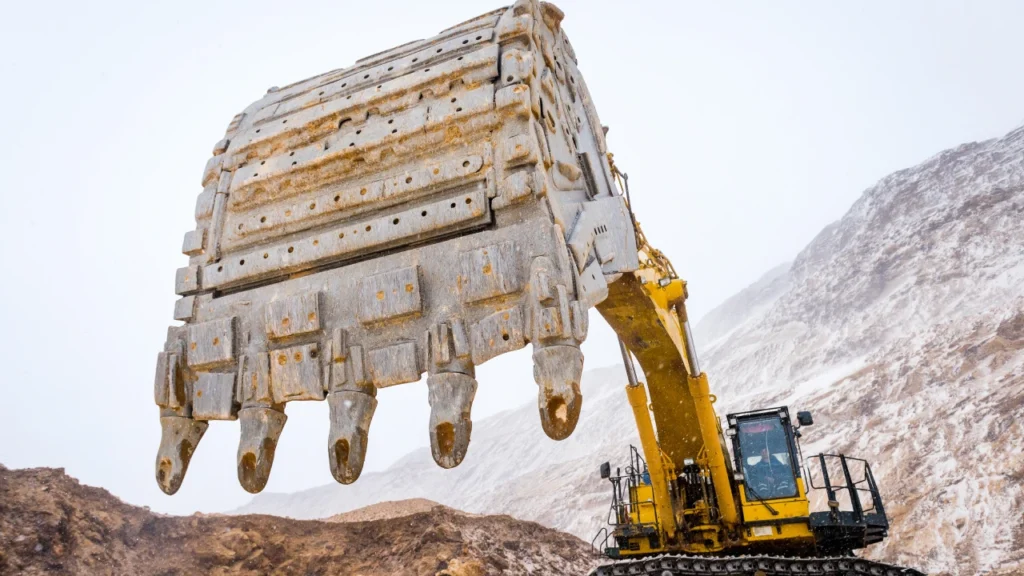
How to Choose the Right Excavator Bucket: Types, Sizes, and Contractor Buying Guide
This guide covers excavator bucket types, capacities, compatibility, and how to choose the right bucket for your jobsite.
September 28, 2026
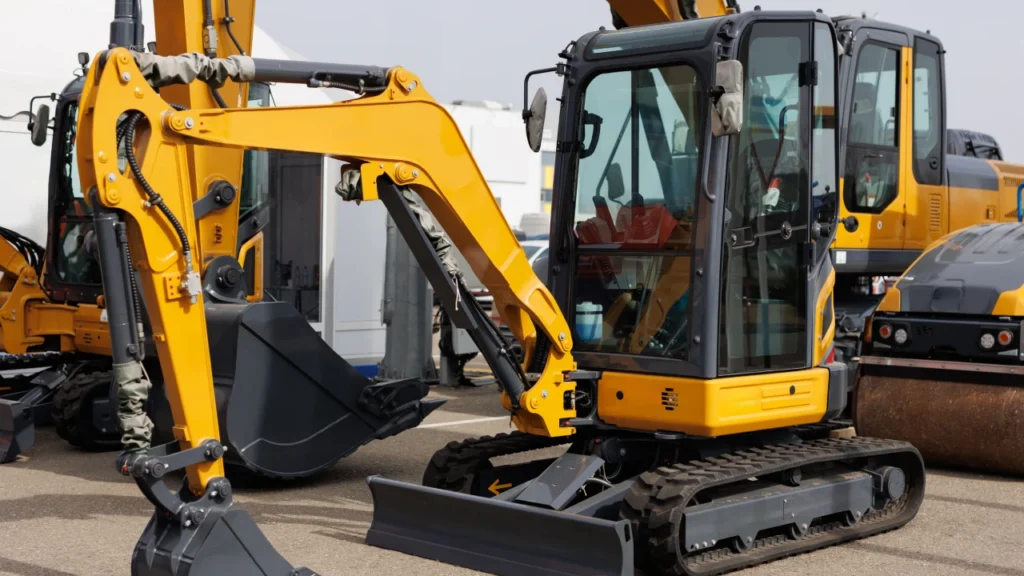
Mini Excavator Buying Guide 2026: Best Models, Sizes and How to Choose
This guide breaks down everything you need to know about compact earthmoving equipment.
September 21, 2026
Types of Forklifts: Complete Guide to Classes, Uses, and Applications
This guide covers official forklift classes, physical machine variations, and load capacities.
October 9, 2026
Motor Grader Buying Guide: Sizes, Top Brands, and What Contractors Should Look For
This guide helps buyers select the right motor grader for their needs and maximize ROI across construction, mining, and snow removal.
August 25, 2026
Repair, Rebuild or Replace Heavy Equipment: 2026 Cost-Based Decision Guide
This guide provides a mathematical approach to help you decide what to do with your aging machinery in 2026.

July 31, 2026
How to Inspect Used Heavy Equipment Remotely: Practical Checklist for International Buyers
This article provides a practical, step-by-step guide for evaluating machinery without physical access.
Got Questions?
Our FAQ section covers everything from shipping and listing to buying with confidence.
Can't find what you're looking for?
Sign up and talk to an expert.
Most popular
What is the average price of a Case TV380?
No confirmed market price is supplied for the Case TV380. Check current listings and compare machine condition, location, and configuration.
What are the key advantages of the Case TV380?
The Case TV380 has a rated operating capacity of 1,723 kg (3,799 lb), engine power of 67 kW (89.8 hp), hydrostatic transmission, and a pump flow of 92 L/min (24.3 gpm). It also has a 2.49 m (8.17 ft) dump height with the foundry bucket.
What type of engine does the TV380 use?
The TV380 uses an FPT F5H (Turbo) engine with 4 cylinders and 207 cu in displacement. Its listed emission standard level is T4i.
How much horsepower does the TV380 have?
The TV380 has 67 kW (89.8 hp) of engine power. Net Power (ISO 9249) is also listed as 67 kW (89.8 hp).
What fuel does the Case TV380 use?
The supplied specifications do not confirm the fuel type for the Case TV380. The listed fuel tank capacity is 96.5 L (25.5 US gal).
What jobs is this Skid Steer Loaders best suited for?
The supplied specifications support evaluating the Case TV380 for loading and material-handling work. Relevant figures include a rated operating capacity of 1,723 kg (3,799 lb), a bucket volume of 0.76 m³ (0.99 cu yd), and a 2.49 m (8.17 ft) dump height.
What is the expected lifespan of the TV380?
The supplied data does not provide an expected lifespan for the TV380. Service life depends on maintenance history, operating conditions, hours of use, and inspection results.
What should a buyer check when purchasing a used Skid Steer Loaders?
Check maintenance records, operating hours, engine condition, hydraulic leaks and function, brake operation, tires, battery condition, and structural damage. Test the lift system and attachments, and verify that the machine’s capacity and dimensions suit the intended work.