Construction Equipment for Sale
(1463 listings)
Only verified sellers list equipment on JumboBee.
Sort by:
Featured
Compaction Equipment Models
Compaction Equipment
Heavy equipment insights from JumboBee
November 23, 2026
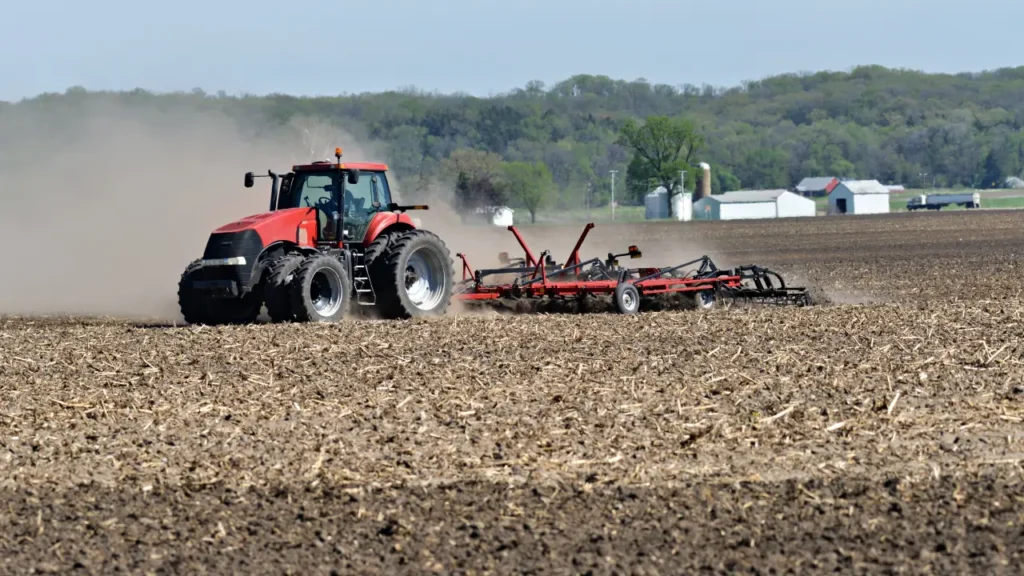
Types of Tillage Equipment: How to Choose the Right Implements for Your Farm
Compare tillage implements and learn what to look for when buying used equipment.
November 20, 2026
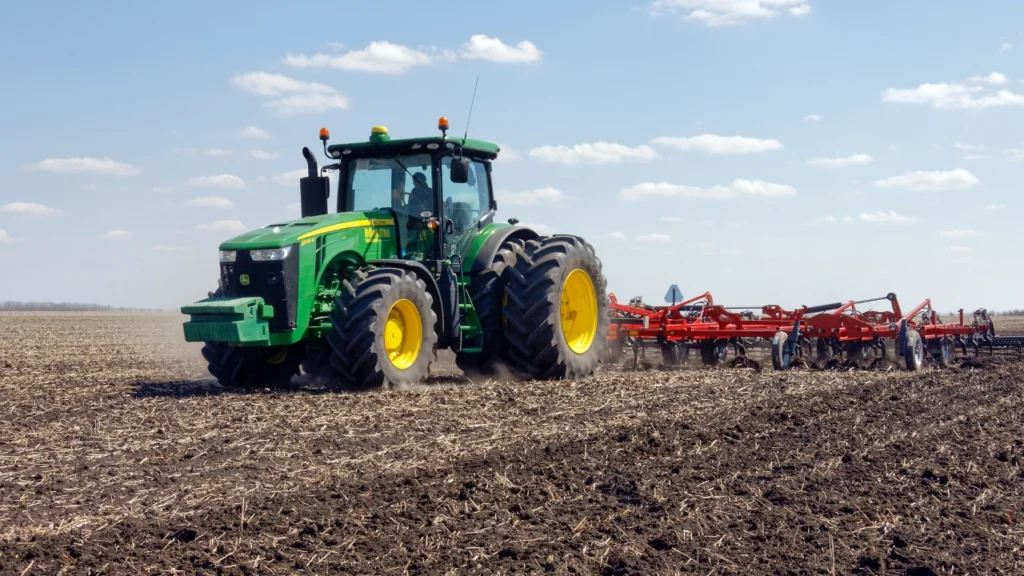
Types of Cultivators: What They Are, How They Work and How to Choose
Compare different types of farm cultivators, their uses, and what to look for when buying used.
November 9, 2026
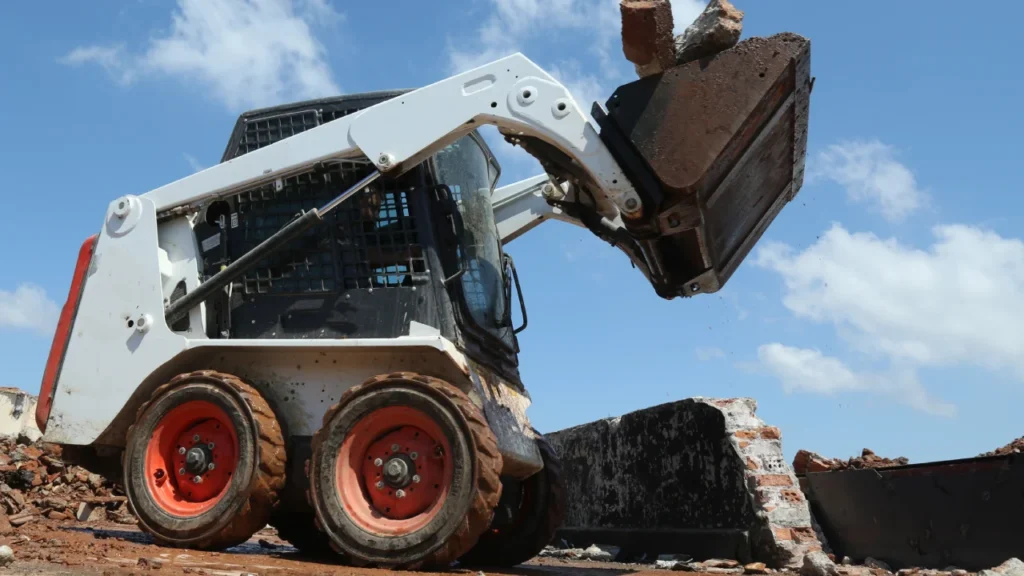
Skid Steer Loader Brands Compared: CAT vs Bobcat vs John Deere
A side-by-side comparison of CAT, Bobcat and John Deere skid steers by size class, capacity, power and hydraulics.
November 2, 2026
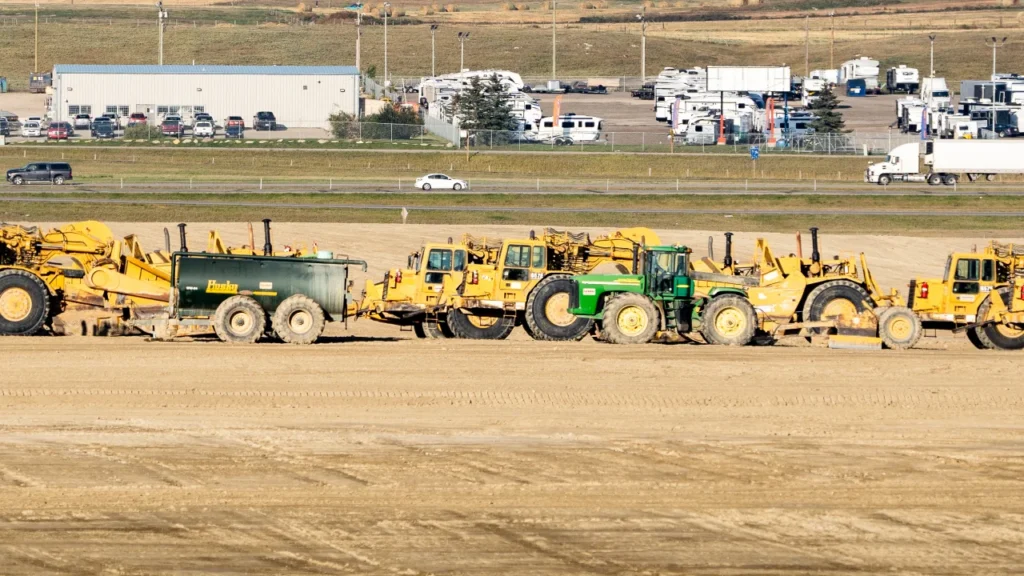
Buying & Selling Heavy Equipment in Canada: Market Guide for Global Buyers
This guide explains how the Canadian heavy equipment market works for international buyers and sellers.
October 9, 2026
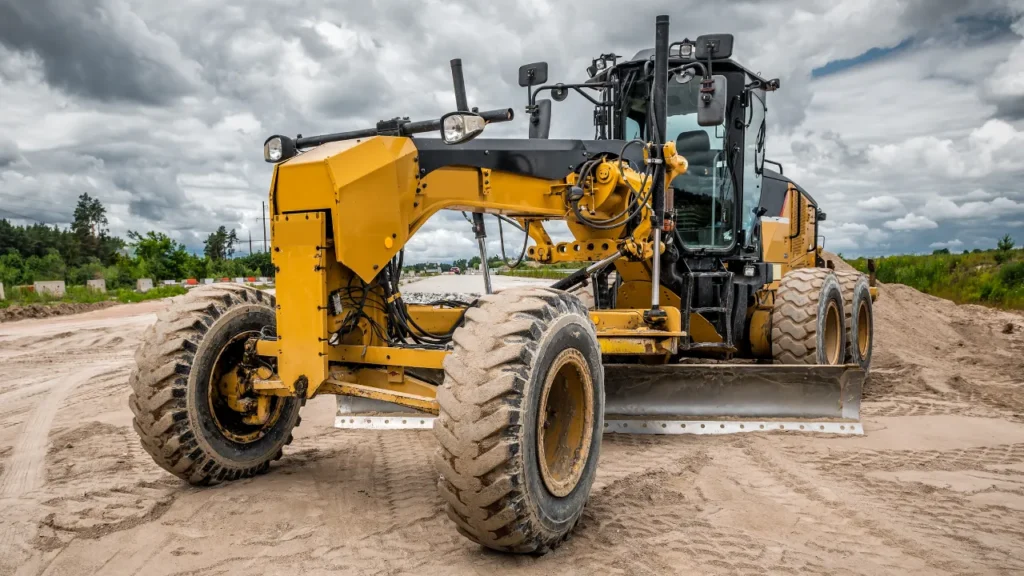
Motor Grader Buying Guide: Sizes, Top Brands, and What Contractors Should Look For
This guide helps buyers select the right motor grader for their needs and maximize ROI across construction, mining, and snow removal.
August 25, 2026
Repair, Rebuild or Replace Heavy Equipment: 2026 Cost-Based Decision Guide
This guide provides a mathematical approach to help you decide what to do with your aging machinery in 2026.
MAXIMIZING LANDFILL SPACE
A landfill compactor is a heavy, wheeled machine with steel wheels fitted with tips or teeth that crush, shred and compact waste. Higher waste density extends the life of a landfill cell, so compactor performance has a direct effect on landfill revenue. Operators often track density per cubic yard to judge a machine's performance.
SIZE AND WEIGHT
Landfill compactors range from medium machines for smaller sites to very heavy units for high-volume landfills. Heavier machines achieve higher density, but must suit daily tonnage and site layout.
SOIL COMPACTORS
This category also includes heavy soil compactors, such as single-drum vibratory rollers with smooth or padfoot drums and tamping-foot compactors used on earthmoving projects, dams and embankments. Padfoot drums knead cohesive soils, while smooth drums compact granular fill.
PROTECTION FOR HARSH CONDITIONS
Landfill machines need heavy guarding, debris-resistant cooling systems and fire suppression. Check that guards are intact and the radiator and screens are clean.
INSPECTING A USED LANDFILL COMPACTOR FOR SALE
Check wheel tips for wear, wheels and hubs, axles and final drives, the blade, the articulation joint, cooling system, guarding, transmission and hours. Wrapped wire and debris around axles can damage seals. If you buy used landfill compactor equipment, ask for tip replacement records.
USED LANDFILL COMPACTOR PRICE
Used landfill compactor price depends on size, hours, tip condition, transmission and overall wear. Rebuilt machines are common and offer value.
TRANSPORT
These heavy machines need specialized transport, so include delivery costs in comparisons.
Got Questions?
Our FAQ section covers everything from shipping and listing to buying with confidence.
WHAT SHOULD YOU LOOK FOR IN A LANDFILL / SOIL COMPACTOR?
- Operating weight and ground pressure matched to the material being compacted
- Wheel or drum design suited for the application, including spiked wheels, padfoot drums, or smooth drums
- Blade attachment availability for pushing, spreading, and leveling material
- Wear condition of wheels, drums, tips, and undercarriage components
- Cab protection features, including filtration and safety systems for demanding environments
HOW TO CHOOSE THE RIGHT LANDFILL / SOIL COMPACTOR?
ASSESS YOUR NEEDS
- Determine whether the machine will be used for landfill waste, soil, clay, gravel, or fill compaction
- Select operating weight based on required density and project specifications
- Evaluate ground conditions and choose the correct wheel or drum configuration
- Consider blade requirements for spreading and handling material
- Check operator protection features for harsh or specialized working environments
KEY FEATURES
- Wheel or drum design, including spiked, padfoot, or smooth configurations
- Operating weight and ground contact pressure
- Compaction force and performance capabilities
- Blade attachment options for material handling
- Cab filtration, visibility, and operator protection systems
WHAT IS MORE PROFITABLE TO BUY: A USED LANDFILL / SOIL COMPACTOR OR A NEW ONE FROM A DEALER?
New landfill and soil compactors provide full warranty coverage, the latest safety features, and components with minimal wear, making them ideal for demanding daily operations. Used compactors offer significant savings and can provide excellent value because many machines are built for long service lives in heavy construction and earthmoving fleets. Before purchasing, inspect wheel or drum condition, wear components, hydraulic systems, undercarriage, and engine performance. JumboBee's pre-sale inspection service helps verify equipment condition before purchase.
WHAT ARE THE ADVANTAGES OF A NEW OR USED LANDFILL / SOIL COMPACTOR?
New: full warranty, latest technology, improved operator features, and no wear on major compaction components
Used: lower purchase cost, proven durability, wide selection of models, and faster availability
HOW CAN I ARRANGE THE SHIPPING OF A LANDFILL / SOIL COMPACTOR?
JumboBee coordinates heavy equipment transportation for landfill and soil compactors through experienced carriers, including heavy-haul trucking, specialized loading, permits, and domestic or international delivery.