Salford 700 Vertical Tillage
Salford 700




5+
sold in last yearGeneral overview
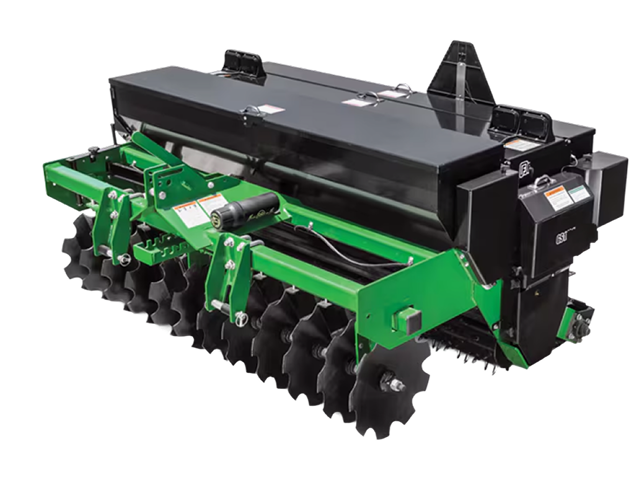
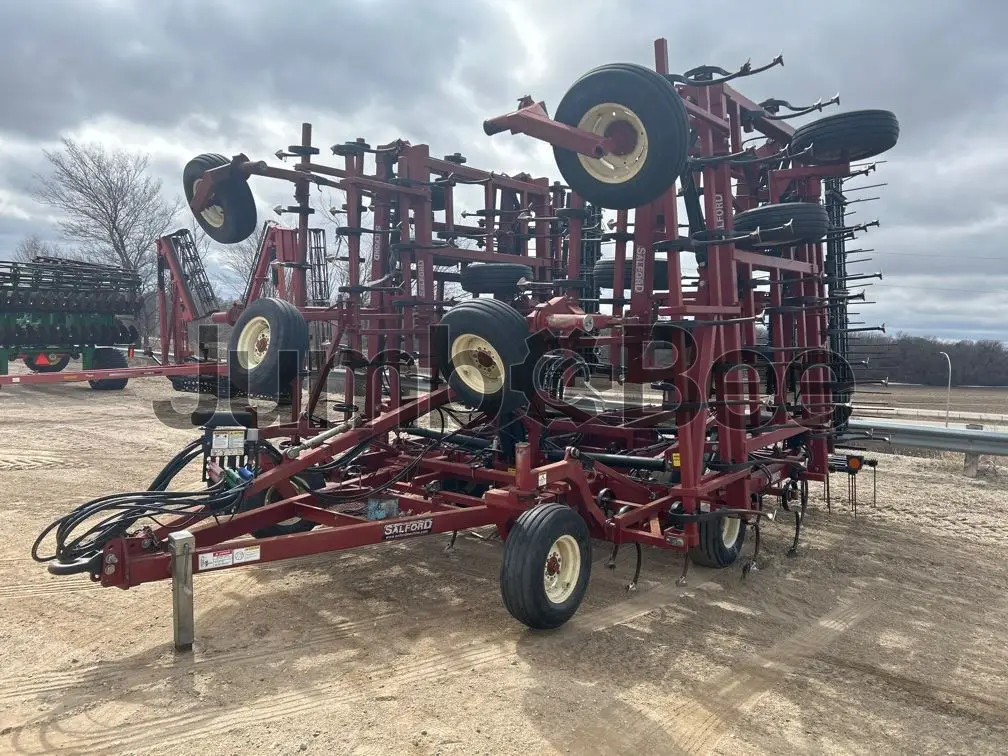
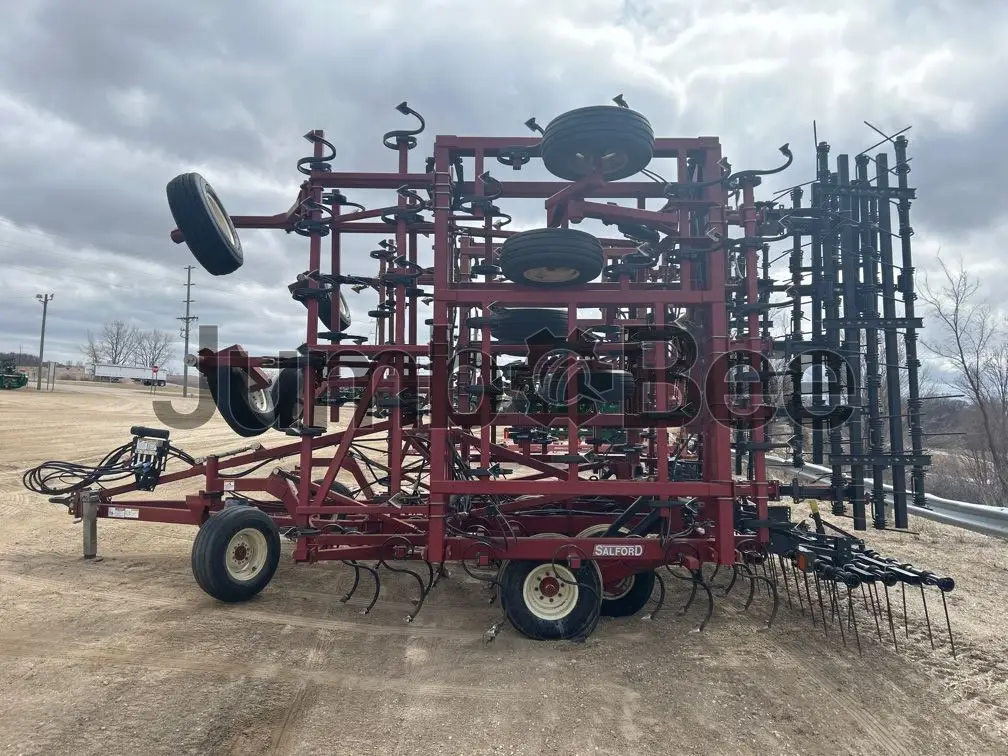
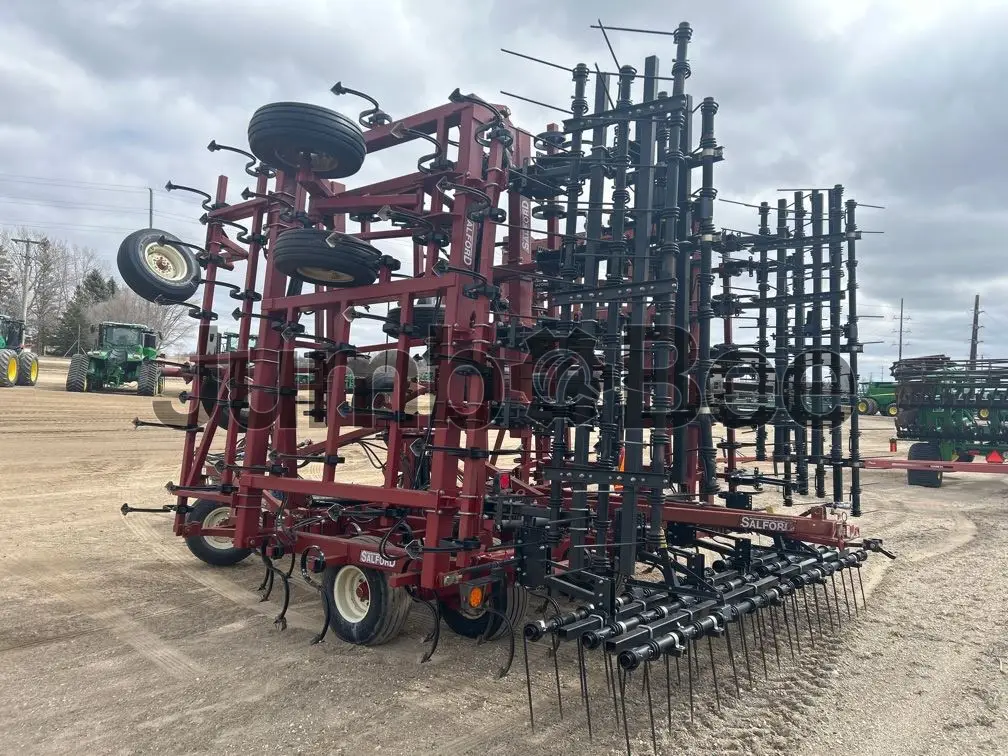
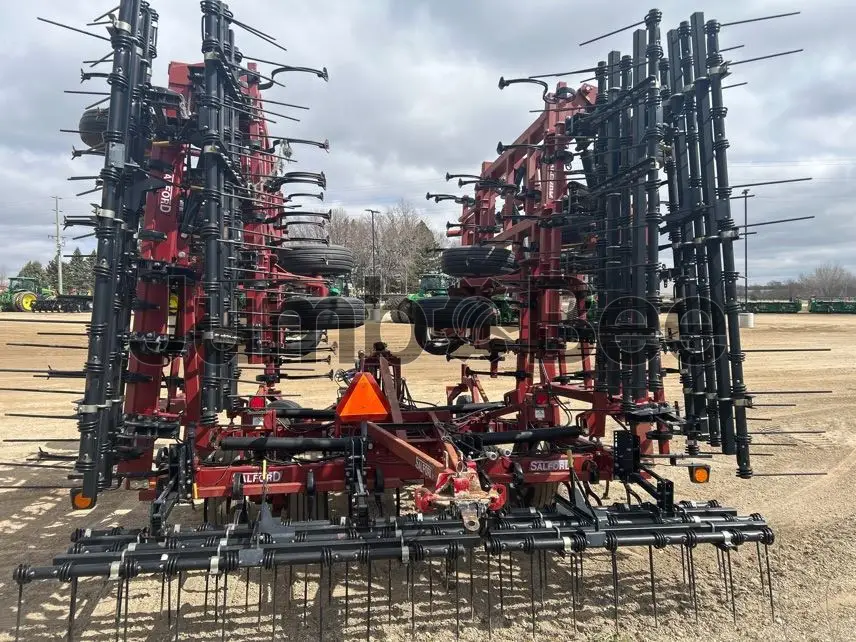
The Salford 700 is a field cultivator manufactured in Canada for agricultural tillage work. It is designed for broad field coverage, with a working width of 12,190 mm (40 ft) and a working depth of 100 mm (4 in). This model is intended for use in crop fields where shallow soil working and residue handling are part of the operation.
Its operating specifications place it in a low-power attachment class, with a required HP (PTO) of 4 kW (5 hp) and a working speed of 9 km/h (5.6 mph). Single point hydraulic depth control is included for depth adjustment. Residue conditions are listed separately for S-Tine and C-Shank setups, showing different residue-burial and management levels for each configuration.
Year
1996, 2012
Country of manufacturing
Canada
General specifications
Dimensions
Height
Width
3,730 mm
~146.9 in
5,770 mm
~227.2 in
Working Width
12,190 mm
Additional specifications
Working depth
100 mm
Working speed
9 km/h
Residue Conditions
S-Tine: 20-30% residue buried in one pass; Residue management: Average. C-Shank: 40-50% residue buried in one pass; Residue management: Good.
Depth control
Single point hydraulic depth control
Required HP (PTO)
5 hp
Salford 700 Vertical Tillage Listings
Looking for Salford 700 Vertical Tillage?
See similar listingsCompare Salford 700 Vertical Tillage to other vertical tillage
Not sure which equipment to choose? Use our comparison tool to easily compare equipment side by side based on key features.
Add model
Add model
No reviews yet
Be the first to review this model.
Leave a review. Get a promo code
Leave a review and receive a promo code for your next purchase.
No questions yet
Be the first to ask a question about this model and help other buyers learn more.
Heavy equipment insights from JumboBee
October 5, 2026
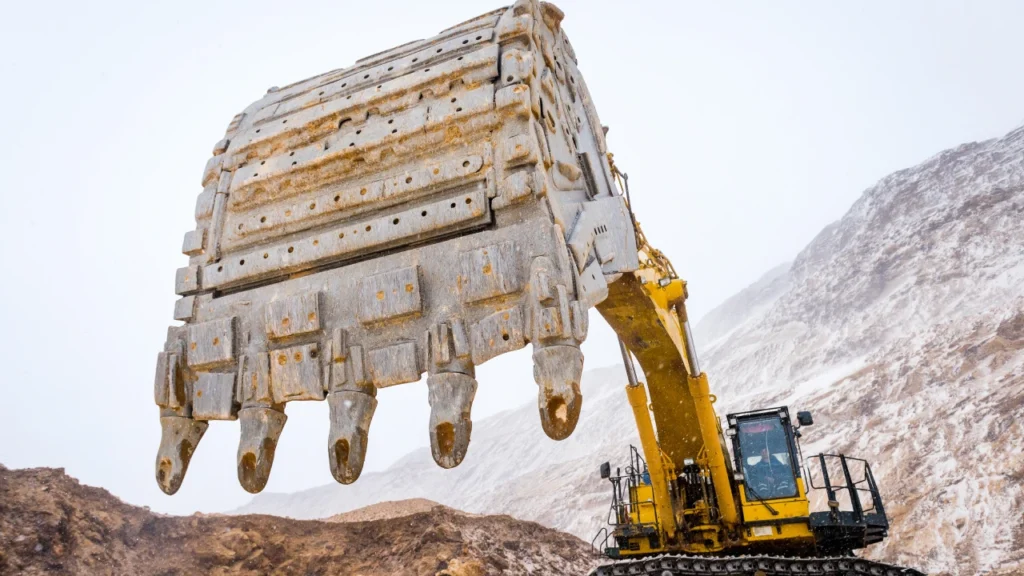
How to Choose the Right Excavator Bucket: Types, Sizes, and Contractor Buying Guide
This guide covers excavator bucket types, capacities, compatibility, and how to choose the right bucket for your jobsite.
September 28, 2026
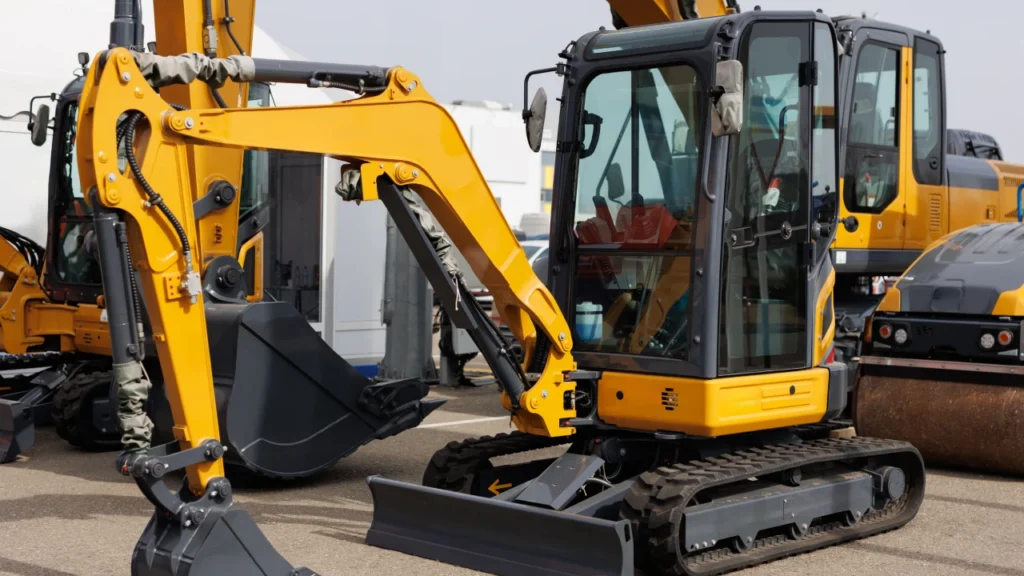
Mini Excavator Buying Guide 2026: Best Models, Sizes and How to Choose
This guide breaks down everything you need to know about compact earthmoving equipment.
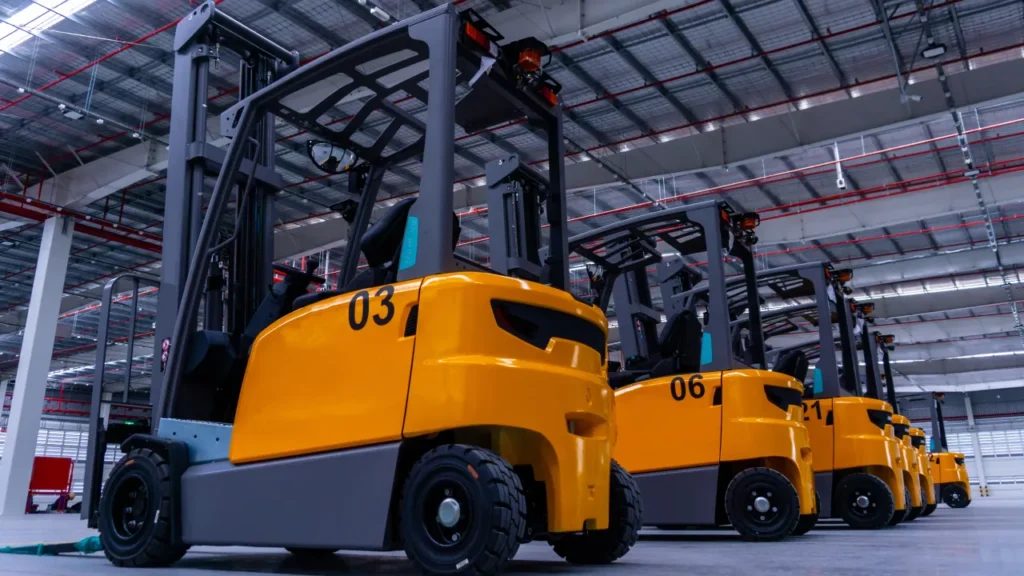
September 21, 2026
Types of Forklifts: Complete Guide to Classes, Uses, and Applications
This guide covers official forklift classes, physical machine variations, and load capacities.
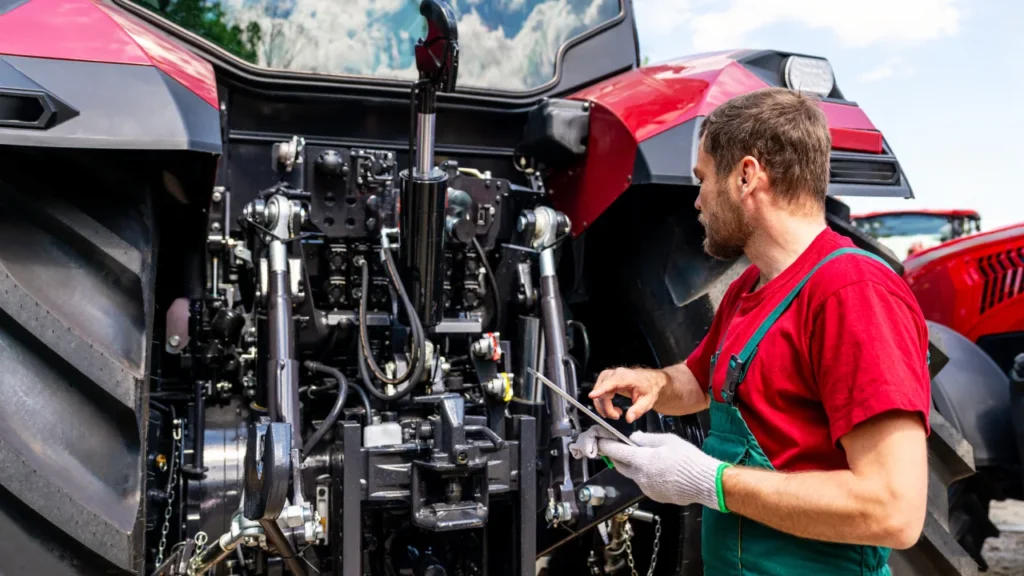
August 25, 2026
Repair, Rebuild or Replace Heavy Equipment: 2026 Cost-Based Decision Guide
This guide provides a mathematical approach to help you decide what to do with your aging machinery in 2026.
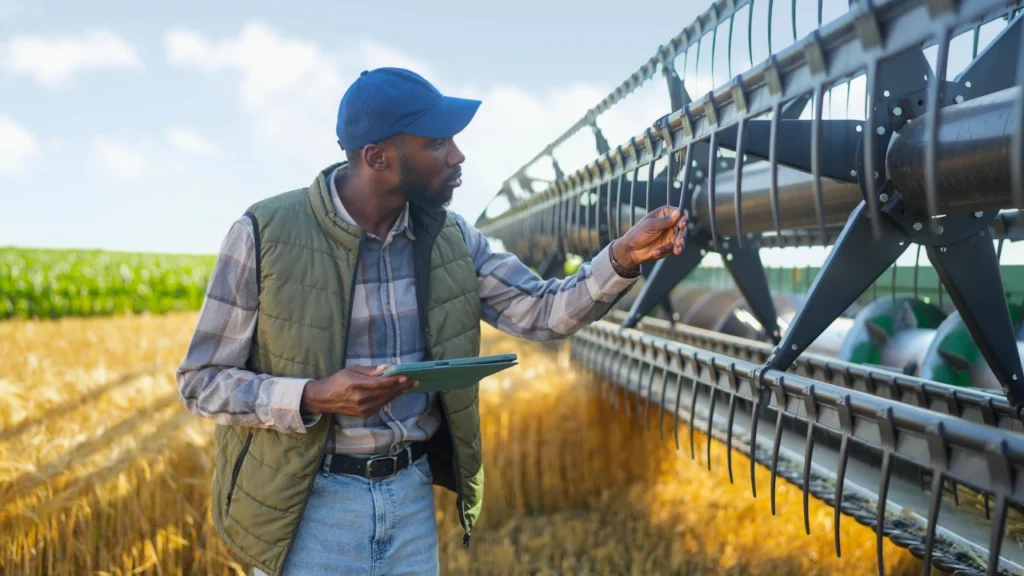
July 31, 2026
How to Inspect Used Heavy Equipment Remotely: Practical Checklist for International Buyers
This article provides a practical, step-by-step guide for evaluating machinery without physical access.
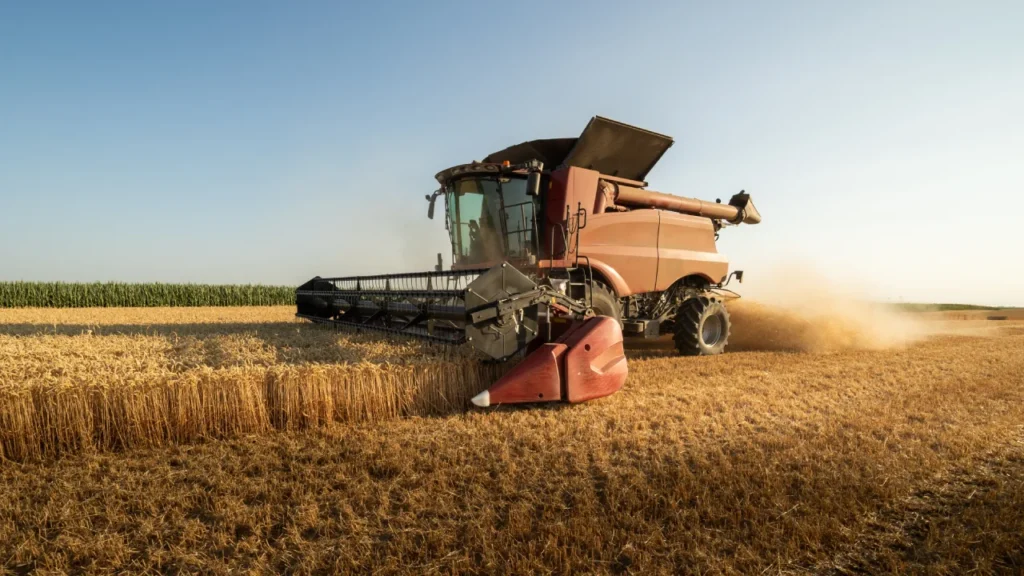
July 10, 2026
New vs Used Heavy Equipment in 2026: Cost, Risk, ROI & When Each Option Wins
This guide explores new vs. used machinery investments, from costs and risks to financing and ROI.
Got Questions?
Our FAQ section covers everything from shipping and listing to buying with confidence.
Can't find what you're looking for?
Sign up and talk to an expert.
Most popular
What is the average price of a Salford 700?
No confirmed market price is supplied for the Salford 700. Check current listings and compare the attachment’s condition, location, and configuration.
What are the key advantages of the Salford 700?
The Salford 700 has single-point hydraulic depth control, a 12,190 mm working width, and a 100 mm working depth. S-Tine configurations bury 20-30% of residue in one pass, while C-Shank configurations bury 40-50%.
What type of engine does the 700 use?
No engine type is supplied for the Salford 700. It is listed as a field cultivator attachment.
How much horsepower does the 700 have?
The Salford 700 requires 3.7 kW (5 hp) PTO power. The supplied data does not state that the attachment itself has an engine.
What fuel does the Salford 700 use?
No fuel type is supplied for the Salford 700. The available specification lists PTO power requirements rather than an engine or fuel system.
What jobs is this Field Cultivators best suited for?
The Salford 700 is suited for field cultivation where residue incorporation and hydraulic depth control are needed. Its listed working depth is 100 mm, and it operates at 9 km/h. C-Shank configurations provide good residue management; S-Tine configurations provide average residue management.
What is the expected lifespan of the 700?
The supplied data does not confirm an expected lifespan for the Salford 700. Inspect shanks, tines, frame condition, hydraulic depth-control components, and wear points when assessing a used attachment.
What should a buyer check when purchasing a used Field Cultivators?
Check the frame, shanks or tines, wear points, and hydraulic depth-control system for damage, wear, and leaks. Confirm the working width, residue-management configuration, and that the attachment matches the available PTO power requirement.