1 over 1 results for your search
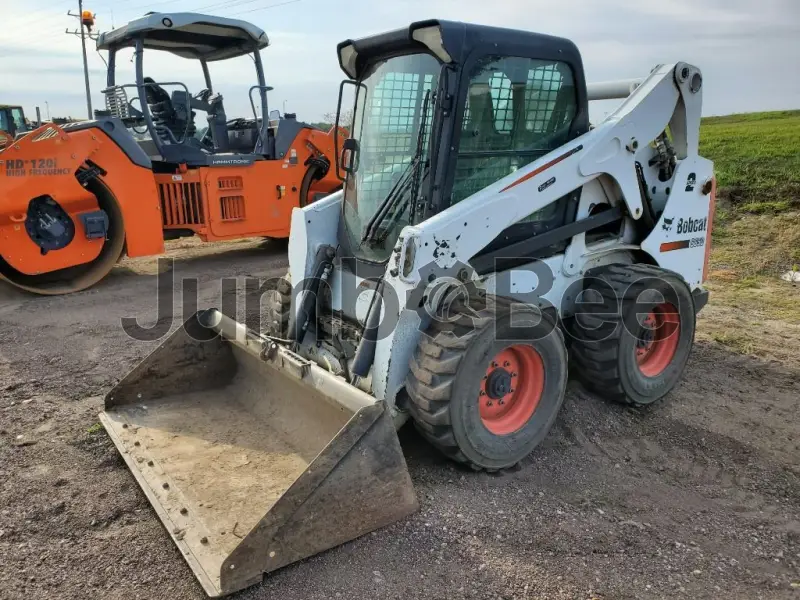
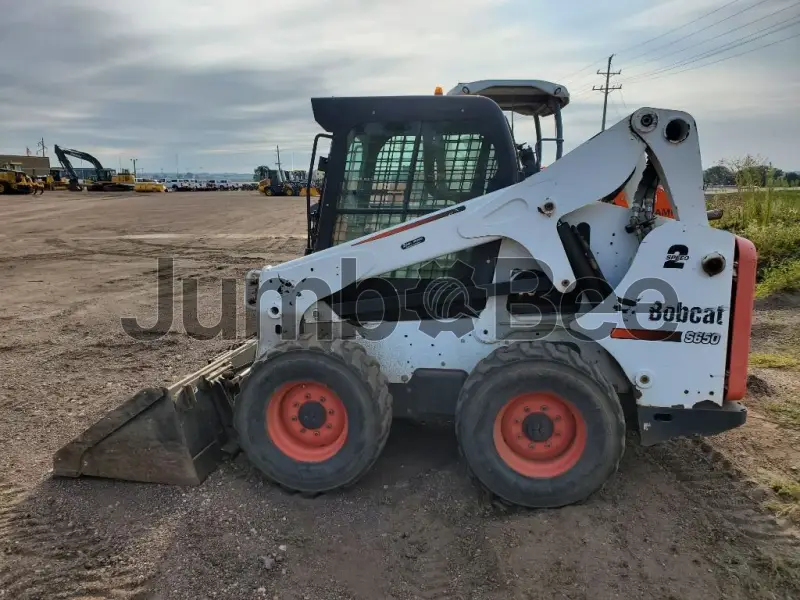
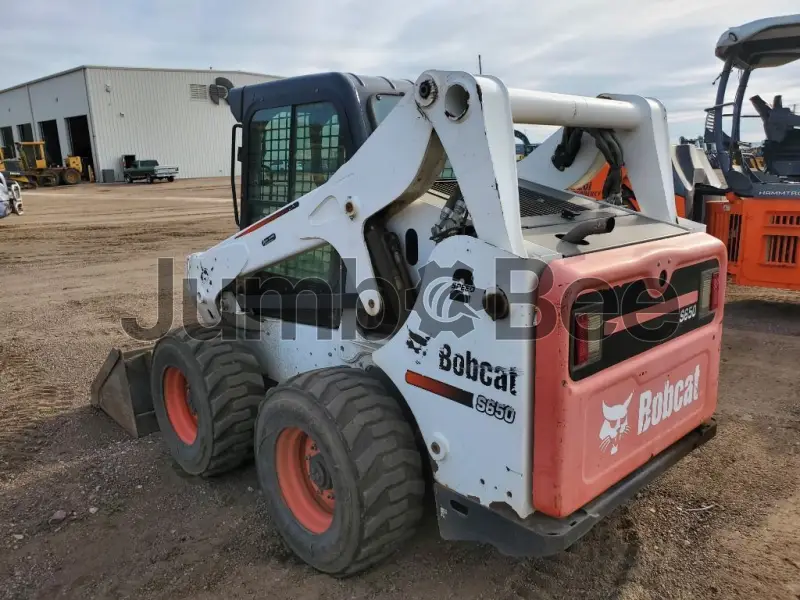
Bobcat Skid Steer Loaders for Sale
(1 listings)
Only verified sellers list equipment on JumboBee.
Sort by:
Featured
Heavy equipment insights from JumboBee
October 5, 2026
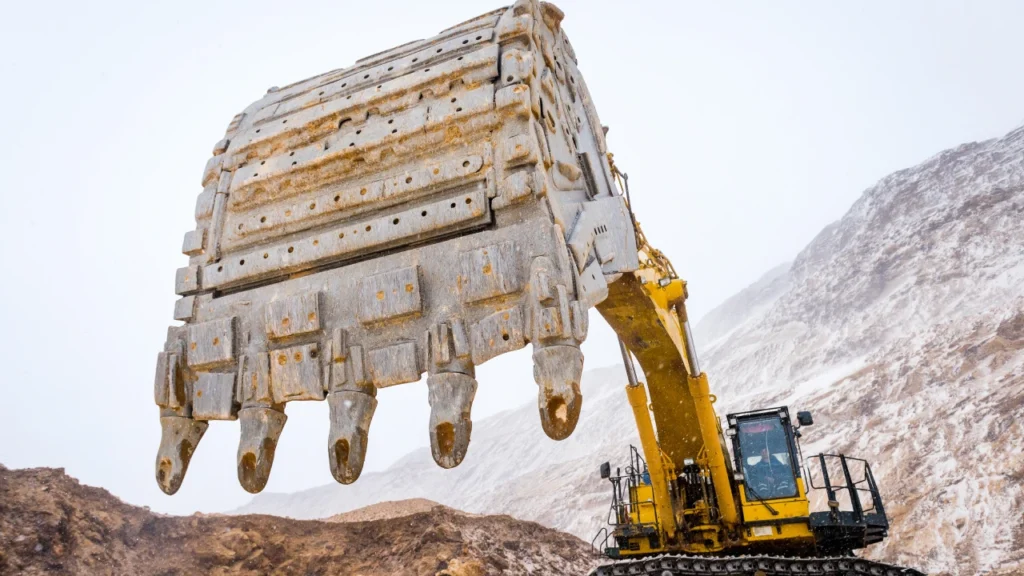
How to Choose the Right Excavator Bucket: Types, Sizes, and Contractor Buying Guide
This guide covers excavator bucket types, capacities, compatibility, and how to choose the right bucket for your jobsite.
September 28, 2026
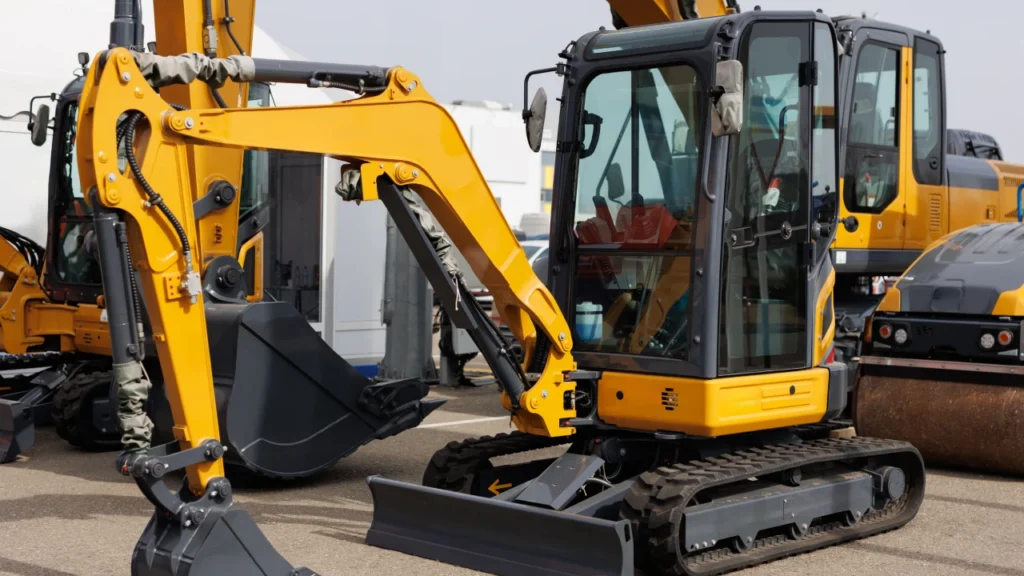
Mini Excavator Buying Guide 2026: Best Models, Sizes and How to Choose
This guide breaks down everything you need to know about compact earthmoving equipment.
September 21, 2026
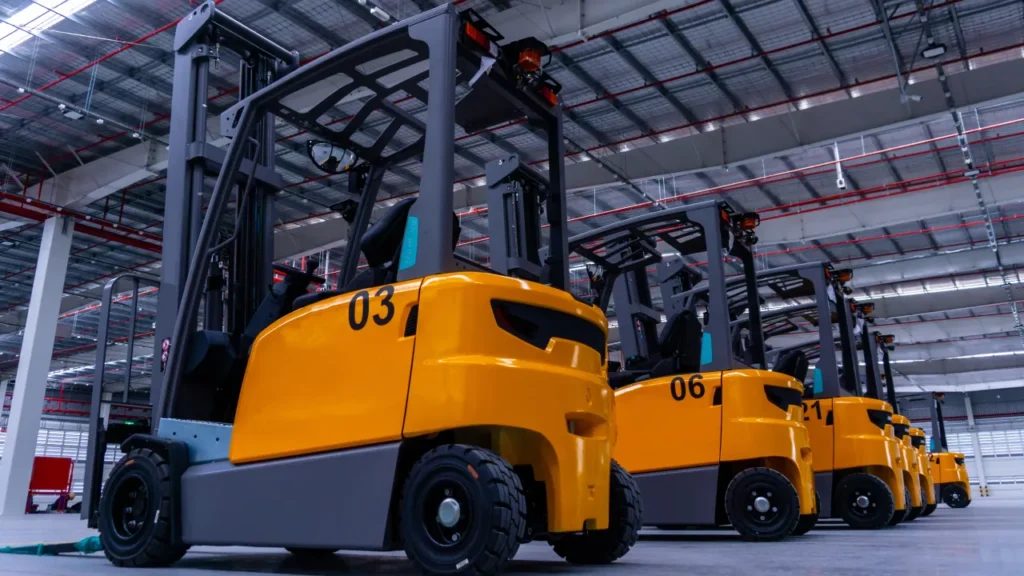
Types of Forklifts: Complete Guide to Classes, Uses, and Applications
This guide covers official forklift classes, physical machine variations, and load capacities.
August 25, 2026
Repair, Rebuild or Replace Heavy Equipment: 2026 Cost-Based Decision Guide
This guide provides a mathematical approach to help you decide what to do with your aging machinery in 2026.
July 31, 2026
How to Inspect Used Heavy Equipment Remotely: Practical Checklist for International Buyers
This article provides a practical, step-by-step guide for evaluating machinery without physical access.
July 10, 2026
New vs Used Heavy Equipment in 2026: Cost, Risk, ROI & When Each Option Wins
This guide explores new vs. used machinery investments, from costs and risks to financing and ROI.
Got Questions?
Our FAQ section covers everything from shipping and listing to buying with confidence.
What are the different types of skid steers?
Skid steers are primarily categorized by their undercarriage, size/frame, and lift path.
By Undercarriage
Wheeled Skid Steers
These are the most common type, offering excellent maneuverability on hard, flat surfaces like pavement and concrete. They are generally faster and have lower maintenance costs for their undercarriage compared to tracked models.
Tracked Skid Steers (Compact Track Loaders - CTLs)
Instead of wheels, CTLs use rubber tracks, providing superior traction and stability on uneven, soft, or muddy terrain. They have lower ground pressure, making them ideal for landscaping on sensitive surfaces and for demanding tasks like excavation and grading on slopes.
Mini Skid Steers (Compact Utility Loaders - CULs)
These are smaller and more compact versions of wheeled skid steers. Their narrow width allows them to access tight spaces and are commonly used for residential landscaping, utility work, and small-scale construction.
By Size/Frame
Small Frame
Typically have an ROC between 1,500 and 1,750 pounds and around 50 horsepower. They offer good maneuverability and are suitable for lighter tasks in confined areas.
Medium Frame
Generally offer an ROC between 1,750 and 2,200 pounds with 50 to 70 horsepower. They provide a balance of power and versatility for a wider range of tasks.
Large Frame
The most powerful skid steers, with an ROC of 2,200 pounds or more and over 70 horsepower. They can handle the heaviest loads and power-demanding attachments.
By Lift Path
Radial Lift
The lift arms follow a curved path, providing excellent reach in the middle of the lift cycle. This design is often preferred for digging and ground-level work. They tend to have simpler designs with fewer moving parts, potentially leading to easier maintenance.
Vertical Lift
The lift arms move in a more vertical path, providing higher lift heights and better reach at maximum height. This is advantageous for lifting and placing heavy loads onto trucks or stacking materials.
How to choose the right skid steer?
Choosing the right skid steer involves carefully considering your specific needs and the types of tasks you'll be performing. Here's a breakdown of key factors to help you make the best decision:
Understand primary applications
Assess the terrain and working environment
Consider skid steer size and power
Choose a lift path
Think about attachments
Think about operator comfort and controls
Consider your budget
Research brands and models
Which is more profitable: buying a new or used skid steer?
The profitability of buying a used skid steer versus a new one from a seller depends heavily on your individual circumstances, usage needs, risk tolerance, and financial situation. There's no universally "more profitable" option. Here's a breakdown of the factors to consider:
USED SKID STEER PROS
Lower Initial Cost
Used skid steers typically have a significantly lower purchase price (30-50% less than new), freeing up capital for other investments or business needs.
Reduced Depreciation
New equipment depreciates most rapidly in the first few years. A well-maintained used skid steer will likely depreciate at a slower rate, potentially preserving more of its value over your ownership period.
Faster ROI (Return on Investment)
Lower upfront costs mean you can potentially start seeing a return on your investment sooner.
Availability of Proven Models
Some older models are known for their durability and reliability, and buying used allows you to target these proven machines.
Potential for Included Attachments
Some used skid steers may come with already-fitted attachments, saving you additional costs.
USED SKID STEER CONS
Higher Maintenance and Repair Costs
Used machines are more likely to require repairs and regular maintenance due to age and previous wear and tear. Unexpected downtime can lead to lost productivity and increased expenses.
Shorter Lifespan
A used skid steer is inherently closer to the end of its operational life compared to a new one.
Older Technology
Used models may lack the latest technological advancements, potentially impacting efficiency and productivity.
No or Limited Warranty
Private sales of used equipment typically don't come with a warranty, leaving you responsible for all repairs.
Potential for Hidden Issues
Without a thorough inspection, you might inherit existing problems that can be costly to fix.
NEW SKID STEER PROS
Warranty and Reliability
New skid steers come with manufacturer warranties, offering peace of mind and protection against early defects and costly repairs. They are also less likely to break down initially.
Latest Technology and Features
New machines incorporate the most recent advancements, potentially leading to increased efficiency, productivity, and operator comfort.
Customization Options
Buying new allows you to configure the skid steer with the exact features and attachments you need.
Lower Initial Maintenance Costs
New machines typically require less maintenance in their early years.
Longer Lifespan
A new skid steer offers the potential for a longer operational life.
NEW SKID STEER CONS
Higher Initial Cost
New skid steers require a significant upfront investment.
Faster Initial Depreciation
New equipment loses value more quickly in the first few years of ownership.
Potentially Longer Wait Times
Depending on demand and customization, there might be a waiting period for a new machine.
What are the advantages of a new or used skid steer?
NEW
Purchasing a new skid steer provides the benefit of the latest technology and features, often leading to increased efficiency and productivity. You'll also receive full manufacturer warranty coverage, offering peace of mind and potentially lower initial maintenance costs. New machines can be customized to your exact specifications and typically offer a longer operational lifespan.
USED
The primary benefit of a used skid steer is the lower initial purchase price, allowing for a more budget-friendly acquisition. Used equipment avoids the steepest initial depreciation, potentially retaining its value better over time. You may also find proven models with established reliability and the possibility of included attachments, offering immediate utility.
How can I arrange the shipping of a skid steer?
JumboBee delivers efficient and reliable transportation solutions for skid steers. We offer comprehensive shipping services, providing expert guidance and customized plans tailored to your specific skid steer transport needs. Our experienced team manages every aspect of the shipping process, from initial logistics and planning to final delivery, ensuring a smooth and hassle-free experience for you.