1 over 1 results for your search
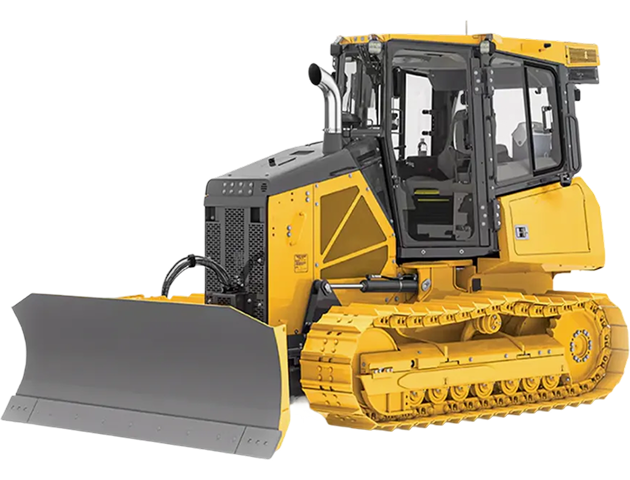
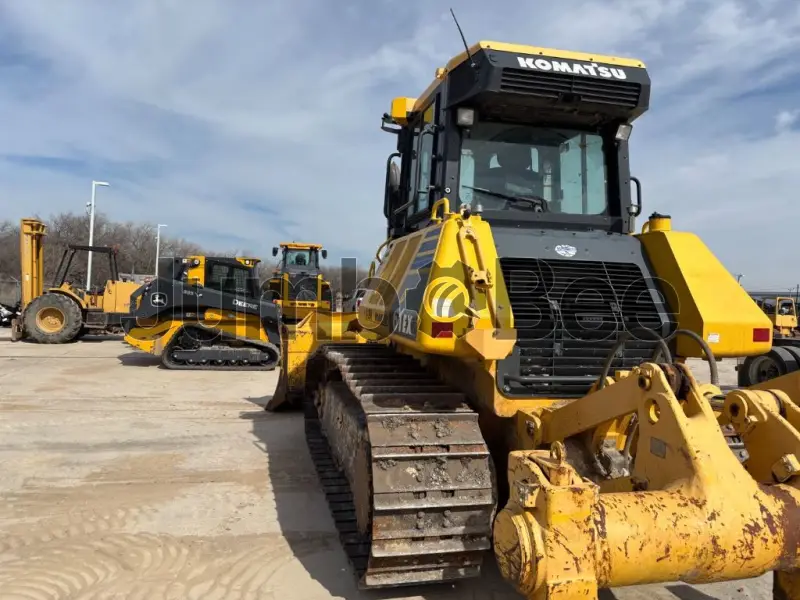
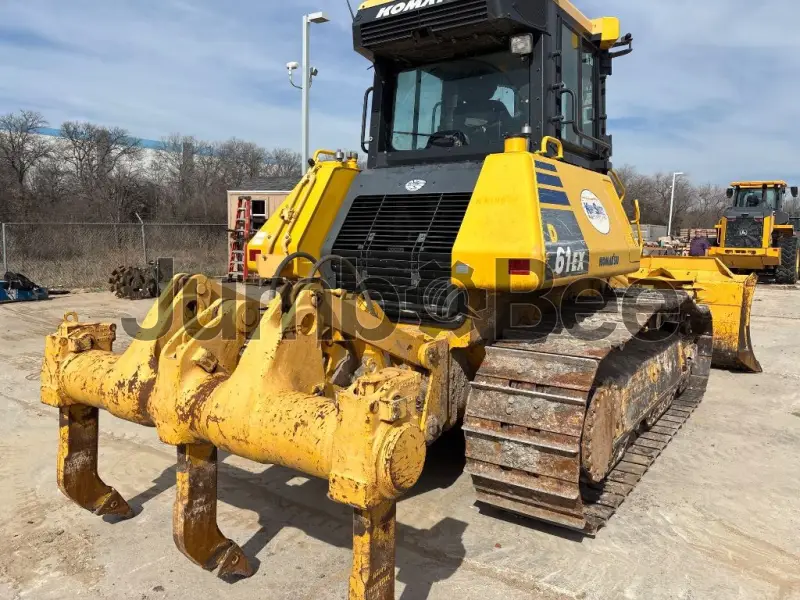
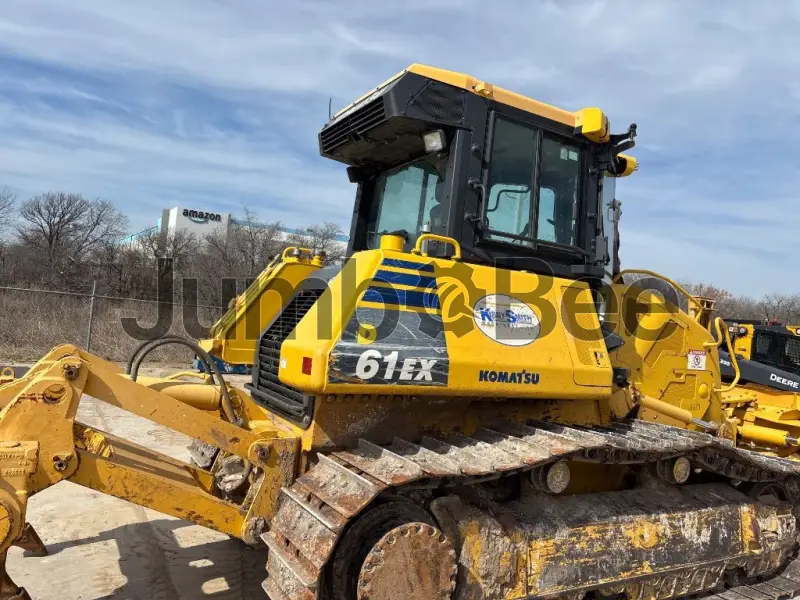
Komatsu Dozers for Sale
(1 listings)
Browse by subcategory
Only verified sellers list equipment on JumboBee.
Sort by:
Featured
Heavy equipment insights from JumboBee
October 5, 2026
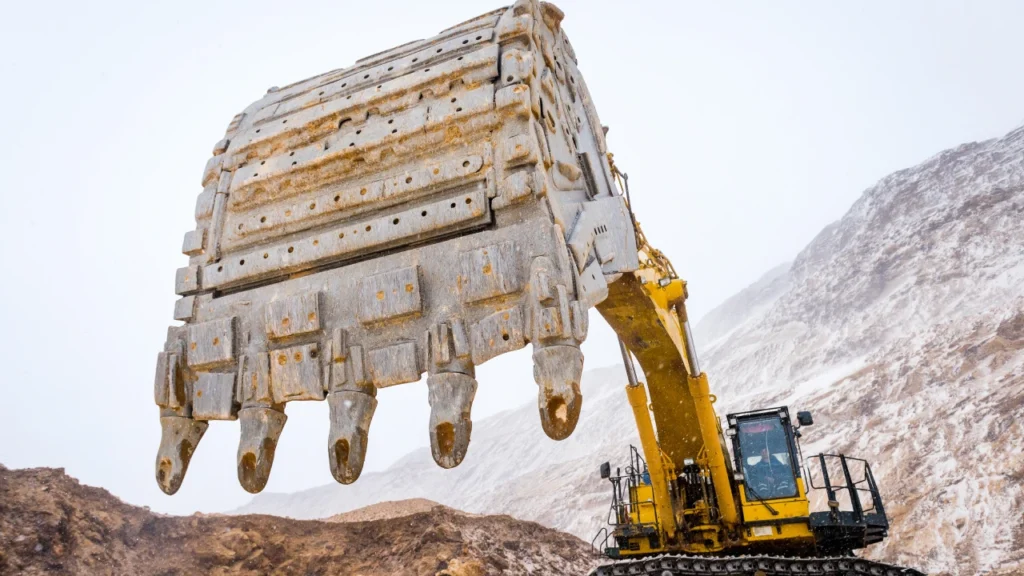
How to Choose the Right Excavator Bucket: Types, Sizes, and Contractor Buying Guide
This guide covers excavator bucket types, capacities, compatibility, and how to choose the right bucket for your jobsite.
September 28, 2026
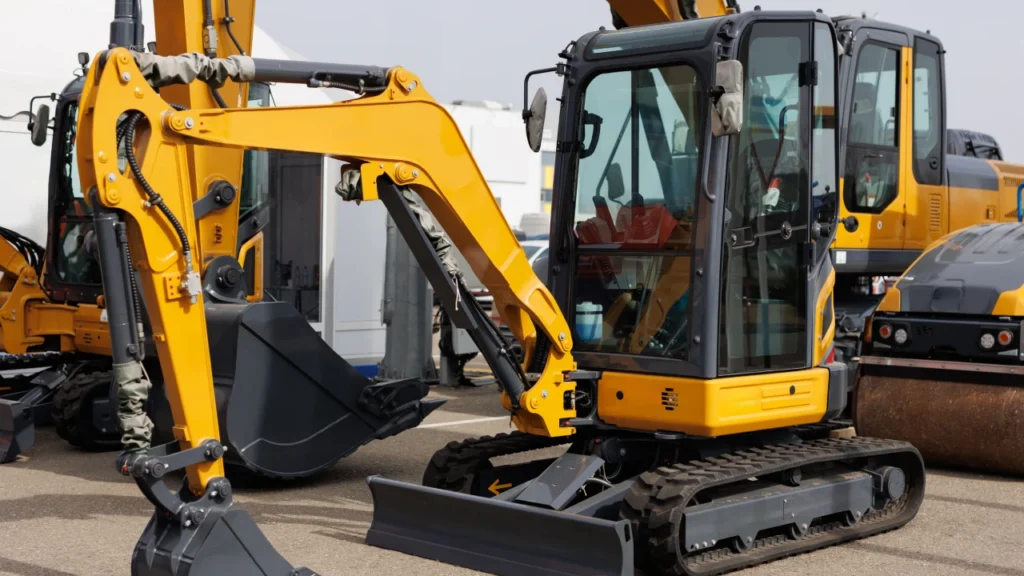
Mini Excavator Buying Guide 2026: Best Models, Sizes and How to Choose
This guide breaks down everything you need to know about compact earthmoving equipment.
September 21, 2026
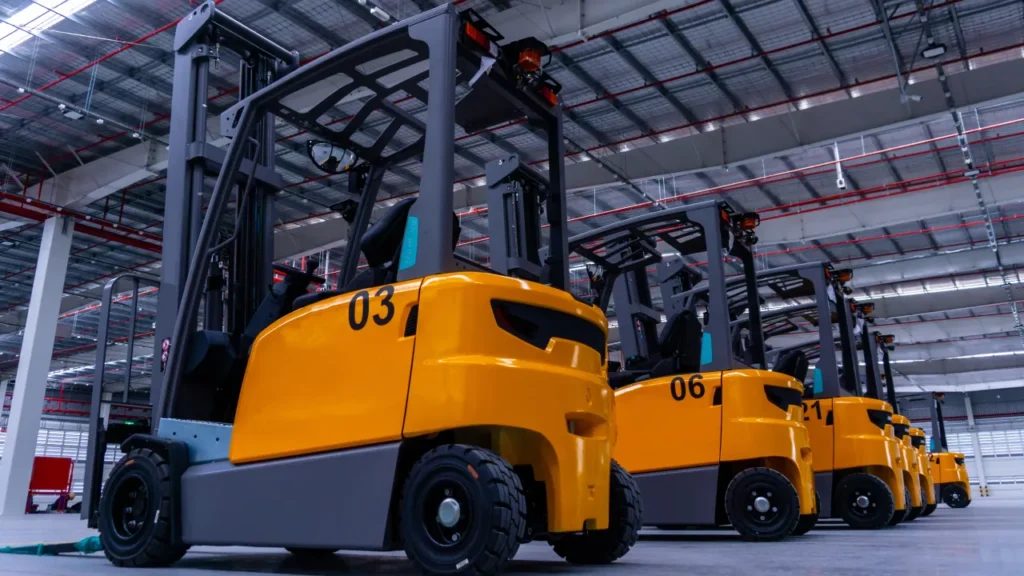
Types of Forklifts: Complete Guide to Classes, Uses, and Applications
This guide covers official forklift classes, physical machine variations, and load capacities.
August 25, 2026
Repair, Rebuild or Replace Heavy Equipment: 2026 Cost-Based Decision Guide
This guide provides a mathematical approach to help you decide what to do with your aging machinery in 2026.

July 31, 2026
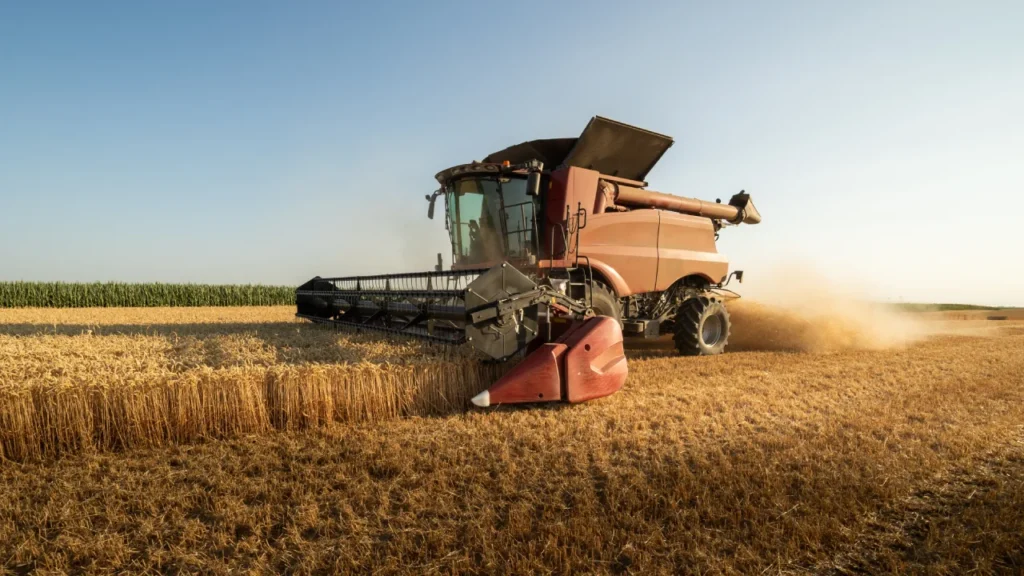
How to Inspect Used Heavy Equipment Remotely: Practical Checklist for International Buyers
This article provides a practical, step-by-step guide for evaluating machinery without physical access.
July 10, 2026
New vs Used Heavy Equipment in 2026: Cost, Risk, ROI & When Each Option Wins
This guide explores new vs. used machinery investments, from costs and risks to financing and ROI.
Got Questions?
Our FAQ section covers everything from shipping and listing to buying with confidence.
What are the different types of dozers?
Also known as bulldozers, they are heavy construction equipment used to move earth and materials. They are classified based on size, track type, and blade type.
Dozers by Type
Crawler
These are the most common type, characterized by their large, tracked undercarriage. They are powerful and suitable for heavy-duty applications in rough terrain. However, they have slower transport between job sites compared to wheeled dozers and can damage paved surfaces; they are also more expensive to purchase and operate.
Wheel
Equipped with rubber tires, they are faster and more maneuverable on paved surfaces but have less traction on soft or muddy ground compared to crawler dozers. They are also less stable than crawler machines, especially on slopes or uneven terrain.
Dozers by Size
Mini Dozers
Smaller versions, typically under 10,000 lbs (4,536 kg). Highly maneuverable, ideal for tight spaces, low operating costs, suitable for small-scale projects like landscaping and site preparation. But when looking for a small dozer, remember that they have limited power and blade size, not suitable for heavy-duty tasks.
Compact Dozers
Slightly larger than mini dozers and weigh between 10,000 and 30,000 lbs (4,536–13,608 kg). Versatile, efficient, good balance of size and power, suitable for a wide range of projects, including light construction and site development. However, they may struggle with large-scale projects or extremely challenging terrain.
Standard Dozers
Usually weigh between 30,000 and 100,000 lbs (13,608–45,359 kg). Powerful, capable of handling heavy-duty tasks, versatile, and suitable for large-scale projects like land clearing and road construction. Nevertheless, less maneuverable than smaller machines and have higher operating costs.
Heavy Dozers
Typically weigh over 100,000 lbs (45,359 kg). Extremely powerful, capable of moving massive amounts of earth, ideal for large-scale mining and construction projects. Downsides include high operating costs, specialized operators required, and limited maneuverability.
Dozers by Blade Type
Straight –
the most common type, used for general earthmoving and leveling.
S-Blade –
shaped like the letter "S," it is effective for dozing and loading materials.
Universal –
a combination of straight and S-blade, offering versatility.
Angle –
can be angled for precision work and material handling.
How to choose the right dozer?
Finding the right dozer for your project can be a hard task. But it is crucial for efficiency, productivity, and cost-effectiveness.
Understanding your needs
Define the size and nature of the project. Is it a small site preparation or a large-scale land-clearing operation?
Assess the ground type (soil, rock, etc.), slopes, and obstacles. This will determine the required horsepower and undercarriage.
Determine the type of material you'll be moving (earth, rocks, debris). This will influence blade size and type.
Establish a clear budget to narrow down your options and decide on a dozer price you are comfortable with.
Specifications
Horsepower
Blade Type
Undercarriage
Operator Comfort
Machine Control Features
Maintenance and Support
Tips for Choosing the Right Bulldozer
Seek advice from equipment rental companies or sellers.
Explore additional attachments like rippers, winches, and scrapers to enhance versatility.
Learn more about fuel consumption, maintenance, and operator costs.
Prioritize safety features like rollover protection structures (ROPS) and falling object protection structures (FOPS).
If possible, test different models to assess performance and fit.
Which is more profitable: buying a new or used bulldozer?
The decision to buy a used or new dozer depends on several factors, including budget, project needs, and long-term plans.
NEW DOZER
Among the cons are higher upfront costs and slower depreciation.
Among the pros, we can mention the latest technology, warranty coverage, fuel efficiency, and resale value.
USED DOZER
Lower upfront cost and the potential for higher ROI if the machine is in good condition.
Unknown maintenance history and hidden repairs. Depreciation is already factored in. JumboBee provides a pre-sale inspection, so you will know everything about the equipment you want to buy.
If we talk about other factors, here we can mention:
Budget –
a used machine is generally more affordable.
Project needs –
if you need a machine for a short-term project, a used one is the perfect fit. For long-term or heavy-duty work, a new one might be better.
Maintenance –
consider the cost of maintaining an older machine versus the potential for lower maintenance costs on a new one.
Resale value –
new machines typically hold their value better.
What are the advantages of a new or used dozer?
NEW DOZER
A new dozer offers a range of benefits. It comes with the latest technology, ensuring optimal performance and efficiency.
Additionally, new machines are typically under warranty, providing peace of mind in case of unexpected issues.
USED DOZER
A used bulldozer can be a cost-effective option, often with a lower price tag compared to a new machine.
Used dozers may already be equipped with specific attachments or modifications that suit your particular needs.
How can I arrange the shipping of a bulldozer?
For an easy and efficient shipping process, use JumboBee. Our experienced team specializes in handling bulldozer transportation, offering tailored solutions and exceptional buyer service.